Articles for category: Biology & Genetics, News, Paleontology

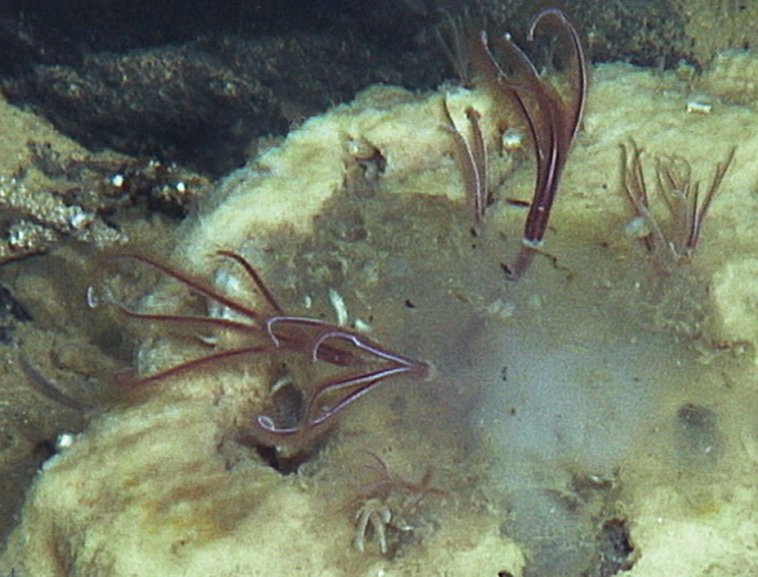
Osedax braziliensis underwater

Bone-Eating Worms Feasted on Marine Reptile Skeletons Long Before Whales

April Joy Jovita

Long before whales ruled the oceans, ancient bone-eating worms were already thriving on the seafloor, feasting on the skeletons of marine reptiles like mosasaurs, ichthyosaurs, and plesiosaurs. New fossil evidence reveals that these specialized worms, similar to modern Osedax, were boring into bones over 100 million years ago, leaving behind distinctive burrows that mark one ...

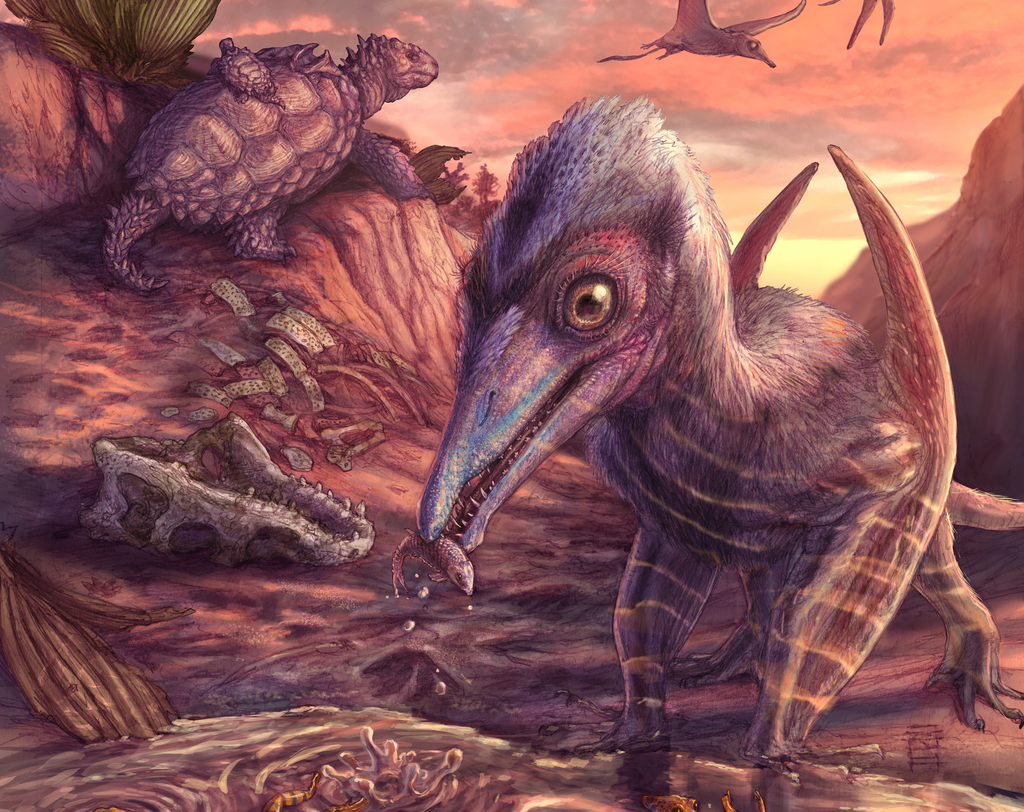
Speculative life restoration of the early pterosaur Eotephradactylus mcintireae

Ash-Winged Dawn: Oldest North American Pterosaur Emerges from Triassic Bonebed

April Joy Jovita

A gull-sized flying reptile has emerged from fossil-rich layers of Arizona’s Petrified Forest, revealing the earliest known pterosaur in North America. Named Eotephradactylus mcintireae, this delicate creature lived 209 million years ago and shared its ecosystem with turtles, amphibians, and armored reptiles, capturing a moment of evolutionary transition before the end-Triassic extinction. A Fossil Treasure ...

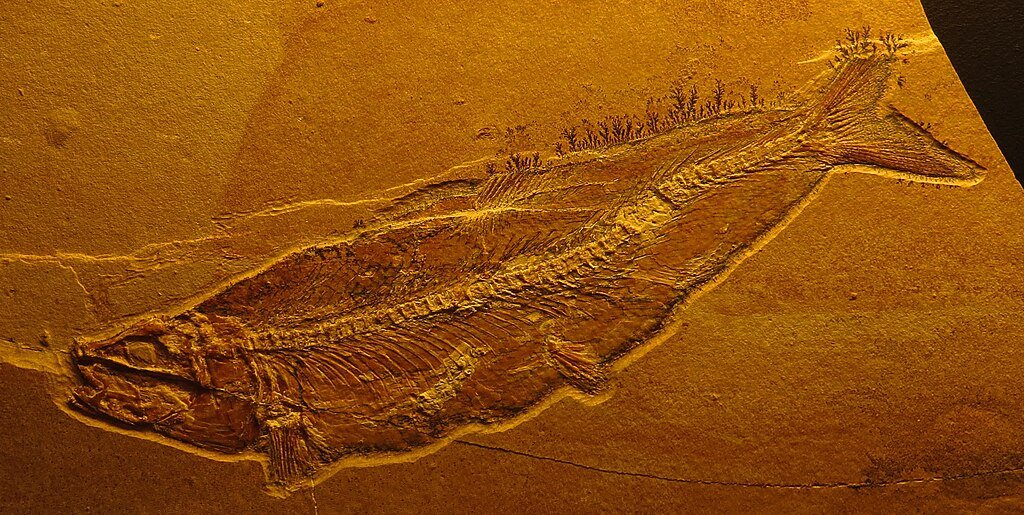
Tharsis sp. fossil display in the museum

Fatal Feast: Jurassic Fish Fossils Reveal Death by Squid 

April Joy Jovita

A new study published in Scientific Reports uncovers a tragic feeding mistake preserved in stone: Jurassic fish of the genus Tharsis choked to death while attempting to swallow squid-like cephalopods called belemnites. The fossils, found in Germany’s Solnhofen Limestone, offer rare insight into predator-prey dynamics and ecological conditions 150 million years ago. Fossils from a ...

Green turbo seashell on the sand

Paleogeography Rewrites the Map: How Ocean History Shaped Mollusk Distribution

April Joy Jovita

A sweeping new study has unveiled a global map of marine mollusks that reflects not just present-day ocean conditions but millions of years of geological transformation. Published in Scientific Reports, the research shows how ancient shifts in land and sea, alongside temperature and ocean currents, continue to shape the biogeography of shallow-water mollusks like bivalves ...

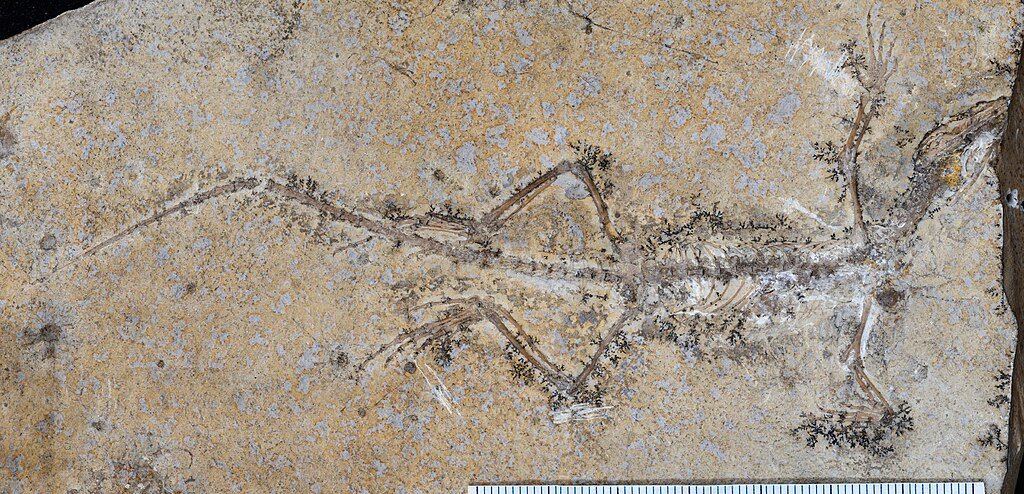
The holotype specimen of the extinct rhynchocephalian reptile Sphenodraco

Rediscovered Fossil Reveals Jurassic Tree-Climbing Reptile

April Joy Jovita

A chance museum discovery has led paleontologists to identify a new species of ancient reptile, Sphenodraco scandentis, that likely lived in trees during the Late Jurassic. Published in the Zoological Journal of the Linnean Society, the study combines two fossil slabs separated for nearly a century, offering fresh insight into the evolution and ecology of ...

Arsenic trisulfide in black background

Arsenic and Adaptation: How Ancient Life Survived Earth’s Toxic Ocean

April Joy Jovita

A new study published in Nature Communications reveals that some of Earth’s earliest complex organisms evolved a remarkable survival mechanism: storing arsenic inside their cells. This adaptation helped them endure the chemically hostile oceans of the Paleoproterozoic era, offering rare insight into how life persisted during a time of rising oxygen and environmental stress. Fossils ...

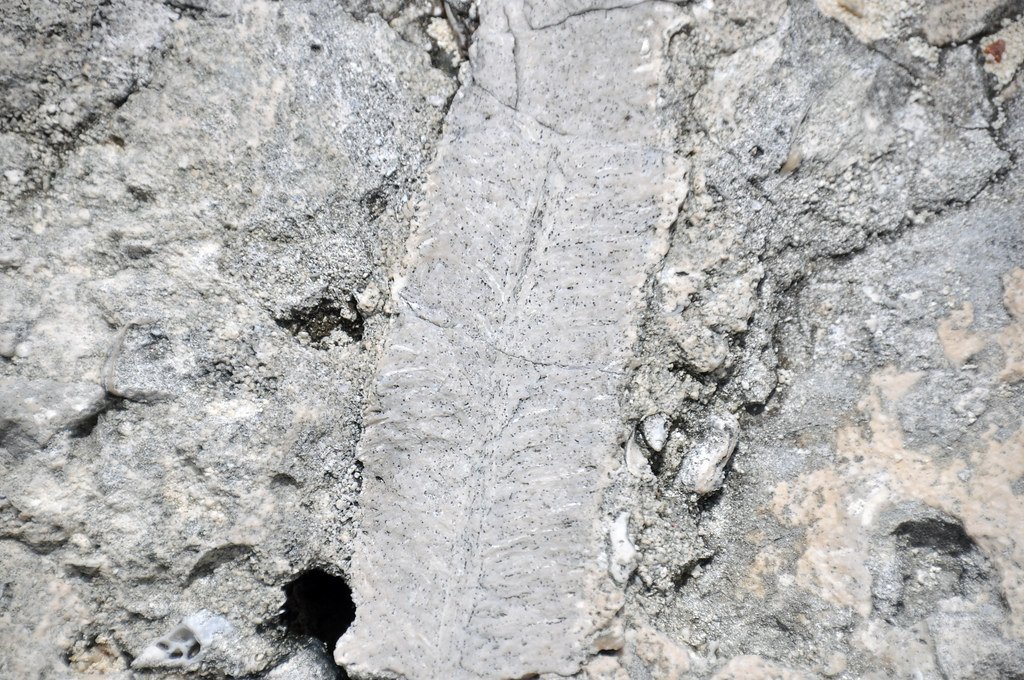
Paleoerosion-planed off fossil coral in fossiliferous limestone

Prehistoric Coral Reefs Reveal What Centuries of Fishing Have Cost Us

April Joy Jovita

A groundbreaking study of 7,000-year-old fossilized coral reefs has revealed how centuries of humans have dramatically altered Caribbean reef ecosystems. Published in Proceedings of the National Academy of Sciences, the research compares ancient reef communities with modern ones, uncovering a cascade of ecological changes triggered by the loss of top predators. A Window Into Prehuman ...

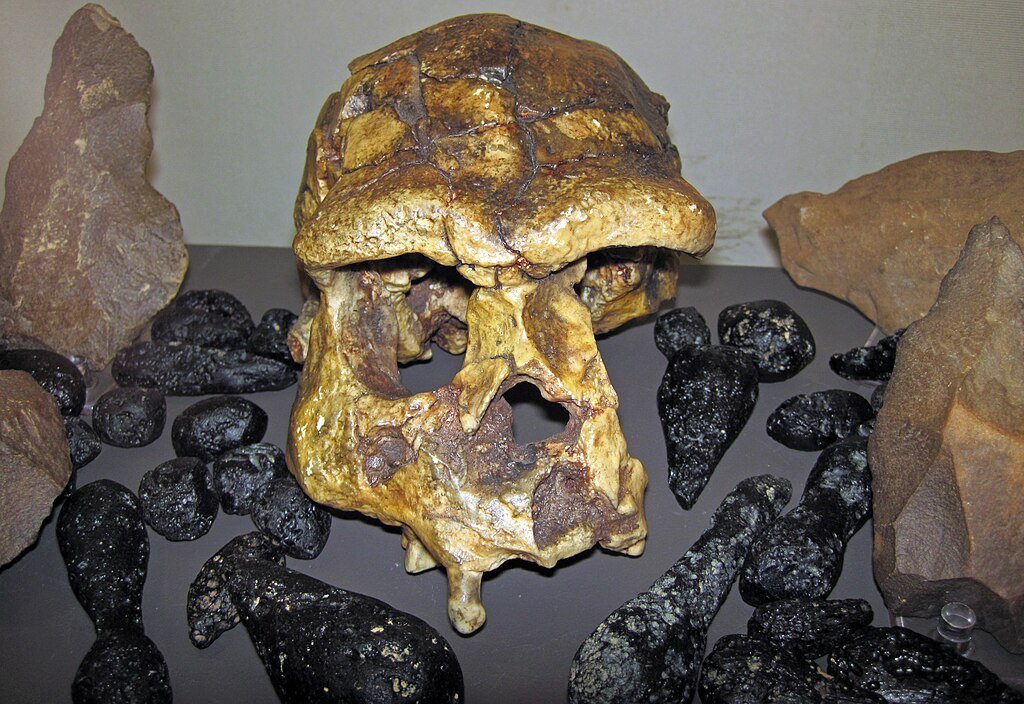
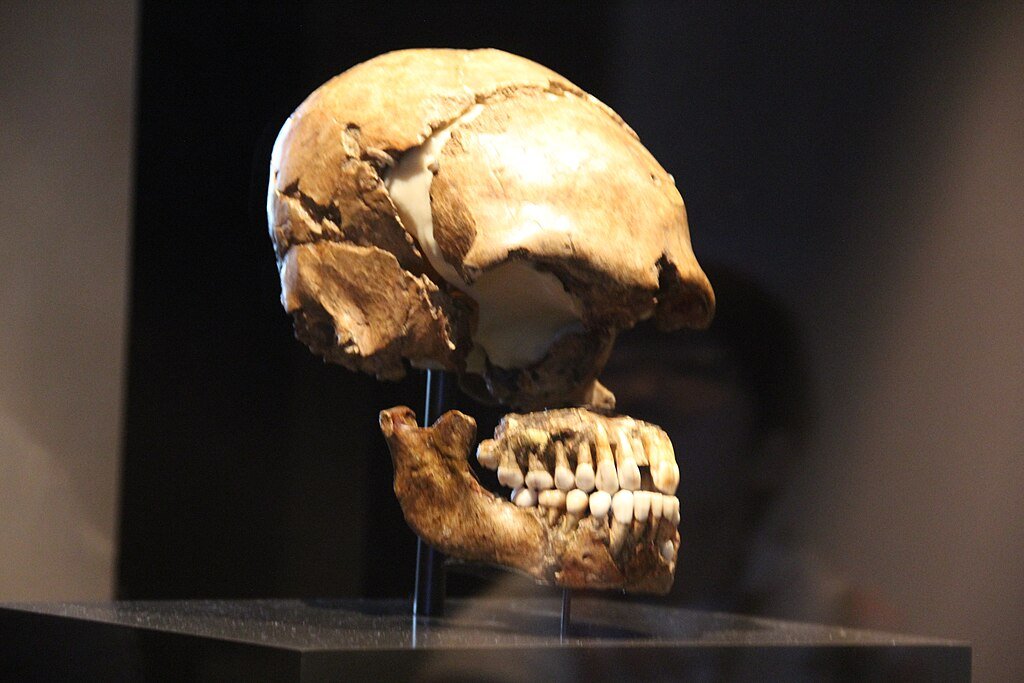
Homo erectus (fossil hominid skull) & indochinite tektites display in the museum

Lost World Unearthed: First Hominin Fossils Recovered from Submerged Sundaland

April Joy Jovita

In a discovery that reshapes our understanding of early human migration in Southeast Asia, scientists have recovered the first hominin fossils from the now-submerged lowlands of ancient Sundaland. Published in Quaternary Environments and Humans, the study reveals that Homo erectus and other archaic humans once inhabited this vast landmass—now hidden beneath the Java Sea—during the ...

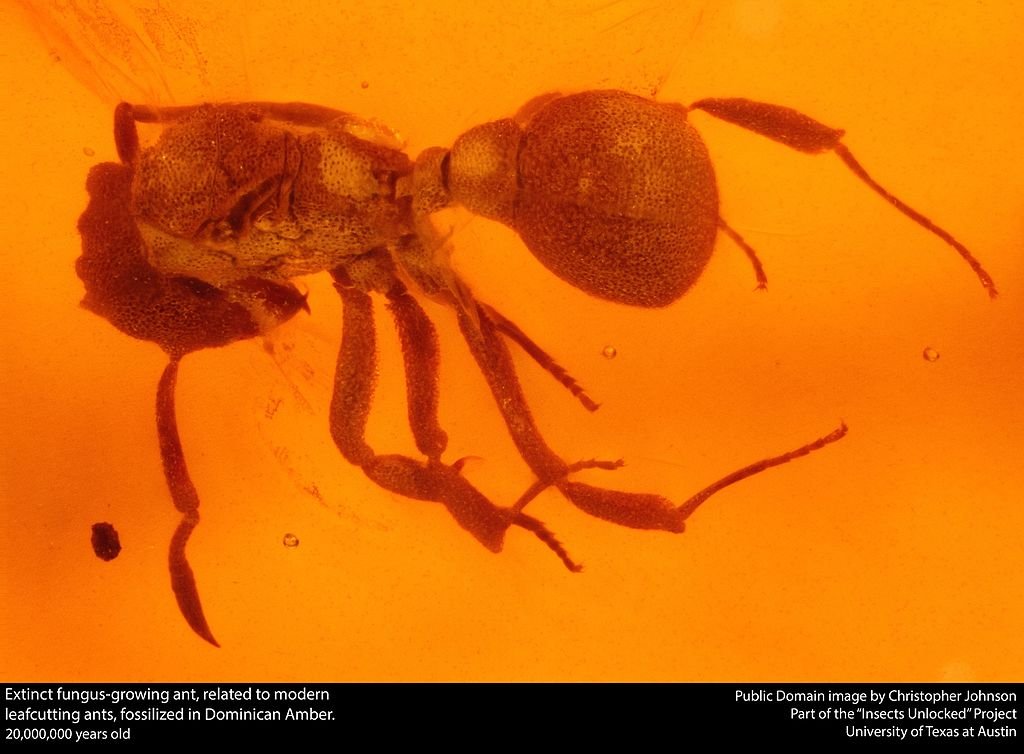
Extinct fungus-growing ant, related to modern leafcutting ants, fossilized in Dominican Amber.

Jurassic Parasites: Amber Fossils Reveal the Dinosaur-Era Origins of Zombie-Ant Fungi

April Joy Jovita

A remarkable discovery from mid-Cretaceous amber has pushed back the evolutionary timeline of one of nature’s most bizarre parasitic relationships: the infamous “zombie-ant” fungi. Researchers from the Chinese Academy of Sciences have identified fossilized fungi infecting insects in 99-million-year-old amber, offering the oldest direct evidence of entomopathogenic fungi manipulating their hosts. Fossilized Mind Control The ...