Blog

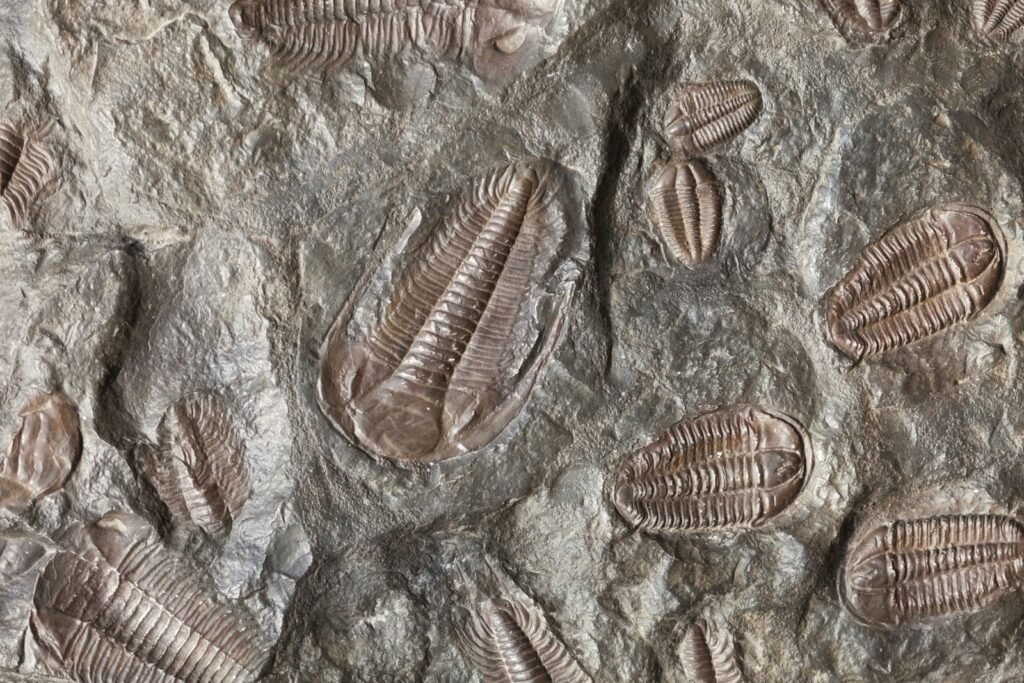
Fossils of trilobites

The Trilobite: Ancient Marine Arthropods and Their Role in Earth’s History

Trizzy Orozco

Trilobites are among the most well-known groups of extinct marine arthropods, known for their distinctive three-lobed, three-segmented exoskeleton. First appearing around 521 million years ago during the early Cambrian Period and thriving until their extinction about 252 million years ago at the end of the Permian Period, trilobites were incredibly diverse and successful, leaving behind ...

Northern hairy-nosed wombat.

Endangered Species Day: The Forgotten Creatures You’ve Never Heard Of

Trizzy Orozco

Did you know that every hour, a species quietly slips closer to extinction—often without the world ever learning its name? Endangered Species Day isn’t just about the famous faces like tigers and pandas. It’s also a time to pull back the curtain on the silent, overlooked animals whose stories rarely make headlines. These creatures, with ...

Rare sighting of a Cape Fur Seal preying on a Thrasher Shark near the coast of Cape Town. Image by Gunnar Oberhösel @theglobetrotterguy

The Art of Hunting: How Predators in Nature Choose Their Prey

Anna Lee

The natural world is a complex tapestry of interactions between species, where survival often hinges on the delicate balance of predator-prey relationships. This dynamic is an intricate dance, showcasing the fascinating strategies predators use to select and capture their prey. By delving into the art of hunting, we uncover the myriad tactics employed by predators ...

The Disturbing Idea That Free Will May Be a Useful Illusion

The Disturbing Idea That Free Will May Be a Useful Illusion

Gargi Chakravorty

  There’s something unsettling about the notion that the choices we make every day might not truly be ours. When you decided what to eat for breakfast or whether to hit the snooze button this morning, you probably believed those decisions were under your control. You felt like you were calling the shots. What if ...

Whale shark underwater photography.

Whale Sharks of Donsol: Gentle Giants With a Mysterious Migration Route

Trizzy Orozco

Imagine gliding through the warm turquoise waters of a tropical bay, your heart pounding as a shadow the size of a school bus passes beneath you. Suddenly, a colossal mouth opens wide, filter-feeding on invisible plankton, while sunlight dances over spotty blue-gray skin. This is Donsol, a tiny, sleepy town in the Philippines that transforms ...

Why Consciousness May Be Older Than Life Itself

Why Consciousness May Be Older Than Life Itself

Gargi Chakravorty

What if everything we believe about consciousness is backwards? What if the very awareness that allows us to ponder these questions existed long before the first neurons fired, before the first cell divided, perhaps even before the universe took its current shape? It sounds like something out of science fiction, honestly. Yet a growing number ...

black and white happy birthday signage

The Power of Women in Ecotourism: How Female Entrepreneurs Are Driving Sustainable Travel

Annette Uy

Ecotourism has emerged as a transformative force in the travel industry, providing opportunities for sustainable development while promoting the conservation of nature and biodiversity. As the world becomes increasingly aware of the environmental crises we face, many travelers are opting for experiences that are eco-friendly and socially responsible. Women have been at the forefront of ...

What We Lose When a Species Disappears — and What We Can Still Save

What We Lose When a Species Disappears — and What We Can Still Save

Annette Uy

It’s a silent tragedy that unfolds in forests, oceans, and skies—a vanishing so quiet, most of us don’t notice until it’s too late. Imagine a world without the haunting call of wolves, the fluttering dance of butterflies, or the vibrant color of coral reefs. Every time a species disappears from our planet, it’s not just ...

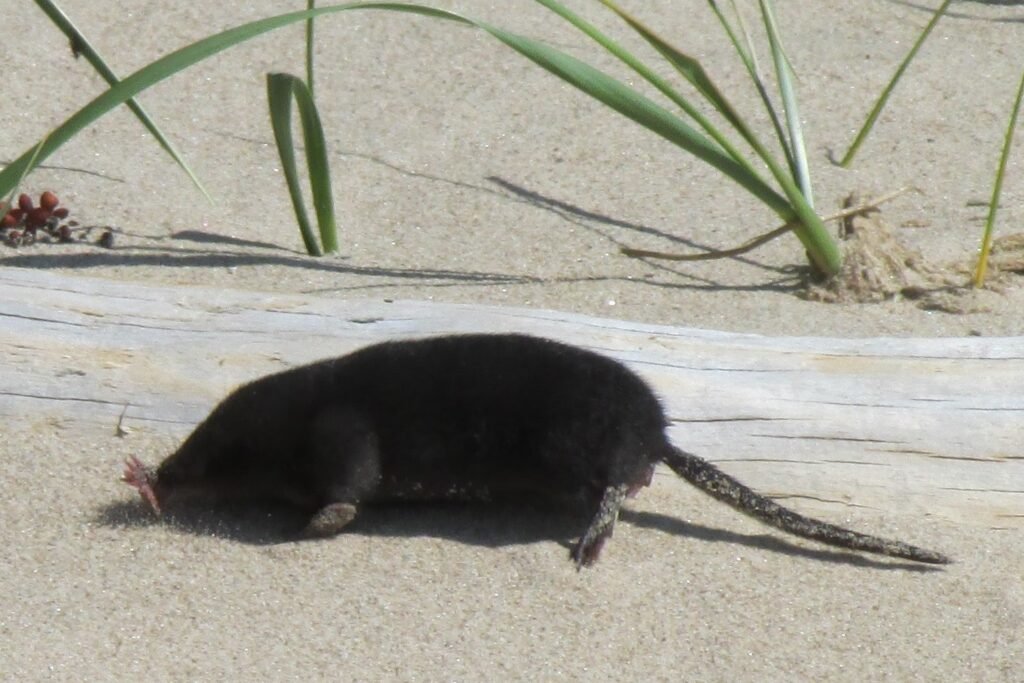
Star-Nosed Moles: Nature’s Fastest Touch Processors

Suhail Ahmed

In a world wired for sight and sound, the star-nosed mole thrives by doing something far stranger: it reads the world through a living crown of touch. This palm‑sized mammal rockets through saturated soils and stream edges, scanning for prey faster than most cameras can track. Biologists once debated whether its flower‑like nose was just ...