Most people assume archaeologists spend their careers hunting down fakes and keeping them out of museums. The uncomfortable truth is messier: some of history’s boldest archaeological forgeries didn’t slip past the experts by accident. They were built, brushstroke by brushstroke and chisel mark by chisel mark, because a rich, powerful, or desperate buyer wanted them to be real – and was willing to pay handsomely for that fantasy.
From crystal skulls carved for Victorian occultists to Dead Sea Scroll fragments manufactured for modern evangelical collectors, the pattern repeats with eerie consistency. Museums, tsars, and even universities got played by forgers who understood one simple rule: give the customer exactly what they’re already dying to believe. Here are 14 cases where money, pride, and blind faith turned pure fiction into “priceless” history.
#14 – The Crystal Skulls That Sold a Fantasy of Ancient Mexico
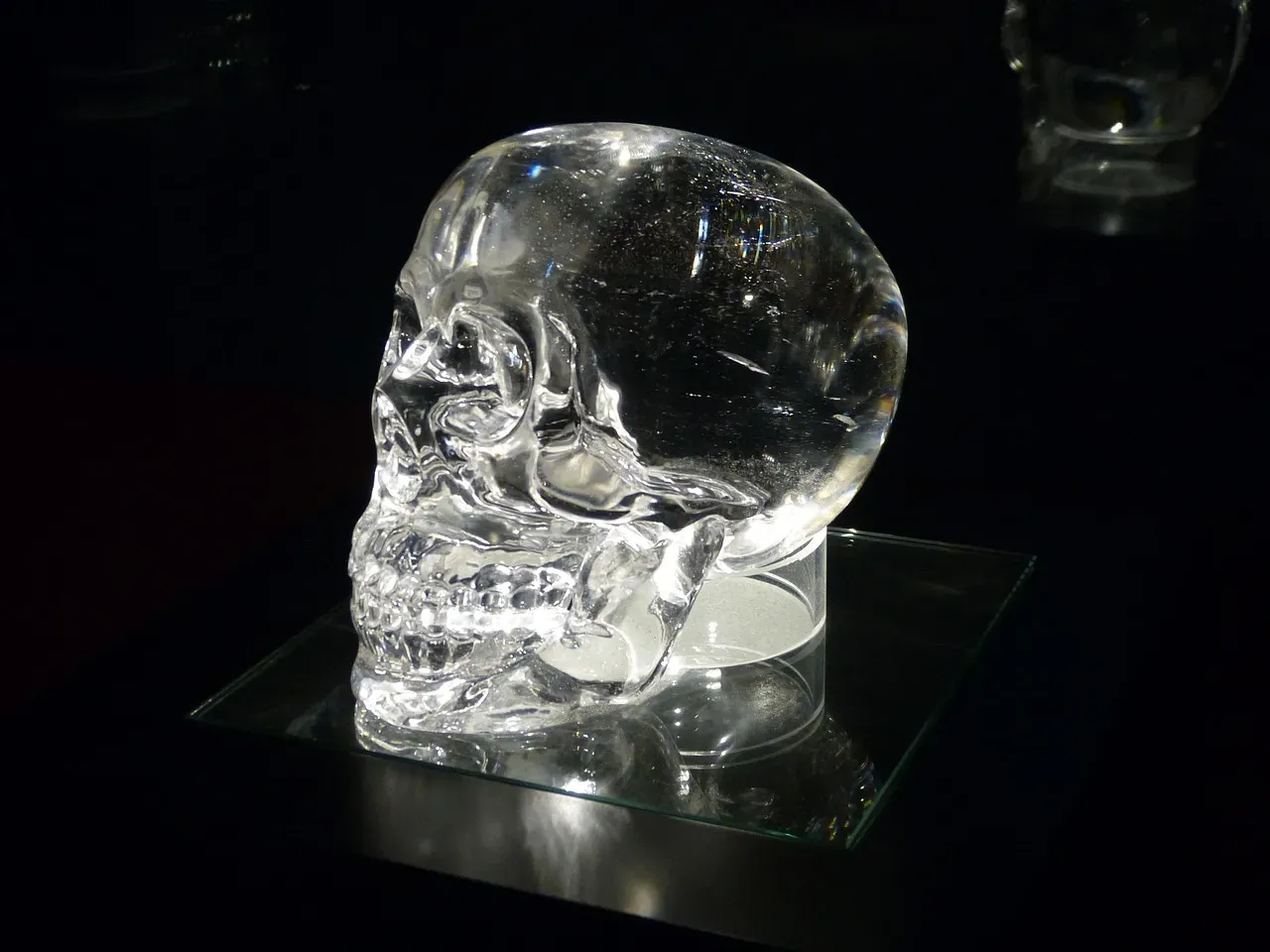
These skulls were marketed as mystical Aztec or Maya artifacts with secret powers. In reality, they were tailor-made for rich European buyers who craved the exotic. By the late 19th century, crystal skulls started appearing in private collections and museums, usually with vague stories: a mysterious dealer, a ruined temple, a secret dig.
Modern microscopic analysis later showed tell-tale rotary tool marks that didn’t exist in pre-Columbian Mesoamerica. The quartz itself often came from sources the Maya never used. Yet because Victorian collectors loved occult objects, demand exploded.
Some skulls passed through the hands of well-known dealers like Eugène Boban, who knew exactly what his customers wanted: something that felt ancient, pagan, and powerful enough to impress dinner guests. Museums – under pressure to keep up with rivals – often bought without asking too many questions.
Even now, crystal skulls remain pop-culture icons, proof that a good story can outlive the debunking by more than a century.
#13 – The Davenport Conspiracy: Fake Relics for a Small-Town Museum
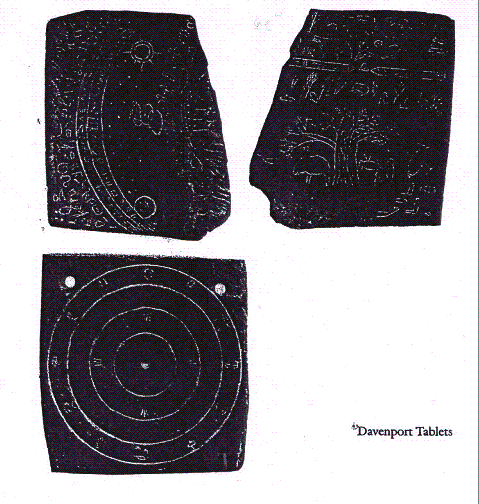
In Davenport, Iowa in the 1870s, local enthusiasts were desperate to put their city on the archaeological map. A small museum, eager to prove Native American sophistication, became the perfect victim – and maybe even the quiet client.
A series of “spectacular” finds suddenly turned up: inscribed stone tablets and pipes that seemed to show Old World writing in the American Midwest. At a time when many white Americans argued that Indigenous cultures weren’t capable of “high civilization,” these artifacts were explosive. They conveniently supported a feel-good story that European-style literacy had somehow reached the region long ago.
Suspiciously, the finds all benefited the local scientific society and its museum. Critics later argued that the motive wasn’t cash alone, but prestige: increased donations, attention from big-city scholars, and a way to “prove” the town’s importance. When outside experts examined the items, the inscriptions looked clumsy and the patina looked artificial.
The scandal humiliated the Davenport Academy and quietly warned other small institutions: desperation for important relics makes you the perfect customer for a forger.
#12 – The Kensington Runestone: A Viking “Treasure” for a Proud Farmer
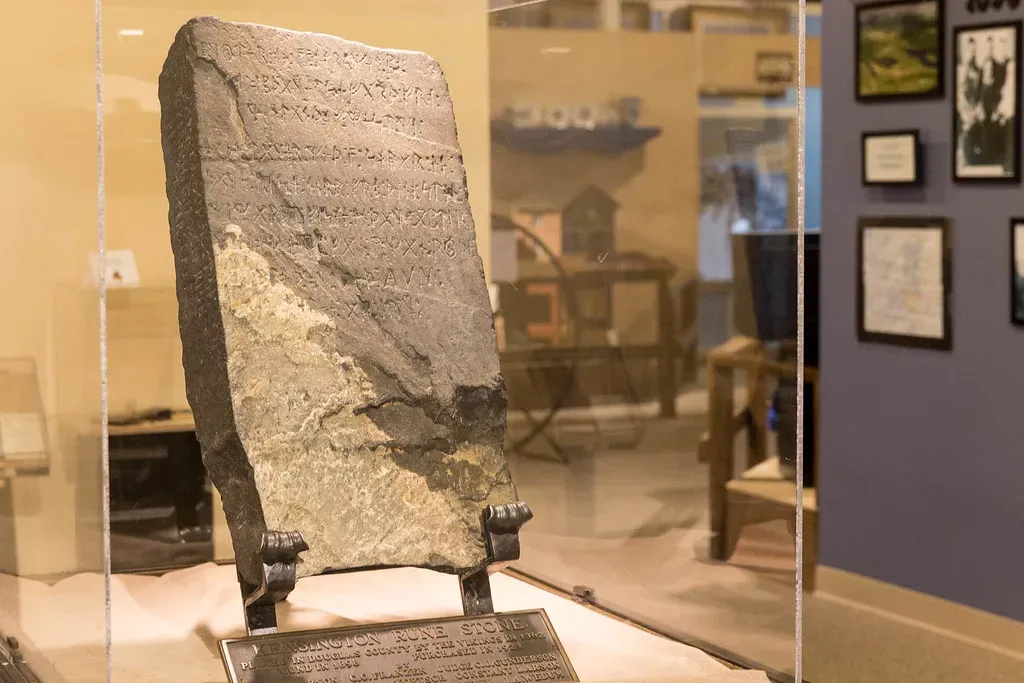
In 1898, a Swedish-American farmer in Minnesota “discovered” a runic stone on his land, purporting to show that Vikings reached the American interior in the 14th century. Conveniently, that claim played directly into the pride of Scandinavian immigrant communities – and the local desire to rewrite American history with their ancestors front and center.
The inscription, allegedly carved by Norse explorers in 1362, describes a doomed expedition. But linguists have long pointed out that its runes and language match 19th-century Swedish usage more than medieval Norse. Tool marks and weathering patterns also look suspiciously modern for a stone that should have spent centuries in the ground.
Fast Facts
- Unearthed in 1898 near Kensington, Minnesota, by farmer Olof Ohman while clearing a field.
- Inscription claims a Norse expedition date of 1362 – decades before Columbus.
- Language experts flag runic forms and grammar that trace to 19th-century Sweden, not medieval Scandinavia.
- The stone is still displayed today at a dedicated museum in Alexandria, Minnesota.
Who was the “paying buyer” here? Not a single rich collector, but a whole region hungry for a heroic origin myth. Local boosters, historical societies, and even tourist offices embraced the stone. That social and financial backing effectively paid for the forgery’s continued survival in public memory, even as scholars dismantled it.
To this day, some locals defend the stone fiercely – because admitting the forgery means admitting they bought a story they really wanted to be true.
#11 – The Tiara of Saitafernes: Fooling a Tsar With Greek Gold
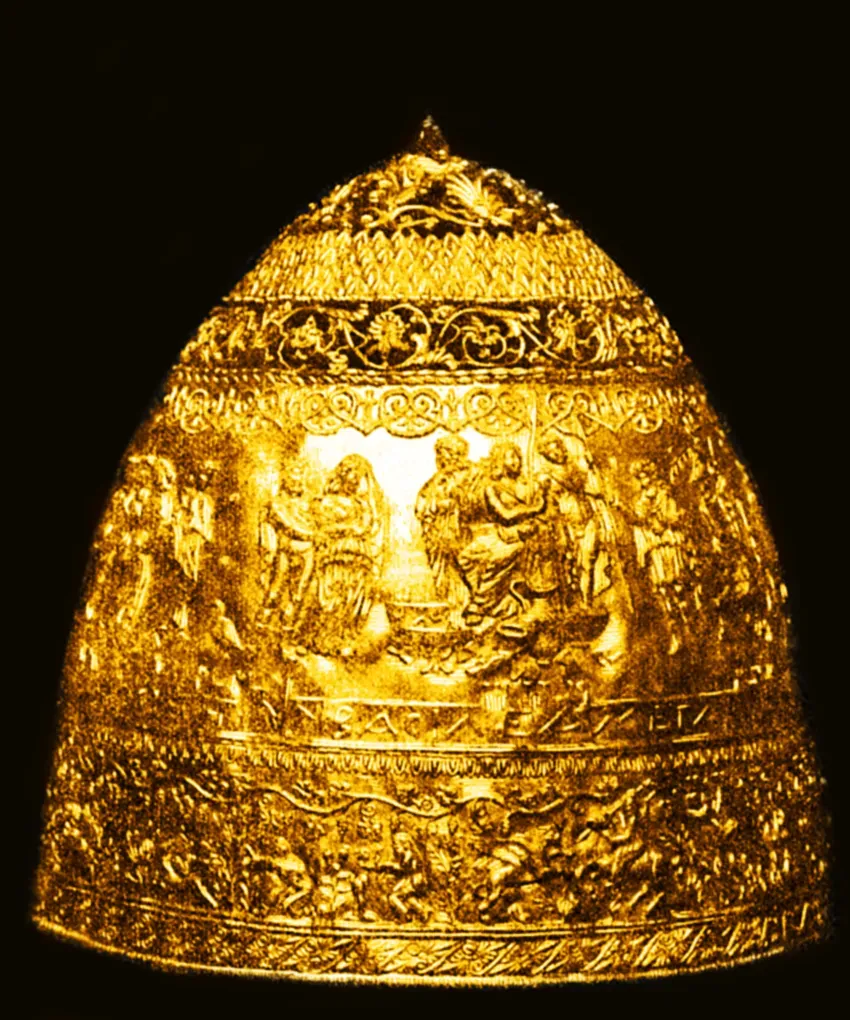
At the end of the 19th century, the Louvre and the Hermitage were in an arms race for spectacular antiquities. That’s exactly when a “Scythian” gold tiara supposedly belonging to King Saitafernes appeared – glittering, elaborate, and perfectly tailored to imperial taste.
The tiara ended up in the Hermitage Museum in St. Petersburg, purchased for a hefty sum and proudly presented to Tsar Alexander III. It matched what scholars expected Scythian royal art to look like, only grander. The problem: it was secretly made by a skilled Odessa goldsmith, Israel Rouchomovsky, who later admitted that he had simply met a dealer’s request for something impressive enough to sell to a major museum.
Rouchomovsky never claimed it was ancient; that embellishment came from intermediaries driven by profit and by the knowledge that royal and museum buyers wanted “new masterpieces.” The tiara’s style cleverly blended real Hellenistic motifs with imaginative flourishes, just exaggerated enough to satisfy curators looking for a showpiece.
Only when cracks in the story – like missing provenance and odd stylistic details – became too obvious did the Hermitage quietly concede the embarrassment.
#10 – The Etruscan “Terracotta Warriors” the Met Wanted Too Badly
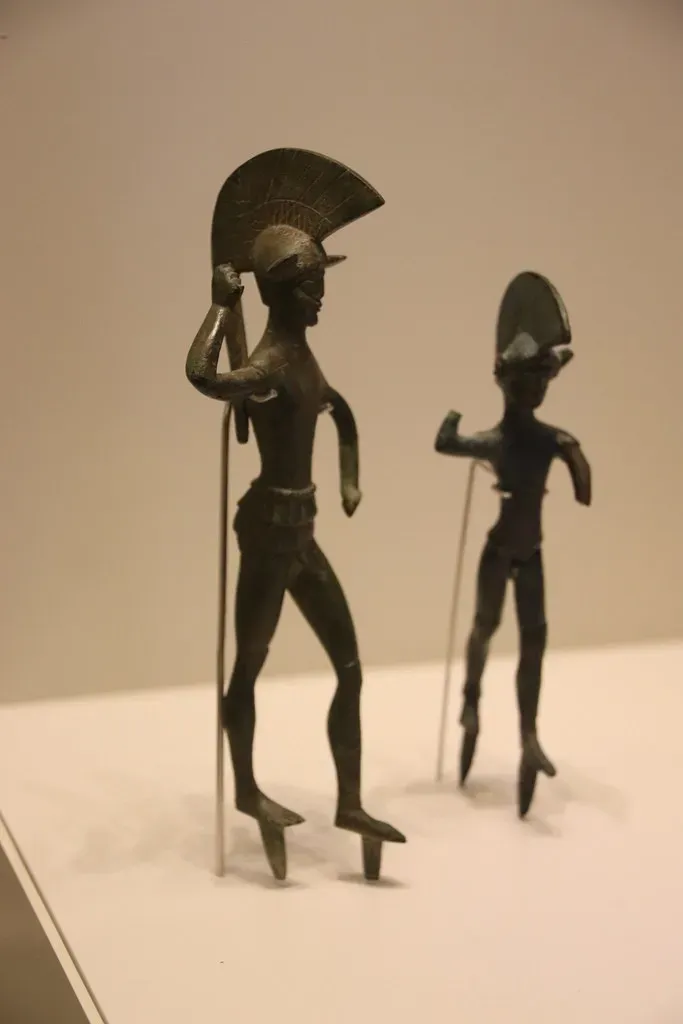
In the early 20th century, the Metropolitan Museum of Art in New York had a problem: Europe was full of grand classical sculptures, and America wasn’t. Curators desperately needed big, impressive pieces to prove they could play at the same level.
Enter three large “Etruscan” terracotta warriors, purchased between 1915 and 1921. They were tall, dramatic, and exactly what a rising American museum would want for its galleries. Decades later, scientific testing and stylistic analysis showed they were clumsy modern fakes, likely created by Italian artisans in the late 19th or early 20th century.
The style mixed real Etruscan elements with distinctly modern sculptural habits; anatomies felt off, faces too theatrical. The forgers had essentially reverse-engineered what museum buyers thought Etruscan statues should look like by copying from books and combining motifs.
Why did they work so well? Because the Met – flush with new money and wealthy donors – was ready to pay for heroic, photogenic objects, not small, fragmentary ones. That buyer pressure silently told dealers: “Bring us something big and ancient, and we won’t look too closely.”
#9 – The “James Ossuary”: A Biblical Relic Built for the Faith Market
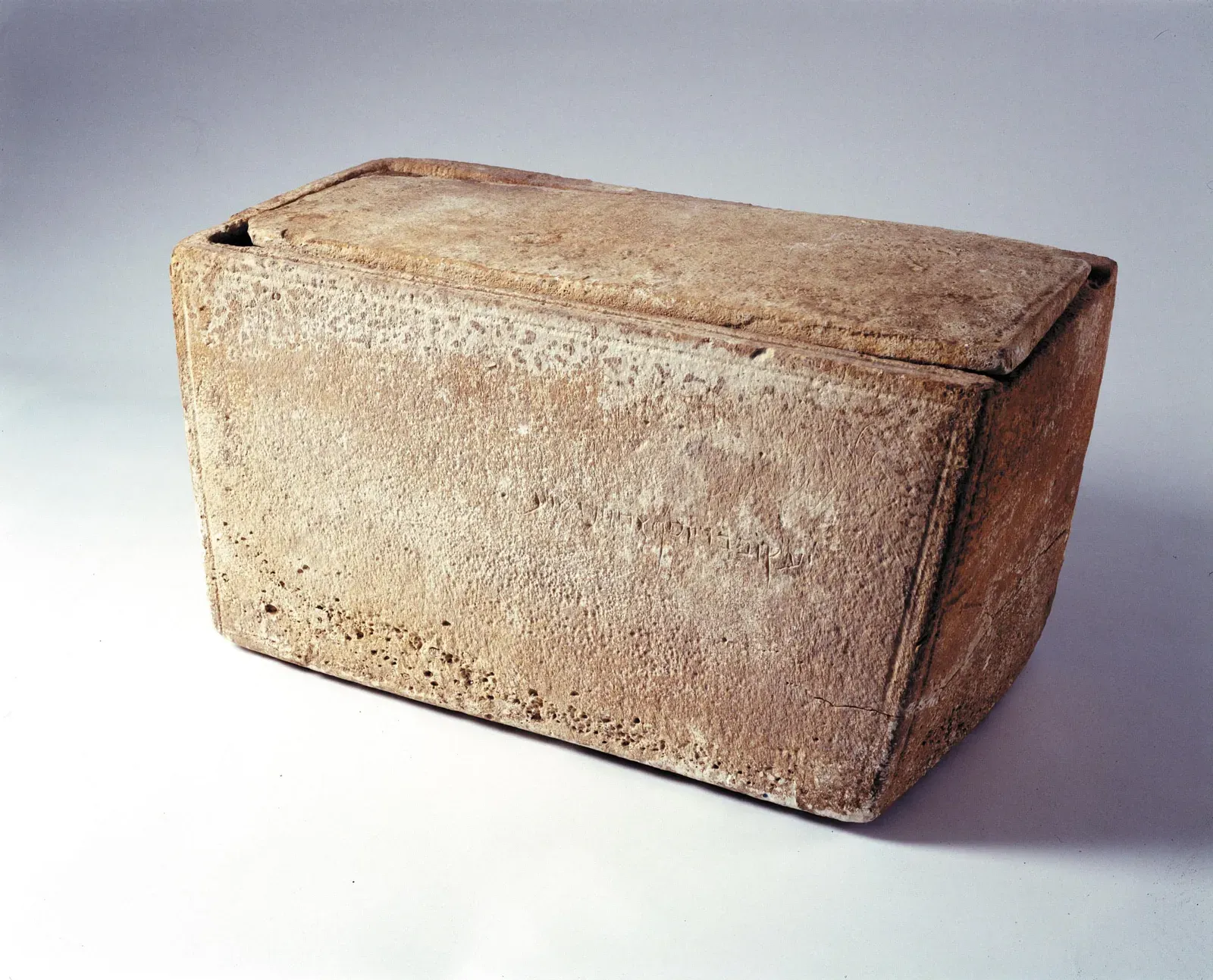
In the early 2000s, a limestone bone box surfaced on the antiquities market with an explosive inscription: “James, son of Joseph, brother of Jesus.” For evangelical collectors and certain religious institutions, this was the holy grail of archaeology: physical proof that tied directly to the New Testament.
The ossuary itself is widely accepted as genuinely ancient; such boxes were common in 1st-century Judea. The controversy is the final part of the inscription – “brother of Jesus” – which many epigraphers, geologists and investigators believe was added in modern times to skyrocket its value.
The object moved in an opaque trade network of dealers, private collectors, and middlemen, exactly where a high-paying buyer’s desires quietly steer what appears. The timing was perfect. A booming market for Biblically themed artifacts meant a “Jesus-related” object could fetch hundreds of thousands, if not millions.
Debates in court focused on patina, chisel marks, and modern contamination. The forgery, if accepted as such, wasn’t just random; it was tailored to a religious collectibles market hungry for “proof.” The fight over its authenticity revealed an uncomfortable truth: when belief and money mix, the incentive to forge is enormous.
#8 – The Vinland Map: A Medieval “Proof” of Pre-Columbian Europe in America
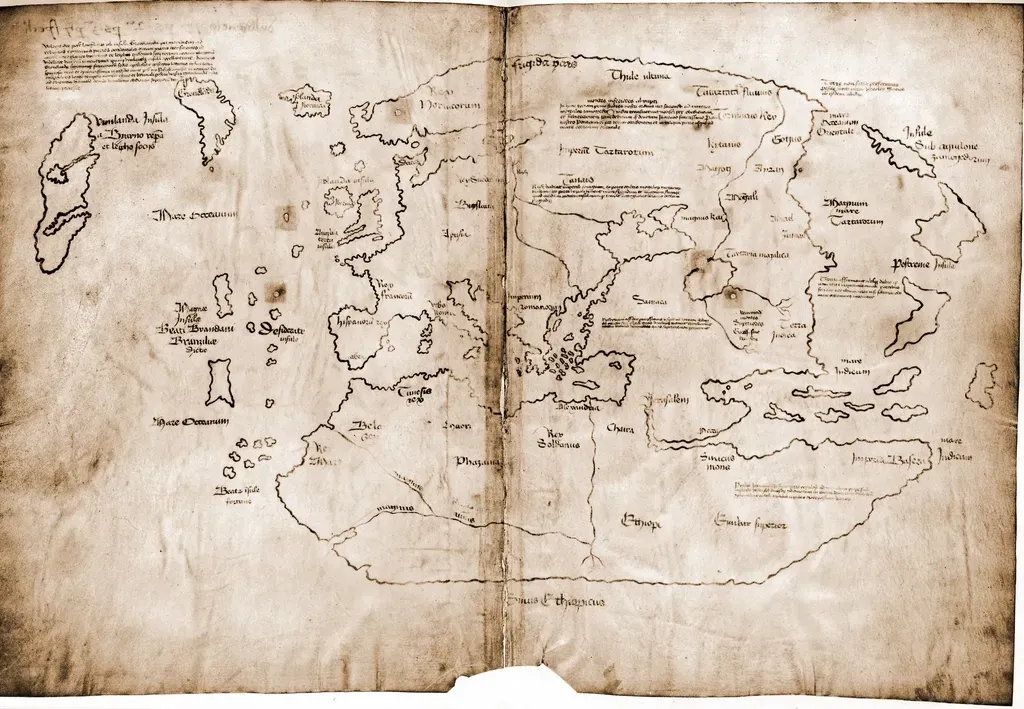
For decades, the Vinland Map was paraded as a 15th-century document showing Norse exploration of North America – before Columbus. Yale University, which acquired it in the mid-20th century, had effectively become the wealthy institutional “buyer,” even if donor pockets did the actual paying.
The map conveniently aligned with mid-20th-century academic and national pride: Scandinavians reaching America first, scholarly institutions holding the smoking gun. Later chemical analysis of the ink revealed modern pigments, including anatase titanium dioxide, which did not exist in medieval manuscripts. The parchment itself may have been old, but the drawing seemed freshly applied in the 20th century.
Who was it made for? Almost certainly for the high-end collector and institutional market that prized unique, groundbreaking pieces. A medieval map that “rewrote history” was the perfect museum trophy and a dream for donors. The forger used authentic vellum – probably from a damaged manuscript – to make the illusion more convincing.
The scandal exposed an ugly reality: prestigious universities can be as eager as any private millionaire to own something that changes the narrative, and that eagerness is exactly what forgers monetize.
#7 – The Shapira Deuteronomy Fragments: Bible Texts for a Deep-Pocketed Museum
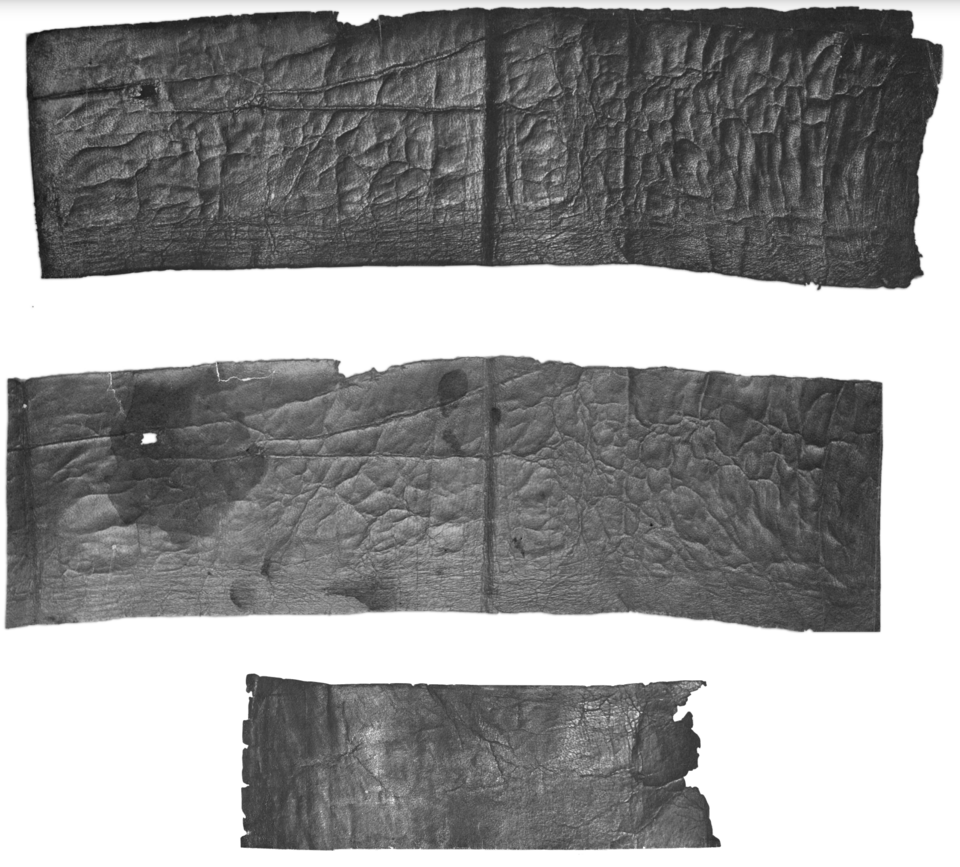
In the 1880s, antiquities dealer Moses Wilhelm Shapira offered the British Museum a set of leather strips bearing what he claimed were ancient Hebrew writings – a variant of Deuteronomy. The asking price? An enormous sum, reflecting how much European powers were willing to pay for Biblical manuscripts that reinforced their cultural authority.
The fragments emerged at a moment when rival empires – British, French, German – were racing to secure “original” Bible texts from the Holy Land. Shapira’s pieces conveniently looked older and more radical than anything then known, with variants that would have made scholars, churches, and governments rethink scripture.
Problem: expert analysis found clumsy features, suspicious letter forms, and likely modern ink. Today, some fringe voices still argue for their authenticity, but mainstream scholars see them as 19th-century fabrications. If so, they were meticulously engineered to tap into the British Museum’s anxieties and ambitions: to own the earliest, most authoritative version of God’s word – and outshine continental rivals.
Shapira’s financial desperation, after earlier scandals, and the institution’s appetite created a perfect storm: a dealer who needed a big sale, and a buyer who craved exactly that kind of “discovery.”
#6 – Piltdown Man: Evolution’s “Missing Link” Built for the British Ego
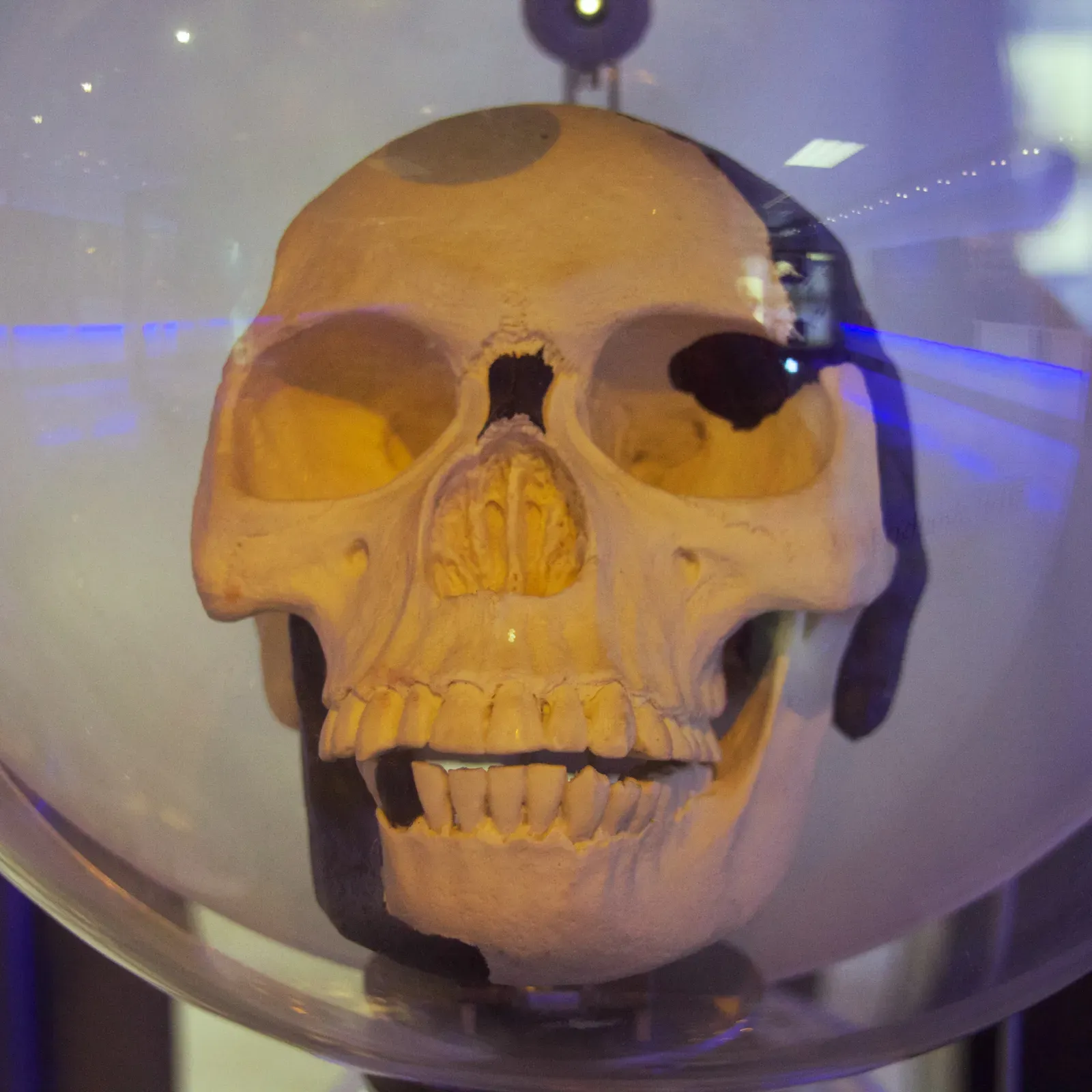
Piltdown Man is often discussed as a scientific fraud, but it was also very much a made-to-order product for national and intellectual vanity. Discovered in England in the early 1900s, it was presented as the long-sought “missing link” between apes and humans – and conveniently, located on British soil.
The forger, still debated but almost certainly someone within the small circle of discoverers and collectors, assembled a medieval human skull with an orangutan jaw, stained and artificially aged. The resulting hybrid perfectly matched what some British scientists wanted: a large-brained, early human ancestor that put England at the center of human evolution.
Fast Facts
- Announced in 1912 by amateur archaeologist Charles Dawson at a site in Piltdown, Sussex.
- Assembled from a medieval human cranium combined with an altered orangutan jaw and teeth.
- Fooled the scientific establishment for 41 years before its exposure.
- Definitively unmasked in 1953 using fluorine and nitrogen dating tests.
The “buyer,” in this case, was the scientific establishment and colonial-era Britain itself. Owning the oldest, most important human ancestor bolstered cultural prestige. Museums and scientific societies rushed to display and cite Piltdown, and dissenting voices were quietly sidelined.
Only decades later, with new finds in Africa and Asia, did Piltdown start to look implausible. When chemical and anatomical tests finally exposed the hoax, it became painfully clear: this “artifact” had been tailored to satisfy the paying client’s prejudices, not the past’s reality.
#5 – The Calaveras Skull: Gold Rush-Era “Evidence” Against Evolution
In 1866, at the height of the California Gold Rush, a human skull allegedly found deep in a mine shaft was touted as proof that humans existed alongside ancient geological formations. For anti-evolutionists, this was dynamite: it suggested that humans had been around as long as the oldest rocks, undermining emerging ideas about deep time and human evolution.
Local miners, collectors, and some clergymen effectively became the “buyers,” eager to champion anything that contradicted Darwin. Museums and scientific men like Josiah Whitney gave the skull attention, partly because it aligned with their geological theories and institutional status.
Later investigations strongly indicated the skull was a recent Native American cranium planted in the shaft, quite possibly as a prank or a deliberate hoax to satisfy scientific and ideological patrons. Its condition, lack of proper mineralization, and implausible stratigraphy screamed modern intrusion.
Yet for decades, the Calaveras Skull popped up in debates and books, because it was too useful to people who had already bought into the conclusion they wanted. The forger had effectively sold a weapon in a culture war, not just a bone.
#4 – Mesopotamia’s Cuneiform Tablets: Cooking Clay for Eager Collectors
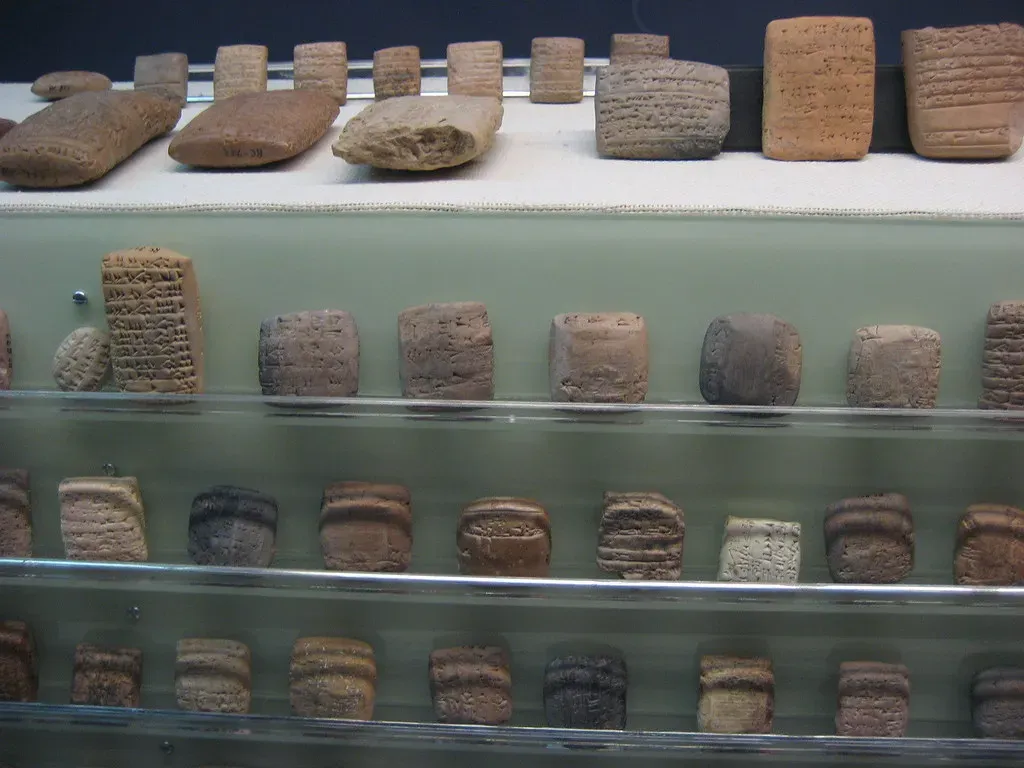
By the late 19th and early 20th centuries, cuneiform tablets from Mesopotamia had become hot commodities for museums, universities, and private gentlemen scholars. The script looked exotic but was readable to a small elite, which meant tablets could both impress and be cited in academic debates.
This demand inevitably led to workshops in the Middle East producing “freshly ancient” tablets. Some were crude tourist junk, but others were eerily sophisticated – copied from published texts or cleverly cobbled together from multiple sources. The goal was simple: satisfy Western buyers who wanted complete, legible, and sensational texts, not dull administrative notes.
For example:
- Tablets “confirming” specific Biblical stories.
- Contracts and letters with dramatic content that looked great in print.
Dealers learned quickly that broken, fragmentary tablets fetched less, so out came the reconstructed epics and prophetic inscriptions. Chemical and stylistic analyses later exposed many as modern, their surfaces “aged” with artificial patina and their texts plagiarized from well-known publications. It wasn’t just ignorance; it was a feedback loop where collectors’ wish lists directly shaped what forgers created.
#3 – The “Gospel of Jesus’ Wife”: A Papyrus Tailored to Modern Debates
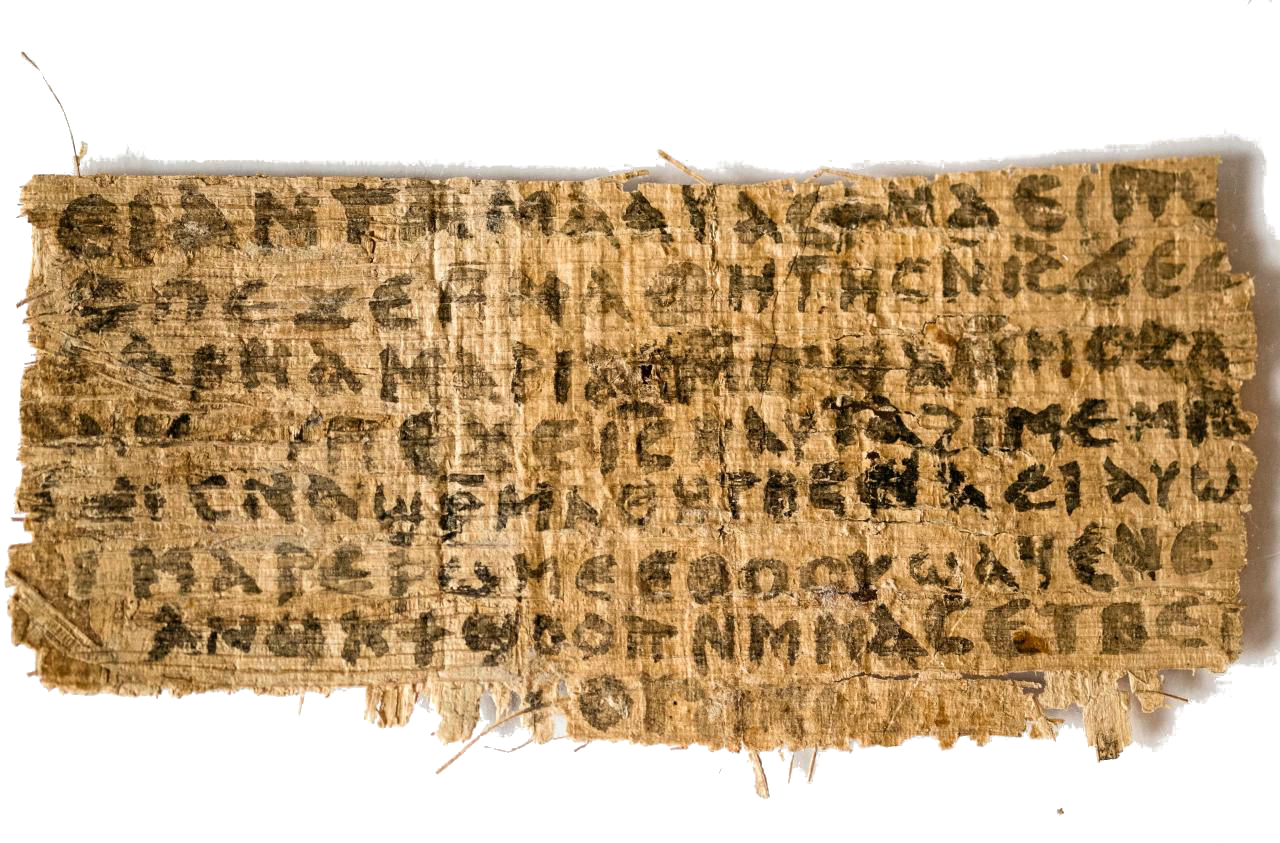
In 2012, a small Coptic papyrus fragment came to light bearing a sensational line: “Jesus said to them, ‘My wife…'” At a time when debates over women’s roles in the church and the marital status of Jesus were increasingly public, this fragment was catnip for media, academics, and religious activists.
The anonymous collector who presented it claimed it came from an older stash of papyri. But soon, scholars noticed textual oddities and close parallels to a modern printed edition of the Gospel of Thomas. Linguistic quirks and letter formations suggested the text had been assembled by someone with just enough Coptic to be dangerous – and with a clear eye on contemporary theological controversies.
Who was the paying buyer here? Almost certainly a modern collector market that loves “lost gospels” and disruptive texts. Fragments that appear to challenge orthodox positions command attention, prestige, and sometimes high prices.
Testing and provenance problems have pushed most experts toward viewing it as a forgery. If so, it’s a textbook case of a fake made not to fool medieval monks, but to feed 21st-century media cycles and the wallets of those who collect them.
#2 – The Ossianic and “Ancient” Irish Manuscripts: National Myths on Demand
![#2 - The Ossianic and "Ancient" Irish Manuscripts: National Myths on Demand (Chester Beatty Library, Dublin, Ireland[1] [2], Public domain)](https://nvmwebsites-budwg5g9avh3epea.z03.azurefd.net/dws/fb1d5e014443a42eae66ec4315bc8cfc.webp)
Long before our modern forgery scandals, the 18th and 19th centuries saw a wave of “discovered” ancient epics and manuscripts across Europe, especially in regions hungry for national identity – Scotland, Ireland, Wales, and beyond.
James Macpherson’s “Ossian” poems, presented as translations of ancient Gaelic epics, were not strictly archaeological artifacts, but they functioned similarly: they were marketed as recovered voices of a heroic Celtic past, exactly when wealthy patrons and romantic audiences were willing to pay for that narrative.
Collectors snapped up “ancient” manuscripts, many of which were heavily doctored, back-translated, or outright invented. In Ireland, dubious “early” chronicles and objects appeared in private collections and nationalist circles, often aligning neatly with political desires to prove that the local culture was as old and sophisticated as any in Europe. Wealthy patrons of the arts and early antiquarians financially underwrote these finds, whether they realized it or not.
Quick Compare
- Scotland: Macpherson’s “Ossian” poems, sold as translated fragments of an ancient Gaelic epic.
- Ireland: Dubious “early” chronicles and relics promoted through nationalist antiquarian circles.
- Wales: Invented bardic traditions and lore popularized by romantic-era societies.
These forgeries blurred lines between text, artifact, and propaganda. They weren’t just lying about the past; they were manufacturing a past that modern nations were eager to buy.
#1 – The Papyri at the Museum of the Bible: A Modern Market’s Most Telling Scandal
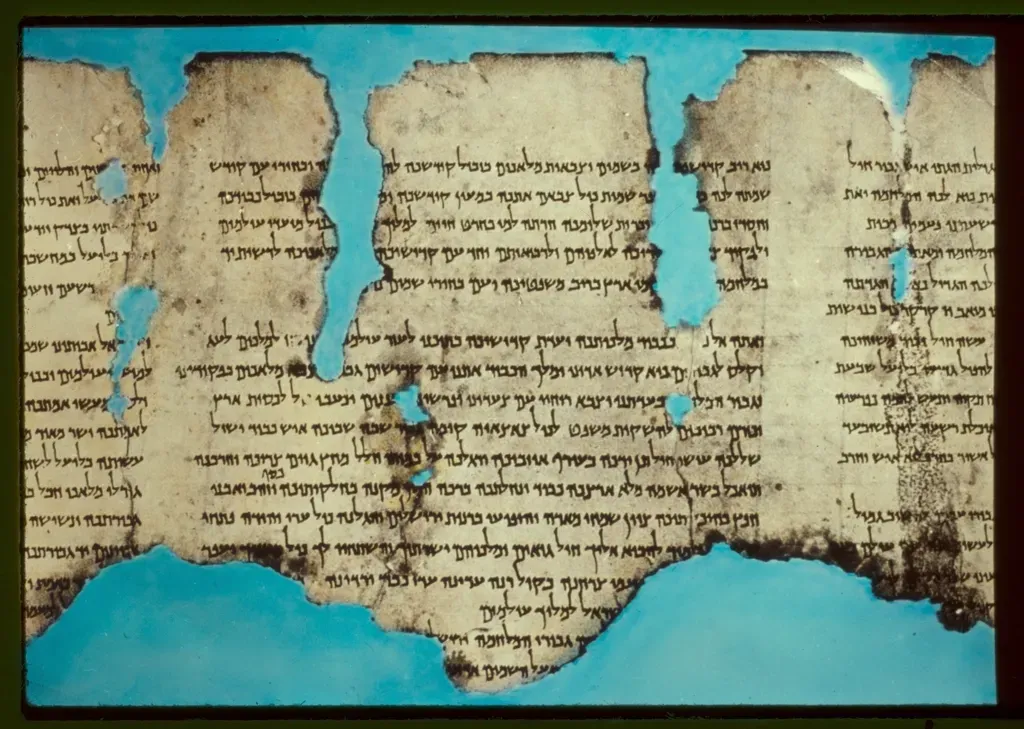
At the very top of this list sits a sprawling, ongoing saga: the forged Dead Sea Scroll fragments and related Biblical papyri acquired for the Museum of the Bible in Washington, D.C. This case is brutally honest about how “paying buyers” shape forgery.
Starting in the early 2000s, a wave of small “Dead Sea Scroll” fragments and other early Christian papyri hit the market. They tended to have:
- The right buzzwords (Qumran, early Gospel, Pauline).
- Eye-catching verses.
- Conveniently incomplete provenance stories.
As later technical studies and provenance research showed, virtually all of the Museum of the Bible’s Dead Sea Scroll fragments examined so far appear to be modern forgeries. Ink sits on top of already-damaged surfaces, leather and papyrus show inconsistent aging, and the texts often mirror known editions in suspicious ways.
These fragments were manipulated with the intent to deceive.
Colette Loll, art fraud investigator who led the museum’s forensic review
Why were they made? Because wealthy evangelical collectors and institutions were willing – sometimes eager – to pay top dollar for any fragment that:
- Looked ancient enough.
- Contained “headline” Biblical passages.
- Could be branded as part of a major discovery tradition.
Dealers, seeing that demand, allegedly commissioned forgers to meet it. Some papyri connected to high-profile scholars and auction houses have since been withdrawn, re-examined, or mired in scandal. The market itself, shaped by faith, prestige, and donor money, functioned as the real client. The forgers simply filled the orders.
This case isn’t just about one fake; it’s about an entire ecosystem built around satisfying religious and institutional buyers who wanted physical contact with Scripture – no matter what the evidence said.
The Bottom Line
Across all 14 cases, a pattern emerges that’s far uglier than a few clever hoaxes. Most major archaeological forgeries weren’t random lies; they were accurately targeted products designed to match what powerful buyers already wanted to believe.
Whether it was Victorian museums chasing “mystical” artifacts, national elites craving heroic ancestors, or modern religious collectors hunting for tangible Bible proof, the money always pointed in the same direction: bring us an object that confirms our story.
Here’s the part that should bother you more than any single fake skull or tablet: the biggest risk to archaeology has never been just unethical dealers. It’s institutions, donors, and true believers who fall in love with an idea first and go looking for proof second. When belief meets budget, the past becomes disturbingly negotiable – and someone, somewhere, will always be willing to carve, ink, or bake exactly what you’re paying to see.