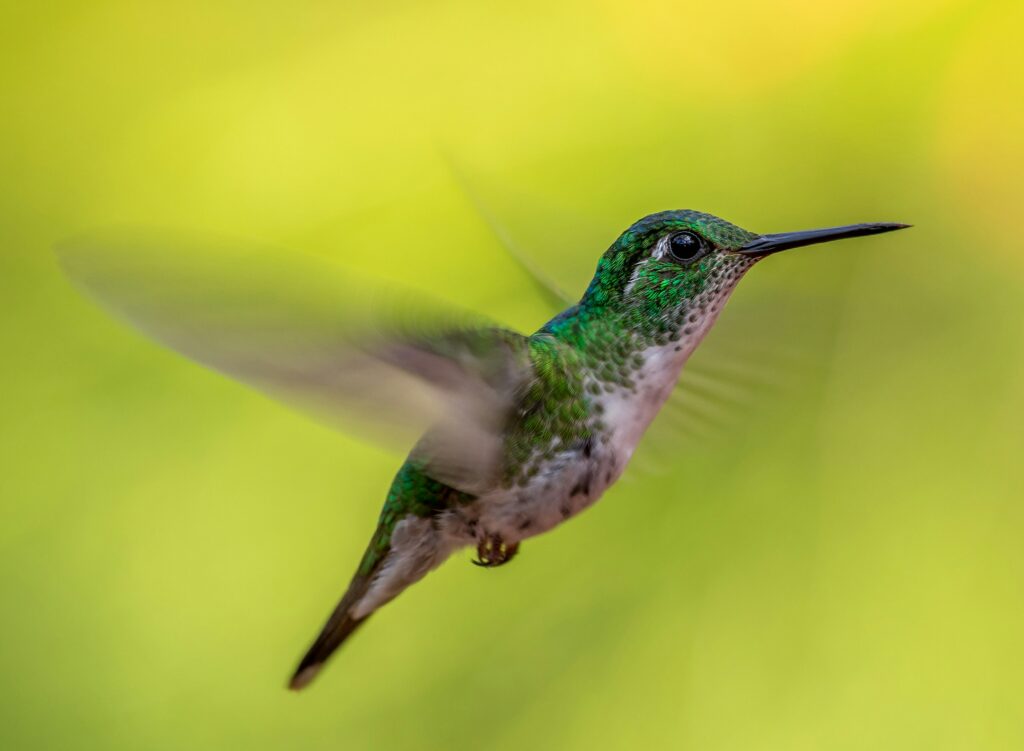
Most people think hummingbirds are just tiny birds that “buzz around really fast.” That’s like calling a Formula 1 car “a kind of go-kart.” Once scientists pointed high-speed cameras at these birds, nearly every casual assumption about how they fly turned out to be either incomplete or flat-out wrong.
Movements that look like a blur to the naked eye turn into a slow-motion masterclass in aerodynamics, muscle control, and weird little cheats that even fighter jets can’t copy. Some of what’s coming up sounds almost too strange to be real biology, but it’s all sitting on frame-by-frame footage. Here’s what the cameras actually caught.
#13 – Their Wings Don’t “Flap” the Way You Think
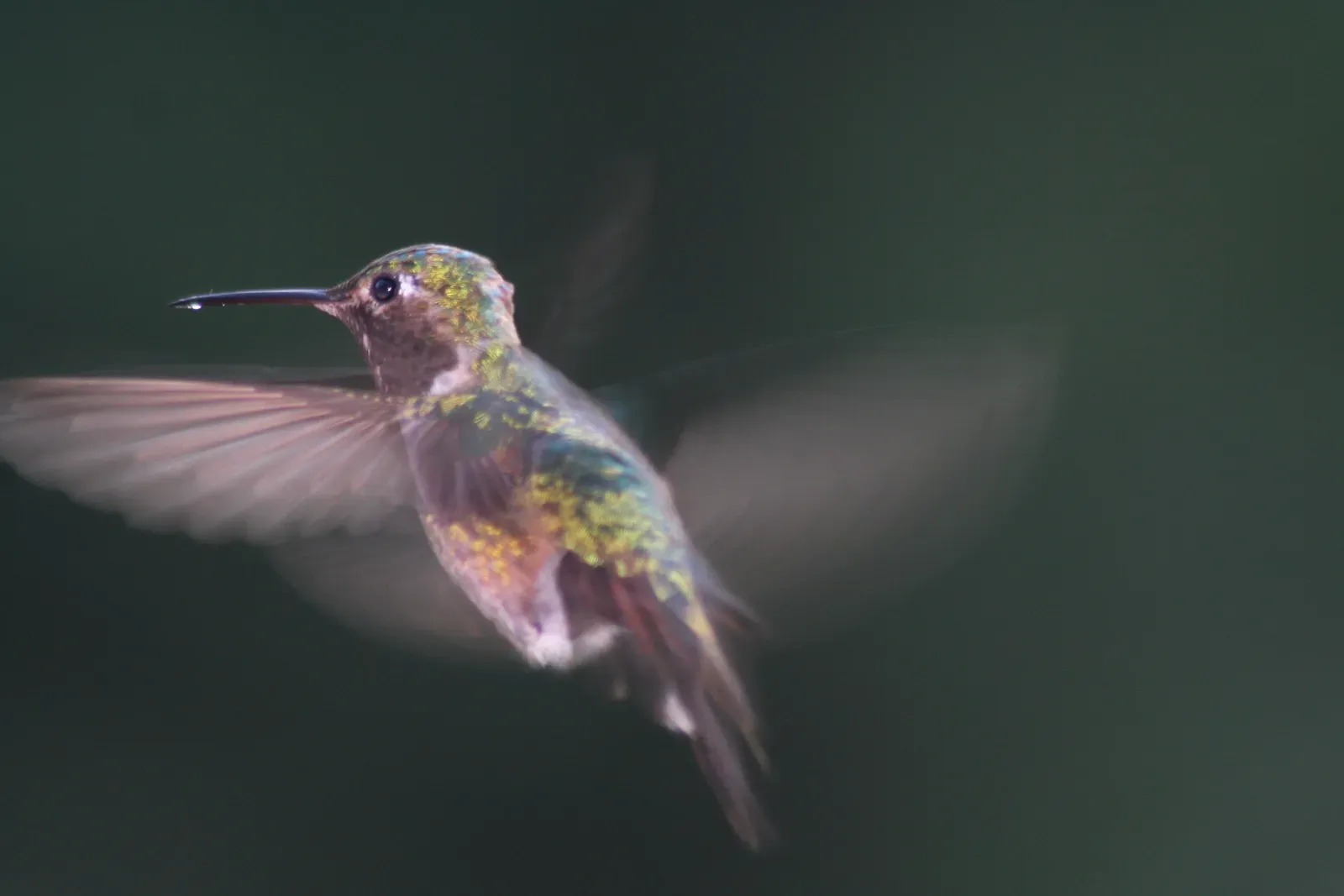
Most people picture birds flapping their wings up and down like a seagull in fast-forward. High-speed cameras quietly exposed that as a myth for hummingbirds. When researchers slowed the footage down, they found that hummingbirds move their wings more like a tiny spinning paddle than a classic flap.
Instead of a simple up-and-down stroke, the wings sweep in a shallow horizontal figure-eight, rotating at each end so both the forward and backward passes produce lift. In other words, they’re not “flapping” so much as “row-spinning,” treating air the way a swimmer treats water.
This is where it gets uncomfortable for older textbooks. For years, diagrams showed hummingbirds as just “very fast birds.” The slow-motion data proved their wing pattern is much closer to dragonflies than to robins or eagles.
- On the downstroke, the wing acts like a conventional lifting surface.
- On the upstroke, the wing rotates and keeps generating lift instead of just resetting.
That single detail explains why early researchers miscalculated hummingbird flight physics for decades. They assumed the upstroke was “dead weight.” The footage proved that assumption dead wrong.
#12 – They Rewrite the Rules of Hovering (And Make Helicopters Look Clumsy)
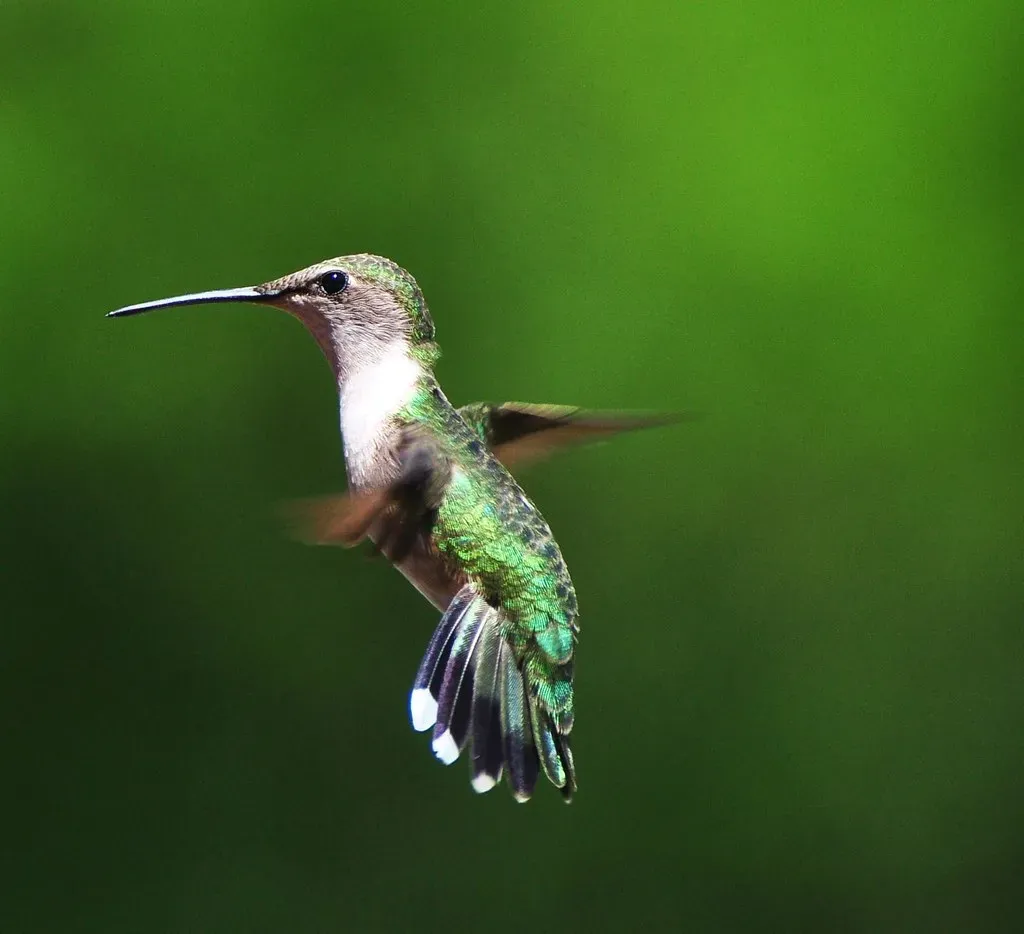
We love comparing hummingbirds to helicopters, but slow-motion footage makes that comparison feel almost insulting. In real time, hovering looks like wings buzzing in place. Slowed down, you see precise, almost metronome-steady control of wing angle, stroke amplitude, and body position.
A hummingbird can adjust its wing stroke in milliseconds to cancel tiny gusts of wind and keep its beak locked on a flower. It’s like watching a drone with a nervous system instead of a flight computer.
Helicopters hover by blasting a huge volume of air straight down with one giant rotor, which is exactly why they wobble, drift, and need constant pilot correction. Hummingbirds generate lift on both strokes of that figure-eight motion instead, which keeps the body nearly rock-steady while the head and eyes barely register any motion at all.
Most people have no idea how violently the air is churning around a hovering hummingbird. High-speed footage with smoke or mist introduced into the airflow reveals tight, doughnut-shaped vortices spinning off each wingbeat. The bird is essentially standing on tiny whirlwinds it manufactures 40 to 80 times a second.
#11 – Their Wingbeats Are So Fast They Break Our Intuition About Time
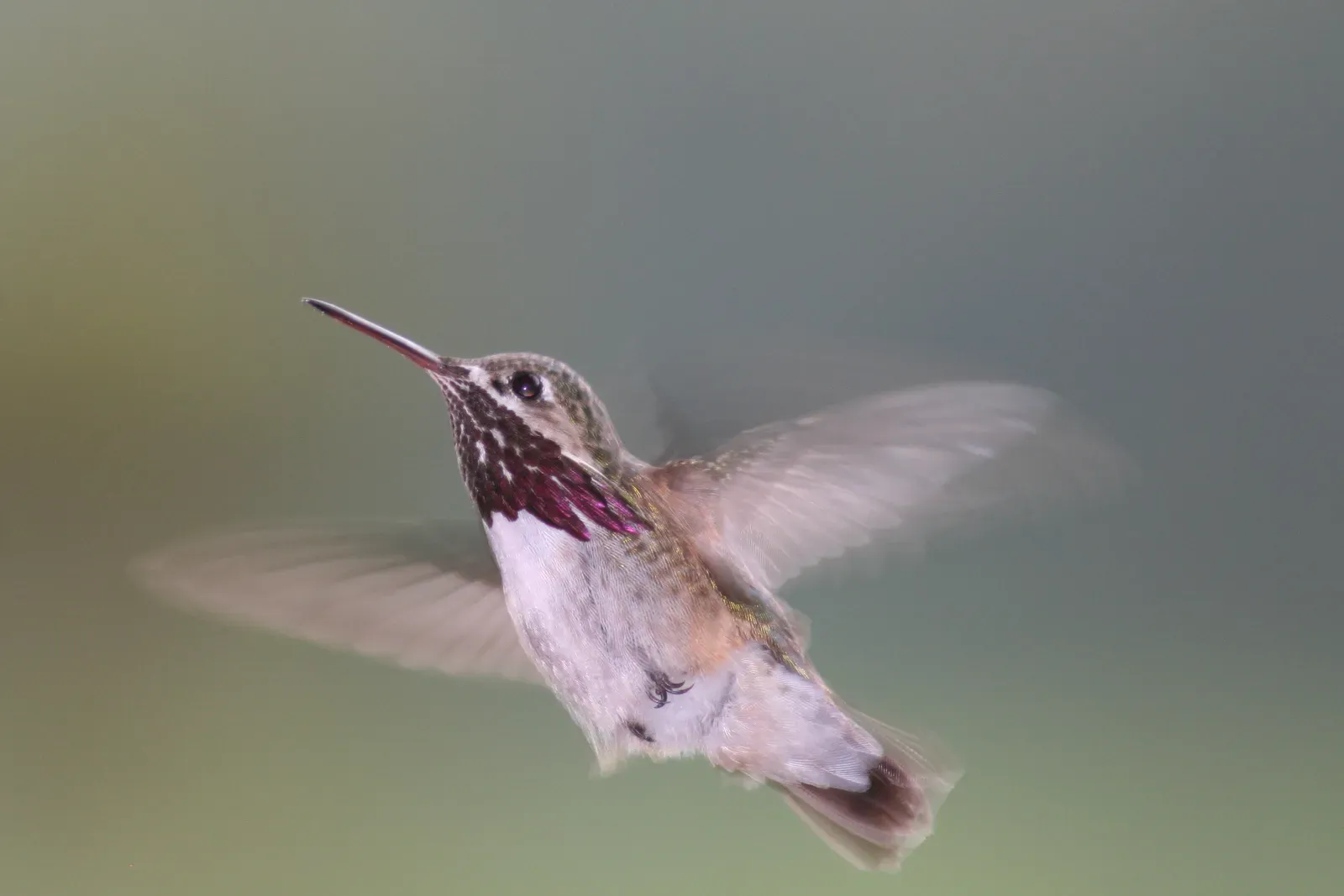
You’ve heard that hummingbirds beat their wings “really fast,” but the actual numbers stop feeling real once you slow them down. Depending on species and behavior, a hummingbird can drive its wings 40 to 80 times every single second, and well over 100 in extreme bursts. High-speed cameras finally gave researchers frame-by-frame proof instead of educated guesses.
In real time, that speed merges into a single blur and a faint hum. In slow motion, you suddenly see discrete positions: full forward extension, a rapid twist at the wrist, a smooth reversal, then the mirrored motion backward. Each cycle looks controlled, not frantic, like a drummer hitting inhuman speed without ever missing a beat.
Fast Facts
- Typical wingbeat range: 40 to 80 beats per second, with smaller species pushing well past 100 during display dives.
- Resting heart rate: around 250 beats per minute, already several times a resting human’s.
- Active flight heart rate: up to roughly 1,200 beats per minute, among the fastest of any bird.
- Resting breathing rate: roughly 250 breaths per minute, even before the bird takes off.
Here’s the part that quietly rattled aviation researchers. At those wingbeat rates, every tiny mistake should compound into chaos almost instantly. Yet the footage shows almost no slop at all. The leading edge of the wing follows nearly identical paths cycle after cycle, even mid-turn.
That level of repetition is something engineers usually chase with precision-machined metal parts, not soft tissue and feathers. And once you zoom in tighter, you start to see how the bird actually pulls it off, starting with a chest built more like an engine than a rib cage.
#10 – Their Bodies Are Basically Flying Engines Wrapped in Feathers
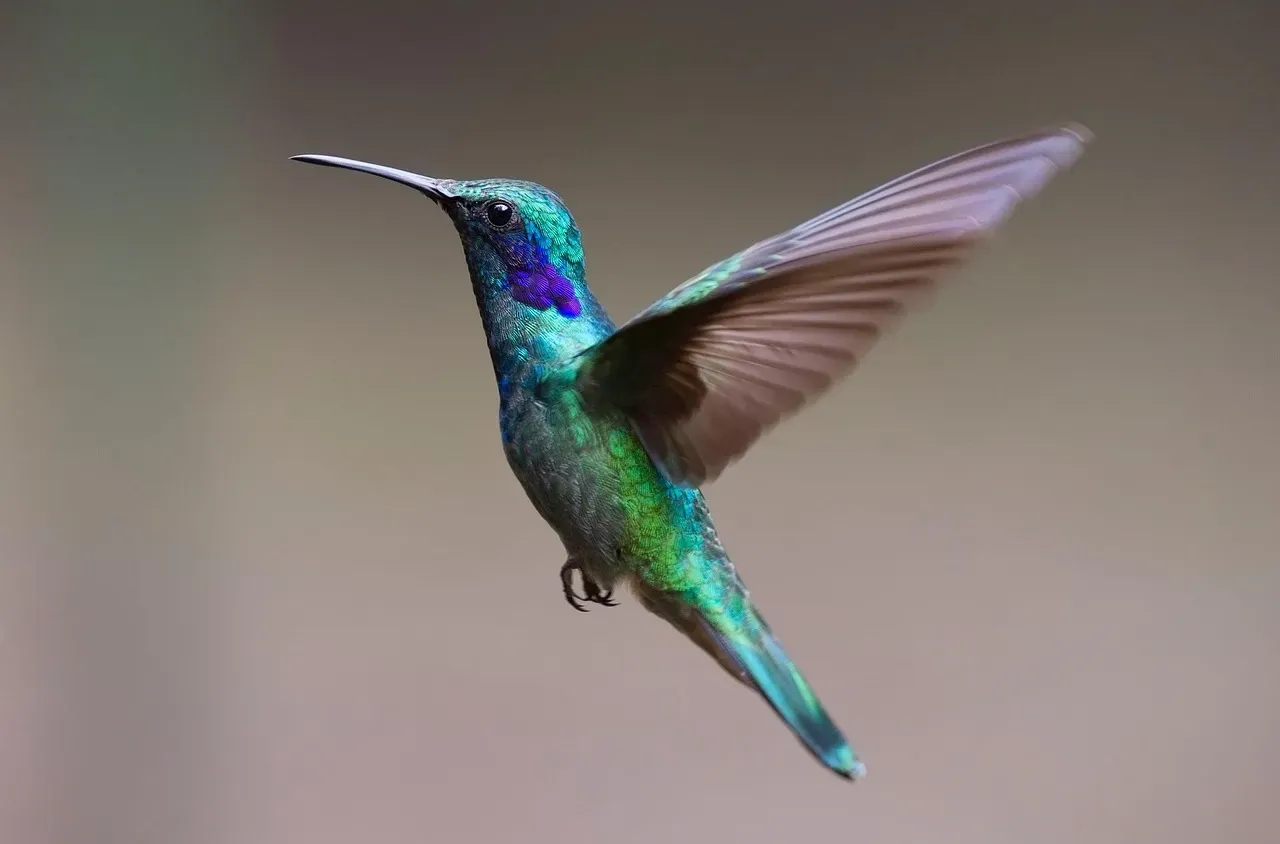
High-speed footage doesn’t just show wings; it shows what the rest of the body is doing to keep up. Slow a hummingbird down and the torso looks almost unnervingly still while the wings rage around it. That’s not an accident, and the reason is hiding right under the chest.
Roughly one-third of a hummingbird’s entire mass is flight muscle, packed mostly into the pectorals that power the wing rotation. If a human were built the same way, your chest and shoulders would look absurdly oversized and your legs would seem like an afterthought.
The cameras revealed a subtler twist too. The shoulder joint and upper arm barely change angle during many maneuvers; most of the visible motion comes from the “wrist” and “hand” segment of the wing. The big muscles fire in a repetitive, almost piston-like rhythm while smaller joints handle the fine-tuning.
Metabolically, this is absurd. Hummingbirds carry some of the highest mass-specific metabolic rates of any vertebrate on Earth. In some feeding footage, you can even see their breathing pattern sync loosely with wingbeats, like a tiny engine pulling in just enough oxygen to avoid stalling out mid-flight.
#9 – They Don’t Just Fly Forwards; They Toggle Into Reverse Like a Drone
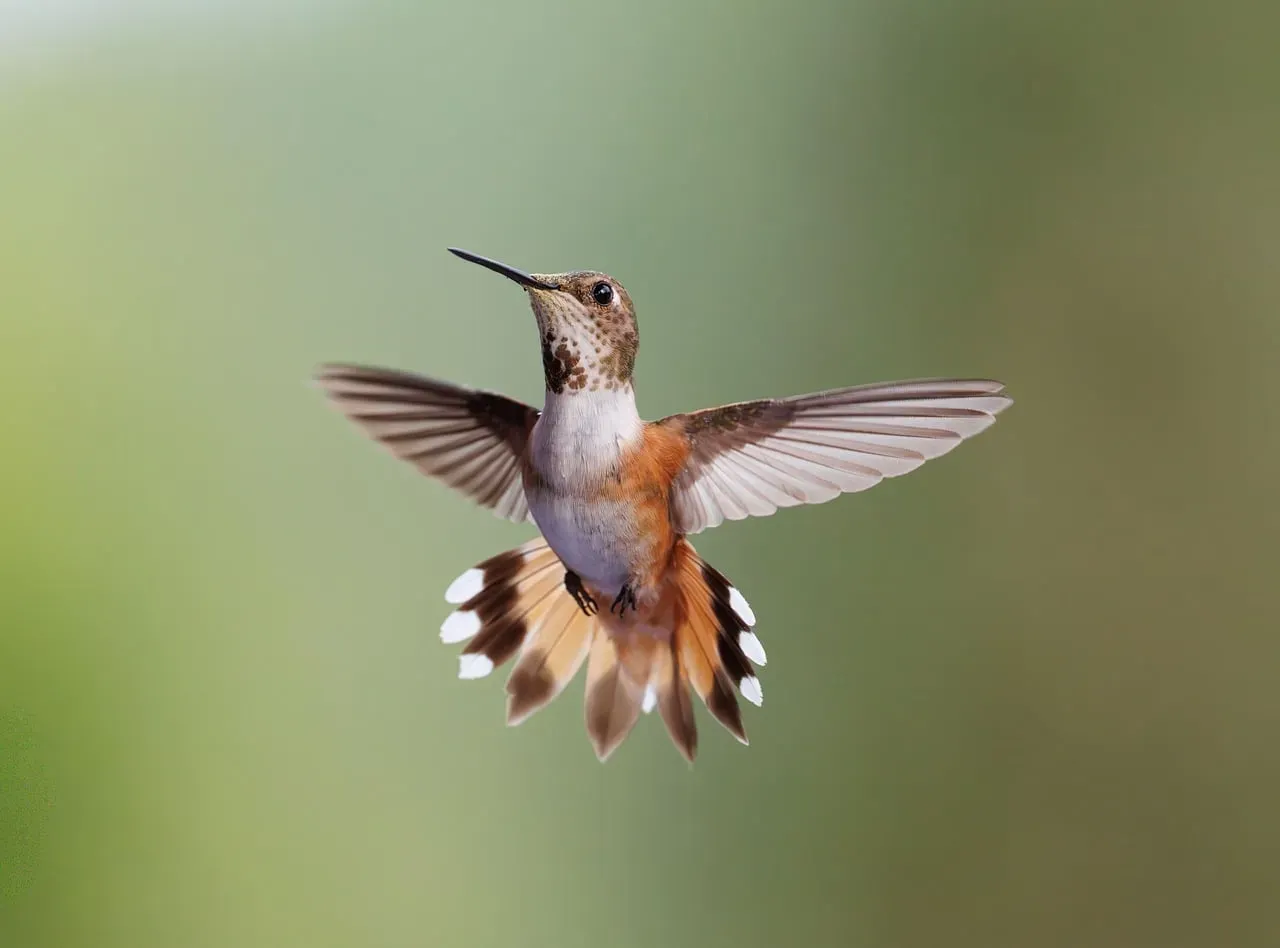
A lot of people still picture hummingbirds hovering in place and then sort of “bouncing away.” The cameras corrected that fantasy fast. In slow motion, you see something genuinely startling: hummingbirds can fly backward with nearly the same control they have going forward. No other bird pulls this off so cleanly.
To do it, they subtly tilt the whole body, adjust the stroke plane of the wings, and shift how much force gets angled forward versus backward. The trick lives entirely inside that figure-eight wing path.
- Add a bit of speed forward,
- Cancel motion and stay put, or
- Pull itself straight backward out of a flower with no awkward body swing.
In high-speed clips, watching a hummingbird back straight out of a blossom looks almost fake. The torso doesn’t swing around first the way other birds must when changing direction. It reverses like a well-programmed quadcopter instead, keeping its head steady while the body glides backward on invisible rails. Most people call that “cute.” Engineers quietly call it “obnoxiously superior control.”
#8 – They Can Turn on a Dime Using Moves That Would Snap Most Birds in Half
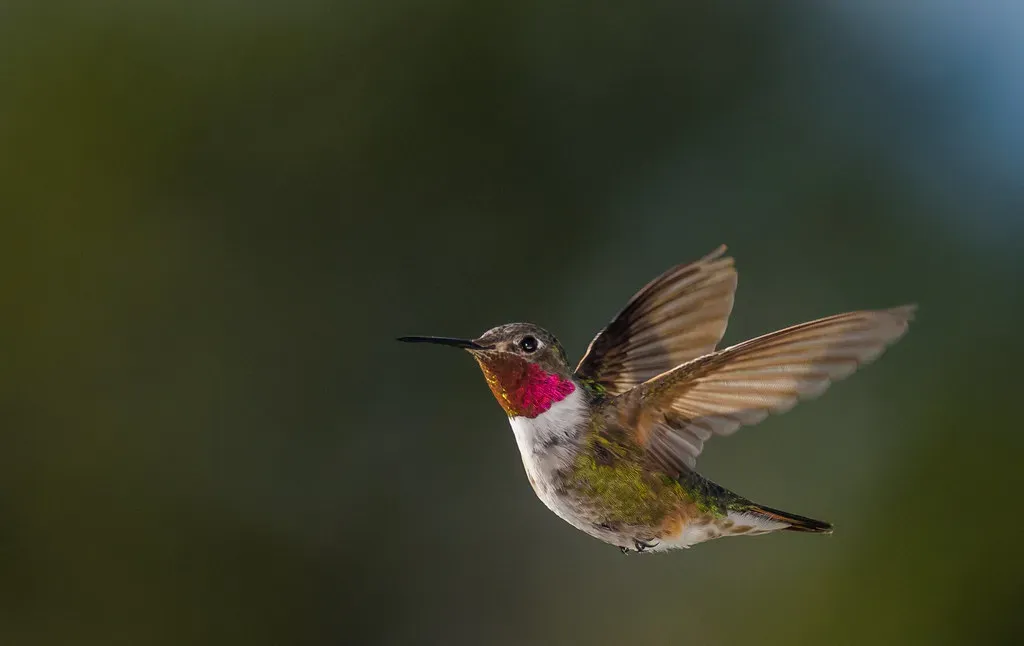
Hummingbirds don’t just hover and back up. Slow-motion footage of them chasing rivals or dodging predators shows some of the most aggressive turns ever recorded in a bird their size. In real time, it’s a blur zigging left, then right, then vanishing. In high-speed, it’s a brutal little ballet.
The bird can pivot its entire body around its center of mass in a fraction of a second, banking over 90 degrees and redirecting its velocity with almost no loss of speed. Some of these maneuvers reach accelerations that, scaled up to human size, would throw a fighter pilot unconscious.
One of the wildest sequences shows a hummingbird flying straight at a flower, then suddenly rolling sideways, planting one wingbeat as a brake, and corkscrewing around the bloom to land from behind it. The wings aren’t just flapping faster here; they’re changing stroke amplitude and angle between individual frames.
Crucially, the tail isn’t just along for the ride. In slow motion, the tail feathers spread, tilt, and often flick opposite the direction of the turn, acting like a tiny, hyper-responsive rudder. That contradicts the old assumption that the tail was mostly for stability. The footage makes it obvious the tail is part of the steering system itself.
#7 – Airflow Around Their Wings Is a Controlled Mess, Not Clean “Lift”
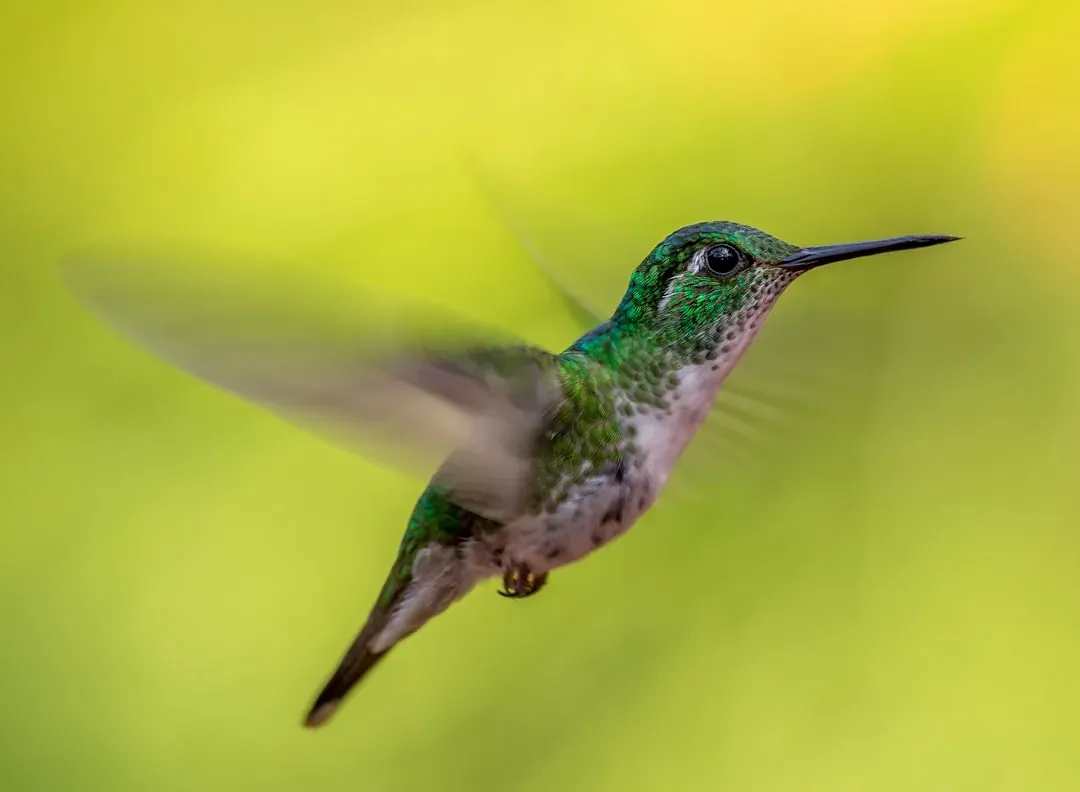
Before high-speed cameras and the smoke-tracing that came with them, most diagrams showed bird wings producing clean, laminar airflow like a textbook airplane wing. Hummingbirds blew that fantasy apart. When researchers injected smoke or fog into the air and filmed at thousands of frames per second, they saw something messier and far more interesting.
Hummingbirds generate tight, swirling leading-edge vortices with every stroke, especially during hovering and hard turns. These small whirlwinds ride along the front edge of the wing, boosting lift far beyond what a simple flat airfoil could manage at such a tiny scale.
Quick Compare
- Airplane wing: relies on smooth, steady airflow and stalls badly if angled too steeply.
- Insect wing: exploits a leading-edge vortex on a light, rigid membrane with no muscle inside it.
- Hummingbird wing: reuses that same vortex trick every stroke, but on a rotating, muscle-driven vertebrate limb.
Here’s the twist: this kind of vortex lift is notoriously unstable in man-made aircraft. It’s powerful, but it tends to go sideways fast. Hummingbirds create and shed these vortices like clockwork instead, rolling a fresh one with every figure-eight stroke, holding it just long enough to steal the extra lift, then peeling it off and starting over.
The footage also revealed something that still bugs aerodynamics purists: the air under a hovering hummingbird is genuinely messy, full of turbulence and overlapping vortices. It isn’t elegant in the classical engineering sense. It’s controlled chaos, and the bird rides it with surgical timing.
#6 – Their Feathers Act More Like Adaptive Airfoils Than Simple Insulation

Feathers usually get treated as pretty decoration in casual nature talk, maybe a bit of fluff for warmth, end of story. High-speed video quietly demolished that idea. Zoom in on a hummingbird’s wing mid-flight and you see something else entirely.
Individual feathers flex, twist, and even separate slightly at key moments of the stroke, actively reshaping the local airflow. During the upstroke, for example, some feathers subtly peel apart, cutting drag while still holding enough surface to generate lift as the wing reverses direction.
In a few species, narrow primary feathers even vibrate at certain speeds, contributing to that signature hum. That sound isn’t a cute side effect; it’s a byproduct of extreme airflow acceleration past stiffened feather structures that behave more like composite blades than soft plumes.
High-speed clips also showed that damaged feathers change the aerodynamics almost instantly. Birds missing a primary feather show tiny asymmetries in wing path and body attitude, usually compensated for with exaggerated tail action. For hummingbirds, shape and flex matter more than shine, no matter how much attention their colors get.
#5 – Their Heads Stay Locked Like a High-End Camera Gimbal
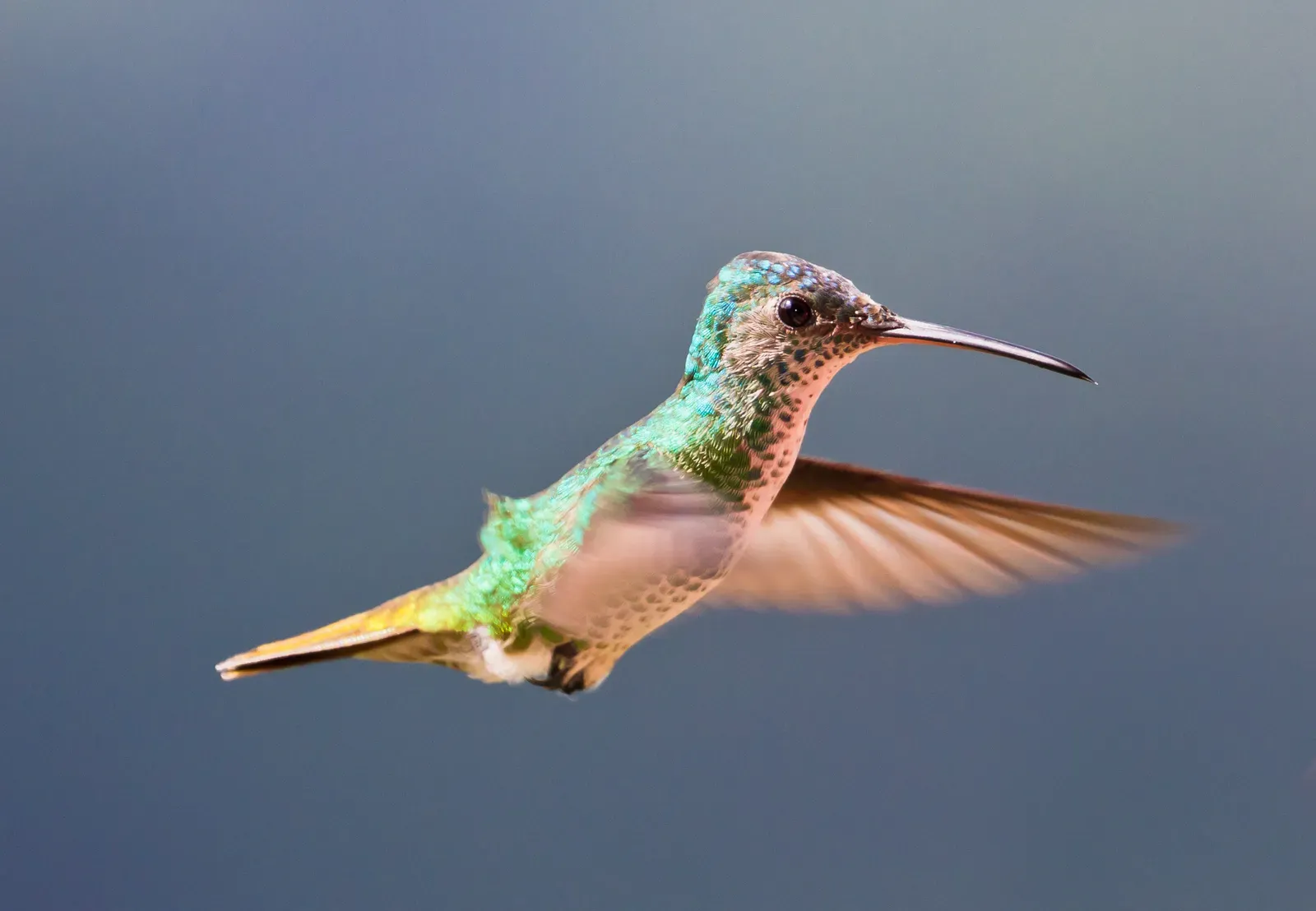
Watch hummingbirds at normal speed and you’d assume the whole body is jittering around the flower. Slow the tape down and you find something genuinely eerie. The wings and torso can be vibrating with insane energy, but the head and beak stay astonishingly stable, like a Steadicam strapped to a rocket.
Researchers have captured sequences where the shoulders and chest bounce several millimeters up and down each stroke, yet the beak tip barely drifts from the nectar source. Neck muscles and a specialized vestibular system seem to work overtime canceling out the chaos generated by the wings.
- Keeping the tongue positioned properly deep inside a flower,
- Aiming precisely at tiny openings, and
- Maintaining clear, stable vision in a constantly shifting environment.
Humans struggle to walk and aim a straw into a narrow bottle opening without wobbling. Hummingbirds are doing something similar while their “arms” slam up to 80 times per second. Some high-speed clips even show the eye tracking a rival mid-flight while the body is already halfway through a dodge, a level of motion decoupling that high-end camera stabilizers are still trying to imitate.
#4 – Their Tongues and Feeding Style Secretly Hack the Physics of Flight

You might not think of the tongue as part of “how they fly,” but high-speed cameras forced scientists to connect the dots anyway. In stunning slow-motion sequences, a hovering hummingbird inserts its beak into a flower and flicks its tongue in and out up to 15 to 20 times per second, using capillary action and elastic recoil rather than suction to pull nectar.
That means the bird doesn’t have to gulp and pause; it sips almost continuously. From a flight standpoint, that matters more than it sounds. Fast, rhythmic tongue motion lets the bird minimize the time spent in unstable postures while its beak is buried in a blossom.
High-speed footage shows that during intense feeding, the bird keeps its center of mass nearly fixed while only the beak and tongue move deep into the flower. There’s a subtle tradeoff on camera too: as feeding gets more frantic, wing stroke amplitude and slight body sway both increase, as if the bird is walking a tightrope between grabbing more nectar and staying airborne.
The fact that they almost never crash into the flower despite juggling all of that is a real testament to their micro-control. Their tongue isn’t just a straw; it’s a piece of a carefully timed nectar-to-fuel pipeline keeping the wing engine running mid-air.
#3 – Courtship Dives Push Their Flight System to the Edge of What’s Physically Possible
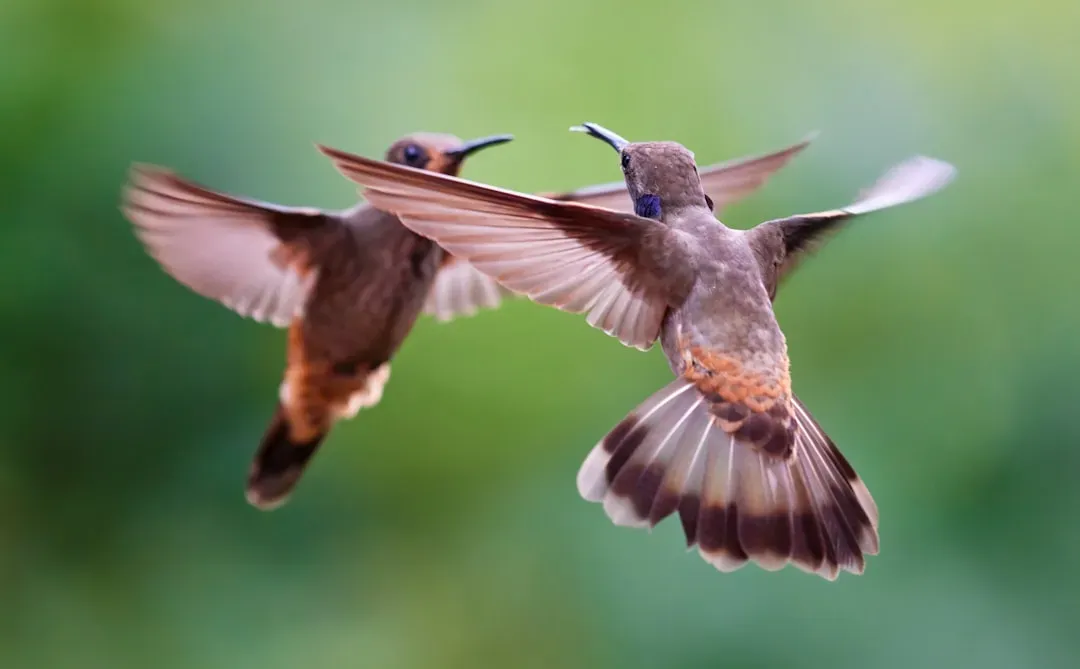
You haven’t really seen a hummingbird fly until you’ve watched a male’s courtship dive in slow motion. At normal speed, it’s just a flash and a whistle. High-speed cameras turned that blur into one of the most extreme stunts in bird flight, period.
In these dives, some species climb high, then plunge past the female at speeds that can exceed 50 to 60 mph, pulling up in a tight U-shaped arc just meters from the ground. The wing motions at the bottom of that curve are brutal: maximum stroke amplitude, savage deceleration, and instantaneous redirection of force.
At a Glance
- Top recorded dive speed: roughly 60 mph for a diving Anna’s hummingbird.
- Relative speed: about 385 body lengths per second, nearly double a stooping peregrine falcon’s 200.
- For its size, faster than a fighter jet with afterburners (around 150 body lengths per second) or a space shuttle re-entering the atmosphere (around 207).
- Pull-up forces: close to 9 times the force of gravity.
High-speed footage shows that for a split second, the wings approach a stall angle that would send a less specialized bird tumbling out of control. Instead, the hummingbird rides its powerful vortices and raw muscle power to snap out of the dive with style, using its specialized tail feathers to create the sharp courtship whistle that makes the whole display so distinctive.
That tail flare isn’t only for sound. It also acts like an airbrake, helping manage the punishing G-forces of the pull-up. Some biologists quietly argue these displays flirt with the structural limits of the bird’s own body. The cameras can’t confirm that outright, but they make one thing obvious: courtship, for a hummingbird, is a high-risk performance in applied physics.
#2 – Their Flight Is Fueled by a Sugar Metabolism That Would Kill Most Animals

You can’t really explain how hummingbirds fly without explaining what’s powering all of it. High-speed footage of their nonstop hovering and sprinting forced physiologists to ask an uncomfortable question: how are they not dropping out of the sky from pure exhaustion by lunchtime?
Turns out, their fuel system is just as extreme as their wingbeats. Hummingbirds can oxidize sugar directly from their most recent meal at rates that would be toxic or unsustainable in most other vertebrates. They essentially run a high-performance engine straight off liquid sugar, burning through the equivalent of their own body weight in nectar every single day just to stay airborne.
In slow-motion feeding sequences, you’re not just watching a bird enjoy a snack; you’re watching a live refueling operation. The gap between “nectar in the flower” and “usable flight energy” is astonishingly short. While most animals lean on stored fat between meals, hummingbirds behave more like race cars that only run well on a constantly flowing fuel line.
That’s exactly why prolonged bad weather or habitat loss hits them so brutally hard. The cameras show us what the body is doing in real time; the metabolic reality explains the cost behind it. A hummingbird that can’t find food for even a few hours isn’t just “a little hungry.” It’s in genuine, immediate trouble.
#1 – They Push the Definition of What a “Bird” Even Is
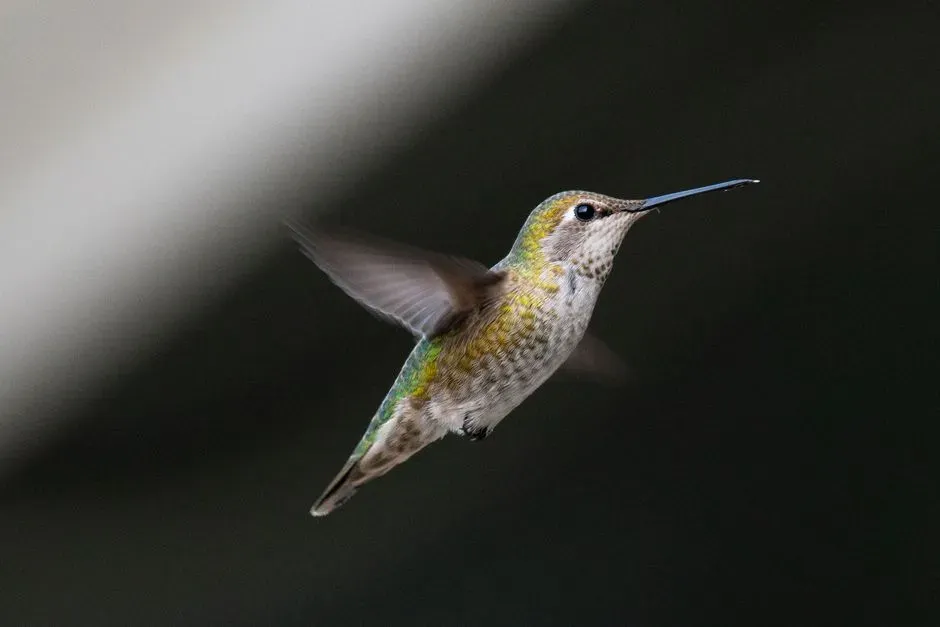
Once scientists combined high-speed footage with hard biomechanics data, an uncomfortable conclusion started creeping in: hummingbirds stretch the very definition of how birds are supposed to fly. Most birds rely on powerful downstrokes, relatively passive upstrokes, broad wings, and heavy use of gliding or intermittent flapping.
Hummingbirds flip that entire template on its head. They generate lift on both strokes, hover indefinitely, fly backward with ease, and maneuver like airborne insects while still being vertebrates with feathers and beaks. In ultra-slow motion, they look less like mini-sparrows and more like feathered dragonflies bolted to micro-jet engines.
Why It Stands Out
- Only bird group known to generate meaningful lift on both the upstroke and the downstroke.
- Can hover in place, fly straight backward, and pivot instantly – a combination no other bird matches.
- Runs a sugar-fueled metabolism closer to a flying insect than a typical vertebrate.
- Wing kinematics borrow more from dragonflies than from sparrows or eagles.
The blend of vertebrate muscle, insect-like wing kinematics, vortex exploitation, and sugar-fueled metabolism is so extreme that some researchers have called hummingbirds “aviation oddities” or “living edge cases” in evolution. High-speed cameras didn’t just reveal fun details; they exposed a category problem we’d been ignoring for decades.
We’d been casually shoving hummingbirds into the generic “bird” box, assuming they were just faster, smaller versions of the usual suspects. The footage proved they’re something else entirely, a hybrid of engineering tricks we normally study in completely separate fields. If there’s one honest takeaway from all those frames per second, it’s this: hummingbirds didn’t just optimize bird flight, they hacked it.
The Bottom Line
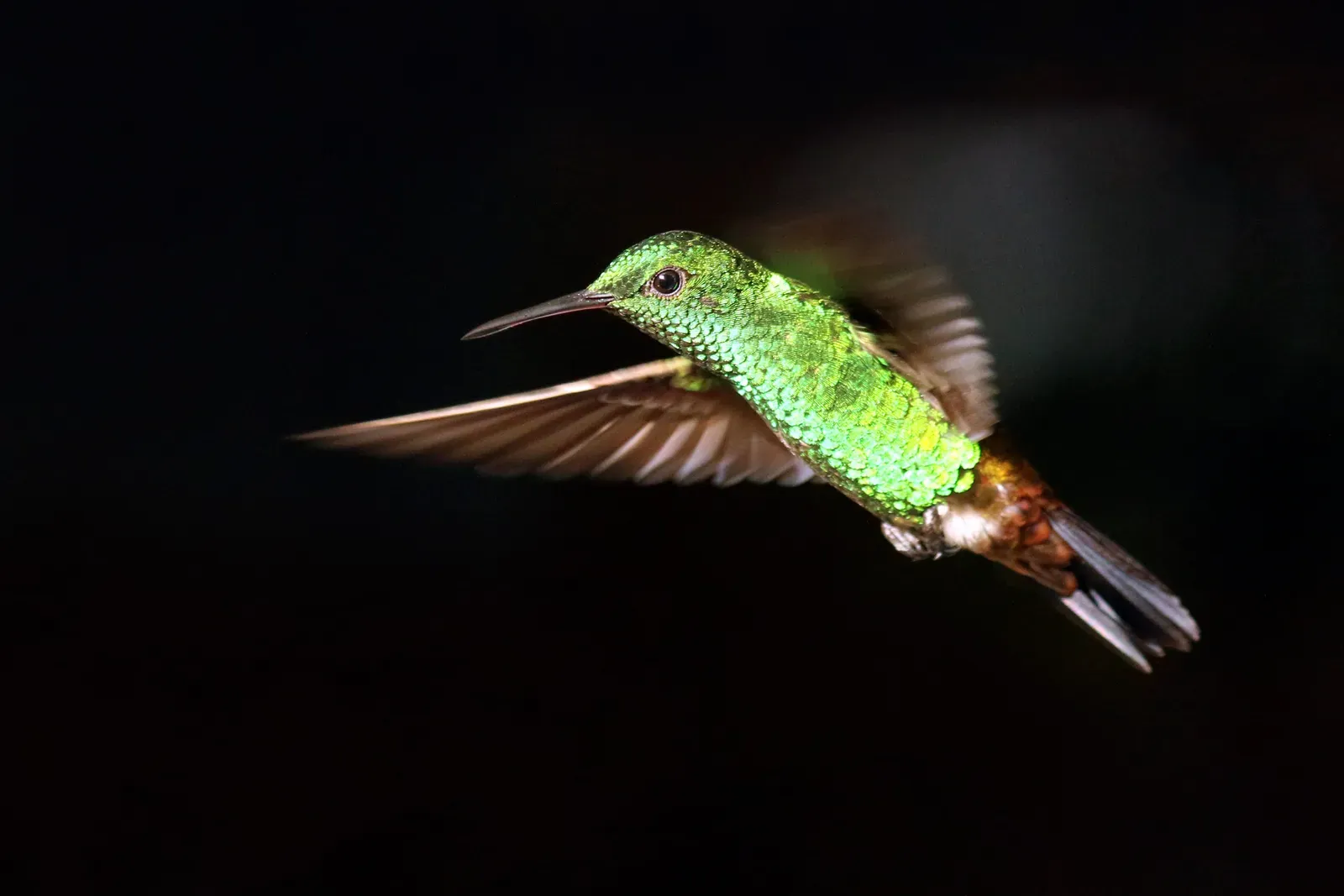
High-speed cameras didn’t just give us prettier slow-motion clips of hummingbirds. They embarrassed almost every lazy assumption we’d made about how these birds actually fly. We now know their wings don’t flap like other birds, their hovering isn’t “helicopter-like” so much as a fully different category of aerodynamics, and their bodies are essentially sugar-burning engines that bend airflow into obedient vortices.
The footage showed backward flight, violent turns, gimbal-smooth head control, and courtship dives that flirt with the edge of what a small body can survive. If anything, the real scandal is that we ever lumped hummingbirds in with “normal” birds in the first place. They aren’t just quick. They’re a separate conversation in flight mechanics, metabolism, and evolutionary design, and the cameras finally made us pay attention.