You memorized the diagrams. You aced the quiz. You walked out of school certain that Pluto was a planet, that stress and spicy food caused ulcers, and that your brain basically stopped changing once you hit your teens.
None of that held up. Science doesn’t send out an apology memo when it’s wrong – it just quietly tears out the old chapter and rewrites it, leaving millions of people walking around with facts that expired years ago. Here are the 13 discoveries big enough to force that rewrite, and the stranger, messier truths that replaced what you thought you knew.
#13 – Pluto Was Never Really a “Planet” the Way You Were Taught
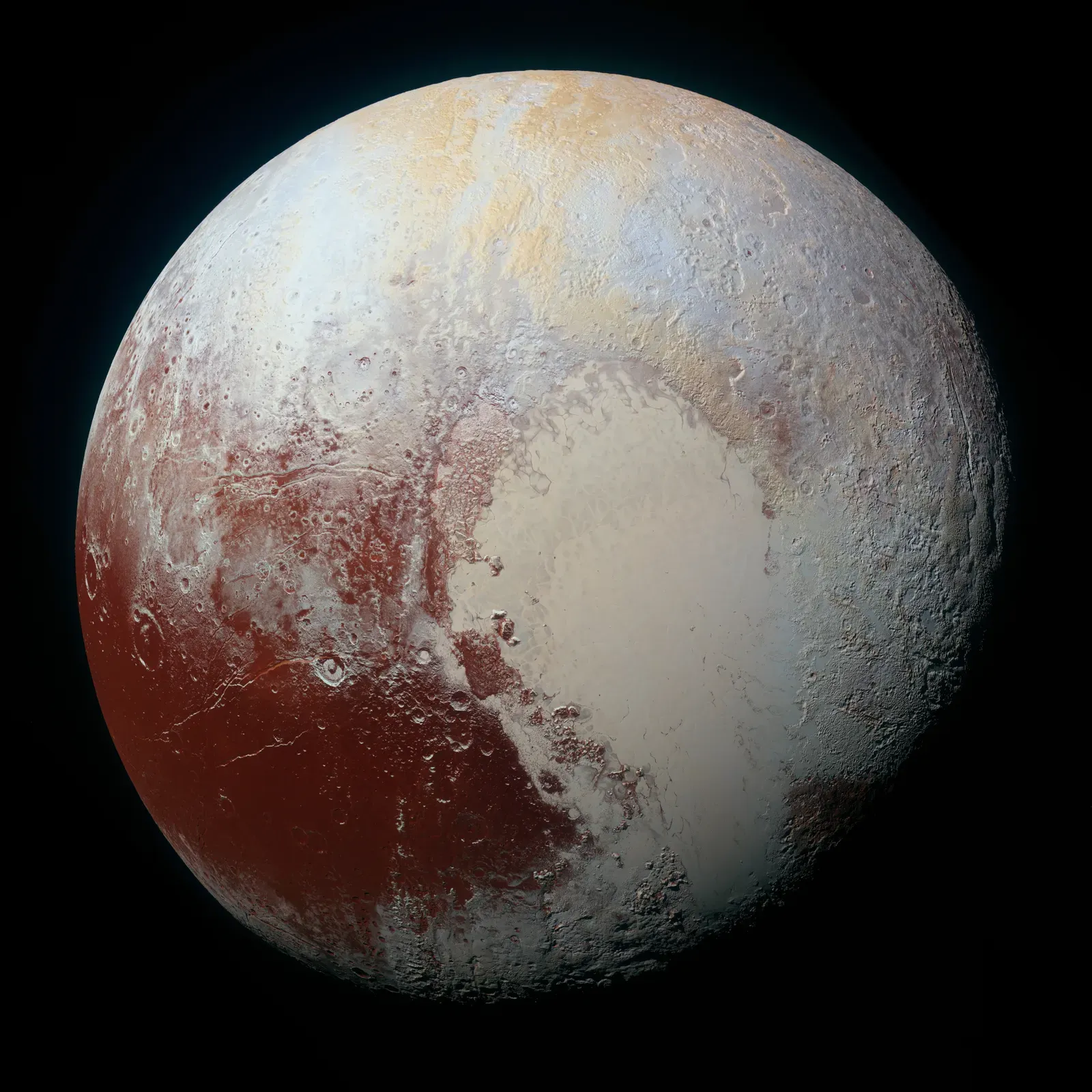
For decades, kids proudly memorized nine planets, with Pluto as the quirky little iceball at the edge of the solar system. Then in 2006, Pluto was “demoted,” and people reacted like astronomers had personally insulted their childhoods.
Here’s the truth: Pluto didn’t change – our definition of “planet” did. As telescopes and sky surveys improved, astronomers started spotting more Pluto-like objects out in the Kuiper Belt. Some were nearly the same size, like Eris, discovered in 2005. If Pluto counted as a planet, Eris probably should have too – and so should several others.
Instead of handing out planet memberships like coupons, the International Astronomical Union tightened the rules. A planet now has to:
- Orbit the Sun
- Be massive enough to be roughly spherical
- Clear its orbital neighborhood of other debris
Pluto fails that third test – it shares its region with a swarm of other icy bodies. So textbooks had to admit Pluto is a “dwarf planet,” one of many, not a special ninth. The wild part is that future textbooks might eventually list dozens of dwarf planets, turning that tidy solar system diagram into a crowded neighborhood. But that’s nothing compared to what we found about #12.
#12 – Dinosaurs Didn’t Just “Fade Away”; a Rock from Space Ended Their World
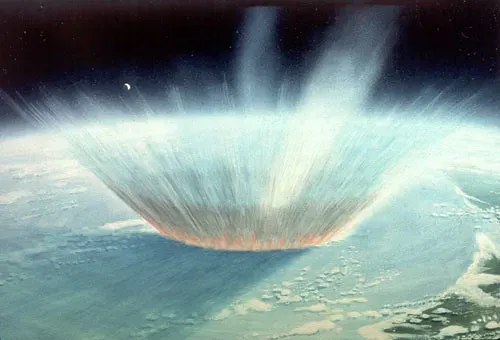
If you had an old-school textbook, it probably hedged on why the dinosaurs vanished – climate shifts, disease, competition with mammals, lots of “maybe.” Then one idea crashed into the field and changed everything: an asteroid impact.
Geologist Walter Alvarez and his father, physicist Luis Alvarez, found a mysterious layer of clay rich in iridium – an element rare on Earth but common in asteroids – sitting right at the 66-million-year-old boundary where dinosaur fossils stop appearing. That global iridium spike was a smoking gun that something catastrophic had hit the planet.
Later, researchers identified the Chicxulub crater buried under Mexico’s Yucatán Peninsula, spanning about 150 kilometers across. Modeling showed an impactor roughly 10 kilometers wide would have:
- Triggered mega-earthquakes and tsunamis
- Thrown enough dust and aerosols into the sky to darken it for years
- Collapsed global food chains within a very short window
Textbooks were forced to admit the dinosaurs didn’t slowly lose an evolutionary race – they were annihilated by one of the worst days in Earth’s history. Educators still soft-pedal how sudden it was, but the reality is closer to apocalypse than gentle “extinction over time.” That’s still nothing compared to what we found about #11.
#11 – Most of the Universe Is Invisible: Dark Matter and Dark Energy
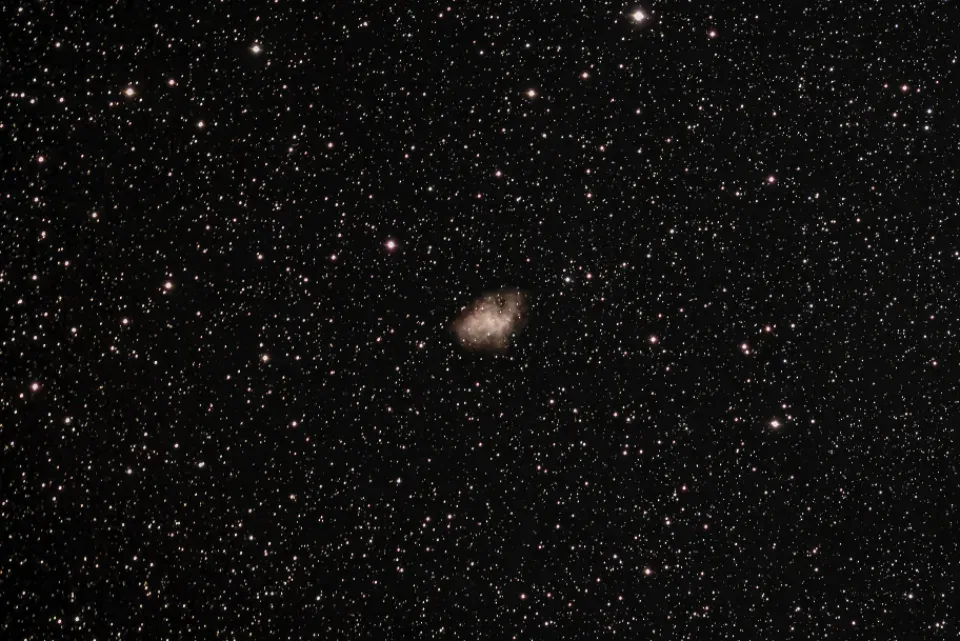
Old textbooks showed a comforting pie chart of the universe: stars, planets, gas, dust – the visible stuff. Then cosmologists ran the numbers and realized something deeply unsettling. Everything we can see is a tiny fraction of what’s actually out there.
In the 1970s, astronomer Vera Rubin measured how fast stars orbit within galaxies. According to Newtonian physics, outer stars should move slower than inner ones. They didn’t. Galaxies were spinning too fast to be held together by visible matter alone. The simplest explanation was an unseen “dark matter” supplying extra gravity.
Then supernova surveys in the 1990s delivered a second shock. Distant exploding stars looked dimmer than expected, meaning the universe’s expansion isn’t slowing down – it’s speeding up. To explain that, cosmologists invoked “dark energy,” a mysterious force making up roughly 70% of the universe.
“Somewhere, something incredible is waiting to be known.”
Carl Sagan
Modern estimates break the cosmos down roughly as ~5% ordinary matter (everything you can see), ~27% dark matter, and ~68% dark energy. That means almost everything is something we literally cannot see and barely understand. Textbooks that once mapped a universe of stars had to rebuild themselves around a universe of ghosts – and if you think that’s mind-bending, wait until you see #10.
#10 – Continents Drift Like Slow-Motion Rafts (and Always Have)
![#10 - Continents Drift Like Slow-Motion Rafts (and Always Have) ([4], Public domain)](https://nvmwebsites-budwg5g9avh3epea.z03.azurefd.net/dws/ead20282ba034068822456b38958609f.webp)
Older generations were taught continents were basically fixed, maybe with a little “uplift” here and there. Alfred Wegener’s 1912 idea that continents had drifted apart was once mocked as fringe science. Now, plate tectonics is one of the central pillars of modern geology, and textbooks had to be rebuilt on top of it.
By the mid-20th century, several lines of evidence converged: matching fossils and rock types on coastlines now separated by oceans, mid-ocean ridges where new crust was actively forming, symmetrical magnetic stripes on the seafloor proving it was spreading, and deep earthquake zones tracing plates sliding under one another.
Fast Facts
- Wegener first proposed continental drift in 1912; it took nearly five decades for the theory to gain acceptance.
- Tectonic plates typically move 2 to 5 centimeters a year – roughly the speed your fingernails grow.
- Earth’s crust is broken into about a dozen major plates and dozens of smaller ones.
- Seafloor spreading was confirmed by matching magnetic “stripes” mapped on either side of mid-ocean ridges.
The result: Earth’s outer shell is broken into rigid plates floating on a softer mantle beneath. Over tens of millions of years, that slow creep is enough to turn one supercontinent into several, and split families of animals onto continents an ocean apart.
Earth’s mountains, earthquakes, volcanoes, and even long-term climate are all tied to moving plates. This didn’t just add a new chapter – it rewired nearly every chapter about Earth’s history, oceans, and life. And if continents drifting seems wild, wait until you see how we had to rethink our own species in #9.
#9 – Humans Didn’t Evolve in a Straight Line from “Caveman” to “Us”
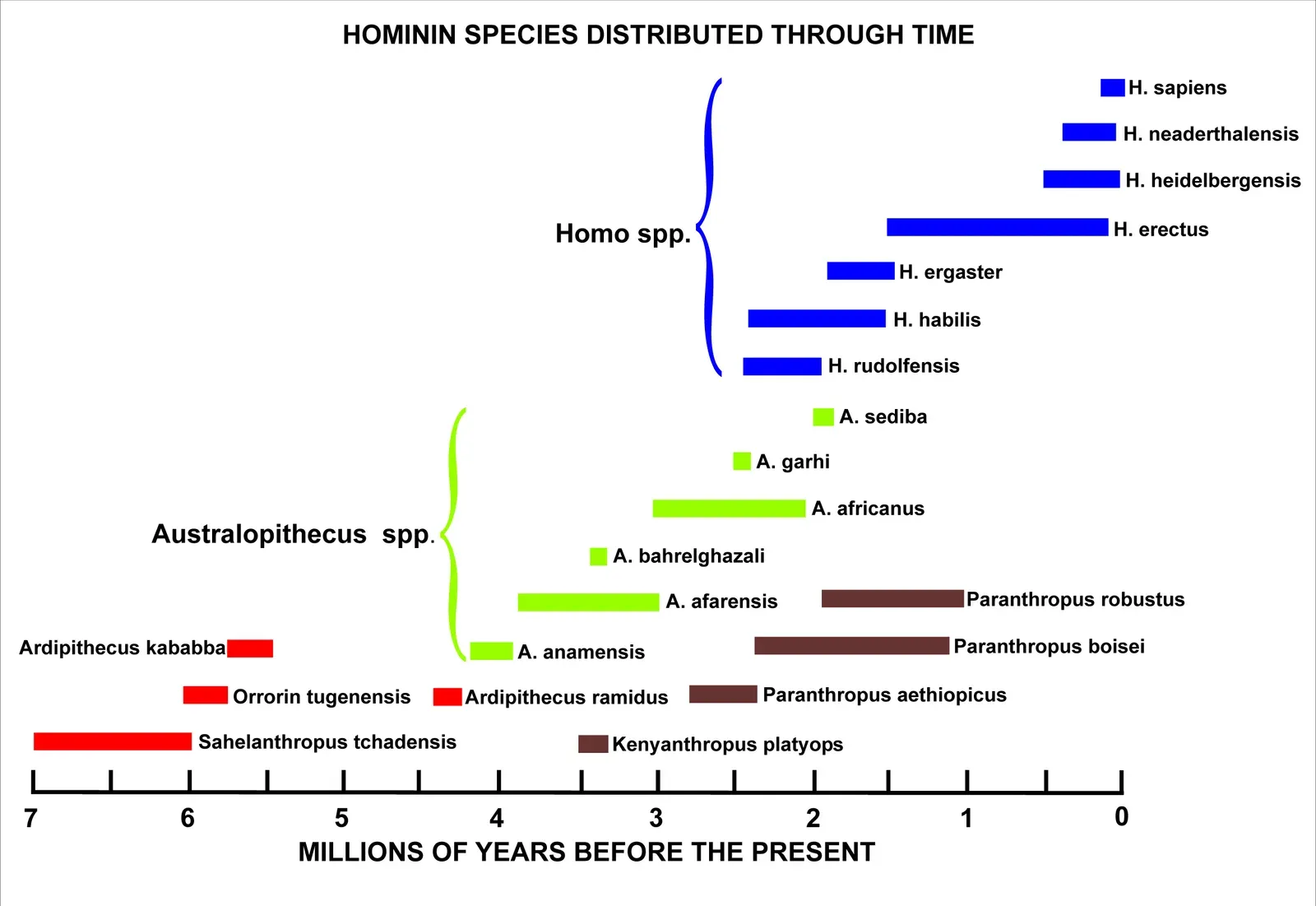
Old textbooks loved that neat ladder graphic: hunched ape, slightly upright hominin, modern human. It looked logical and simple – and it was utterly wrong. New fossils, better dating, and genetics forced a complete rewrite of human evolution.
Our family tree looks less like a ladder and more like a tangled bush. Multiple human species overlapped in time and space, some interbreeding, some dying out without descendants. A few discoveries did the real damage to the old picture:
- Fossils like *Australopithecus afarensis* (“Lucy”), *Homo habilis*, and *Homo erectus* showed gradual, overlapping shifts in brain size and posture over millions of years.
- Finds like *Homo floresiensis* (the “hobbit” from Indonesia) and *Homo naledi* in South Africa added unexpected, unpredicted branches to the tree.
- Genome sequencing of Neanderthals and Denisovans revealed that many modern humans carry their DNA, proving interbreeding rather than a clean replacement.
So that iconic image of one species neatly transforming into the next? Out. Replaced by a messier, far more interesting reality: we are hybrids, shaped by a patchwork of ancient lineages. Most school diagrams still oversimplify to keep things tidy – but that’s nothing compared to how brutally wrong we were about stomach ulcers in #8.
#8 – Stress and Spicy Food Don’t “Cause” Most Ulcers; Bacteria Do
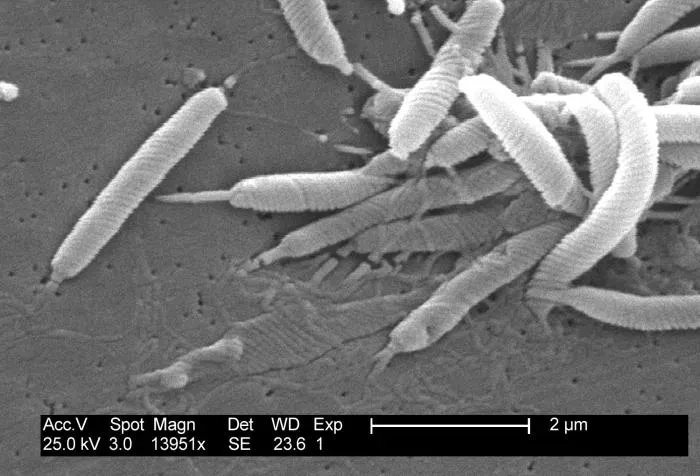
For decades, doctors and textbooks insisted stomach ulcers were the price you paid for stress, spicy food, or a “Type A” personality. The stomach was thought too acidic for any bacteria to survive there, so infection wasn’t even on the radar.
Then two Australian researchers, Barry Marshall and Robin Warren, noticed spiral-shaped bacteria – later named *Helicobacter pylori* – living in the stomach lining of ulcer patients. Their claim that a bacterial infection caused most peptic ulcers was dismissed by the medical establishment as nonsense.
So Marshall did something extreme: he drank a culture of *H. pylori* himself, developed gastritis, and then cured it with antibiotics. That stunt, combined with more rigorous trials afterward, forced the medical community to backtrack. Treating ulcers with antibiotics and acid-reducing drugs became standard, and the old stress-only model collapsed almost overnight.
Worth Knowing
- Marshall drank the bacterial culture in 1984 to prove the infection theory beyond doubt.
- Marshall and Warren won the 2005 Nobel Prize in Physiology or Medicine for the discovery.
- Standard treatment today pairs antibiotics with acid-suppressing drugs, resolving most ulcers within weeks.
- *H. pylori* is now recognized as one of the most widespread chronic bacterial infections in the world.
Today we know that not everyone infected develops ulcers, though their risk climbs sharply, and that long-term infection can even contribute to stomach cancer. Medical textbooks had to be torn up and reprinted. The “just relax and avoid chili” advice wasn’t just incomplete – it was dangerously misleading. Still, that’s nothing compared to what we learned about the fabric of matter itself in #7.
#7 – Atoms Aren’t Little Solar Systems; Quantum Mechanics Shattered the Picture
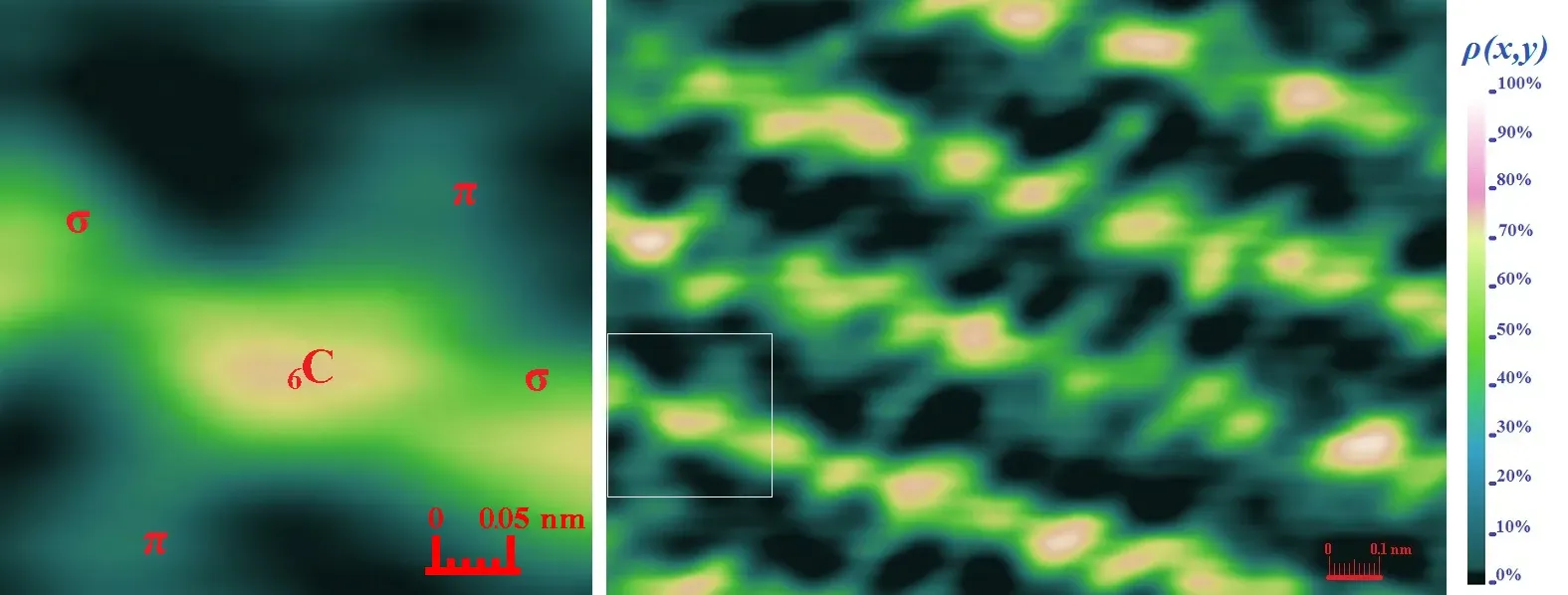
Remember the model where electrons orbit the nucleus like mini planets circling a tiny sun? Textbooks kept that diagram long past its expiration date simply because it was easy to draw and easy to quiz. Reality is far weirder.
By the early 20th century, experiments showed that electrons don’t orbit in neat paths – they exist in “clouds” of probability. Quantum mechanics replaced orbits with orbitals, mathematical descriptions of where an electron is likely to turn up. Three discoveries forced the rewrite: the double-slit experiment showed particles behaving like both particles and waves; the photoelectric effect and atomic spectra demanded discrete energy levels, meaning electrons jump rather than slide between states; and Heisenberg’s uncertainty principle proved you can’t know both an electron’s position and momentum with infinite precision.
In modern quantum theory, the atom is a fuzzy, probabilistic object. Electrons occupy orbitals with specific shapes and energies – they’re not marbles on tracks. Chemistry, electronics, lasers, and modern computing all quietly rely on this weirdness. That old Bohr diagram still clings on in middle school, but serious textbooks had to abandon the comforting mini-solar-system fantasy long ago. And yet, even that doesn’t rival how we had to rethink our own brains in #6.
#6 – The Brain Stays Plastic Throughout Life, Not Just in Childhood
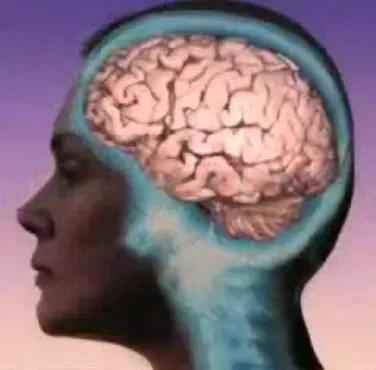
For much of the 20th century, textbooks treated the adult brain like fixed hardware. You were told brain cells don’t regenerate, and that wiring is essentially finished by early childhood. Damage was assumed permanent, and “retraining” was seen as limited at best.
Neuroscience has since smashed that dogma. The adult brain is far more flexible – “plastic” – than we were ever told. New neurons are generated in certain brain areas, like the hippocampus, even in adulthood, a process called neurogenesis. Long-term practice in music, language, or meditation can measurably reshape brain structure and connectivity.
Quick Compare
- Old belief: Adult brain wiring is fixed, and damaged regions stay damaged.
- New evidence: The hippocampus keeps generating new neurons well into adulthood.
- Old belief: Stroke damage is permanent.
- New evidence: Neighboring regions can reorganize and take over lost functions.
Functional MRI and other imaging tools revealed circuits constantly strengthening, weakening, and rewiring in response to experience. This doesn’t mean “anything is possible” at any age – that’s the Instagram version. It means learning physically reshapes your brain, recovery from injury is often more possible than once believed, and chronic stress or trauma can restructure it too, for better or worse.
Old textbooks framed the brain as static after a certain age; modern ones have to admit it’s a living, changing organ from cradle to grave. That shift is huge – but not as planet-shaking as what we realized about Earth’s own climate past in #5.
#5 – Ice Ages and Climate Swings Are Normal – But We’re Pushing the System Faster

For a long time, textbooks treated Earth’s climate as mostly stable, with slow, gentle changes. Ice ages were acknowledged but often glossed over as vague “cool periods” in the past. Detailed ice cores from Greenland and Antarctica, along with ocean sediment records, told a very different story.
Earth’s climate has swung dramatically, sometimes in surprisingly short geological windows. Temperature, greenhouse gases, and ice volume have all risen and fallen together in complex cycles, driven by Milankovitch cycles in Earth’s orbit and tilt, tectonic rearrangements affecting ocean circulation, and volcanism-driven feedback loops.
Here’s the rewrite that really stung: when you add industrial greenhouse gas emissions on top of that natural background, the current rate of warming over the last century is abnormally fast compared with most past transitions. CO₂ levels are now higher than anything modern humans have ever experienced in our species’ history.
Textbooks had to move from “climate is mostly stable” to a picture where climate naturally changes over tens of thousands of years, but human activity has now become a dominant forcing, accelerating that change. This isn’t about panic; it’s about accuracy. Pretending Earth’s climate was ever perfectly calm was the first mistake – thinking we can crank the thermostat without consequences is the second. But that’s still nothing compared with what we discovered about how life itself started in #4.
#4 – Life Thrives in “Impossible” Places: Extremophiles Redefined Habitability
![#4 - Life Thrives in "Impossible" Places: Extremophiles Redefined Habitability ([1], CC BY 4.0)](https://nvmwebsites-budwg5g9avh3epea.z03.azurefd.net/dws/cabf2fc6093b10db392b845989ff029b.webp)
Older biology textbooks implied life needed Earth-like, “Goldilocks” conditions – moderate temperatures, neutral pH, plenty of sunlight and oxygen. Deep ocean trenches, boiling volcanic vents, and toxic lakes were basically written off as dead zones. Then came extremophiles, organisms that shatter our ideas about what “habitable” actually means.
We’ve now found microbes that live in boiling hot springs above 90°C, survive in extremely acidic or alkaline waters, make a living around deep-sea hydrothermal vents with no sunlight at all, running on chemical energy instead, and endure crushing pressures, intense radiation, and near-freezing brines that should kill almost anything.
At a Glance
- Hyperthermophiles were first discovered in 1977 near hydrothermal vents in the Galápagos Rift.
- Methanopyrus kandleri, found at deep-sea vents, holds the record for the hottest confirmed growth temperature: 122°C.
- Some microbes tolerate extreme acidity, alkalinity, or radiation levels that would kill nearly all other life.
- These findings strengthen the case for microbial life on icy moons like Europa and Enceladus.
These discoveries did two big things to textbooks. First, they forced a rewrite of how we think life began on Earth – hydrothermal vents, once ignored, are now serious candidates for life’s actual cradle. Second, they exploded our assumptions about life elsewhere in the solar system.
If microbes can thrive in extremes this brutal here on Earth, icy moons like Europa and Enceladus, or the subsurface of Mars, suddenly look a lot more promising. “Habitable zone” used to mean a narrow band around a star. Now habitability looks more like a long list of creative ways chemistry can hack physics. And speaking of hacking physics, we had to rewrite how the entire universe began in #3.
#3 – The Universe Is Expanding (and Had a Hot, Dense Beginning)
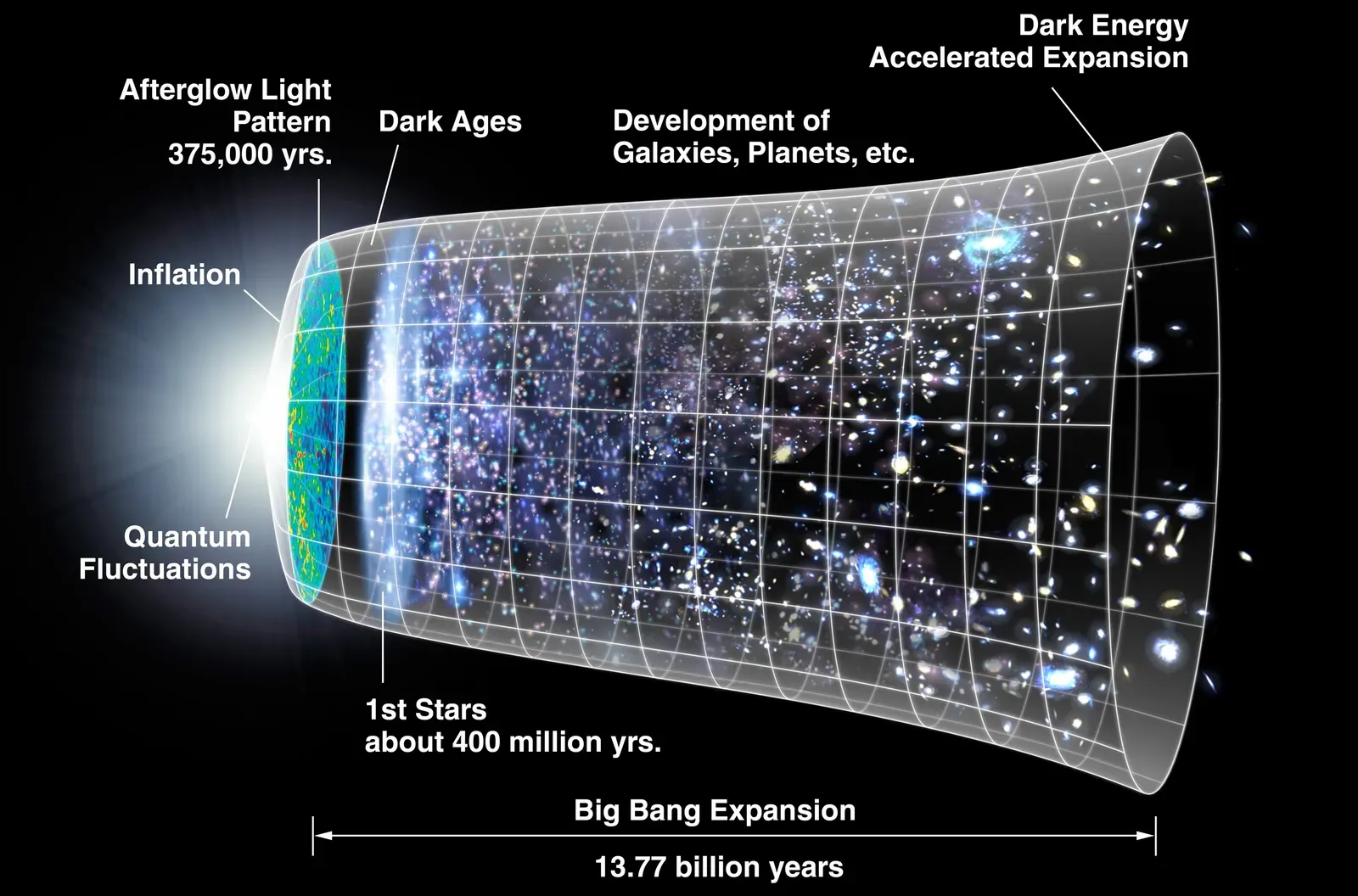
Mid-20th-century textbooks still entertained a “steady state” universe – eternal, unchanging on the largest scales. Stars formed and died, sure, but the cosmos itself just… was. Observations wrecked that picture completely.
In the 1920s, Edwin Hubble showed that distant galaxies are receding from us, and the farther away they are, the faster they’re moving. This implied space itself is expanding. Later, the detection of the cosmic microwave background radiation – the faint afterglow of a hot early universe – became the smoking gun for what we now call the Big Bang model.
The rewrite was brutal: the universe is not static, it has a history. It started in an extremely hot, dense state roughly 13.8 billion years ago and has been expanding ever since. Cosmic structures like galaxies, clusters, and filaments all grew over time from tiny quantum fluctuations.
Textbooks had to junk the comforting idea of a timeless cosmos and embrace a dynamic one, with a beginning, an evolution, and possibly a strange future dominated by dark energy. The ironic twist is that the term “Big Bang” actually started as an insult from a critic of the theory. Now it’s the headline in every astronomy chapter. And yet, even that overhaul doesn’t sting students as much as what we learned about learning itself in #2.
#2 – “Left-Brain vs Right-Brain” and Learning Styles Are Mostly Myths
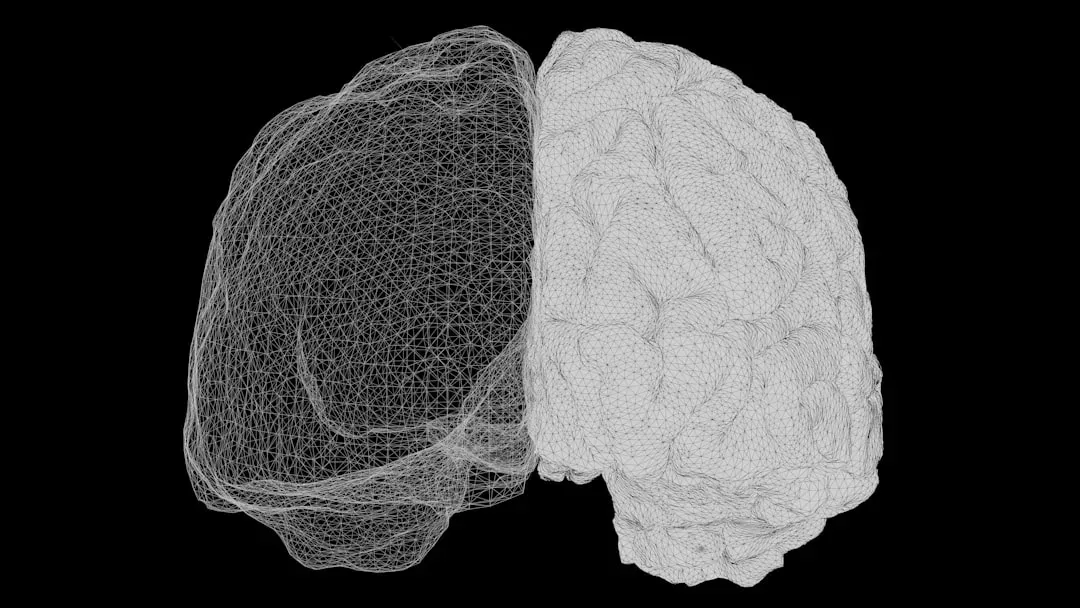
Textbooks and pop-psych books loved dividing people into neat boxes: left-brained logical types versus right-brained creative types, visual versus auditory versus kinesthetic learners. It made for great personality quizzes and genuinely bad science.
Modern cognitive neuroscience paints a very different picture. Brain imaging and controlled studies show that both hemispheres are involved in almost every complex task, from language to creativity. There’s some specialization, sure, but nothing close to a clean personality split. Teaching people according to their preferred “learning style” also doesn’t consistently improve outcomes – what works best usually depends on the material itself, not the learner’s self-image.
The reality is that the brain is massively interconnected. Abilities like logic, creativity, and language rely on distributed networks working together, and good teaching engages multiple senses and modalities, not just one label.
Educational psychology had to quietly walk back decades of neat diagrams and personality tests. That doesn’t mean all differences vanish – people absolutely vary in strengths and preferences – but the left/right brain and rigid learning-style categories belong more on horoscope pages than in serious textbooks. And yet, none of these rewrites hit as deep as what we had to admit about ourselves at the genetic level in #1.
#1 – Race Is Not a Biological Essence Written in Our Genes
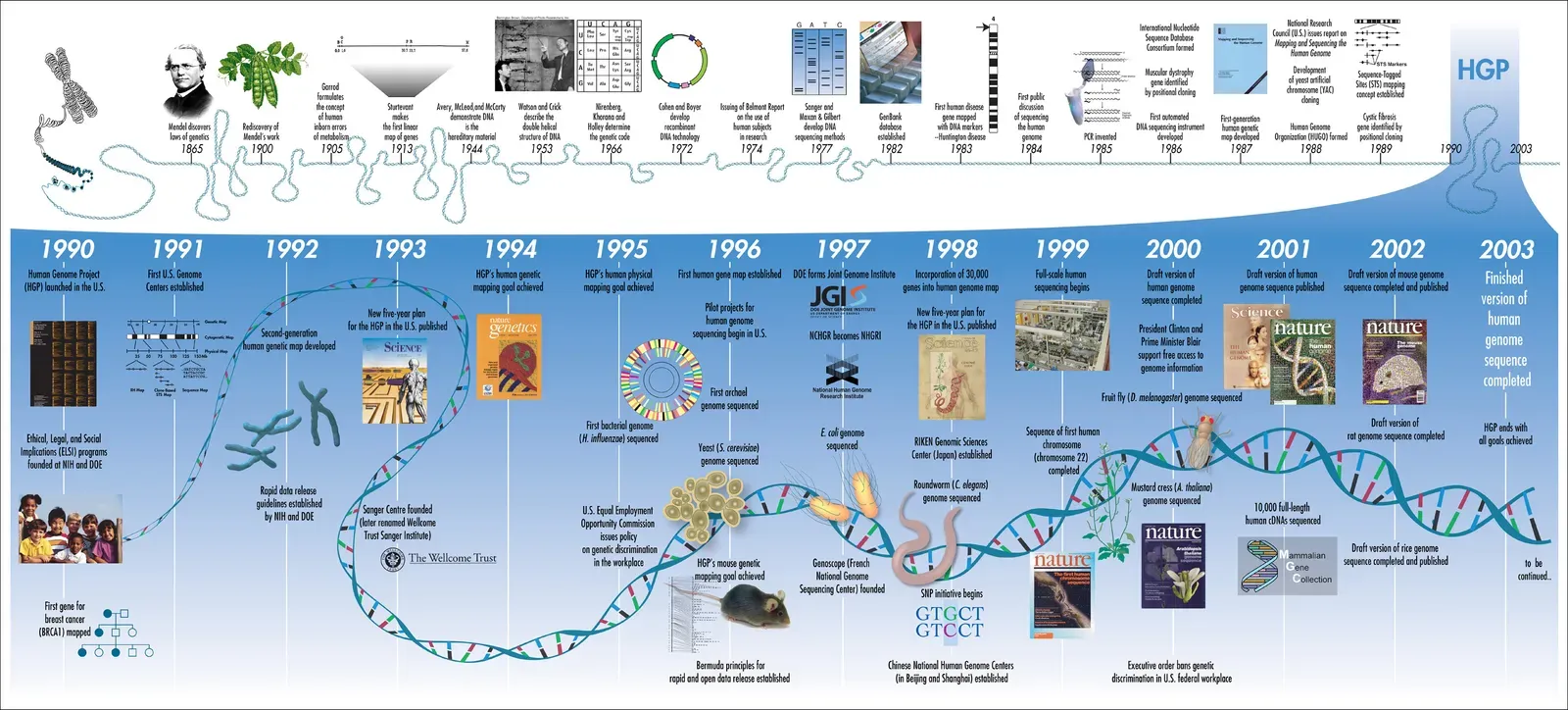
Perhaps the most socially loaded rewrite of all came from population genetics. For much of the 19th and 20th centuries, textbooks treated human “races” as biologically distinct categories, often tying them – explicitly or implicitly – to intelligence, behavior, and worth. Modern genetics has shredded that idea completely.
When scientists started comparing genomes from people around the world, they found that genetic variation within any so-called “race” is often greater than variation between “races.” Human genetic diversity turned out to be clinal – it changes gradually across geography, not in clean blocks. There is no single gene, or cluster of genes, that cleanly separates humans into the classic racial bins used in politics or history.
Why It Stands Out
- The Human Genome Project, completed in 2003, confirmed that all humans share about 99.9% of their DNA.
- Genetic variation shifts gradually across geography rather than splitting into sharp racial blocks.
- Traits like skin tone, blood type, and disease resistance are controlled by different genes and don’t cluster together by race.
- No genetic marker reliably sorts humans into the racial categories once taught as biological fact.
Yes, populations that lived in particular regions for millennia do share some statistical patterns – skin color adaptations to UV exposure, lactose tolerance, certain disease resistances. But those patterns are blurred, overlapping, and constantly reshuffled by migration and mixing across generations.
Textbooks that once casually listed “Caucasoid,” “Negroid,” and “Mongoloid” as scientific categories have, in reputable contexts, been forced to admit that race as we use it socially is a messy, historically constructed label, not a precise biological taxonomy. That doesn’t make racism less real – it makes it more obviously absurd. The story written in our DNA is one of a single, deeply interrelated species.
The Bottom Line
Taken together, these 13 discoveries did more than tweak a few paragraphs – they exposed how fragile our “settled facts” really are. Planets were reclassified, dinosaurs died in a single bad day, the universe turned out to be mostly invisible, and the human brain and genome refused to fit into tidy boxes.
Again and again, the pattern repeats: we build a clean story, new data wrecks it, and the rewrite is almost always messier, stranger, and more uncomfortable than the version we grew up with. That’s the real lesson textbooks rarely say out loud – science isn’t a monument, it’s a moving target.
If your school memories don’t match this list, that’s not your fault. It’s a sign of how fast our understanding shifts, whether we’re ready for it or not. The uncomfortable question worth sitting with is this: which of today’s “obvious truths” will be the next one to go? If you’ve got a candidate, drop it in the comments and defend it.