Articles for author: Suhail Ahmed

lion laying on gray stone

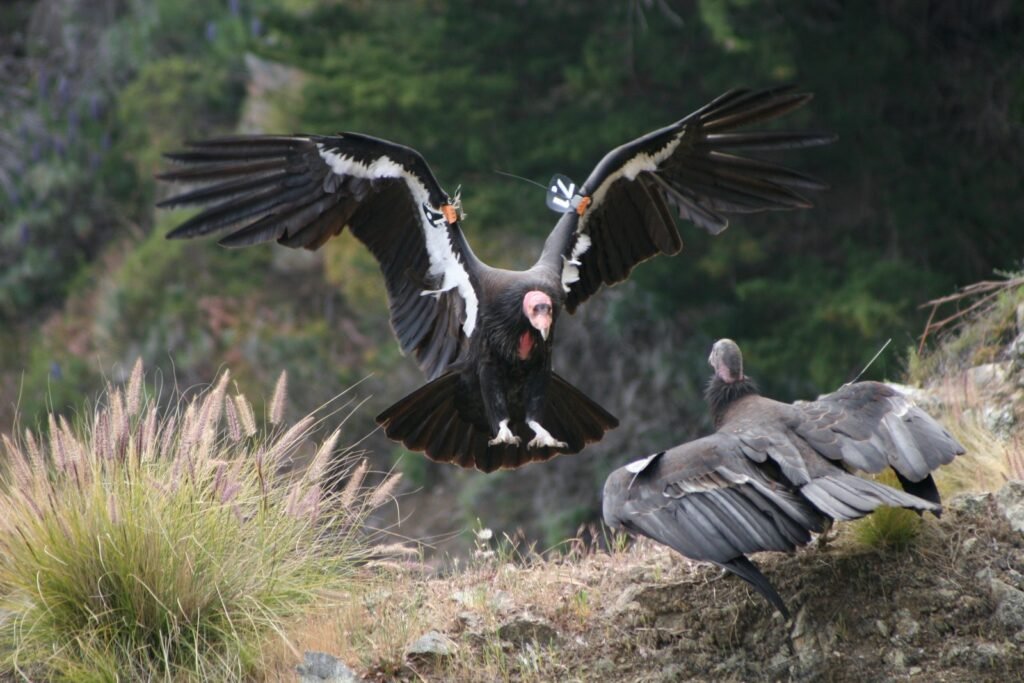
How Mountain Lions Are Expanding Their Range in North America

Suhail Ahmed

Across the rugged landscapes of North America, a remarkable ecological story is unfolding. Mountain lions, also known as cougars, pumas, or panthers, are reclaiming territories they haven’t inhabited for over a century. These elusive big cats, once pushed to the brink in many regions by hunting and habitat loss, are demonstrating remarkable resilience and adaptability. ...

two white crocodile skulls

How Ancient Egyptians May Have Mummified Crocodiles Based on Fossil Finds

Suhail Ahmed

Under the desert’s hard light, a new picture is forming of how ancient Egyptians turned one of the Nile’s most fearsome hunters into sacred relics. Recent fossil finds and scans of crocodile mummies suggest a surprisingly simple, sometimes brutal routine – more sun and sand than secret potions. For years, scholars assumed thick resins, natron ...

a rock with a lot of holes in it

Can Rocks Remember the Past? A Look Into Fossils for Curious Kids

Suhail Ahmed

Every beach pebble and backyard stone has a story, but fossils are the chapters that make hearts race. Scientists use these stonebound clues to piece together vanished worlds, from thunder-lizard footsteps to seas that lapped where deserts now lie. The mystery is simple and thrilling: how do rock-hard relics preserve soft moments of life? The ...

Mosquito Fish: Small Fish, Big Impact on Disease Prevention

Suhail Ahmed

On hot evenings in mosquito season, public-health crews move quietly along canals and neglected pools, releasing tiny, silver-gray fish that might change the odds in our favor. Mosquito fish – humble livebearers no longer than a finger – have been drafted into a global campaign to shrink the swarms that carry West Nile virus, dengue, ...

A dinosaur skeleton in a museum with people looking at it

The 2,000-Year-Old Roman Book That Described Dinosaurs – Kind Of

Suhail Ahmed

Two millennia ago, a Roman encyclopedist tried to catalog everything in nature, from thunder to tigers. He had no idea that some of the “monsters” he described might echo creatures that lived tens of millions of years earlier. The mystery sits at the crossroads of myth and science: when ancient readers met dragons and giants ...

an underwater view of corals and sponges in the ocean

How Ancient Coral Reefs Record Earth’s Climate Millions of Years Ago

Suhail Ahmed

Wave-battered and sunlit, ancient coral reefs look like ruins – but they’re anything but silent. Locked inside their stone-white skeletons are timelines of temperature swings, ocean chemistry jolts, and sea-level pulses that outlast empires. The mystery is simple yet profound: how do we reconstruct climates that no instrument ever measured? The answer lives in the ...

whale in the middle of ocean during daytime

7 Misunderstood Animals That Are Secretly Saving the Planet

Suhail Ahmed

They’ve been cast as villains, nuisances, or background extras, yet these species are quietly holding the line for Earth’s life-support systems. The story isn’t about a single hero but a network of animals that keep carbon moving, soils breathing, water flowing, and diseases at bay. As climate shocks stack up and ecosystems wobble, their hidden ...

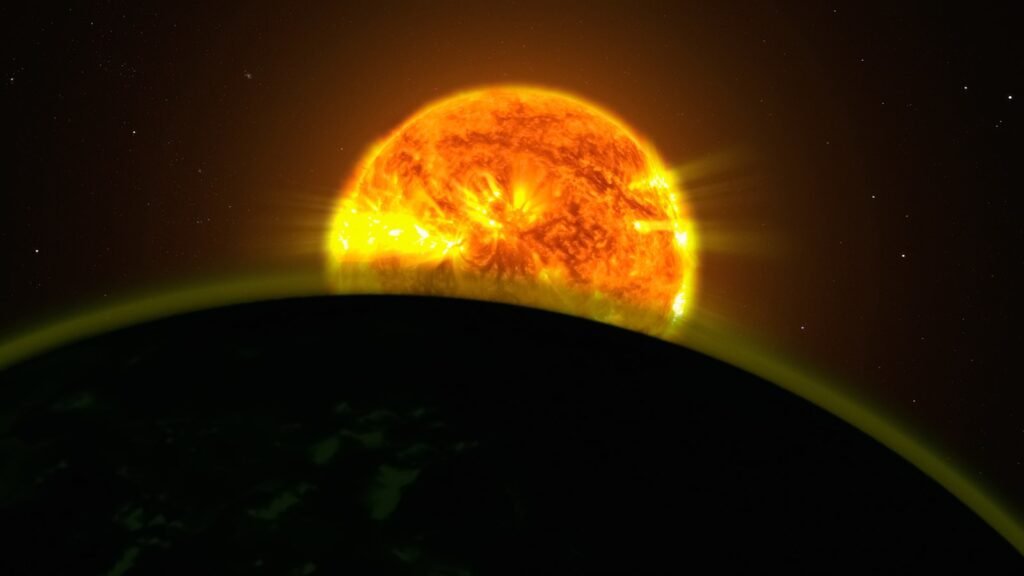
Europa: The Ice World That Might Hide an Ocean of Life

Suhail Ahmed

Under a crust of fractured ice, Europa may shelter the largest body of liquid water in the solar system – more than Earth’s oceans combined – and that single fact has gripped scientists for decades. The mystery isn’t just whether water is there, but whether the chemistry and energy to power life have persisted in ...

yellow leaf plant in close up photography

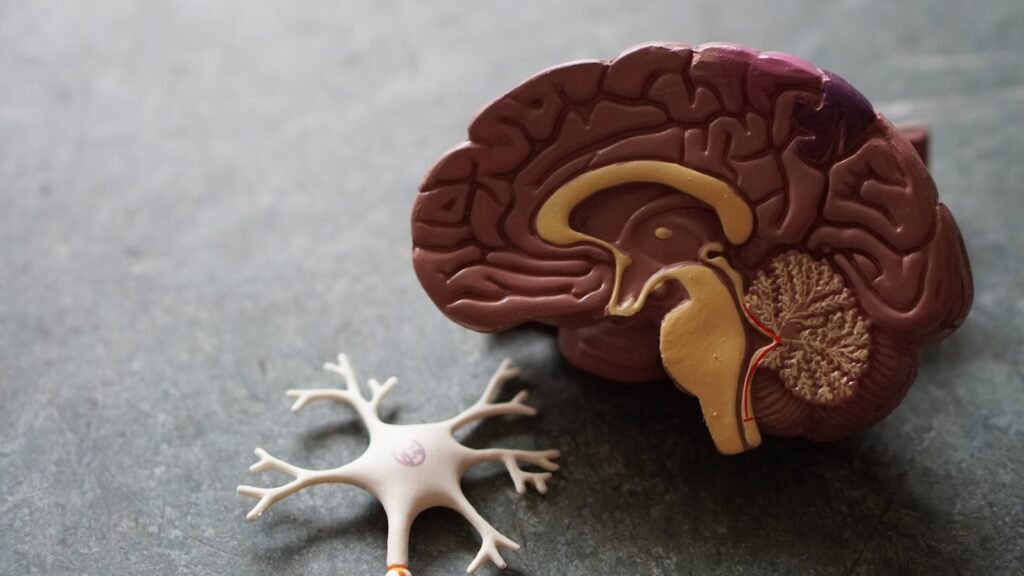
Meet the Blob That Has No Brain But Solves Mazes

Suhail Ahmed

It looks like a smear of egg yolk on agar, slow and indecisive – until you give it a problem and watch it go to work. The slime mold Physarum polycephalum doesn’t have a brain, neurons, or even a mouth, yet it can find efficient routes through a maze like a tiny yellow cartographer. Scientists ...