

Every so often, a disease simply fades away. No vaccine rollout, no blockbuster drug, no coordinated global campaign – just a slow, almost ghostlike exit from the human story. For scientists, these vanishing acts are both thrilling and deeply frustrating: they hint at powerful forces shaping our health that we still barely understand.
In an age where we tend to believe every medical victory comes from a lab coat and a clinical trial, diseases that disappear on their own feel almost unsettling. Did human behavior quietly change? Did the pathogen evolve into something milder – or burn itself out? Or are we just not looking in the right places anymore? Let’s dig into six striking examples, and the theories that researchers are still trying to untangle.
1. The Mysterious Retreat of Saint Anthony’s Fire (Ergotism Outbreaks)
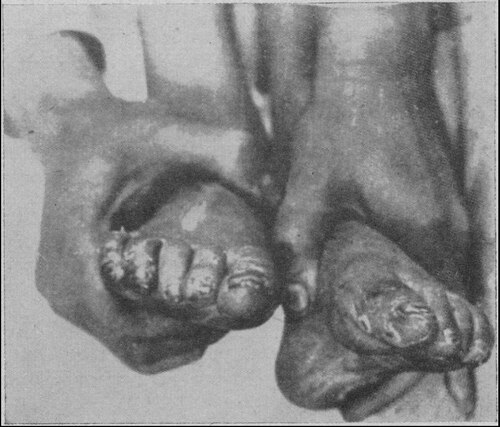
Imagine entire villages haunted by burning pain, convulsions, hallucinations, and blackened limbs that sometimes fell away. For centuries across Europe, this horror was known as Saint Anthony’s Fire, now understood as ergotism – poisoning from a fungus that infects rye and other grains. Huge outbreaks devastated communities in the Middle Ages and early modern period, then gradually dwindled and largely vanished in industrialized countries without any targeted drug or vaccine against ergot itself.
The leading explanation is less about biology and more about bread. As agriculture, milling, and grain storage improved – cleaner seed, better drying, more controlled storage, new varieties of cereals – ergot-contaminated flour became much less common. Industrial milling tended to separate out contaminated kernels more effectively. Over time, rural economies also diversified diets beyond heavy dependence on rye. Some historians argue that social and economic modernization acted like an invisible public health campaign: no medical “cure,” just fewer opportunities to be poisoned in the first place.
2. Puerperal Fever’s Decline Before Modern Antibiotics
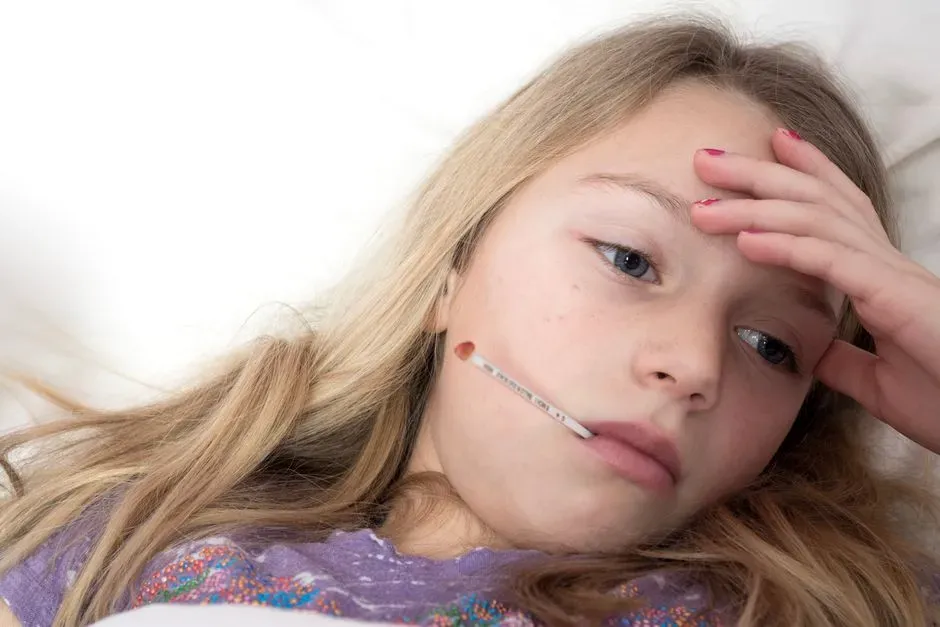
Childbirth used to be terrifying not only because of labor itself, but because of what came afterward. Puerperal fever – postpartum sepsis – killed huge numbers of mothers in the eighteenth and nineteenth centuries, especially in hospitals. Today, it is dramatically rarer in high‑income settings, and a lot of that decline actually started before modern antibiotics became common. The fall in deaths began in fits and starts, long before we had a precise understanding of every bacterium involved.
So what changed? The story is messy. Improvements in hand hygiene, cleaner delivery practices, ventilation, better instruments, and simply giving birth outside overcrowded hospital wards all played a part. Some hospitals shifted policies or reorganized wards, and maternal deaths dropped even when staff could not fully explain why. Social changes such as smaller family sizes and improved nutrition may also have helped women survive complications. Researchers still debate the relative weight of each factor, but what is clear is that maternal mortality started to collapse thanks to a loose bundle of behavioral and environmental changes long before a single blockbuster medical intervention came along.
3. The Near-Disappearance of Classical Pellagra Epidemics
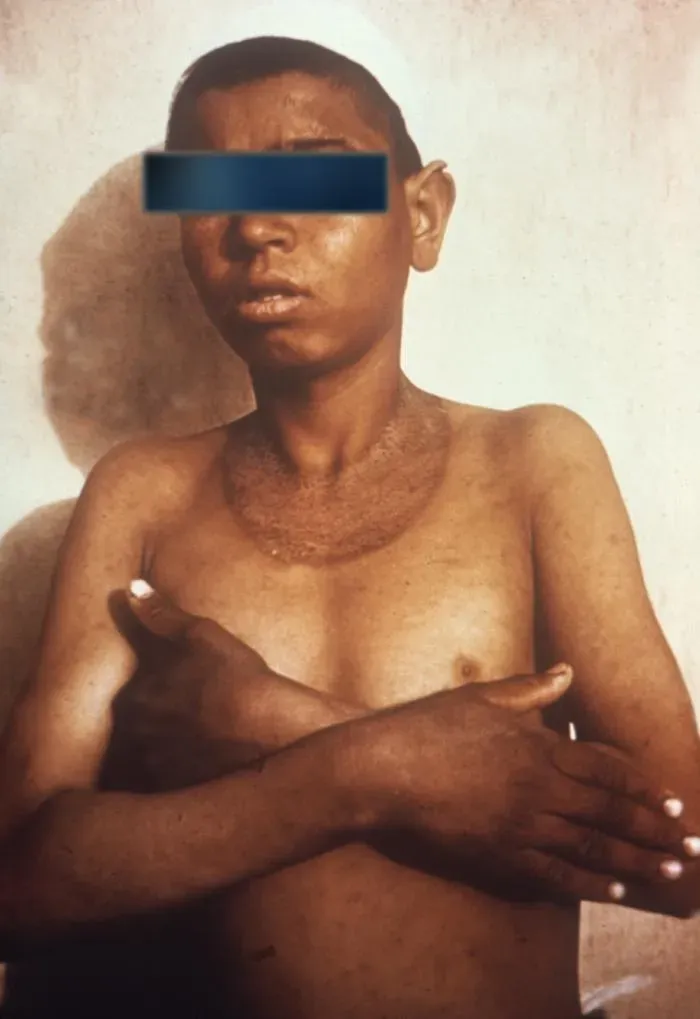
Pellagra once swept through poor communities with a signature trio of misery: dermatitis, diarrhea, and dementia, often ending in death. In the early twentieth century, huge outbreaks hit parts of the American South and parts of Europe. The condition is caused by severe deficiency of niacin (vitamin B3) or the amino acid tryptophan, yet pellagra epidemics faded from many regions well before most people had even heard of “vitamin therapy,” and without any vaccine or specific drug targeting the disease.
What actually changed was food systems and policy – often in ways people barely noticed. As the understanding of nutrition improved, governments quietly began enriching staple foods, reforming agricultural policies, and encouraging more diverse diets. Industrialization brought new food products and more reliable supply chains. In some places, social welfare programs reduced extreme poverty and food monotony. The medical side of the story is oddly anticlimactic: once communities stopped surviving mostly on poorly processed corn and little else, pellagra’s explosive outbreaks almost melted away. It is a textbook case of how a disease can essentially be “cured” by changing the world around people rather than the people themselves.
4. The Vanishing of Beriberi in Many Regions
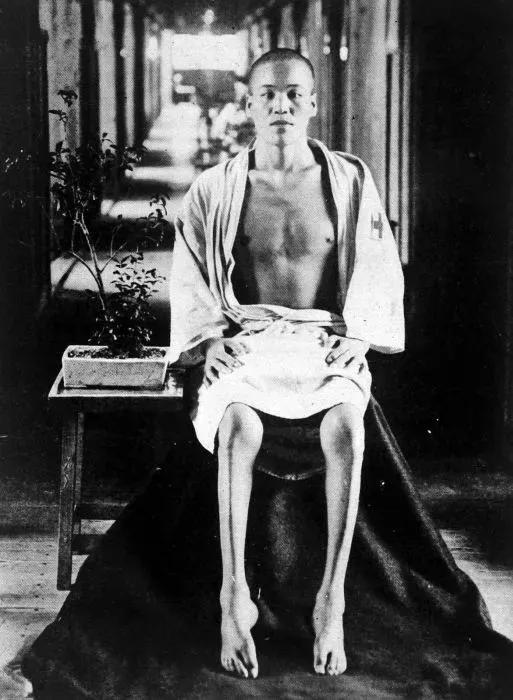
Beriberi, driven by a severe deficiency of thiamine (vitamin B1), once produced heart failure, paralysis, and profound weakness in large populations, especially where polished white rice dominated the diet. It ravaged sailors, prisoners, and entire regions of Asia. Yet in many parts of the world, classic beriberi outbreaks have become rare without a single blockbuster pill or injection campaign that everyone remembers lining up for.
Similar to pellagra, the quiet hero here is food fortification and changing habits. When millers learned to leave more of the nutrient‑rich outer layers on rice or to fortify polished grains, and when diets broadened beyond a single staple, beriberi retreated. Urbanization and rising incomes, though uneven, meant more people could afford varied foods like legumes, meat, eggs, and vegetables that naturally contain thiamine. Even military and prison rations slowly improved. The fascinating part is that most people never noticed any dramatic “beriberi eradication program”; the disease just stopped appearing in headlines because the underlying conditions that fed it were chipped away.
5. The Puzzling Decline of Rheumatic Fever in Rich Countries

Rheumatic fever, a painful, sometimes deadly inflammatory disease that can follow untreated strep throat, used to be a leading cause of damaged heart valves in children and young adults. In many high‑income countries, it has become relatively rare, and this drop began well before antibiotics were widely available or uniformly used for every sore throat. The timing and scale of the decline have left researchers arguing over which changes really mattered most.
Improved living conditions are at the top of the suspect list. Less overcrowding, better housing, fewer shared beds, and improved ventilation likely reduced transmission of the strep bacteria that can trigger rheumatic fever. Nutrition improved, making children more resilient. School hygiene, public awareness, and earlier medical consultation gradually increased. Some scientists even speculate that shifts in the dominant strains of strep may have made them less prone to triggering the intense autoimmune reaction that causes rheumatic fever. Taken together, these changes formed a kind of accidental shield. There was no single magic intervention, just a lot of small nudges that, over decades, rewrote the fate of millions of kids’ hearts.
6. The Vanishing Act of Yaws in Many Communities
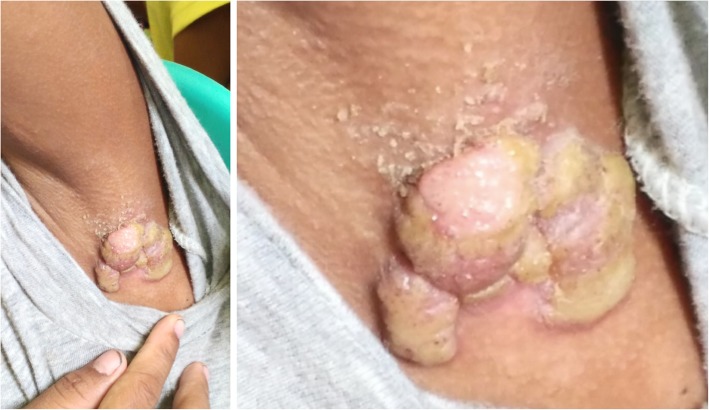
Yaws is a disfiguring tropical infection related to syphilis but spread mostly through skin‑to‑skin contact among children in warm, humid environments. In the first half of the twentieth century, it infected millions across Africa, Asia, and the Pacific. Yet in many places, yaws declined dramatically even before modern mass drug campaigns took hold, and in others it has bowed out in a patchy, inconsistent way that still puzzles epidemiologists.
One widely discussed theory is that gradual improvements in hygiene and housing subtly broke the chains of transmission. Children wearing more clothes, families having better access to soap and clean water, and communities spending less time barefoot in muddy, crowded environments all chipped away at opportunities for infection to spread. Changing migration patterns and shifting village structures may also have helped. At the same time, targeted treatment programs later amplified this natural decline. The tricky part is that surveillance has often been poor; some experts wonder whether yaws has truly vanished from some areas or simply slipped below the radar. Either way, its retreat shows how disease patterns can be transformed long before we fully understand every step.
Conclusion: When Human Worlds Change Faster Than Pathogens Can Keep Up

What ties these stories together is not a miracle pill but a quiet revolution in how people live, eat, work, and give birth. Diseases like ergotism, pellagra, beriberi, puerperal fever, rheumatic fever, and yaws shrank or disappeared in many places not because we conquered them directly, but because we accidentally took away their favorite conditions. Better food, cleaner environments, fewer people packed into dark, damp rooms, and modest improvements in hygiene did what no single medical intervention could do alone.
My own view is that these “unplanned victories” are both inspiring and a warning. They show that changing the social and environmental fabric of life can be as powerful as any drug, but they also remind us how fragile progress is when it depends on systems we barely notice. If poverty returns, if surveillance fails, or if we assume a disease is gone forever simply because we stopped seeing it, history has a habit of snapping back. Maybe the real question is not just which diseases will vanish next, but whether we are willing to keep reshaping our world in ways that help them stay gone – what do you think would disappear if we truly redesigned our environments with health in mind?