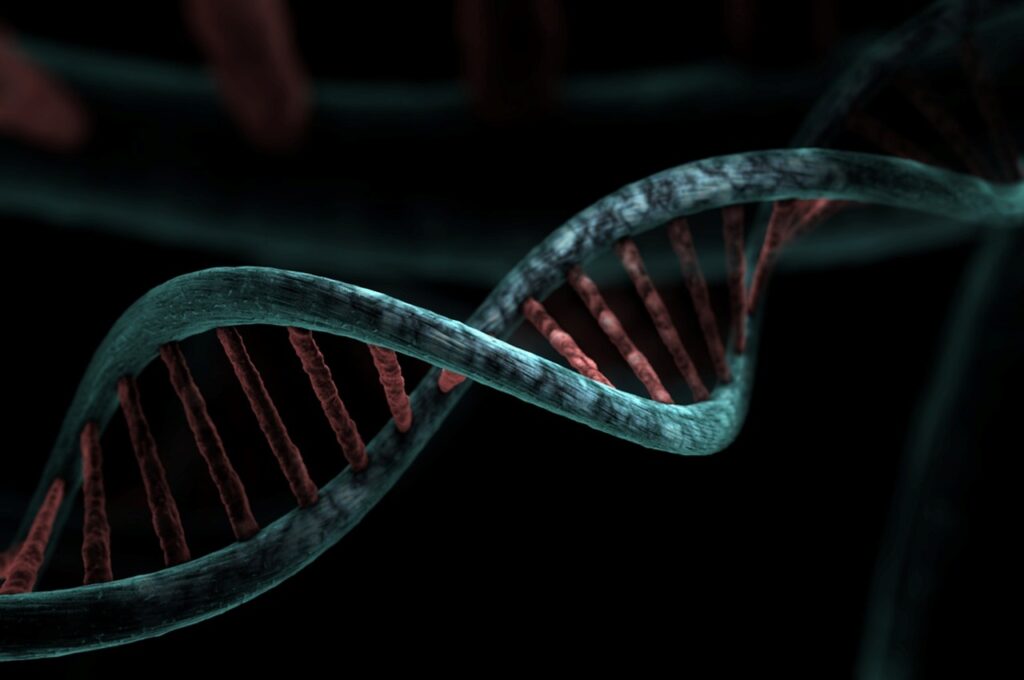

Every time scientists zoom in on the human genome, they find something that makes the story of our origins a little stranger. We like to imagine evolution as a tidy, gradual process, but our DNA is full of odd patches, missing chapters, and mysterious insertions that do not show up in chimpanzees, gorillas, or other close relatives. Some of these human‑only sequences are still poorly understood and do not yet fit neatly into any confirmed evolutionary pathway.
That does not mean aliens, magic, or secret ancient civilizations. It does mean that the real story is more complex, more layered, and frankly more interesting than the oversimplified diagrams we learned in school. Below are nine categories of human‑specific DNA sequences that currently have no fully confirmed evolutionary origin in other primates. They are real, they are puzzling, and they quietly challenge how confident we pretend to be about our own genetic past.
1. Human‑Accelerated Regions (HARs) With No Clear Primate Precursors
Some of the most intriguing stretches of our genome are called human‑accelerated regions, or HARs. These are DNA segments that stayed almost frozen in evolution for tens of millions of years in vertebrates, then suddenly changed rapidly on the human lineage. Many HARs are conserved in other animals but show a burst of changes only in humans, and a subset of them has no obvious functional equivalent in other primates, at least not with the same sequence pattern.
Researchers suspect that some HARs are involved in brain development, social behavior, and even the wiring of our cortex, but the story is still incomplete. In many cases, we can say that a HAR is different, that it is uniquely human‑like, but not exactly how it arose step by step from a shared ancestor’s DNA. That gap between “we see it” and “we know where it came from” is where curiosity should live, not conspiracy theories. It is a reminder that genomes keep evolving in bursts and leaps, not always in slow motion.
2. Human‑Specific Regulatory Enhancers in Brain Development
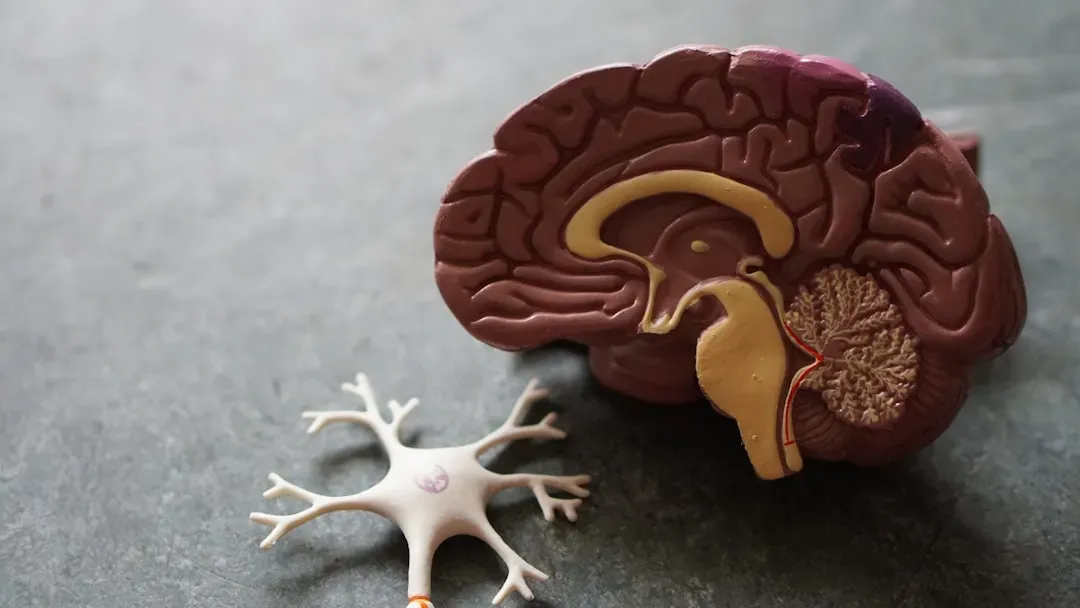
Beyond genes themselves, the switches that turn genes on and off during development can be dramatically different in humans compared with other primates. Scientists have identified enhancers that are active in the developing human brain but either missing, inactive, or radically different in chimpanzees and macaques. These stretches of non‑coding DNA do not code for proteins, yet they may have helped shift the timing, location, or intensity of gene activity in our expanding cortex.
What is striking is that some of these enhancers do not have a straightforward evolutionary “trail” of intermediate versions across other primates. We can see that they are present and uniquely active in human tissue, but we do not yet have a detailed, mutation‑by‑mutation map of how they arose from ape‑like ancestors. To me, that does not make them mystical; it makes them like a half‑finished detective case. The fingerprints are clear, but the sequence of events that put them there is still under investigation.
3. Human‑Only Segmental Duplications With No Matches in Apes
Segmental duplications are large blocks of DNA that have been copied and pasted around the genome. Humans carry several segmental duplications that do not show up in chimpanzees, gorillas, or orangutans in the same pattern or at all. Some of these duplications include genes linked to brain size, immune response, and even susceptibility to neurodevelopmental conditions when they go wrong. Their presence only in humans raises obvious questions about when and how they appeared.
In evolutionary terms, duplications can happen through errors in DNA replication or recombination, but in many human‑specific cases, the exact historical path is fuzzy. We know a chunk is present in humans and absent or drastically different in other primates, but we cannot yet point to a continuous set of intermediate forms that explain its origin with high confidence. It is a bit like finding a new wing on an old house, with no record of construction and no blueprints, just the finished structure bolted onto the side.
4. Human‑Specific Insertions Derived From Transposable Elements
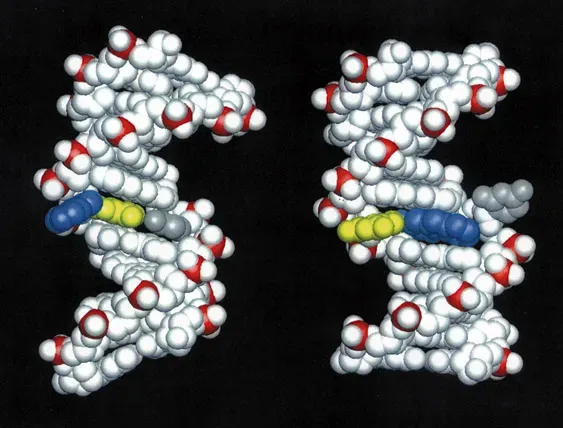
Our genome is full of jumping genes – transposable elements that can copy and insert themselves into new locations. In humans, some insertions are clearly unique and are not found in other primates at the same sites. Certain human‑specific insertions have been co‑opted as regulatory elements, subtly reshaping when and where nearby genes are expressed. In a few cases, they seem to have helped wire human‑particular traits, from aspects of brain development to immune responses.
Transposable elements themselves are ancient, but their precise insertion events in the human lineage are often one‑off and poorly traced back through primates. When we say an insertion has “no confirmed evolutionary origin,” we mean that we have not yet mapped its exact ancestral source, intermediate movement, and functional takeover in a neat, continuous story. Instead, we see an element sitting in a uniquely human spot, doing something important, but with a blurry path of how it came to rest there. That fuzziness does not undercut evolution; it just exposes how messy the process really is.
5. Human‑Restricted De Novo Genes With No Primate Homologs
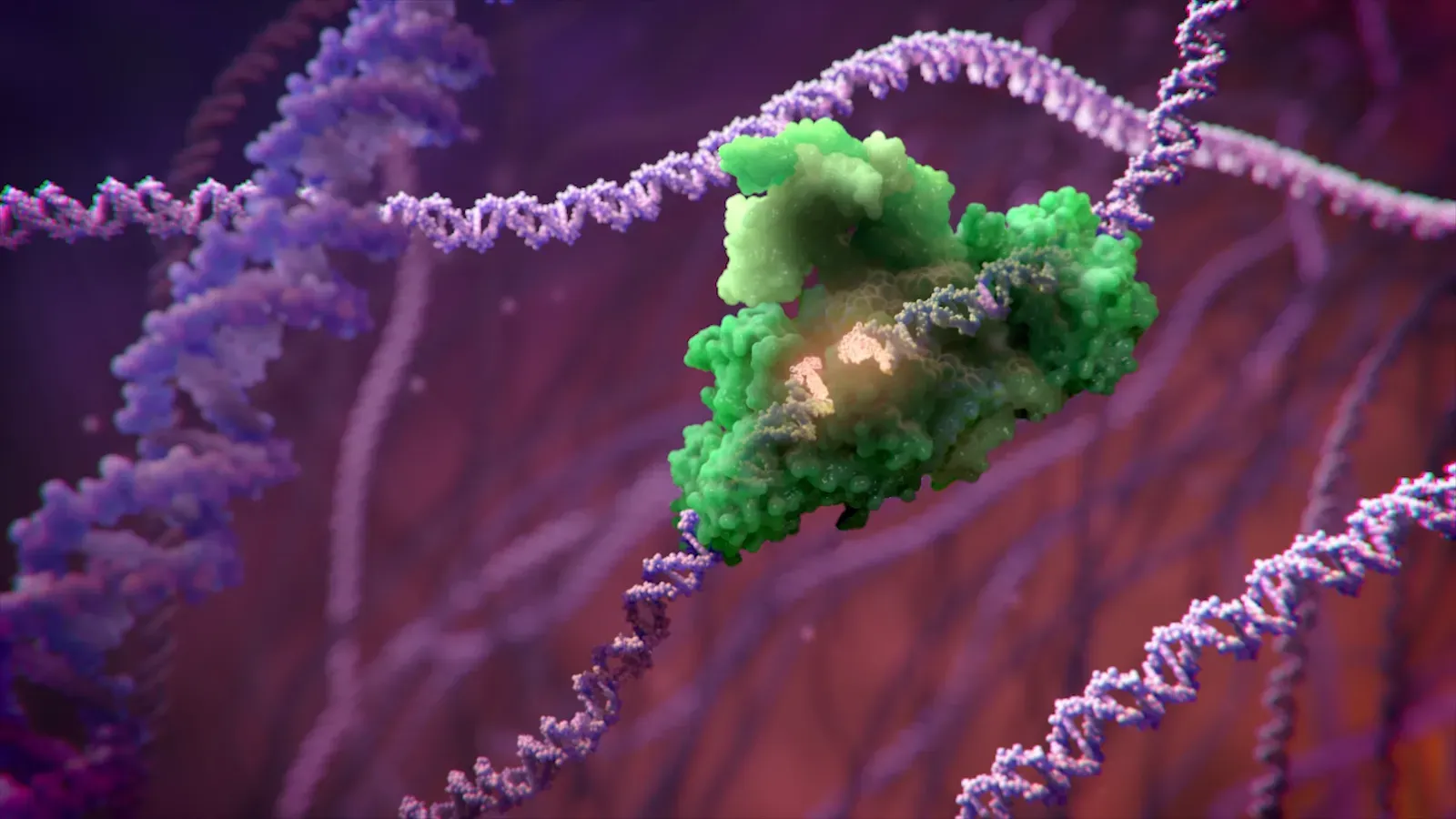
For a long time, biologists assumed every meaningful gene must be an old one, shared across many species and carved over ages. Then de novo genes crashed the party: genes that seem to have arisen from previously non‑coding DNA. In humans, scientists have identified candidate genes that appear to be expressed, potentially functional, and yet have no recognizable homologs in other primates. These genes may be short, young, and hard to characterize, but they exist and they do not fit the old assumption that all genes are ancient.
Because they are recent and small, the evolutionary paths of de novo genes are especially hard to reconstruct. Some are present in humans and perhaps in a few closely related hominins, but not in chimpanzees or gorillas, leaving no smooth gradient of evolutionary change to follow. To me, the existence of such genes is one of the most humbling aspects of genomics: from “junk” or at least non‑coding space, new functions can emerge, and we often spot them only after the fact, with very little idea of the stepwise journey that created them.
6. Human‑Only Structural Rearrangements in Non‑Coding DNA
Not all genetic novelty is about new sequences; sometimes it is about shuffling existing pieces into surprising configurations. Humans carry structural rearrangements – such as inversions, insertions, and complex reshufflings – in non‑coding regions that are not seen in other primates. These rearrangements can relocate regulatory elements, bring distant genes into new neighborhoods, or change the three‑dimensional folding of DNA inside the nucleus, subtly rewiring how genes talk to each other.
The trouble is that such rearrangements are notoriously hard to trace backwards, especially when they involve repetitive sequences. When researchers compare human DNA to that of chimpanzees, they sometimes find a human‑specific pattern with no clear reconstructed ancestral arrangement that explains how the transition happened, step by step, in a primate lineage. It is like looking at two completed jigsaw puzzles that show different pictures, while the intermediate half‑finished puzzles that might explain the transition are missing from the box.
7. Human‑Specific Losses of Ancestral Primate Sequences
Sometimes the most striking human‑only sequences are actually the absence of older ones. Humans have lost certain DNA segments that are still present in chimpanzees, gorillas, and other primates, particularly around regulatory regions near genes involved in brain development, facial formation, and limb structure. These deletions create a unique human genomic landscape, where the missing ancestral pieces function like negative space in a painting, shaping the final image by what is not there.
From an evolutionary perspective, we know that deletions can happen through unequal recombination or replication errors, but exact historical reconstructions are often incomplete. In some cases, we see a clean cut: the sequence is there in multiple non‑human primates and gone in humans, with no clear trail of partial deletions across time. That lack of a confirmed detailed origin forces us to admit that we still do not fully understand when and how these losses contributed to making us anatomically and cognitively distinct, even though we can see their fingerprints on human traits.
8. Human‑Unique Copy‑Number Changes in Gene Families
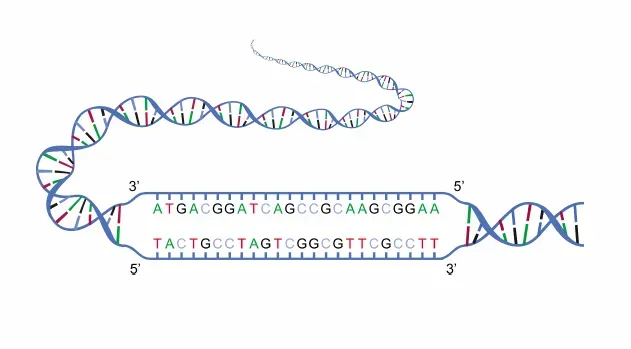
Copy‑number variation refers to how many copies of a particular gene or gene cluster an individual or species carries. Humans show unique patterns of copy numbers in certain gene families that are different from any other primate so far studied. Some of these families are involved in immunity, neurological development, and metabolism, and the changes may have helped us adapt to diet, disease pressure, or cognitive demands that our ape cousins did not face in the same way.
What is less clear is the full evolutionary narrative behind every human‑specific copy‑number pattern. Gene copies can expand and contract through various mechanisms, and not all of them leave a neat, reconstructable trail in other primates. In some cases, we can say that humans gained extra copies that no other primate shares, but not exactly when the expansion started, which intermediate forms existed, or how selective pressures sculpted the final pattern. The end result is clear in our DNA, but the script of how we got there is still partially unwritten.
9. Mysterious Human‑Specific Non‑Coding RNAs With Unclear Origins
In the last two decades, non‑coding RNAs have gone from background noise to key players in gene regulation. Among these, researchers have found human‑specific long non‑coding RNAs and microRNAs that are expressed in our tissues, especially the brain, yet lack obvious one‑to‑one counterparts in other primates. They may help fine‑tune gene networks that underlie language, social cognition, or other distinctly human capacities, but their functions are still under active study.
The origin of these RNAs is often murky. Some may arise from mutations that create new transcription start sites, others from repurposed transposable elements or spliced fragments, but deep comparative evidence across primates is still thin. When we say they have no confirmed evolutionary origin, we mean we have not yet built a robust, evidence‑backed timeline from ancestral primate DNA to the specific human sequence and expression pattern we see today. To me, that uncertainty is less a flaw and more a frontier, the genetic equivalent of old maps that labeled unknown regions with a simple, honest admission: we do not know what is here yet.
Conclusion: Mystery Without Myth
When you stack up these nine kinds of human‑specific sequences – accelerated regions, strange enhancers, de novo genes, unique insertions, lost ancestral segments, and more – the human genome starts to look less like a clean evolutionary ladder and more like a patchwork quilt. There are seams we understand well and sections stitched together in ways we are still struggling to reconstruct. I think it is a mistake to fill those gaps with wild stories; the reality, that evolution can generate novelty in ways we have not fully mapped yet, is already astonishing enough.
My own opinion is that these unresolved origins are not cracks in the foundation of evolutionary theory, but invitations to dig deeper into the details. They show that human uniqueness is not built on a single magic gene, but on layers of subtle tweaks in regulation, structure, and copy number that we are only beginning to decode. As we keep sequencing more primate species and ancient hominins, some of these mysteries will shrink, and new ones will appear. Which possibility feels more thrilling to you – that we already know the whole story, or that our own DNA is still holding back some of its best secrets?