

You know that odd little moment when a stranger catches your eye and smiles, and you find yourself smiling back before you even decide to? It feels automatic, almost like your face has a mind of its own. You might chalk it up to politeness or habit, but under the surface your brain is running a quick, quiet safety check on the other person. In that split second, your nervous system is reading micro‑expressions, simulating what they might be feeling, and feeding you a simple output: safe or not safe. That reflexive smile back is not just about being nice. It is your brain’s way of saying, for now, this person is probably not a threat.
The Surprising Reason You Smile Back Without Thinking

You probably assume you smile back at people because you were raised to be polite, but your reaction usually kicks in faster than conscious manners ever could. Before you have time to think something like, “I should smile so I don’t seem rude,” your facial muscles have already mirrored theirs. That speed tells you this is more biology than social training. Your brain is constantly scanning faces around you for emotional cues, especially anything that might signal danger, like anger, contempt, or fear. When a stranger’s expression looks warm or relaxed, your system quickly mirrors it to get a feel for what they might be feeling. If your brain’s internal simulation does not set off alarms, you feel safe enough to send the smile back.
How Your Mirror Neuron System Quietly Copies Other People
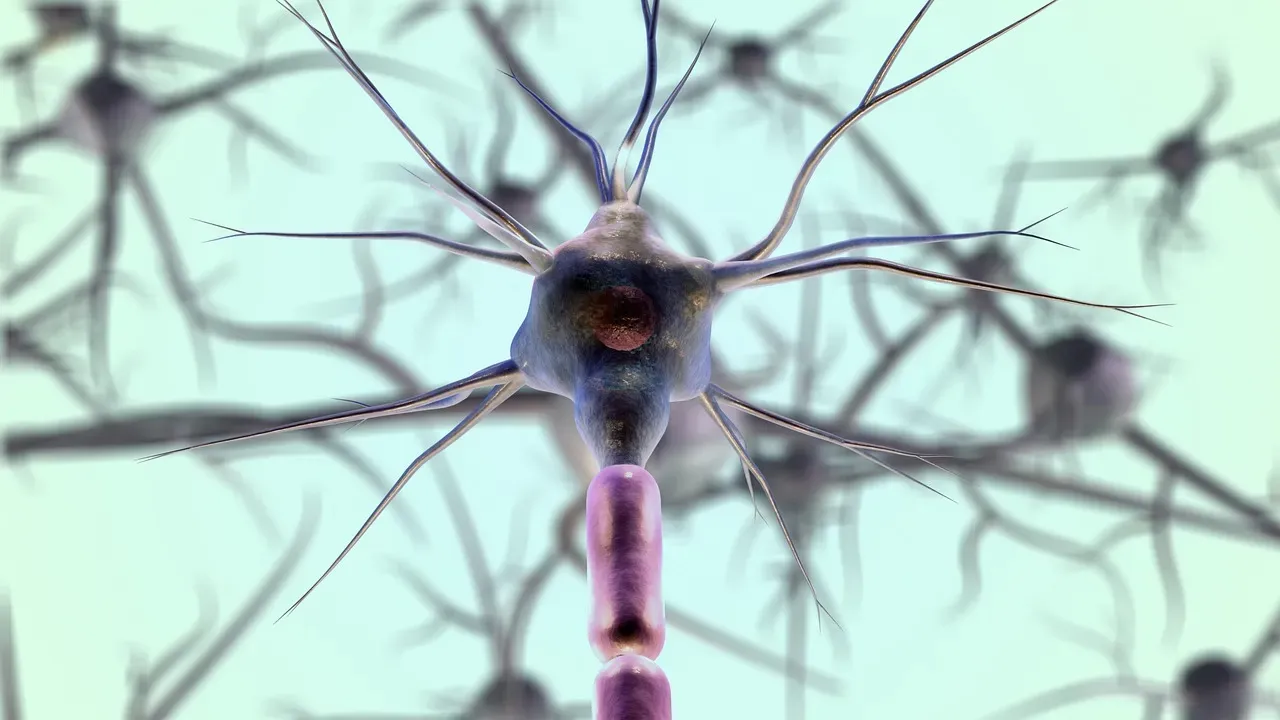
Deep in your brain, networks often called the mirror neuron system fire both when you perform an action and when you see someone else do it. When you watch a stranger smile, some of the same regions that would light up if you smiled yourself start to activate. It is like your brain runs a tiny rehearsal of their behavior inside your own body. You do not feel this simulation directly, but you experience its results as quick gut impressions: friendly, tense, distant, or threatening. When the stranger’s facial expression seems genuinely warm, your internal copy of it feels safe, and your own face naturally follows along. You are not just watching their emotion; you are partly feeling a version of it from the inside out.
Facial Mimicry: Your Built-In Emotional Radar
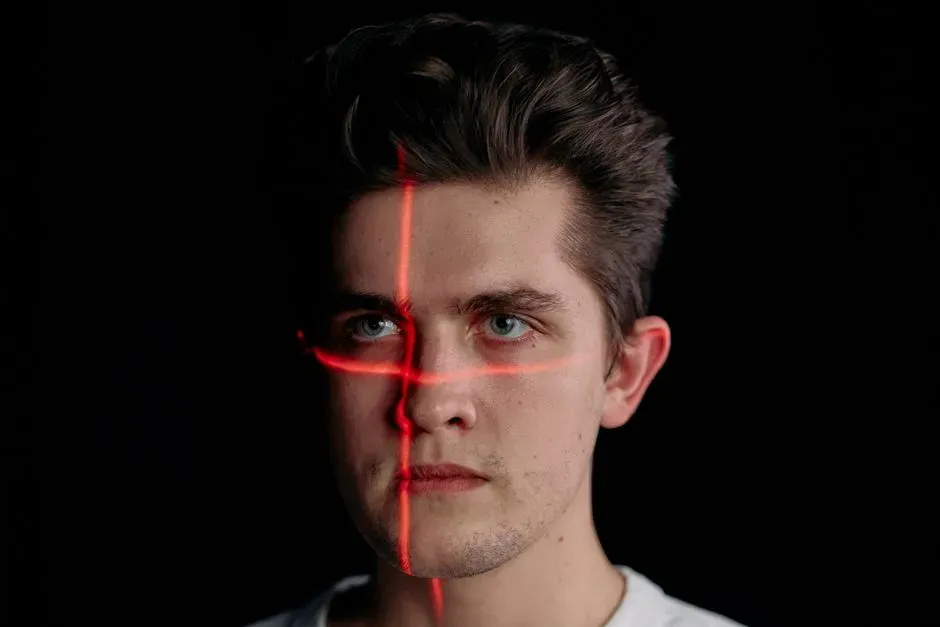
When you subtly copy someone’s facial expression, you are not just matching their look; you are tuning into their emotional state. Your facial muscles, nerves, and brain are wired together so that certain expressions map onto certain feelings. When your face mirrors theirs, your brain can better guess what that person might be experiencing. You have probably noticed this when you watch someone cry in a movie: your own eyes sting a bit, even though nothing bad is happening to you. With strangers, it happens in micro‑form. A gentle smile invites your muscles to soften, your body relaxes a little, and your brain concludes, for the moment, that this person is unlikely to be hostile.
Threat Detection: Why Your Brain Cares So Much About Faces
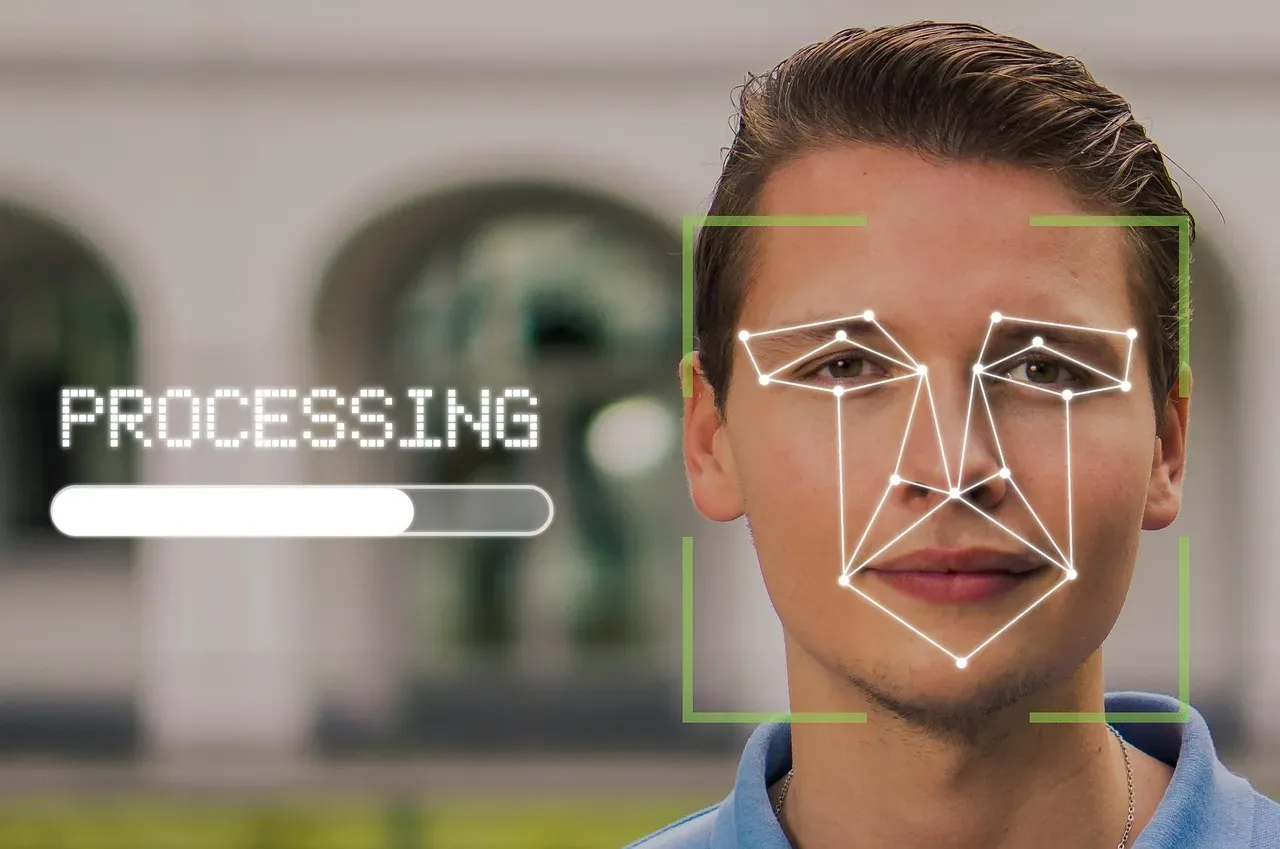
From an evolutionary perspective, recognizing danger quickly helped your ancestors stay alive. Your brain still treats unfamiliar people as potential threats first and only downgrades that status when it gets reassuring signals. The human face is one of the richest sources of those signals, carrying information about emotion, intent, and attention in a fraction of a second. When someone’s facial expression is open, relaxed, and congruent with the situation, your nervous system reads that as a sign you can probably lower your guard. When your mirror system simulates that smile and it feels consistent with safety, you let your own smile out. If something feels off – say the smile looks forced but the eyes stay cold – your body may keep you stiff, reserved, or silent, even if you cannot explain why.
When You Do Not Smile Back (And Why That Matters)

Think about those moments when a stranger smiles and you feel yourself hesitate or stay neutral. On the surface you might tell yourself you are just tired or in a rush, but under the hood your brain may not have gotten a clear green light. Maybe the setting feels sketchy, maybe their body language clashes with their facial expression, or maybe your guard is already up for another reason. Your mirror system still tries to simulate their expression, but if the emotional match does not feel right, your body resists joining in. You might feel your jaw tighten, your shoulders stay high, or your eyes narrow slightly instead of softening. That tiny refusal to smile back is your nervous system quietly voting for caution.
How Culture, Personality, and Mood Shape Your Reactions

Even though the underlying brain systems are widely shared, how easily you smile back is shaped by culture, personality, and mood. In some places, smiling at strangers is normal and expected; in others, it might be seen as odd or intrusive. You learn, over time, when a friendly expression feels safe and when it might be misunderstood. Your own personality and current emotional state also tilt the scales. If you tend to be more anxious, exhausted, or preoccupied, your brain may lean toward interpreting neutral or even friendly faces as more ambiguous. On days when you feel secure and upbeat, you are more likely to mirror smiles quickly, because your system is starting from a place of safety rather than suspicion.
Using This Knowledge in Everyday Life

Once you know your brain is running these silent simulations, you can pay closer attention to how your body responds around different people. If you notice yourself smiling easily with some strangers and tensing up around others, you can treat that as useful data instead of dismissing it. Your reactions are not always correct, but they are rarely random. You can also lean into mirroring on purpose to build connection and defuse tension. When you soften your face, relax your jaw, and offer a genuine smile, you are giving the other person’s mirror system something safe to work with. Their brain will likely run the same simulation yours does and, if it passes the threat test, send a smile right back.
What Your Instinctive Smile Reveals About Being Human

That split‑second smile you give to a stranger might seem trivial, but it says a lot about how deeply social and sensitive you are as a human being. You are constantly reading others and letting them read you in return, long before a single word is spoken. Underneath manners and etiquette, there is this shared neural dance helping you move through the world without constant fear. When your face automatically mirrors someone else’s and passes them as “safe enough,” you are participating in an ancient, quiet form of cooperation. You are saying, with your expression, that you see them, you are not attacking, and you trust they are not either. The next time you catch yourself smiling back before you can think, you might pause for a second and wonder: what did your brain just see that made it decide you were safe to smile?