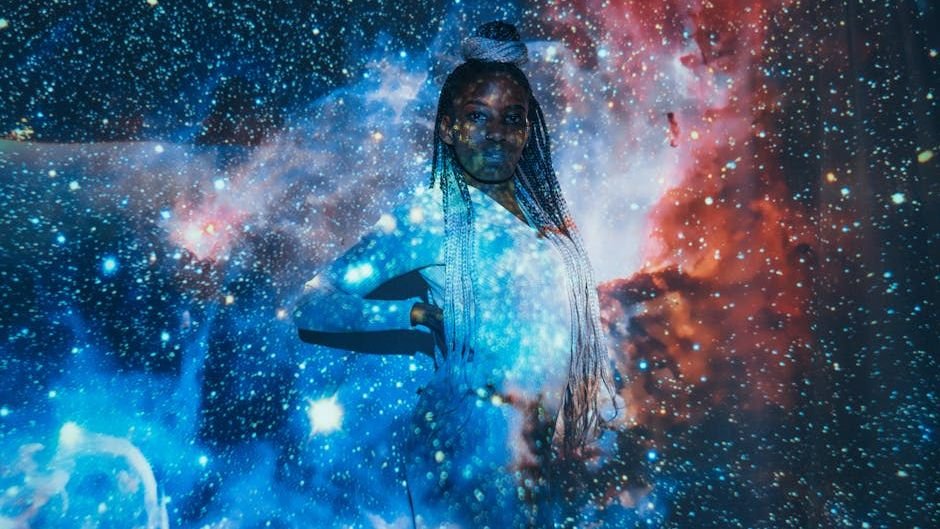

Look around you for a second. The screen you’re reading on, the air in your lungs, the blood in your veins, even the thoughts in your head – all of it is built from atoms that were once inside ancient stars. You are literally walking around in a body assembled from the ashes of long-dead suns, and everyday objects are quietly carrying a cosmic history a few billion years longer than any human story.
Once you see the world this way, it becomes almost impossible to feel completely ordinary. You are part of a chain that began in the early universe, when there were no planets, no oceans, no trees, not even dust. In the story of “stardust,” you are not a passive observer; you’re one of the latest chapters. As you read on, you’ll trace how the universe turned from a featureless haze into you holding a universe in your own hands, one breath and one heartbeat at a time.
The Universe Starts Simple: From Almost Nothing to Something
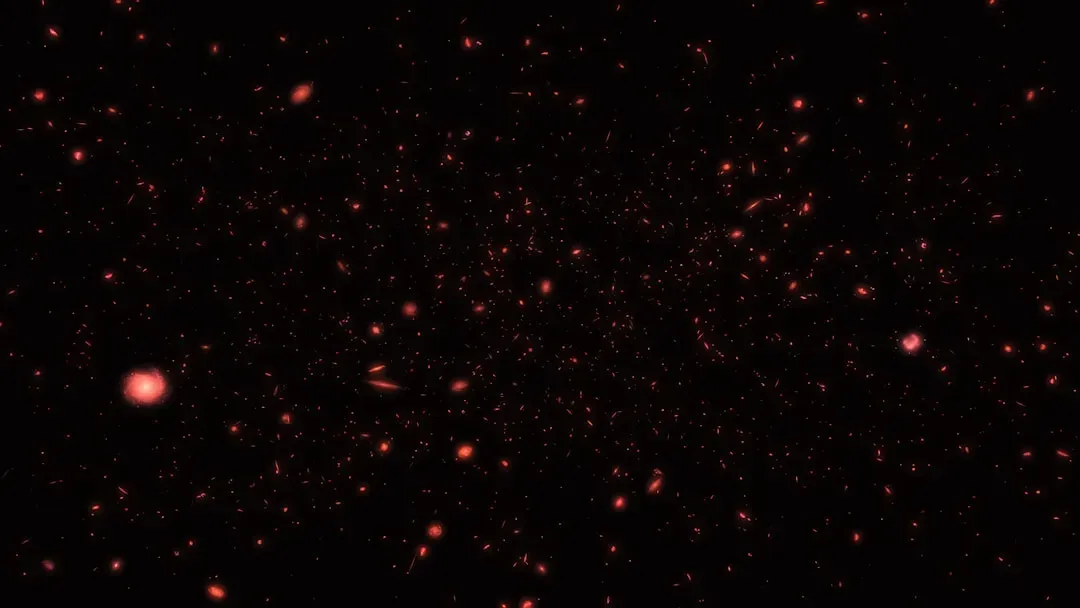
Imagine the universe at the very beginning as a blindingly hot, dense ocean of energy where nothing like atoms, planets, or people could exist. In that first fraction of a second, space itself stretched and expanded at an incredible rate, and as it did, the energy cooled just enough for the first tiny building blocks of matter to appear. You would not recognize this early cosmos; instead of stars and galaxies, it was more like a glowing fog of subatomic particles and light, a place where the idea of “you” or “here” did not yet make sense.
After a few minutes, this young universe had cooled enough for the very first atomic nuclei to form, mostly hydrogen and a bit of helium, with only trace amounts of other light elements. If you could somehow float there, you’d be surrounded by nothing but this thin mix, no heavier elements at all – no carbon for cells, no oxygen for water, no iron for blood. For hundreds of thousands of years, the universe remained a dark, expanding sea of this simple gas, slowly thinning out and waiting for gravity to get to work and start shaping something more interesting.
Gravity’s Grand Game: How Stars Are Born From Cosmic Clouds
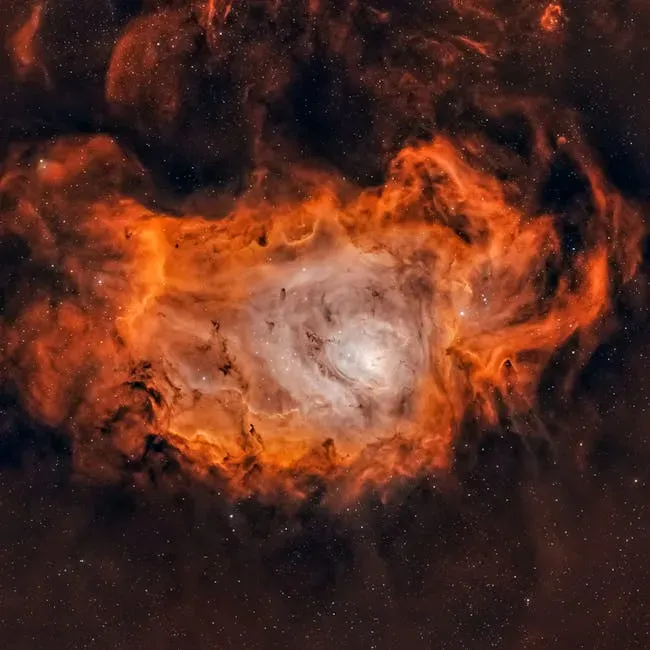
At first glance, empty space between galaxies looks like nothing, but if you wait long enough, gravity proves you wrong. Those early clouds of hydrogen and helium were not perfectly smooth; they had tiny regions just a little denser than others. Over millions of years, gravity tugged a bit harder on those slightly denser patches, pulling in more gas, making them denser still, in a kind of cosmic feedback loop. If you could fast-forward through this process, you’d see wisps of gas slowly clumping into larger, darker knots scattered through the universe.
As these knots grew, the gas in their centers got squeezed tighter and heated to extraordinary temperatures. At some point, deep in the core of a collapsing cloud, the temperature and pressure became so extreme that hydrogen nuclei started to fuse into helium, releasing an enormous amount of energy. That moment is when you’d see the first stars ignite, flooding the darkness with light. Without this long, quiet drama of gravity pulling gas together, there would be no stars to forge the elements that your body and your world depend on.
Stellar Alchemy: How Stars Forge the Ingredients of Life
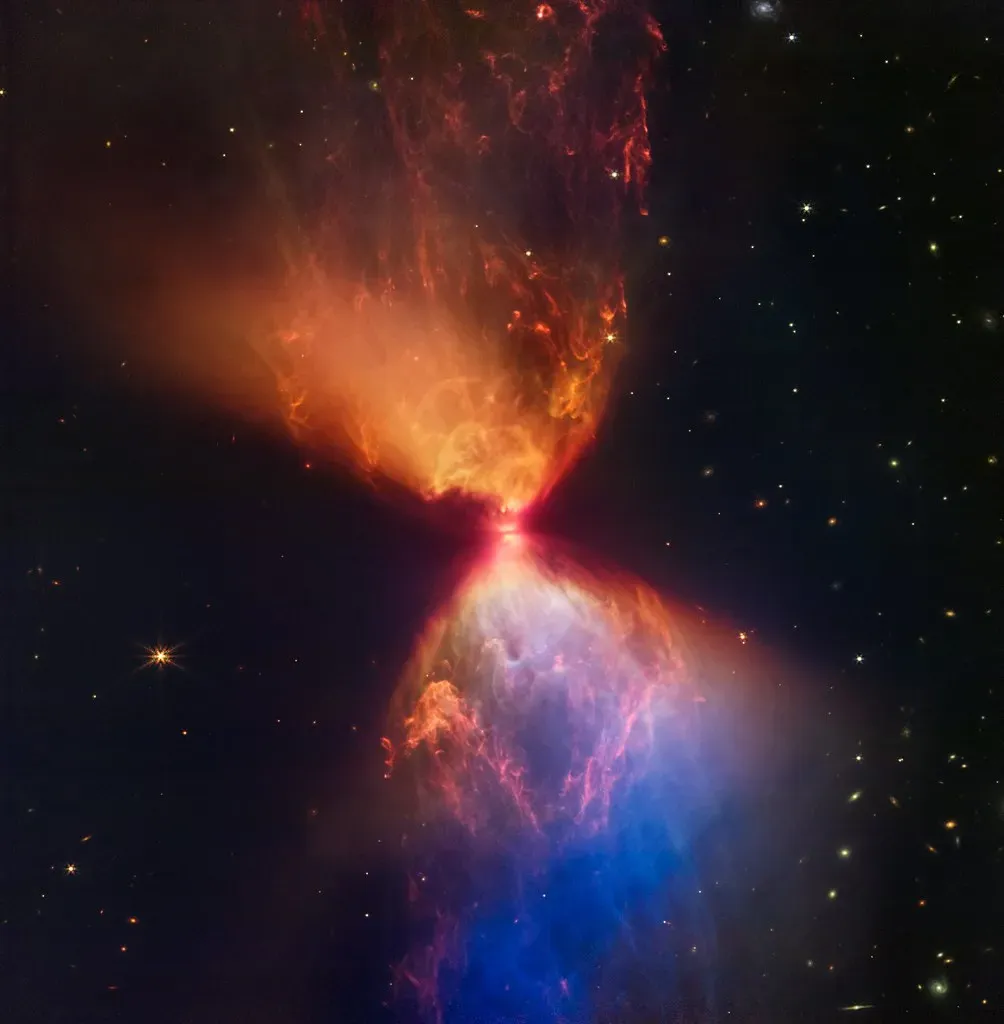
Once a star switches on, it becomes a kind of cosmic furnace, turning simple elements into more complex ones in its core. In a star like the Sun, hydrogen fuses into helium for billions of years, and in more massive stars, the process goes much further. Inside these larger, hotter stars, helium can fuse into carbon, then oxygen, and through a series of nested reactions, the core builds up elements like neon, silicon, and eventually iron. You can think of such a star as a layer cake of nuclear reactions, each shell busily transforming one type of nucleus into another.
The catch is that iron is a dead end for this process; fusing iron does not release energy, it absorbs it. When a massive star builds up too much iron in its core, it can no longer support its own weight with fusion energy, and the core collapses under gravity in a fraction of a second. That collapse triggers a catastrophic explosion – a supernova – that rips apart the star’s outer layers. In that violent event, and in the shock waves that follow, even heavier elements like gold, uranium, and many others are produced. The ingredients for your bones, your brain, your jewelry, and your electronics all passed through this kind of stellar alchemy.
Stardust on the Move: From Exploding Stars to Cosmic Clouds
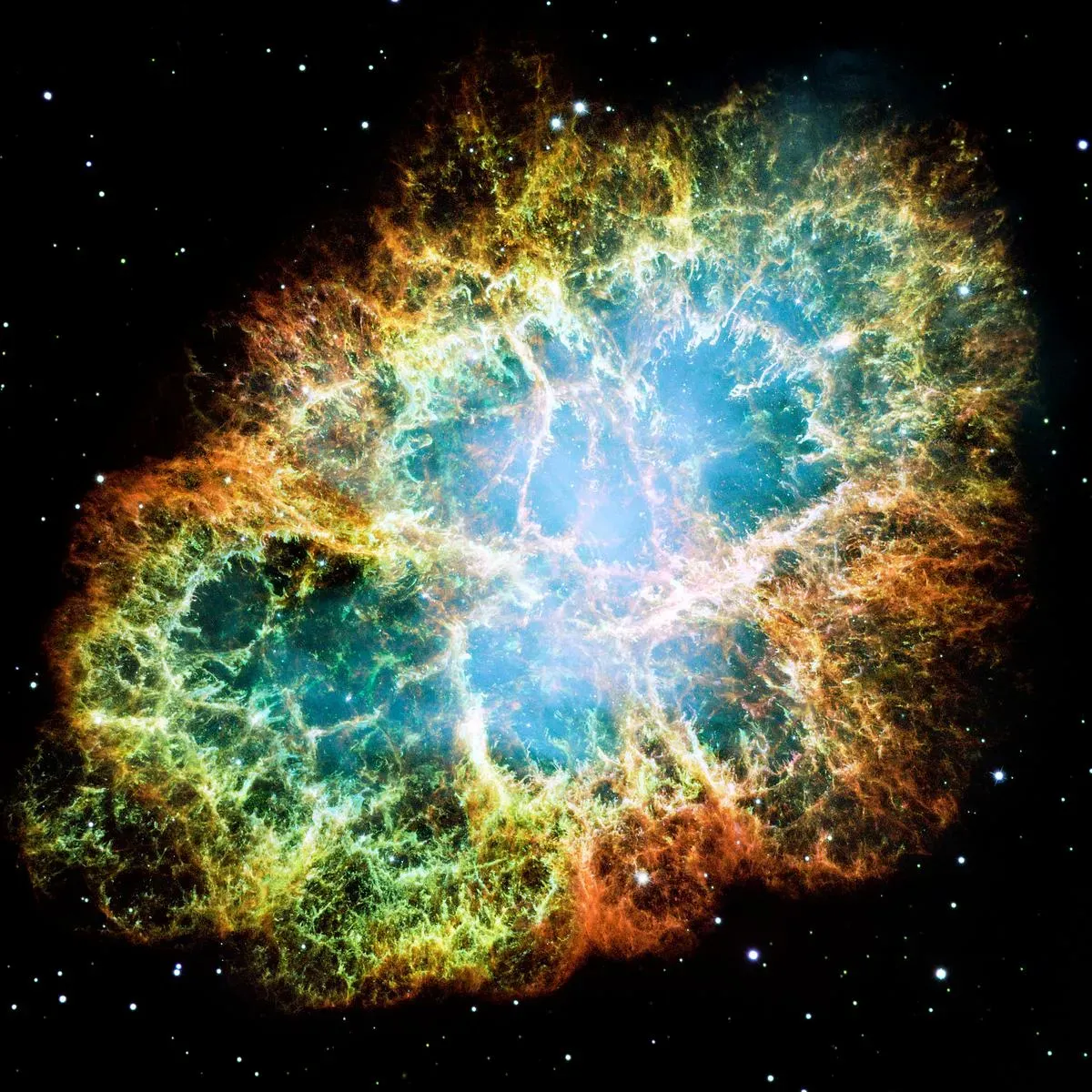
When a star explodes, it does not politely keep its newly made elements to itself; it hurls them into space at enormous speeds. If you could watch this in slow motion, you’d see shells of gas and dust racing outward, carrying carbon, oxygen, iron, and many other elements into the surrounding galaxy. Over time, these expanding clouds mix and merge with the thin interstellar gas already out there, gradually enriching it with heavier and heavier ingredients. The galaxy’s gas becomes less “pure hydrogen and helium” and more like a rich cosmic stew from which diverse worlds can form.
These enriched clouds do not stay static. Gravity continues to pull on them, shock waves from other supernovas compress them, and nearby stars stir them up with their radiation and winds. Eventually, some regions become dense and cold enough to collapse again, forming new generations of stars and, crucially for you, their accompanying disks of gas and dust. The stuff that was once buried deep in an exploding star now becomes tiny grains in a new protoplanetary disk. In a very real sense, the galaxy keeps recycling itself, turning old stars into raw material for new ones and for future planetary systems like your own.
Building Worlds: How Stardust Became Planets, Rocks, and Oceans
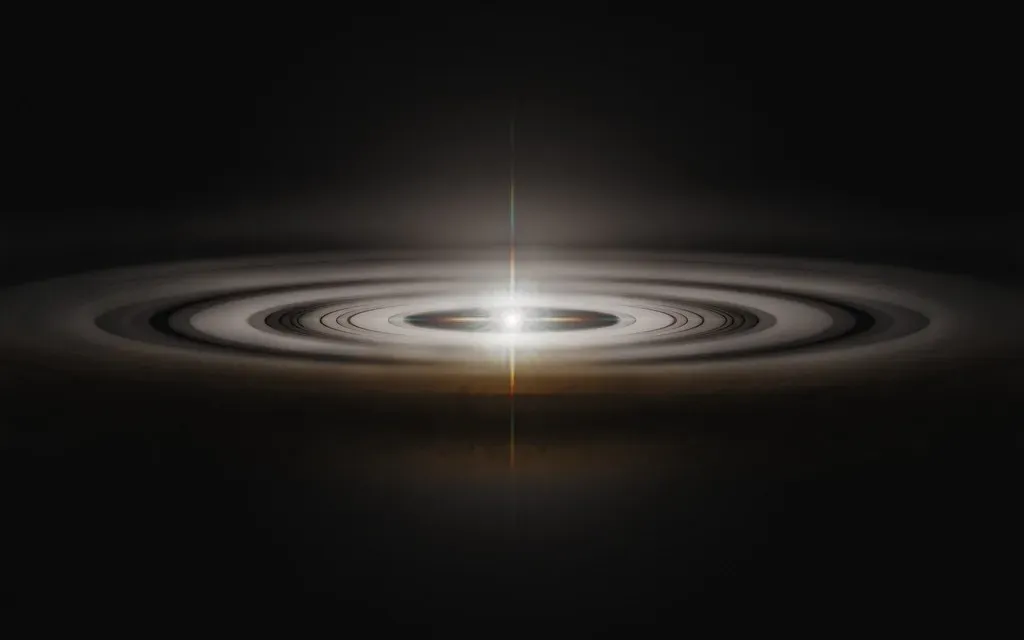
Picture a young star surrounded by a wide, flat disk of gas and dust, like a cosmic version of a potter’s wheel. In that disk, tiny grains of stardust bump into each other, sometimes sticking together thanks to electrostatic forces and thin coatings of ices. Over time, those grains grow into pebbles, then boulders, and eventually into planetesimals, which are basically the seeds of planets. As these bodies grow larger, their gravity starts to help them sweep up more material, accelerating the whole process of planet building.
In the region where your own planet formed, temperatures and conditions allowed rocky materials and some ices to survive. Bit by bit, a protoplanet grew from countless collisions, some gentle, some extremely violent, until it became a roughly Earth-sized world. The heavy elements from ancient stars settled into layers: iron and nickel sinking to form a dense core, lighter silicates becoming the mantle and crust, and even lighter gases and water accumulating at the surface and in the atmosphere. When you stand on solid ground, you are literally standing on compacted stardust that has been melted, reshaped, and cooled into the rocks beneath your feet.
Your Body, Your Breath, Your Blood: The Stardust Inside You
Now zoom in from the scale of galaxies and planets all the way down to your own body. The carbon that forms the backbone of your DNA and every protein you rely on was cooked in a star’s core before being blown into space. The oxygen you breathe was fused in massive stars and scattered by supernovas or powerful stellar winds. The iron in your blood, the calcium in your bones, the phosphorus in your cells – all of these elements can trace their histories back to one or more stars that lived and died long before your solar system was born.
Even something as simple as a single breath has a cosmic story woven into it. When you inhale, you’re taking in nitrogen and oxygen atoms that may have once passed through countless organisms, drifted around the planet for ages, and before that, been forged in long-vanished stars. You are not just surrounded by stardust; you are made of it, constantly recycling it through food, water, and air. Every heartbeat is powered by chemical reactions that depend on this ancient stellar heritage, making you a living, thinking piece of the universe reflecting back on its own origins.
Cosmic Perspective: What Being Stardust Means for Your Life
Knowing that you are made of star-forged elements can quietly reframe how you see your place in the universe. It is easy to feel small when you compare your life to galaxies and cosmic timescales, but there is another side to that story: you are a way for the universe to become aware of itself. The same physical laws that govern black holes and exploding stars also shape your neurons, your emotions, and your choices. When you learn about the cosmos, you are not looking at something separate; you are studying a much larger version of what you already are.
This perspective can also soften the lines you tend to draw between yourself and everything else. The tree outside your window, the water in your glass, and the phone in your hand are all rearrangements of the same ancient stardust that makes up your body. You and the world around you are not made from different stuff; you are just different patterns in the same cosmic material. That realization can inspire both a sense of humility and a deeper kind of belonging, as if you are not just in the universe, but of it in the most literal way.
The Next Chapter of Stardust: How You Shape the Future Cosmos
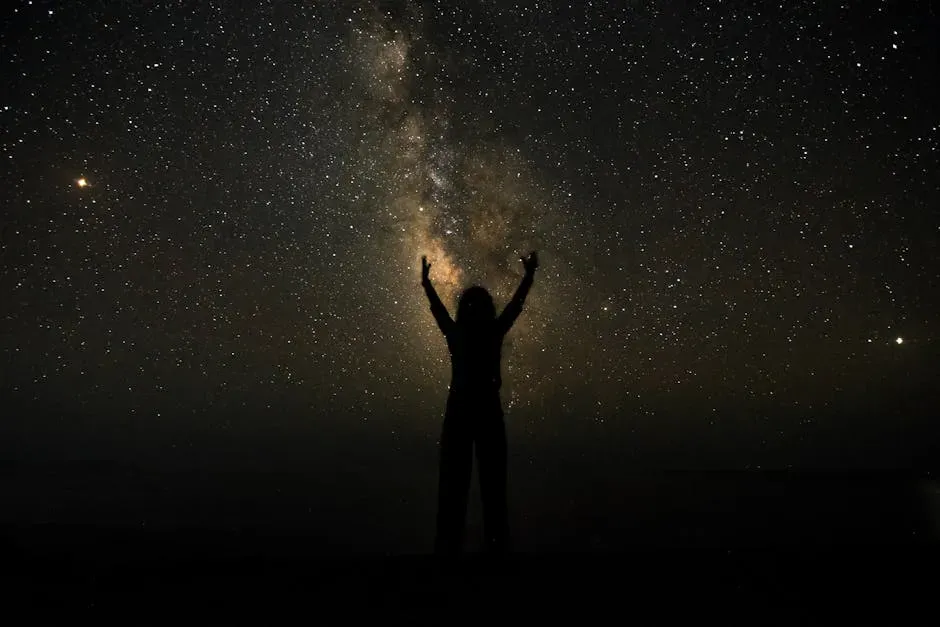
The story does not end with you simply being a product of cosmic history; you are also participating in what comes next. Every time you live, work, create, and eventually return your atoms to the environment, you are helping to mix and move matter on your planet. Over vast timescales, the atoms that are currently in your body will be part of soil, air, water, perhaps other living beings, and maybe even technology or structures you cannot yet imagine. Think of yourself as a temporary arrangement of stardust that will be recycled into future stories you will never see but are still connected to.
Zoom out even further, and planetary systems themselves are temporary stages in this ongoing cosmic recycling. Your Sun will eventually change, and your planet’s surface will not stay the way it is forever. The elements that make up Earth and everything on it will likely be scattered again someday, just as earlier stars once scattered theirs. The atoms in you might eventually help build new worlds or drift through interstellar space as part of a future cloud that collapses into another generation of stars. You are part of a long relay race of matter and energy that has been running since the universe began and will continue long after you are gone.
When you step back and look at this whole story, a simple idea becomes almost impossible to ignore: you are not an outsider looking in on a distant, abstract cosmos. You are the cosmos, arranging itself into a human form for a brief moment, able to wonder where it came from and where it is going. Every atom in you carries a memory of ancient stars, and every day you quietly add a new line to that ongoing story by the way you live and the way you see your place in the world. The next time you catch your reflection or look up at the night sky, you might feel a little shock of recognition, as if the stars are not just faraway lights, but long-lost relatives.
In the end, the phrase “you are stardust” is not just poetic; it is the most straightforward description of your physical origin. You are built from matter forged in stellar furnaces, shaped by gravity, chemistry, and time into a being who can care, create, and question. That combination is both unlikely and astonishing, and yet here you are, right now, reading and thinking about it. So as you go back to your everyday life, maybe carry this quiet thought with you: you are a small piece of the universe that has become aware enough to ask what it is made of. Did you ever imagine that something as ordinary as you could turn out to be that extraordinary?