You probably grew up with a whole collection of animal “facts” that felt as solid as gravity. Goldfish forget everything in a blink, bats are basically flying blind, and wolf packs are ruled by a ruthless alpha that fought its way to the top. The twist is: modern science has quietly torched a lot of those stories, and the truth is usually way more interesting than the myth.
Once you start digging into what researchers actually know in 2026, you realize how many of your mental pictures of animals are stuck in the past. The good news is, you get to upgrade your inner wildlife encyclopedia. As you go through these seven myths, try noticing which ones still shape how you talk about animals, and how differently you might treat them once you know what is really going on.
Myth 1: Goldfish Only Have a Three-Second Memory
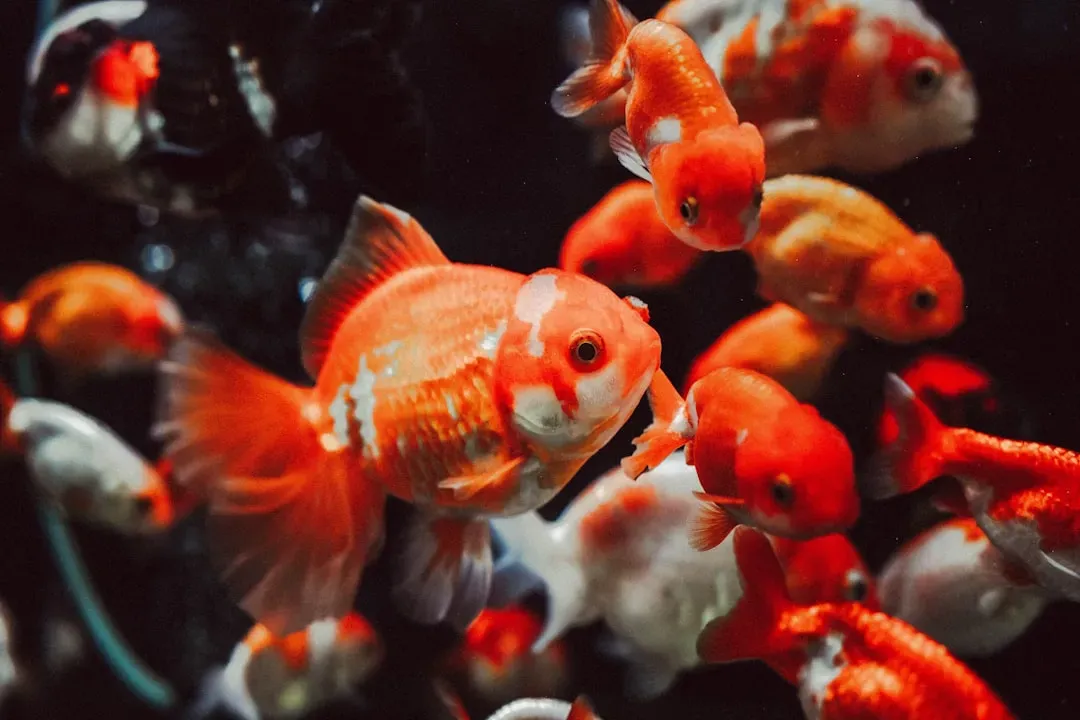
You have probably heard someone joke that a forgetful person has “the memory of a goldfish,” as if this little fish can barely remember anything at all. That idea has been repeated so many times it feels almost obvious, but experiments tell a completely different story. When researchers train goldfish to associate sounds or visual cues with food, the fish can remember the connection weeks or even months later, navigating mazes or responding to a specific tone to get a reward. You are not dealing with a living orange reset button; you are dealing with an animal that can learn, remember, and adapt.
Once you realize this, a tiny bowl with nothing to do suddenly looks less like a cute decoration and more like long-term sensory deprivation. If you keep goldfish or ever plan to, this corrected fact pushes you to think about their world the way you would for a dog or a bird: they need space, stimulation, and routines they can recognize. You can even train a goldfish to swim through hoops or follow targets if you give it the chance. The “three-second memory” myth is not just wrong; it quietly excuses poor care that you would never accept for any other pet.
Myth 2: Bats Are Blind and Only Use Echolocation
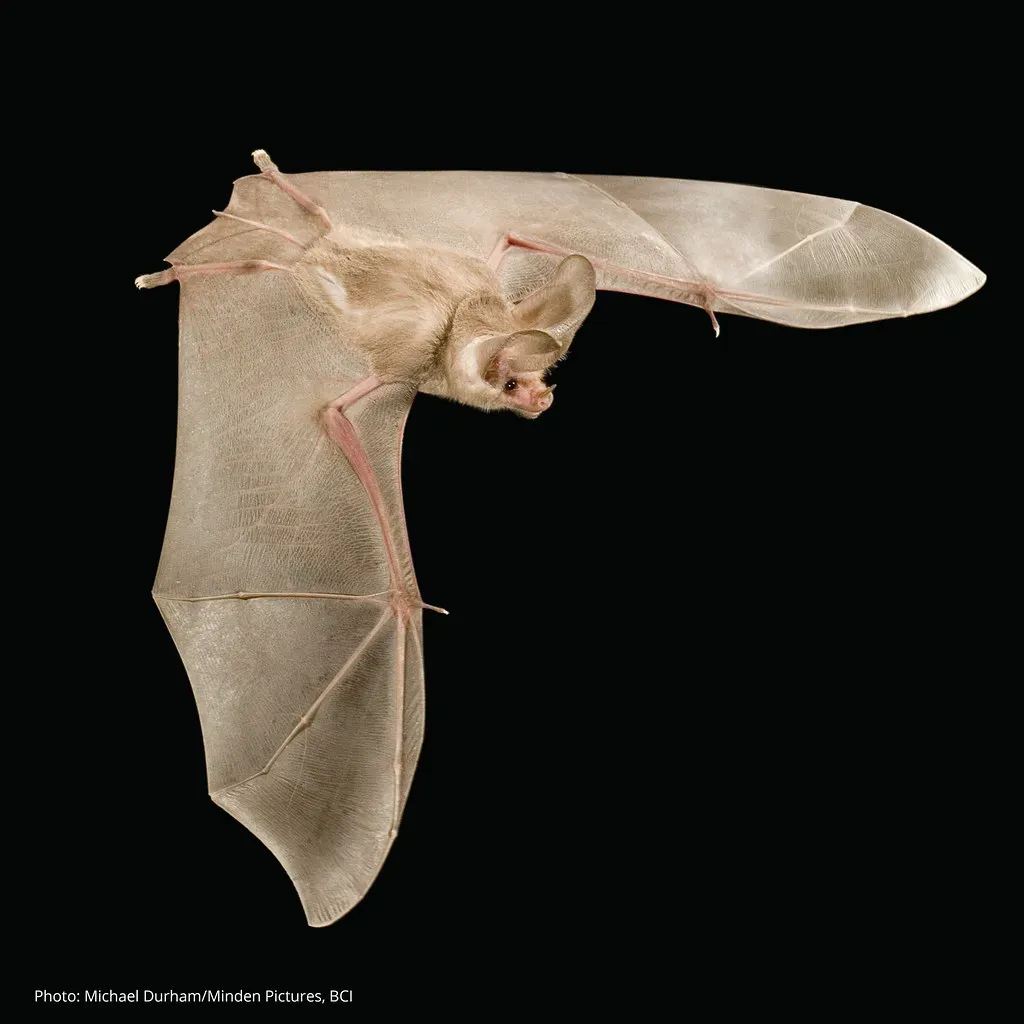
“Blind as a bat” sounds catchy, but it points you in the wrong direction about how these animals actually live. When scientists test bat vision, they find that most species can see perfectly well, and many see better than you do in low light. On top of that, some bats can see ultraviolet light, which opens up patterns and details in flowers and fruit that your eyes completely miss. Echolocation is an incredible extra sense, not a compensation for broken eyes.
When you picture a bat now, you can imagine a creature running two information streams at once: echoes painting a three‑dimensional sound map, and eyes reading shapes, light levels, and movement. That dual system helps a bat dodge branches, track insects, and navigate long distances in complex landscapes. If you have ever dismissed bats as clumsy or creepy, knowing they are highly tuned, multi-sensory flyers shifts the story. You start seeing them less as Halloween decorations and more as precision aviators, crucial for controlling insects and pollinating plants that you depend on without realizing it.
Myth 3: Wild Wolf Packs Are Ruled by a Dominant “Alpha”

You have probably absorbed the idea that every wolf pack has an “alpha” that fought its way to the top by dominating rivals. That image comes from early twentieth‑century studies on unrelated wolves forced together in captivity, not from observing healthy packs in the wild. When biologists later followed wild wolves in places like Yellowstone, they saw something very different: packs built around a breeding pair and their offspring, more like a tight‑knit family than a corporate ladder. In that context, the so‑called alpha is just a parent, not a tyrant who won some brutal tournament.
This matters because the old alpha myth has warped how you may think about leadership, dogs, and even human relationships. You might have been told to “be the alpha” with your dog, using intimidation or constant dominance. Modern behavior science tells you that is unnecessary and often harmful, both for wolves and for dogs that descended from them. If you reframe a pack as a family group that runs on cooperation, communication, and parental guidance, you suddenly have a healthier template. You are not trying to crush anyone into submission; you are trying to be the calm, consistent adult in the room.
Myth 4: Chameleons Change Color Just to Blend Into Any Background
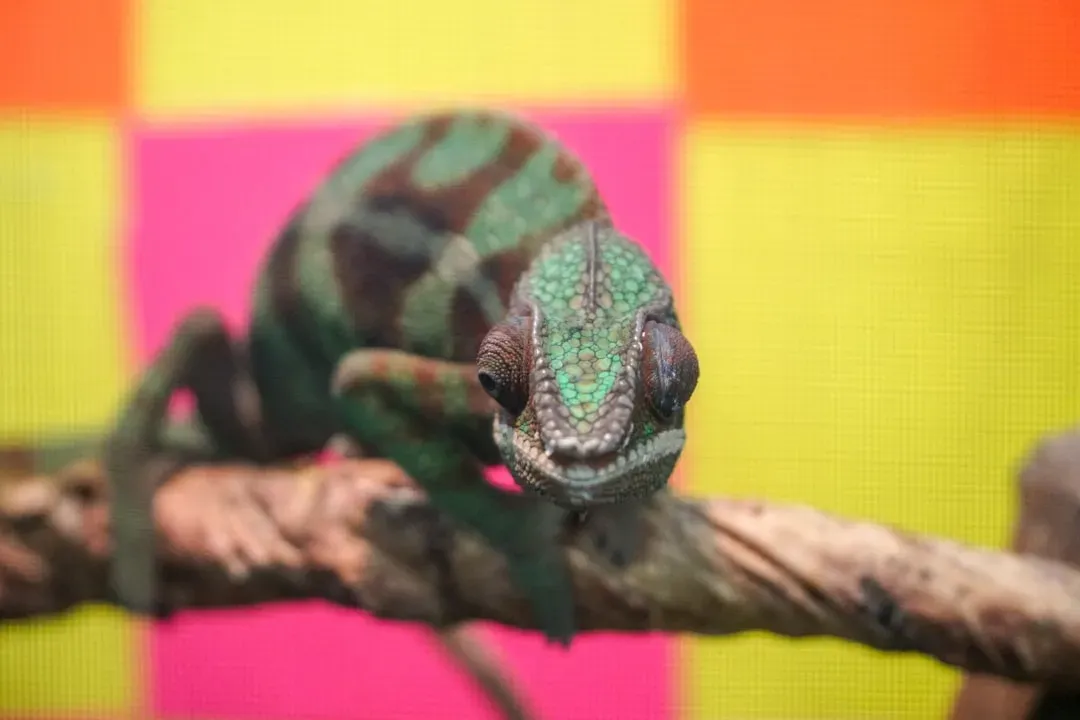
In your head, a chameleon probably walks onto a checkerboard and magically becomes a green‑and‑white checkerboard. That version is great for cartoons, but it does not match what researchers see. Chameleons absolutely can shift colors, but they mainly do it to signal mood, display to rivals or mates, and regulate body temperature. Under the skin, they control layers of special cells and tiny crystals that reflect and filter light. When they are stressed, excited, or trying to warm up or cool down, they tweak those cells, and you see the color changes on the outside.
That means you should think of chameleons less like stealthy wallpaper and more like walking, reactive billboards. A calm animal on a branch might stay relatively muted, while an aroused male facing a rival can suddenly flare into brighter, more contrasting colors. Yes, background plays some role, especially for basic camouflage, but it is not a magical ability to match every pattern you can imagine. Once you know that, you read a chameleon’s shifting shades as communication rather than a party trick, and you get a new respect for how much information animals send visually long before they ever fight or flee.
Myth 5: Dogs and Cats Are Completely Colorblind

You have probably been told that your dog or cat lives in a dreary black‑and‑white movie while you enjoy a full‑color world. When scientists studied the cells in their retinas and tested how they respond to colored lights, they found a more nuanced picture. Dogs and cats have fewer types of color receptors than you do, so their color range is smaller, but they can still distinguish certain hues, especially blues and yellows. Reds and greens often blur together, but the world is not grayscale to them; it is just painted with a different, simpler palette.
What they “lose” in color, they gain in other visual strengths. Many dogs and cats excel at detecting motion, especially in low light, and their night vision is far superior to yours, thanks to more light‑sensitive cells and reflective structures behind the retina. When you toss a blue toy on green grass, your dog may find it faster because the contrast pops in their vision. Understanding this helps you pick better toys, training tools, and environments, and it nudges you away from the old idea that your pet’s eyes are somehow broken. They are optimized for a different lifestyle, not running an art gallery.
Myth 6: Mother Birds Will Abandon a Chick If You Touch It
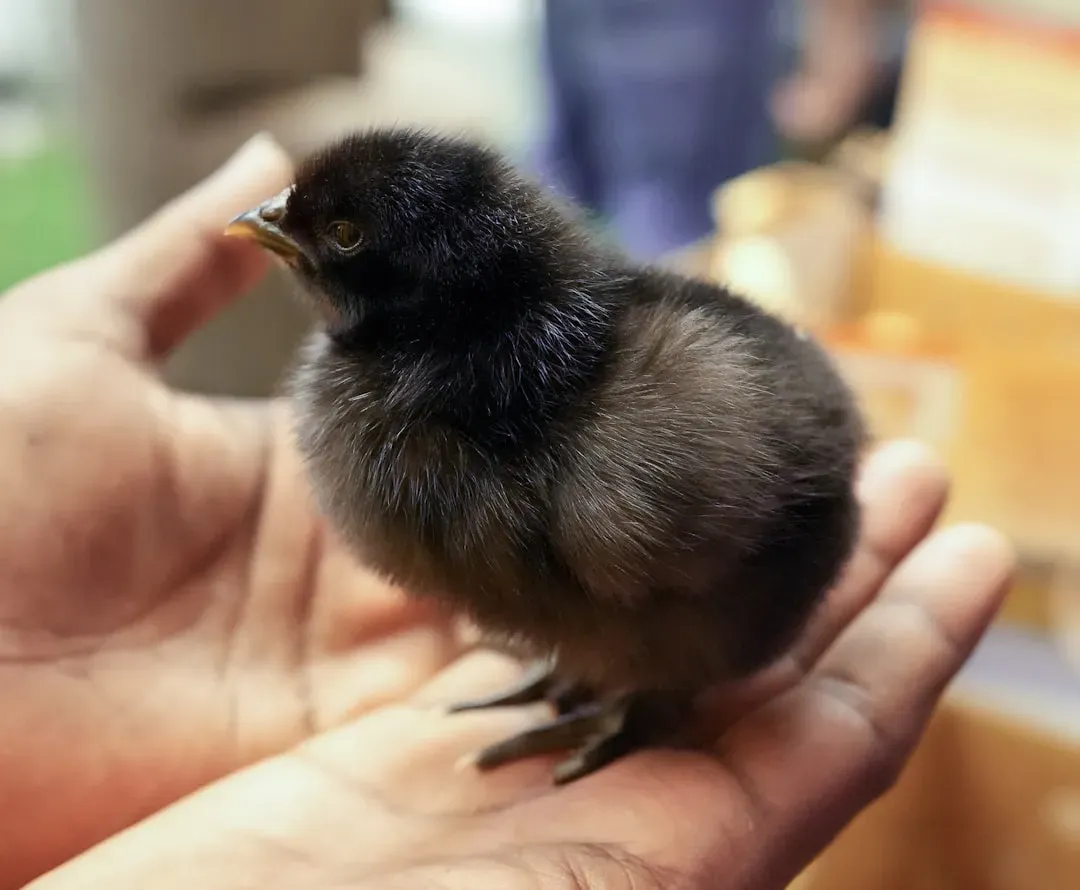
You might have been warned as a kid never to touch a baby bird because “the mother will smell you and reject it.” The intention behind that warning is good – people want you to leave wildlife alone – but the biology does not line up with the story. Most birds rely much more on sight and sound than on smell, and plenty of species have a very limited sense of smell altogether. Studies and field observations show that parent birds routinely continue caring for chicks even after humans briefly handle them to move a nest or rescue a fallen fledgling.
This does not mean you should scoop up every chick you see; it means you should understand what really puts them at risk. If you find a feathered youngster on the ground that can hop or flutter, its parents are often nearby, still feeding it. In that case, you usually help more by keeping pets and kids away than by grabbing the bird. If a naked or barely feathered chick has fallen from a low nest, gently returning it is often the best move, and the adults will typically resume care. When you drop the abandonment myth, you can make calmer, more informed choices that actually increase a chick’s odds of survival instead of acting out of fear based on a story that never matched how birds work.
Myth 7: Camels Store Water in Their Humps

If you picture a camel, you probably mentally caption the hump as a built‑in water tank. It feels logical: desert, no rivers, giant bump, must be water. When physiologists studied camels more closely, they found that the hump is mainly fat, not some flexible canteen. That fat works like an energy reserve, letting the camel go for long periods without food and helping keep fat away from the rest of the body where it would trap heat. The ability to survive with limited water comes from other adaptations, like extremely efficient kidneys, specialized blood cells, and the capacity to lose and regain a large amount of body weight without harm.
Once you know the hump is about fuel and insulation, not sloshing water, the camel looks even tougher and more impressive. You are looking at an animal that can let its body temperature fluctuate, concentrate its urine, reduce sweat loss, and rehydrate quickly when it finally reaches a water source. The myth of the “water tank hump” sells that whole package short. When you correct it in your mind, you start seeing the camel as a master of desert engineering, not just a quirky beast carrying around a misplaced backpack of imaginary water.
Conclusion: Updating Your Inner Field Guide
When you step back from these seven myths, you can see a pattern: the truth is rarely as simple or dramatic as the story you were told, but it is almost always richer. Goldfish carry memories, bats see just fine, wolves run on family ties, chameleons broadcast their mood, your pets see color in their own way, bird parents are more devoted than you were warned, and camels survive deserts through whole‑body engineering, not a single magical hump. Each time you update one of these old beliefs, you sharpen the way you see animals and, indirectly, the way you see yourself and your place among them.
I’ve caught myself repeating some of these myths without thinking, and it is humbling to realize how sticky a catchy phrase can be, even when science has moved on for years. You will probably notice that now, too, the next time someone jokes about an alpha wolf or a forgetful goldfish. When that moment comes, you have a choice: let the myth slide, or share the more interesting truth you know now. Which one are you going to spread from here on out?