
You might not realize it, but you’re carrying around the remnants of hundreds of ancient viral invaders inside your very own DNA. These aren’t the viruses that cause the common cold or flu – they’re the ghostly remains of infectious agents that plagued our ancestors millions of years ago. Today, these viral fossils make up a staggering portion of what makes us human, quietly influencing everything from reproduction to immune responses. Scientists call them endogenous retroviruses, and they’re more than just genetic junk—they’ve been woven into our evolutionary story. Some of these viral fragments have been repurposed by our bodies, helping form the placenta or shaping how our immune system defends against new threats. Others, however, can “wake up” under certain conditions, potentially contributing to diseases like cancer or autoimmune disorders. Far from being harmless relics, they’re active players in the delicate balance of health and disease. In many ways, we are walking archives of ancient viral battles, carrying echoes of infections that shaped our species long before recorded history.
The Shocking Truth About Viral DNA in Your Genome
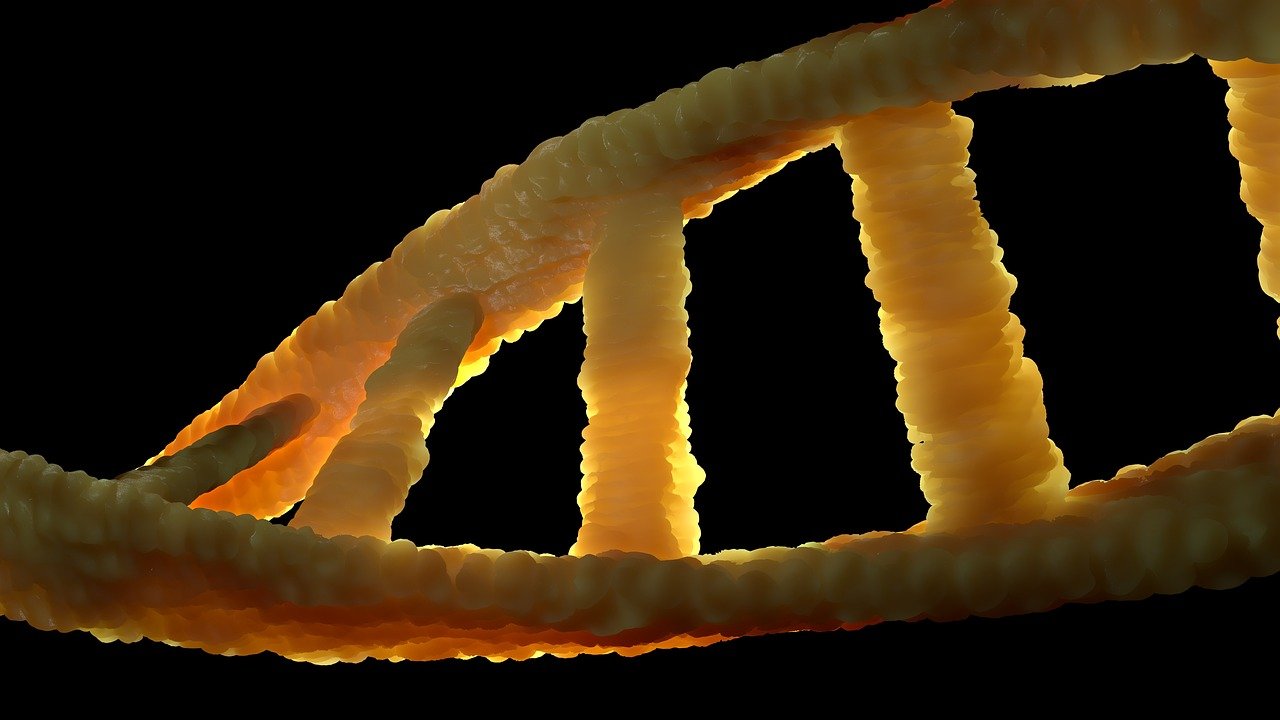
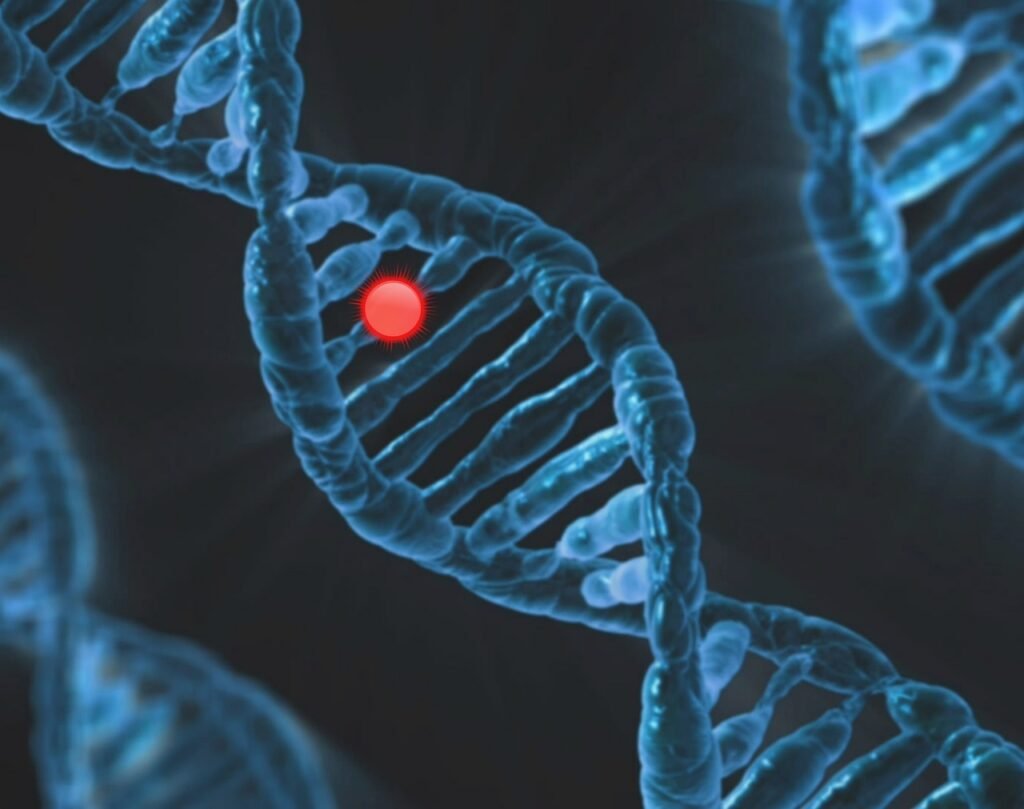
Prepare to have your mind blown: approximately eight percent of the human genome consists of sequences with viral origin, namely human endogenous retroviruses (HERVs). To put this in perspective, that’s four times more than the protein-coding regions of our genome. We literally have more ancient viral DNA than genes that make proteins!
These HERVs are relics of ancient infections that affected the primates’ germ line along the last 100 million of years, and became stable elements at the interface between self and foreign DNA. Think of them as permanent scars left by viral battles fought by our distant ancestors – battles that shaped who we are today.
How Ancient Retroviruses Became Part of Us
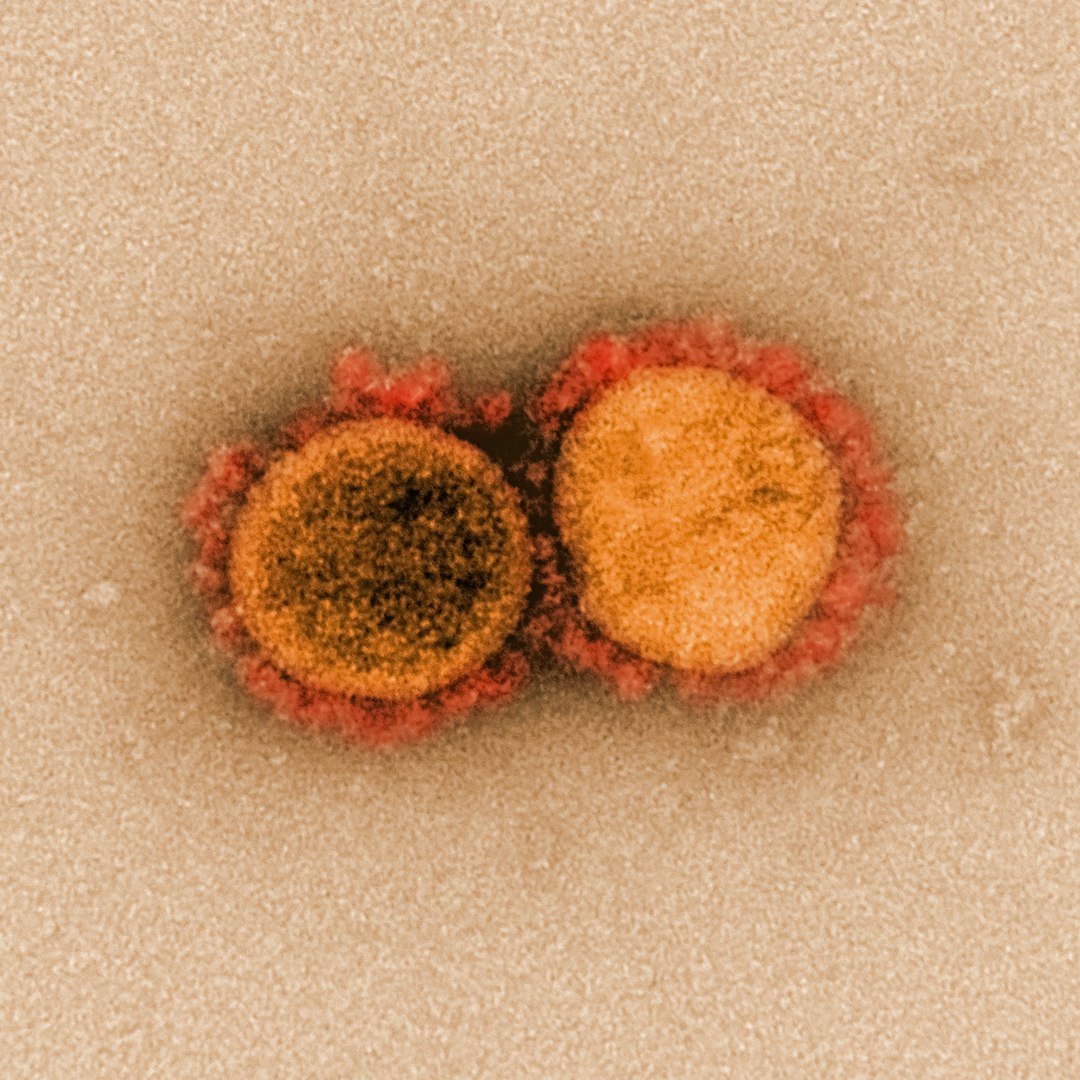
The story of how these viral sequences became integrated into our DNA reads like science fiction. Most retroviruses infect somatic cells, but occasional infection of germline cells (cells that produce eggs and sperm) can also occur. Rarely, retroviral integration may occur in a germline cell that goes on to develop into a viable organism. This organism will carry the inserted retroviral genome as an integral part of its own genome – an “endogenous” retrovirus (ERV) that may be inherited by its offspring.
Picture this: millions of years ago, a retrovirus infected a sperm or egg cell of one of our primate ancestors. Instead of killing the cell, the virus’s DNA got permanently inserted into the genome. When that cell contributed to creating offspring, every single cell in those descendants carried the viral DNA. The ancestral retroviral infection affected the germ line cells: in this way, the proviral sequences have been endogenized and vertically transmitted to all the cells of descendant individuals. HERVs have been so inherited in a Mendelian fashion to the offspring, being fixed in the human population.
The Evolutionary Timeline of Viral Invasions
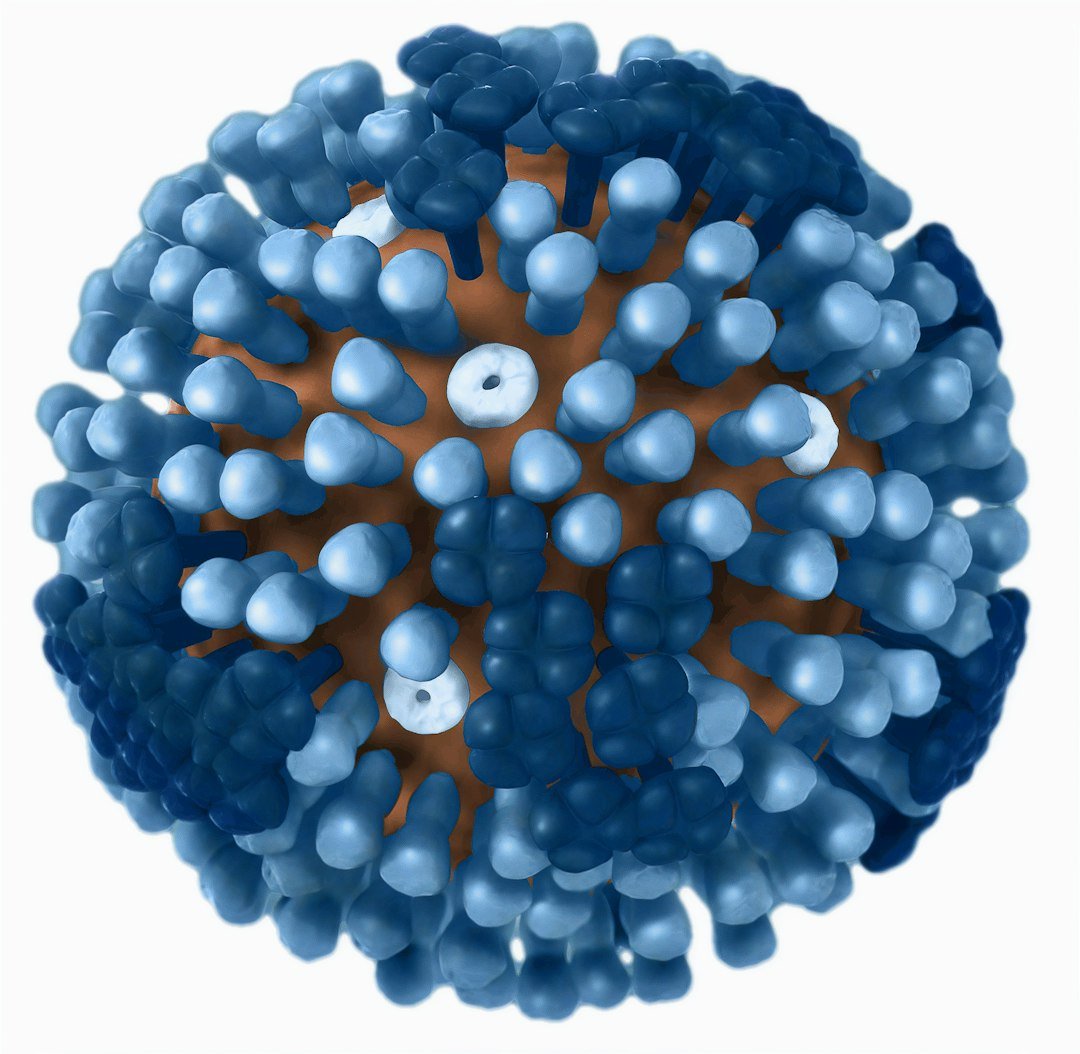
This endogenization is thought to have occurred mostly between 100 and 40 million years ago, though some elements integrated more recently. The greatest number of the identified F-HERVs belonged to the HERVHF supergroup, whose members reportedly integrated into Catarrhini genomes at least 30–45 million years ago. However, not all integrations are ancient history.
One family of viruses has been active since the divergence of humans and chimpanzees. This family, termed HERV-K (HML2), makes up less than 1% of HERV elements but is one of the most studied. There are indications it has even been active in the past few hundred thousand years. This means some of these viral remnants were still integrating into our genome when early humans were walking the Earth.
Most Ancient Viruses Are Now Evolutionary Ghosts
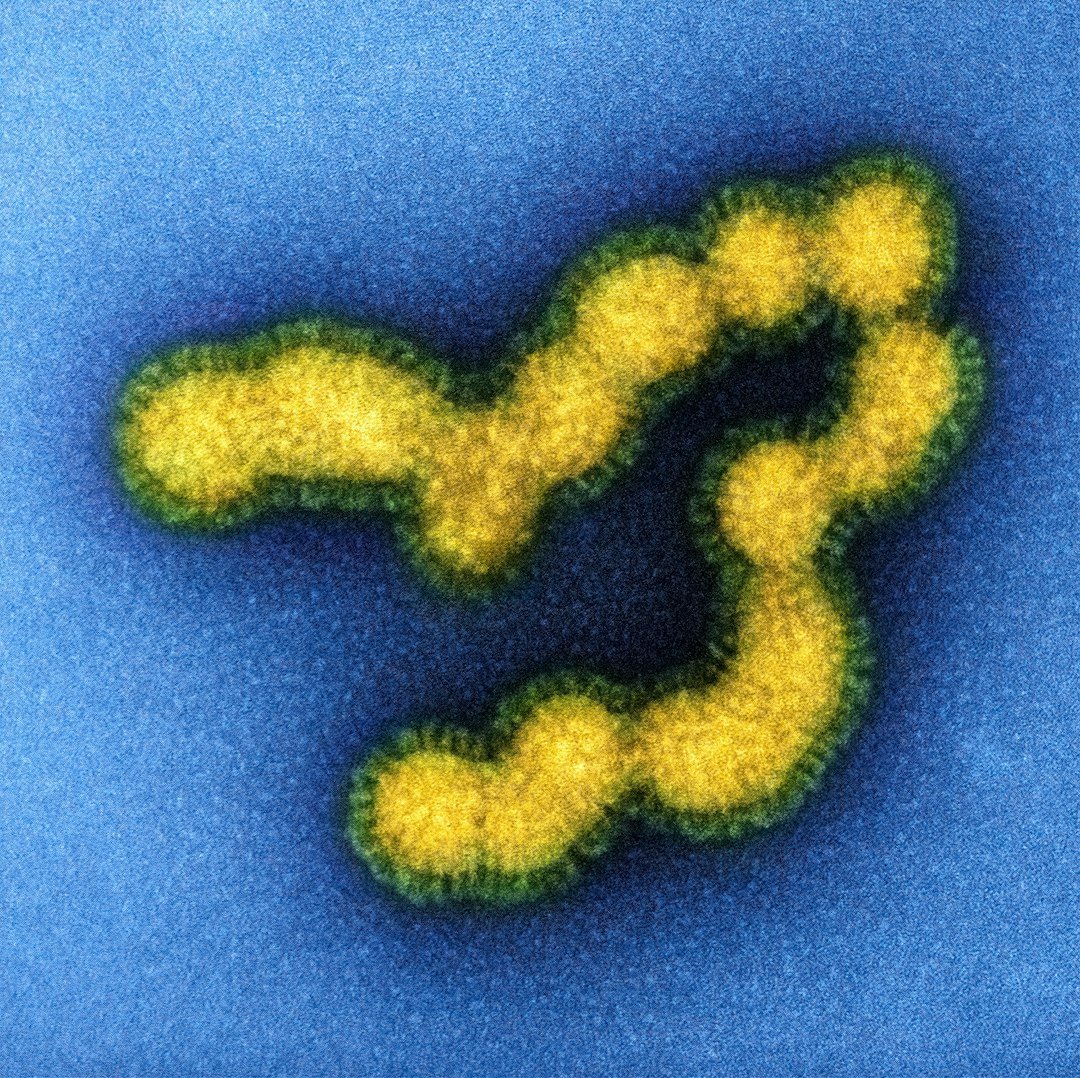
Many ERVs have persisted in the genome of their hosts for millions of years. However, most of these have acquired inactivating mutations during host DNA replication and are no longer capable of producing the virus. Time has been both a friend and enemy to these viral sequences – while it allowed them to become permanent residents of our genome, it also gradually broke them down.
ERVs can also be partially excised from the genome by a process known as recombinational deletion, in which recombination between the identical sequences that flank newly integrated retroviruses results in deletion of the internal, protein-coding regions of the viral genome. It’s like our cellular machinery has been slowly editing out the most dangerous parts of these ancient invaders.
Scientists Can Actually Resurrect These Ancient Viruses

Here’s something that sounds straight out of Jurassic Park: Scientists recently took human cells incubated in petri-dishes and slightly mutated the DNA of one of endogenous retroviruses to see if it would start producing viruses again. Sure enough it worked! An extinct virus was revived from a DNA sequence found in our very own human genome!
This incredible experiment proves that these sequences truly are the fossilized remains of once-infectious viruses. Endogenous retroviruses really are the remaining scars of ancient virus infections. The implications are mind-boggling – we’re literally carrying around a library of extinct pathogens in our cells.
Some Viral Genes Actually Help Us Survive

Not all ancient viruses were evolutionary dead weight. HERV co-evolution with the host led to the domestication of activities previously devoted to the retrovirus life cycle, providing novel cellular functions. Some of these viral genes have been “domesticated” and now perform essential functions for human survival.
Selected HERV envelope proteins have been coopted for pregnancy-related purposes, and proviral Long Terminal Repeats participate in the transcriptional regulation of various cellular genes. The most famous example involves proteins called syncytins. Recent studies have found that in at least once case, it seems that an ancient mammal was infected with a virus that ended up helping during reproduction. Many of that mammals descendants, humans included, eventually became fully dependent on the virus. We can no longer reproduce without it. We are part virus!
The Syncytin Story: When Viruses Became Essential for Life

Syncytin-1 and 2, ENV proteins of HERV-W and HERV-FRD, respectively, are expressed in the placenta and involved in trophoblast formation. These proteins are absolutely critical for human reproduction. Syncytin 1 (along with HERV-FRD or Syncytin 2) is expressed in first-trimester placenta and required for cell–cell fusion to enable formation of syncytiotrophoblast and effective placentation.
Think about it: every human pregnancy depends on proteins that originated from ancient viral infections. It was estimated that during primate evolution, syncytin-2 integrated into the genome about 40–45 million years ago, followed by syncytin-1 about 25–30 million years ago, and an intact open reading frame was conserved for both genes. Without these viral remnants, human reproduction as we know it simply wouldn’t exist.
Ancient Viruses and Modern Diseases

The relationship between these ancient viruses and human health isn’t always positive. Some HERVs retain a limited coding capacity and produce retroviral transcripts and proteins, which function in human developmental process and various pathologies, including many cancers and neurological diseases. The line between helpful and harmful is surprisingly thin.
Recent studies show that Syncytin-1 expression is reproducibly associated with numerous neurological diseases such as schizophrenia, and an increasing number of studies have focused on the potential inflammatory mechanism by which Syncytin-1 mediates neuroimmune activation and oligodendrocyte damage in these diseases. Even more concerning, several studies have shown that the expression of these retroviral elements correlates with the onset and progression of neurological diseases such as multiple sclerosis (MS) and amyotrophic lateral sclerosis (ALS).
The Immune System’s Complex Dance with Ancient Viruses
One of the soundest evidences about the role of HERVs in the shaping of pivotal immune systems regards the interferon (IFN) network, a crucial antiviral pathway for innate immunity and a fundamental effector to initiate and maintain adaptive responses. Intriguingly, HERV insertions greatly contributed to the evolution and amplification of IFN transcriptional network, dispersing independently a wide number of IFN-inducible enhancers in many mammalian genomes.
Paradoxically, these ancient viral elements may actually protect us from new viral infections. Some scholars speculate that vertebrates may utilize endogenous retroviruses within their genomes to protect against exogenous retroviral infections. The Env protein of HERVs may reduce the infection levels of exogenous viruses by competitively binding to the target cell receptors of these viruses. In recent studies, HERV-H48 Env Suppressyn and HERV-W Env Syncytin-1 can competitively bind to ASCT2, a cell surface amino acid transporter, thereby blocking the infection of viruses like type D retroviruses that depend on this transport pathway.
New Discoveries Keep Revealing More Hidden Viruses
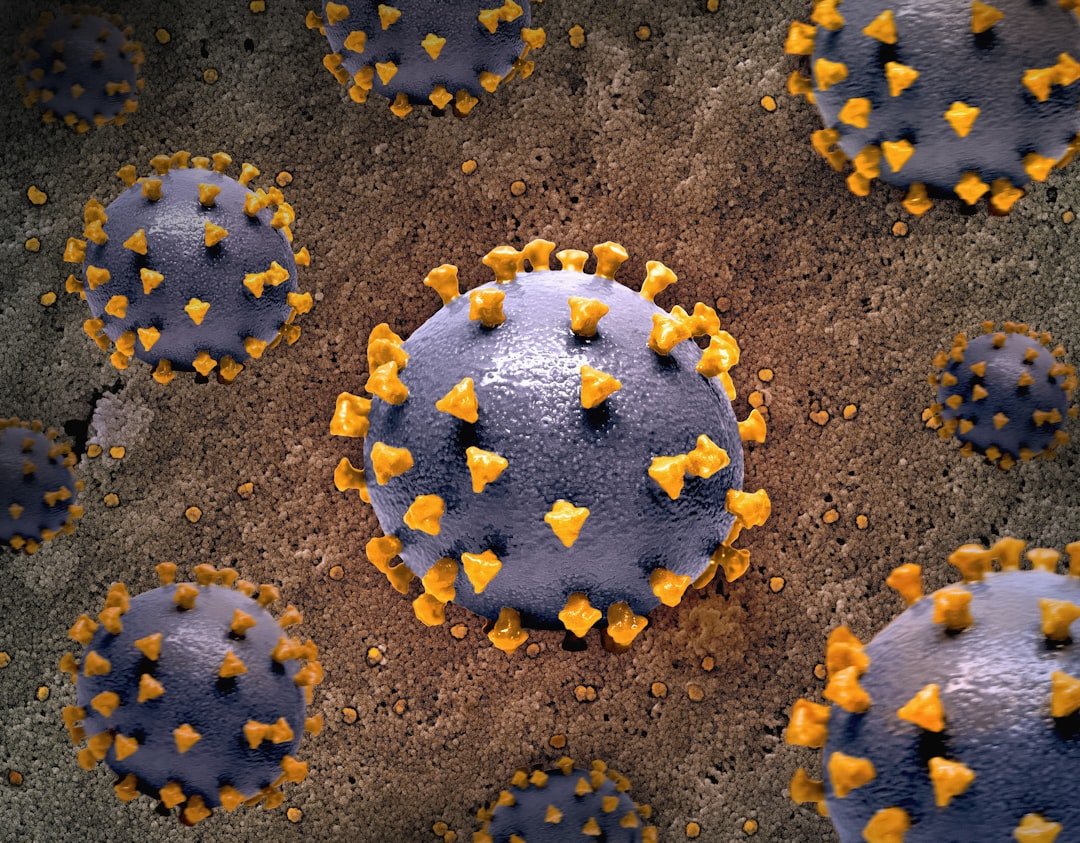
This study finds further kinds of ancient ERV, in the thoroughly-studied human genome version hg38: ERV-Hako, ERV-Saru, ERV-Hou, ERV-Han, and ERV-Goku. Even with decades of genomic research, scientists are still finding new types of ancient viral remnants hidden in our DNA. This study found new types of not-so-ancient ERV in the thoroughly-studied human genome version hg38: thus not all types were found already. This contributes to understanding our genome’s history.
Each discovery adds another piece to the puzzle of human evolution. The AIM2 enhancer comes from a specific low-copy ERV type ERV-Saru, and some half LTR43B elements are actually half of ERV-Han LTRs. The ERVs triggered evolution of gene regulation, by contributing transcription start sites to genes: ERV-Hako to MS4A15, ERV-V to LY6K, ERV-Hou to APOL3, and ERV-Han to SIGLECL1.
The COVID Connection: Ancient Viruses in Modern Pandemics
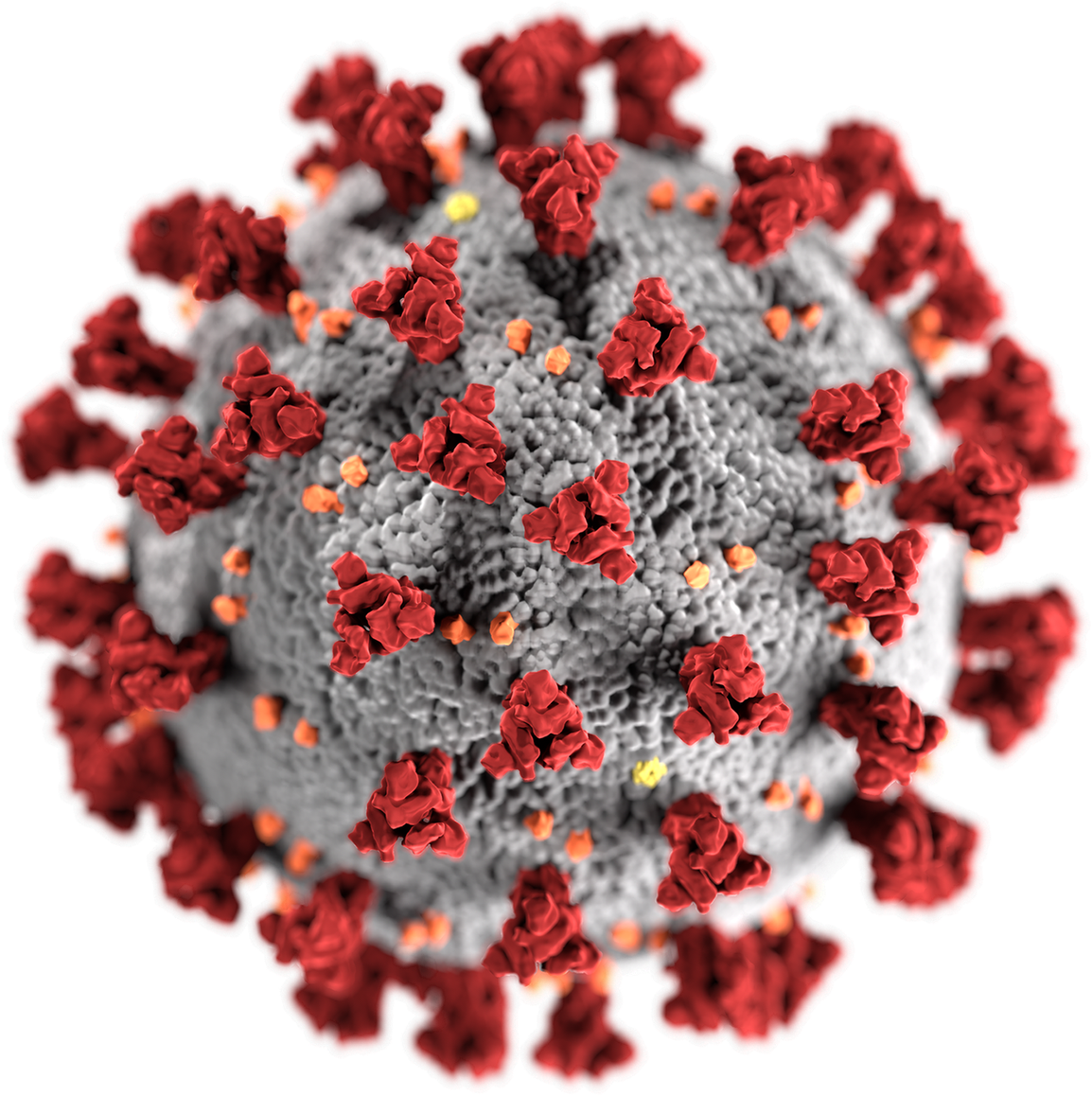
Recently, it has been reported that HERVs are differently expressed in COVID-19 disease caused by infection of severe acute respiratory syndrome coronavirus 2 (SARS-CoV-2). The pandemic has given scientists new insights into how ancient viral remnants might influence modern disease outcomes.
Some recent reports show the differentially expressed HERVs in COVID-19 patients, suggesting that HERVs may be involved in COVID-19 epidemiology. While there was concern about COVID vaccines potentially affecting syncytin proteins, because of very low sequence similarity between human syncytin-1 and the SARS-CoV-2 S protein, it is unlikely that any S protein-specific SARS-CoV-2 vaccine would generate an immune response which would affect fertility and pregnancy.
These ancient viral sequences are far more than evolutionary relics. They’re active participants in human biology, influencing everything from our immune responses to our reproductive success. Vertebrate genomes have many relics of ancient ERVs: they comprise about 8% of the human genome. They are “fossils” that tell us about ancient virus evolution. Every cell in your body carries the molecular memory of viral battles fought by ancestors you’ll never know, yet their legacy continues to shape who you are today. Did you ever imagine that ancient viruses could be such an integral part of what makes you human?
Hi, I’m Andrew, and I come from India. Experienced content specialist with a passion for writing. My forte includes health and wellness, Travel, Animals, and Nature. A nature nomad, I am obsessed with mountains and love high-altitude trekking. I have been on several Himalayan treks in India including the Everest Base Camp in Nepal, a profound experience.