You keep hearing that the Amazon is the lungs of the planet, but lately it feels more like a patient struggling to breathe. Behind the headlines and dramatic photos, something quieter and stranger is unfolding: in some parts of the forest, the basic math of life is flipping, and the trees you count on to pull carbon from the air are now putting more of it back. It is not that the forest suddenly turned into a dead zone; it is that the balance you assumed was stable is sliding in the wrong direction.
When you look closely at what scientists are measuring, the picture is unnerving but not hopeless. Instead of a simple story of “forest good, deforestation bad,” you are seeing a living system that can actually switch roles if you push it too far. That is what “growing in reverse” really means here: the Amazon still looks like forest on a map, but its overall function is drifting away from absorbing pollution and toward amplifying it. Once you understand how that happens, you also see why your choices, even far from South America, still matter.
What “Growing in Reverse” Really Means for a Living Forest
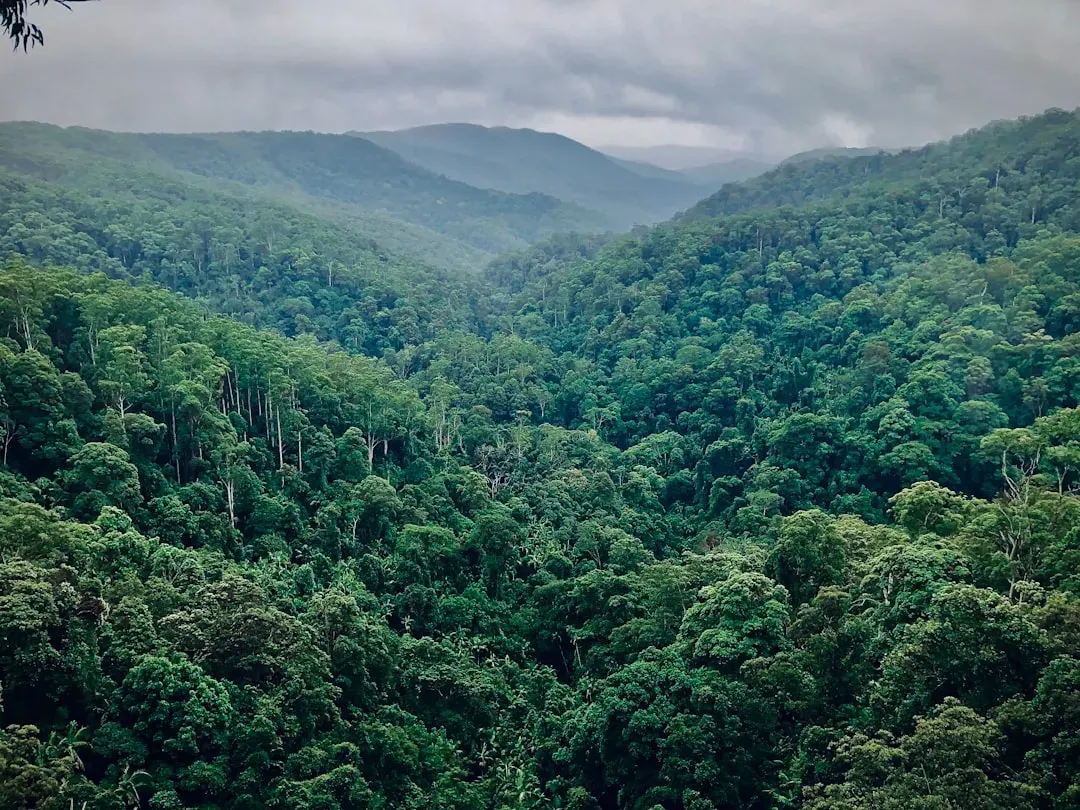
When you hear that the Amazon is “growing in reverse,” you might picture trees shrinking or the canopy literally rewinding like a video. What is actually happening is more subtle and more dangerous: parts of the forest are still green, still full of leaves and branches, but the carbon accounting has flipped. Instead of absorbing more carbon dioxide from the atmosphere than they release, some areas are now sending out more carbon than they take in over the course of a year.
You can think of it like a bank account you always assumed was steadily growing, even if you occasionally spent money. Suddenly, you realize that withdrawals are now larger than deposits, even though the account has not hit zero. The trees are still there, they are still photosynthesizing, but fires, logging, heat, and drought are hitting them so hard that respiration, decay, and burning are outweighing growth. On the surface, the forest looks intact enough to fool a satellite image, yet functionally it has started to behave like a giant, slow-burning emitter.
How Decades of Deforestation Set the Stage for a Sudden Flip
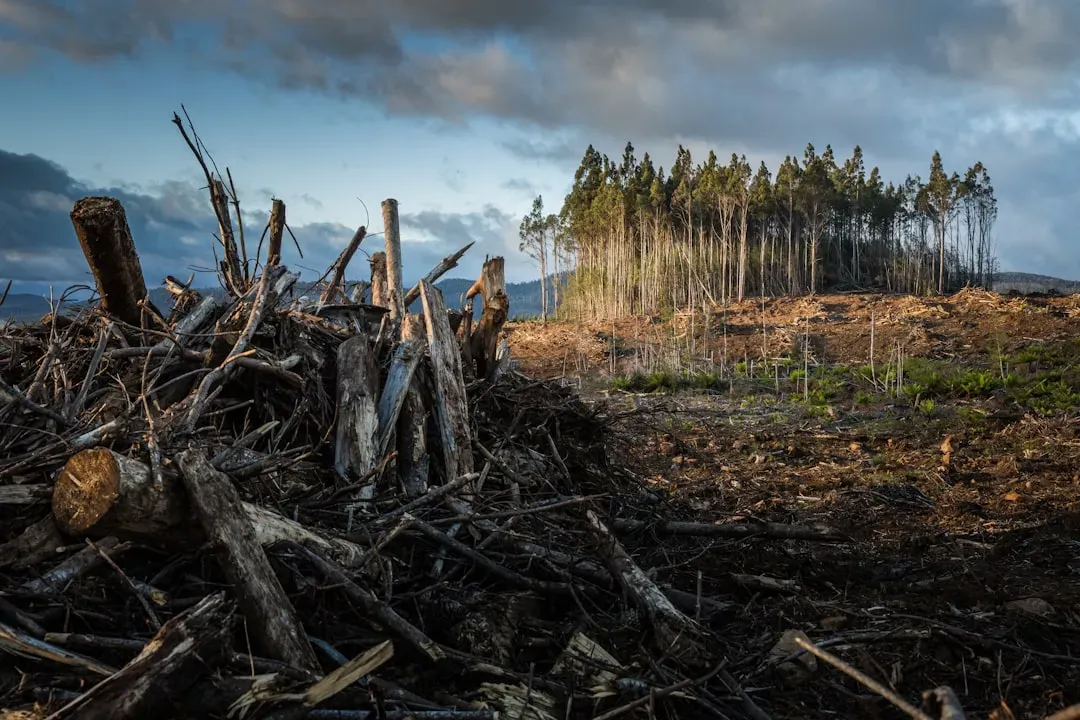
You have probably seen the dramatic images of bulldozers and smoke plumes carving brown scars into green forest. What you might not realize is that the most dangerous changes do not just come from chopping everything down; they build up quietly as you chip away at the edges. Every road cut, every pasture cleared, every patch burned for agriculture makes the remaining forest more fragmented, drier at the borders, and easier to ignite. Over time, these small bites turn a resilient ecosystem into one that can tip suddenly when stressed.
When you add it up across millions of hectares, the Amazon starts to resemble a patchwork quilt instead of an unbroken canopy. That patchiness lets hot, dry air penetrate deep into areas that used to stay cool and moist, so trees become more vulnerable to heat waves and droughts. As more forest is opened up, you also get more opportunities for human-set fires to escape into standing trees. The surprising part, from your perspective, is that the forest can still look “mostly intact” on a map while its ability to act as a carbon sink has already been severely undercut.
Heat, Drought, and Fire: The Feedback Loops You Are Not Seeing
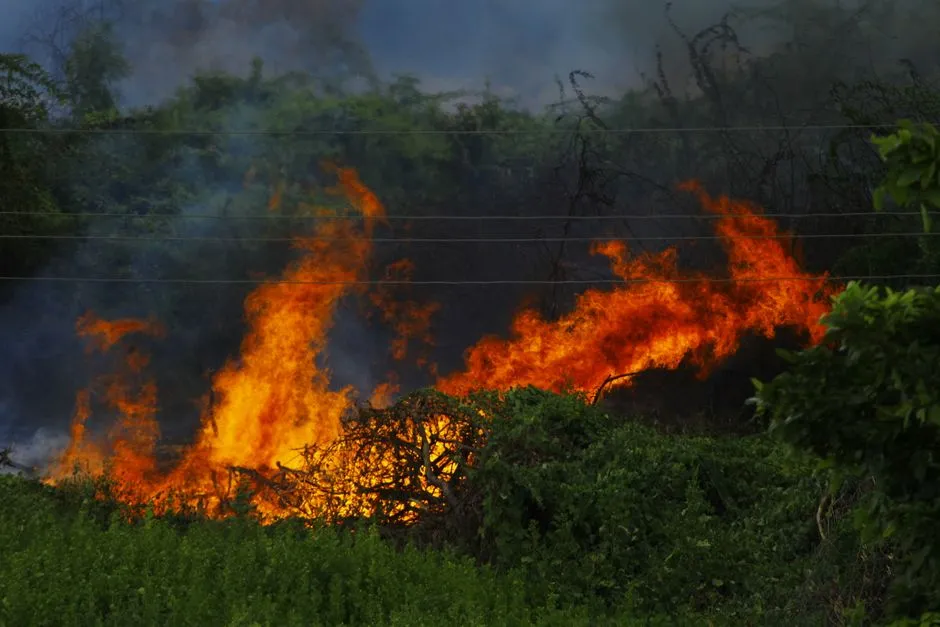
If you want to understand why the Amazon’s role is flipping faster than expected, you have to look at how heat, drought, and fire reinforce each other. When regional temperatures rise and dry seasons lengthen, the forest loses more water through its leaves and the soil moisture drops. That alone makes trees more stressed and slower to grow. Add in human-lit fires from land clearing, and suddenly you have flames creeping into forest that rarely burned in the past, scorching roots and killing big, old trees that store the most carbon.
Once those large trees die, the story does not end. Their trunks and branches become fuel that feeds the next fire, and as they rot or burn, they release the carbon they held for decades or even centuries. With fewer tall trees pumping moisture back into the air, local rainfall can decrease, turning the surrounding landscape even drier. You end up with a feedback loop where heat and drought invite more fire, fire weakens the forest, and the weakened forest does less to cool and moisten the regional climate. From where you sit, that looks like a system that can unravel much faster than the slow pace of tree growth would suggest.
Why Parts of the Amazon Are Already Acting Like a Carbon Source
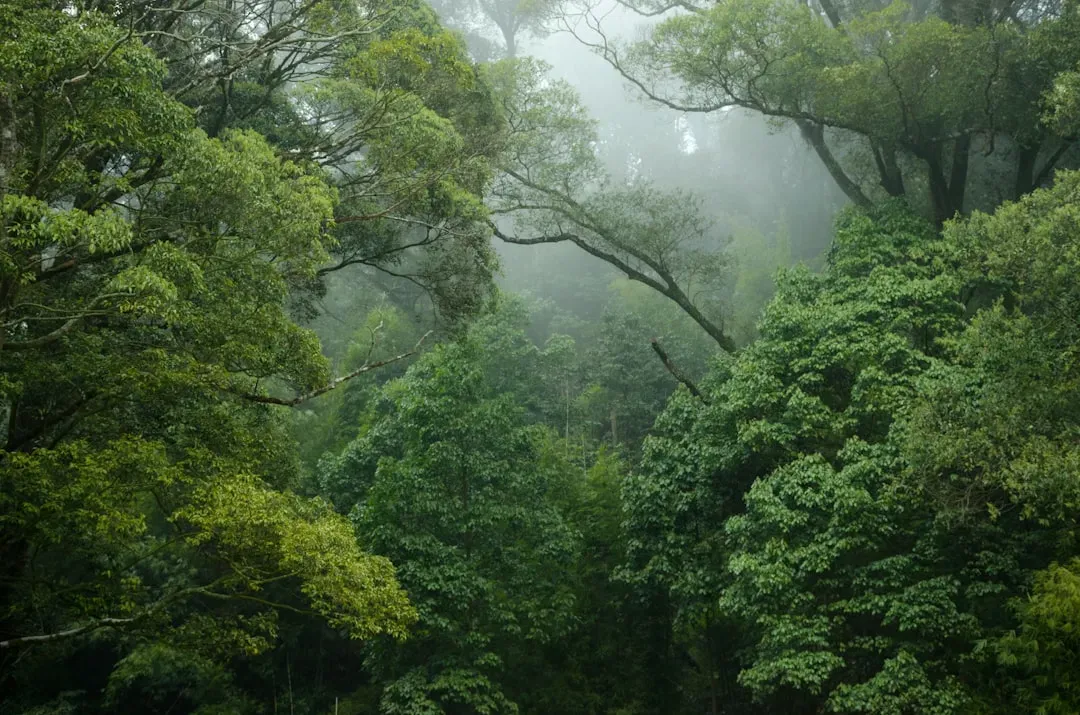
You might assume that a forest as vast as the Amazon can absorb almost anything you throw at it, at least for your lifetime. But long-term measurements from research plots and atmospheric monitoring stations tell you a different story: in some regions, especially in the heavily deforested and fire-prone southeast, the balance has already tipped. Over a full year, those areas release more carbon dioxide from fires, tree mortality, and soil processes than they remove through new growth.
This does not mean every corner of the Amazon has failed or that it has become uniformly a source of emissions. Instead, you are looking at a mosaic where some parts still function as strong carbon sinks while others drag the average in the opposite direction. The worrying part for you is that the damaged sections do not just cancel out a bit of the good; they can also push the regional climate toward hotter and drier conditions that threaten the healthier areas. In that sense, a relatively small but expanding portion of “reverse-growing” forest acts like a hidden anchor pulling the whole system down.
The Tipping Point Debate: How Close You Really Are
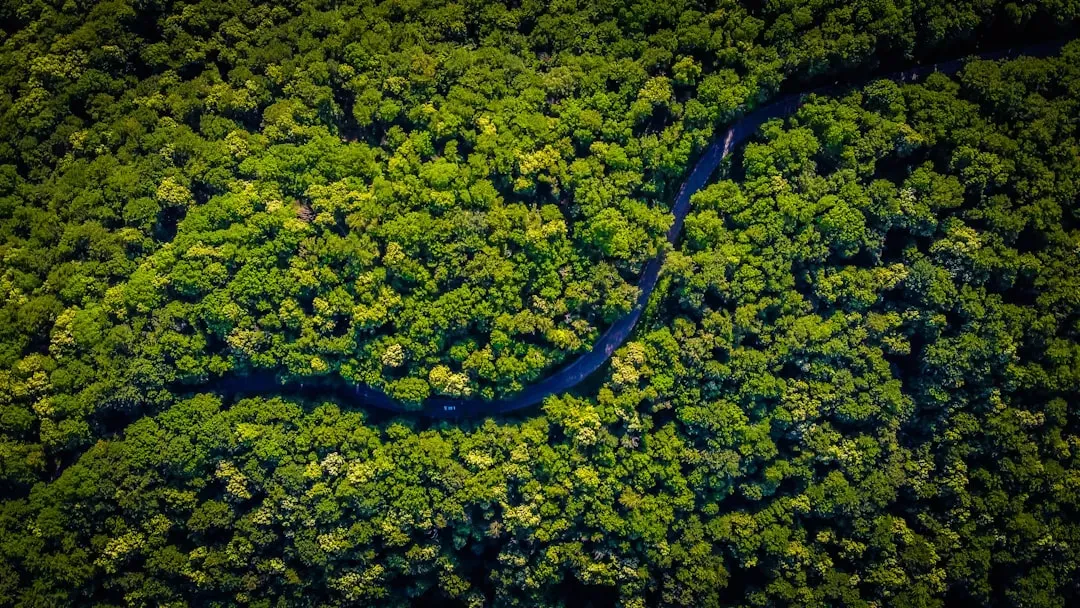
You have probably heard warnings about the Amazon approaching a tipping point where large swaths could shift toward a drier savanna-like state. That idea is not science fiction, but it is also not a single dramatic day when everything collapses. Instead, you are dealing with overlapping thresholds: ecological, climatic, and social. As deforestation and fire push one part of the system past its limits, neighboring areas become more fragile, and the overall risk of a large, hard-to-reverse shift rises.
The reality for you is more like a staircase than a cliff. Some regions may already have stepped onto a new level of stress where big trees struggle to recover and frequent fires become the norm. Others are still hanging on but edging closer as global emissions keep climbing and local land-use pressure continues. Because the forest and atmosphere are tightly linked, each step down reduces the Amazon’s ability to buffer climate change, making future heat waves and droughts more severe. That is why scientists keep urging you not to treat the tipping point as a distant, abstract line but as a process you are already influencing now.
How This “Reverse Growth” Reaches Your Daily Life, Far From the Amazon
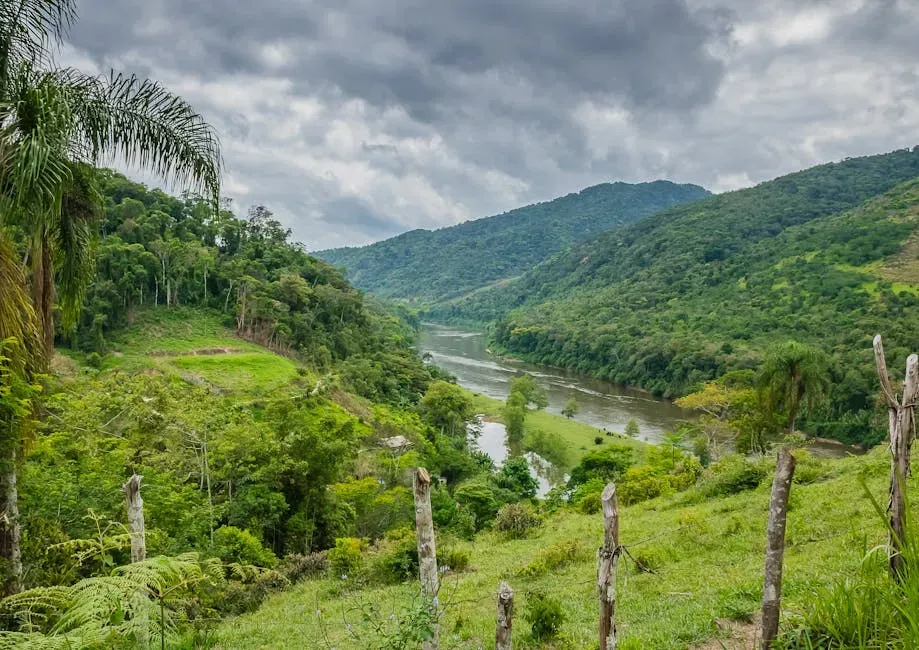
It is easy to think of the Amazon as something remote, a distant sea of trees that you only see on documentaries or satellite images. But when the forest starts functioning less like a carbon sponge and more like a slow leak, it changes the odds you live with every day. Extra carbon dioxide in the atmosphere does not stay politely over South America; it mixes globally, amplifying warming everywhere. That stronger warming, in turn, affects the heat waves, storms, and shifting seasons that shape your food prices, your energy use, and even your health.
Beyond carbon, you also depend on how the Amazon moves water and heat around the planet. The forest helps drive atmospheric circulation patterns that influence rainfall in other continents, including regions that grow crops you rely on. As “reverse-growing” areas lose big trees and become more fire-prone, they pump more smoke, aerosols, and heat into the air, nudging those patterns. You might not be able to point to a specific storm and say that it came from an Amazon fire, but you are living in a climate system where those disturbances are slowly stacking the deck against climate stability.
What You Can Actually Do: Real Leverage in a Global Problem
When you hear about a crisis this large, your first instinct might be to shrug and assume only governments or massive corporations can do anything meaningful. They absolutely hold huge power, but you are not powerless. Every time you support policies and leaders that prioritize forest protection, indigenous land rights, and climate action, you help shift the legal and financial incentives that drive deforestation. Public pressure has already pushed some countries and companies to curb illegal logging, pause destructive projects, and expand protected areas.
On a more personal level, your consumption choices also send signals. When you reduce waste, eat a bit less beef from deforestation-prone regions, or favor products with credible forest-friendly certifications, you are helping to shrink the economic engine behind forest clearing. Supporting organizations that work directly with local and Indigenous communities in the Amazon can amplify the efforts of people who are already defending the forest on the ground, often at great risk. You may never set foot under that canopy, but your voice, your vote, and your wallet all reach farther than you think.
Why There Is Still Room for Hope if You Act in Time
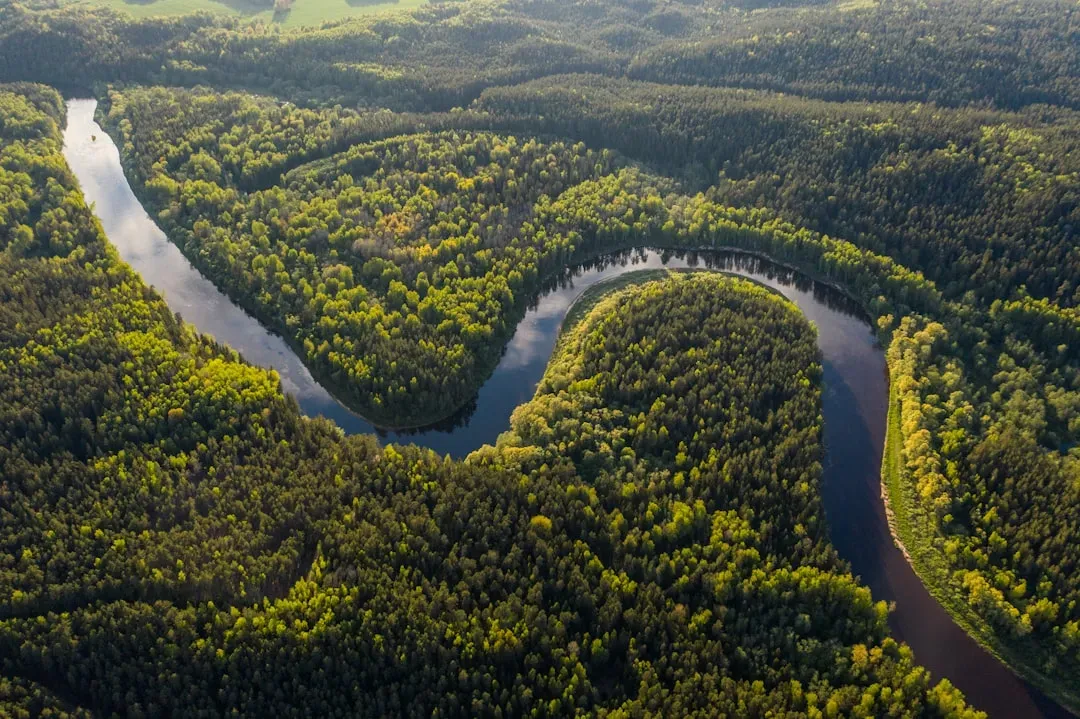
It is tempting, after hearing how parts of the Amazon are effectively running backwards, to assume the story is already over. But if you look more closely, you see that large stretches of the forest still function as powerful carbon sinks and resilient ecosystems. Where deforestation is slowed, fires are controlled, and local communities are empowered, the forest can recover surprising amounts of biomass and biodiversity. You are not dealing with a fragile glass sculpture that shatters once cracked; you are dealing with a living system that can heal, as long as you stop hitting it faster than it can mend.
The uncomfortable truth for you is that the window for easy fixes has likely closed, but the window for meaningful action has not. The same processes that allow the forest to switch roles in the wrong direction also work in your favor if you change course: fewer fires mean more big trees, more big trees mean cooler, wetter conditions, and those conditions strengthen the forest’s ability to keep absorbing carbon. In that sense, “growing in reverse” is less a prophecy and more a warning label. The question is not whether the Amazon will decide its own fate, but whether you will decide to change yours.
In the end, the Amazon’s strange new behavior is a mirror you cannot easily avoid. It reflects how quickly your species can destabilize a system you once thought was too vast to touch, and how quickly that system can start pushing back. If you treat “growing in reverse” as a fixed headline, you lose; if you treat it as a turning point, you still have something precious to fight for. So the real question that lingers after you step away from the screen is simple and personal: now that you know, what part of this story do you want to help rewrite?