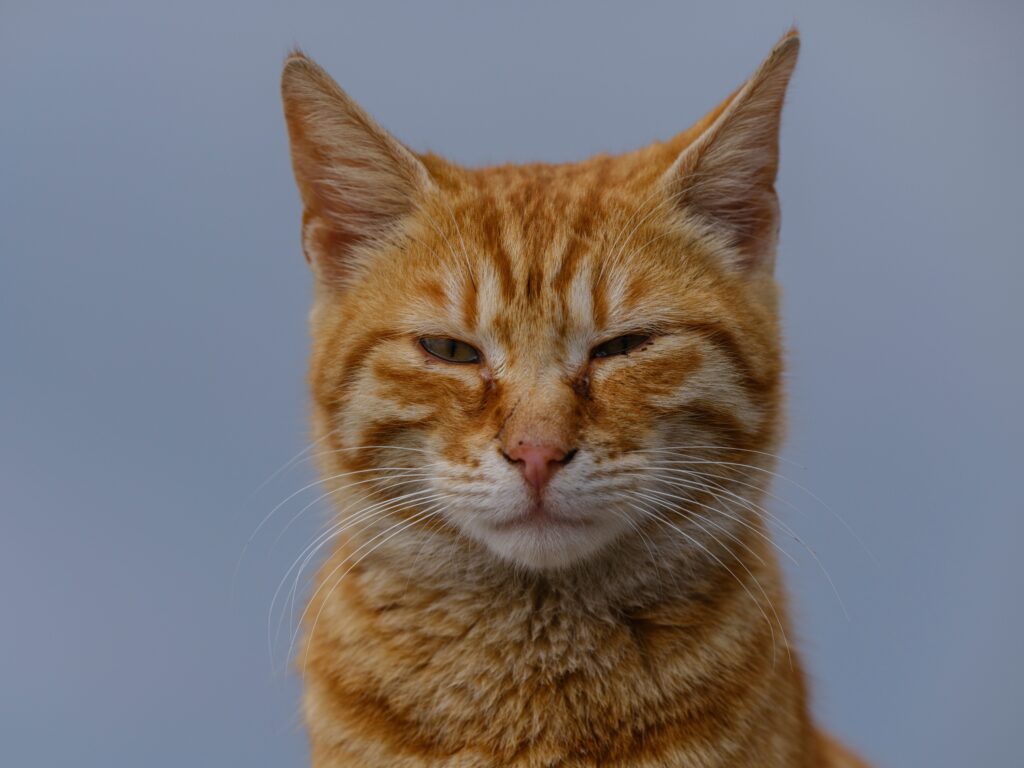
You know that soft, squinty look your cat gives you from across the room? The one where the eyes close slowly, linger for a second, then gently open again? It feels strangely personal, almost like a tiny love letter written in blinks. Behavioral science now suggests you’re not imagining that connection at all – your cat is not just chilling, it is actually doing something that takes real mental work.
Once you start seeing the slow blink as more than just a sleepy signal, your whole relationship with your cat starts to look different. You’re no longer just a food dispenser or comfy pillow; you’re part of a quiet, complex conversation that plays out in milliseconds. And the more you understand that language, the more clearly you can see just how much is going on behind those half-closed eyes.
The Slow-Blink: What You Are Really Seeing
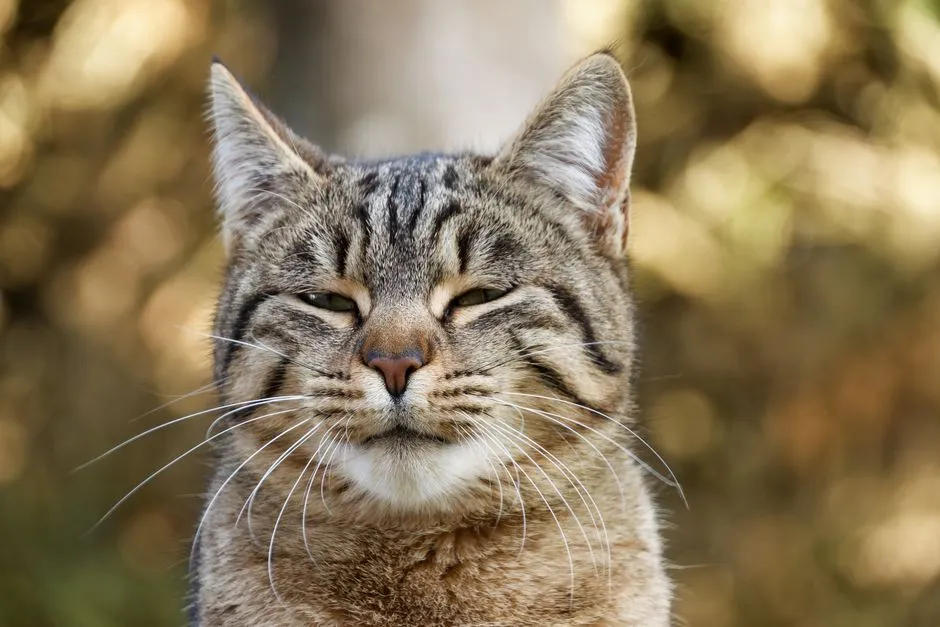
When your cat slow-blinks at you, you are watching a very specific sequence: soft eye contact, eyelids gently closing, often a brief pause, then a smooth reopening. It is not a twitch, not a random flutter, and not the sharp, defensive blink you see when your cat is startled. It is controlled, deliberate, and usually paired with a loose body posture, relaxed whiskers, and a calm tail.
If you pay attention over a few days, you’ll notice this is not how your cat blinks at nothing in particular. The slow blink usually happens when your cat is aware of you and knows you are watching, like a quiet nod across a room. That pattern alone already tells you something important: your cat is not just asleep with its eyes half-shut – it is actually choosing to send you a signal.
Why Behavioral Scientists Take the Slow-Blink Seriously
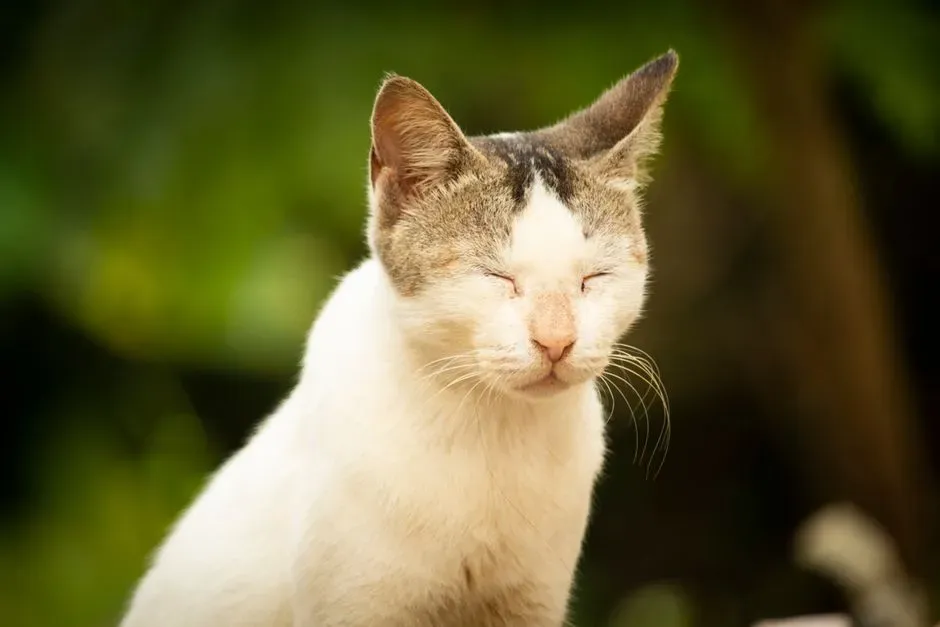
For a long time, people brushed this off as cute but meaningless behavior, the way you might ignore a yawn or stretch. But researchers started noticing that slow blinks tended to show up in social situations, especially in calm, positive ones. When scientists tested this more carefully, they found that cats were more likely to approach a person who had slow-blinked at them first compared with someone who just stared or ignored them.
When you see behavioral scientists get excited about something as small as an eyelid movement, it is usually because it shows intention. That is what makes the slow-blink so interesting: it shows up in a context where your cat seems to be actively managing the social tone of the interaction. In other words, it is not just a side effect of being relaxed; it is part of how your cat builds and maintains trust with you.
From Predator Eyes to Friendly Eyes: The Risk of Staring
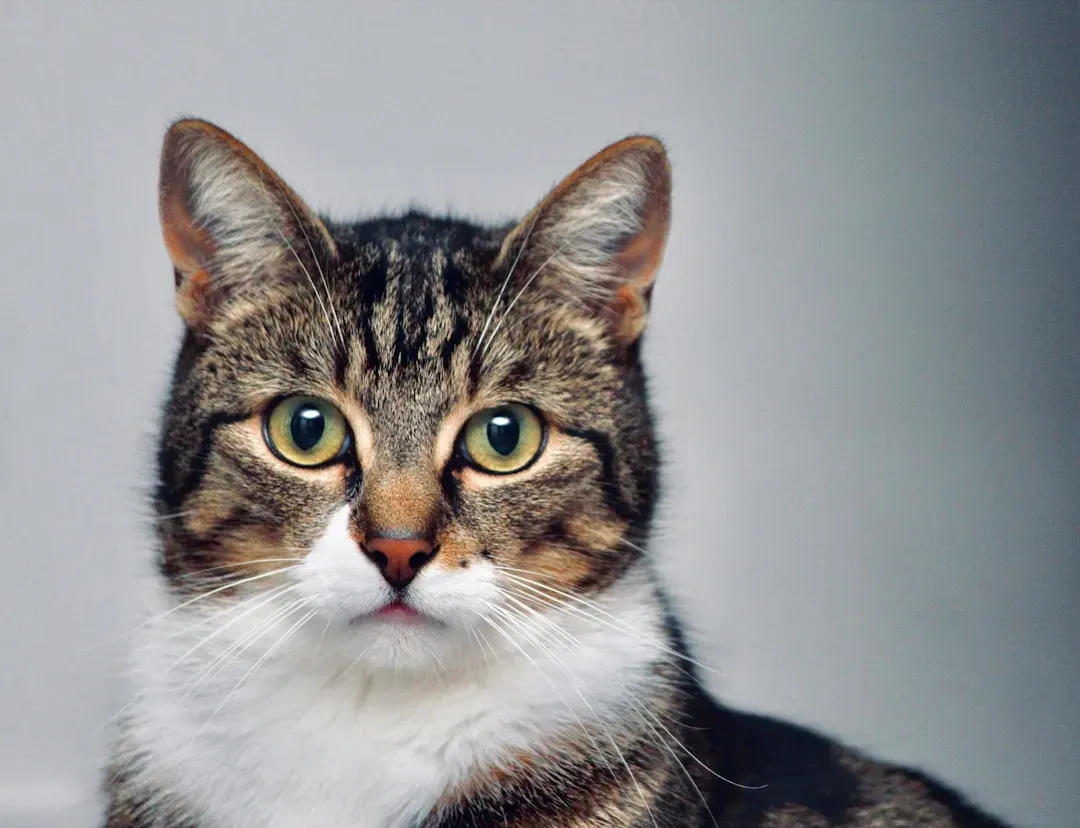
Imagine someone standing very close to you and staring without blinking – you would not feel great, right? In the animal world, that hard stare is even more loaded. For cats, a fixed, unbroken gaze often signals threat, challenge, or hunting focus. So when your cat chooses to soften its gaze, narrow its eyes, and even close them for a brief moment, it is doing something that goes against its usual survival instincts.
By closing its eyes around you, your cat is dropping its guard for a split second in a world where vision can mean the difference between safety and danger. That choice carries a kind of message: you are not seen as a threat, and your presence is safe enough that the cat can afford to let its defenses down. Turning a potentially threatening eye contact into a gentle slow-blink is like taking a tense handshake and turning it into a warm hug.
Why the Slow-Blink Requires Real Cognitive Effort
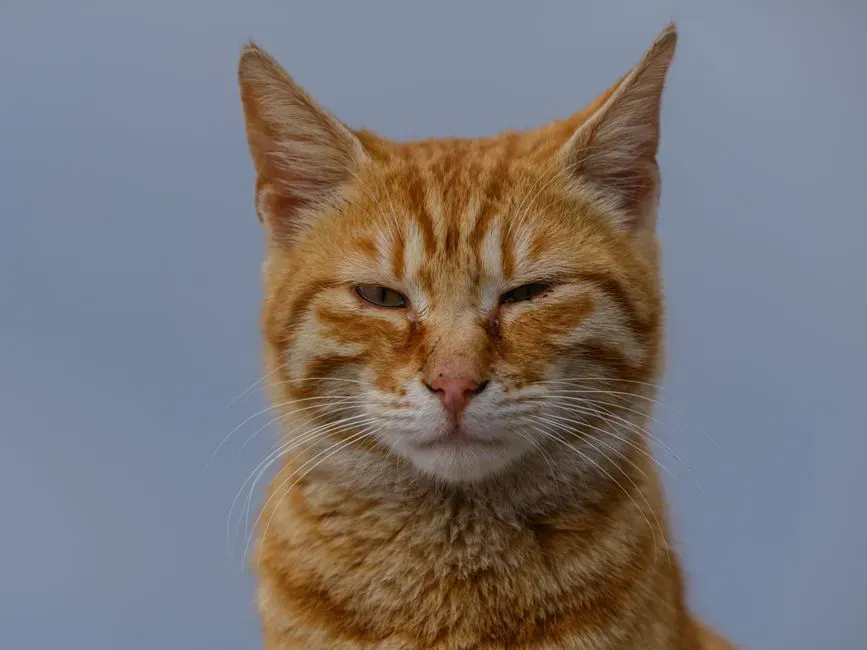
You might think blinking is automatic, but this particular style of blinking is not. To produce a slow blink, your cat has to regulate its facial muscles deliberately, time the closing and opening of the eyes, and match it to the social moment. That is motor control plus emotional regulation plus attention, all working together in a coordinated way.
On top of that, your cat has to read the situation: where you are, what you are doing, whether eye contact feels safe, and whether sending this signal might get a positive response. That means memory, learning, and a kind of social judgment are all involved. When you put it together, the slow-blink starts to look less like an automatic reflex and more like a tiny, mentally demanding social performance.
How Your Cat Learns That Slow-Blinking Works on You
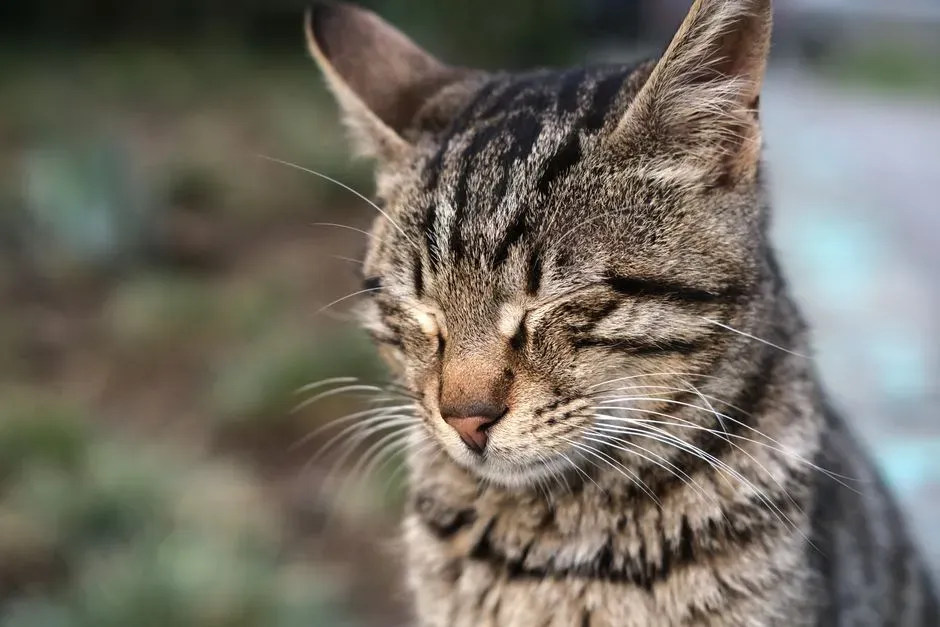
Your cat is constantly running little experiments on you, whether you notice or not. When it slow-blinks and you soften your voice, reach out a gentle hand, or slow-blink back, your cat is quietly storing that information. Over time, it learns that this behavior tends to lead to calm, positive outcomes: petting, treats, or simply no conflict.
This kind of trial-and-error learning is a sign that your cat is not just acting on instinct but adjusting its behavior based on what you do. In a way, your cat is training you while you think you are training it. Each slow-blink that you respond to reinforces its sense that this is a valuable, effective tool in your shared communication toolbox.
What It Means for Your Bond When You Slow-Blink Back
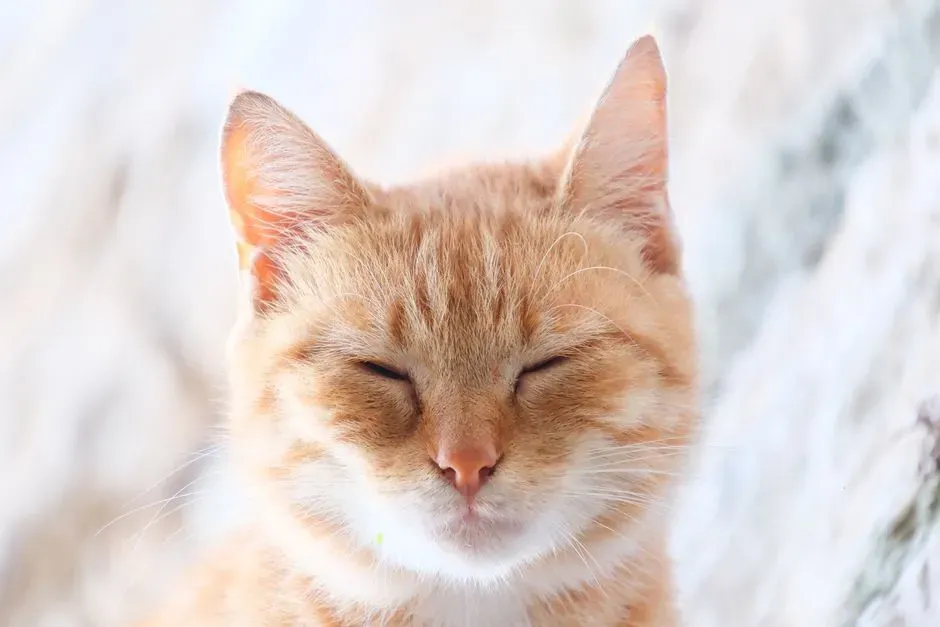
When you respond to your cat’s slow-blink with your own version, you are not just copying it for fun; you are sending a parallel message. You are telling your cat, in eye-language, that you also choose softness over threat. You are doing the visual equivalent of saying that you trust it enough to lower your guard too, even if only for a heartbeat.
Over time, this back-and-forth builds a loop of mutual reassurance. Your cat learns that looking at you does not lead to fear or punishment, but to gentle, predictable interactions. You, in turn, start to feel closer and more attuned, because you can literally see your cat choosing to communicate warmth instead of wariness. That shared ritual can make ordinary moments, like crossing paths in the hallway, feel surprisingly intimate.
How to Use Slow-Blinking to Communicate Better With Your Cat
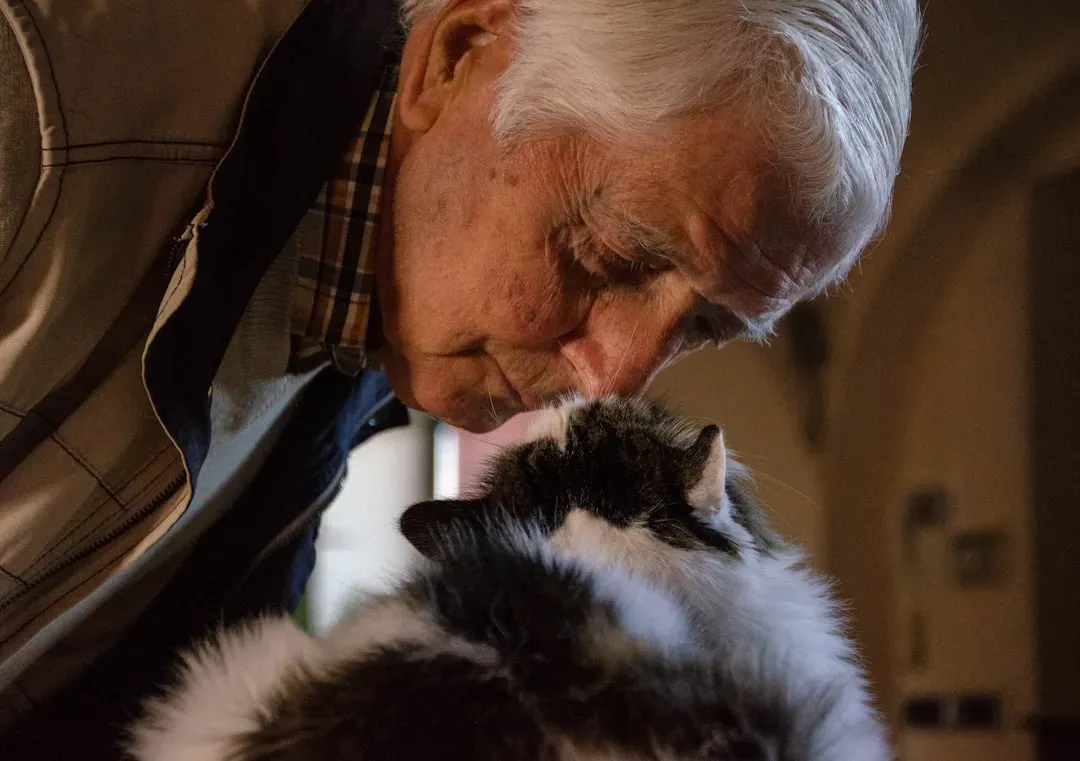
If you want to try this deliberately, start simple: when your cat is looking at you from a comfortable distance, soften your facial muscles, let your eyes meet briefly, then slowly close your eyelids and open them again in a relaxed way. Resist the urge to lean in quickly or call your cat’s name right away; give it a second to process what just happened. You are, in effect, learning to speak a visual dialect your cat already knows.
Watch how your cat responds over several days rather than expecting a big moment right away. Some cats will slow-blink back almost immediately, while others may just relax their body or look away slightly, which can also be a sign of comfort. The key is consistency: if you keep pairing your slow blinks with calm, predictable behavior, you make it easier for your cat to understand that this signal from you is safe and meaningful.
When a Slow-Blink Is Not Just Relaxation but Relief
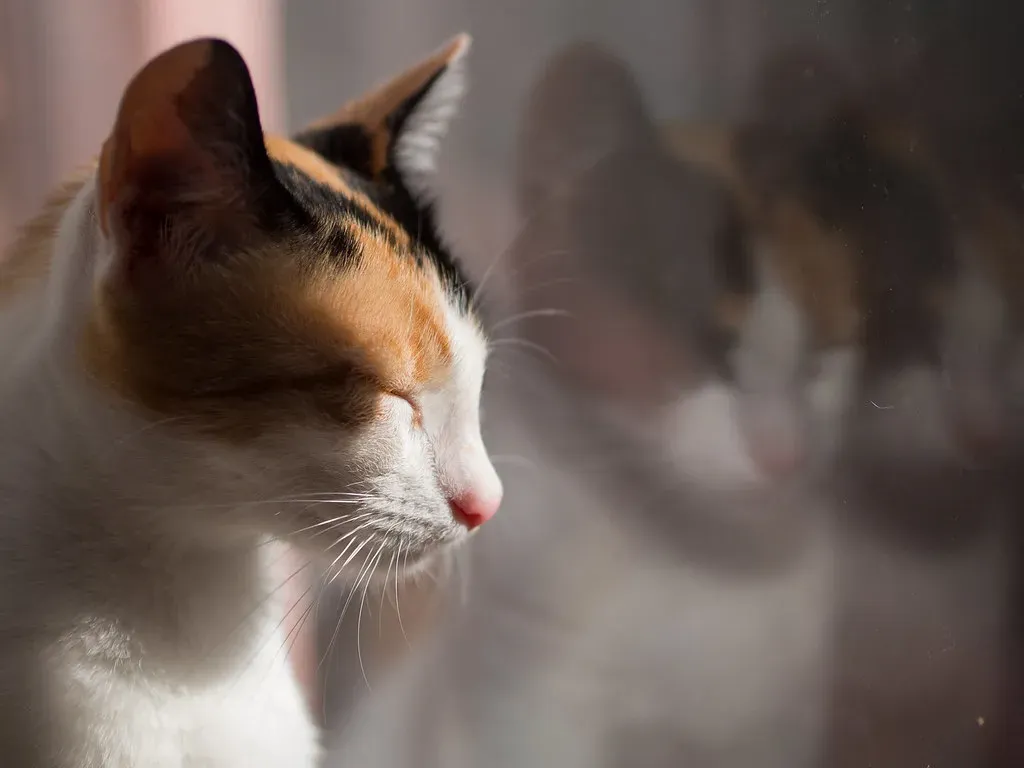
You might notice that your cat slow-blinks more often after something slightly stressful: a visitor leaving, a loud noise fading away, or you returning after a long day out. In those moments, the slow-blink can act almost like an exhale, a way for your cat to reset the emotional temperature and show that it wants things to be peaceful again. It is as if your cat is saying that the tension is over and it is ready to go back to normal.
When you see those relief blinks and respond kindly, you are helping your cat come down from a spike of stress more quickly. That can make your home feel safer and more predictable from your cat’s point of view. Over time, your cat may start to see you not just as a source of food and attention, but as a partner in calming down when the world feels a little too loud or chaotic.
What This Tiny Gesture Reveals About Feline Minds
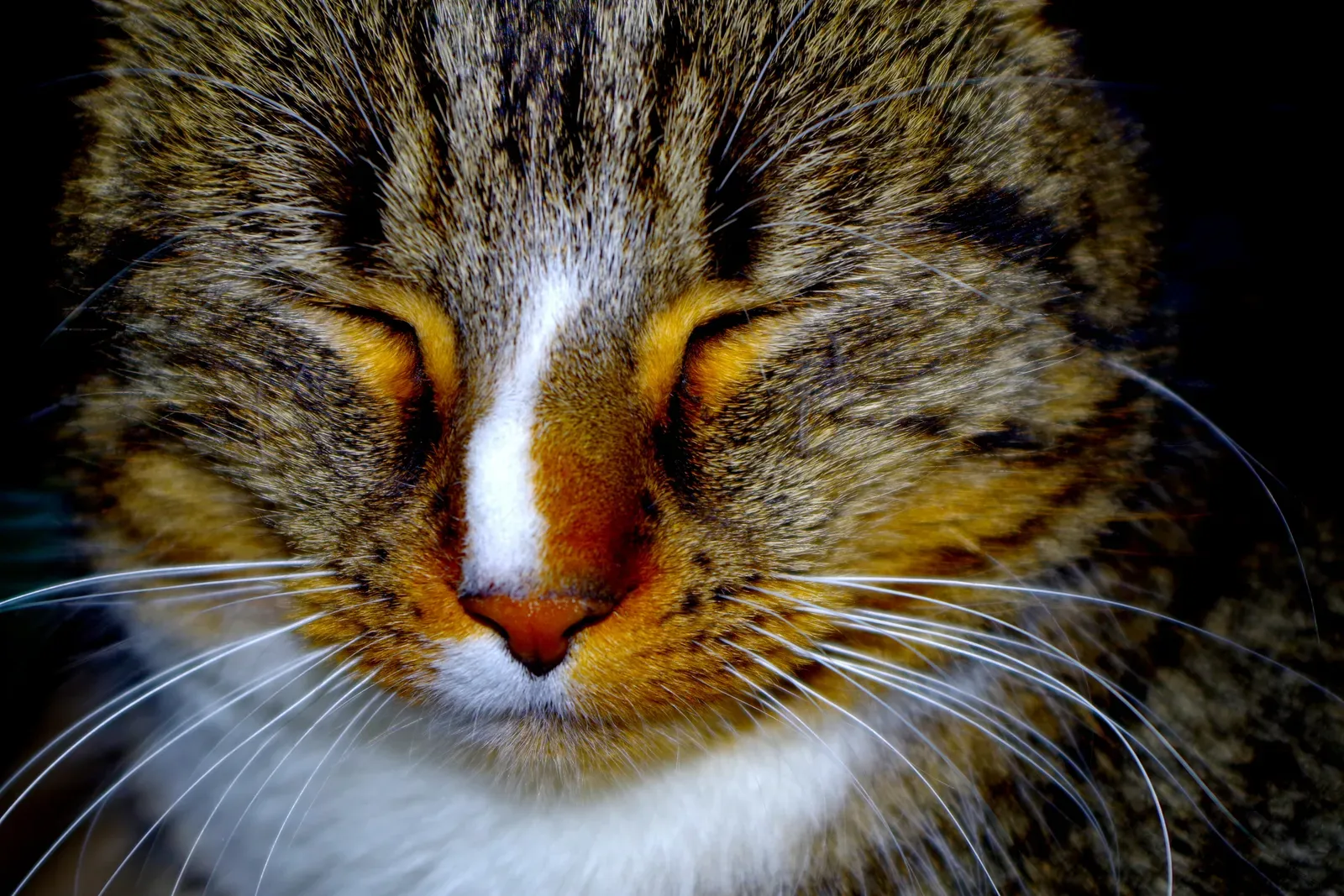
If you zoom out and look at the slow-blink as part of a bigger picture, it points to something deeper about how your cat’s mind works. You are seeing an animal that can read your behavior, weigh social risks, choose to downplay threat, and use a learned signal to influence how you respond. That is not simple reflex; that is flexible, context-dependent thinking.
Once you recognize that, it becomes harder to see your cat as aloof or emotionally blank. The slow-blink is like a small crack in the wall between species, a glimpse of how much is going on that you usually miss. Every time your cat gives you that gentle, lingering eye squeeze, you are watching a brain that is working to maintain a fragile but very real friendship with you.
In the end, that tiny, tender blink is doing more than melting your heart; it is carrying the weight of trust, choice, and mental effort packed into a split second of eye movement. The next time your cat slow-blinks at you, you can answer back knowing you are not just sharing a cute moment, you are taking part in a carefully built, hard-won conversation. And now that you know what is really happening, how could you ever look at that sleepy little squint the same way again?