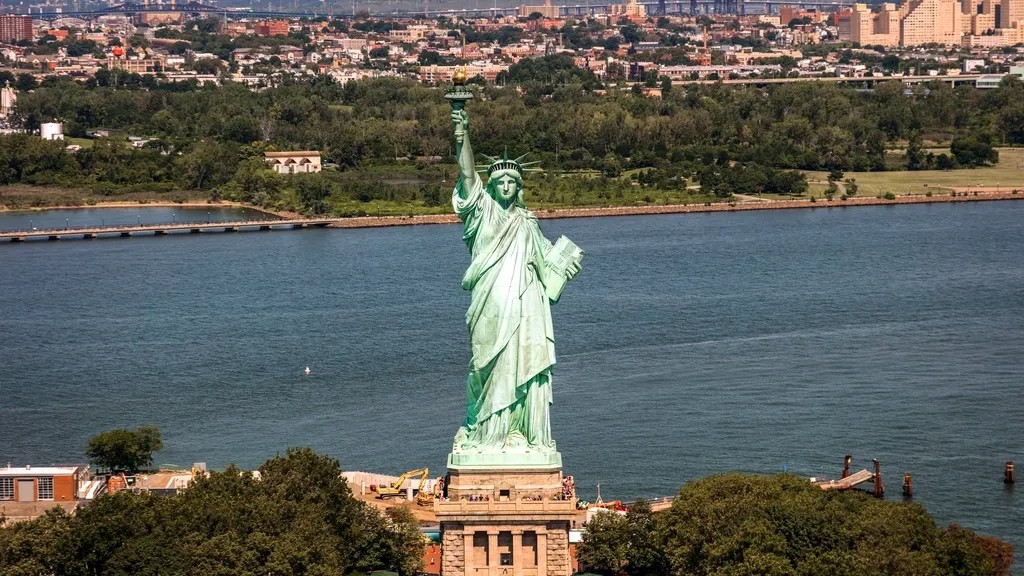
You have probably seen headlines claiming that the Statue of Liberty is sinking several inches every year, as if the entire monument might suddenly disappear beneath New York Harbor. It sounds dramatic, almost like the plot of a disaster movie. But when you look closer at what engineers and geologists actually know about Liberty Island, the real story is more nuanced, more interesting, and in some ways more unsettling than the viral myth.
In reality, engineers have been studying the ground beneath the Statue of Liberty for years, and they are not talking about a neat, dramatic two inches every year. What they see is a complex mix of slow land subsidence, sea level rise, and long-term structural settling that has been building quietly over more than a century. When you understand what is really happening, you start to see the statue not as a frozen symbol in time, but as a living, aging structure that has to keep adapting to a changing world.
The Truth Behind the “Two Inches a Year” Claim
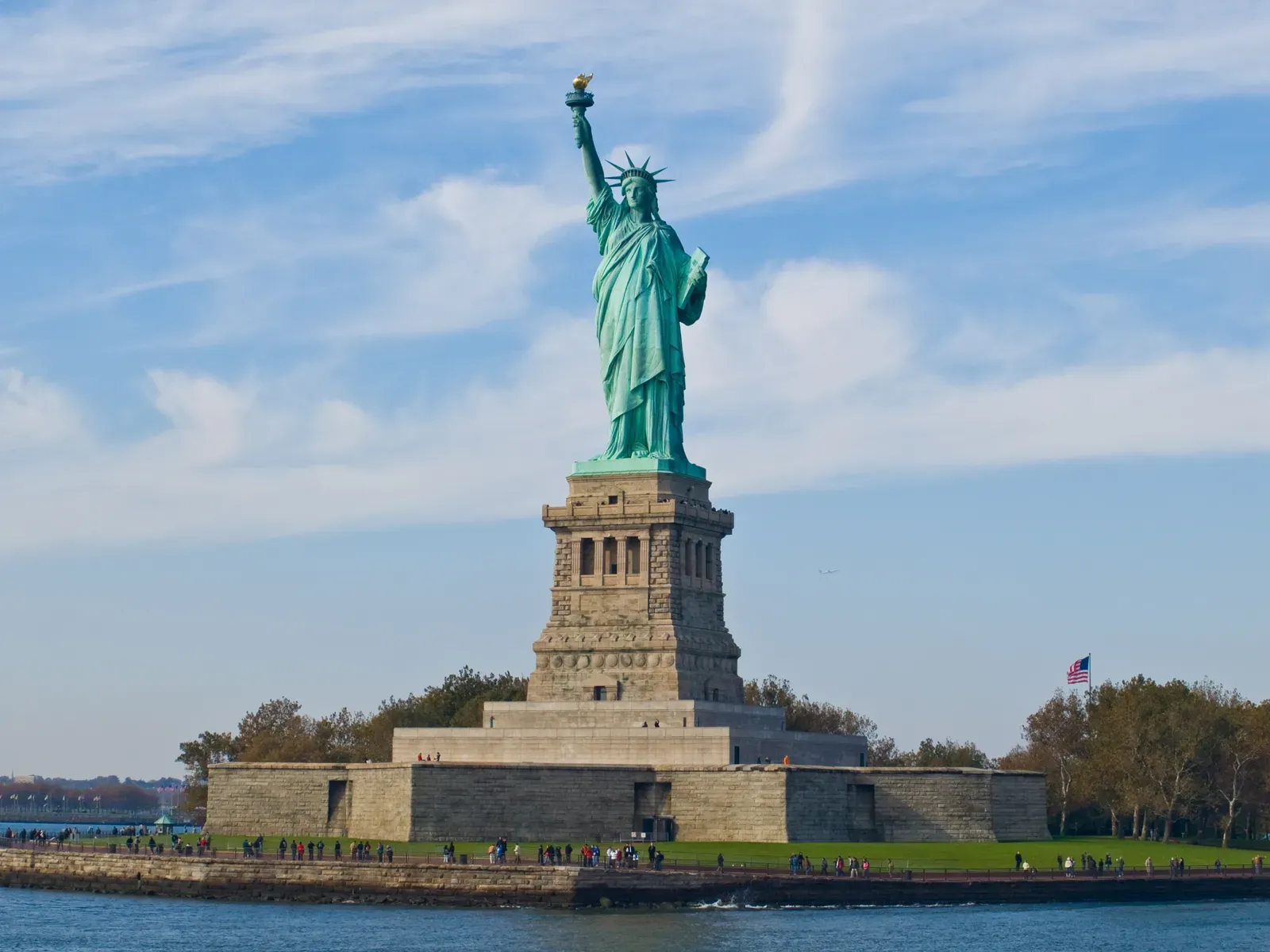
When you hear that the Statue of Liberty is sinking two inches every year, your first instinct might be to imagine the statue visibly dropping, like a slow elevator. That is not what is actually happening on Liberty Island. Engineers and scientists who monitor the monument do not report such a clean, dramatic rate of descent; instead, they describe much smaller, more gradual movements measured in tiny fractions of an inch, mixed with natural land subsidence and sea level changes over decades.
The “two inches a year” phrase tends to come from misunderstandings, exaggerations, or loose comparisons to broader coastal subsidence and sea level rise in the New York City region. When you translate those long-term trends into a scary headline, it is easy for the numbers to get distorted. You are not looking at a monument in imminent danger of vanishing, but you are looking at a structure sitting in a landscape that is slowly shifting and a harbor whose water level is steadily creeping higher.
What Engineers Actually Measure Under Liberty Island
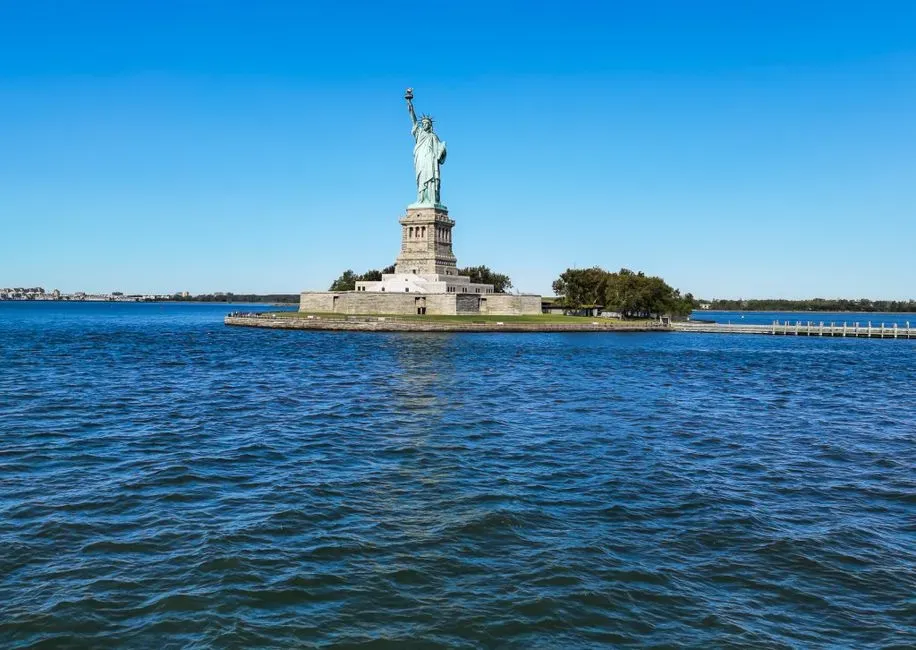
If you could follow an engineer around Liberty Island for a day, you would not see them standing there with a yardstick waiting for the statue to drop. Instead, you would see high-precision instruments, survey markers, and digital monitoring systems that track extremely small movements of the ground and the structure over long periods of time. These tools can detect tiny changes in elevation that are invisible to your eyes but very real to a structural engineer.
What they find is that the island itself rests on a combination of bedrock and fill, and like many coastal locations, it experiences slow subsidence over time. The pedestal and the statue are anchored deep into that underlying rock, which gives the monument remarkable stability. So while there may be minor, gradual settlement and environmental changes, engineers are not logging a clean, uniform two-inch annual drop. They are, instead, mapping a slow, complicated dance between geology, water, and weight.
Why Coastal Land Here Is Slowly Sinking
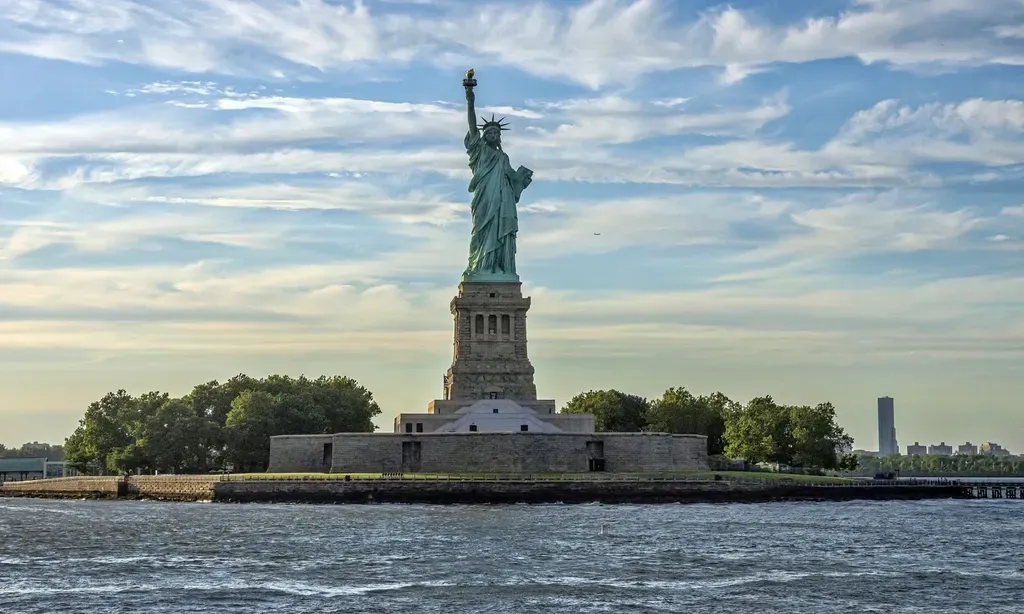
To understand what is happening beneath the Statue of Liberty, you need to zoom out and look at the bigger picture of the U.S. East Coast. Much of this region is slowly subsiding due to long-term geological processes that have been underway since the last ice age. When massive ice sheets melted thousands of years ago, the land they once pressed down began to rebalance; some areas rose, while others, including parts of the Mid-Atlantic and Northeast, started to sink very slowly.
Liberty Island sits in that broader zone of subtle, long-term subsidence, which means the land it occupies is naturally on a very slow downward trend. On top of that, you have decades of human activity in and around New York Harbor, from dredging and construction to changes in groundwater. Each of these factors adds a tiny layer to the story, so when you stand on the island, you are standing on ground shaped by both ancient ice and modern engineering, all moving just enough to matter over generations.
The Hidden Role of Sea Level Rise and Climate Change
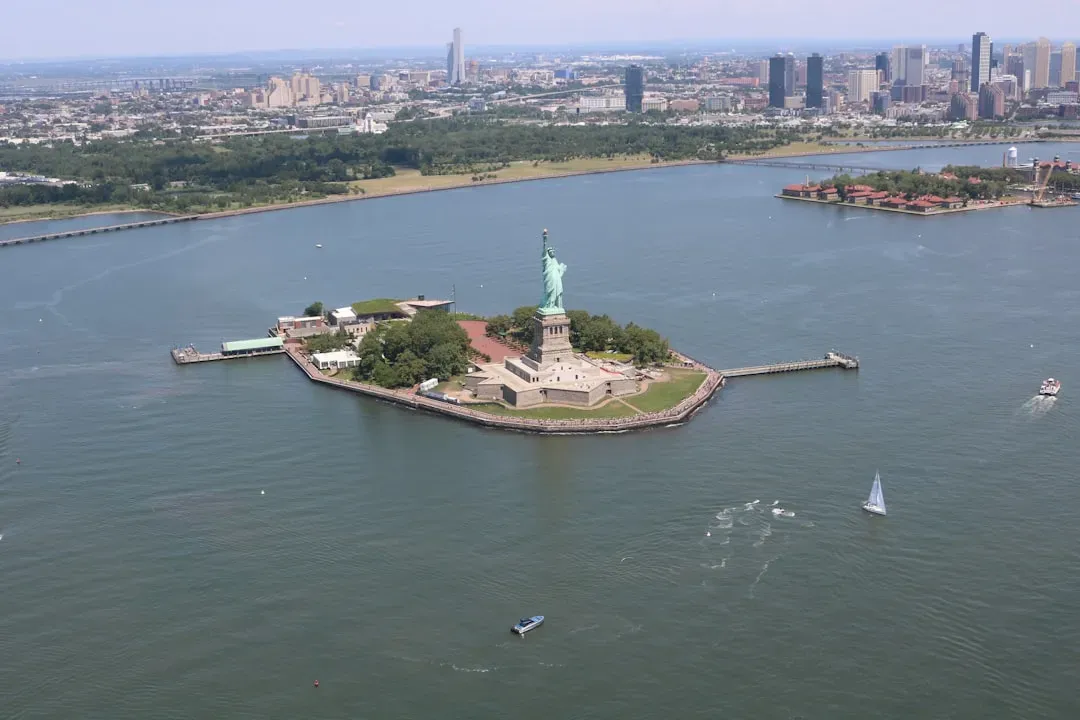
Even if the bedrock under the statue barely moved at all, you would still see a different kind of “sinking”: the water around it is rising. Along the New York and New Jersey coasts, sea levels have been climbing faster than the global average over the past century, driven by a combination of warming oceans and melting land ice. When the water comes up and the land slowly shifts down, your experience is that iconic landmarks like the Statue of Liberty feel lower relative to the sea.
From your perspective as a visitor, you may not notice this from one year to the next, but engineers, planners, and climate scientists do. They model future storm surges, higher tides, and extreme weather events to see how they might reach deeper into the harbor and toward Liberty Island. In that sense, the statue is metaphorically sinking into a rising sea, not plunging straight down into the earth, and that slow, quiet encroachment is one of the big reasons experts are paying such close attention.
How the Statue’s Foundations Keep It Standing Tall
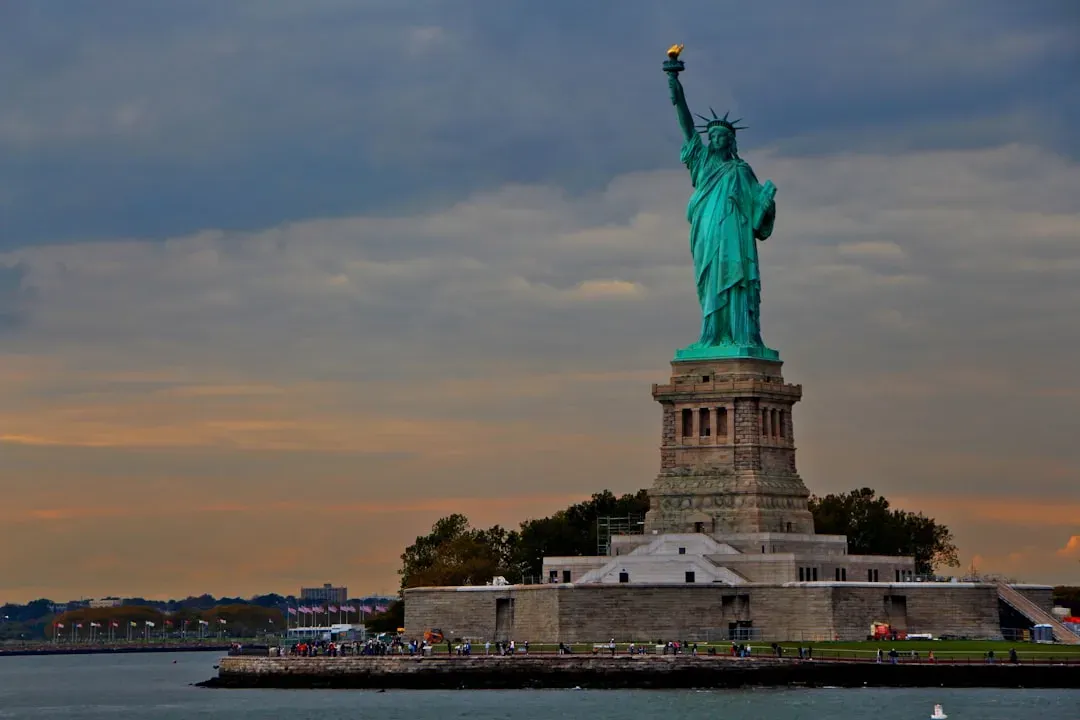
When you picture the Statue of Liberty, you probably think of the torch, the crown, or the robe, not the massive, unseen structure under your feet. Yet the real secret to the statue’s survival is the way its pedestal and internal framework connect to the underlying rock. Engineers in the late nineteenth century designed deep foundations and an internal iron skeleton to distribute the statue’s weight and anchor it against wind, waves, and time.
Over the years, those systems have been studied, repaired, and upgraded to keep the statue stable as conditions around it changed. You benefit from lessons that engineers learned from other tall structures built on challenging ground, like skyscrapers and long-span bridges. So while the land may be shifting very slowly and the sea is rising, the core design was created with resilience in mind, and later generations have strengthened it further with modern materials and protective measures.
New Technology Is Revealing Subtle Movements
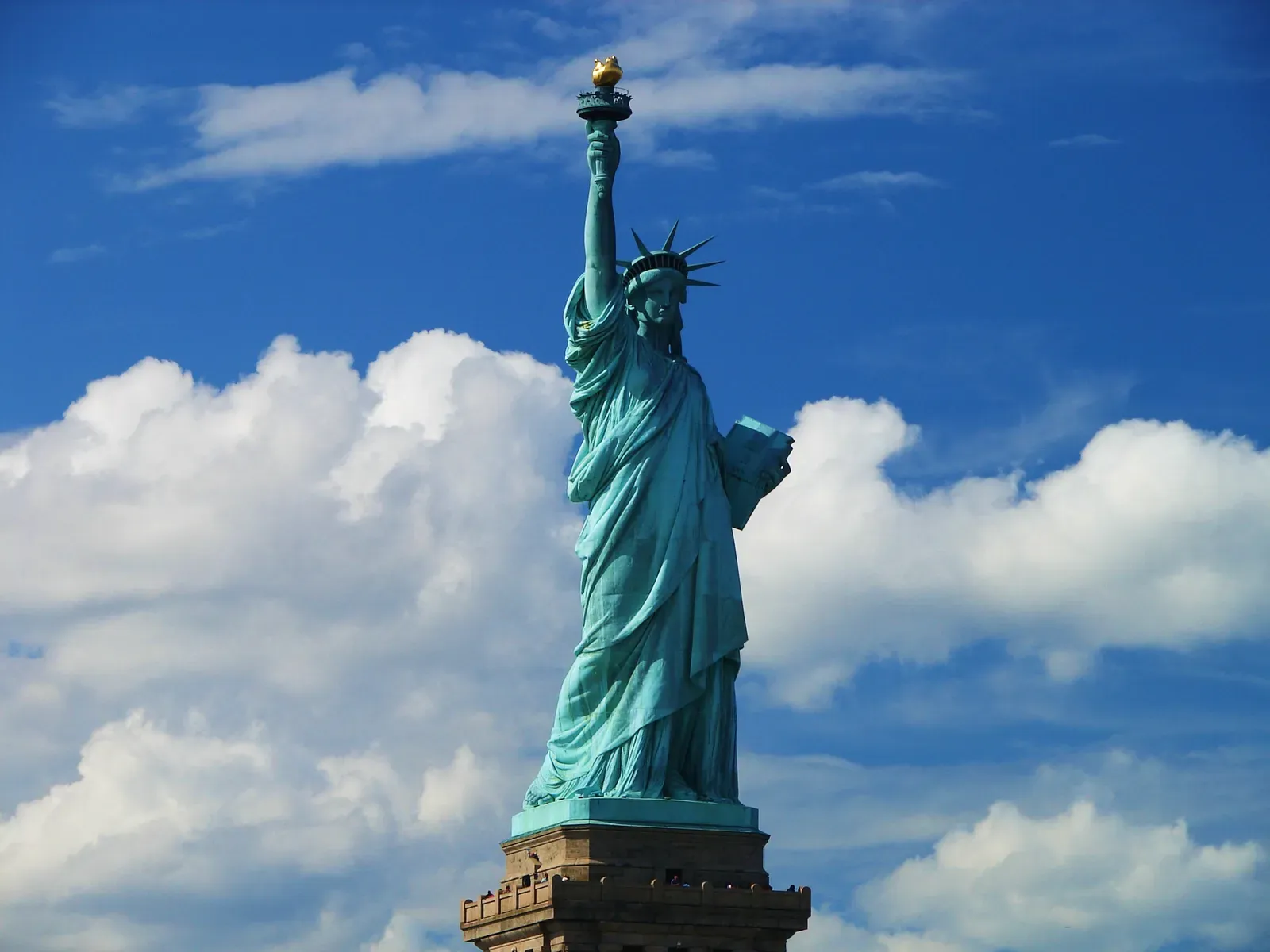
You live in a time when engineers can measure things that their predecessors could only guess at. High-precision GPS, laser scanning, satellite data, and detailed structural monitoring now make it possible to see how monuments like the Statue of Liberty move on scales as small as millimeters. Instead of waiting for visible cracks or obvious tilts, you can spot tiny, early signs of stress or settlement that would once have gone unnoticed.
When new analyses suggest subtle vertical changes or shifts in the surrounding land and water, they do not automatically confirm a sensational two-inch-per-year sink rate. What they do confirm is that the statue exists in a dynamic environment, not on a perfectly fixed stage. You get a clearer, more honest picture: a monument that is remarkably stable for its age and location, but still part of a living, moving coastal system that never completely stands still.
What Engineers Do When a Landmark Slowly Sinks
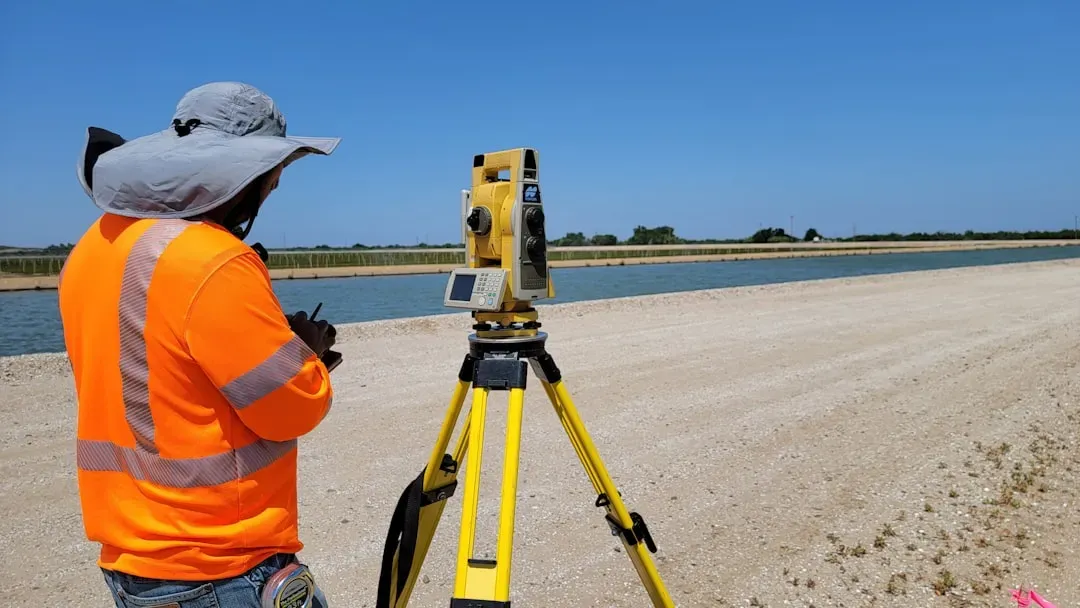
As a visitor, you might assume that if something as famous as the Statue of Liberty were truly sinking at a dangerous rate, there would be panic and dramatic emergency repairs. In reality, engineering responses to slow movement are far more measured and methodical. If monitoring shows concerning trends, experts may reinforce foundations, adjust drainage, improve protective barriers, or redesign access routes well before the public ever senses a problem.
You can think of it like caring for an older building that you want to use forever: you do regular checkups, fix small issues early, and plan ahead for bigger projects. For Liberty Island, that might mean updated sea walls, flood protections, or strengthened support for critical structures as projections for future sea level and storms evolve. Instead of waiting for a dramatic tipping point, engineers treat the monument as something that needs constant, thoughtful attention in a changing climate.
What This Means for You and the Statue’s Future
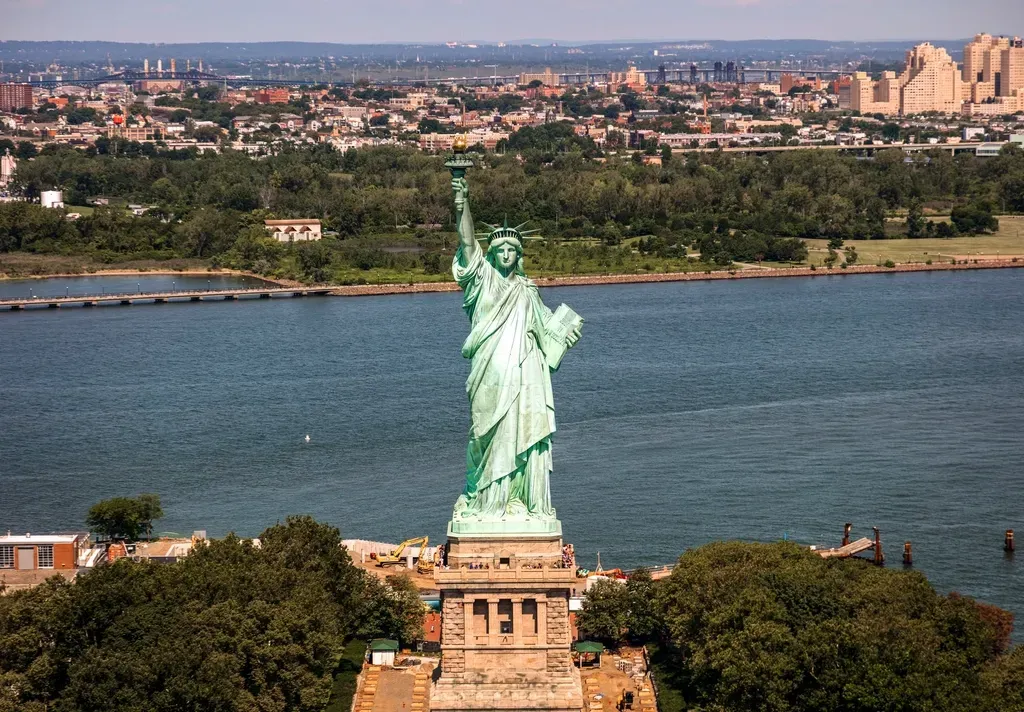
When you put all of this together, the story of the Statue of Liberty “sinking” stops being a simple, terrifying headline and becomes a more realistic, thoughtful lesson in how you live with aging infrastructure on a warming, shifting planet. The statue is not dropping two inches every year into some hidden void, but it is part of a coastal environment where land subsides, seas rise, and extreme weather is becoming more intense. Those forces matter, even if they move slowly and quietly.
For you, this means that every visit to Liberty Island is not just a trip to a historical monument, but a glimpse into how engineers, scientists, and planners manage risk over decades. It is a reminder that symbols of freedom and hope are also physical objects that need maintenance, adaptation, and care. So the next time you see a dramatic claim about the statue sinking, you will know how to look past the numbers and ask the deeper questions about how we protect the things we value. Did you expect the real story to be this subtle and long-term?