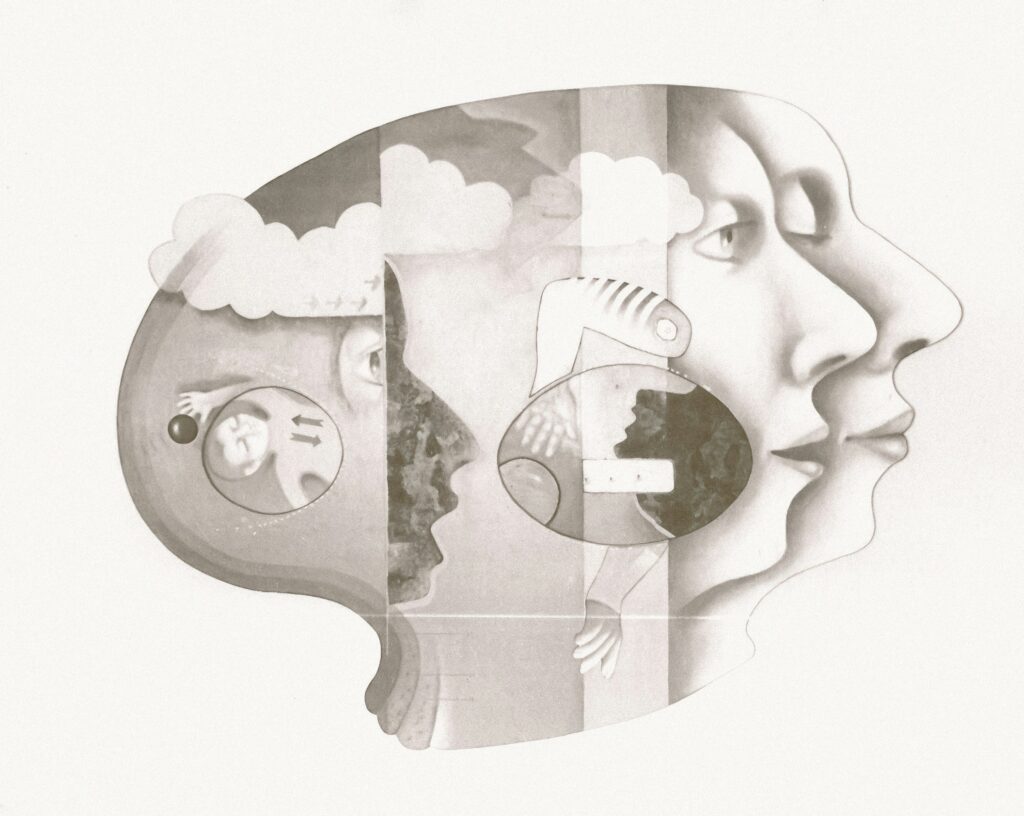
Take a second and look around you. The room you are in, the light on the walls, the sound of your device, maybe the faint hum of traffic outside – it all feels so immediate and solid, as if you are in direct contact with the real world. But modern neuroscience and philosophy of mind are quietly saying something far stranger: your brain may never touch reality itself, only its own best guess about what is out there.
This idea sounds unsettling at first, almost like a plot twist from a sci‑fi movie. Yet it is grounded in serious research on perception, prediction, and the limits of human consciousness. The more scientists study how the brain builds our experience, the clearer it becomes that what we call “the world” is always filtered, edited, and reconstructed inside our skulls. Once you see how deep that goes, it changes how you think about truth, disagreement, and even who you are.
Your Brain Is Not a Camera, It’s a Storyteller
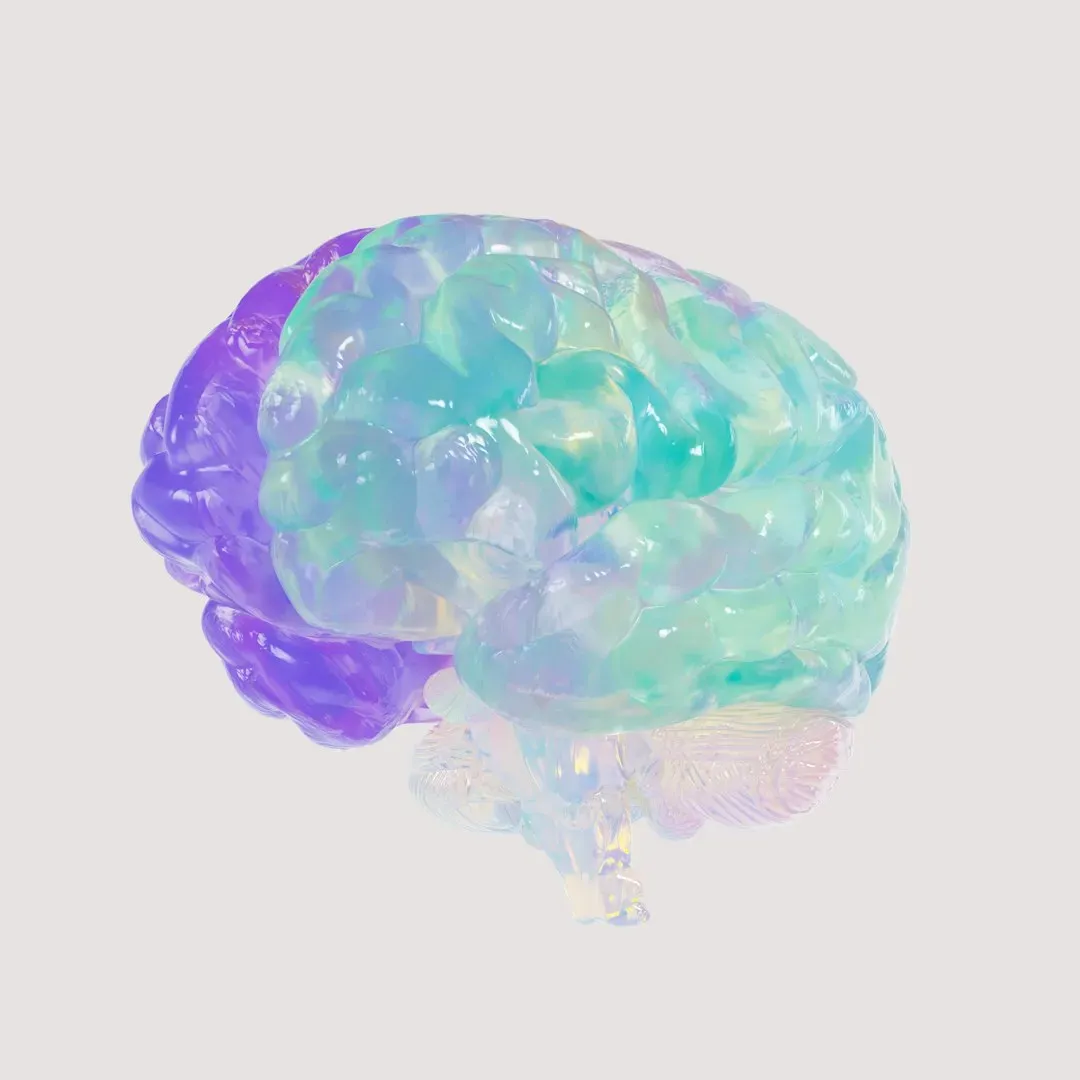
A lot of us grow up imagining perception as something like a camera: light comes in through the eyes, sound through the ears, and the brain simply records what is there. Neuroscience has basically torn that picture to shreds. Instead of passively taking snapshots, the brain is constantly interpreting messy, incomplete signals and stitching them into a coherent story that feels seamless and obvious.
This story-building process is so effective that we forget it is happening. When you see a friend across the street, you do not experience guesses about color, shape, and distance; you just see your friend. Yet under the hood, the brain is adding, removing, and smoothing details in ways you never notice. It fills in blind spots in your vision, stabilizes a world that is actually jerking around every time your eyes move, and resolves ambiguity before it even reaches conscious awareness. What you experience is more like the final cut of a movie, not raw unedited footage.
Reality as a Controlled Hallucination
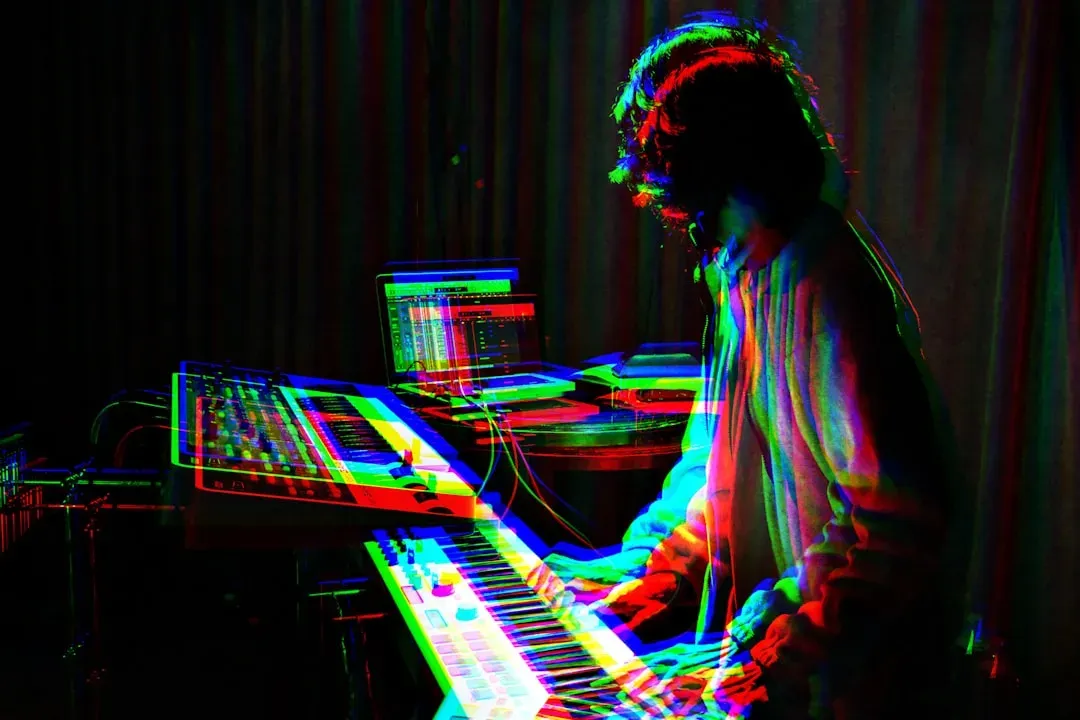
Some consciousness researchers describe perception as a kind of “controlled hallucination” guided by the outside world. That phrase sounds dramatic, but the basic idea is simple: your brain is continuously generating an internal model of what it expects to be there, then updating that model when sensory signals disagree. You perceive the model itself, not the world directly, even though the world constrains and corrects it.
Think about reading a barely legible sign in the distance. Often you “see” the word clearly before the letters are actually clear on your retina, because your brain is predicting what probably fits. Most of the time these predictions are extremely useful and accurate, which is why you can navigate everyday life. But illusions, mishearings, and even certain psychiatric conditions reveal that the brain can also confidently hallucinate things that just are not there. The shocking part is that the same predictive machinery underlies normal perception; it is not a glitch, it is the default.
Optical Illusions: Glitches That Reveal the System
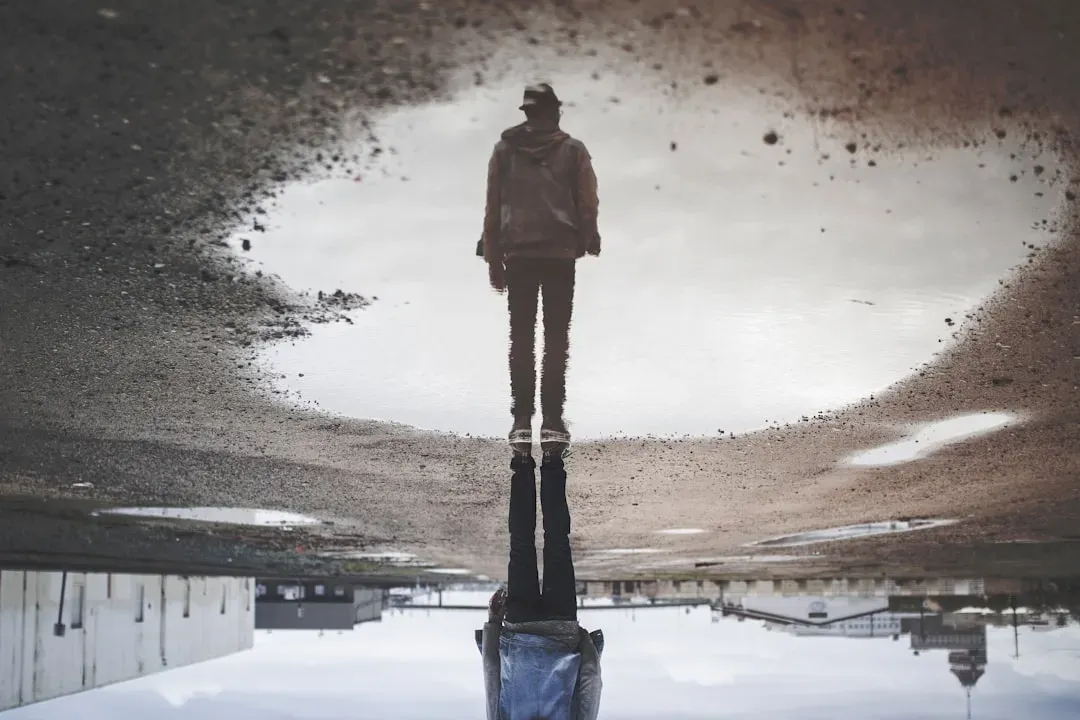
Optical illusions are like cheat codes for understanding how far your experience can drift from physical input. When you see two lines that are physically the same length but one looks longer because of arrowheads or context, your conscious impression contradicts what a ruler would show. The illusion is not just a trick of the eyes; it is a sign that the brain is applying learned rules about perspective and size that usually help but sometimes misfire.
Motion illusions, color afterimages, and those viral “What color is this dress?” photos push the point even further. People with the same kind of eyes, looking at the same image on the same screen, can genuinely see different colors or brightness levels because their brains weight context and assumptions differently. Reality in the physical sense has not changed, but subjective reality has, and that gap exposes how much interpretation stands between the world and what it feels like to perceive it.
Your Past, Culture, and Language Shape What You See
The brain does not generate its model of reality from scratch every moment; it leans heavily on your past experiences. If you have ever tried to learn a new language and suddenly started hearing words where you once heard meaningless noise, you have felt this shift. The sound waves hitting your ears have not changed, but your brain’s interpretations have, and with them your lived experience of reality.
Cultural background and language can even tune basic perception. People raised in environments dominated by straight lines and right angles can be more vulnerable to certain geometric illusions than people raised in natural environments with fewer sharp corners. In that sense, no one experiences a pure, “neutral” world. We all grow a customized version of reality, shaped by our history, our culture, and the concepts our language makes easy or hard to think about.
The Invisible Majority: What You Never Perceive at All
As wild as illusions and biases are, an even more humbling fact is how little of reality we ever access. Human eyes only capture a tiny slice of the electromagnetic spectrum. We cannot see ultraviolet like some insects or infrared like some snakes. Our ears only pick up a narrow band of frequencies, missing both the ultrasounds many animals use and the deep rumbles that travel long distances.
On top of sensory limits, the brain aggressively filters what does arrive. You do not notice your own nose in your visual field, even though it is technically always there. You often fail to see major changes in a scene if they happen during a blink or a brief distraction. Much of the time, the brain chooses stability and simplicity over perfect detail. So even before we talk about distortion, we have to accept that most of physical reality is simply edited out before it ever reaches consciousness.
Disagreements and Conflicts: When Realities Collide
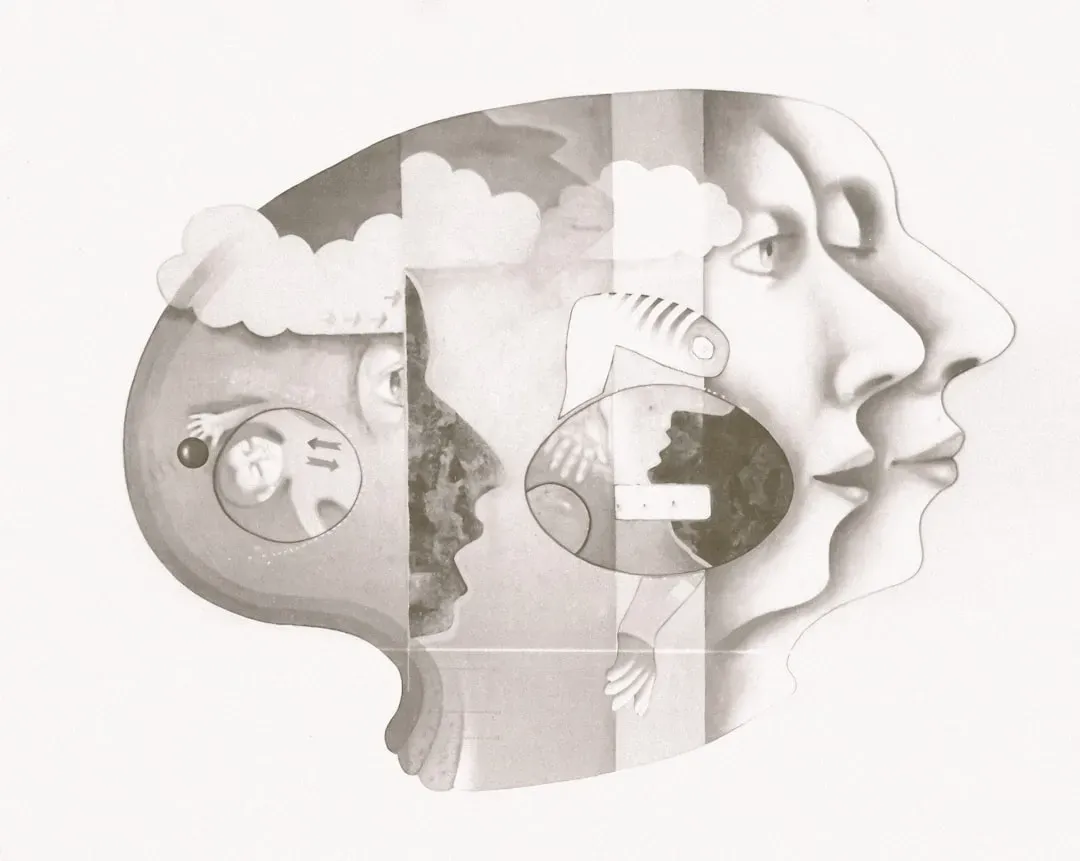
Once you accept that the brain is always constructing a model rather than mirroring the world, everyday conflicts look different. Two people can walk away from the same conversation with genuinely different memories of what was said, not because one is necessarily lying, but because their brains filtered and weighted the experience in different ways. Their internal realities diverged, even though the external situation was shared.
This does not mean everything is totally relative or that facts do not matter. It does mean that our access to those facts is always indirect, always colored by expectations, emotions, and context. In arguments, especially about politics, identity, or values, people are often defending not just opinions but entire constructed worlds that feel obviously true from the inside. Recognizing that has made me a little less surprised when others see things in what feels to me like a completely upside‑down way.
Does an Objective Reality Still Matter?
All this talk about constructed experience raises a huge philosophical question: if we never experience reality exactly as it is, does an objective reality still matter? In science, the working assumption remains that there is a world out there, independent of our minds, that we can learn about through measurement, prediction, and careful testing. The fact that our perception is filtered does not erase that; it just means we need tools, methods, and collaboration to escape our individual biases.
On a personal level, I think it is both sobering and liberating. Sobering, because it forces you to admit that your immediate sense of “how things are” is not a gold standard. Liberating, because it opens the door to curiosity and humility. If your brain is always guessing, then updating those guesses is not a failure; it is the whole game. The external world still anchors what counts as a better or worse guess, even if none of us ever sees it raw.
Conclusion: Living Honestly in a World We Only Ever Approximate

To me, the most honest way to take all this in is not to slide into nihilism or airy spiritual slogans, but to sit with the uncomfortable middle. There is a real world, and it pushes back when we are wrong, yet none of us has unfiltered access to it. Consciousness science is basically telling us that our lives are lived inside a continuously updated best‑effort simulation, tuned by evolution to keep us alive, not to reveal some pristine metaphysical truth.
That can feel unsettling at first, but it is also a call to be more careful and more compassionate. If your brain cannot help but distort and simplify, then checking evidence, listening to others, and staying open to being wrong become moral habits, not just intellectual ones. Personally, I find it strangely beautiful that billions of slightly different internal worlds are all trying to make sense of the same underlying reality. The real question is not whether we see it perfectly – we almost certainly do not – but whether we are willing to refine our illusions together; how much of your reality are you brave enough to question?