Think back to your last birthday. The cake, the people, the music. You probably feel like you’re replaying a video file stored safely in your brain. But what modern neuroscience keeps finding is far stranger: every time you hit play, your brain actually hits edit. Remembering is not a simple replay; it’s a rebuild, and the rebuilt version gets saved over the old one.
That idea sounds a bit unsettling at first. If every memory you recall is quietly rewritten, how much of your past is stable, and how much is a creative remix you happen to believe? The emerging answer is that your brain is less of an archive and more of a live Google Doc, constantly updating in the background. Once you see it this way, everything from childhood nostalgia to therapy to social media arguments starts to look very different.
Remembering Is Not Replaying, It’s Reconstructing
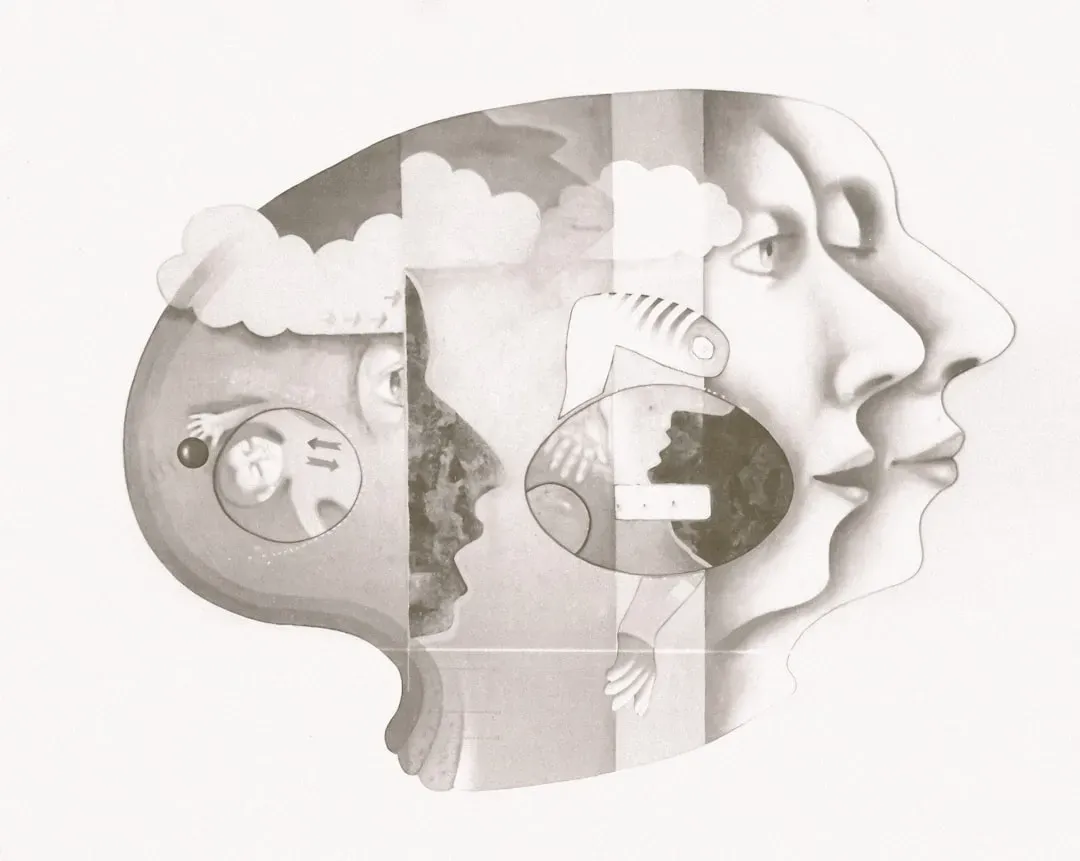
One of the most surprising findings in neuroscience is that memory does not behave like a hard drive. When you recall something, your brain does not pull out a file, show it to you, and then put it back untouched. Instead, it reconstructs the event on the fly from scattered traces stored in different brain regions: sights in one area, sounds in another, emotions somewhere else, all stitched together into a story that feels smooth.
This reconstruction process is powerful, but it comes with a catch: each reconstruction is an opportunity for change. Details can be dropped, sharpened, distorted, or filled in with what seems likely rather than what actually happened. Over time, the version you remember most often can drift away from the original. It still feels authentic, because it matches who you are and what you believe now, but that doesn’t mean it’s historically accurate.
The Science of Reconsolidation: Memories Go “Soft” When You Recall Them

Researchers studying memory reconsolidation have shown that when you recall a memory, it temporarily becomes unstable or “labile.” In this short window, the memory trace can be strengthened, weakened, or altered before it gets stored again. You can think of it like opening a document from a cloud folder: as soon as it’s open, you can tweak it, delete parts, or accidentally save over the original without noticing.
Crucially, this reconsolidation process is not rare or exotic; it seems to be built into how normal memory works. That means the very act of remembering is also an act of rewriting. From an evolutionary point of view, this is actually useful. It lets you update past experiences with new knowledge, so your memories reflect what matters now for survival and decision making, not just a raw dump of what happened years ago.
Why Your Favorite Stories From the Past Keep Getting “Better”

Most of us have that one story we love to tell at parties: the ridiculous trip, the terrible first date, the big win that almost did not happen. Have you noticed that these stories tend to get sharper, funnier, or more dramatic over the years? That is reconsolidation at work, shaped by repetition and audience reaction. Each time you tell the story, you emphasize the parts that land well and quietly trim the parts that do not.
Over time, the polished version is what gets stored, and the messier original fades. You are not deliberately lying; your brain is just optimizing for coherence and impact instead of perfect accuracy. It is like editing a photo with slightly stronger filters every time you post it. Eventually the edited version is the one you recognize as “real,” even though the raw image looked different.
Emotion: The Silent Editor That Rewrites Your Past

Emotions play a huge role in how memories are rewritten. When you recall something while feeling intense emotion – joy, anger, fear, shame – that emotional state can bleed into the memory itself. If you revisit an old event while you are anxious, your brain may tag that memory with more threat and tension than it originally had, so the next time you recall it, it already feels heavier.
The reverse can happen too. If you process a painful experience in a safe, supportive context, your brain can rewrite the memory with less fear and more perspective. The facts might remain similar, but the emotional charge changes. This is one reason therapy can be so powerful: you are not erasing the past, but you are literally recoding how your brain stores it. The story is the same, yet it feels less like a wound and more like a chapter you survived.
Why Eyewitness Testimony Is So Unreliable (Even When People Are Sure)
Legal systems have long treated eyewitness memories as solid evidence, but neuroscience paints a far more fragile picture. When someone witnesses a crime, their first memory is already incomplete and biased by attention and stress. Each time they talk to police, lawyers, or friends, that memory is recalled and reconsolidated. New details can creep in from suggestions, leading questions, or even media coverage, and those additions can feel just as real as what they actually saw.
What makes this especially tricky is that confidence is not a reliable guide to accuracy. People can be absolutely certain about memories that are heavily rewritten. Their brains have simply re-stored the updated version so many times that it feels unshakable. From the inside, it feels like remembering; from the outside, it is closer to collaborative storytelling shaped by context, emotion, and social pressure.
Memory as a Self-Portrait: How Rewriting Shapes Who You Think You Are

Our sense of identity depends on the stories we tell about our lives: what kind of child we were, what we overcame, what we usually do in hard situations. Because memories are constantly rewritten, those stories are not fixed; they are under ongoing revision. If you think of yourself as “the shy one,” you might unconsciously highlight and reinforce shy moments from the past, while downplaying bolder ones that do not fit the brand.
Over time, your remembered past starts to match your current self-image, and that, in turn, influences how you act. It is a feedback loop: your current identity edits your memories, and those edited memories support your identity. This can trap you in an old narrative, but it also means change is possible. If you begin to experiment with a new story about yourself – more capable, more resilient, more curious – your brain can gradually backfill the past in a way that makes that new self feel more believable.
The Upside: Using a Rewriteable Brain to Heal and Grow

At first, the idea that every recalled memory is quietly rewritten can feel like a glitch in the system, as if you can never fully trust your own mind. But there is a huge upside: what is malleable can be reshaped. Therapies for trauma and anxiety increasingly lean on reconsolidation, deliberately bringing up painful memories in controlled conditions so they can be stored again with less terror and more safety wrapped around them.
Even outside therapy, you do this on a smaller scale all the time. When you talk with a friend about something hard that happened, you are not just venting; you are collaborating on a new version of that memory. You might keep the core facts but change the meaning – from “I failed” to “I learned,” from “I was abandoned” to “I got through it on my own.” Those meaning shifts are not just poetic; they are literally being written into the way your brain stores the past.
Conclusion: A Past That Moves With You
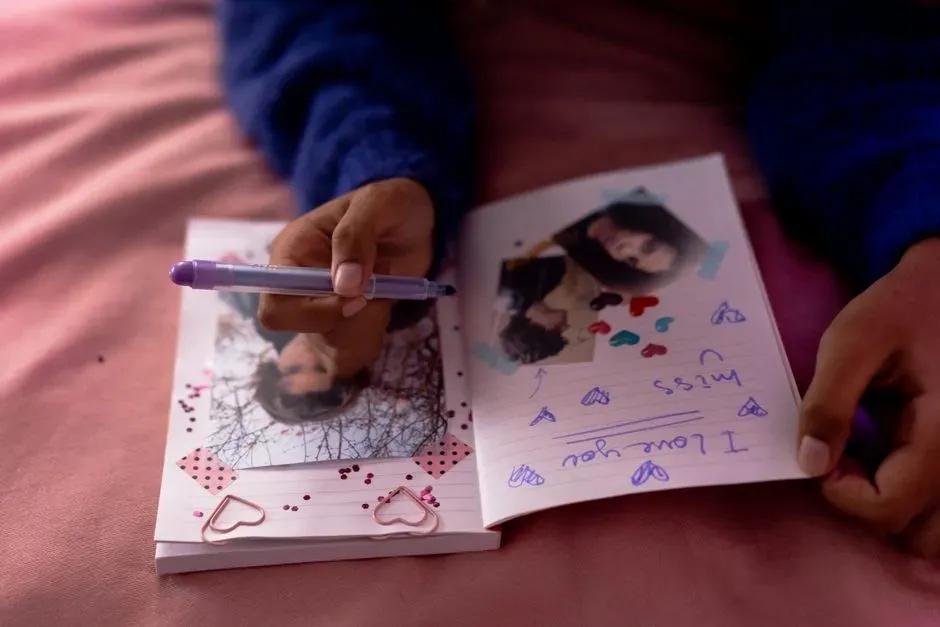
I think the most honest way to see memory is not as a courtroom record but as a living scrapbook that you keep rearranging. Your brain is less a neutral archivist and more an overzealous editor, always trying to make your life story fit what you believe, what you feel, and what you need right now. That means parts of your remembered past will always be a bit wrong in the literal sense, but sometimes more right in the psychological sense.
Personally, I find that both unsettling and strangely hopeful. If every memory you recall is quietly rewritten, then you are not chained to a rigid, unforgiving past; you are in an ongoing negotiation with it. The risk is that you can lock yourself into a limiting story without realizing it; the opportunity is that you can also sculpt a kinder, truer one. Knowing that your brain is constantly revising the script, what stories about your past are you willing to rewrite on purpose?