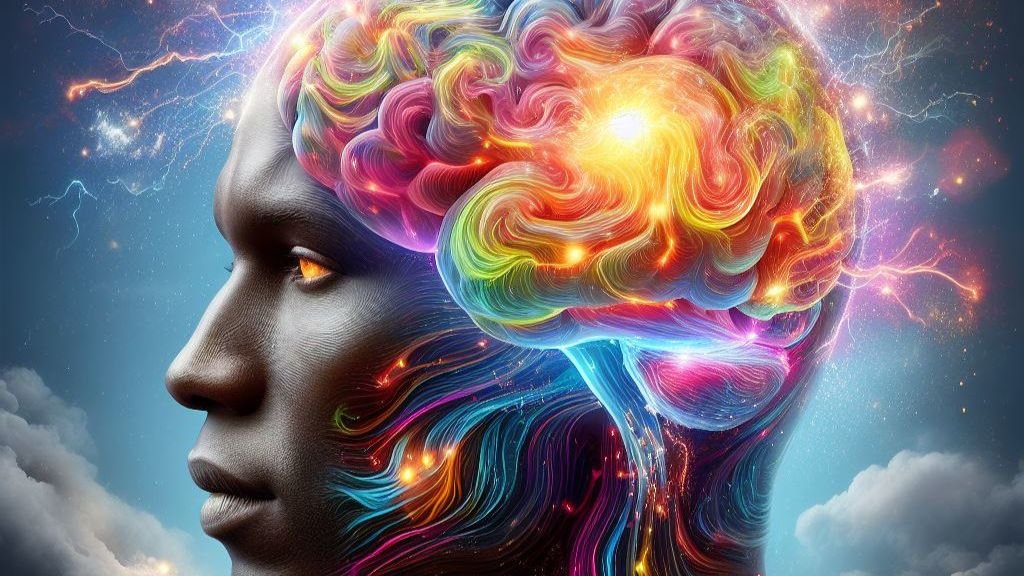

What if your thoughts weren’t just electrical spikes in neurons, but ripples in an invisible electromagnetic sea inside your skull? That’s the bold claim behind a renewed wave of interest in electromagnetic field (EMF) theories of consciousness, highlighted in March 2025 coverage by Popular Mechanics. Instead of treating the brain like a simple wiring diagram, this view says the real story may lie in the collective fields generated when billions of neurons fire together.
For decades, most neuroscientists have focused on synapses, spikes, and chemical messengers. EMF-based ideas were often pushed to the margins, dismissed as too speculative or impossible to truly test. Now, as new tools for measuring and modeling brain fields improve, a small but persistent group of researchers is insisting we look again. The question they are asking is disarmingly simple: if the brain is drenched in its own electromagnetic activity, why assume that activity is irrelevant to what it feels like to be you?
How Your Brain’s Electric Storm Creates Invisible Fields
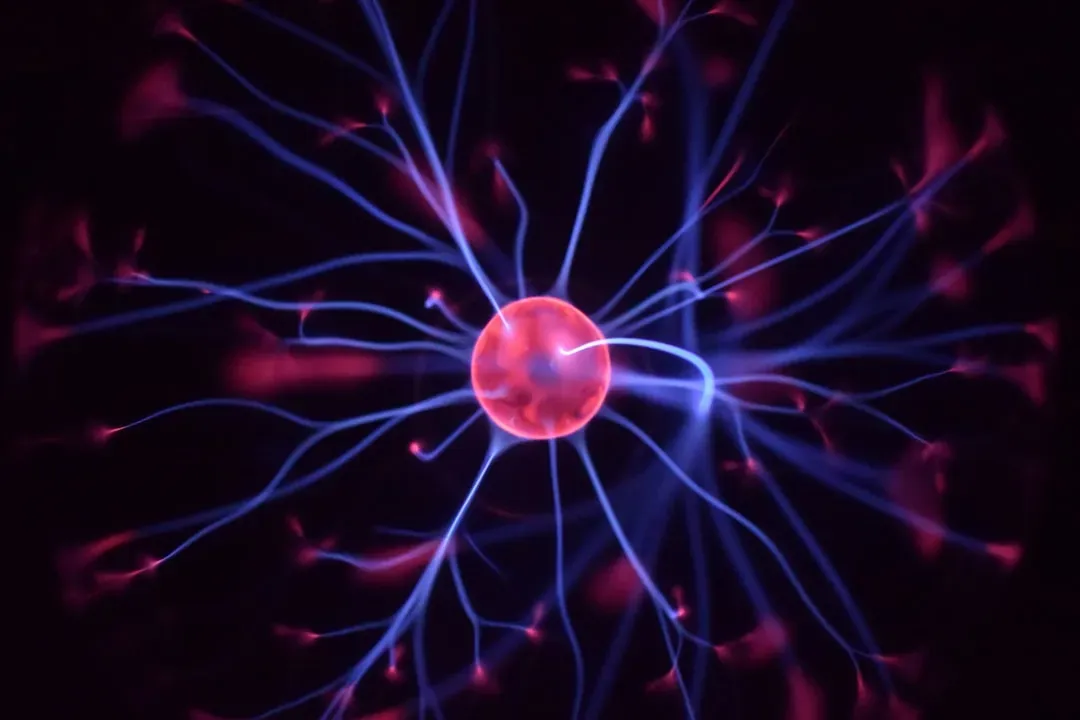
Every time a neuron fires, tiny electrical currents flow across its membrane, and those currents generate electromagnetic fields, just like a microscopic antenna. When only a few neurons fire, those fields are weak and scattered. But in a living brain, countless neurons fire in synchronized patterns, producing overlapping fields that can, in principle, combine into much stronger, more structured EM landscapes. This is not mystical; it is just Maxwell’s equations happening inside your head.
We already measure echoes of this activity in techniques like electroencephalography (EEG) and magnetoencephalography (MEG), which pick up collective electrical and magnetic signals from the scalp. Those wave patterns change with sleep, anesthesia, seizures, and attention. EMF theorists argue that instead of seeing those patterns as by-products of deeper processes, we should consider them possible players: not just readouts of consciousness, but partial carriers of it. In other words, the waves might matter as much as the wires.
Why Membranes May Be the Secret Interface of Mind and Matter
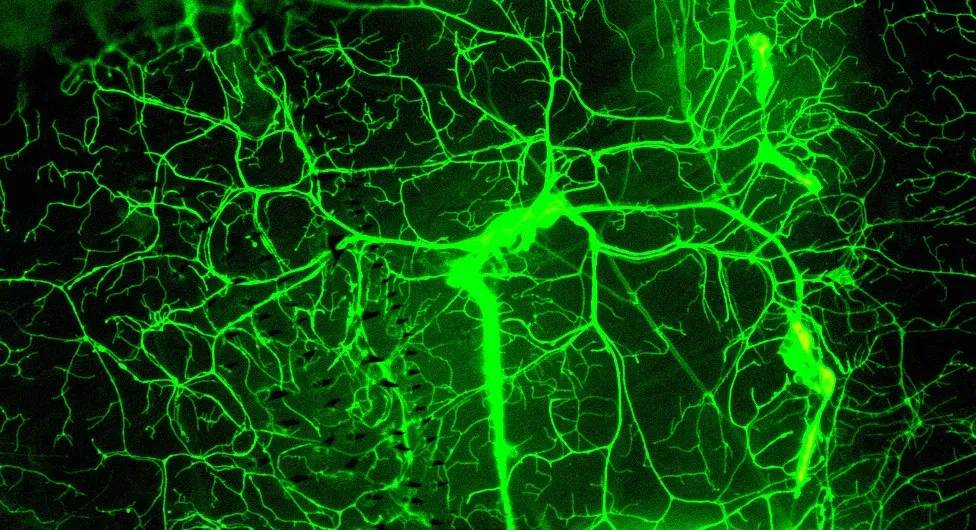
The Popular Mechanics report draws particular attention to cell membranes, the delicate fatty layers that wrap every neuron and glial cell. These membranes are not passive walls; they are charged, polarized structures that maintain voltage differences between the inside and outside of the cell. When neurons fire, those voltages shift rapidly, causing local changes in the surrounding electromagnetic field. That means every tiny patch of membrane is an active participant in shaping the brain’s EM environment.
Some scientists suggest that these membranes could be where the rubber meets the road between physical fields and subjective experience. Instead of consciousness being stored in some mysterious “soul spot,” it might emerge from the way EM fields interact with countless membrane-bound proteins, channels, and receptors. In this view, membranes act like the shoreline where the waves of the field constantly crash into the machinery of the cell. The theory is still highly speculative, but it offers a concrete location in the brain’s hardware for abstract ideas about fields and awareness to meet.
The Scientists Reviving Electromagnetic Theories of Mind
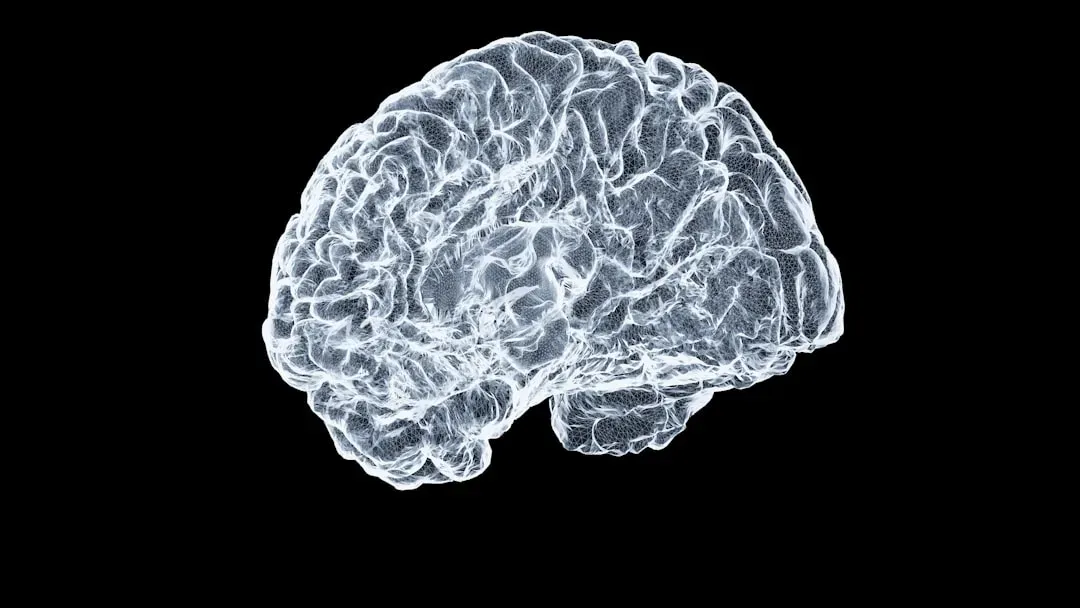
Electromagnetic field theories of consciousness are not brand new. Over the past two decades, a handful of researchers have argued that brain-generated fields could be central to understanding awareness. What is changing now is the level of attention and technical seriousness these ideas are getting. As brain-imaging, computational modeling, and biophysics have all advanced, it has become easier to propose specific, testable mechanisms instead of vague metaphors.
The scientists working in this area come from a mix of disciplines: theoretical neuroscience, physics, biophysics, and even philosophy of mind. Many of them share a frustration with purely computational accounts that treat neurons as digital switches. They argue that such models quietly ignore the continuous, analog, field-based side of brain function. Even if this camp is still very much a minority, its growing visibility in mainstream outlets shows that EM-based ideas are no longer automatically dismissed as fringe. They are controversial, yes, but they are at least being heard.
How EMF Theories Challenge Traditional Neuroscience

Conventional neuroscience tends to see neurons as nodes exchanging discrete signals through synapses, like a giant, messy circuit board. In that picture, consciousness emerges from information processing: patterns of spikes, network connectivity, and learning rules. Electromagnetic theories do not necessarily reject all this, but they say it is incomplete. They suggest that the brain’s own physical fields knit together the activity of billions of neurons into a unified, global experience.
This runs straight into one of the hardest puzzles in neuroscience: how separate neural events come together into a single, coherent “now.” If consciousness is spread across distant brain regions, something must bind them into a unified moment. EMF theorists argue that fields are naturally holistic: a field at any instant spans a region, not a single point. That property could, in principle, help explain why we experience a single scene, not millions of disjointed micro-events. Critics respond that this is more poetry than proof, but it does highlight a gap that mainstream theories still struggle to close.
The Evidence So Far: Intriguing Correlations, Not Proof
Despite its intuitive appeal, electromagnetic consciousness theory is far from settled science. Today, most of the evidence is indirect. We know that changes in brain electrical activity tightly track changes in consciousness: during deep anesthesia, coma, or certain epileptic seizures, large-scale electrical patterns collapse or become overly synchronized. When people wake, focus, or dream vividly, those patterns become rich, complex, and differentiated. That correlation is undeniable, but correlation alone does not settle the direction of causation.
Some animal and human studies have tried to nudge brain fields directly, using techniques like transcranial magnetic stimulation (TMS) or electric field stimulation, and then watching how perception shifts. These methods show that tweaking fields can disrupt speech, trigger flashes of light, or distort timing and motion judgments. Yet even here, skeptics argue that what is being changed is still just neuronal firing, with fields as intermediaries, not the main event. The current state of the evidence is tantalizing but thin: enough to keep the conversation alive, not enough to claim victory.
Why This Debate Matters Beyond Abstract Philosophy
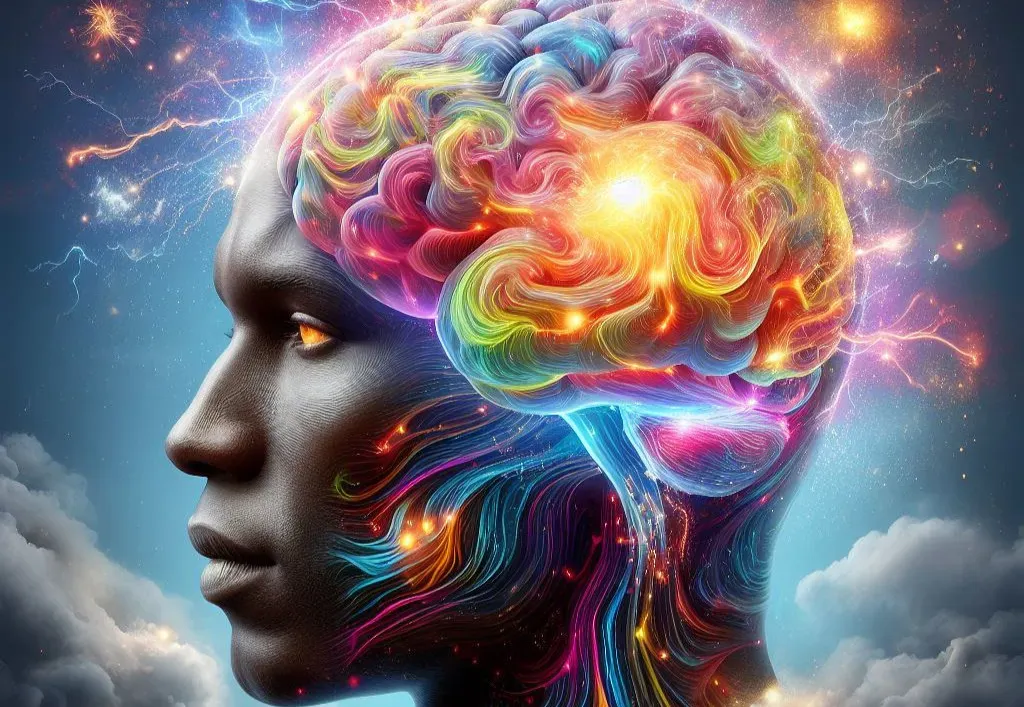
It might sound like an ivory-tower debate, but the stakes are real. If electromagnetic fields and membranes truly play a central role in consciousness, then the way we design drugs, brain implants, and noninvasive therapies may need to change. Instead of only targeting synapses and neurotransmitters, we might aim to tune field dynamics or membrane properties directly. That could open new paths for treating conditions like depression, chronic pain, or disorders of consciousness where conventional approaches hit a wall.
There are also implications for artificial intelligence and brain-inspired computing. If fields and biological membranes are crucial, then purely digital machines that shuffle symbols may never have experiences in the way we do. Consciousness would not be something you get for free by stacking more processors; it would depend on specific physical conditions that silicon chips do not meet. That’s a confronting possibility in a world racing to build ever smarter systems. It forces a tough question: are we simulating intelligence, or are we actually reproducing the physical ingredients of experience?
My Take: A Beautiful Idea That Still Has to Earn Its Place

I find the electromagnetic field view of consciousness both captivating and humbling. Captivating, because it reframes the brain as more than a tangle of wires, instead as a humming, dynamic field generator whose invisible patterns might be tied to what it feels like to be alive. Humbling, because for all the elegant diagrams and confident arguments, we still lack decisive experiments that say, clearly, fields are not just side effects but causal players. At this point, claiming certainty one way or the other feels more like belief than science.
In my view, EMF theories deserve a real seat at the table, not because they are obviously right, but because our current understanding of consciousness is obviously incomplete. If nothing else, they push researchers to look beyond synapses and spike trains and to take the brain’s full physical reality seriously, membranes and fields included. Maybe, years from now, we will look back at this period as the moment we started to see the brain not as a static circuit but as a living storm of fields and matter intertwined. Or maybe we will find that fields mattered less than we hoped, and the real answer lies elsewhere. Which way would you bet today?