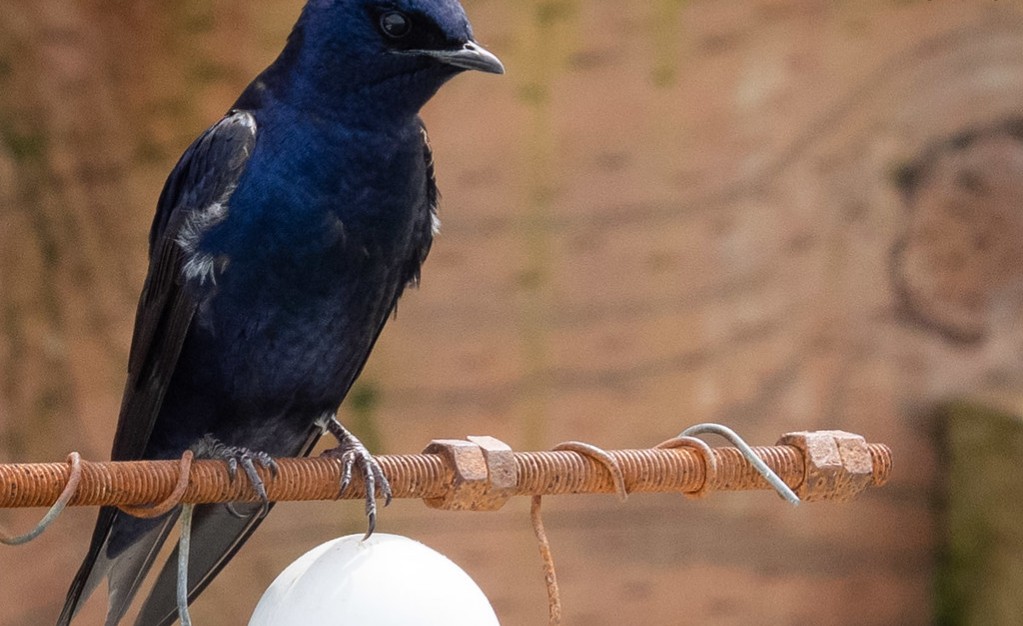

If you hang a cluster of white gourds or a “martin mansion” in your yard, you’re not just decorating the view – you’re stepping into a centuries‑long partnership between people and one of North America’s most beloved swallows. Purple martins in the eastern half of the continent now rely almost entirely on human‑made housing, a relationship so tight that without you and other “landlords,” huge parts of their range would simply fall silent each summer. That’s both inspiring and a little bit sobering.
As you get to know these birds better, you start to realize that a purple martin colony is more like a tiny neighborhood you manage than a simple birdhouse. You influence where they nest, how safe they are, how many young they raise, and even whether their species can hold its ground in a changing world. The facts below will show you just how deeply these birds depend on you – and how much joy, drama, and wild beauty you get in return.
1. In Much of the East, Purple Martins Literally Cannot Nest Without You
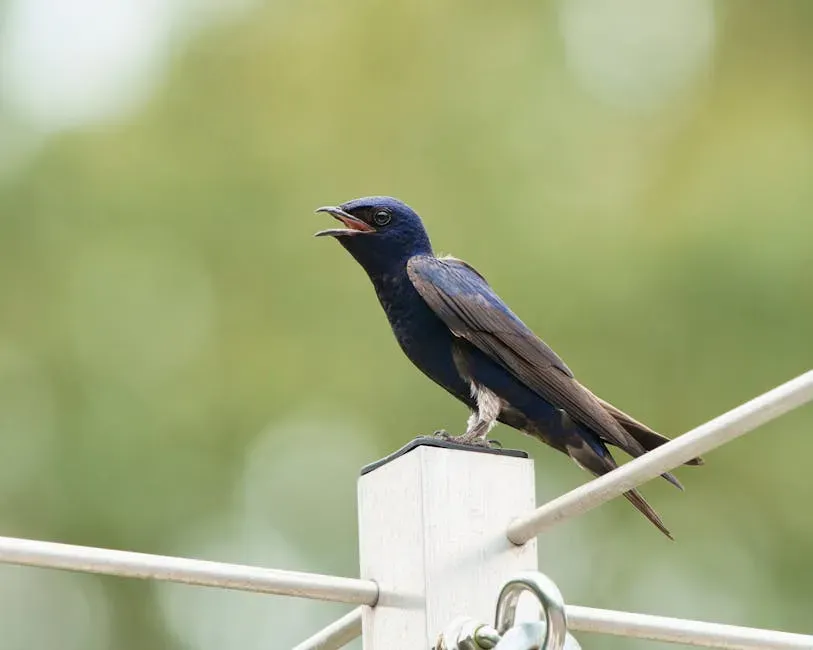
If you live east of the Rocky Mountains, almost every purple martin you see was born in a man‑made cavity – gourd, house, or compartment that someone like you put up and maintains. Over generations, these birds have shifted almost completely away from natural cavities in old trees to boxes and gourds provided by people, to the point that wild cavity colonies in the East are now vanishingly rare. In practical terms, that means if humans stopped offering housing across this region, martins would rapidly disappear from huge stretches of their current breeding range.
This dependency did not happen overnight. As forests were cut and old, snag‑filled woodlands disappeared, martins lost most of their traditional nesting options, while invasive house sparrows and European starlings muscled into the few cavities that remained. At the same time, generous people kept putting up martin houses and gourds year after year, and martins imprinted on those sites instead of on natural ones. Now you’re part of that long chain: when you erect a proper martin house, you’re not just inviting birds – you’re literally keeping a regional tradition of survival going.
2. Native Peoples Started the “Human Housing” Habit Long Before Suburbs Existed
When you hoist a rack of gourds or a gleaming aluminum “condo,” you’re echoing an idea that goes back long before lawn chairs and backyard grills. Indigenous communities in eastern North America, including the Cherokee and other nations, discovered that martins were helpful neighbors that alerted them to danger and ate flying insects around their settlements. To encourage them, they hung hollowed‑out gourds on poles and snags near villages, creating early “apartment complexes” that martins eagerly used. Over many generations, birds that chose these safer, predictable human‑made options raised more young than birds still struggling for scarce natural cavities.
By the time European settlers expanded across the continent, martins were already strongly tied to people and their structures. What you see today – long lines of white gourds, elaborate multi‑story houses, poles with winch systems – is really just the modern phase of an ancient partnership. When you participate, you’re not inventing something new, you’re continuing a conservation story that started with hand‑carved gourds and community knowledge of the land. That historical continuity is part of what makes managing a martin colony feel so meaningful.
3. You’re More “Landlord” Than Birdwatcher – and That Comes With Real Responsibility
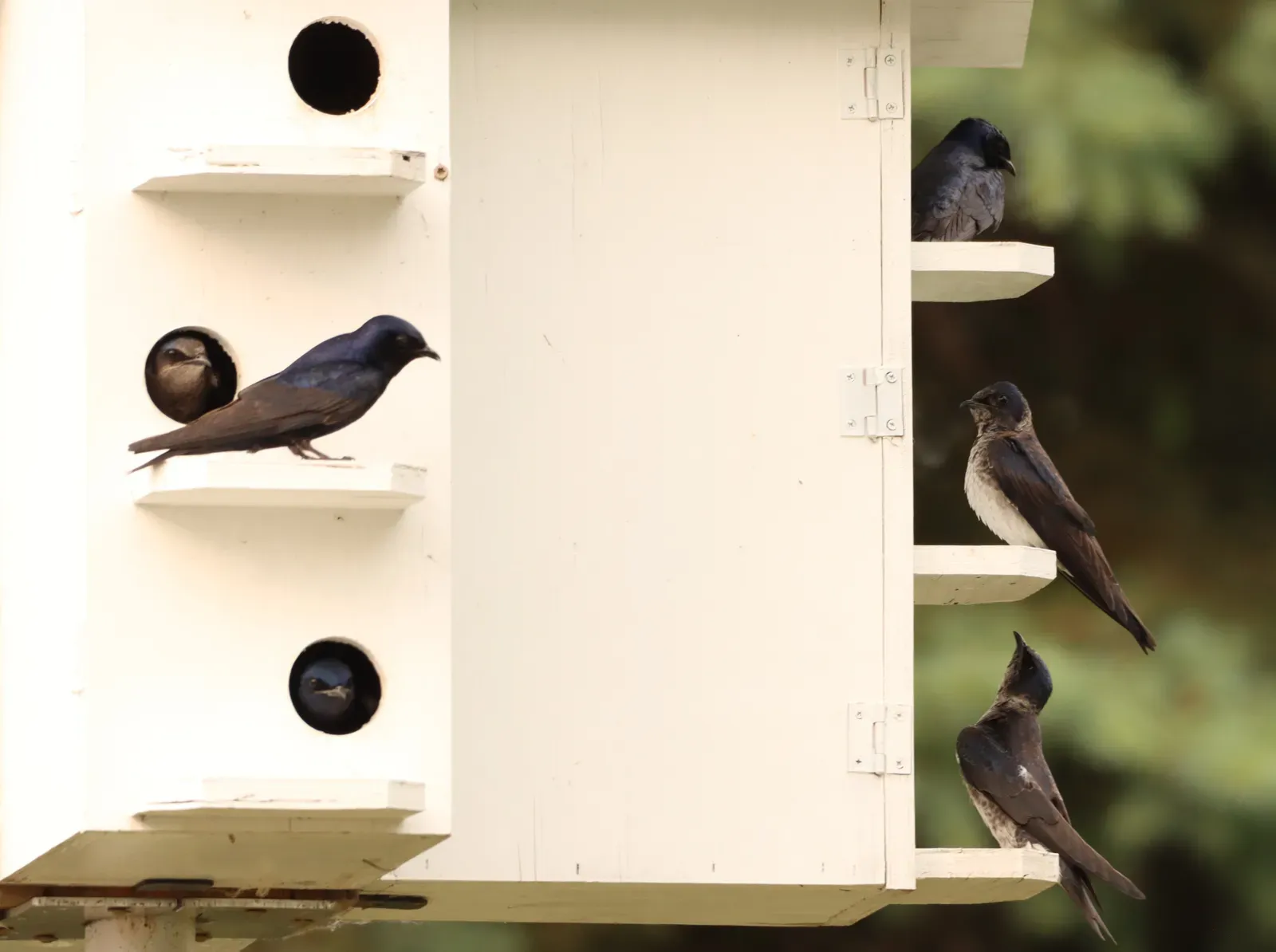
Hosting purple martins is less like putting up a bird feeder and more like managing a small, seasonal apartment complex. You choose the housing design, decide where to place it, keep it clean, check for problems, and protect your tenants from squatters and predators. Many experienced martin hosts call themselves landlords for a reason: if you provide the structure but fail to maintain it, the birds can suffer or abandon the site. You’re not just a spectator; you’re part of their basic life support system.
That responsibility also makes the relationship unusually intimate. You may find yourself tracking which pairs return each year, counting eggs and nestlings, and timing when to lower the pole for quick inspections. When a storm hits, you worry about them; when fledglings finally launch into the sky, you feel a strange pride, as if you’ve helped pay the mortgage on their success. Once you step into that landlord role, you realize you’re not just enjoying wildlife – you’re actively shaping it.
4. Their Breeding Success Depends on Where You Stick That Pole
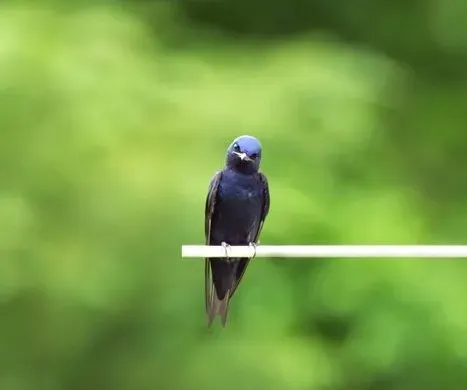
If you ever wondered why some martin houses stay stubbornly empty while others are packed with birds, the secret often comes down to placement. Martins are open‑country fliers that need clear airspace to swoop in and out, so they strongly prefer housing placed in the most open part of a property, set well away from tall trees and dense buildings. Ideally, you’re putting a pole in a broad clearing, at least several dozen feet from the nearest tree line, with clean flight paths from multiple directions. Stick the same house in a cramped corner next to a big maple, and martins may ignore it completely.
Distance from your own home matters too, but probably not in the way you’d expect. Rather than shying away from human activity, martins often like their housing about a modest stone’s throw from your house – close enough that predators are less likely to lurk unseen, but far enough that the birds have room to maneuver. When you take time to scout the most open spot in your yard, you’re not just optimizing for aesthetics; you’re determining whether a migrating martin, scanning from the sky, decides your place looks like a safe neighborhood or a dead end.
5. Their Favorite “Neighborhoods” Are Close to Human Homes – On Purpose
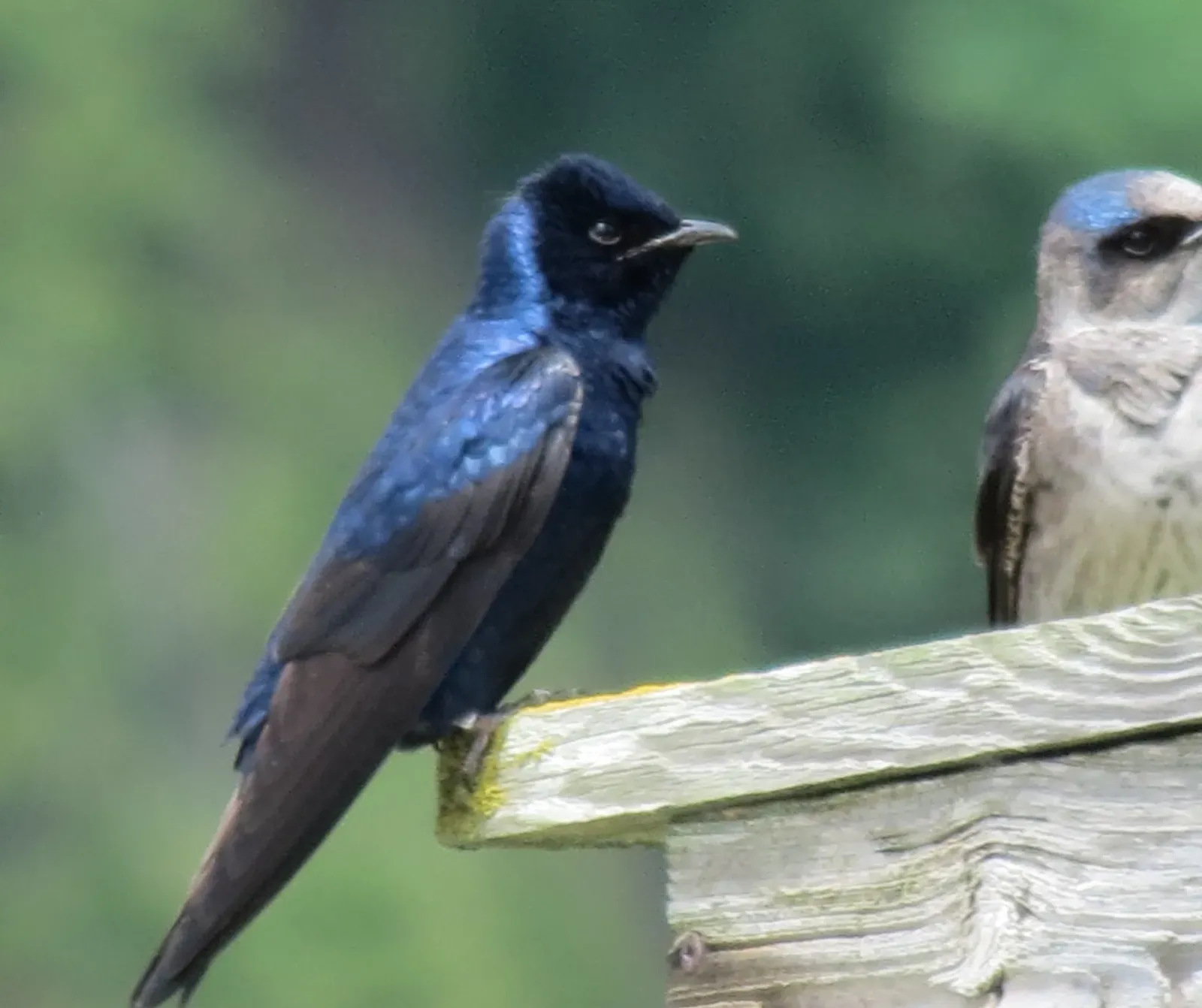
Once you start looking, you notice something intriguing: thriving martin colonies tend to pop up around farms, parks, marinas, and neighborhoods, not deep in wilderness. These birds have become what biologists call synanthropic – they benefit from and prefer living near human activity. In the East, they often select housing positioned a comfortable distance from houses or barns, not miles away in untouched forest. To a martin, your yard, pasture, or lakeside campground may look like prime real estate, especially if it sits near open water and expansive sky.
This preference actually helps them. Human‑dominated settings often mean fewer large tree‑nesting predators, more open airspace, and plenty of flying insects stirred up by fields, ponds, or lights. By installing housing within sight of your home, you’re aligning with what the birds already want: a safe colony site near regular human presence. It’s a strange twist of modern ecology – your daily comings and goings, your porch light, even your lawn maintenance can help outline the boundary of a place martins decide to call home.
6. Your Design Choices Can Make or Break a Colony
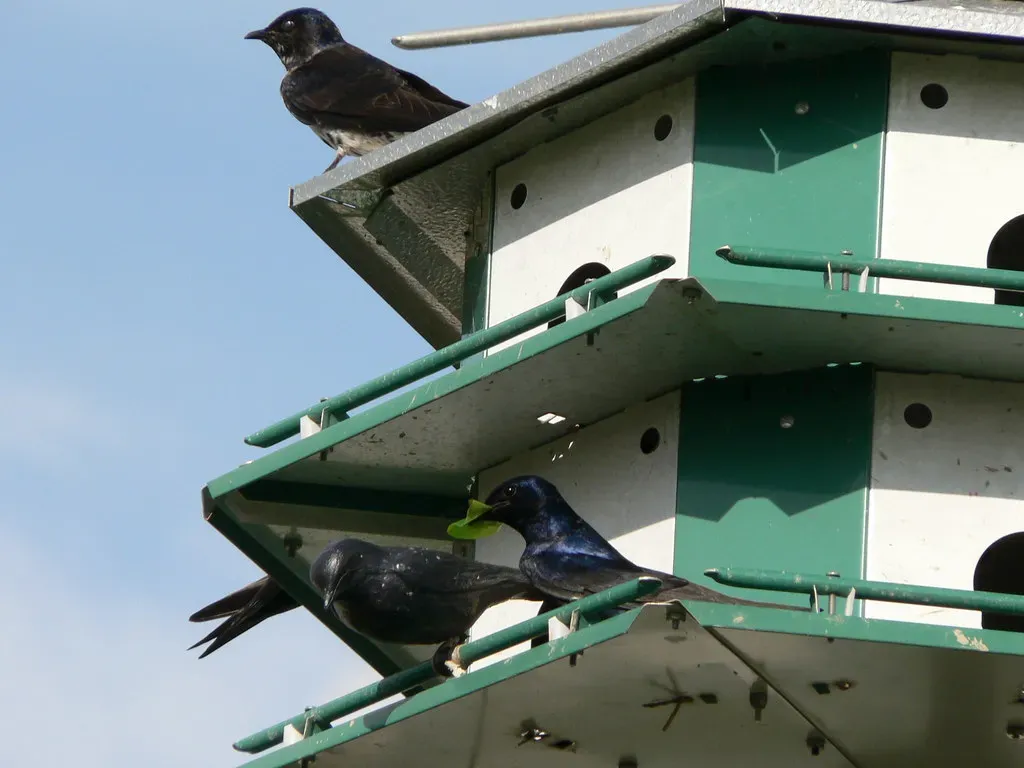
To you, a birdhouse might just look cute or rustic; to a purple martin, it’s a potential nursery where tiny design details mean life or death. The size of the compartments, the shape and diameter of the entrance hole, the color of the exterior, the ventilation, and the ability to raise and lower the housing all influence how safe and comfortable the site is. Light‑colored exteriors help reflect heat on blazing summer days, while deeper compartments give nestlings more space away from predators reaching through entrance holes. Starling‑resistant entrance shapes can drastically cut down on invasive competitors muscling in.
Material matters too. You might lean toward wood for its charm, aluminum for durability, or plastic for lower cost, but each comes with trade‑offs in insulation, weight, and maintenance. Adding predator guards on poles, porch dividers between cavities, and drainage holes in floors are all small choices you control. When you study housing standards and follow them, you’re not being fussy; you’re converting what could be a dangerous novelty into a safe, productive colony that martins will return to year after year.
7. You Have to Evict the “Bad Tenants” Before They Take Over
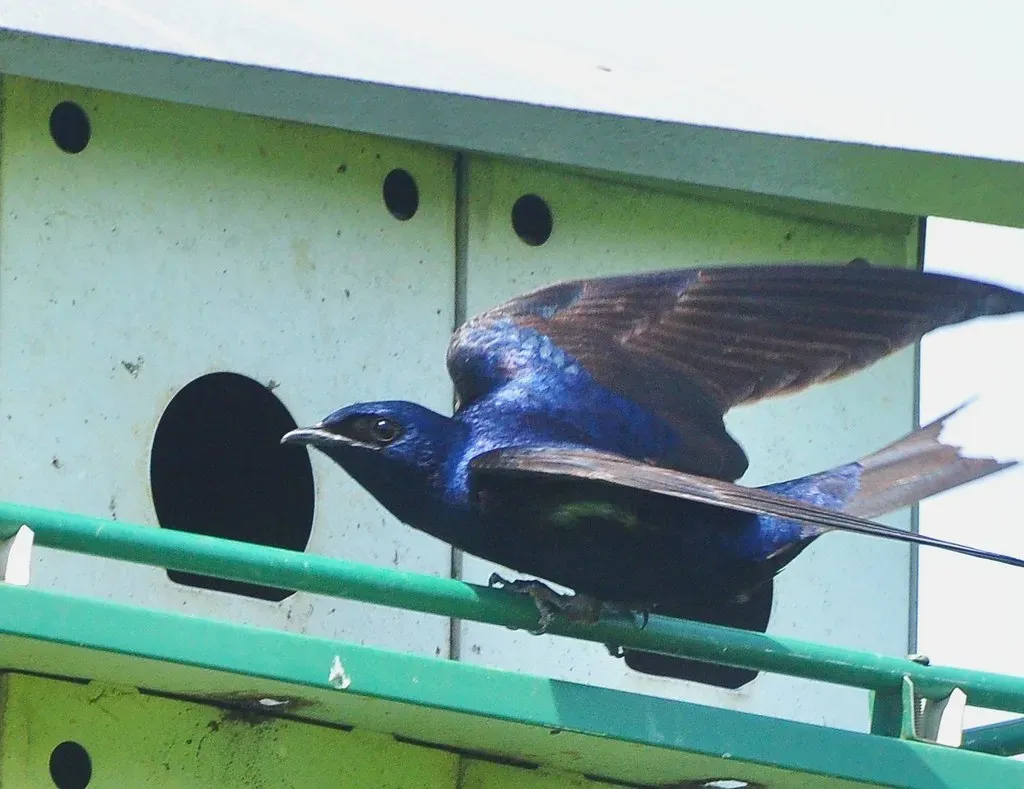
One of the hardest lessons new martin hosts learn is that not every bird that shows up is welcome. Invasive house sparrows and European starlings are aggressive, cavity‑nesting species that will happily take over martin housing, destroy eggs, and even kill adult martins to claim a compartment. If you simply let nature take its course, those non‑native birds can quickly turn your carefully planned martin complex into a dangerous trap, driving martins away or wiping out their broods. As the landlord, you have to be willing to intervene.
That usually means actively removing invasive nests, blocking off housing until martins arrive, and in some cases trapping or otherwise deterring problem birds. It can feel uncomfortable at first, especially if you love all wildlife, but you’re essentially choosing between a declining native species and two highly adaptable invaders that already thrive almost everywhere. When you commit to hosting martins, you’re also committing to defend them. Your vigilance is the difference between a thriving colony and an abandoned box full of bully birds.
8. You’re Part of a Migratory Story That Spans Continents
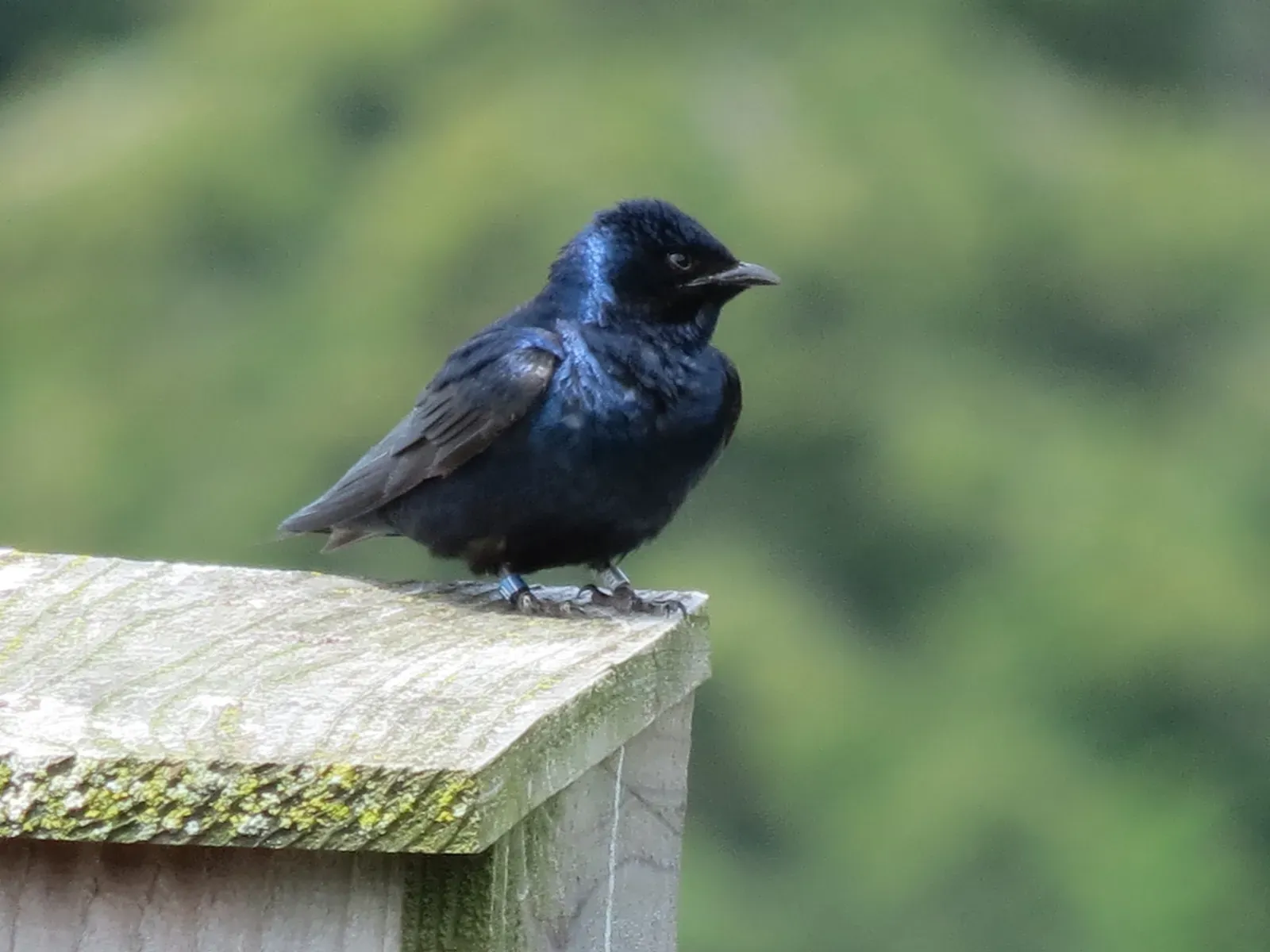
Each spring, when the first purple martin glides back to your yard, you’re welcoming a traveler that has just crossed oceans of air and entire countries. Martins that nest in North America spend the non‑breeding season largely in South America, often in Brazil and neighboring regions, roosting in massive flocks. The bird you’re watching on your gourd rack may have threaded storms over the Gulf of Mexico, dodged raptors, and navigated by stars and landscape cues to return to the exact same housing you provided last year. Your little patch of earth is one bead on a long hemispheric necklace.
Because they’re so faithful to specific sites, your reliability matters more than you might realize. If you suddenly take down housing or let it fall into disrepair, birds that have spent months and thousands of miles returning to your yard can find their “address” gone. When you keep a colony going year after year, you’re offering these travelers a rare constant in a world of shrinking habitats and changing climates. You might just see a cluster of chirpy birds over the lawn; in reality, you’re a crucial link in their migratory chain.
9. They Eat a Lot of Flying Insects – but Not Quite the Ones You Think
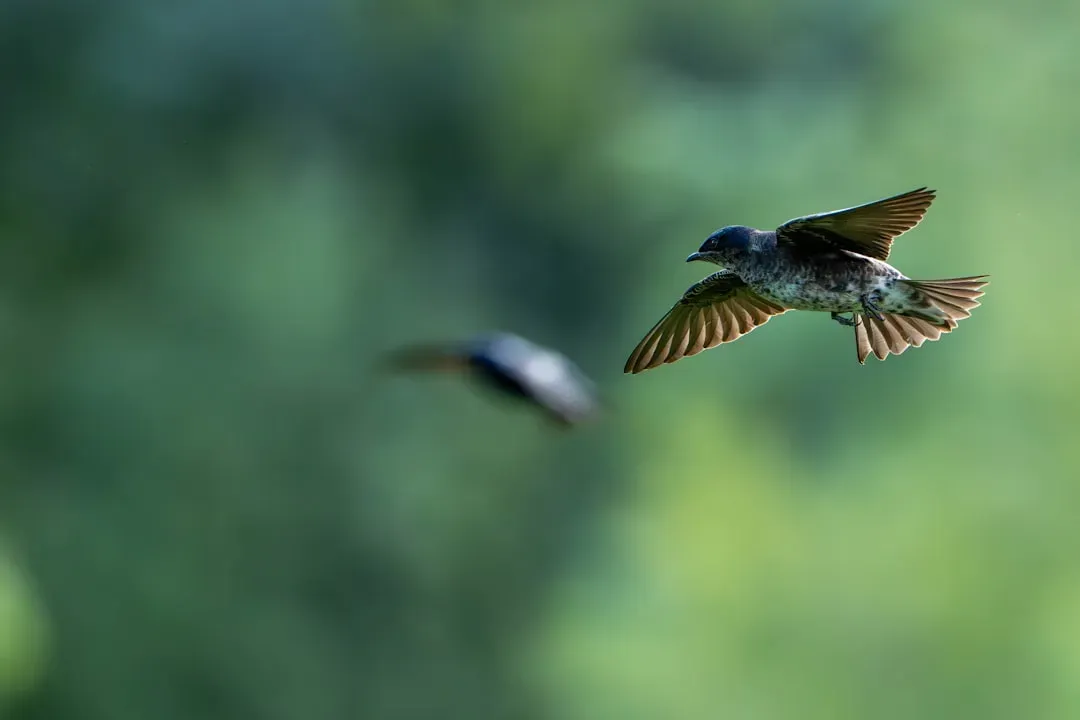
You often hear people say they want martins because they’ll wipe out mosquitoes over the patio. The truth is more nuanced. Martins are aerial insectivores and swallow enormous numbers of flying insects, but careful diet studies show they favor larger, daytime fliers like beetles, dragonflies, moths, and various agricultural and garden pests more than tiny nocturnal mosquitoes. That still makes them valuable partners for you, especially if you live near cropland or gardens where insect pressure can be intense, but you should not treat them as living mosquito foggers.
What this means for you is twofold. First, if you want martins to thrive, you should avoid heavy pesticide use around your property, because those chemicals can wipe out the very insects martins rely on, leaving the birds hungry in what looks like good habitat. Second, you can take satisfaction in knowing that by hosting martins you’re participating in a more natural form of insect control that benefits both your local environment and your own enjoyment of outdoor spaces. They are partners in a balanced system, not a magic mosquito switch.
10. Your Age Group – and Your Choices – Shape Their Future
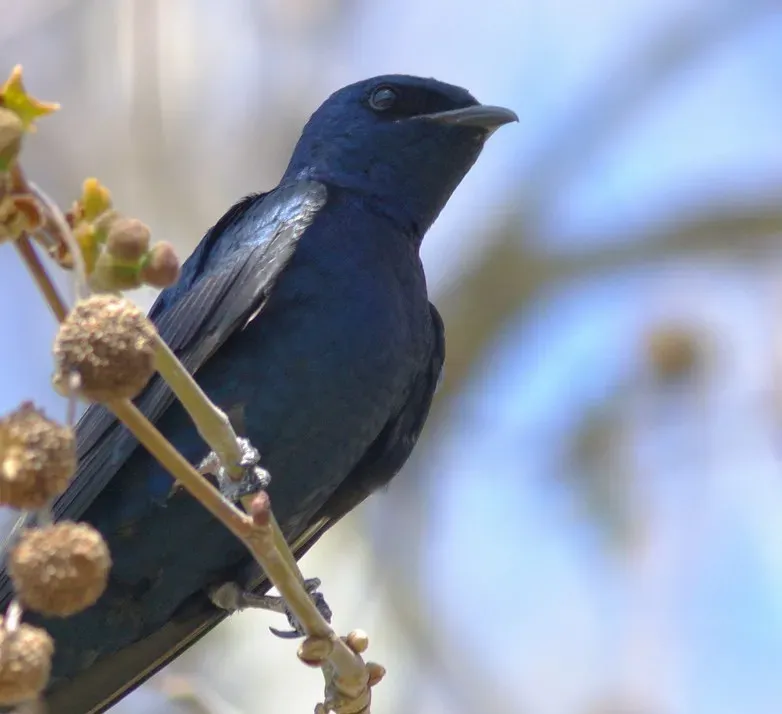
Here’s a surprising and slightly worrying twist: purple martin housing in many areas is dominated by older generations. Surveys of martin “landlords” have found that the vast majority are middle‑aged or retired, with far fewer younger people taking up the role. That creates a looming gap as long‑time hosts age out, downsize, or move to places where they cannot install large poles and houses. For a species that depends so heavily on human structures, a demographic shift in human caretakers is a real conservation concern.
If you’re younger and have access to a suitable yard, farm, or community space, putting up and maintaining martin housing is more than just a fun hobby – it becomes a quiet act of generational stewardship. Even if you are older and already hosting martins, you can involve kids, grandkids, or neighbors in nest checks and maintenance so the knowledge does not vanish when you step back. The birds are locked into this relationship with humans now; their long‑term prospects depend on whether people like you decide that relationship is worth carrying forward.
On a personal note, I’ve seen this play out in small towns where a beloved older landlord passed away and the pole came down, and within a year the evening sky felt emptier. You can feel the difference when no one steps in to keep that colony going. Your decision to get involved, or to hand the torch to someone else, has effects that ripple far beyond your fence line.
11. Good Housing Turns You Into a Citizen Scientist, Whether You Planned It or Not
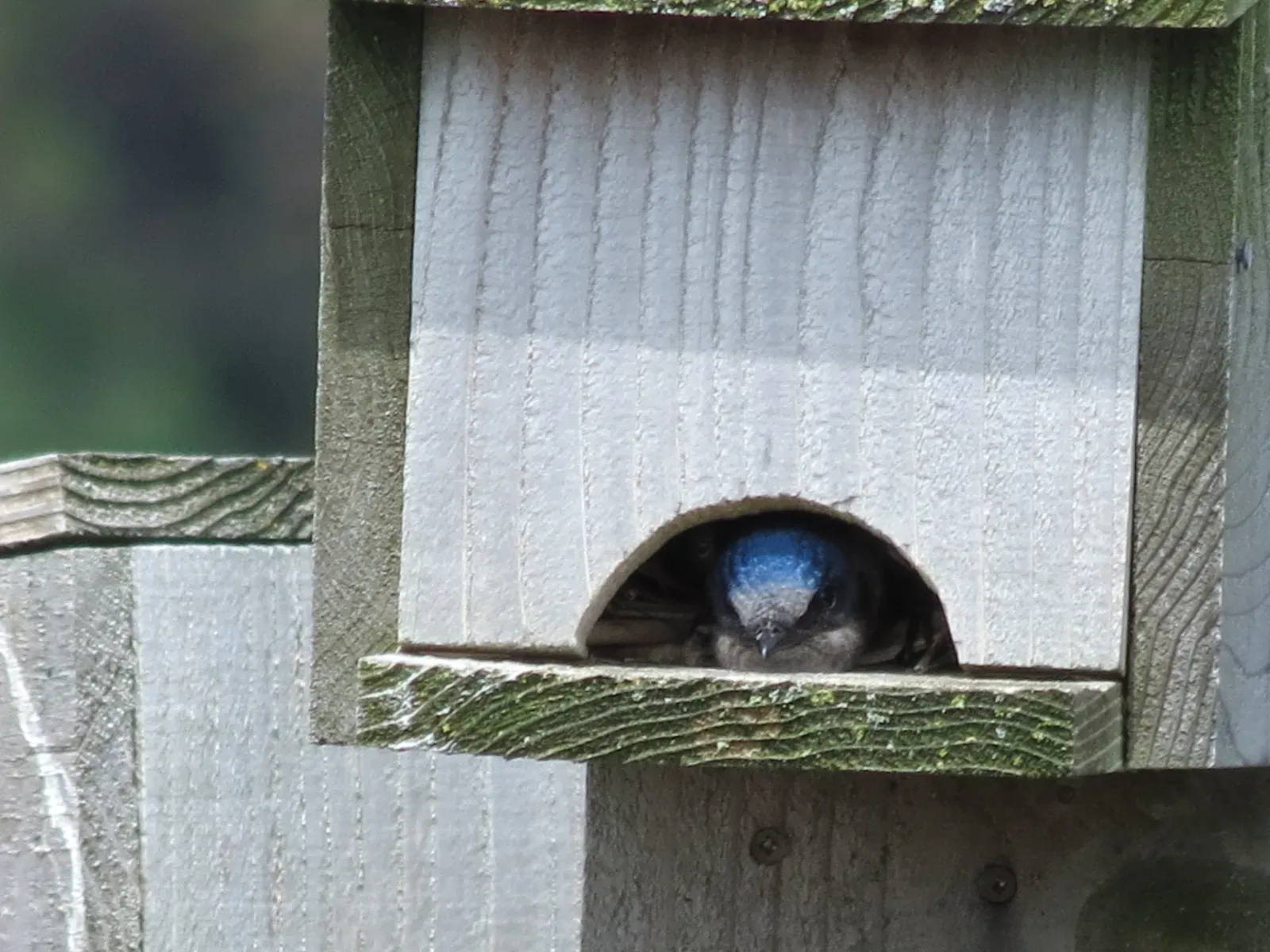
When you start paying close attention to a martin colony – counting arrivals, eggs, and fledglings – you naturally drift into the world of citizen science. Many organizations encourage you to report first arrival dates, nesting success, and even banded birds that return to your site, and that data helps researchers track population trends and shifts in migration. What feels to you like casual note‑taking on a clipboard can feed into large‑scale studies on how climate, habitat, and insect declines are affecting aerial insectivores. By putting up housing, you’re also creating a tiny field station in your own yard.
You do not need a degree or fancy equipment to contribute. A ladder or winch system, a simple logbook, and a willingness to do careful, respectful nest checks are enough to generate useful information. Over time, you might notice patterns: birds arriving earlier in spring, fledging more or fewer young, or shifting their preferred compartments. Those observations matter, and organizations working on martin conservation genuinely use them. In a world where so much environmental data feels abstract, your birds and your careful eye give science a very concrete place to stand.
12. By Giving Them a Home, You Also Reconnect Yourself to the Wild
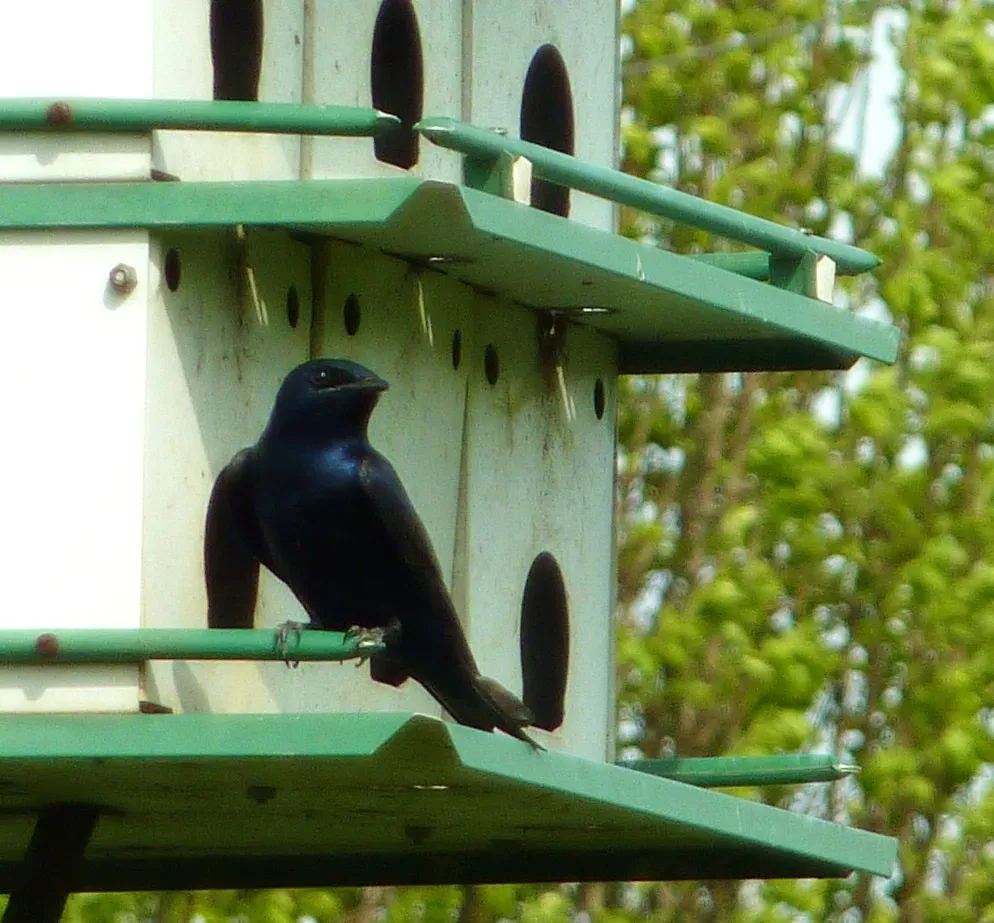
It’s easy to frame this relationship as one‑sided – the birds need you for housing – but the truth is, you probably need them too. When you host martins, your daily routine subtly reorients around the sky: you find yourself stepping outside at dusk just to watch the flock swirl and chatter, or pausing mid‑task because a fledgling finally took its first shaky flight. Your yard stops being just a patch of grass and becomes a seasonal stage where long‑distance migrants, insect booms, storms, and sunsets all weave together. In a very real way, you become more observant, more patient, and more rooted in your place.
That connection can be surprisingly healing. In a time when so much of life happens on screens, lowering a martin house to check on nestlings or tightening a predator guard feels grounding and tangible. You’re helping a vulnerable species that learned to trust humans, and in return the birds invite you into a story much larger than your own lifespan. When the colony lifts off in late summer, heading south in a shimmering cloud, you feel both the ache of their absence and the quiet satisfaction of knowing that, for one more year, you did your part.
Conclusion: Their Homes Are in Your Hands
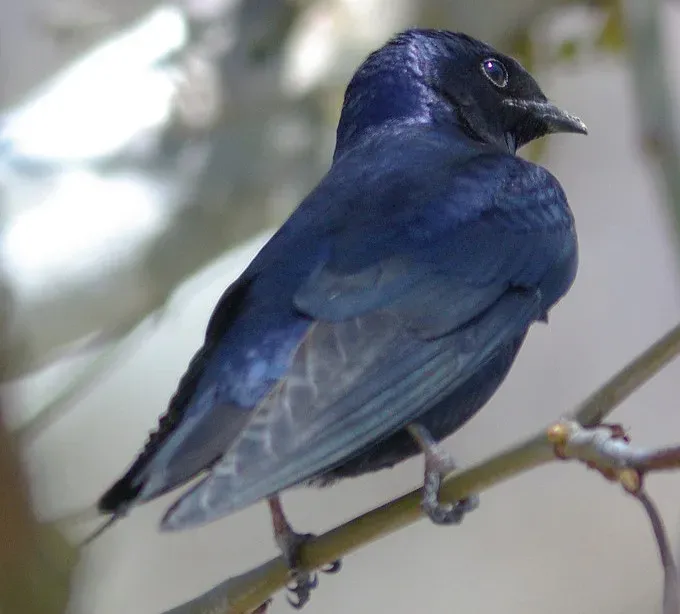
When you step back and look at the whole picture, purple martins are more than just pretty swallows skimming over a pond; they’re a living test of how far humans are willing to go to care for a species that has thrown in its lot with us. They surrendered their old nesting habits and hitched their future to our poles, gourds, and houses. You control where those homes stand, how safe they are, and whether future generations of martins will still return to sing over your neighborhood. That’s a remarkable amount of power to hold in your yard.
If you choose to answer that responsibility with curiosity, consistency, and a little bit of sweat, you gain something priceless in return: a front‑row seat to migration, family drama, and wild beauty that unfolds just beyond your window. Maybe, years from now, a child in your life will look up at a sky full of martins and not realize how easily that sight could have been lost. And maybe they’ll pick up where you leave off. Knowing what you know now, what kind of landlord do you want to be for the birds that can no longer live here without you?