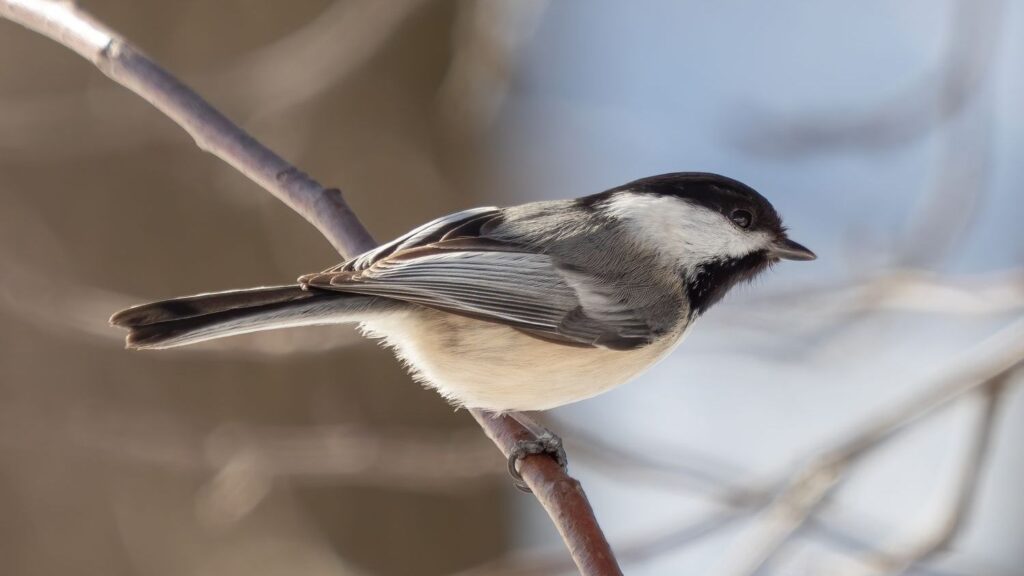

You probably know the black-capped chickadee as that tiny, bold bird that scolds you from the branches with its chick-a-dee call. What you might not realize is that you’re looking at one of the most astonishing memory machines in the animal kingdom. Behind those bright eyes is a brain that turns your backyard into a mental map packed with thousands of food hiding spots, each one stored like a carefully labeled file. Once you start paying attention to chickadees, you stop seeing “little backyard birds” and start seeing elite survival strategists. Their memory is not a cute extra; it is literally the difference between life and death in a freezing winter. As you learn what is actually going on inside that walnut-sized skull, you may never watch a birdfeeder in the same way again.
1. You’re Sharing Your Yard With a Tiny Food-Hoarding Genius
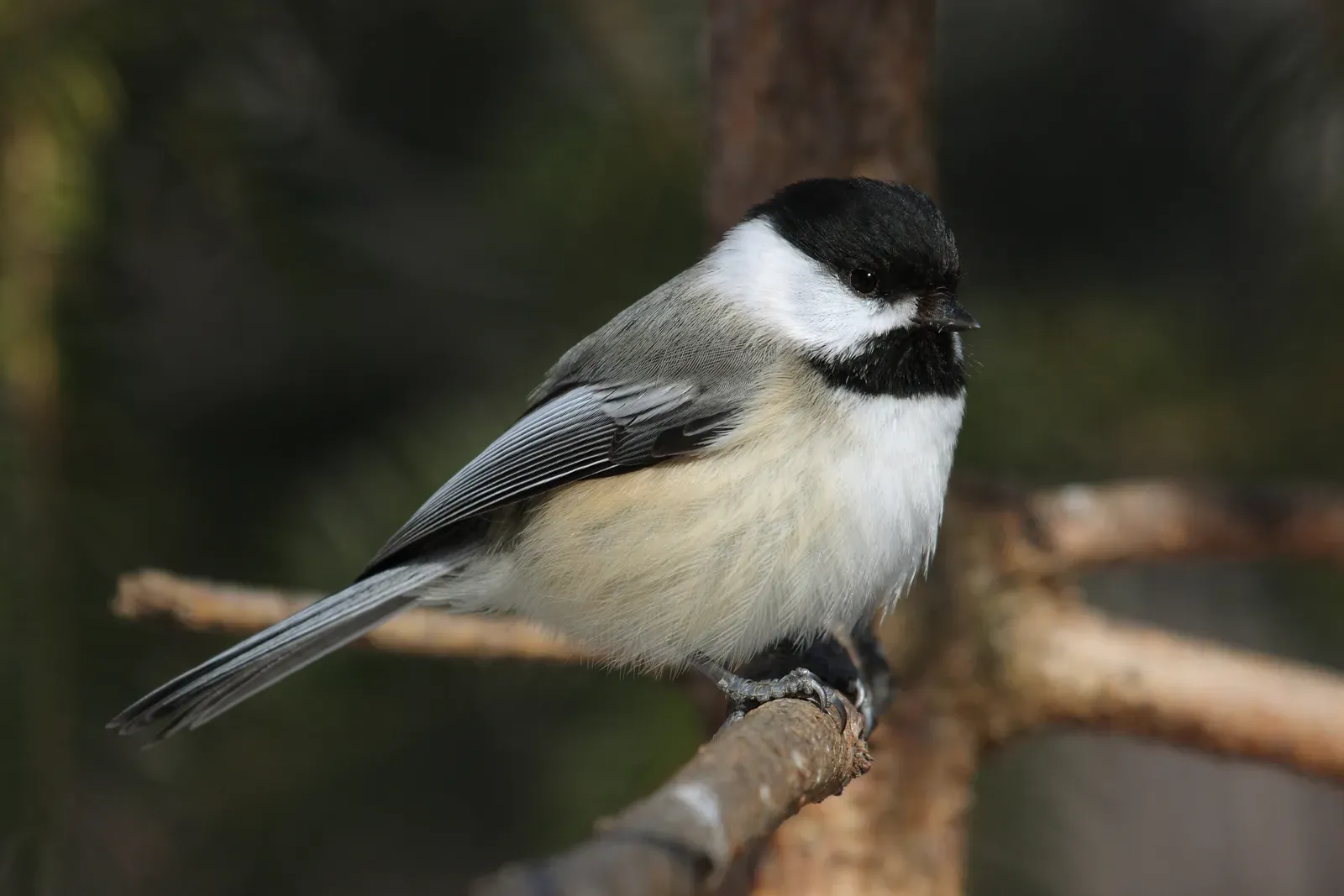
When you watch a black-capped chickadee grab a single seed from your feeder and dart off, you are not just seeing a hungry bird; you are watching the start of a memory experiment that could put you and me to shame. Instead of eating everything on the spot, a chickadee scatter-hoards, tucking seeds into cracks of bark, under flakes of lichen, and into tiny crevices all over its territory. Over the fall and early winter, one bird can create hundreds to thousands of these little food stashes, each in a slightly different place and often holding a different type of food.
Now imagine trying to remember where you left even one hundred hidden snacks in a snow-covered forest with no sticky notes, no GPS, and no written list. Somehow, the chickadee does it. Research on food-caching birds has shown that species like the black-capped chickadee rely heavily on spatial memory to relocate their caches months later, long after visual and scent cues have disappeared under snow. You might forget where you put your keys after lunch, but this bird can return to a pea-sized crevice it last visited in late autumn and pull out a seed it tucked away for an emergency cold snap.
2. Their Hippocampus Is Supercharged for Space and Memory
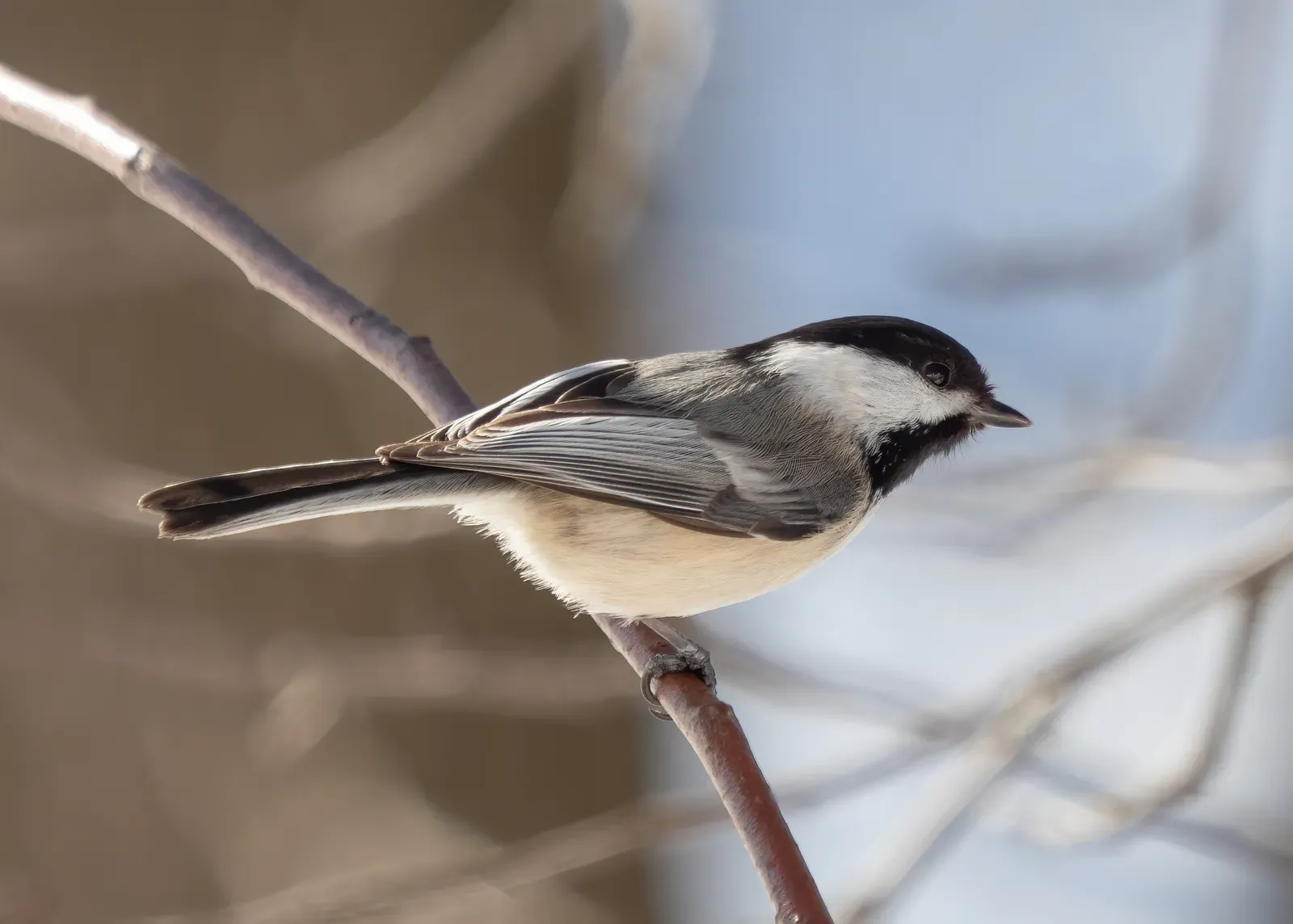
If you could shrink down and look inside a chickadee’s brain, you would quickly notice a region that is disproportionately large for such a small skull: the hippocampus. This brain area is crucial for spatial memory in both birds and mammals, including humans. In food-storing species like the black-capped chickadee, the hippocampus is significantly larger relative to overall brain size than in closely related birds that do not cache food. That extra brain real estate is dedicated to building and managing an internal map of the environment and the bird’s own behavior within it.
Researchers have compared chickadees from harsher winter climates with those from milder regions and found that birds facing more severe winters tend to have better spatial memory and larger or more neuron-dense hippocampi. In other words, where winter hits harder, evolution has quietly turned up the “memory volume” in these birds. You are looking at a brain that has literally been sculpted by cold weather and scarcity, tuned so that remembering tiny details about space becomes a life-preserving superpower.
3. They Use “Neural Barcodes” to Tag Each Food Cache
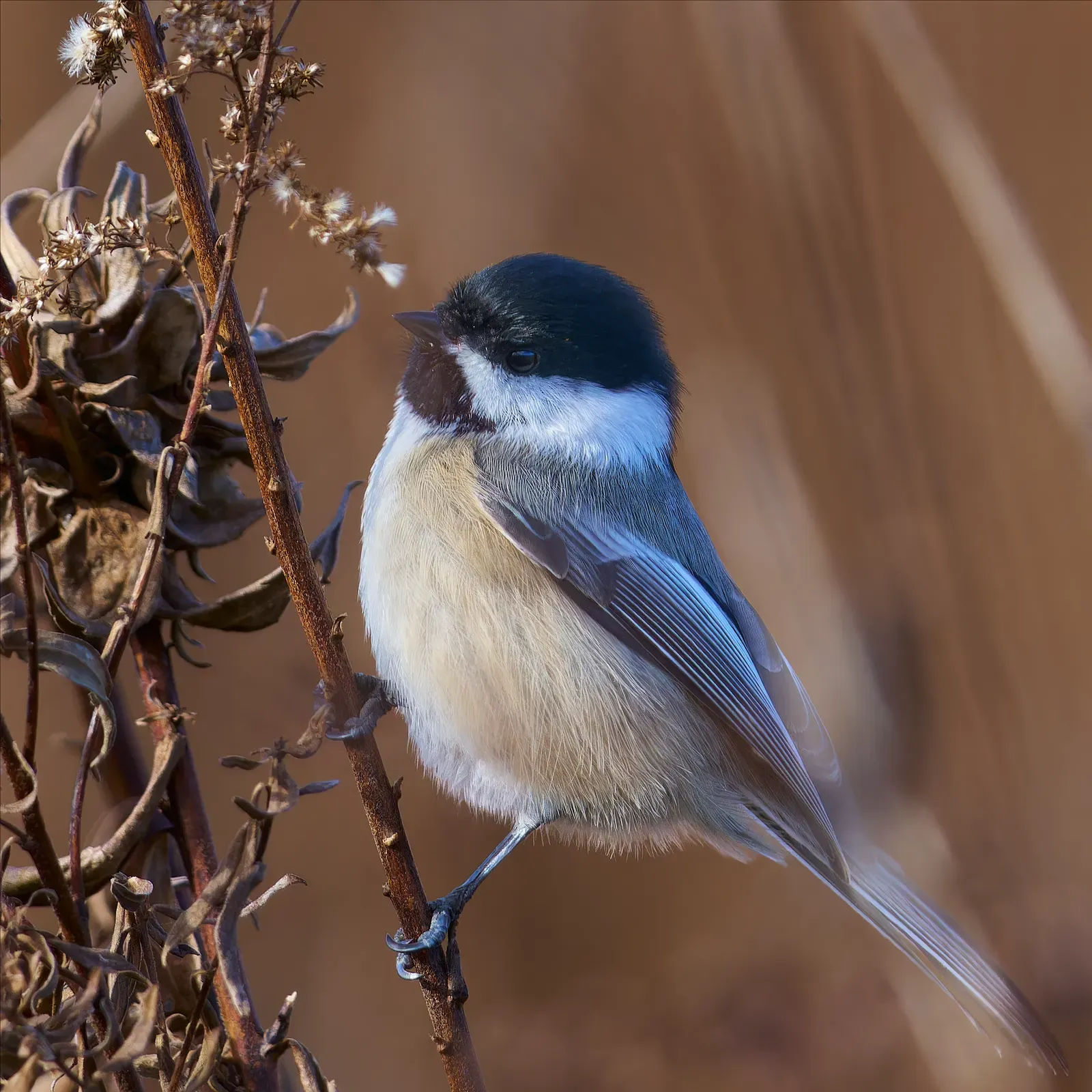
One of the wildest discoveries in recent years is that when a black-capped chickadee hides food, its brain does something like assigning a unique barcode to that memory. Scientists recording nerve cell activity in the chickadee’s hippocampus have found distinct patterns of neurons firing when the bird caches a seed at a particular spot. When the bird comes back later and retrieves that cache, the same distinctive pattern reappears. It is as if the brain pulls up the exact “barcode” that belonged to that specific hiding place.
Even more impressive, this pattern appears to be unique for each cache site, not just for general areas. If a chickadee hides seeds right next to each other, each location still gets its own neural signature instead of being lumped together. For you, this would be like having a totally distinct pattern of brain activity every time you parked your car in a different space at the same mall – and then being able to recall exactly which pattern goes with which space weeks later. Your brain absolutely does store rich memories, but the chickadee’s hippocampus seems tuned to a level of spatial precision that most of us never need to use.
4. You’re Watching a Bird That Remembers “What, Where, and When”
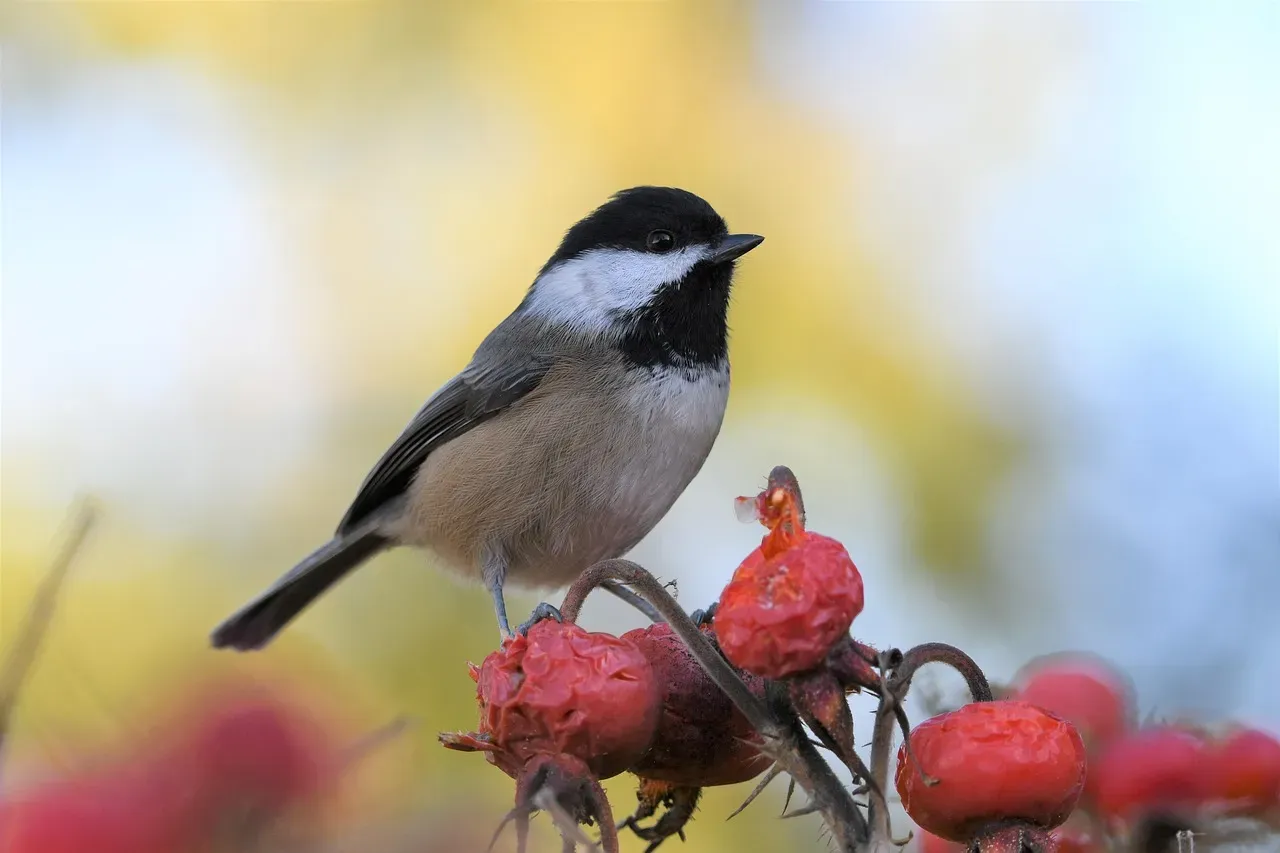
When a chickadee flies around your yard, it is not just remembering vague spots where food might be; it is holding onto detailed information about what is hidden, where it is hidden, and roughly how long it has been there. Studies on food-storing birds, including chickadees and their relatives, show that they can remember the locations of specific caches and can distinguish between older and newer stashes. They also appear to track the contents, which lets them prioritize high-value food in hard times.
Think of it this way: if you stored chocolate bars and plain crackers in different cupboards, you would probably remember which door to open when you really needed a morale boost. The chickadee is doing a version of that in the wild. It can visit a cache site, “know” whether that spot should still have food and whether it is worth digging around for, and move on quickly if it has already emptied that stash. You are not just dealing with a bird that remembers places; you are dealing with an animal that keeps a running mental database of food quality, timing, and availability across its entire territory.
5. Their Memory Shifts With the Seasons
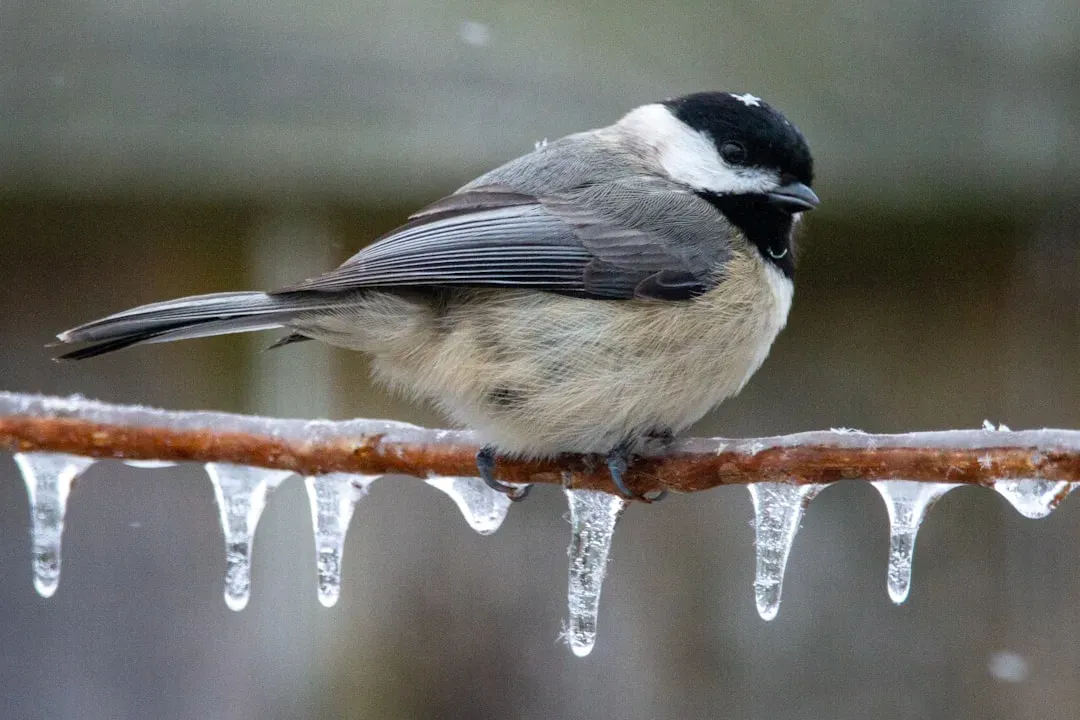
You might assume that a chickadee’s brain is static once it reaches adulthood, but it is far more dynamic than that. Across the annual cycle, especially in species that cache food, the hippocampus can show changes in volume and new neuron growth that track with caching behavior. During fall and early winter, when the bird is storing food most intensely, the memory demands shoot up. At the same time, studies have found increased neurogenesis – new neurons being born – in the hippocampus of food-caching chickadees.
As winter passes and the need to maintain memories of each individual cache fades, some of those neurons do not stick around. It is as if the bird’s brain is a seasonal office: in the fall, you hire extra staff and take on more storage space, then you let temporary workers go once the backlog of tasks has cleared. You might think of memory as something you either have or you do not, but in a chickadee, the capacity literally expands and contracts with the rhythm of the year, following the demands of the climate and the food supply.
6. Harsh Winters Push Their Memory to the Next Level
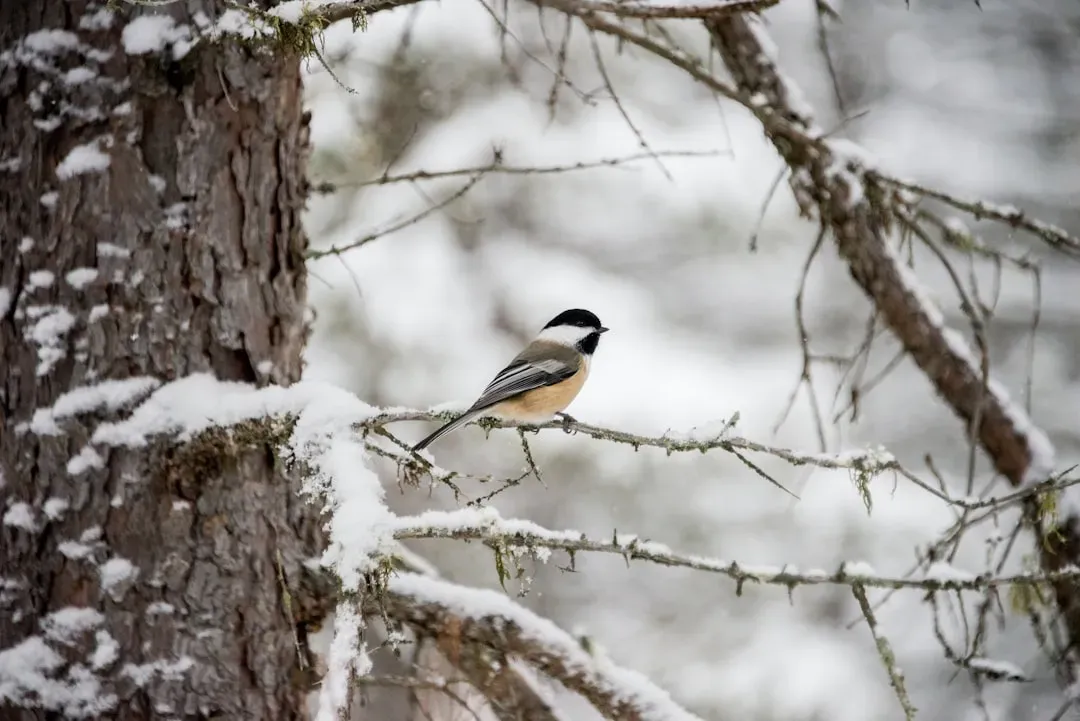
If you live in a place with tough winters – long stretches of deep cold, thick snow, and short days – your local black-capped chickadees are probably mental athletes compared to their cousins farther south. Research comparing populations across North America has shown that birds from more severe climates tend to cache more food, show stronger performance on spatial memory tasks, and have hippocampi with more neurons or altered structure. Winter does not just test them; over generations, it fine-tunes their brains.
For you, the difference might show up in behavior at your feeder. Northern birds may visit more frequently in the fall, grab single seeds and immediately fly off to cache them, repeating this over and over. They are not being skittish; they are running a survival routine that has been sharpened by countless winters before them. Every seed they tuck away and remember is one more ticket to make it through a night when the windchill drops to a level that would send you straight indoors with extra blankets.
7. They Remember Without Relying on Smell or Simple Landmarks
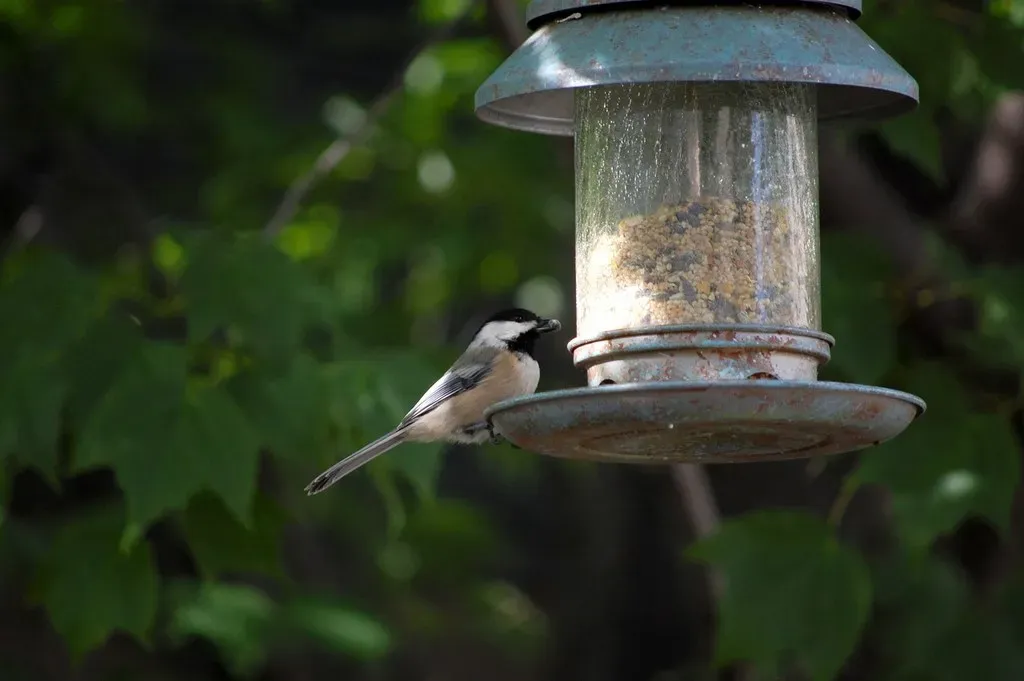
In a snow-covered forest, most of the obvious landmarks you rely on get blurred or buried. Yet the chickadee still finds its hidden seeds, even when the cache is under a fresh layer of powder. Experiments with food-caching birds suggest that they are not just sniffing out their food or following simple visual cues. Instead, they rely heavily on a more abstract mental map of space – an internal representation that lets them locate caches from multiple directions and in changing conditions.
If you have ever walked through your house in the dark without bumping into furniture, you have used a crude version of this skill. You are not seeing the sofa; you just know where it should be. For a chickadee, this spatial awareness is dialed up dramatically. It can swoop to a branch, hop to the underside, and then peck at a seemingly random crack in the bark because its hippocampus is telling it that, in this internal coordinate system, this exact spot is connected to a stored memory of placing a seed there days or weeks ago.
8. Their Brain Is Constantly Updating a “Live” Map of Your Yard
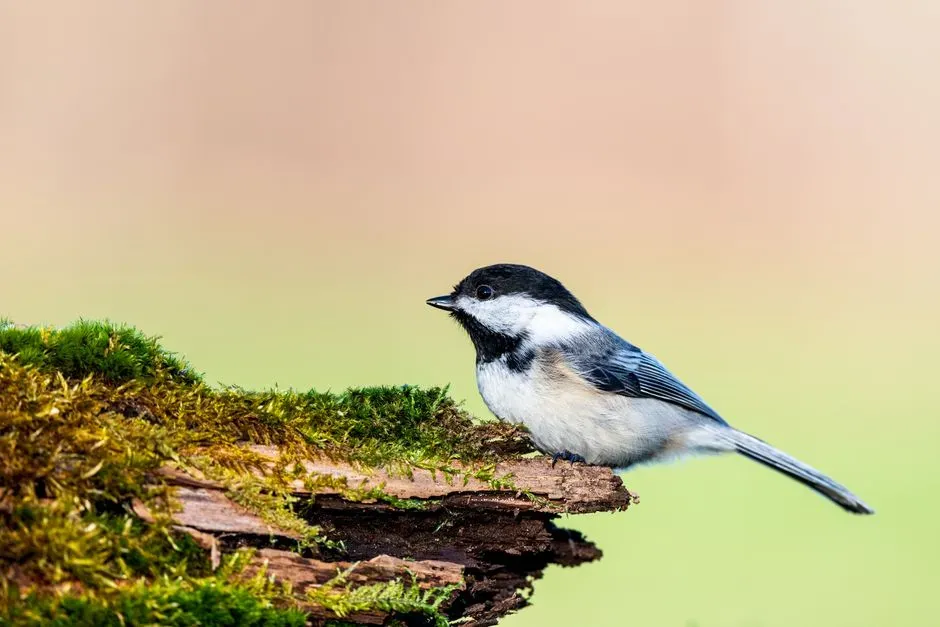
One of the most underrated things about chickadee memory is how flexible it is. They are not just memorizing a static list of locations; they are constantly updating their mental map as food sources appear, disappear, and change in value. When you hang a new feeder, move an old one, or let a patch of weeds go to seed, they fold that information into an already dense spatial database. Every new caching event is another entry, and old entries can be overwritten as they become useless.
You can think of their memory system as a live GPS that recalculates every time the environment changes, but without the clunky voice prompts. They juggle information about safe routes, predator risk, competing birds, and which spots have paid off in the past. Your yard might feel simple to you – a deck, a tree, a fence – but to a chickadee, it is a layered three-dimensional grid where hundreds of personal history points are pinned and constantly revised based on what the bird experiences each day.
9. Both Males and Females Are Memory Powerhouses
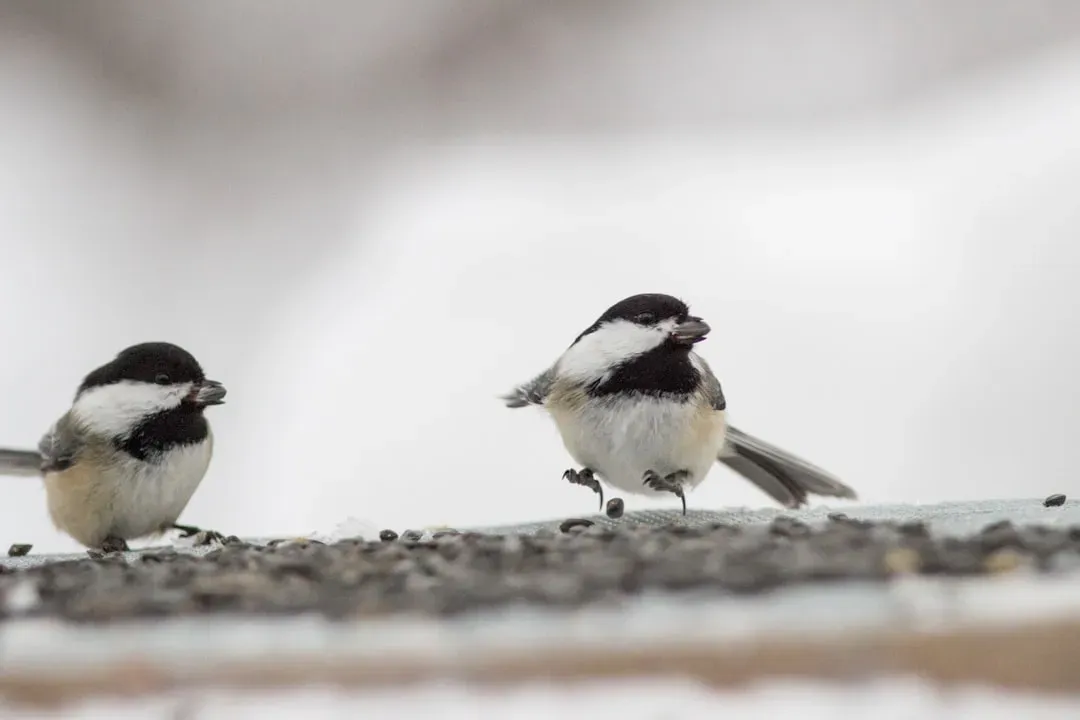
It might be tempting to assume that only one sex does the serious caching and remembering, especially if you are used to sex-based roles in other animals. But black-capped chickadees break that expectation. Studies looking at their behavior and brain anatomy have found no meaningful differences between males and females in terms of hippocampus size, caching behavior, or memory for cache sites. Both partners depend on those hidden food stores, so both are equipped with the neural hardware to manage them.
When you see a pair of chickadees moving through the branches, you are not watching a specialist and an assistant. You are watching two equally equipped memory experts, each capable of finding their own stashes and navigating complex terrain. That shared cognitive load makes sense in their world: winter does not care whether you are male or female, and a harsh night of cold will test every bird the same way. So evolution has handed both sexes the same powerful toolkit for remembering where the calories are hidden.
10. Their Memory Is Tied Directly to Survival and Lifespan
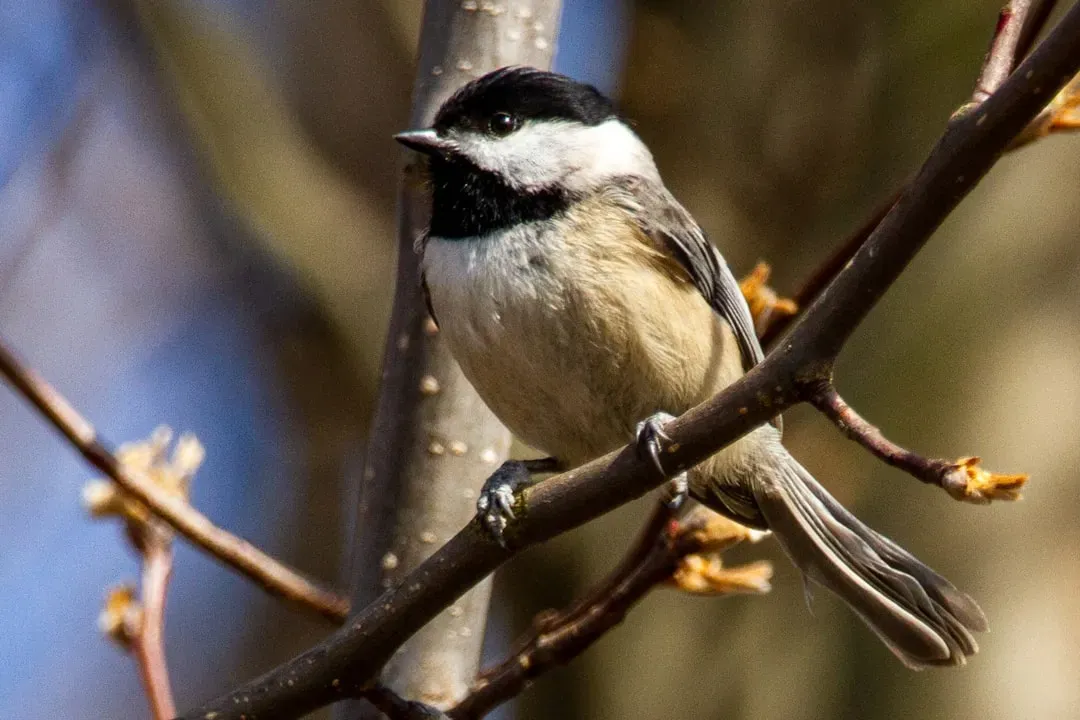
For a chickadee, memory is not an academic skill; it is as practical as body fat or feather insulation. Birds that remember cache locations more accurately simply have more reliable access to food when temperatures drop and natural sources vanish. Research on food-caching chickadees and their close relatives indicates that individuals with better spatial learning and memory tend to be more successful in the wild, especially under challenging conditions. You can think of memory as part of their survival gear, right alongside sharp beaks and warm plumage.
There is even evidence from related chickadee species that stronger spatial memory may be associated with longer lifespan, likely because birds that can secure more food in winter are less likely to die from cold or starvation. When you watch a chickadee zip from branch to branch, checking spots where it has cached seeds, you are seeing a behavior that has been filtered by natural selection again and again. Birds that forgot too often left fewer descendants; birds with sharper recall left more. What looks like a cute habit at your feeder is actually the visible tip of a deep evolutionary story about brains, memory, and survival.
11. You Can Actually Help Train and Test Their Incredible Memory
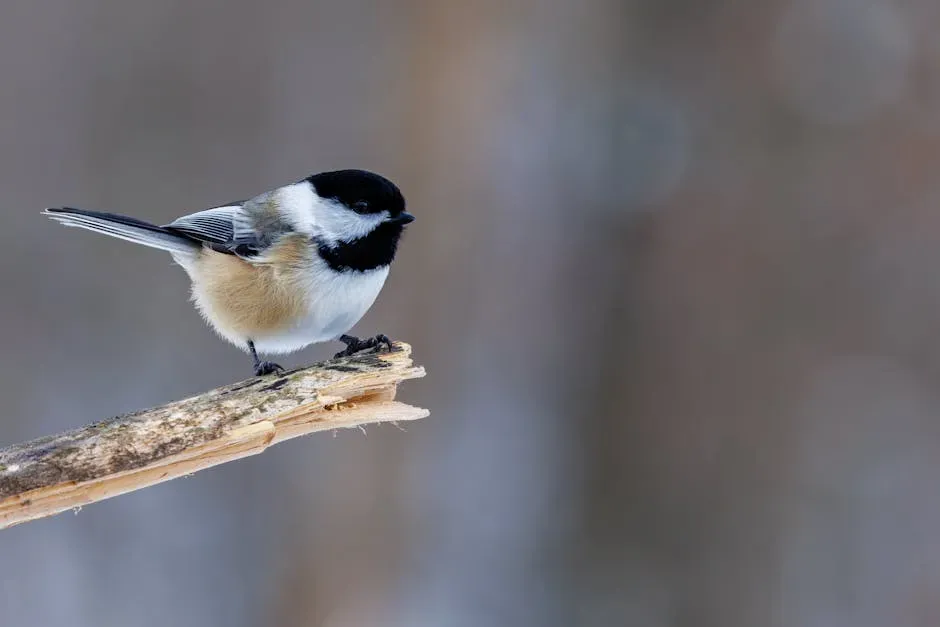
Here is the fun part: you are not just a bystander in this story. By how you set up your yard, you can shape which memory challenges your local chickadees face. If you scatter small amounts of seed on different surfaces – on fence posts, in crevices of tree bark, under overhangs – you encourage them to engage in natural caching behaviors instead of just gorging at one overflowing feeder. Over time, you may notice them making quick trips, each with a single seed, then disappearing into nearby shrubs or trees to stash them.
You can even turn it into a gentle experiment. Place a few consistent “cache-friendly” spots – like a particular knot in a fence, a corner of a planter, or a certain ledge – where you regularly sprinkle just a bit of food. Watch how quickly the chickadees learn to check those locations, even when you have not restocked them for a few days. When you finally put the seeds back, they will rediscover them almost instantly. Without realizing it, you will be interacting directly with one of the most sophisticated natural memory systems you are ever likely to share a backyard with.
Conclusion: The Little Bird With the Big Mind in Your Trees
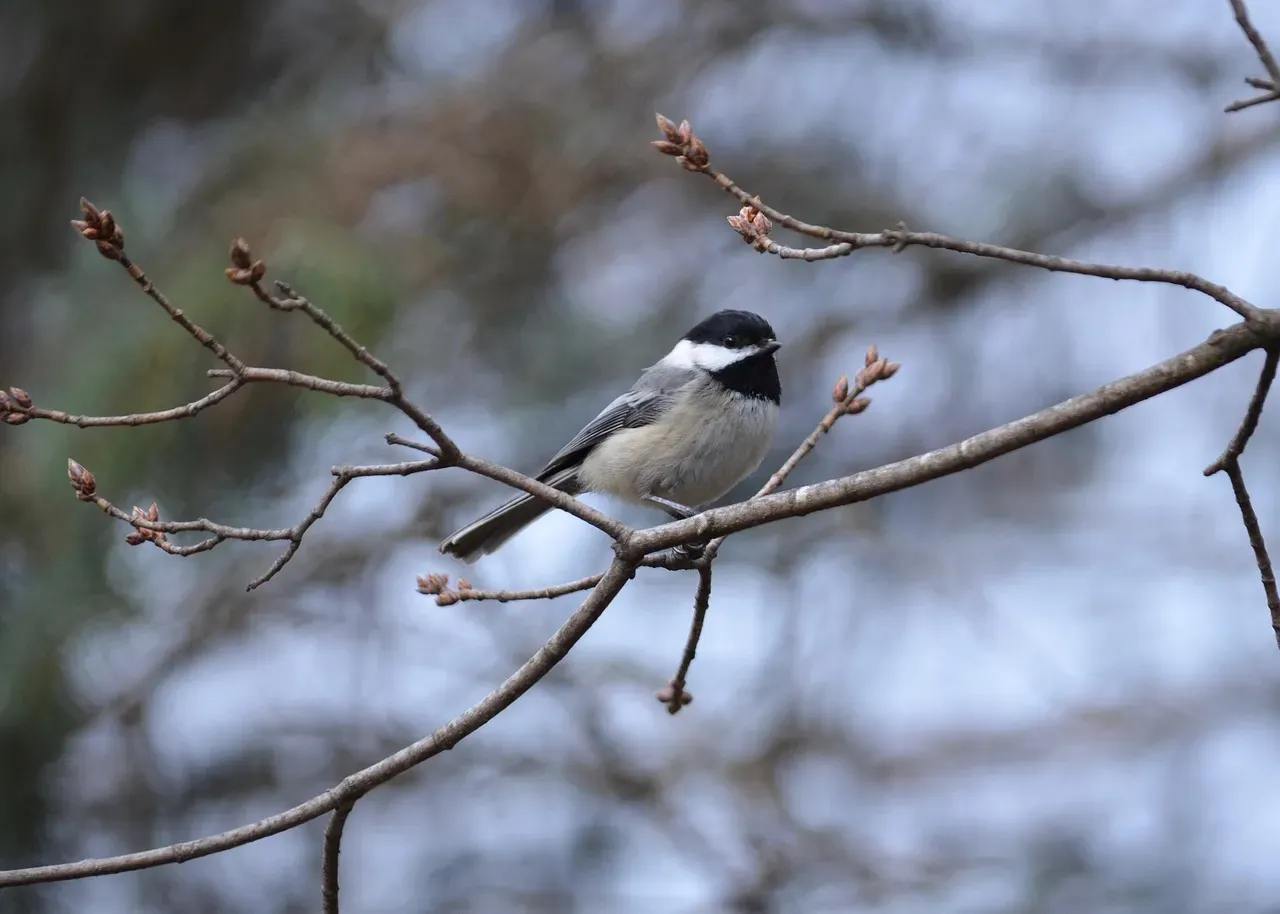
The next time a black-capped chickadee lands a few feet from your face, tilts its head, and seems to be sizing you up, try seeing it as more than a tiny ball of feathers. You are looking at an animal whose brain has been tuned by icy winters, scarce food, and relentless natural selection to remember places and experiences with a depth and precision you almost never need in your own life. Its hippocampus quietly grows and reshapes itself across the seasons, its neurons firing in intricate patterns that tag each food cache with a unique internal signature. All of that is happening while it cheerfully calls from the shrubs beside your porch.
Once you know this, your yard stops being just a patch of grass and trees and becomes a living memory landscape, shaped by the daily routines of birds that are constantly hiding, recalling, and updating information. You do not have to be a scientist to take part – you only have to look a little closer and maybe offer a few well-placed seeds. So the next time you forget where you left your phone, ask yourself: if a chickadee had hidden it, would it still be lost?