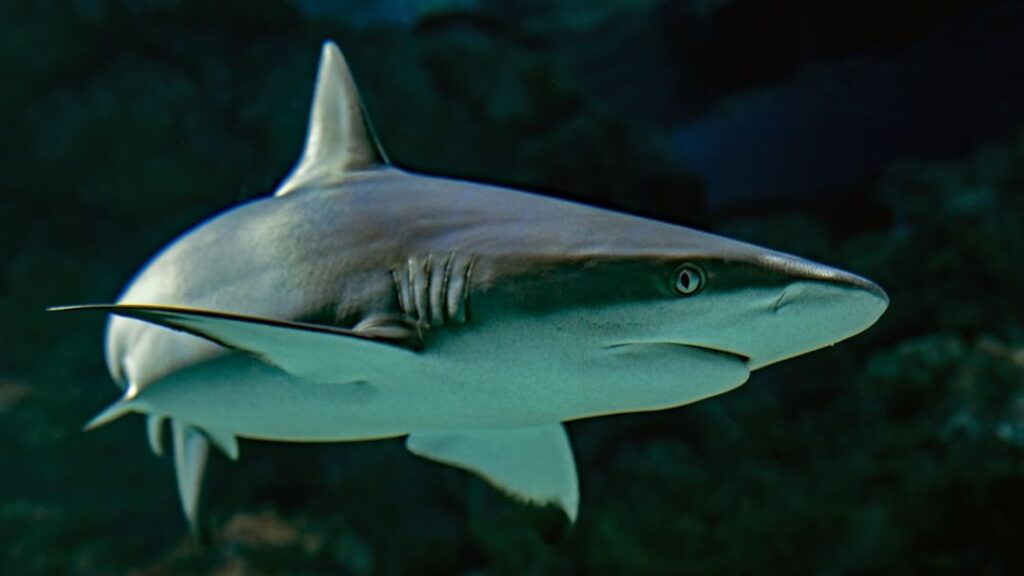

You probably picture sharks cruising the Carolina coast hunting fish, rays, maybe the occasional sea turtle. What you probably do not picture is a shark coughing up something that looks like it came straight out of a junk drawer or a garage sale. Yet when researchers and commercial fishermen along the North and South Carolina coasts cut open sharks for scientific study or food, they sometimes find the same everyday stuff you use on land, now warped, rusted, and half-digested. You can take this two ways. On one hand, it is darkly hilarious that an apex predator can end up swallowing something as boring as a license plate. On the other, it is a pretty blunt reminder of just how much of your trash ends up in the ocean. As you look at these 13 common items, you are really getting a snapshot of your own habits reflected back from a shark’s stomach – and that is both fascinating and a little uncomfortable.
1. License Plates: The Classic Shark Stomach Cliché

You have probably heard the old joke that tiger sharks will eat license plates, and it turns out that is not just a movie gag. Around the world, biologists dissecting large sharks have documented metal plates from cars, trucks, and boats sitting in the stomach like bent, rusted tiles. When you picture the Carolina coast – with busy shipping lanes, sport-fishing boats, and millions of cars moving up and down the shoreline – you can see how one of those plates might end up overboard and on a shark’s radar.
From the shark’s point of view, a license plate is just a strange, shiny rectangle tumbling through the water, catching light like the flashing side of a wounded fish. If you are a tiger shark cruising off Cape Hatteras or Charleston and you are wired to test almost anything with your mouth, that plate is just another experiment. You might spit it out later, or it might sit there for years, slowly corroding in a biological junk drawer. You, standing in your driveway tightening a real plate with a screwdriver, probably never imagine it could end its life inside a shark.
2. Bottles and Cans: The Ocean’s Aluminum Graveyard

If you have ever walked a Carolina beach at low tide, you know how often a piece of trash rolls in with the waves. Multiply that by all the party boats, fishing trips, and crowded summer weekends, and it is no surprise that glass bottles and aluminum cans sometimes show up when a shark is opened up for research. You might toss a drink can into the wrong bin or leave it on the sand, and a few storms later, that same can could be tumbling along the seafloor where a scavenging shark is nosing around.
Sharks do not recognize your label, your brand, or your recycling logo. They feel vibrations, see silhouettes, and sometimes just lunge at whatever drifts in front of them. A can rolling along in the current can look and sound like food, especially in murky water. You might think the ocean just swallows your litter and makes it disappear, but when that can reappears from a shark’s stomach, it is a pretty blunt reminder that nothing really vanishes – it just moves into places you never see.
3. Shoes and Boots: Lost at Sea, Found in a Shark

You probably do not think of footwear as something that spends much time underwater, but coastal communities know how often storms yank entire closets’ worth of belongings out to sea. Think about marinas, working docks, and small boats where an old boot or sneaker might be used as a weight, a doorstop, or just left lying around. A big swell or a careless toss, and that shoe is suddenly drifting in the same waters where sandbar and tiger sharks patrol.
To you, a shoe is a boring everyday object; to a shark, it can be a mysterious, scent-holding package. It soaks up fishy smells from bait buckets or docks, and its irregular shape can trigger curiosity when it tumbles along the bottom. You might laugh at the idea of a shark with a boot in its belly, but footwear is one of those items that quietly tells the story of human clutter spreading offshore, one lost work boot at a time.
4. Fishing Gear: Hooks, Lures, and Tangled Line
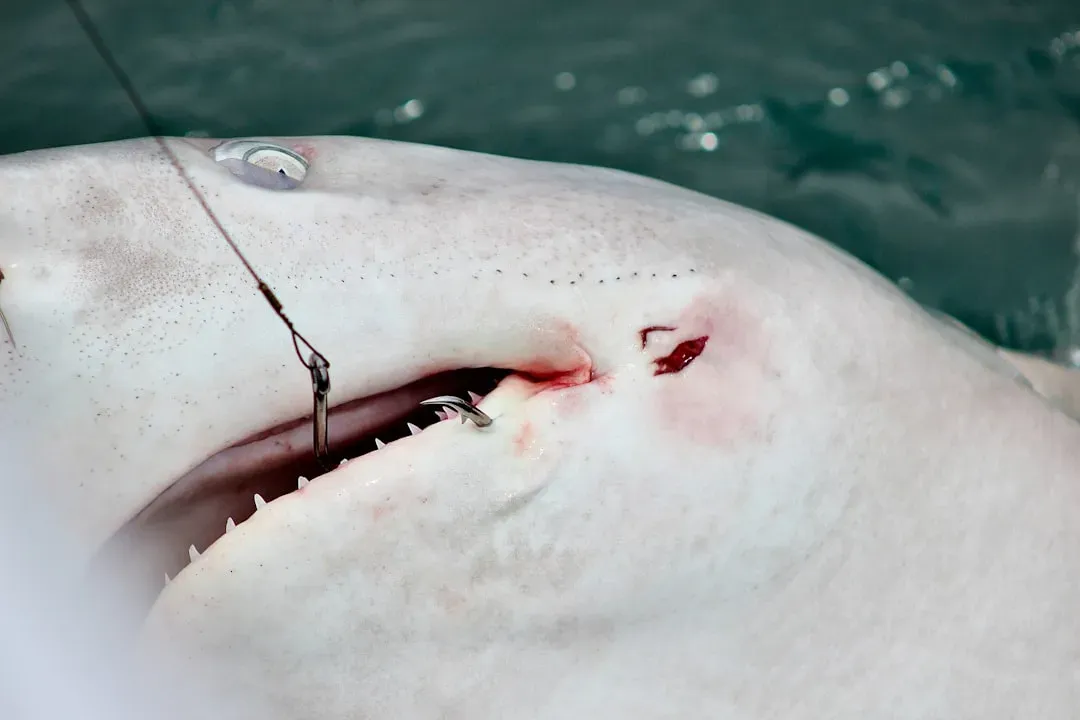
If you spend any time fishing off the Carolinas, you already know how much gear you can lose on a bad day. A snag on a wreck, a snapped line in rough seas, or an impatient cut with a knife, and there goes a hook, a lure, and a long, drifting strand of monofilament. Sharks do not just swallow what they hunt; they often grab whatever is attached to struggling prey, which is why bits of fishing tackle are among the most common human items inside them.
You might picture a hook caught in a jaw, but a shark can just as easily gulp down an entire bait rig or gulp a fish that has already swallowed a lure. Once inside, metal and plastic do not dissolve; they rattle around, pierce tissue, or simply sit there. As an angler, it is easy to shrug off lost gear as “part of fishing,” but when that gear ends up in a stomach you can actually hold open, it becomes painfully clear that every cut line was a long-term decision for the animals living below you.
5. Plastic Bags: The Deadly Imitation of Jellyfish
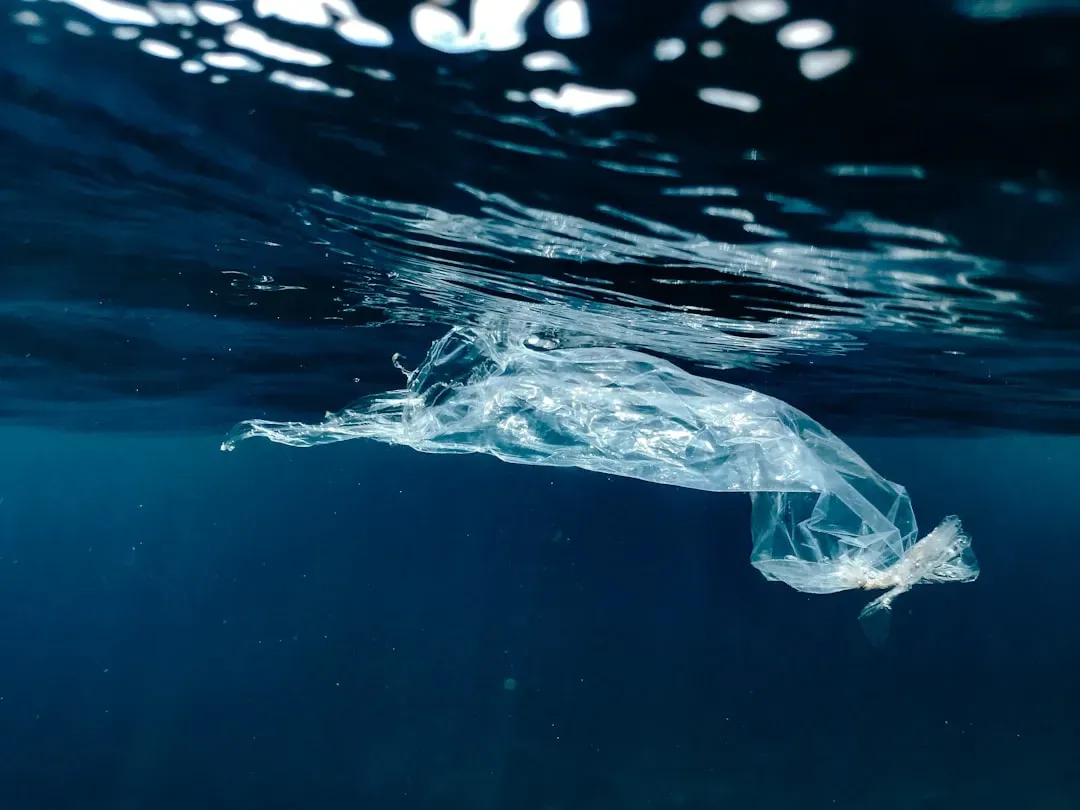
Sharks rely on motion and contrast more than fine detail, especially in green or murky water. A translucent bag can look just like a jellyfish or chunk of flesh from below, and a curious shark will not know the difference until it is already in its mouth. Once swallowed, that sheet of plastic can clog the gut, block digestion, or simply sit there like a crumpled parachute. When scientists slice open a shark and pull out a wad of plastic that started life at a supermarket, they are basically holding your throwaway convenience item in its final, ugliest form.
6. Food Wrappers and Snack Packaging
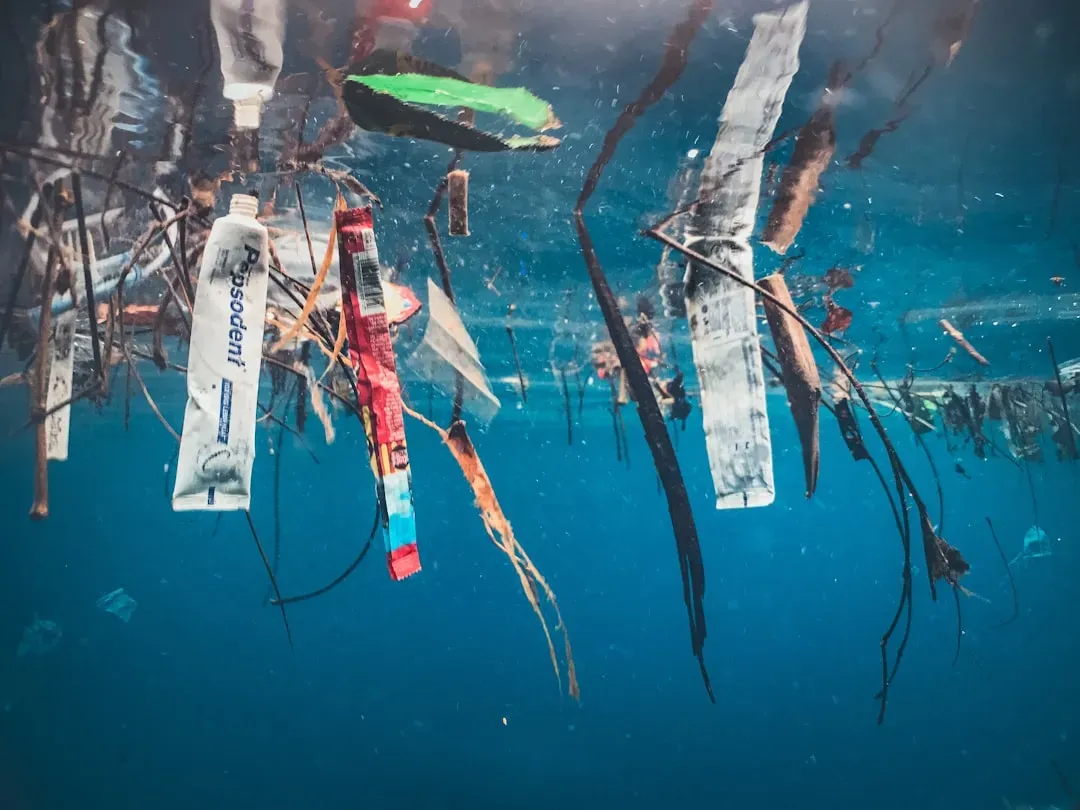
Think about how many chip bags, candy wrappers, and single-serving snack packets you see in any busy parking lot near the beach. All it takes is a gust of wind, an overflowing trash can, or a careless toss, and that crinkly little rectangle is on its way toward the surf. Once in the waves, those bright colors and sharp edges do not mean anything; they are just more debris swirling through the same layers of water that coastal sharks use as highways.
When you learn that researchers routinely find bits of branded packaging and unknown plastic film inside sharks, you are really seeing your snacking habits in cross-section. A wrapper that traveled from a boardwalk or pier becomes part of the marine environment for decades. Sharks that feed near river mouths or around inlets can end up swallowing those scraps as they lunge at baitfish. You finish your snack in seconds; the ocean and its predators keep dealing with that little wrapper long after you have forgotten it existed.
7. Dog Toys and Pet-Related Items

Along the Carolina coast, dogs are almost as common as beach umbrellas. You toss toys into the surf, clip leashes to collars on the pier, and carry balls, chew toys, and frisbees everywhere. Every one of those items is a potential piece of future marine debris if it slips under a wave or floats out on a rising tide. Once offshore, a squeaky bone or hollow rubber toy does not scream “pet store” anymore; it just becomes another odd shape tumbling near a curious shark.
When biologists report finding animal toys or fragments that look suspiciously like chewed plastic bones inside sharks elsewhere, it is not a stretch to imagine the same thing happening off Carolina beaches. You might remember the day your dog lost a favorite fetch toy in the surf; you probably do not imagine that, months later, a shark could be carrying that same toy inside its gut. It is an unsettling way to realize how tightly your coastal lifestyle is woven into the hidden lives of animals you almost never see.
8. Clothing: Shirts, Pants, and Strips of Fabric
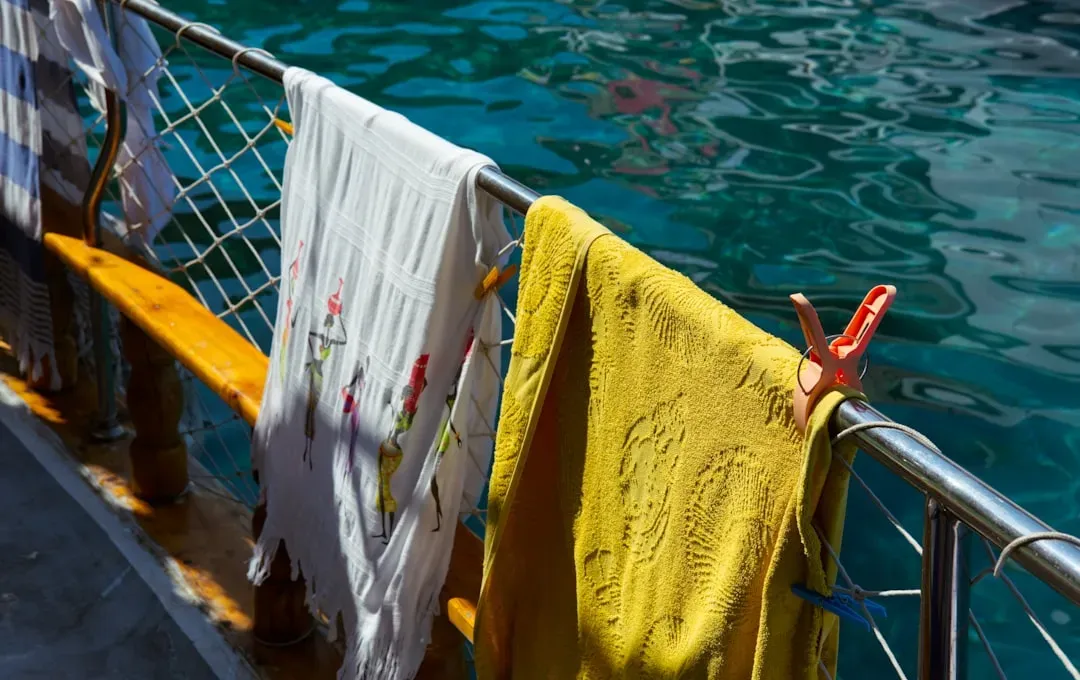
You know how violently storm surge can raid a house near the beach. Whole closets and laundry baskets can end up in the water in just a few hours. Even on calm days, a stray shirt or towel can blow off a boat, a dock, or a balcony and find its way into the sea. Once submerged, fabric gets heavy, wraps around debris, and can move in strange, fluttering ways that grab a shark’s attention during a feeding frenzy.
Sharks do not politely sort through a school of baitfish; they slash, spin, and swallow in a blur. In that chaos, a strip of cloth can get sucked in right along with real prey. When researchers find pants legs, T-shirt scraps, or other random cloth inside a shark, it does not necessarily mean something sinister – it often just means you and the ocean share more of the same space than you realize. Every tattered shirt you see snagged on a jetty is a reminder that other pieces might have traveled much farther, all the way into a predator’s stomach.
9. Metal Fragments and Scrap Hardware
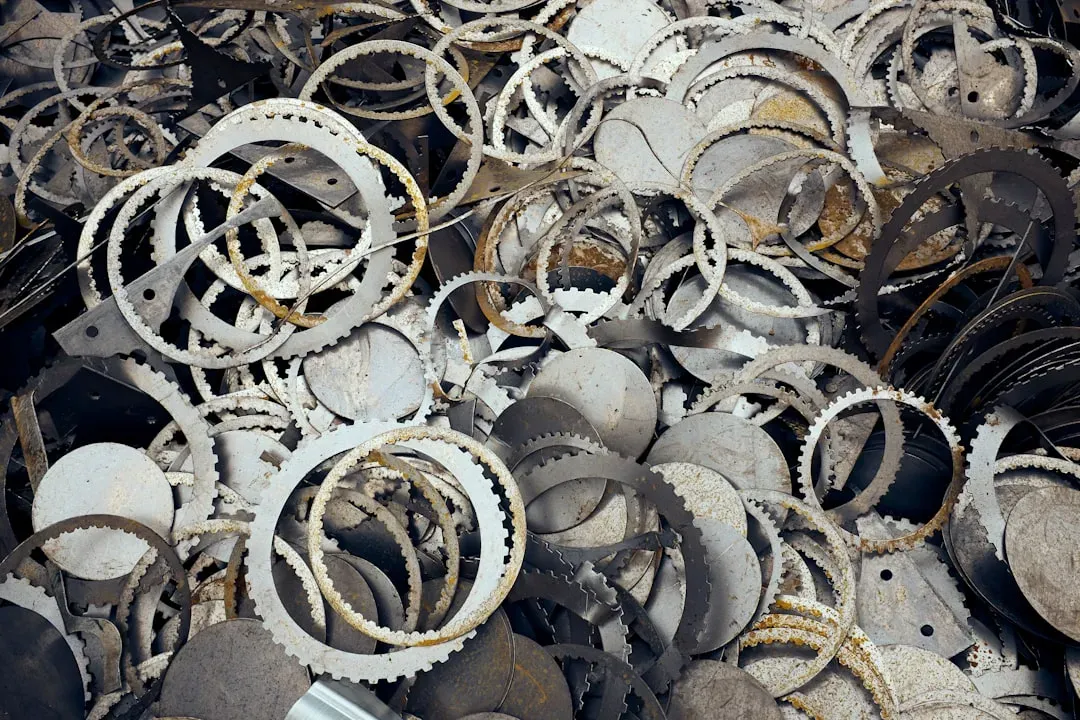
Up and down the Carolina shoreline, you have piers, artificial reefs, sunken boats, and working harbors – all full of metal fittings, bolts, anchors, and scrap. When storms and corrosion do their work, bits of that hardware break loose, fall to the bottom, and mix with shells, rocks, and dead fish. A shark sweeping the seafloor with its mouth partly open can accidentally inhale a surprising amount of that metallic clutter while hunting crabs, rays, or discarded carcasses.
To you, a nut, bolt, or scrap of metal is just something that fell off a trailer or dock and vanished below. To a shark, that same object might be a permanent passenger in its gut. Studies of shark stomach contents in coastal areas worldwide have turned up everything from nails to pieces of steel cable, usually mixed in with more natural food. When you see a bucket of random metal pulled from a shark during a dissection, you are basically looking at a mini museum of human coastal activity that never stayed on shore.
10. Toys and Playthings from the Beach
If you have spent a single summer week at a Carolina beach, you know how many plastic shovels, buckets, and action figures get left in the sand. The evening tide comes in, lifts those forgotten toys, and carries them into deeper water. Some sink quickly; others float and survive for years. Either way, they drift through the same shallow zones where juvenile sharks learn to hunt and adult sharks follow schools of mullet and menhaden.
When you imagine a half-digested toy being pulled from a shark’s stomach, complete with faded colors and worn-off paint, it feels almost surreal. But from the shark’s side, it is just one more oddly shaped object that smelled a bit like bait or moved in a way that triggered a reaction. You buy toys to create happy beach memories; you rarely think about where those toys go when the vacation ends. Sometimes, the answer is uncomfortably literal: they become part of what a predator carries inside its body.
11. Cigarette Butts and Small Bits of Trash
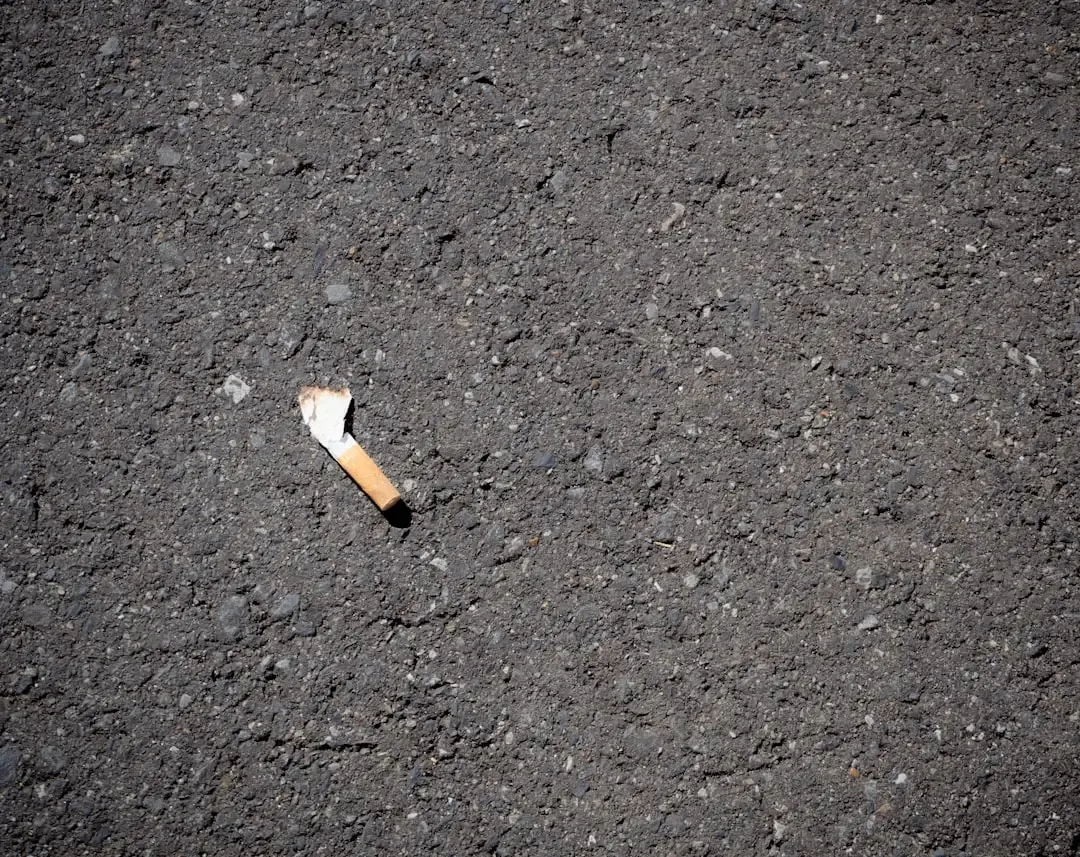
Of all the litter you see near the shoreline, cigarette butts are probably the most common. They are small, they are easy to flick away without thinking, and they are made to resist breaking down quickly. Once the surf grabs them, they join an entire cloud of micro-debris – tiny plastic shards, fibers, and fragments – swirling through the nearshore waters where sharks feed. You might never notice one butt disappearing under a wave, but a filter can ride currents much farther than you expect.
Sharks that feed by gulping mouthfuls of water and prey can easily scoop up those little pieces along with fish and crustaceans. When stomach contents are examined under a microscope, researchers often find exactly that kind of tiny trash mixed in with natural material. You usually think of a cigarette as something that affects your own lungs; you do not often imagine its filter ending up inside a shark’s digestive system, adding one more insult to an already stressed ocean.
12. Bones and Body Parts from Land Animals
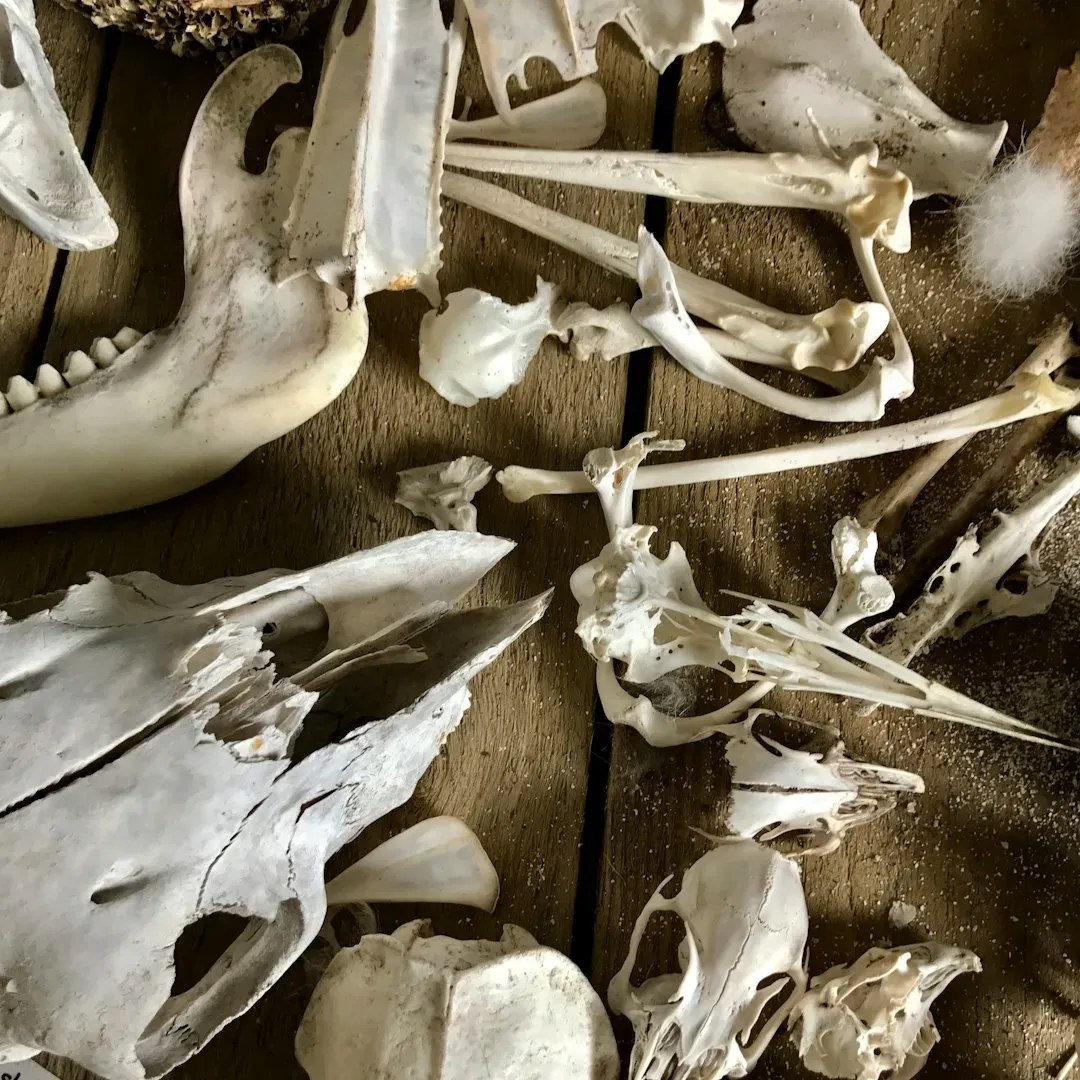
It sounds like a horror story, but there is a very practical explanation for why sharks sometimes carry bones or remains from animals that clearly came from land. Along the Carolina coast, rivers, estuaries, and inlets all funnel debris – including dead livestock, wild animals, and pets – out into the ocean after storms or floods. When those carcasses reach saltwater, scavengers of all kinds, including sharks, clean them up quickly.
You might only hear about these cases when there is something shocking involved, but the basic pattern is simple: anything that dies upstream can eventually become part of the marine food chain. From the shark’s perspective, a floating cow or dog is just protein in an unexpected package. When you learn that a large predator off your favorite beach may have fed on animals that started life on a farm or in a backyard, you get a clearer sense of how blurred the line really is between land and sea.
13. Stones, Shells, and Random “Test Bites” on the World
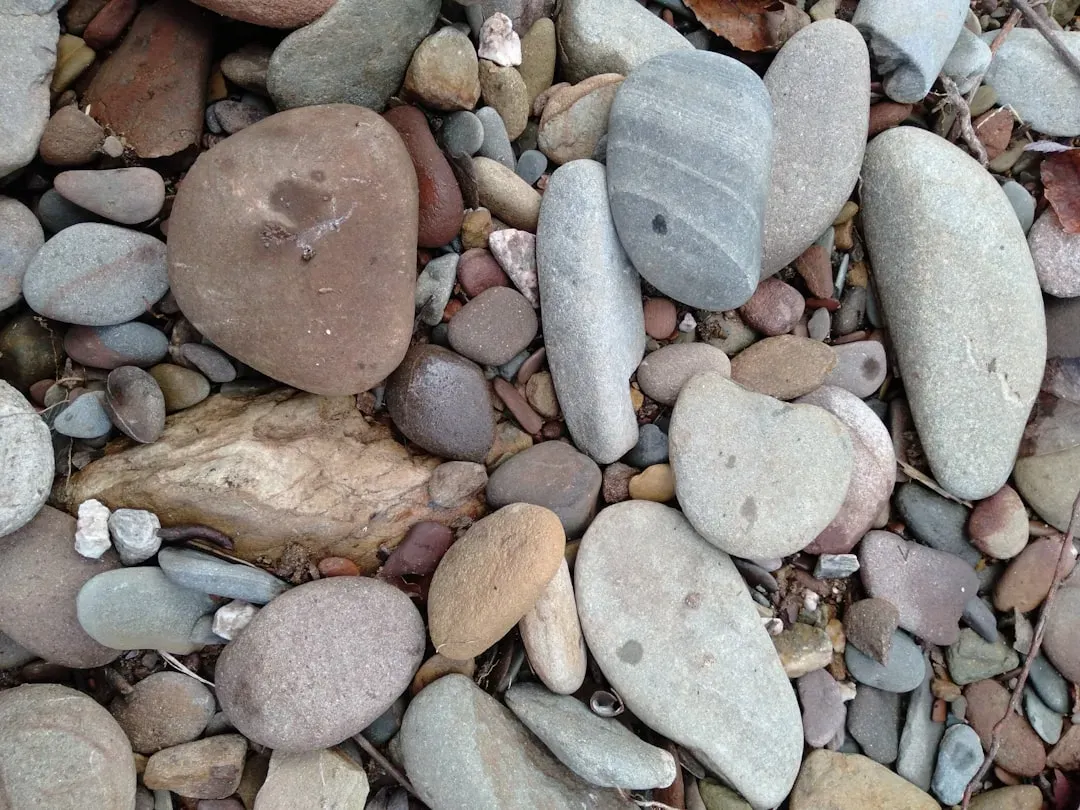
Not everything inside a shark is dramatic or obviously human; sometimes you find simple stones, chunks of shell, or pieces of wood. Along the Carolinas, shifting sandbars and shell beds are everywhere, and many sharks cruise just above the bottom, snuffling through sediment as they search for crabs, rays, and flatfish. In that process, they often swallow a little of everything, either by accident or as part of a kind of rough test of their surroundings.
When you see a handful of pebbles or shell fragments pulled from a shark, it looks almost silly, like someone scooped a piece of beach and stuffed it inside. But it reminds you of how these animals interact with their world: they explore with their mouths. You might tap something with your finger; a shark does the same thing with its teeth. That curiosity is part of what makes them so successful, and also part of why your stray trash, building materials, and household odds and ends keep ending up where they never belonged – inside a living animal.
Conclusion: What a Shark’s Stomach Really Says About You
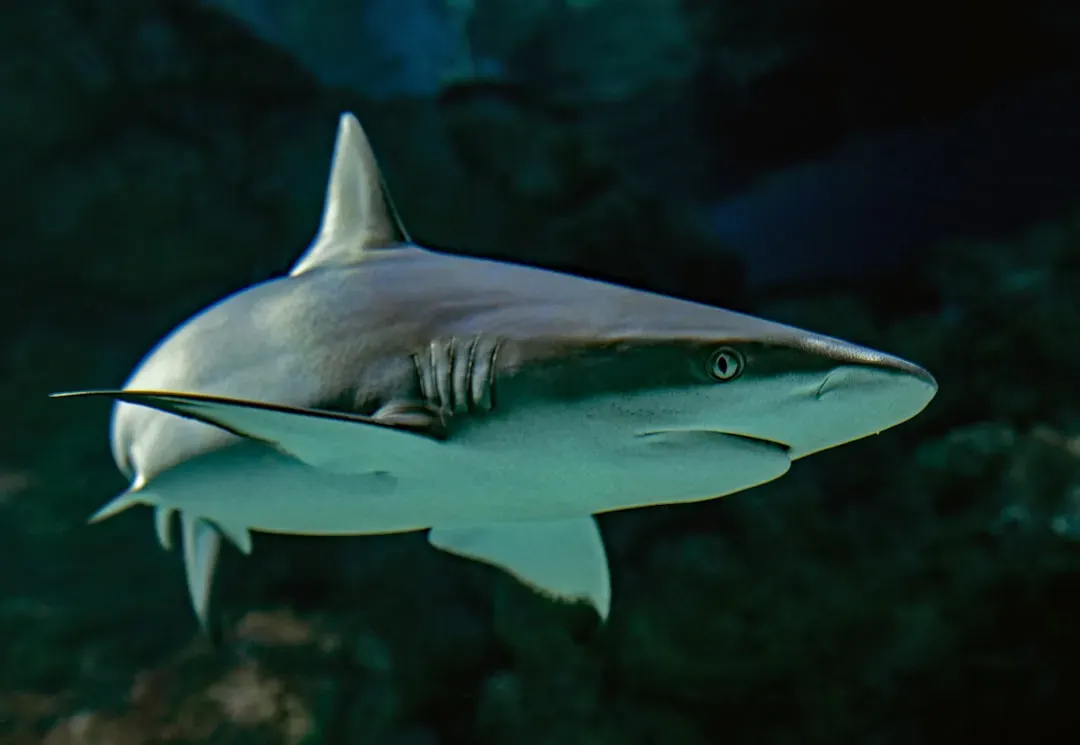
When you picture all 13 of these items together – license plates, cans, toys, clothing, fishing gear, and more – you are not really looking at a list of things sharks like to eat. You are looking at a mirror of your own behavior as a coastal visitor, resident, or angler. Sharks off the Carolina coast are opportunistic, sure, but they are not hunting boots and snack bags; they are simply navigating a world you have filled with stray metal, plastic, and fabric, and sometimes they pay the price for your clutter with their health.
You can not personally fix everything that ends up in the ocean, but you can treat each beach trip, fishing run, and storm season as a chance to change the story a little bit. You can tie things down, pack your trash out, cut your lost line shorter, and pick up the random wrapper that is not even yours. The fewer everyday objects you send drifting into the surf, the fewer surprises scientists will find the next time they examine a Carolina shark. When you think about that, what do you most hope never turns up in a shark’s stomach with your fingerprints on it?