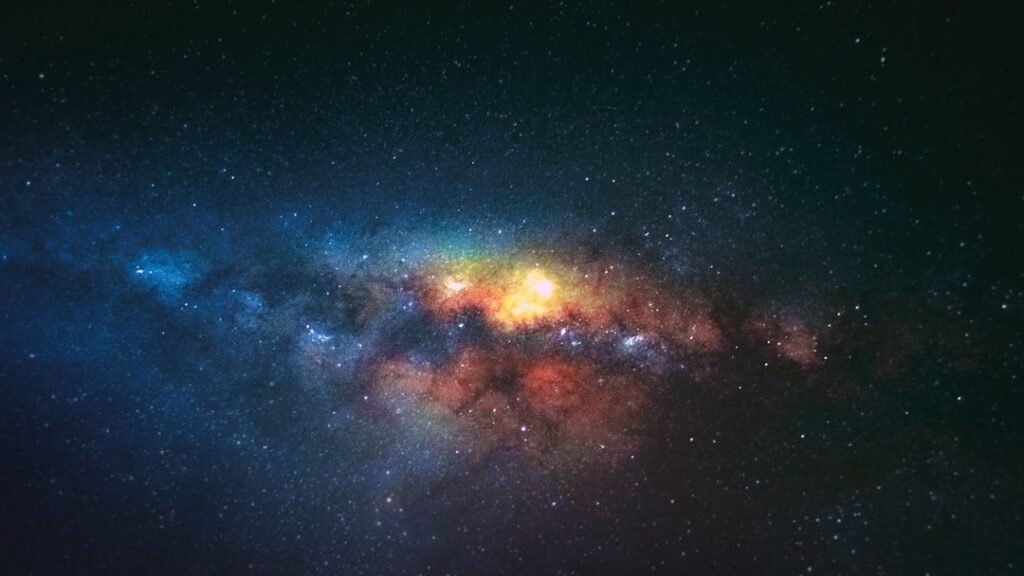

Stand outside on a clear night, look up, and here’s the unsettling thought: every one of those distant galaxies is, on average, racing away from us. Space itself is stretching, silently, relentlessly. Astronomers measure it, map it, argue over the details – but the basic fact is no longer in doubt: the universe is expanding, and has been for billions of years.
But that raises a question that feels almost impossible not to ask: if everything is flying apart, what is it expanding into? Is there some giant cosmic “outside” we can’t see, like air outside a balloon? Or are we missing something more subtle and stranger about what “expansion” really means? To make sense of where it’s all going, we have to unlearn a few everyday intuitions – and let the universe be weirder than our gut instincts want it to be.
How We Discovered The Universe Is Not Sitting Still
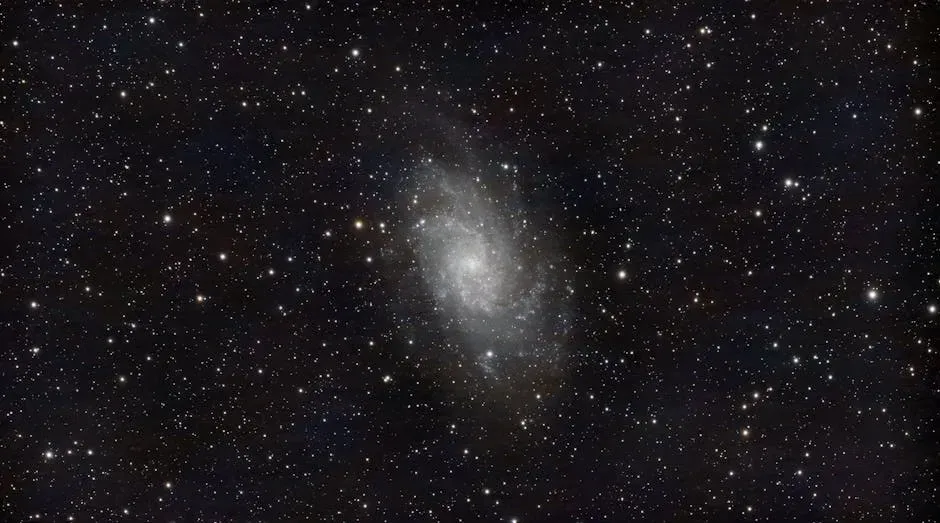
Less than a century and a half ago, many scientists assumed the universe was static and eternal, just sitting there unchanging on the largest scales. That picture was shattered in the early twentieth century, when careful observations of distant galaxies revealed something shocking: their light was stretched toward the red end of the spectrum, implying they were moving away. The farther the galaxy, the stronger the stretching, like a cosmic speedometer built into the light itself.
From this pattern, astronomers inferred that space between galaxies is getting larger over time, not that we’re sitting in the middle of some explosion. In fact, no matter which galaxy you’d choose to live in, you’d see roughly the same thing: almost everything else receding on average. That’s the first big clue to the puzzle of “” – there’s no special central point things are moving away from. Every place can be a sort of “center” of its own observable universe.
Space Isn’t A Stage, It’s Part Of The Show
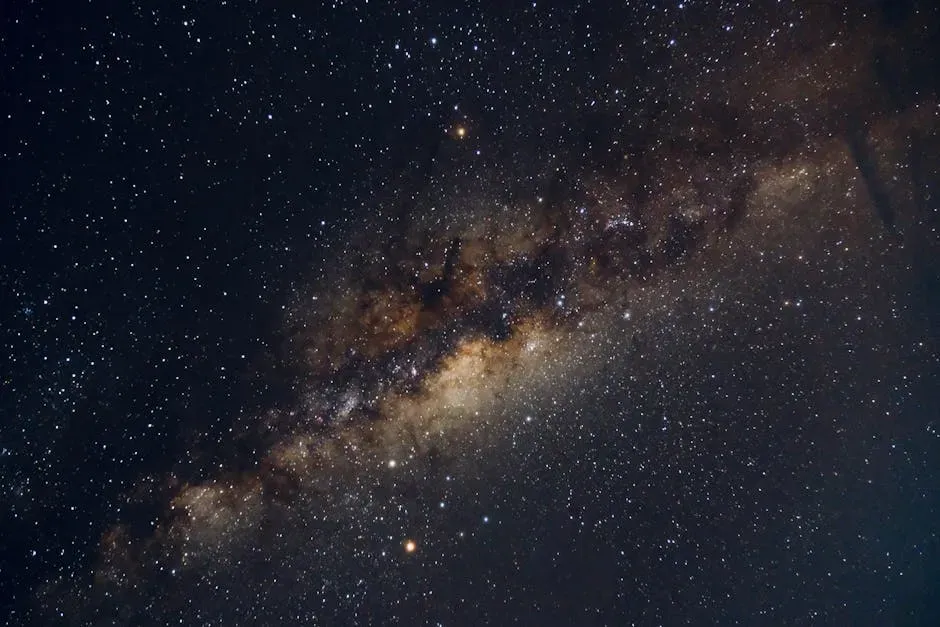
Our brains like to treat space as a silent container, like a big empty room where matter and energy do their thing. Modern cosmology paints a different picture: space itself is dynamic, flexible, and can stretch, curve, and evolve. It’s more like the surface of a trampoline than a rigid floor; put mass and energy on it, and the shape changes. Let time pass, and the distances on that surface can grow.
This means the universe is not expanding “into” something else in the way a balloon expands into the air in your living room. The expansion is a change in the distances within the universe, not a movement into an outside void. When cosmologists say “space is expanding,” they mean the geometry itself is evolving – the measuring stick built into the universe is being rescaled over time. It’s weird, but it fits the data astonishingly well.
The Balloon Analogy (And Why It’s Right And Wrong)
The most common picture you’ll hear is the balloon analogy: imagine tiny dots on the surface of a balloon as galaxies. As the balloon inflates, the dots move apart from one another, even though they’re not crawling across the rubber. Distances grow because the surface itself stretches. No dot is at the center of the expansion, yet each dot sees all the others moving away. That captures one crucial idea: expansion can happen without an external “outside” that the dots travel into.
But the analogy has limits that can quietly mislead you. The balloon’s surface is two-dimensional, and its “outside” is our three-dimensional room – we can see the larger space it’s embedded in. Our universe, as far as we know, doesn’t have a higher-dimensional room it sits inside in any necessary way. The expansion of space doesn’t require a surrounding space, just as the distance between two points on a number line can increase without that line living inside a bigger one.
Is There An Edge, Or Does It Go On Forever?
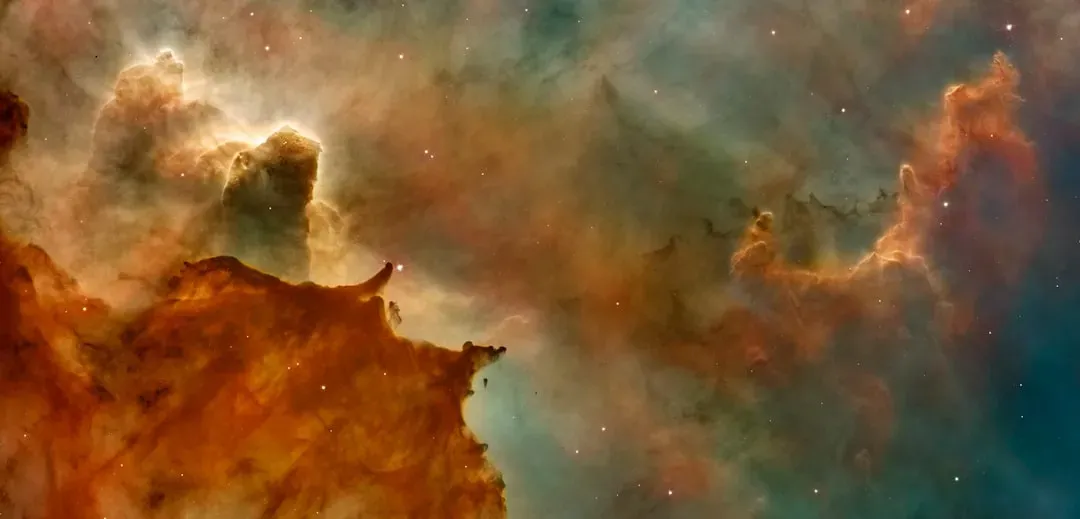
When someone asks “where is it going?” there’s usually another question hidden underneath: “what’s at the edge?” That’s where things get both simple and deeply unsatisfying to our everyday instincts. As far as observations can tell, the universe has no sharp edge, no wall, no cosmic fence beyond which there’s a big nothing. On large scales, it looks roughly the same in every direction, wherever you stand – astronomers call that homogeneity and isotropy.
There are two broad possibilities that fit current evidence: the universe might be finite but unbounded, or it might be truly infinite in extent. Finite but unbounded is like the surface of Earth: you can keep walking and never hit a brick wall, even though the surface area is limited. Infinite means there is simply no end, nowhere the galaxies stop. In both cases, there’s no outer shell where the universe is “heading” – there’s just more universe, with the distances inside it steadily growing.
The Observable Universe: Our Bubble Of Light
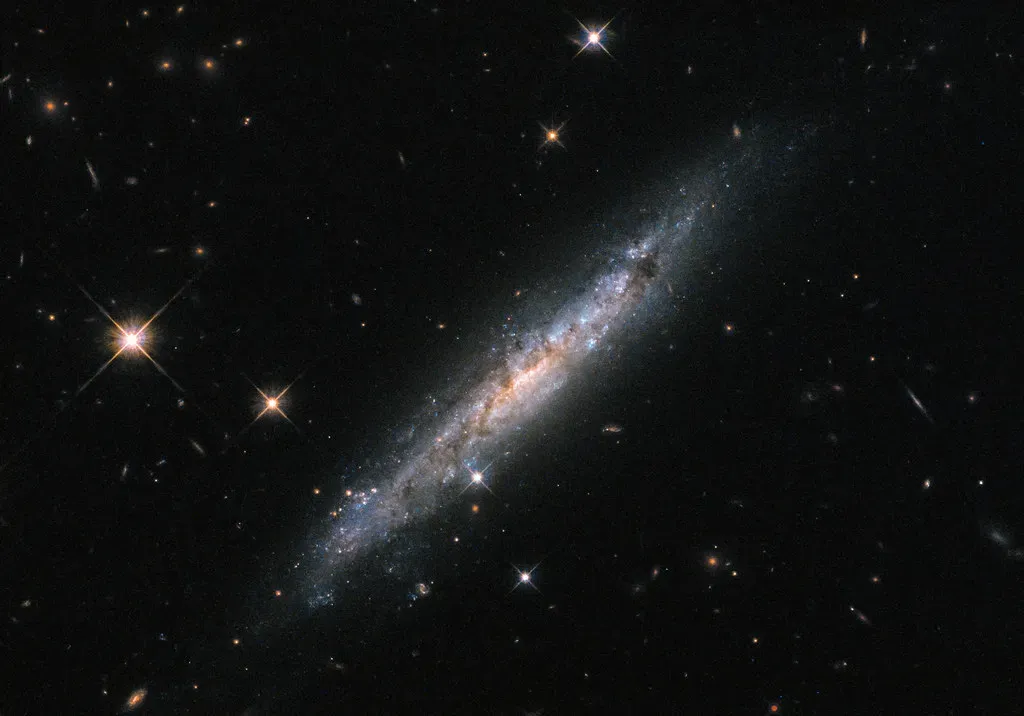
Even if the universe itself has no edge, we definitely do: the edge of what we can see. Light takes time to travel, and the universe has a finite age, so there’s a maximum distance from which light has had time to reach us since the Big Bang. That sphere is what cosmologists call the observable universe, and its radius is far larger than the naive “age times the speed of light,” because space has stretched during the light’s journey.
Beyond that horizon, there can be more galaxies, more structure, more of the same cosmic foam we see within our bubble – we just don’t get their signals yet, and may never. This is a key twist: when we ask “”, we tend to imagine everything racing outward into empty darkness. In reality, much of the universe is already beyond the region that can ever affect us, and more will slip past that horizon over time, not because they’re breaking some speed limit through space, but because the space between us keeps swelling.
Expansion Faster Than Light (Without Breaking The Rules)
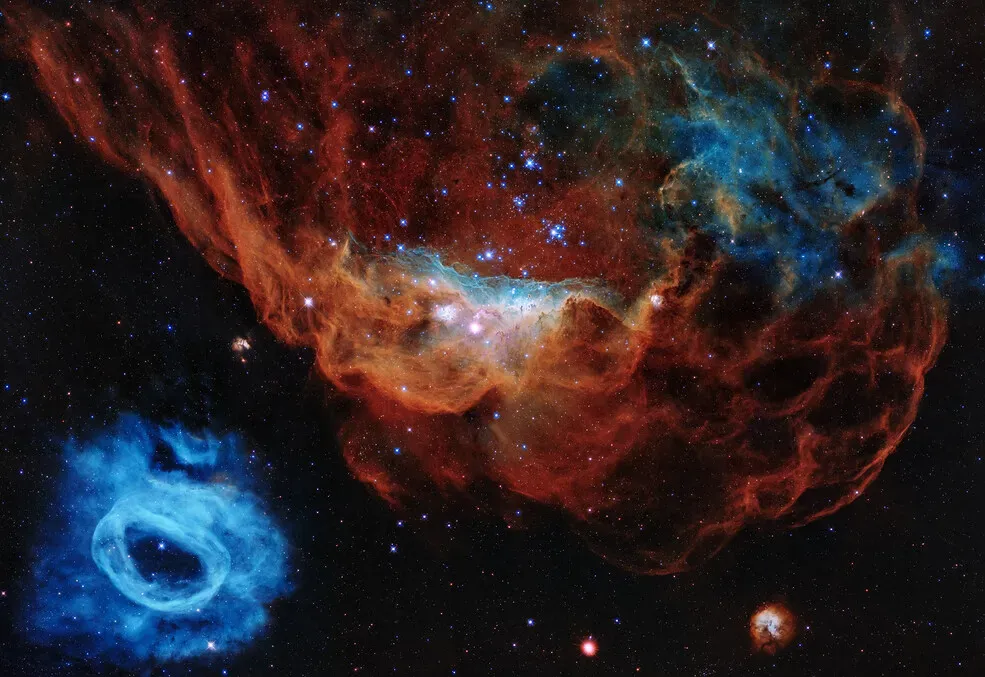
It sounds like a paradox: distant galaxies are receding from us faster than light, and yet nothing can move through space faster than light. The resolution lies in the distinction between motion through space and the expansion of space itself. The speed limit that Einstein’s relativity sets applies to objects moving locally through spacetime, not to how much the overall cosmic distance grid can stretch.
Imagine tiles on a rubber floor: each tile can only slide slowly relative to the rubber, but if the rubber is being pulled rapidly from all sides, two far-apart tiles can separate faster than any local sliding speed. In cosmology, this means galaxies extremely far away can cross our cosmic horizon because the intervening space is expanding so quickly. They are not rocketing through space at impossible speeds; they are mostly following the flow of the stretching fabric, carried away like leaves on an accelerating river.
Dark Energy: The Mysterious Fuel Of The Future
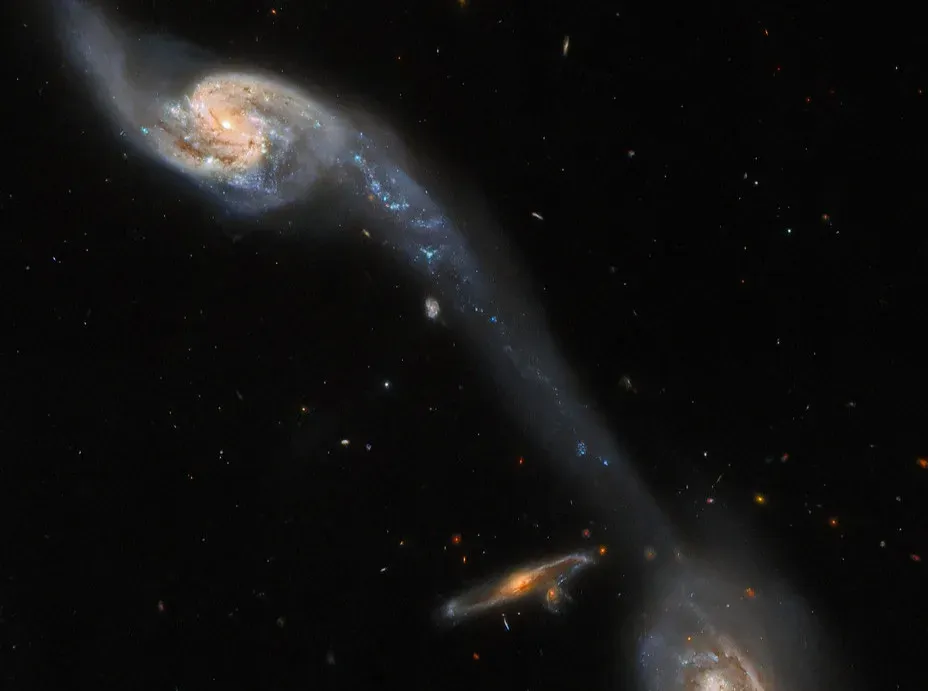
In the late twentieth century, astronomers expected gravity to be gradually slowing the expansion, like a ball thrown upward from Earth’s surface. Instead, careful measurements of distant exploding stars revealed something startling: the expansion is speeding up. To account for this, cosmologists introduced a new ingredient, often called dark energy, which behaves like a kind of energy built into empty space itself, pushing everything apart on the largest scales.
If this acceleration continues indefinitely, the distant future of the universe looks lonely. Over unimaginable spans of time, more and more galaxies will cross beyond our observable horizon. The night sky will thin out; future astronomers, trillions of years from now, might see only their own galaxy and a few neighbors, with no obvious sign of a vast expanding cosmos at all. In that sense, where it’s all going is toward increasing isolation between far-flung regions of the universe.
Different Possible Endings: Big Freeze, Rip, Or Something Else?
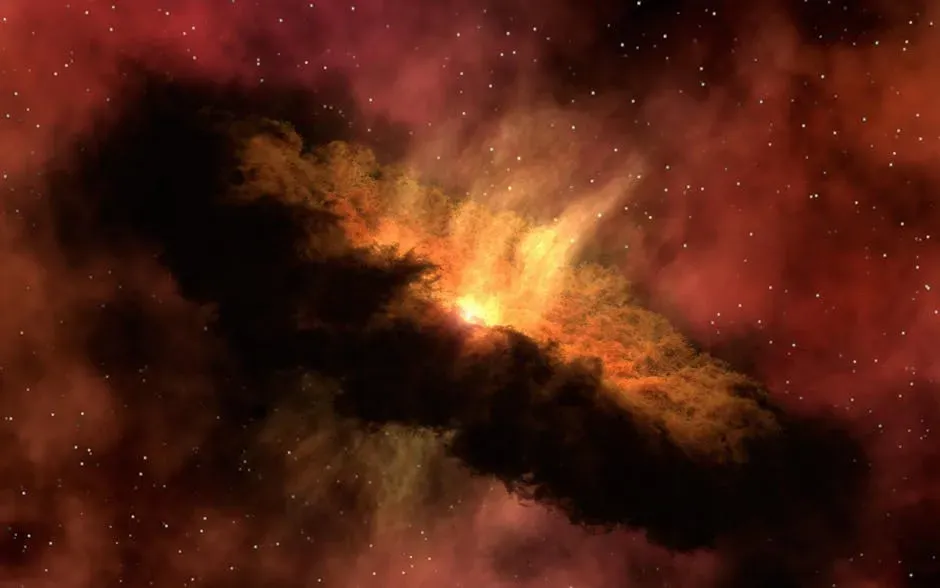
Where the universe is “going” also means: what is the long-term storyline? The most widely supported scenario today is sometimes called the big freeze. In this picture, stars burn out, new star formation dwindles, black holes slowly evaporate, and the universe slides toward a thin, cold, dark state where expansion has stretched matter and radiation into an almost featureless mist. No fiery crash, just a slow fading of cosmic fireworks.
There are more dramatic theoretical possibilities, though they’re less favored by current data. In a big rip scenario, if dark energy’s repulsive effect grows stronger over time, it could eventually tear apart galaxies, solar systems, and even atoms, as the expansion overwhelms all other forces. Other ideas involve cycles or bounces, where expansion might one day reverse. For now, the evidence leans toward an endlessly expanding cosmos that cools and quiets rather than slamming into a final wall.
So…Where Is It All Going, Really?
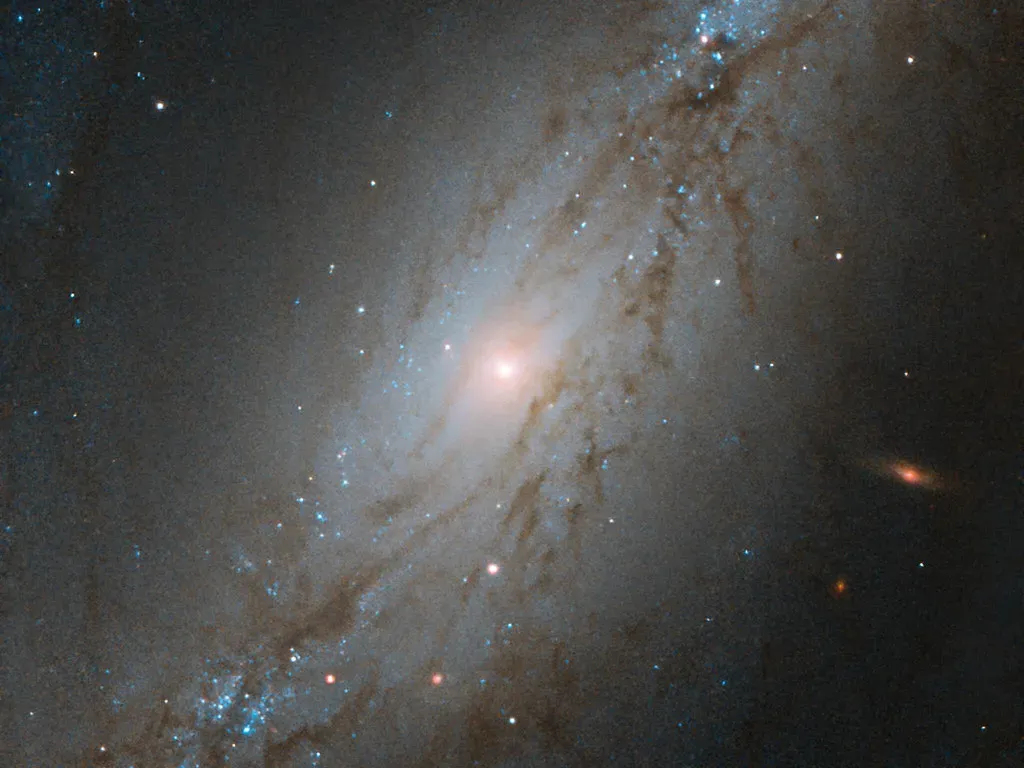
If we drop the balloon, the analogies, and the technical jargon, what’s the honest answer? The universe is not going anywhere in the sense of moving into an outer space; rather, every large-scale distance inside it is growing with time. Think less “rocket flying toward a boundary” and more “the grid itself getting bigger between all its points.” The expansion is everywhere, not just at some front edge racing outward.
On human timescales, that expansion is almost imperceptible locally: your room isn’t stretching, and galaxies bound by gravity aren’t flying apart. But on scales of millions and billions of light-years, the trend is clear and relentless. Where it’s all going, as far as we can tell in 2026, is toward a larger and larger universe in which each region becomes more isolated from the others, not because there’s a destination, but because the connections between distant places are slowly being pulled beyond reach.
A Personal Take: Living In An Expanding Story
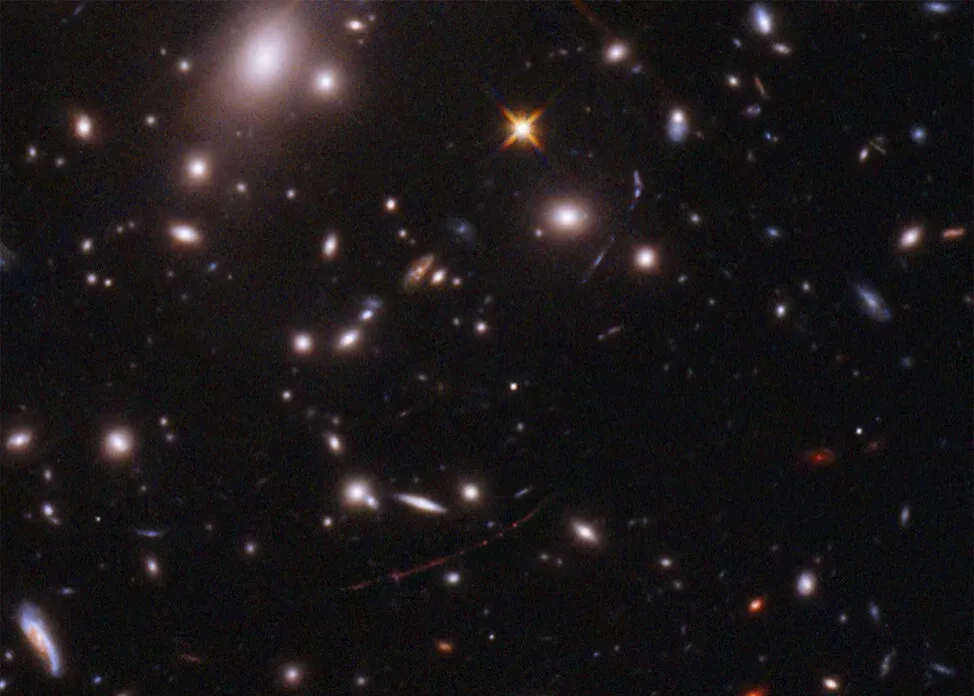
I remember the first time I really tried to picture this: lying on my back, imagining every star quietly sliding away, not into a bigger room but into more of itself. It felt almost claustrophobic and infinite at the same time, like realizing your hometown has no edge and yet you’re stuck in a tiny patch of it. There’s something humbling about knowing we live in a universe whose full reach we’ll never see, no matter how good our telescopes get.
At the same time, there’s a strange comfort in it. The fact that the universe is expanding and evolving means we’re part of an ongoing story, not a frozen, unchanging backdrop. We get to exist in a chapter where galaxies still shine, where the night sky still tells us about the past, where the future is open enough that we can only sketch the broad strokes. In a cosmos that has no outside and maybe no edge, the real question might be less “where is it going?” and more “what will we choose to do with our brief, bright moment in it?” Did you expect the answer to feel this big and this personal at the same time?