
You probably know someone who just seems naturally upbeat, even when life throws them curveballs. It almost feels unfair, like they were born with some secret happiness setting you just did not get. At the same time, you have likely heard people say you can simply choose to be happy, as if it were as easy as changing your shirt or flipping a light switch.
The truth, according to modern psychology and neuroscience, sits somewhere in the messy middle. You do not control everything about your mood or your life, but you do have more influence over your day-to-day happiness than you might think. When you understand how your brain, habits, and environment interact, the idea of “choosing” happiness becomes less like a slogan and more like a real, practical skill you can learn, practice, and slowly improve over time.
What Science Actually Means by “Happiness”

Before you can talk about choosing happiness, you have to get clear on what happiness even is. In research, happiness is usually broken into two main pieces: momentary pleasure (those short bursts of positive emotion) and overall life satisfaction (how you feel about your life when you step back and look at the big picture). You might feel miserable on a stressful Tuesday but still feel deeply satisfied when you zoom out and think about your relationships, values, and direction.
Scientists sometimes use the word “subjective well-being” because happiness is not just about smiling or avoiding sadness. It includes how often you feel positive emotions, how rarely you feel overwhelming negative ones, and how meaningful your life feels to you. When you look at happiness this way, it becomes less of a vague dream and more of a set of experiences and attitudes that can shift, even if not overnight. You are not chasing a permanent high; you are shaping the way you live, interpret, and remember your life.
How Much of Your Happiness Is Already “Wired In”?

You might worry that happiness is mostly locked in by your genes or childhood, and there is definitely some truth to that. Twin and family studies suggest that a noticeable chunk of your typical happiness level is influenced by inherited traits like temperament, emotional sensitivity, and how easily you get stressed. Some people are simply born more reactive or more calm, just like some are taller or more prone to allergies.
But this is not the whole story, and it is not a life sentence. A large part of your happiness is shaped by what you do, what you focus on, and how you interpret what happens to you. Your brain is not a fixed machine; it is more like soft clay that keeps getting reshaped by your experiences, thoughts, and habits. That means that even if you start with a certain emotional “default,” you are still able to nudge it upward over time, the way you might slowly improve your fitness even if you are not naturally athletic.
The Brain Chemistry Behind Feeling Good (and Why It Is Not Everything)
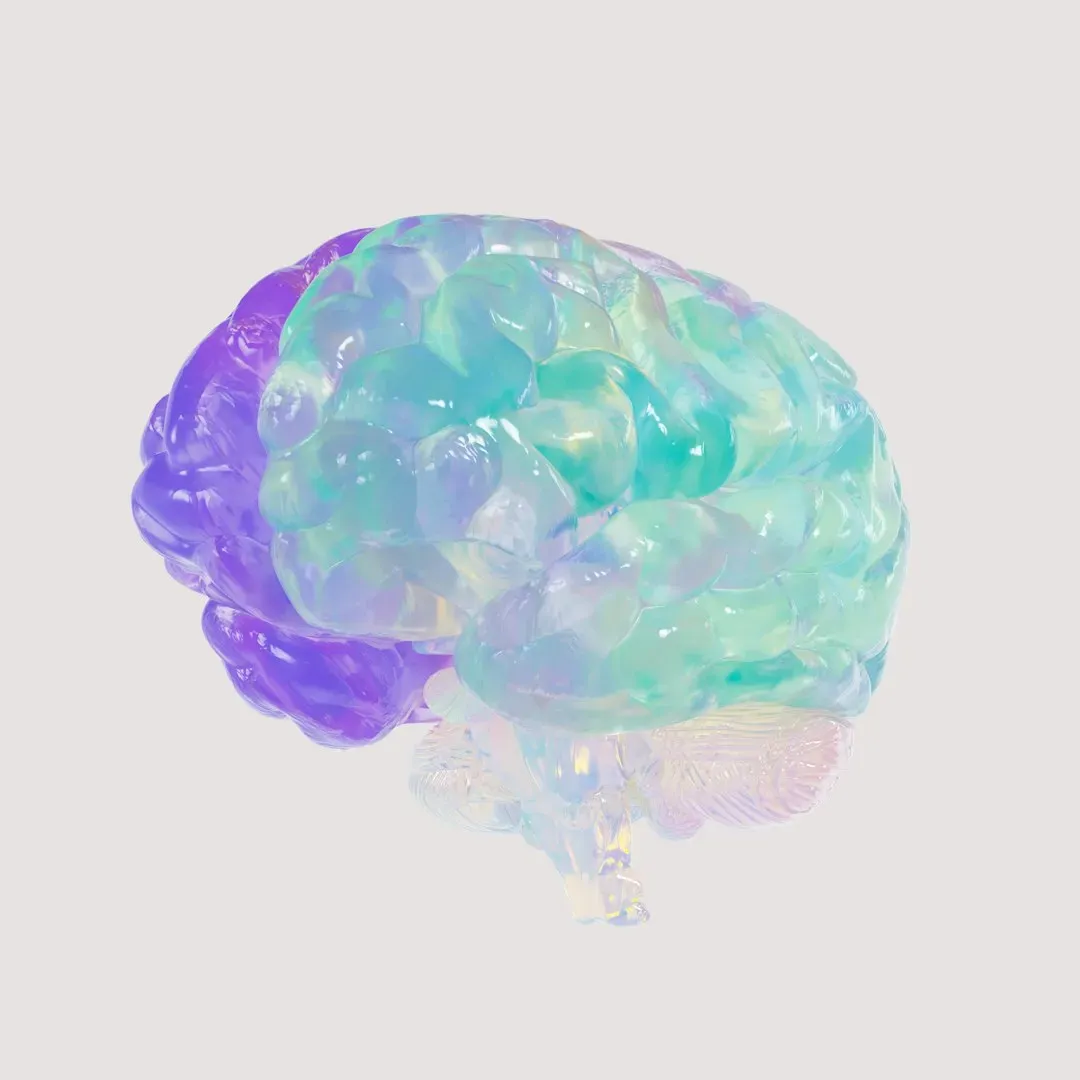
When you feel joy, relief, or connection, your brain is partly running a chemical show involving dopamine, serotonin, endorphins, and oxytocin. These brain chemicals influence motivation, mood, bonding, and even how you respond to pain. For example, when you do something meaningful, connect with someone you care about, or make progress on a goal, your brain often rewards you with a gentle lift that reinforces those behaviors.
However, you cannot simply decide to crank up these chemicals at will the way you turn up a thermostat. You influence them indirectly through choices: moving your body, getting enough sleep, connecting with people, doing things that matter to you, or even just stepping into daylight. Instead of imagining happiness as a magical chemical switch, it is more realistic to see it as a delicate ecosystem in your brain that responds to your routines, your environment, and how you talk to yourself.
Set Point Theory: Are You Stuck at One Level of Happiness?

A popular idea in psychology is that you have a happiness “set point,” a kind of baseline to which you tend to return after good or bad events. You might feel thrilled after a promotion or devastated after a breakup, but months later, you often end up back near your usual level. This can be discouraging because it sounds like no matter what you do, you will slide back to your old emotional average.
But more recent work suggests this baseline is not as fixed as once believed. Major life choices, long-term habits, mental health treatment, and sustained changes in your social world can shift that set point. Think of it like your physical fitness: you might have a natural tendency toward a certain frame, but regular exercise and nutrition can still move you meaningfully in a healthier direction. You might not turn into a constantly glowing ray of sunshine, but you can probably become noticeably calmer, more content, and more resilient than you are now.
The Role of Circumstances: Money, Health, and Hard Reality

It would be dishonest to claim happiness is purely a choice when you are dealing with financial stress, illness, discrimination, or loss. External conditions matter, and they matter a lot when your basic needs or safety are on the line. If you are constantly worried about paying rent, facing chronic pain, or working in a toxic environment, your brain is pulled toward survival mode, not joy and growth.
At the same time, once your basic needs are reasonably met, more and more money or comfort tends to bring smaller boosts to your happiness than you might expect. What starts to matter more is how you spend your time, who you spend it with, and whether you feel that your life aligns with what you care about. You cannot choose your way out of every hardship, but you can choose to fight for better conditions, build supportive relationships, and create small pockets of control and meaning, even when much of your situation feels unfair or overwhelming.
Where Choice Really Lives: Habits, Attention, and Interpretation

If you cannot simply command yourself to be happy, where does choice actually come in? One powerful place is attention. You have some say over what you repeatedly focus on: what news you consume, which thoughts you feed, what stories you tell yourself about events. Over time, your brain becomes better at finding what you regularly pay attention to, so if you constantly scan for danger or disappointment, you get better at spotting those and worse at noticing moments of connection or beauty.
Choice also shows up in how you interpret what happens to you. Two people can face the same setback and tell themselves very different stories about what it means. You can practice catching the harsh, automatic thoughts that say everything is your fault or nothing will ever improve, and replace them with more balanced ones. It is not delusion; it is like cleaning a dirty window so you can see your life more clearly instead of through a constant gray filter.
Practical, Science-Backed Ways to Nudge Your Happiness Upward

Instead of trying to force a vague feeling of happiness, it is more helpful to focus on small, proven practices that tilt your mind toward well-being over time. For example, writing down a few specific things you are grateful for a couple of times a week can gently train your attention to notice what is going right, not just what is going wrong. Acts of kindness, even tiny ones, often give you a lift that lasts longer than doing something purely for yourself.
Physical movement, especially the kind you actually enjoy, can act like a natural antidepressant for many people, because it changes brain chemistry and interrupts rumination. Spending time with people who make you feel seen and safe strengthens your sense of belonging. Even setting and pursuing realistic, meaningful goals gives your days a sense of direction so you are not just drifting. These are not instant fixes, but if you treat them like small daily investments, they add up into a real, noticeable difference in how you feel.
When You Can’t Just “Think Positive”: Mental Health and Support

There are times when talk about choosing happiness can feel insulting or even cruel, especially if you are dealing with depression, anxiety, trauma, or grief. In those situations, your brain may be working against you in powerful ways you did not choose and cannot just snap out of. You might know all the advice about gratitude and self-care and still feel like you are moving through mud every day.
In those moments, choice looks different. You may not be able to choose happiness directly, but you can choose to reach out for help, to talk to a therapist, to consider medication if appropriate, or to open up to someone you trust. You can choose to treat yourself with a little more patience instead of constant self-attack. Sometimes the bravest choice you make is simply to keep going, to keep showing up for another day, and that is not about toxic positivity; it is about giving yourself a chance to feel better in the future, even if today feels dark.
So, Can You Really “Choose” to Be Happy?

When you put all of this together, the idea that you can choose to be happy is both true and misleading. You cannot choose your genetics, your past, or many of your current circumstances. You cannot decide to never feel sadness, anger, grief, or fear again, and trying to chase that kind of constant cheerfulness usually backfires. Life will still bring loss, conflict, boredom, and moments where you feel completely stuck.
What you can choose, over and over, are the small things that make it easier for happiness to visit and harder for misery to stay forever. You can choose what you practice: how you speak to yourself, how you move your body, who you keep around you, what you make time for, and how willing you are to seek help when you need it. Happiness becomes less like a switch you flip and more like a garden you tend: you do not control the weather, but you do decide whether you pull the weeds, water the soil, and plant new seeds even when you cannot yet see them growing.
Conclusion: A More Honest Way to Think About Happiness

If you drop the fantasy that happiness is either a birthright you missed out on or a simple choice you keep failing to make, you free yourself to work with reality. You live in a body with certain wiring, in a world that is sometimes harsh, under conditions you did not design, and none of that makes you weak or broken. At the same time, you are far from powerless: your daily actions, your interpretations, your relationships, and your willingness to ask for help all shape the emotional climate you live in.
You may never become endlessly happy, but you can absolutely become happier, steadier, and more at peace with yourself than you are now. That journey is not about blaming yourself for every bad feeling; it is about recognizing where your choices actually matter and using that power gently but persistently. If you treat happiness as a skill to be practiced rather than a mood you are supposed to magically flip on, what small choice could you make today to move your life one notch closer to the one you want to feel?