Every now and then, you step into a place that makes your phone feel pointless, your to‑do list ridiculous, and the usual rush of life strangely far away. The air feels thicker, the light looks softer, and your brain quietly whispers: “Stay here a little longer.” That’s the feeling people try to describe when they talk about places .
These spots aren’t locked in some fantasy time loop. Trains still run, clocks still tick, and bills still show up. But the pace, the traditions, the landscape, and even the silence can pull you out of ordinary time. As you read through these nine places, notice how different they are – from remote deserts to frozen valleys to old European towns – yet how they all mess with your sense of “now” in their own powerful way.
1. Santorini, Greece – Sunset Over an Ancient Caldera
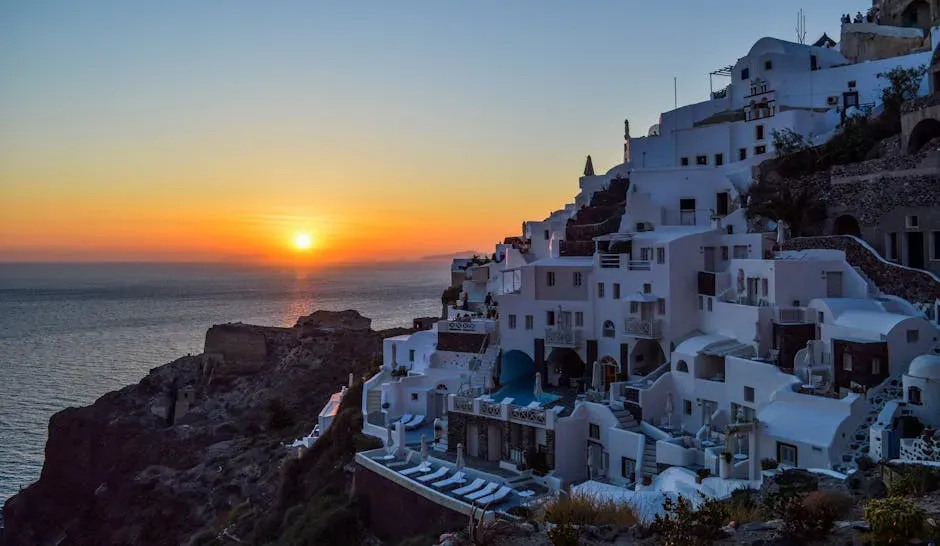
The first time you watch the sun drop behind Santorini’s volcanic caldera, it’s hard to believe the rest of the world is still answering emails. The cliffside villages of Oia and Fira, with their whitewashed houses and blue-domed churches, seem painted on the edge of the Aegean, almost too perfect to be real. Light moves slowly here: it glows, lingers on walls, and turns the sea into sheets of silver and orange before it finally gives in to night. The island itself is the remnant of a massive volcanic eruption thousands of years ago, and that ancient violence hangs in the stillness like a secret everybody knows but nobody mentions.
For many travelers, the rhythm of Santorini is the opposite of their normal life. Mornings stretch over lazy breakfasts, afternoons dissolve in wandering narrow alleyways, and evenings are basically a ritual of finding the perfect viewpoint for sunset. Cruise ships and summer crowds definitely bring modern chaos, but step a street or two away from the main paths and it drops away fast. You suddenly hear nothing but distant waves and clinking plates from a hidden taverna, and it feels like a time before social media, deadlines, and constant alerts ever existed.
2. Kyoto, Japan – Where Temples Outlast Trends
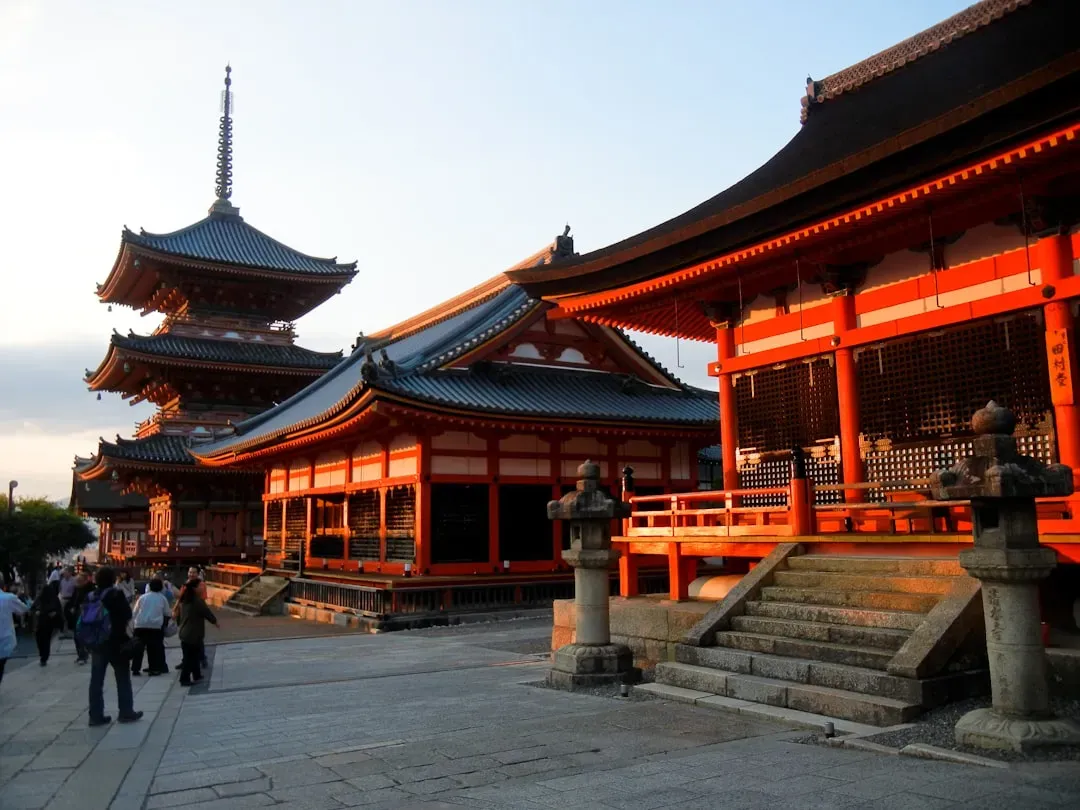
Walk into one of Kyoto’s old temples on a misty morning and the modern world feels like it’s being held outside by the garden walls. This former imperial capital is full of wooden machiya townhouses, ancient shrines, and Zen gardens that have been tended for centuries. You might hear the muffled sound of a train or see someone with the latest smartphone, but inside the temple grounds, everything slows down to the pace of footsteps on stone and the soft brushing of broom on gravel. The contrast with the hyper-modern side of Japan – shimmering skyscrapers, neon signs, high-speed trains – only makes the stillness hit harder.
Places like Kiyomizu-dera, Fushimi Inari, and Ryoan-ji aren’t frozen museum pieces; they’re living spaces of worship and reflection. The rituals, from seasonal festivals to daily offerings, repeat with a reliability that makes fashion trends and app updates feel kind of ridiculous. Even simple scenes – rain dripping off a tiled roof, steam rising from a bowl of matcha, a lone cyclist gliding through an alley – carry this quiet continuity. Kyoto reminds you that a human life is a brief guest appearance in a much longer story that has already been playing for more than a thousand years.
3. Venice, Italy – A City That Moves at the Speed of Water
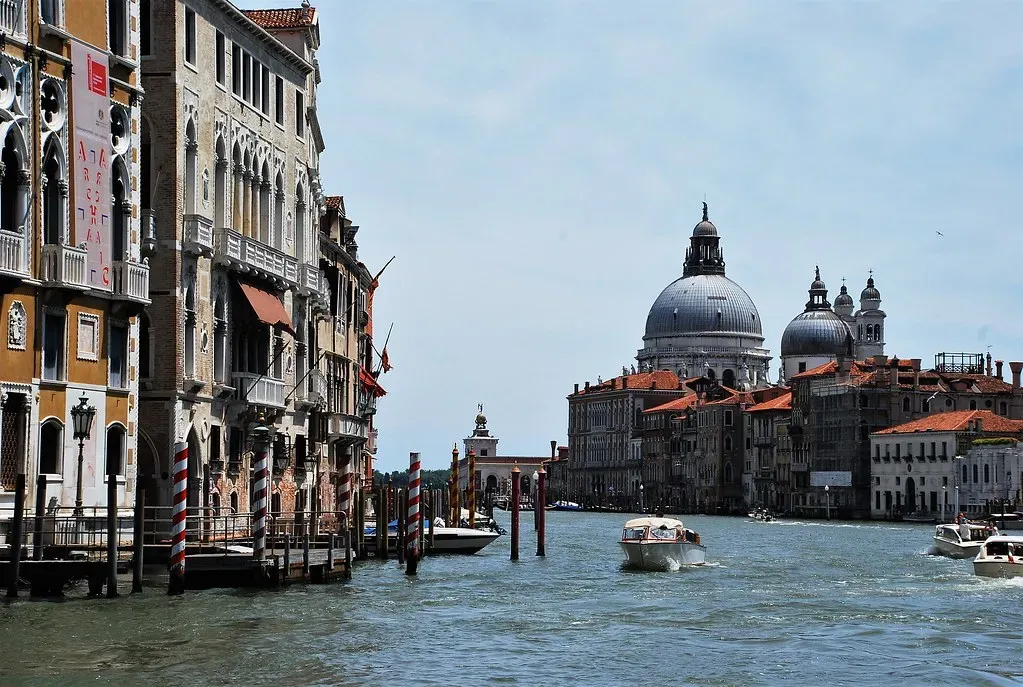
In Venice, you notice something odd after about ten minutes: there are no cars. No honking, no traffic lights, no rush-hour roar. The city breathes by canal, not by road, and that single fact changes the entire feeling of time. Boats, vaporettos, and gondolas slide past palaces whose foundations were laid when Europe still thought the world ended at some invisible edge. The light bounces off the water and onto peeling facades, making even decay look strangely romantic.
Of course, Venice today struggles with crowded summers, rising sea levels, and the long-term effects of mass tourism. But even with all that, there are pockets where the city feels timeless. Drift into a quieter neighborhood like Dorsoduro or Cannaregio in the late afternoon, and the city slows to the pace of laundry swaying over narrow canals and locals chatting by tiny bar counters. It feels like a place stubbornly, almost defiantly, out of sync with the usual rush – a reminder that a city can move at the speed of water and still be very much alive.
4. The Faroe Islands – Weather, Silence, and Sheep
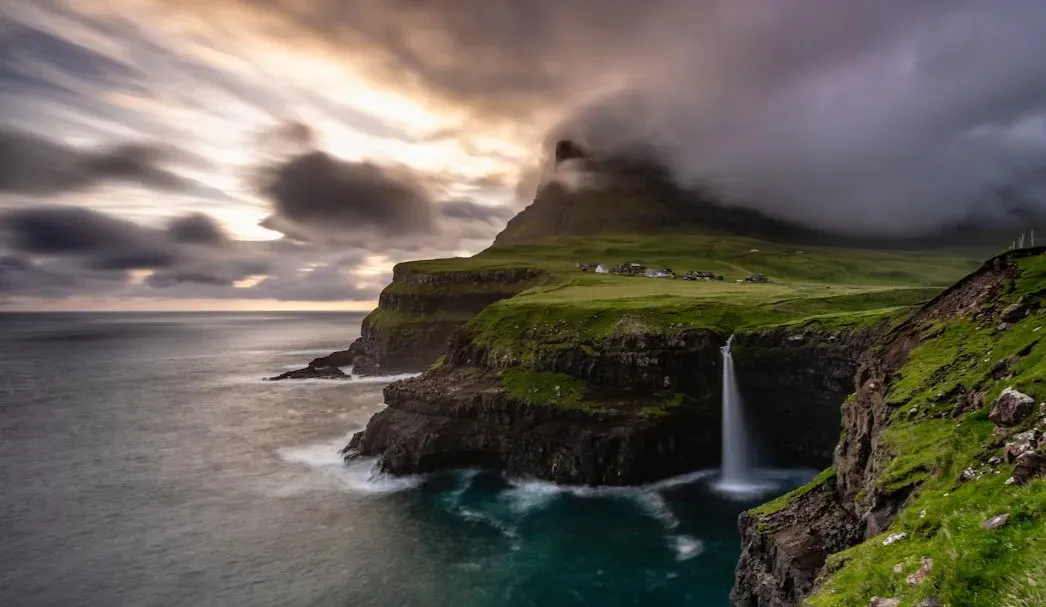
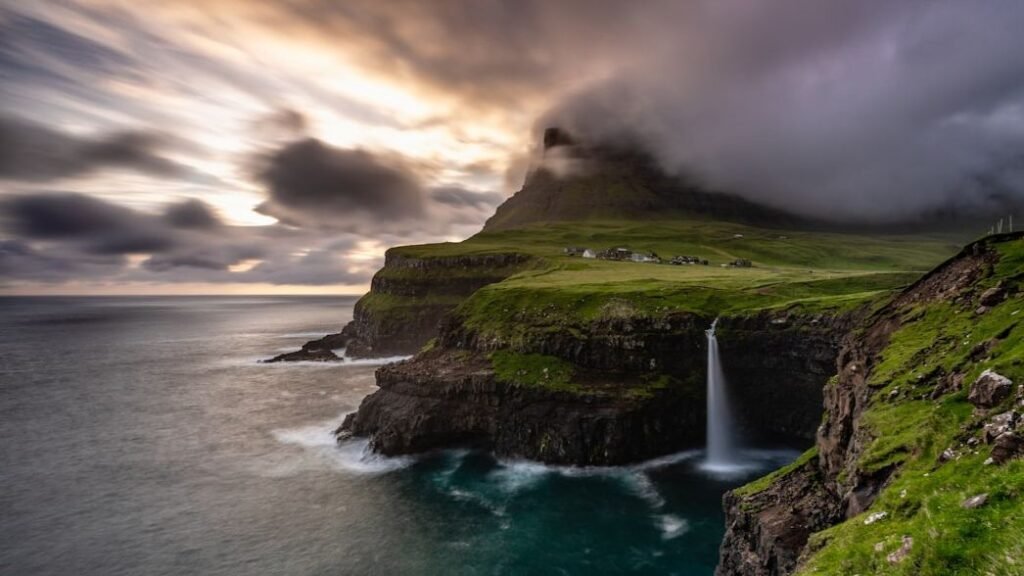
If you want to feel time stretch and bend, put yourself on a lonely clifftop in the Faroe Islands with the North Atlantic wind in your face. This small archipelago, set roughly between Iceland and Norway, is a world of steep green mountains, tiny turf-roofed villages, and seas that can look gentle one minute and terrifying the next. About as many sheep as people live here, and you actually believe it the first time you drive a winding road and see more wool than cars. The changing weather creates its own slow clock: fog rolls in, rain passes, sunlight pierces through, and you watch it all like moving theater.
Life here follows older rhythms – fishing seasons, bird migrations, and small-community routines. You might sit in a village like Gjógv or Saksun and realize hours have passed while you just watched the tide and listened to distant bird calls. The modern world is certainly present – there’s internet, modern infrastructure, and regular flights – but it feels like a thin layer over something very old. The Faroes have a way of making your daily worries feel strangely small, like pebbles on the edge of a vast, patient ocean.
5. The Sahara Desert – An Ocean of Sand and Silence
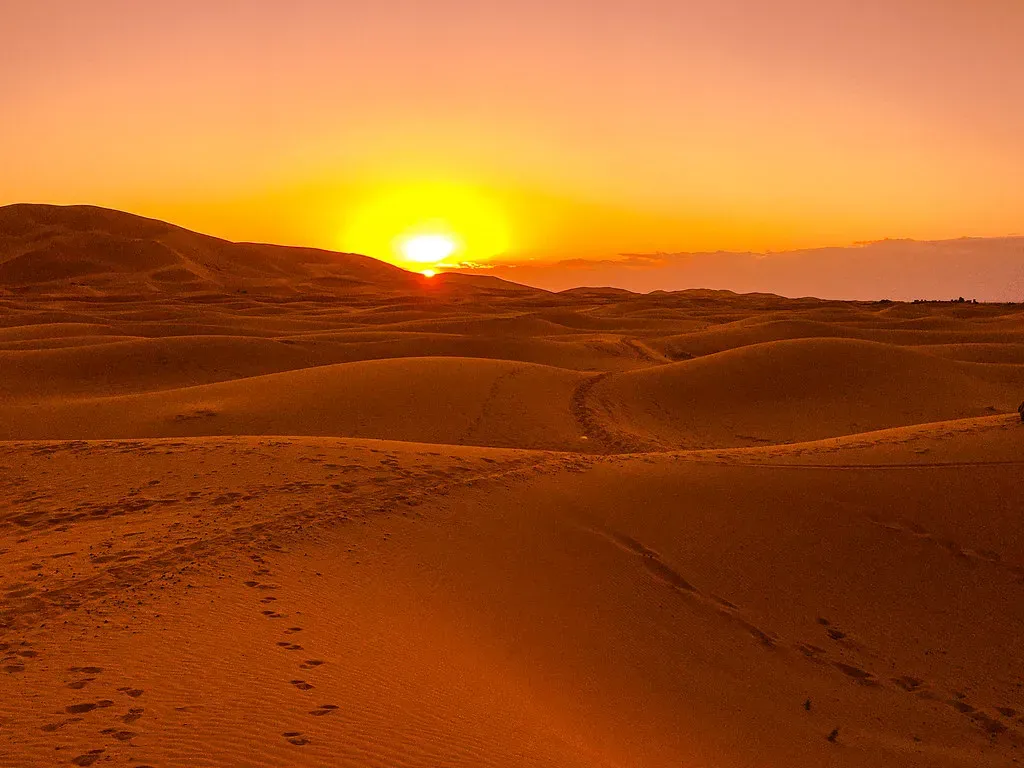
Spend a single night under the stars in the Sahara, and your sense of time warps so much it’s almost uncomfortable. Sand dunes stretch in every direction, shaped by winds that were blowing long before your grandparents were born. Days are ruled by the brutal honesty of sun and shade: you move early, rest when the heat is fiercest, and walk again when the sky softens into gold. The sand itself records every step then wipes it clean, like time erasing the details but keeping the story.
Many travelers join guided camel treks from places like Morocco’s Merzouga or Tunisia’s desert towns, sleeping in tents and sharing meals cooked over open flames. Once the sky goes fully dark, the modern timeline – meetings, messages, deadlines – feels ridiculous compared to that ceiling of stars. The desert isn’t untouched, of course; tourism, climate pressures, and political realities all shape how accessible and safe different regions are. But the core experience remains the same: a confrontation with empty space so huge and silent that your mind finally runs out of things to say and just… listens.
6. Bhutan – A Kingdom That Measures Success Differently
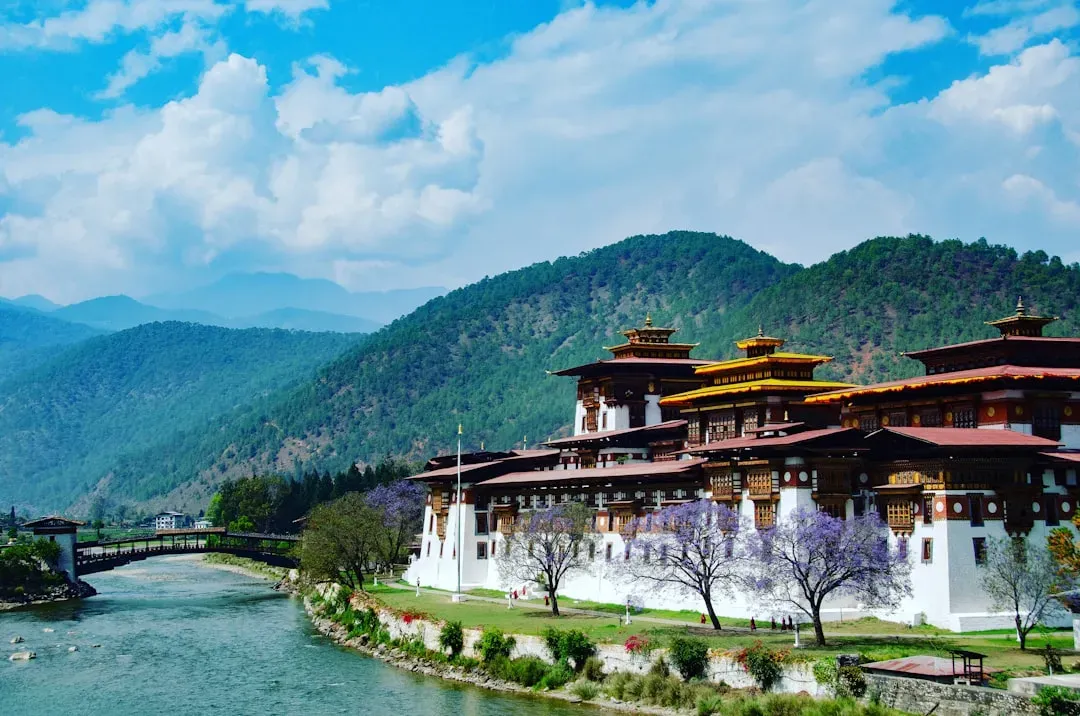
Bhutan is one of the rare places where you can say the words “Gross National Happiness” and not be talking about a marketing slogan. This small Himalayan kingdom has become famous for valuing cultural preservation, environmental protection, and spiritual life alongside economic growth. You see it in the architecture – traditional styles are protected by law – and in the way monasteries and fortresses, called dzongs, dominate valleys rather than glass towers. Time here feels braided tightly with tradition, like prayer flags fluttering in the same wind that powers new hydroelectric projects.
Travel is regulated through a tourist fee system aimed at limiting overcrowding and supporting local development, which naturally keeps the pace more measured. You might hike to Tiger’s Nest Monastery clinging to a cliffside, or watch monks in deep red robes debate philosophy in a courtyard, and feel completely removed from everyday rush. Phones still ring, markets trade, and politics exist, but there’s a deliberate slowness to change. In a world racing to optimize everything, Bhutan dares to move more carefully, asking not just how fast it can go, but whether it actually wants to get there.
7. The Finnish Lakeland – Long Light, Quiet Water
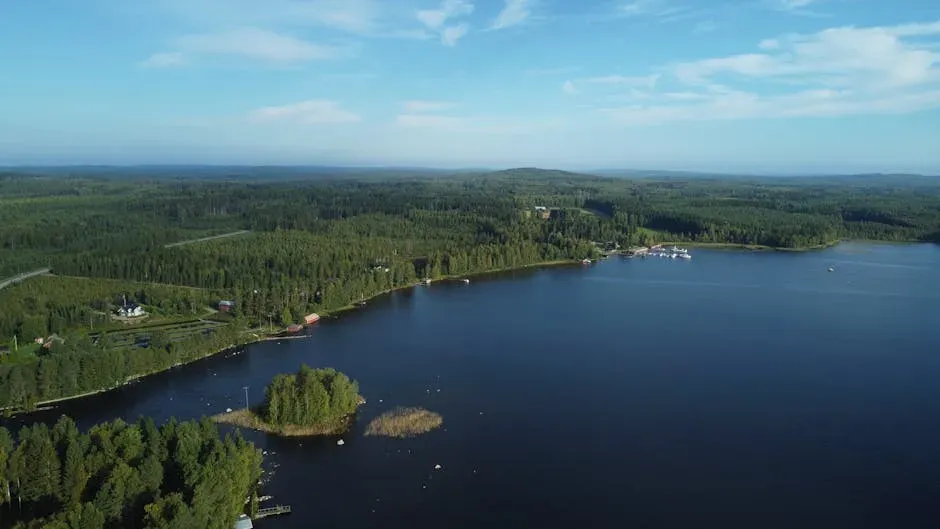
The Finnish Lakeland is not dramatic in the way of high mountains or roaring oceans. Instead, it’s a patchwork of lakes, islands, and forests that stretches across central and eastern Finland, gently rewiring your nervous system without you even noticing. In summer, the days stretch almost absurdly long, with the sun dipping but never fully disappearing in the north. You sit on a wooden dock, toes in cool water, and watch the sky shift slowly through endless shades of blue and gold. It’s the kind of slowness that makes you realize how tired you actually were.
Sauna culture shapes time here too: heat, cold, lake, rest, and repeat. Families return to the same lakeside cottages year after year, children growing into adults against the exact same view of water and pines. Winters can be harsh and dark, but that creates a counterbalance that makes the light seasons even more precious. The modern world absolutely exists in Finland’s cities, but out in the Lakeland, days are counted more in swims, saunas, and shared meals than in emails and metrics. It’s not that time stops; it just stops chasing you.
8. The Scottish Highlands – Weathered Stone and Long Memories
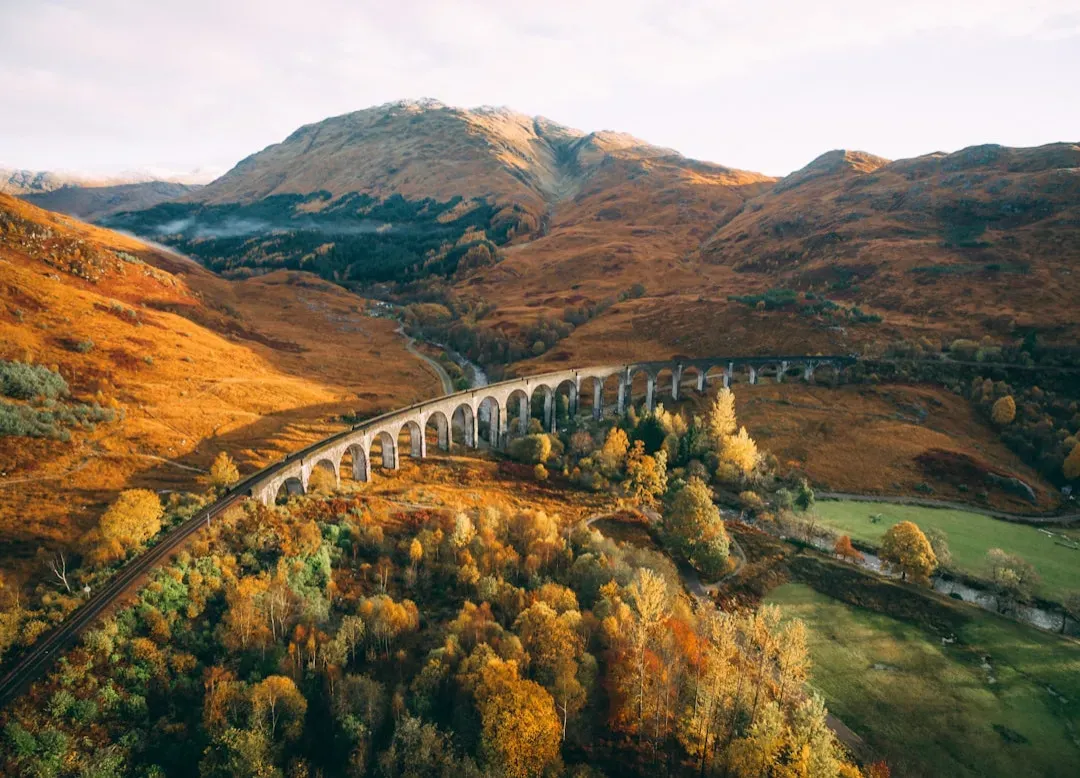
Drive into the Scottish Highlands and it quickly feels like the land remembers more than you do. The glens, lochs, and moody skies look almost exactly like the images you see in paintings and films for a reason: not much structural change happens fast out there. Old stone cottages, ruined castles, and tiny villages seem to lean into the wind together. When low clouds hug the mountains and mist drifts across the water, the whole landscape feels suspended, like someone pressed pause on the world’s timeline.
Places like Glencoe and the Isle of Skye carry heavy historical echoes – clan stories, clearances, myths that still shape identity. Hike a lonely trail and you can walk for hours with only sheep and distant waterfalls for company, your sense of clock time dissolving under the steady rhythm of boots on wet earth. Of course, there are paved roads, tour buses, and phone signals in many areas now, but step a few minutes off the main route and it drops away quickly. The Highlands do not rush to impress; they simply exist, weathered and patient, letting you decide whether you’re willing to slow down enough to really see them.
9. Antarctica – The Edge of Human Time
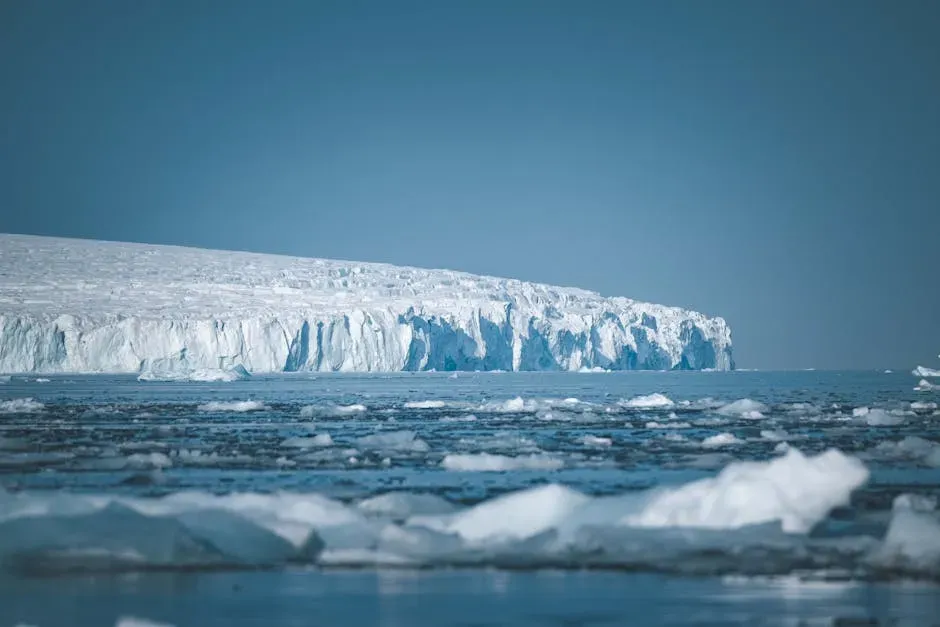
Antarctica might be the closest you can get on Earth to stepping outside normal time altogether. There are no cities, no permanent civilian residents, and no familiar markers of daily life like shops or neighborhoods. Instead, you find vast shelves of ice, mountain ranges swallowed by snow, and research stations clinging to the edges of survivability. In the austral summer, the sun can stay above the horizon for weeks, turning days into a continuous, cold-lit blur. In winter, darkness dominates, and the world shrinks to pools of artificial light and the shared routines of small crews.
Almost everyone who visits does so with scientific expeditions or heavily regulated tourist cruises, and they leave again, because almost no one is allowed to stay for good. That transience makes the continent feel detached from human timelines, like it’s operating on its own glacial schedule. Ice cores drilled here can hold climate records stretching back hundreds of thousands of years, calmly archiving eras that make our modern moment look like a flicker. Standing on the deck of a ship near the Antarctic Peninsula, watching icebergs drift past, you realize that time isn’t just what your calendar says – it’s also what the planet remembers.
Conclusion – Choosing Where (and How) Your Time Moves
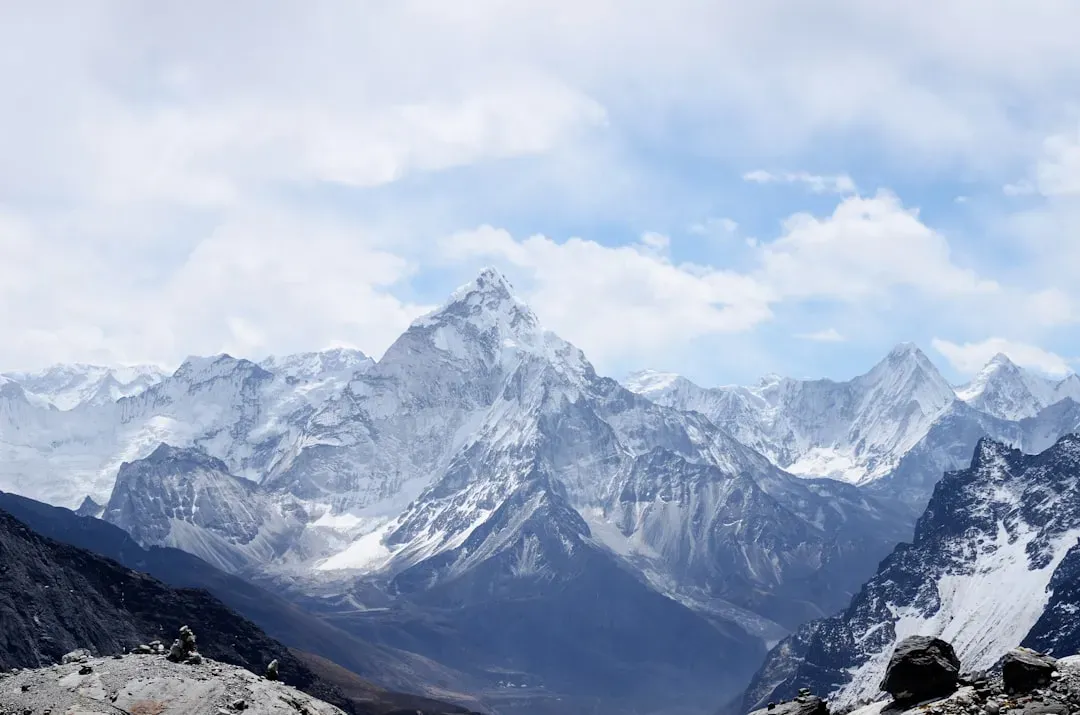
These nine places are wildly different – some full of old buildings, others almost empty of people, some steeped in ritual, others dominated by raw nature. What they share is less about geography and more about feeling: each one loosens the tight grip of the clock and invites you into a slower, deeper rhythm. Standing in a temple courtyard in Kyoto or on a dune in the Sahara, you’re reminded that human life is brief, but not necessarily meant to be rushed.
You don’t actually have to travel to the ends of the Earth to feel time stretch; even reading about these places can nudge you to question the pace you accept as “normal.” Maybe the real value of such destinations is that they show you what’s possible when life isn’t dictated entirely by speed, noise, and constant connection. The world will keep spinning, emails will keep arriving, but you can still choose, every so often, to step into a moment that feels larger than your schedule. If you could press pause on time for just a day, where would you want to be standing when everything else fades into the background?