If you’ve ever watched something glow in the dark and felt a little rush of wonder, you’re not alone. There’s something almost supernatural about a living thing lighting itself up from the inside, like a tiny lantern drifting through the dark. The wild part is that, for many animals, this glow isn’t a cute party trick at all – it’s a matter of survival, love, or dinner.
Scientists call this bioluminescence, and once you start noticing it, it’s everywhere: in the deepest oceans, in damp forests, even in your backyard on a summer night. The catch is that each animal glows for its own reasons, and those reasons can be surprisingly clever, even ruthless. Let’s dive into ten of the most amazing glowing creatures on Earth – and what their light is really saying.
1. Fireflies: Love Letters Written in Light
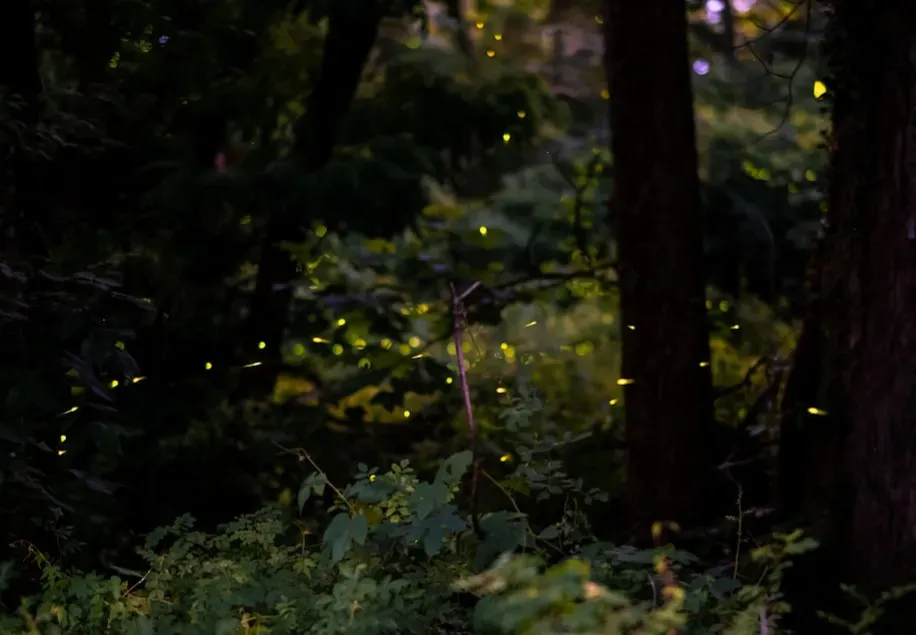
On a warm night, when fireflies start blinking over a field or backyard, it feels like the air itself is sprinkled with tiny stars. What looks romantic to us is actually a very serious dating game, where every flash pattern is a message. Male fireflies zip through the air sending coded signals, and females sitting in the grass or in trees answer back with the exact timing that matches their species.
Inside their abdomens, fireflies mix a molecule called luciferin with oxygen and a special enzyme, creating a cold light that wastes almost no energy as heat. This glow helps them find mates and, in some species, even warn predators that they taste terrible. Some sneaky fireflies imitate other species’ signals to lure in a meal, turning the night sky into a kind of glowing catfish scam. When you watch them flicker, you’re seeing a silent conversation of attraction, trickery, and survival.
2. Anglerfish: The Deep-Sea Horror Lamp
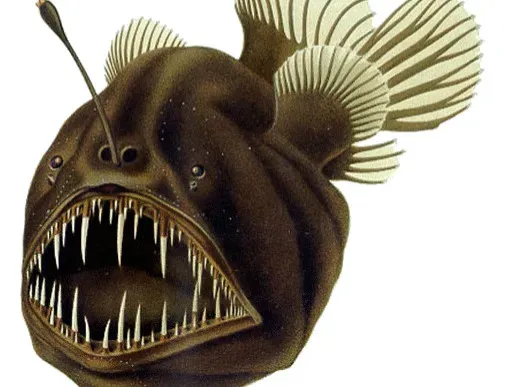
Imagine living in a place so dark that the sun might as well not exist, and food shows up only as rare, drifting shadows. That’s the daily reality for the anglerfish, a deep-sea predator that has turned light into a trap. The terrifying-looking females dangle a glowing lure from their heads, swaying it like a tiny, hypnotic lantern in front of a massive mouth full of teeth.
The light on that lure is powered by bacteria that live in a special organ at the tip, where the fish essentially farms them for glow. Curious fish, shrimp, or other animals swimming through the black water are drawn in to investigate the moving light, and that hesitation is all the anglerfish needs. One snap, and the light that promised safety or food turns out to be the last thing the victim ever sees. It’s brutal, efficient, and weirdly elegant.
3. Lanternfish: Sparkling Highways of the Deep
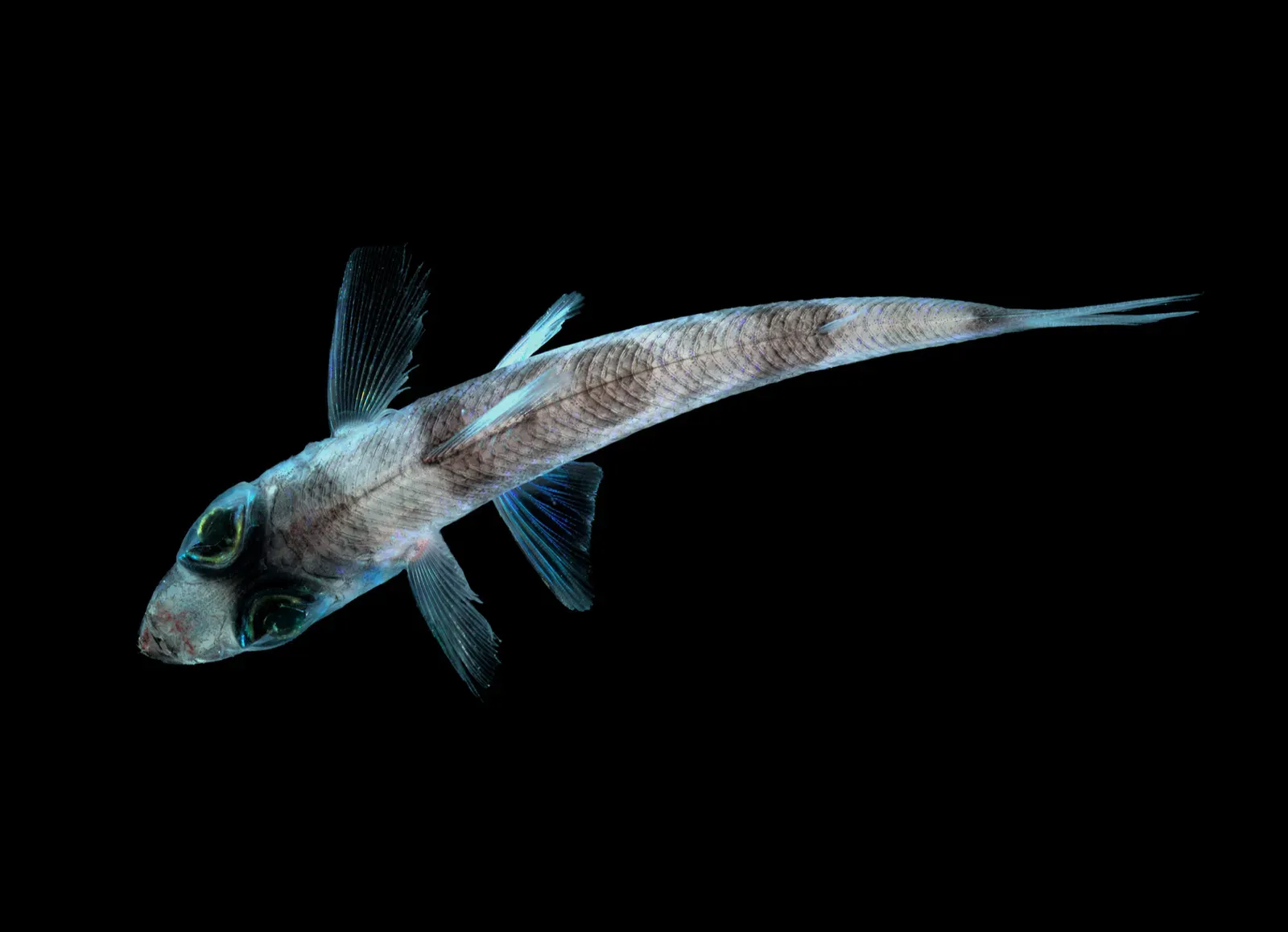
If you could turn off the ocean’s surface light and look down at night, you’d see something that looks like a galaxy turned inside out. Lanternfish, tiny and common but rarely noticed, form huge schools that migrate up and down every day in the open ocean. Their bodies are dotted with small light organs along their sides and bellies, forming rows of gentle blue-green glow.
These lights help them blend in rather than stand out, which feels upside down at first. When predators below look up, lanternfish use downward-pointing glow to match the faint light from above, a trick called counter-illumination that makes them harder to spot. Their glowing patterns may also help them recognize members of their own species in the dark, like a secret uniform. In sheer numbers, lanternfish are among the biggest contributors to the planet’s natural light show, even if most of us never see them.
4. Comb Jellies: Living Neon Ribbons
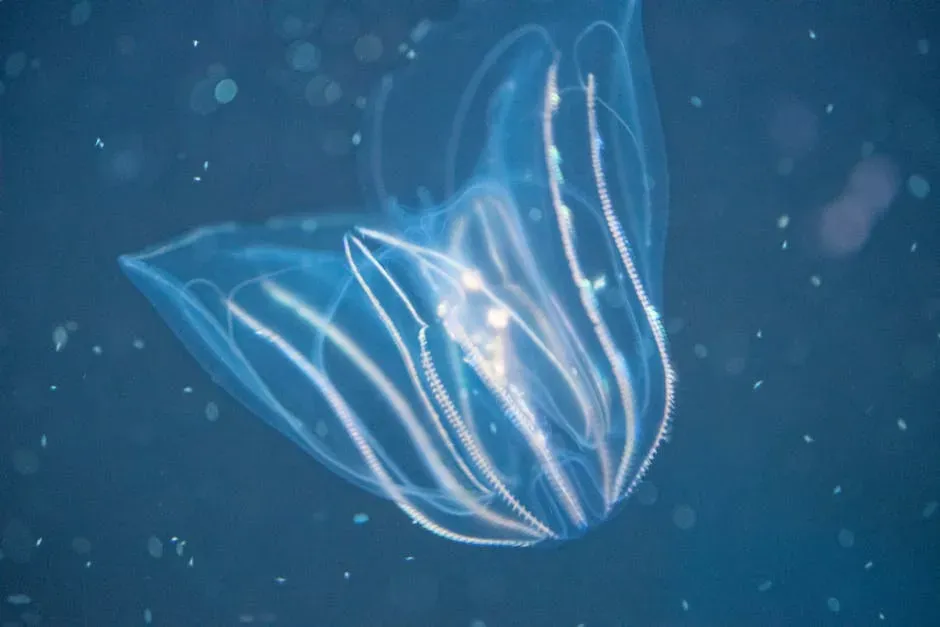
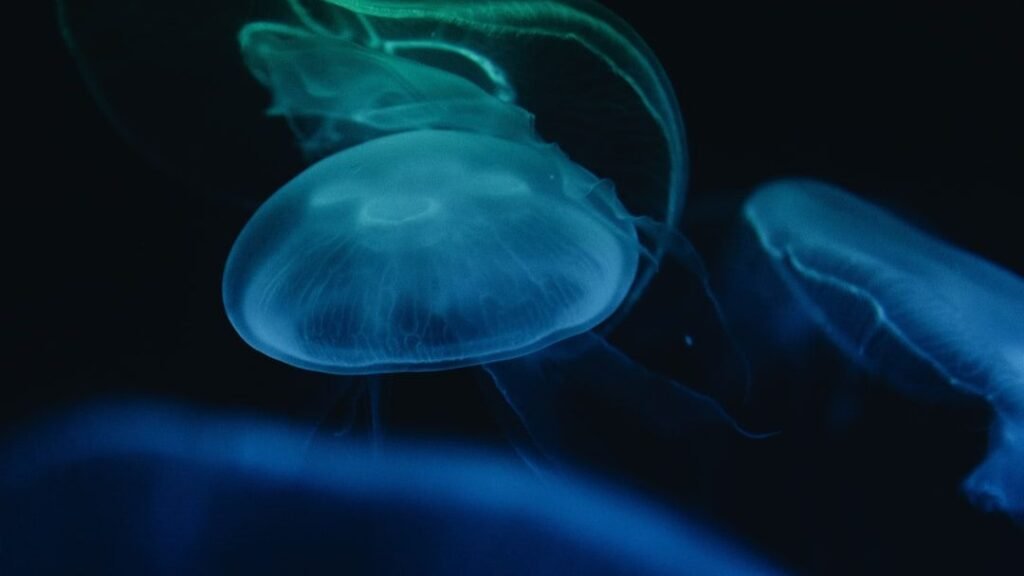
Comb jellies look like something from a sci-fi movie, drifting through the water like transparent soap bubbles covered in rainbow. Technically, many of them aren’t bioluminescent in the way fireflies are, but they create shimmering bands of color as light scatters off rows of tiny beating hairs. In the dark ocean, some species can also produce their own faint glow, sending pulses of bluish light through their bodies like electrical storms.
Those flashes may serve as a kind of alarm or distraction when they’re attacked, making them harder to grab or confusing predators. Even when they’re not glowing chemically, the rainbow effects they create from ambient light give them an eerie, otherworldly presence. Watching one up close, you get the strange feeling that the animal is a moving prism, bending the ocean’s darkness into flowing color. It’s one of those moments where nature looks more digital than real.
5. Hatchetfish: Invisible by Design
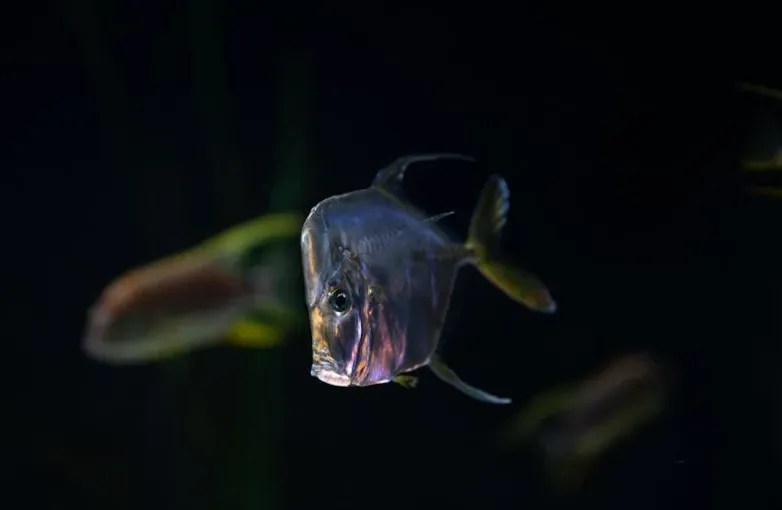
Deep in the midwater zone, where sunlight fades into endless blue-black, hatchetfish drift like small, metallic blades. Their bodies are thin and flattened like an actual hatchet head, with silvery sides that reflect the little light that’s left. Lining their bellies are rows of bioluminescent organs that they can control like dimmable lights, turning on or off depending on the conditions.
They use this glow to erase their own shadows, matching the color and brightness of the faint light above so perfectly that predators below struggle to pick them out. It’s a kind of cloak of invisibility built out of light instead of fabric. That same pattern of lights may double as a way to recognize potential mates or rivals in the gloom. The result is a fish that survives not by being fast or fierce, but by mastering the art of not being seen at all.
6. Deep-Sea Jellyfish: Shock-and-Awe Fireworks
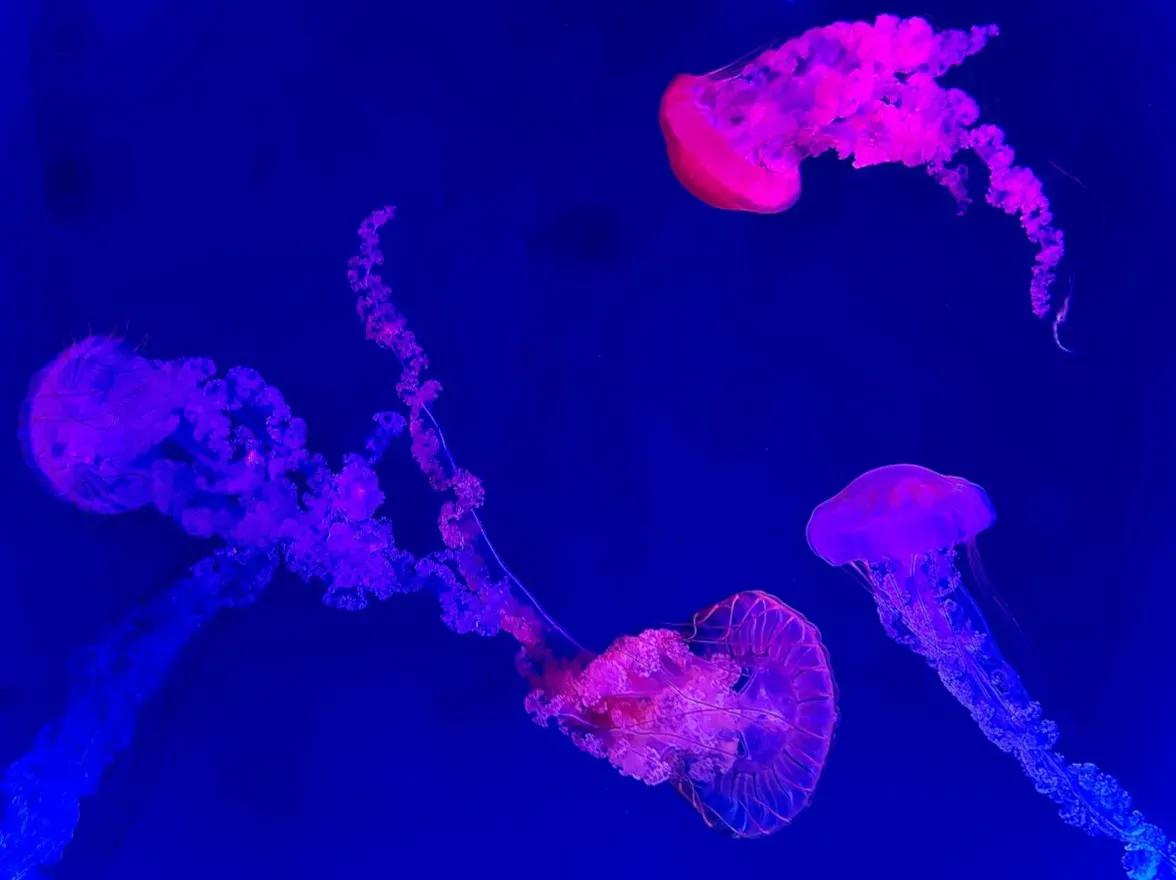
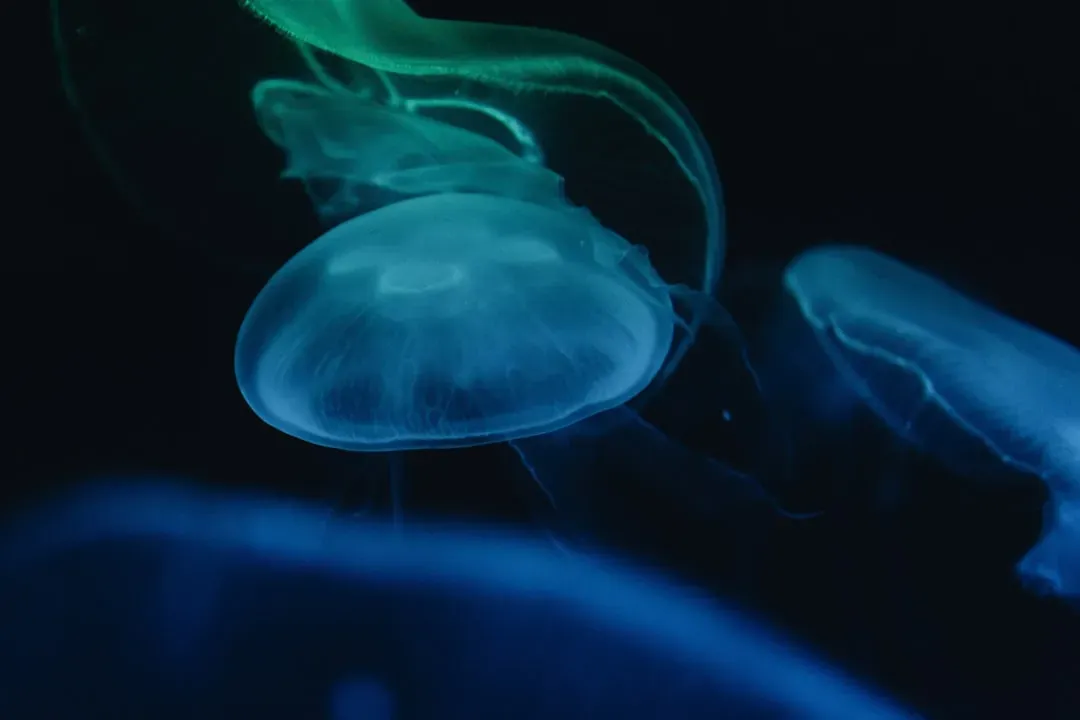
Some deep-sea jellyfish have turned bioluminescence into full-blown drama. In the darkness, a drifting jelly looks almost fragile, like a folded umbrella made of glass. But when threatened, certain species can erupt in cascades of light, pumping waves of glow through their tentacles and bell-shaped bodies in patterns that resemble underwater fireworks.
This sudden burst may startle would-be predators or even attract bigger hunters that might attack the attacker, turning the jellyfish into a kind of living distress flare. A few species can even release glowing mucus or torn-off tentacle pieces that keep shining as they float away, drawing attention somewhere else while the jelly drifts in the opposite direction. It’s a risky but clever gamble: using light to scream for help in a place where sound travels slowly and sight is everything. In the deep sea, a quick flash can mean the difference between becoming lunch and slipping back into the dark.
7. Glowworms: Starry Skies in Caves
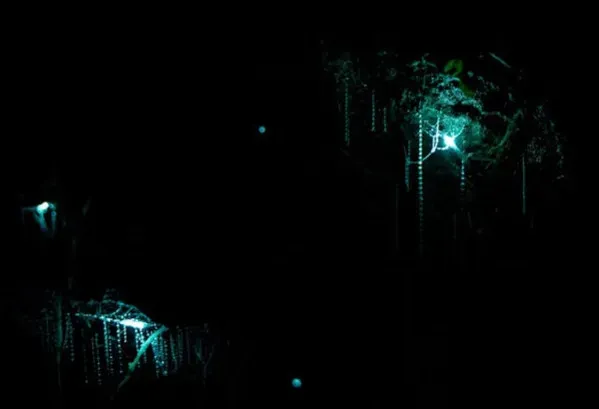
Walk into certain caves in New Zealand or Australia, and when the guide turns off the flashlight, the ceiling suddenly looks like the Milky Way. Those “stars” are actually glowworms, the larval stage of small flies that spin sticky silk threads and hang from the rock like beaded curtains. Each glowworm lights up its body with a bluish-green shine that drips down the strands, making them look like ghostly beaded chandeliers.
The light is an irresistible trap for small flying insects that wander into the cave, confusing the glow for open sky or reflections. When the bugs bump into the threads and get stuck, the glowworm reels them up and slowly eats them. The hungrier the larva, the brighter it shines, like a tiny neon sign that says “open for business.” Standing in one of those caves feels magical, until you remember you’re basically looking at a ceiling full of luminous, patient hunters.
8. Dinoflagellates: Glowing Waves and Living Starlight
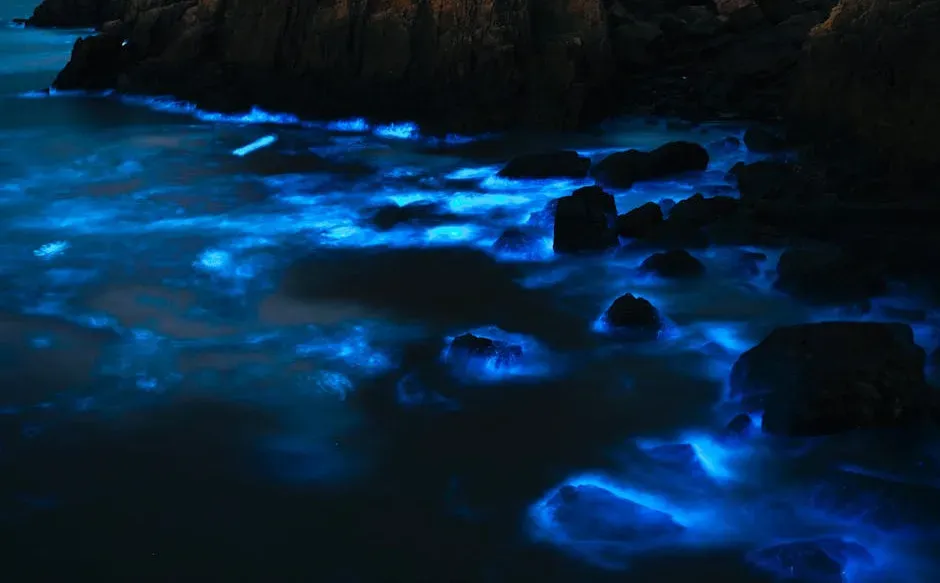
Those viral videos of people walking on beaches that light up with every step or kayakers leaving glowing trails behind them often come down to one thing: dinoflagellates. These are single-celled plankton that can make entire bays shimmer when the water is disturbed, turning waves into bands of electric blue. Each individual cell only glows briefly when jostled, but when billions of them respond at once, the result is jaw-dropping.
Scientists think this flash is a kind of burglar alarm system, lighting up when something brushes against them so predators might be spotted by bigger hunters. It’s like the plankton are trying to rat out whatever is attacking them, using light as a kind of “look over here” signal. At the same time, the sudden glow may startle smaller fish and make them back off. Seeing bioluminescent waves for the first time feels unreal, like someone spliced a science-fiction effect into the real world.
9. Railroad Worms: Multi-Colored Warning Systems
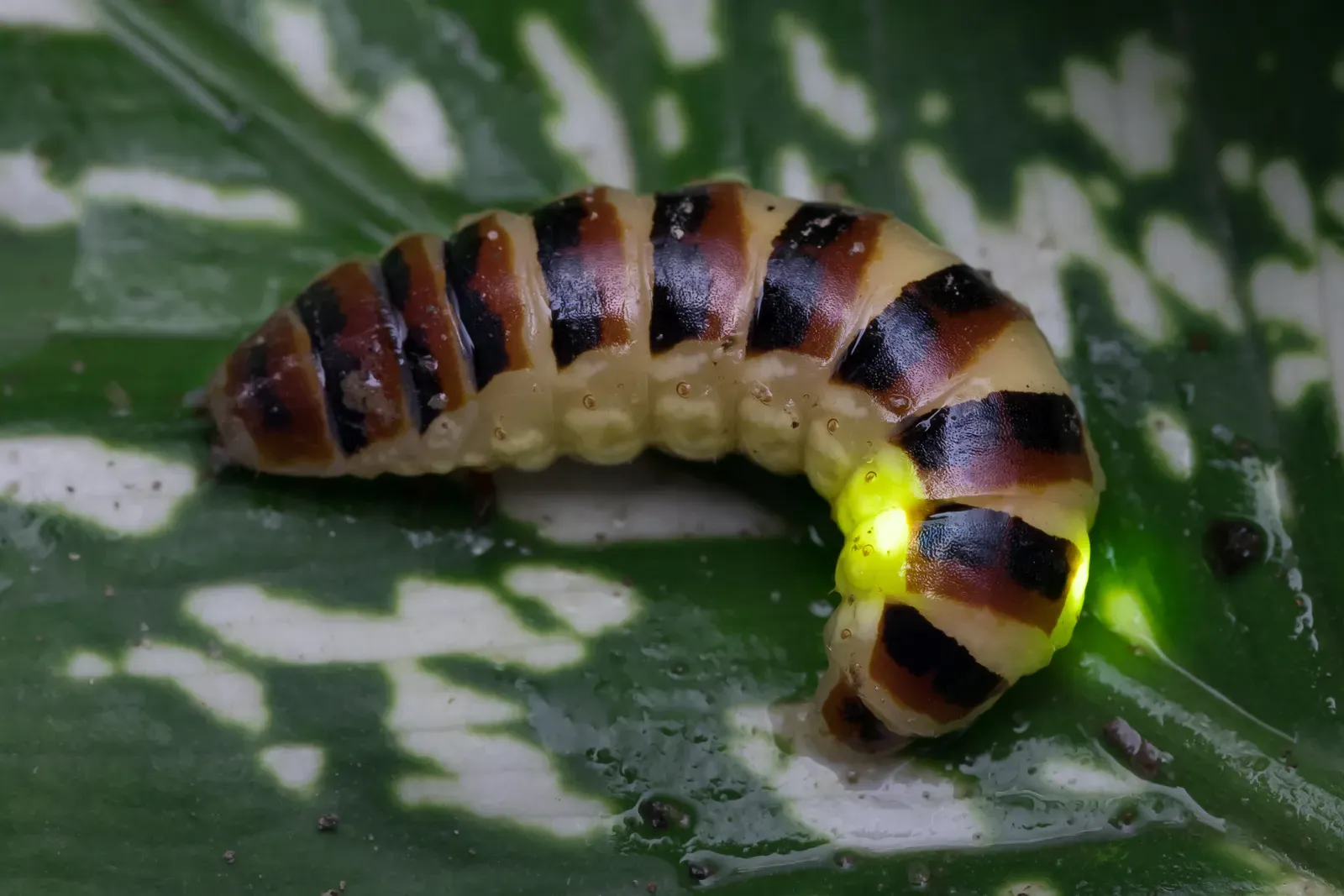
Railroad worms, which are actually the larvae of a strange group of beetles, look like tiny glowing trains sliding through leaf litter. Their bodies have a row of greenish-yellow lights along the sides and a strong red light at the head, giving them a two-tone glow that is rare in the insect world. The sideways lights may help them blend into a dim environment or confuse creatures trying to grab them from different angles.
The red light at the front is especially unusual because many predators, like some insects and spiders, barely see that color, which may give the railroad worm a kind of secret flashlight. That glow also serves as a warning that they are toxic or at least very unpleasant to eat, much like bright colors do for poison dart frogs. The whole effect is oddly theatrical, like a moving LED strip crawling through the undergrowth at night. It’s one of those animals that makes you realize evolution has a sense of style as well as function.
10. Dragonfish: Red Beams in the Black Abyss
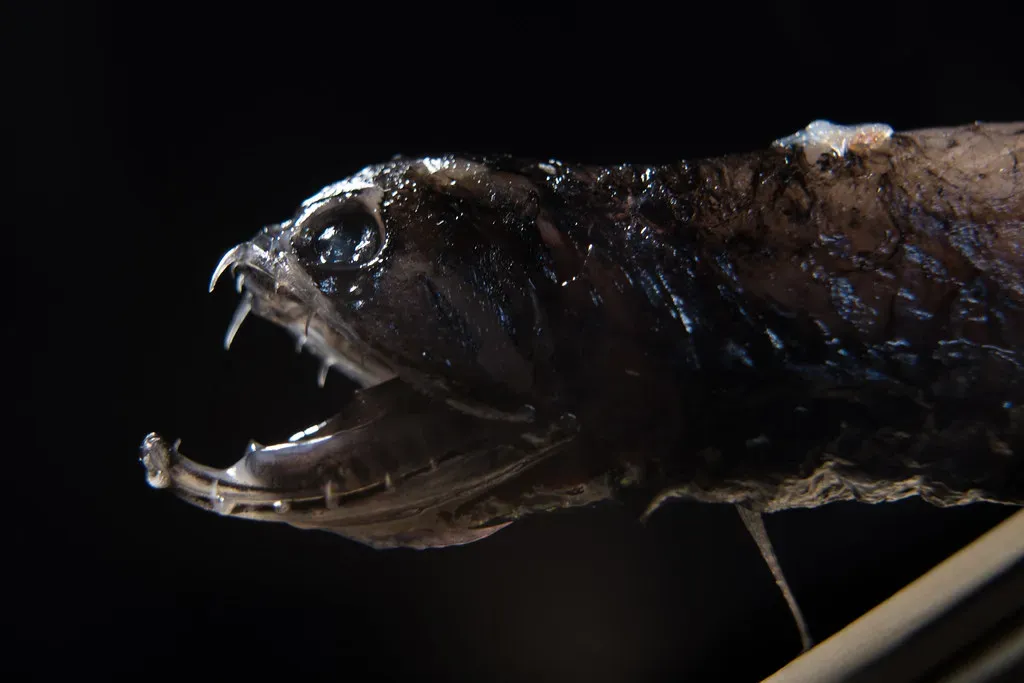
Dragonfish are sleek, predatory deep-sea fish that look like something cobbled together from leftover nightmare parts: big jaws, needle teeth, and strange, dangling light organs. Most deep-sea bioluminescence is blue or green, because that color travels best in water, but dragonfish have a twist. Some species can produce and see red light, which is almost completely invisible to most other animals at those depths.
They use this hidden flashlight like night-vision goggles, silently scanning their surroundings with a color no one else can detect. Prey animals swimming nearby may think they are safely invisible in the dark, not knowing they are bathed in a narrow beam of red glow. When the dragonfish strikes, it’s not just using light – it’s using a type of light the rest of the neighborhood can’t even see. It’s hard not to respect that kind of evolutionary cleverness, even if you’re glad you’re not on the menu.
Conclusion: A Planet Written in Light
Once you start paying attention, you realize our planet is quietly covered in living lights, from the tiniest plankton to fierce deep-sea hunters. Bioluminescence is not just a pretty effect – it’s a language of survival, used to find lovers, hide from enemies, lure in prey, or scream for help. The same basic chemistry, mixing luciferin, oxygen, and enzymes, gets remixed into a hundred different strategies, like a single song played in wildly different styles.
What fascinates me most is that so much of this glow happens where humans almost never go: in pitch-black caves, miles under the ocean, on lonely beaches long after midnight. It’s like the Earth has secret constellations hidden in its forests and seas, flickering away whether we notice or not. Next time you see a firefly or a glowing wave, it’s worth pausing to remember you’re watching one tiny piece of a much bigger, ancient story written in light. If you could turn off the sun for a night, how many more hidden lights do you think would suddenly appear?