
Space travel sounds glamorous: rockets, spacesuits, heroic selfies with Earth in the background. But the reality is far stranger, harsher, and more awe-inspiring than most science fiction. The deeper scientists look, the more they realize our bodies, our technology, and even our ideas about time and distance are pushed to the absolute breaking point once we leave Earth.
What surprised me most when I first really dug into this topic wasn’t the cool gadgets or the big rockets. It was how thoroughly space rewrites the rules of everyday life. From your bones quietly dissolving to time itself stretching and bending, space travel is less like taking a trip and more like stepping into a different universe with its own rules. Let’s walk through five of the wildest truths that are shaping the future of human journeys beyond our planet.
1. Space Quietly Dismantles Your Body, Starting With Your Bones and Blood
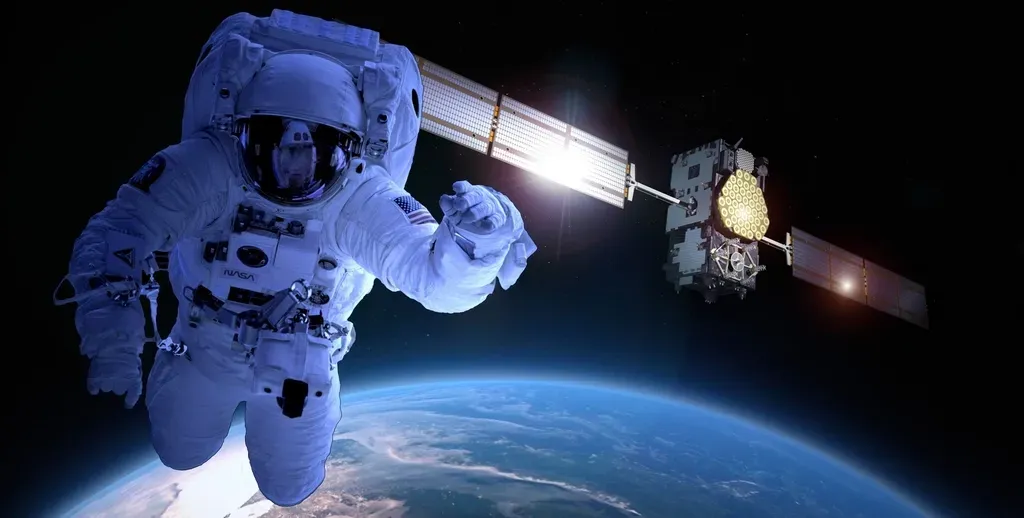
Imagine going on a long trip and coming home with a weaker skeleton and slightly reshaped heart. That’s essentially what happens to astronauts. In microgravity, your bones no longer carry your weight, and the body responds by shedding bone minerals; over the course of months, astronauts can lose noticeable bone density, especially in the hips and legs. Muscles atrophy for the same reason: if you’re not fighting gravity, your body assumes you don’t need all that strength.
What’s even more unsettling is how many systems get involved. Fluids shift upward toward the head, changing eye shape and sometimes affecting vision, while the heart can become more spherical because it doesn’t have to pump as hard. More recent research has shown that even blood and red blood cell production are altered, a bit like your body slowly turning down the factory power. Astronauts fight back with hours of daily exercise on treadmills and resistance machines, but on a long mission to Mars, we’re still not fully sure how much damage could quietly build up in the background.
2. Time Really Does Move Differently for Astronauts
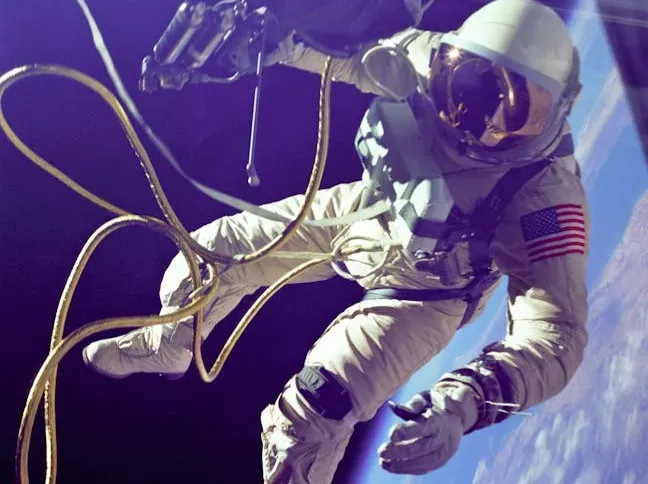
This sounds like a movie plot, but it’s a real effect: time passes at a slightly different rate for people in orbit than for people on the ground. Thanks to Einstein’s theories of relativity, we know that both gravity and speed affect how fast time ticks. Astronauts on the International Space Station circle the Earth at roughly five miles per second, and they’re also farther from the planet’s gravitational pull than we are down here. Those two factors together make their clocks run just a touch differently.
Over one six-month mission, the difference is tiny – fractions of a second – but it’s real enough that engineers have to account for these effects when synchronizing systems like GPS satellites. I remember the first time I learned that astronauts come back to Earth technically a hair “younger” than if they’d stayed home, and it shifted how I thought about space. Even if the effect is small today, it hints at something profound: if we ever travel at a big fraction of the speed of light, time dilation will become not just a curiosity, but a life-changing factor in how we think about generations, home, and what “coming back” even means.
3. Space Travel Is Mostly About Fighting Invisible Radiation
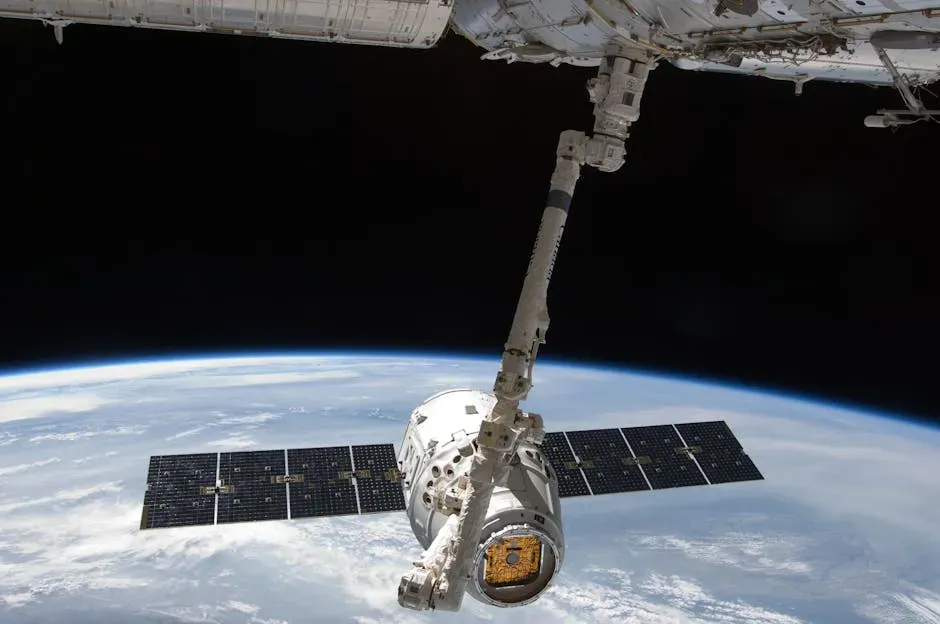
That’s why so much of modern space engineering quietly revolves around shielding, mission timing, and clever workarounds. Designers experiment with materials like water, specialized plastics, and even placing fuel or supplies around crew cabins to absorb particles. Mission planners watch the Sun’s activity to avoid periods of intense solar storms whenever possible. The scary part is that we don’t yet have perfect data on what a lifetime’s worth of deep-space exposure would do to a human body, so every plan has to balance risk, practicality, and the reality that there is no such thing as a perfectly safe journey beyond Earth.
4. Getting to Orbit Is Harder Than Getting to the Moon
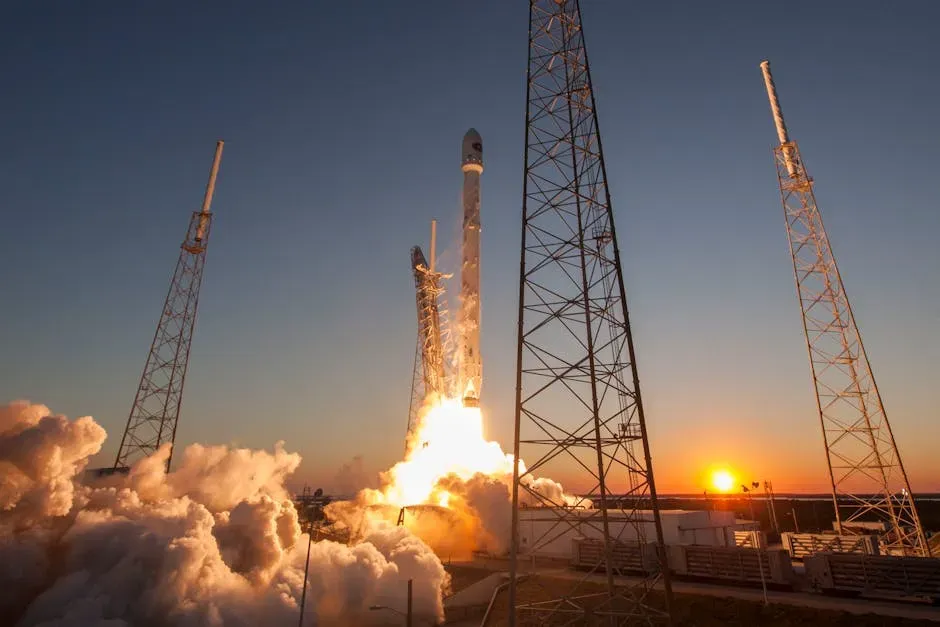
It’s counterintuitive, but in a way, the hardest part of space travel is the first few hundred kilometers above Earth’s surface. To stay in orbit, you don’t just have to go up; you have to go sideways around the planet at extreme speed so you keep “falling” without hitting the ground. That sideways speed requirement is brutal: rockets have to push through thick air while burning enormous amounts of fuel just to give their payloads enough velocity to circle the planet instead of dropping right back down.
Once you’re actually in orbit, going farther can sometimes be surprisingly efficient. Missions that traveled to the Moon or even robotic probes headed to the outer planets used precise gravitational slingshots and careful burns to stretch their paths across the solar system with relatively small changes in speed compared with the energy needed just to reach low Earth orbit. It’s like the difference between getting your car up to highway speed from a dead stop versus making small adjustments once you’re already cruising. That’s part of why so many new space companies are obsessed with reusing rockets and improving launch efficiency: crack that first hurdle, and the entire solar system suddenly becomes much more reachable.
5. Space Travel Is Quietly Becoming More Routine – and Much Weirder
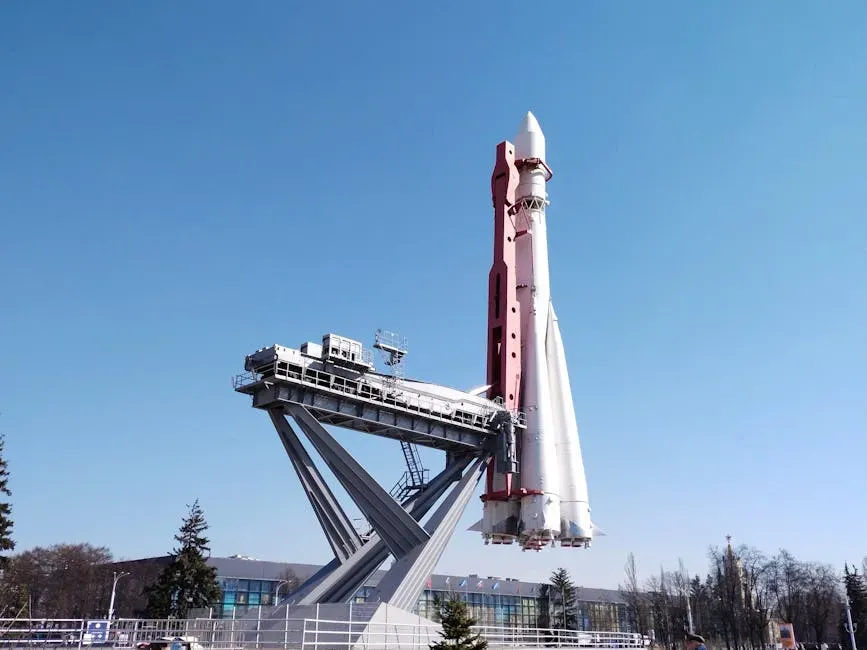
Only a few decades ago, going to space was something only government astronauts did, after years of training and selection. Now we live in a time when private companies routinely launch missions, and paying passengers have visited orbit and even the International Space Station. Suborbital tourism flights let people experience a few minutes of weightlessness and a view of Earth’s curve before dropping back down. It’s still incredibly expensive and far from a casual vacation, but the psychological barrier – that space is only for a tiny elite – is slowly cracking.
At the same time, “routine” doesn’t mean normal in the way a commercial flight is normal. Every space launch sits at the edge of what our engineering can reliably handle, and the stories that come out of even short trips are deeply strange: floating food, sleeping strapped to walls, and watching sunrises flicker by every ninety minutes. Looking ahead to the late 2020s and 2030s, plans for private space stations, lunar bases, and commercial trips around the Moon suggest we’re heading toward a world where space travel feels both more accessible and more alien. It’s getting cheaper and more frequent, but it will never stop being fundamentally weird.
Conclusion: Space Travel Changes Us Long Before We Reach the Stars
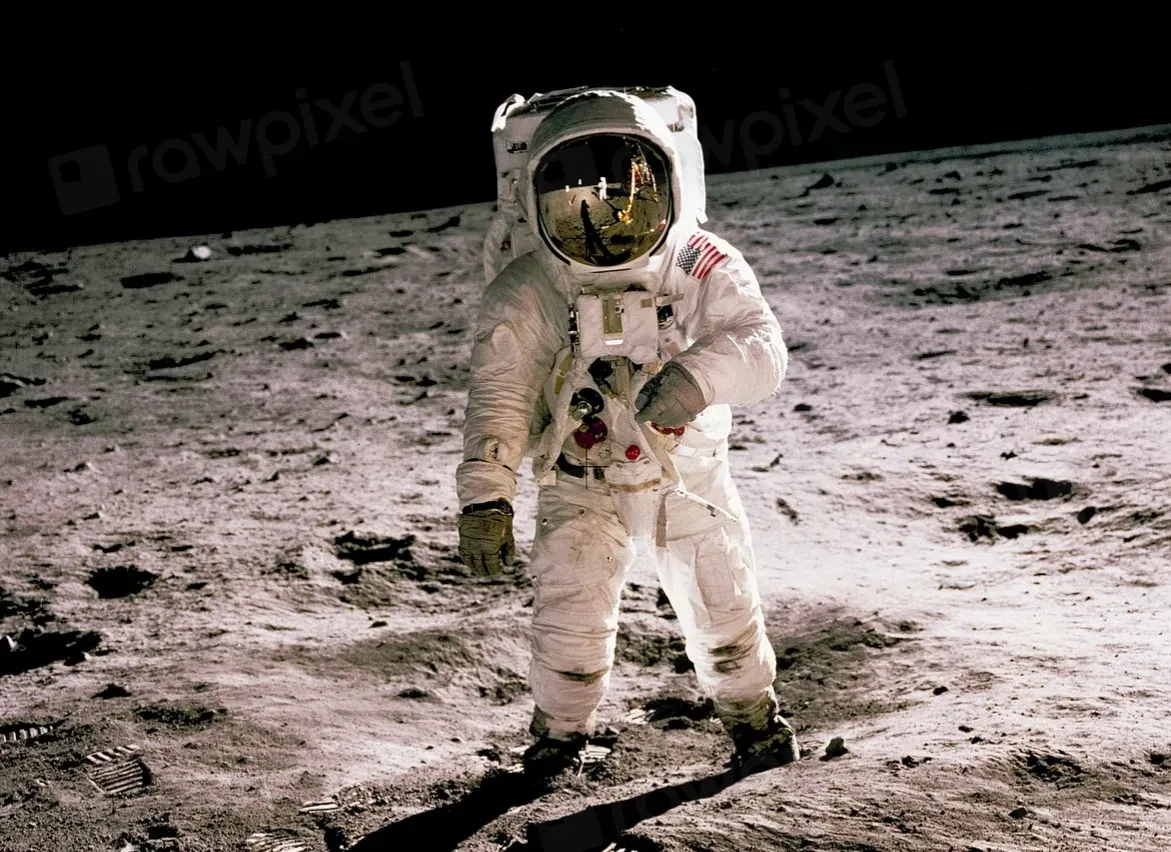
Space travel turns out to be less about heroic rocket launches and more about deep, uncomfortable questions: What happens to a body that lives without gravity for years? How do you build a society when time itself might stretch differently for some people? How much uncertainty about radiation, health, and cost are we willing to accept in exchange for a chance to step onto another world? The most mind-blowing part is that we’re still in the opening act, tinkering with short flights and low orbits while preparing for far riskier journeys.
Yet even this early, the impact is obvious. The physics of orbit, the realities of radiation, and the strange ways our bodies respond are already forcing us to rethink what “human” really means when you leave the planet that shaped us. I find it oddly comforting that space refuses to be easy; it keeps us honest about our limits while daring us to stretch past them. When you look up at the night sky now, knowing all this, doesn’t it feel a bit wilder than it did before?