In the sprawling tapestry of nature, the concept of the apex predator stands as one of the most fascinating and complex elements. These creatures sit at the top of their respective food chains, unrivaled and formidable, embodying the ultimate survival and dominance of the natural world. But what exactly defines an apex predator? Is it sheer strength, cunning intelligence, or perhaps an unparalleled adaptability? The answer might surprise you, as the world of apex predators is as diverse as it is intriguing. Join us as we delve into this riveting hierarchy, exploring which creatures truly reign supreme in their domains.
The Mighty Lion: King of the Savannah
Often referred to as the “King of the Jungle,” the lion holds a prominent place in the pantheon of apex predators. However, it’s a common misconception that lions inhabit jungles; they are actually the rulers of the savannah. Lions are known for their strength and their ability to work as a team, which gives them an edge over solitary hunters. A pride of lions can take down prey much larger than themselves, such as buffalo or even young elephants. This social structure not only aids in hunting but also provides protection against other predators. Yet, even the majestic lion faces threats from humans and environmental changes, challenging its reign.
The Silent Hunter: The Great White Shark
In the oceans, the great white shark is often considered the ultimate predator. With its keen sense of smell, acute hearing, and powerful jaws, this formidable creature is a master of its watery domain. Unlike many land predators, the great white shark relies heavily on stealth and surprise, often attacking from below with explosive speed. These sharks can detect a single drop of blood in an Olympic-sized pool, making them incredibly efficient hunters. Despite their fearsome reputation, great whites are facing a decline due to overfishing and habitat destruction, proving that even apex predators are vulnerable to human activities.
The Elusive Jaguar: Master of the Jungle
In the dense rainforests of the Americas, the jaguar stands as a solitary and stealthy apex predator. Known for its powerful bite, capable of piercing the skulls of its prey, the jaguar is a master of ambush. Unlike many big cats, the jaguar is an excellent swimmer, often hunting along riverbanks and in water. This adaptability makes the jaguar a versatile predator, able to thrive in various environments. However, deforestation and poaching threaten its habitat, posing significant challenges to its survival.
The Clever Killer: The Orca
Known as the “wolves of the sea,” orcas, or killer whales, are incredibly intelligent and social creatures. They are at the top of the oceanic food chain and have no natural predators. Orcas are known for their complex social structures and communication skills, which they use to coordinate hunting strategies. They prey on a wide range of animals, from fish to seals, and even whales. Their adaptability and intelligence make them one of the most formidable predators in the ocean, showcasing the importance of brains over brawn in the animal kingdom.
The Stealthy Assassin: The Snow Leopard
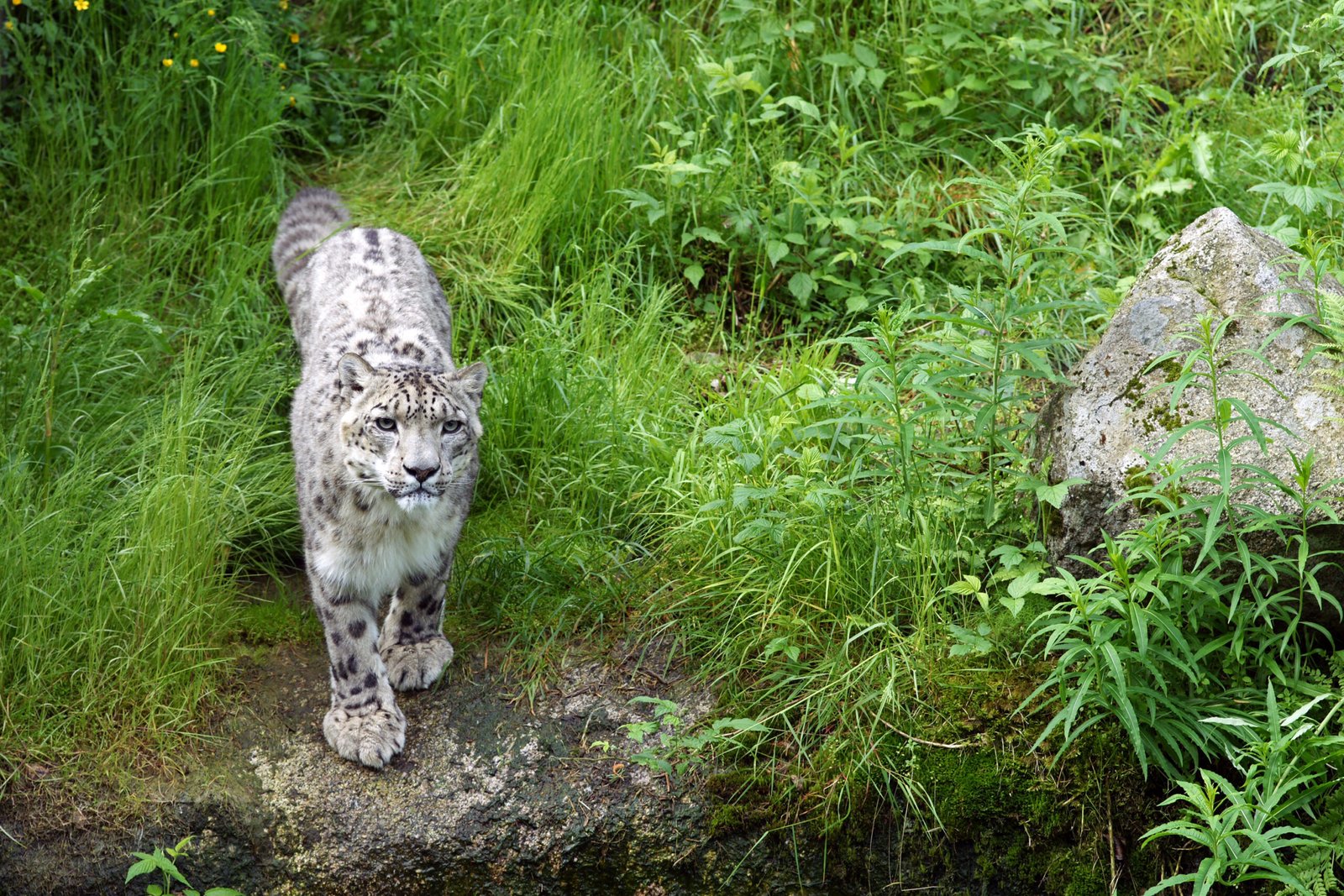
High in the rugged mountains of Central Asia, the snow leopard reigns as an apex predator. These elusive cats are perfectly adapted to their harsh environment, with thick fur and powerful limbs for navigating snowy terrain. Snow leopards are solitary hunters, relying on stealth and agility to catch their prey, which often includes mountain goats and sheep. Despite their prowess, snow leopards face threats from poaching and loss of habitat, highlighting the fragility of their existence.
The Apex of Adaptability: The Polar Bear
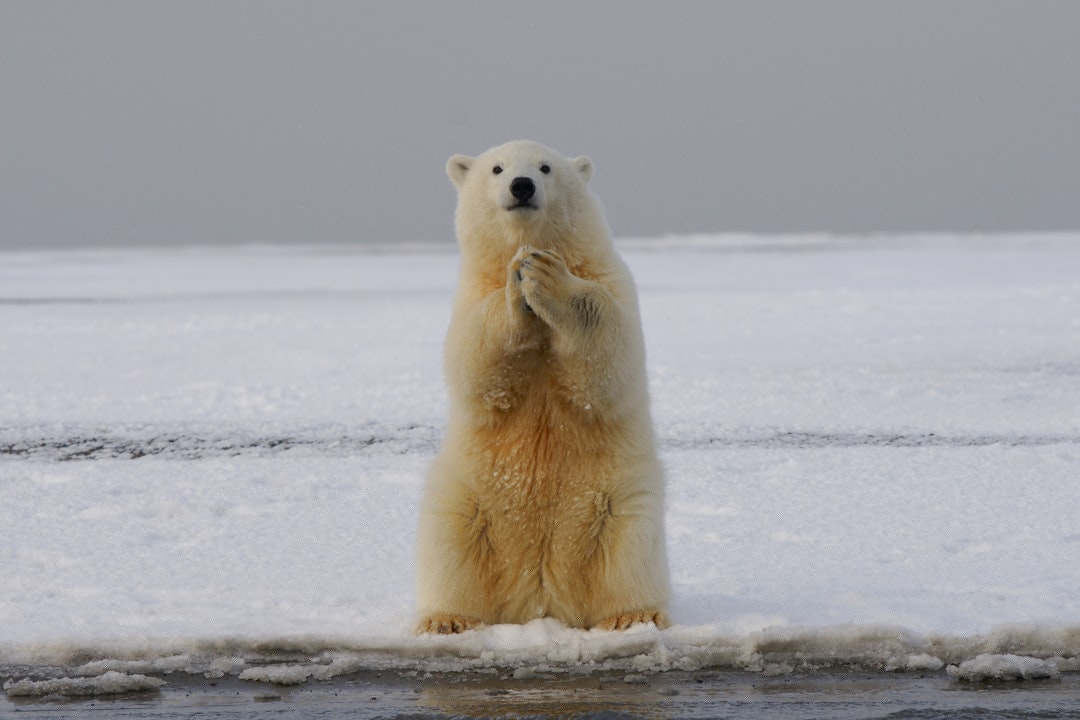
In the icy realms of the Arctic, the polar bear stands as the apex predator, perfectly adapted to its cold environment. With a layer of blubber for insulation and powerful limbs for swimming, polar bears are expert hunters of seals. Their keen sense of smell allows them to detect prey from miles away, making them formidable predators. However, climate change poses a significant threat to their survival, as melting ice caps reduce their hunting grounds.
The Timeless Predator: The Crocodile
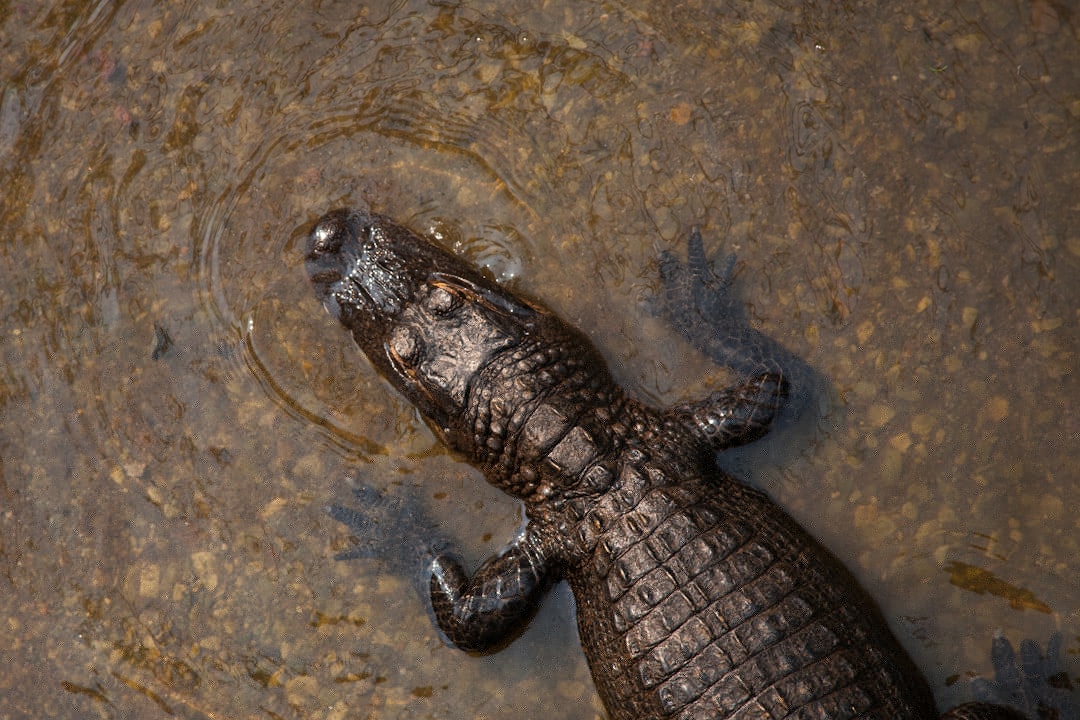
Crocodiles have been around for millions of years, surviving when many other species have not. These ancient reptiles are perfectly adapted to their aquatic environments, with powerful jaws and stealthy hunting techniques. Crocodiles are opportunistic hunters, preying on anything from fish to large mammals. Their ability to remain motionless and ambush their prey makes them one of the most efficient predators in the world. Despite their fearsome reputation, crocodiles face threats from habitat destruction and illegal hunting.
The Agile Hunter: The Peregrine Falcon
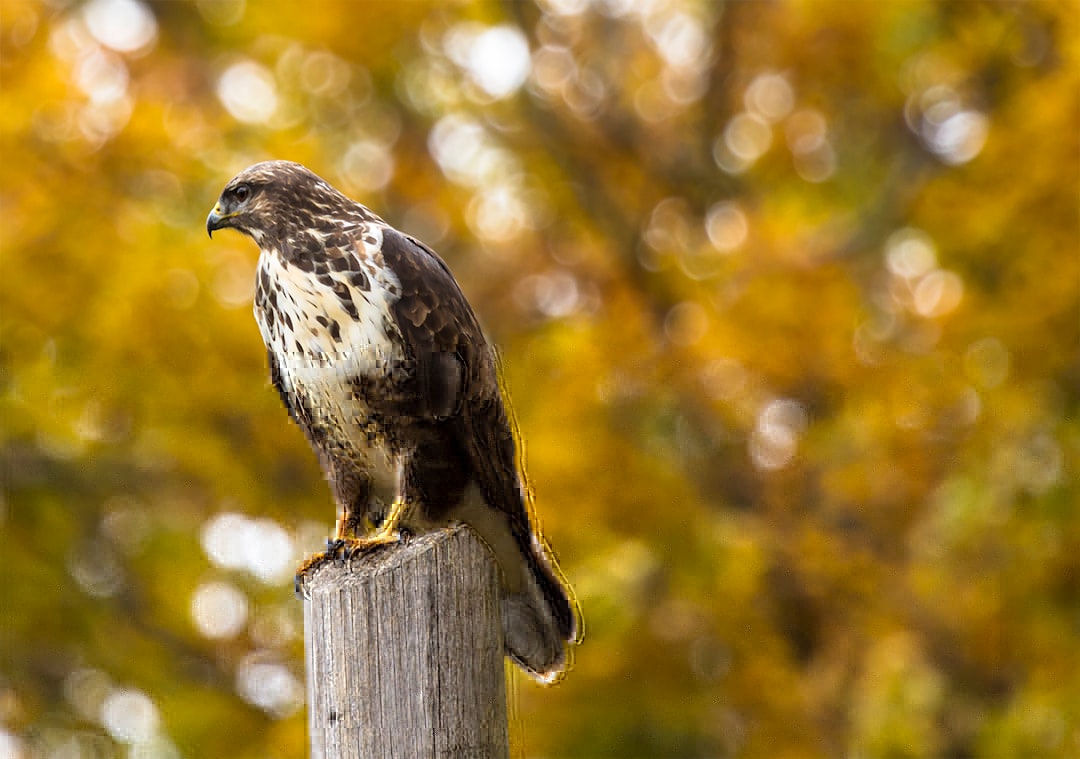
In the skies, the peregrine falcon is renowned for its incredible speed and precision. Known as the fastest bird in the world, it can reach speeds of over 240 miles per hour during a dive. Peregrine falcons are expert hunters, using their speed and agility to catch birds in mid-air. Their keen eyesight allows them to spot prey from great distances, making them formidable aerial predators. However, pesticide use and habitat loss have impacted their populations, demonstrating the challenges even apex predators face.
The Silent Stalker: The Wolf
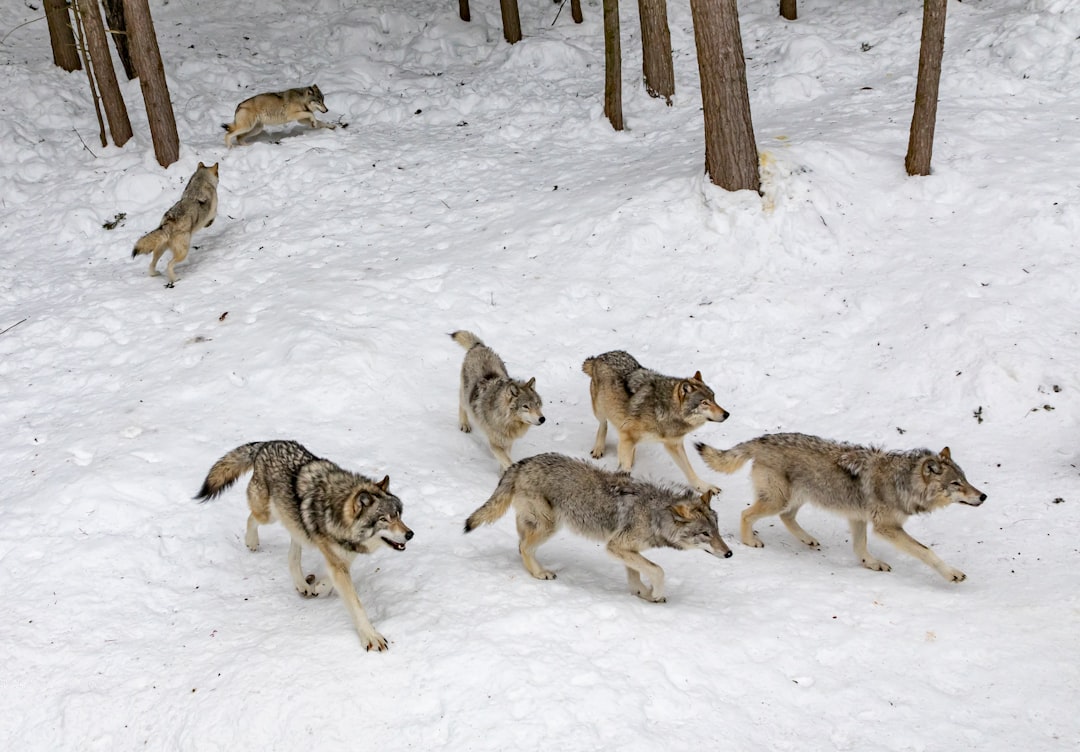
Wolves are highly social animals, known for their complex pack dynamics and cooperative hunting strategies. As apex predators, wolves play a crucial role in maintaining the balance of their ecosystems. They primarily prey on large ungulates, such as deer and elk, using their strength and coordination to bring down animals much larger than themselves. However, human encroachment and hunting have threatened wolf populations, leading to conservation efforts to protect these magnificent creatures.
The Apex Predator Debate: Humans

While not often considered in the traditional sense, humans are arguably the ultimate apex predators. With advanced technology, intelligence, and adaptability, humans have dominated nearly every environment on Earth. Our ability to alter ecosystems and hunt a vast array of species places us at the top of the food chain. However, this dominance comes with responsibility, as human activities have significant impacts on biodiversity and the natural world. The challenge lies in balancing our role as apex predators with the need to preserve the delicate ecosystems we inhabit.