
You have probably heard someone say that animals can sense things we cannot. Maybe you have watched birds vanish from the sky just before a storm, or your dog acting strangely moments before an earthquake hit the news. It feels almost supernatural, as if animals are tuned into a hidden channel of the world that you can’t quite access. Modern science is not saying animals are magical, but it is increasingly clear that many species are picking up signals that your own senses completely miss.
When you look closer, the story gets even more fascinating. What people like to call a “sixth sense” usually turns out to be an extra layer built onto the classic five senses you know: sight, hearing, smell, taste, and touch. But in animals, these same senses are often extended, stretched, and wired into abilities that seem almost otherworldly from a human point of view. As you explore these hidden abilities, you start to realize something humbling: you are not the sensory center of the universe. If anything, you are the one living in a much narrower slice of reality.
How Science Really Defines an Animal’s “Sixth Sense”
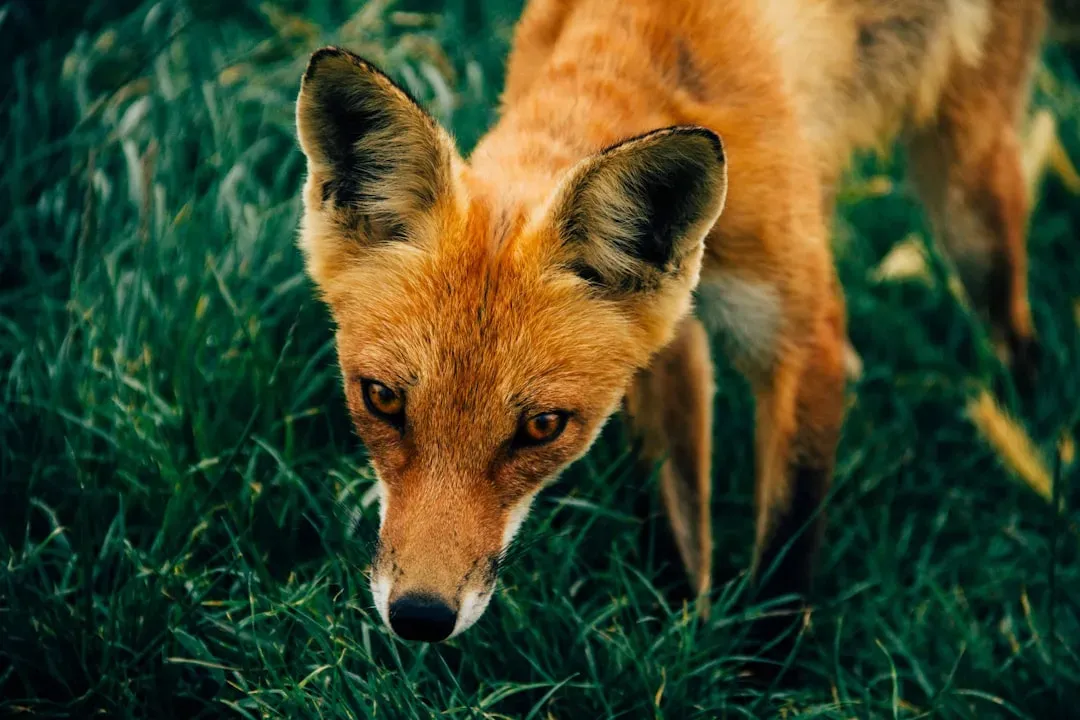
When you hear “sixth sense,” you might think of mind reading, premonitions, or something mystical. In biology, though, the idea is much more grounded. You are dealing with real, measurable abilities that let animals detect stimuli you simply cannot, like magnetic fields, infrared heat, or tiny changes in barometric pressure. From a scientific standpoint, that “sixth sense” is usually an additional sensory system, or an extreme upgrade of an ordinary one, that evolved because it helped an animal survive and reproduce.
You can think of it less like magic and more like having extra apps installed on a phone. Your nervous system runs the basic software: vision, hearing, smell, taste, and touch. Many animals are running advanced versions of those same apps, plus several you do not even have on your device. The result is that they navigate a thicker, richer version of the world than you do, picking up patterns and warnings that would pass right by you without leaving a trace.
Magnetoreception: How Birds and Turtles Read Earth’s Invisible Map

Imagine walking blindfolded across a continent and still somehow staying on the perfect route. That is not science fiction for many migratory animals; it is normal life. Birds, sea turtles, and even some insects seem to sense Earth’s magnetic field and use it like a built-in compass and map. When you see birds flying in precise seasonal routes across oceans and continents, you are watching magnetoreception in action, layered on top of visual cues like the sun and stars.
Researchers have found evidence that some birds may detect magnetism using light-sensitive molecules in their eyes, so they might literally “see” magnetic patterns as a faint overlay on the world. In other animals, tiny magnetic crystals in tissues like the beak or brain may respond to the field like microscopic compass needles. You lack any conscious awareness of Earth’s magnetism, but for these creatures, it becomes a quiet, constant guide – an invisible highway system woven into the planet itself.
Electroreception: Sharks, Rays, and the Sense You Completely Lack

If you could borrow a shark’s “sixth sense” for a day, your entire idea of the ocean would change. Sharks, rays, and some other fish can detect faint electric fields produced by muscle contractions and nerves in other animals. To you, a fish buried in sand is almost invisible; to a shark, that hidden fish is practically broadcasting its position through a weak electrical glow. This is not fantasy; it is hard physics and biology working together in a way your body never evolved to use.
Special organs called ampullae of Lorenzini around the shark’s head act like ultra-sensitive electric antennae, letting the shark pick up signals that are far too faint for any human-made device you casually carry. In murky water, at night, or in deep gloomy depths, vision is almost useless, but this electric sense keeps working. From your perspective, hunting in near total darkness would feel like stumbling, but to these animals it is more like seeing with a new kind of light.
Seismic and Infrasound Sensitivity: How Animals Seem to “Predict” Disasters
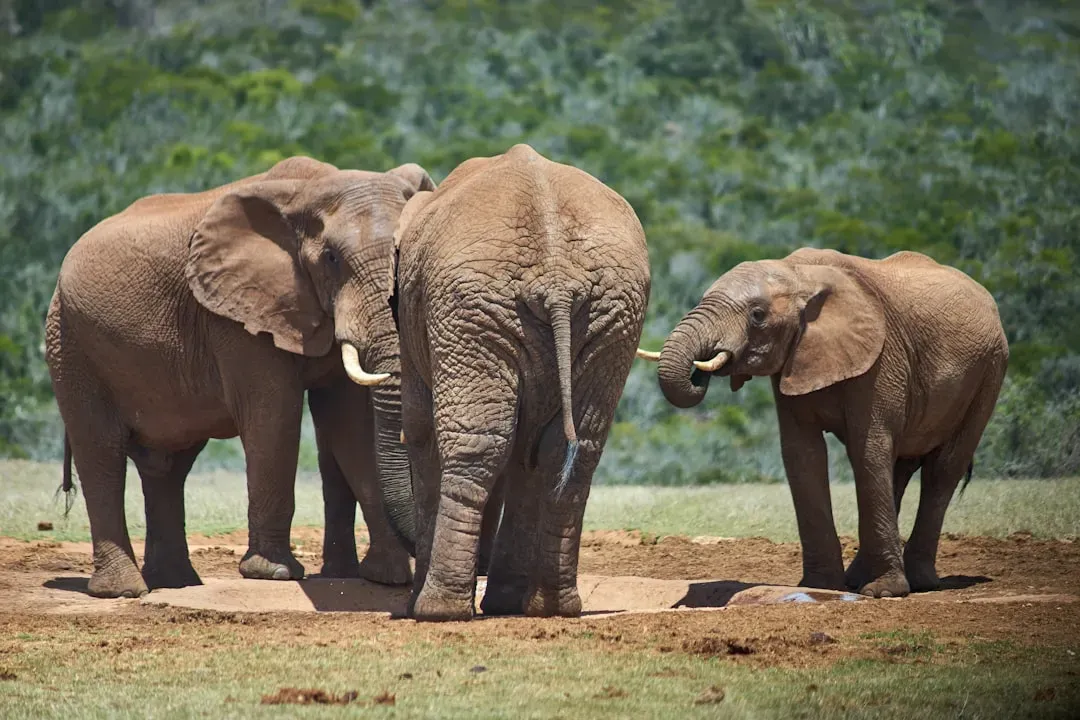
You have probably heard stories of animals behaving strangely before earthquakes, tsunamis, or volcanic eruptions. While people sometimes exaggerate these claims, there is a plausible scientific core. Many animals can pick up low-frequency vibrations in the ground or in the air that your body simply filters out. Some species detect tiny seismic tremors, while others respond to infrasound – sound waves at frequencies too low for your ears to register. To them, a distant disaster may announce itself as a rumble or shudder long before you notice anything.
For example, elephants are known to communicate and react to low-frequency vibrations over surprisingly long distances, using both their feet and their trunks to sense subtle ground movements. Birds may respond to pressure changes and deep infrasound waves produced by storms or distant events before human instruments or forecasts reach you. This does not mean animals are perfectly predicting every disaster, but their sensitivity gives them time to react in ways that, to you, look uncannily like premonition.
Barometric Pressure and Weather Foresight: When Animals Outperform Your Forecast App

Think about how often people rely on weather apps, radar maps, and alerts to decide whether to carry an umbrella or stay inside. Many animals, by contrast, are tapping into barometric pressure directly, feeling it in their bodies as it rises or falls. Birds may change their flight paths or feeding behavior before a storm, insects might suddenly swarm or disappear, and your own pets can turn restless or clingy without any visible cue on the horizon. To them, changes in the air are physical sensations, not abstract numbers on a screen.
Some species have inner ear structures and other sensors that seem tuned to pressure shifts, giving them a sort of internal barometer. You might notice cattle lying down, frogs calling more intensely, or swallows flying low before bad weather rolls in. While it is not perfect or prophetic, this sensitivity allows animals to hedge their bets: seek shelter, adjust migration timing, or focus on feeding while conditions are still favorable. You are essentially watching bodies read the atmosphere the way a sailor reads the waves.
Ultraviolet, Polarized Light, and the Hidden Colors You Never See
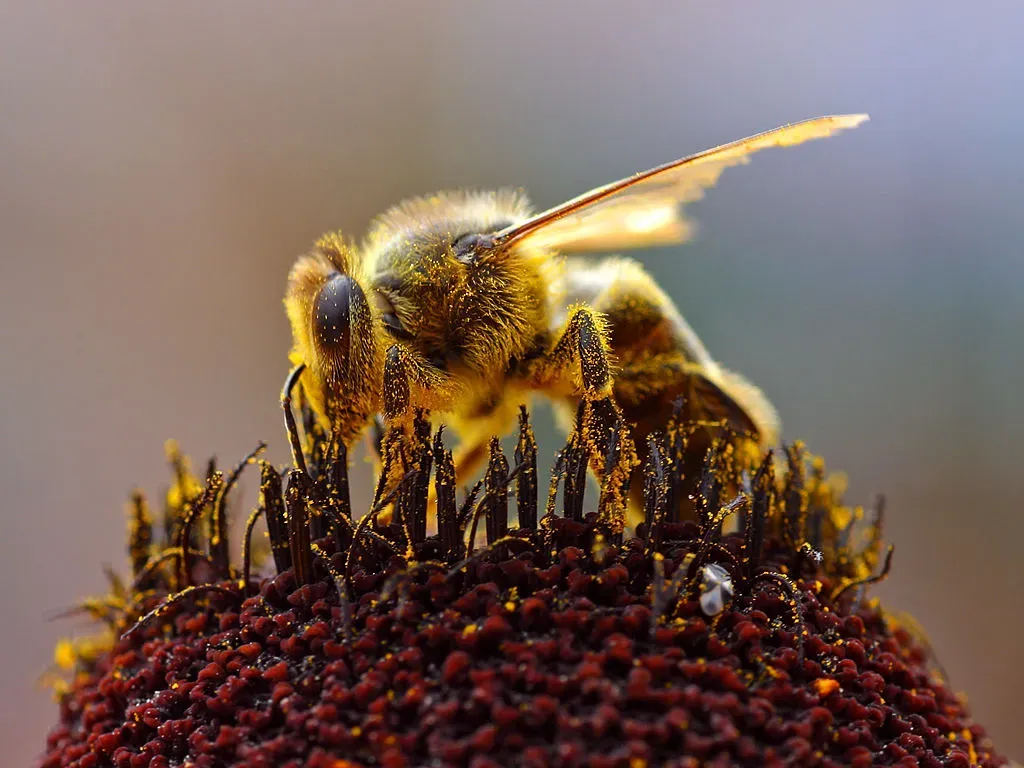
When you look at a flower or a clear blue sky, you are only seeing part of the show. Many birds, insects, and some reptiles can see ultraviolet light, a range of wavelengths completely invisible to you. Flowers that look simple to your eyes often have striking UV patterns that act like landing guides for pollinators. To a bee, a plain yellow bloom may be ringed with bold ultraviolet markings that scream: this way to nectar. You walk past that same flower with no idea there is an entire color channel you cannot access.
Some animals also sense polarized light, meaning they can detect patterns in the way light waves vibrate. This helps them navigate when the sun is low, hidden, or when the sky looks uniform to you. Ants, bees, and even some fish use these light patterns to maintain direction over long distances. If you could borrow their eyes for a moment, the sky would not just be blue; it would be covered in directional arrows and hidden gradients, quietly pointing the way home.
Infrared and Heat Vision: Snakes and Other Thermal Specialists
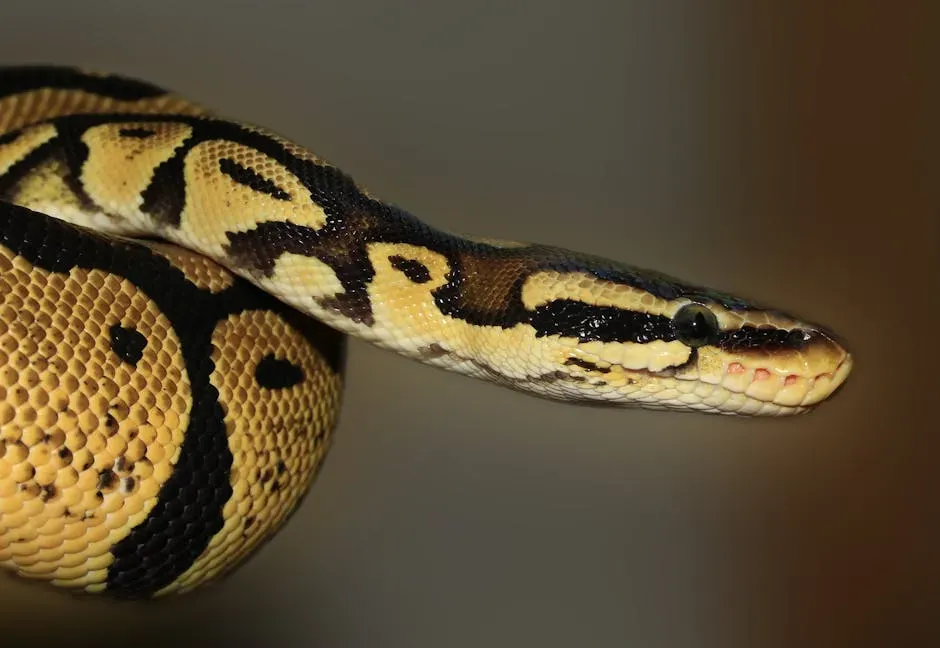
If you have ever seen a thermal camera image, with bright blobs of heat against a dark background, you already have a rough idea of what some animals experience naturally. Certain snakes, like pit vipers, boas, and pythons, have pit organs that let them detect infrared radiation – essentially, the heat emitted by warm-blooded animals. To you, a mouse in darkness becomes invisible; to a snake, that same mouse glows like a tiny lantern in the night. This sensory channel turns total darkness into a detailed map of warm, living bodies.
This ability gives snakes a serious edge not only in hunting but also in avoiding threats. They can strike accurately at prey even without relying on sight, which is why you cannot assume darkness protects you from a snake’s attention. You might think of infrared as “invisible heat,” but to these reptiles, it is just another layer of perception blended with smell and touch. Where you see shadows and guess, they sense temperature gradients with almost eerie precision.
Echoes and Ultrasound: Bats, Dolphins, and the Art of Seeing With Sound
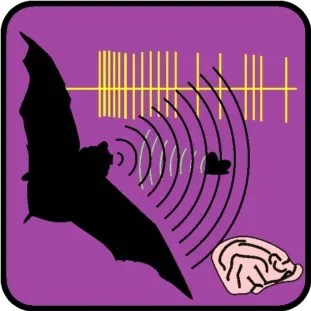
Try closing your eyes and walking through your home without touching anything. You probably end up bumping into a table or misjudging a doorway almost immediately. Now imagine doing that flawlessly at high speed, in three dimensions, chasing moving targets. That is what bats and toothed whales like dolphins pull off using echolocation, sending out high-frequency sounds and listening to the returning echoes. To them, those echoes form a rich, detailed picture of their surroundings – almost like a live 3D scan of the world.
You cannot hear many of the frequencies they use, and your brain is nowhere near as tuned to echo timing or subtle shifts in sound. But theirs is. By analyzing how long it takes a sound to come back and how its tone changes, they can judge distance, size, texture, and even movement of objects in real time. What feels impossible to you is simply another sense to them, one that turns total darkness or murky water into a navigable, information-rich space.
Your Pets’ “Mystical” Instincts: What Dogs and Cats Are Probably Really Sensing

When your dog stares at the door seconds before someone knocks, or your cat hides under the bed before a thunderstorm, it is tempting to chalk it up to some mysterious energy. In reality, your pets are usually not tapping into anything supernatural; they are just using their existing senses far better than you do. Dogs can hear higher frequencies and detect softer sounds than you, so they might catch footsteps or distant car noises long before you register anything. Cats can pick up faint vibrations and subtle air pressure changes, giving them a head start on reacting to noisy weather.
Their noses are also operating on a different level. A dog’s sense of smell is vastly more sensitive than yours, allowing it to detect chemical changes that might hint at illness, stress, or even an oncoming seizure in some people. While science is still unpacking how reliable these abilities are, you can be confident that your pets’ “sixth sense” moments usually come from sharper versions of the same senses you have, not some unearthly power. They are simply paying attention to signals your brain mostly tunes out.
What These “Sixth Senses” Reveal About Your Own Limited Perception

When you put all of this together – magnetic maps, electric fields, deep vibrations, ultraviolet patterns, infrared heat, and echo images – you start to realize that your view of reality is heavily filtered. You move through the world as if what you see, hear, and feel is the full picture, but it is more like watching a movie on a small, cropped screen. Animals around you are watching that same movie in a wider format with extra channels turned on. Their senses remind you that there are layers of information swirling around you every day that you will never directly experience.
Instead of making you feel inferior, this can actually be strangely comforting. You do not need to be the most highly tuned creature in every way to thrive. Your brain specializes in other strengths, like complex language, planning, and imagination. But when you watch a flock of birds pivot in perfect unison, or see your dog react to something you cannot detect, it is worth pausing. You are sharing a planet where each species experiences a slightly different version of reality, and those differences are what make nature so endlessly surprising.
In the end, the idea that animals possess a “sixth sense” is less about ghosts and more about biology doing what it always does: adapting to challenges in creative, sometimes mind-bending ways. You may never feel Earth’s magnetic field or see in ultraviolet, but you can learn to respect that these abilities are real, measurable, and crucial for survival. The more you understand them, the less mysterious they seem – and yet, somehow, they stay just mysterious enough to keep you looking twice the next time your dog tilts its head at something you cannot hear. If you could borrow one of these extra senses for a day, which hidden layer of the world would you want to explore first?