

You have probably seen the headlines: secret discoveries that would rewrite history, digs that “they” do not want you to know about, artifacts so shocking that mainstream experts supposedly bury the evidence. You feel the pull of those stories because they tap into something very human: you want the past to still hold wild surprises, and you suspect that institutions are not always great at handling ideas that rock the boat.
Here is the uncomfortable truth you rarely hear: real archaeology is way stranger, slower, and more bureaucratic than the viral myths. Most of the time, experts do not “refuse” to publish because a discovery is too explosive; they hesitate because the evidence is bad, the context is missing, the dating is shaky, or the whole thing looks suspiciously like a hoax. When you dig into the details, the most mysterious finds often turn out to be cautionary tales about human bias, wishful thinking, and the messy process of science rather than smoking guns of a hidden ancient super-civilization.
The Myth Of The “Suppressed” Discovery
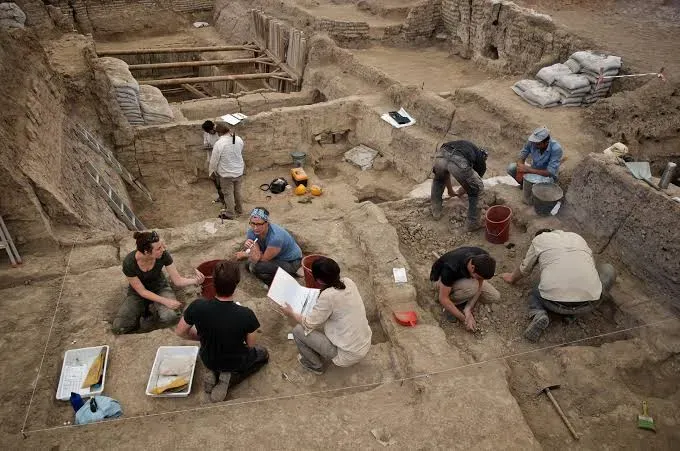
You hear the story again and again: an archaeologist uncovers proof that ancient humans are far older, more advanced, or more widespread than anyone thought, and then shadowy gatekeepers swoop in to shut it all down. It sounds thrilling, but when you actually look at how archaeology works, the narrative starts to wobble. If you have ever worked in a field where career advancement depends on publications, the idea that people are sitting on a bombshell result instead of racing to publish it feels pretty off.
What really happens more often is much less dramatic and far more human. A team finds something odd, realizes the context is unclear or the dating is inconsistent, and quietly decides not to push a claim that will probably fall apart under scrutiny. Journals demand peer review, other specialists want raw data, and if a claim is truly extraordinary, the evidence has to be painfully detailed and repeatable. You do not see those long, slow debates in the clicky headlines, but that is where the real action – and real resistance – actually lives.
Out‑Of‑Place Artifacts And Why They Drive Archaeologists Crazy
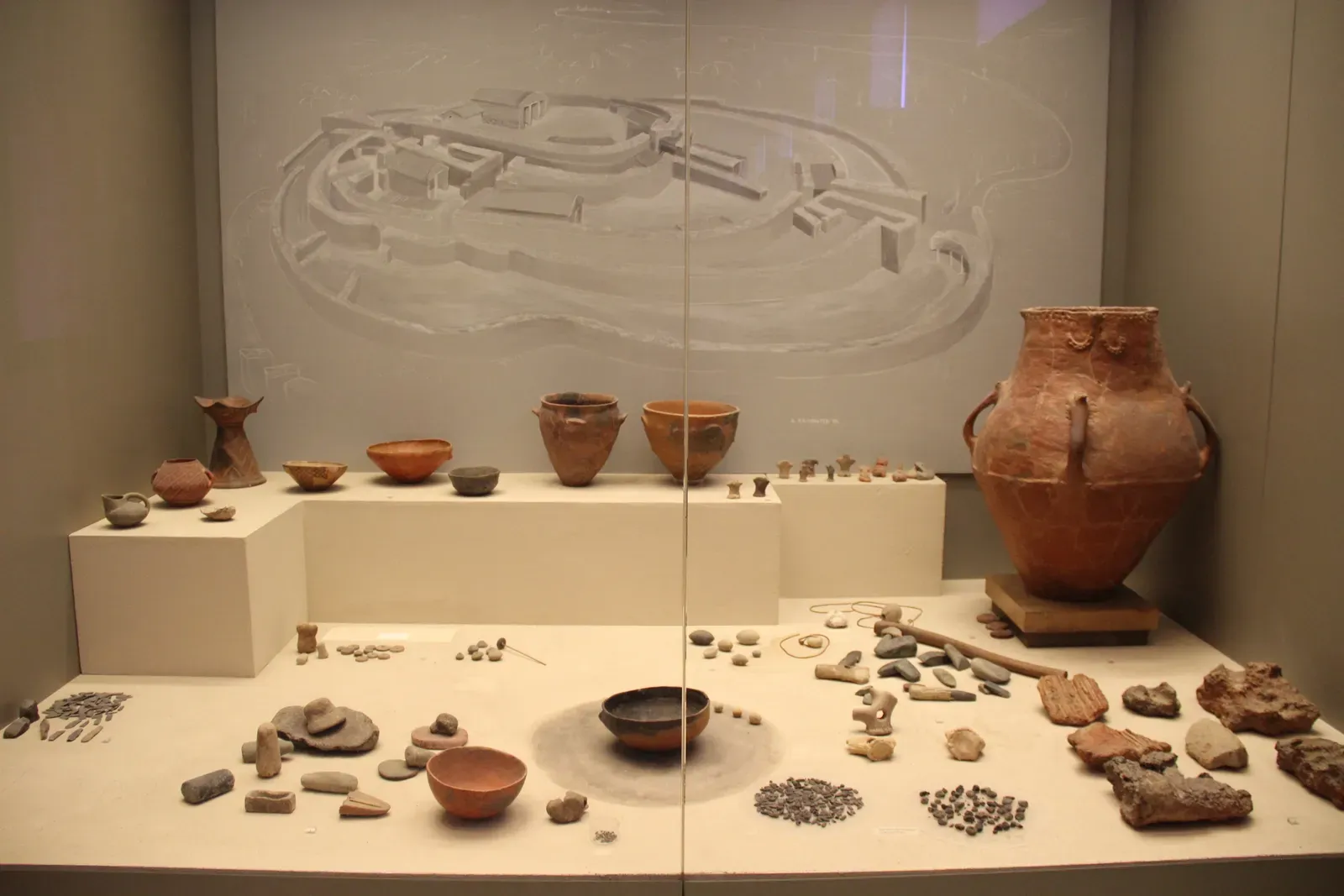
You have probably stumbled across lists of so‑called out‑of‑place artifacts: metal objects in ancient rock, modern‑looking tools in prehistoric layers, things that supposedly should not exist where they are found. At first glance, these objects feel like hard evidence that history is wrong and experts are hiding the truth. When you look closer, you usually find something far more mundane but just as revealing about how you and everyone else can be fooled.
Most of these cases crumble once you ask the boring questions: Was the layer actually undisturbed? Did anyone document the find during excavation, or did the object show up in someone’s basement decades later? Could the artifact have fallen into a crack or been introduced during mining or construction? Archaeologists know that context is everything, and when that context is missing, they do not see a revolution in human history – they see a contaminated site, a possible hoax, or a story that cannot be tested. That is exactly why such objects rarely make it into serious journals, no matter how many conspiracy posts they fuel.
The London Hammer And Objects “Trapped In Rock”
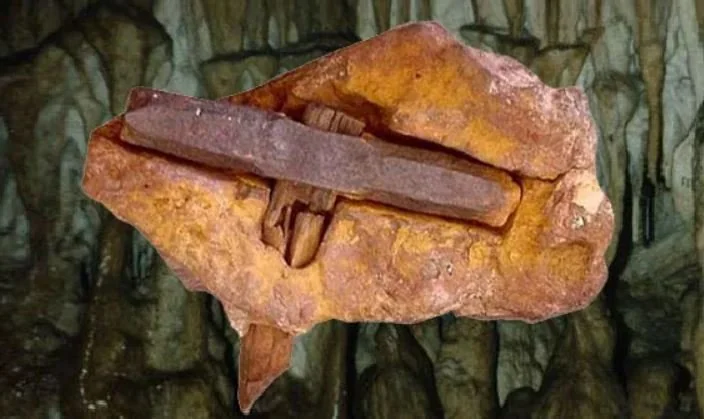
You may have seen photos of a nineteenth‑century style hammerhead partially embedded in a chunk of rock, held up as proof that modern humans existed hundreds of millions of years ago. At first glance, it is genuinely unsettling: how do you fit a modern hammer into rock that supposedly took ages to form? Your brain jumps straight to time travel, hidden civilizations, or deliberate cover‑ups when scientists shrug and walk away.
The explanation, when you walk through it carefully, pulls you back down to earth. You are not looking at ancient bedrock; you are looking at a concretion – relatively recent minerals that hardened around a modern object. Natural cement can form in decades, not eons, especially in certain soils and wet environments. From an archaeologist’s point of view, the hammer is a modern tool, the “rock” is recent, and the case is not strong enough to justify a big technical paper. What seems like refusal to publish is usually just a judgment that the find is not what the headlines promise.
Ica Stones And The Problem With Perfectly On‑Brand Mysteries
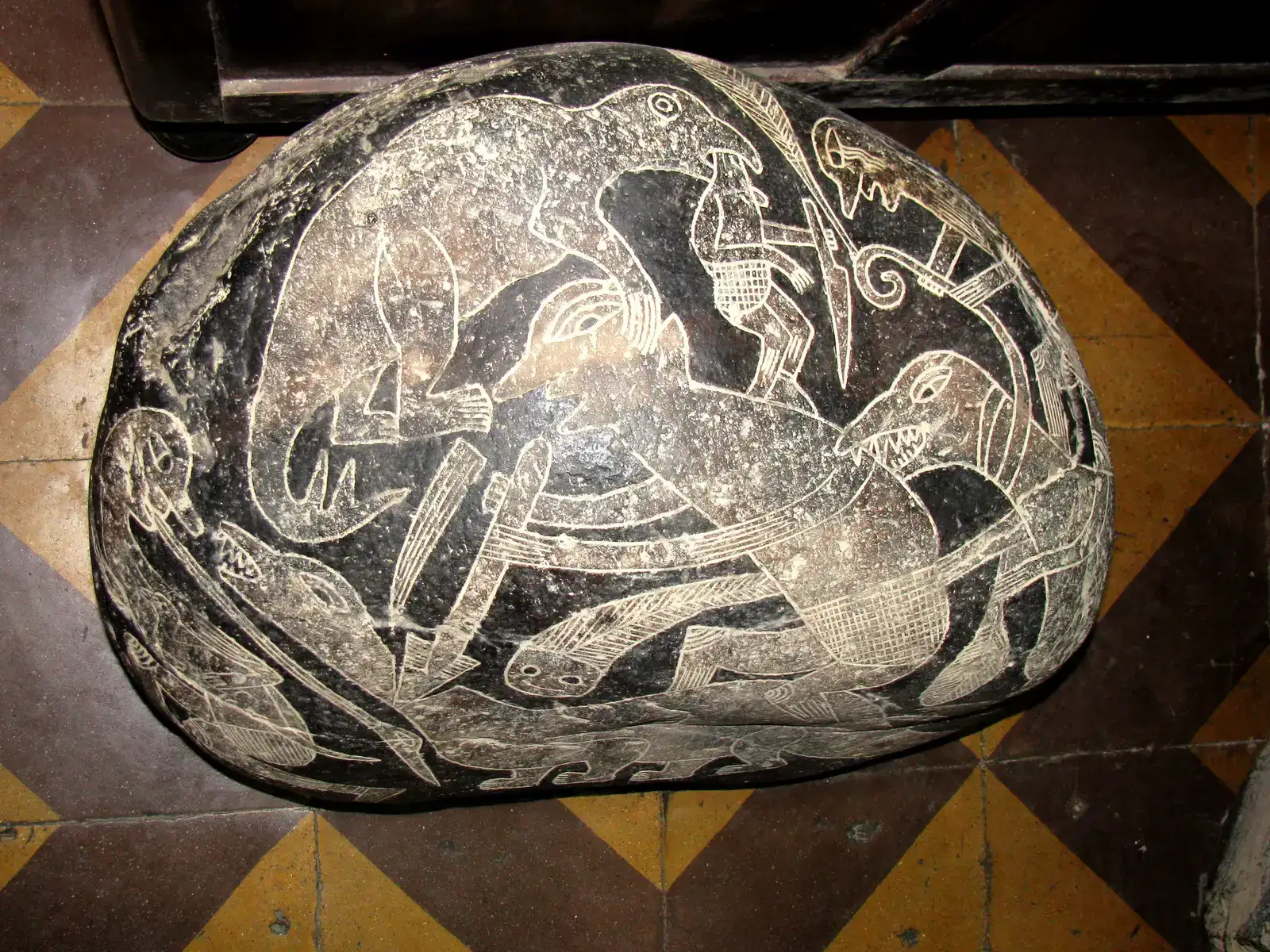
If you love fringe archaeology, you have probably heard of the Ica stones from Peru – carved rocks showing humans alongside dinosaurs, advanced surgery, and star maps. On the surface, that hits every note you might crave: ancient knowledge, anachronistic animals, and a dramatic challenge to mainstream science. It is exactly the kind of story that makes you feel like you are being let in on a secret history.
But when you poke at the background, the magic collapses fast. The carvings turned up through local farmers and collectors, not controlled excavations; some vendors admitted making them for tourists; the iconography mirrors mid‑twentieth‑century pop culture depictions of dinosaurs. If you are an archaeologist, this is textbook fakery, not a puzzle that deserves years of lab work. So you do not see peer‑reviewed papers on the Ica stones because, to professionals, the case is essentially closed – not suppressed, just debunked and no longer worth limited research funds.
Crystal Skulls And The Allure Of Ancient High Tech

You might feel a jolt of wonder when you see those gleaming quartz skulls in museums or documentaries, advertised as impossibly precise artifacts carved by vanished Mesoamerican masters. The story often implies that modern tools could barely achieve that finish, so ancient people must have had help from unknown technologies or even visitors from the stars. It scratches that itch you have that the past was far more advanced than you were told in school.
When researchers actually looked closely, though, the story swerved. Under magnification, tool marks on many famous crystal skulls match modern rotary wheels, not ancient stone or sand abrasion. Documentation often begins in European curio markets in the nineteenth century, not in sealed archaeological layers. You barely see journal articles about them because once that kind of evidence stacks up, experts classify them as recent fakes, not as legitimate pre‑Columbian finds. The silence you notice is not fear of the truth; it is boredom with a solved mystery.
Mystery Hill And The Temptation Of Secret Old World Visitors
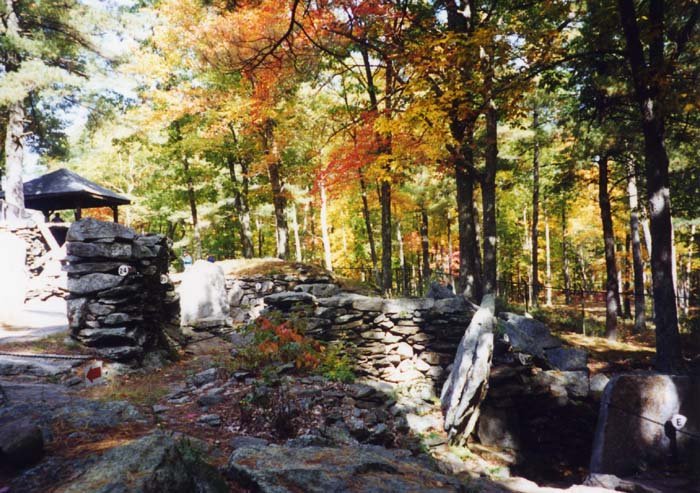
If you visit certain sites in New England, you are told you are walking among ancient Celtic, Phoenician, or druidic stone ruins, kept under wraps by academics who do not want to admit Old World sailors reached America long before Columbus. Standing in a dim stone chamber, you can feel that thrill: what if this is the missing page of history everyone ignored? It is easy to side‑eye archaeologists who insist it is nothing special.
Once you learn how to read the landscape the way a field archaeologist does, though, the spell breaks. The dry‑laid stone walls, odd alignments, and chambers line up neatly with colonial‑era farm structures, root cellars, and boundary features. Excavations around Mystery Hill and similar places have yielded historic‑period artifacts, not ancient Mediterranean goods. Experts do publish on these sites, but in the context of regional farming history, not secret voyages. You mostly do not hear about those papers because “old farm” does not go viral the way “lost druids of New Hampshire” does.
Runestones, Lost Explorers, And The Power Of Local Legend
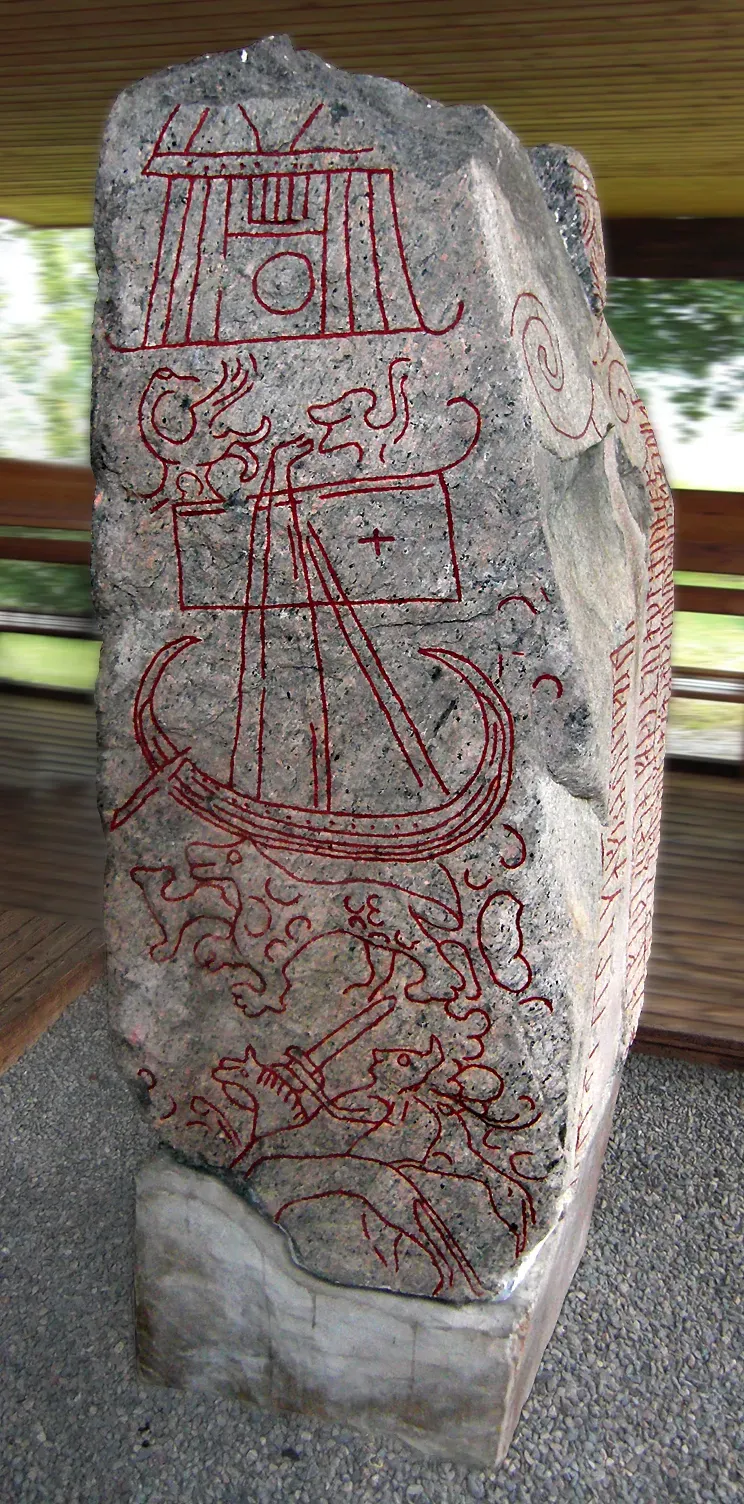
You might have grown up hearing about runestones in North America that supposedly record early Scandinavian expeditions deep into the continent, long before textbooks say vikings arrived. It is an intoxicating idea, especially if it ties into regional pride or family lore. When you see carved letters that seem to echo Old Norse inscriptions, you may feel like the case is open and shut.
But if you put yourself in the shoes of an epigrapher – someone who studies ancient writing – the picture gets fuzzier. Linguistic forms on some stones mix periods and dialects in ways that make no sense historically, tool marks look modern, and the discovery contexts are muddy or suspiciously convenient. Serious scholars have written detailed critiques, and once that work is done, most archaeologists see little reason to keep revisiting the same object. What looks to you like an eerie silence is actually a sign that the debate ended years ago within the specialist community.
The Aiud “Aluminum” Wedge And Misreading Modern Materials
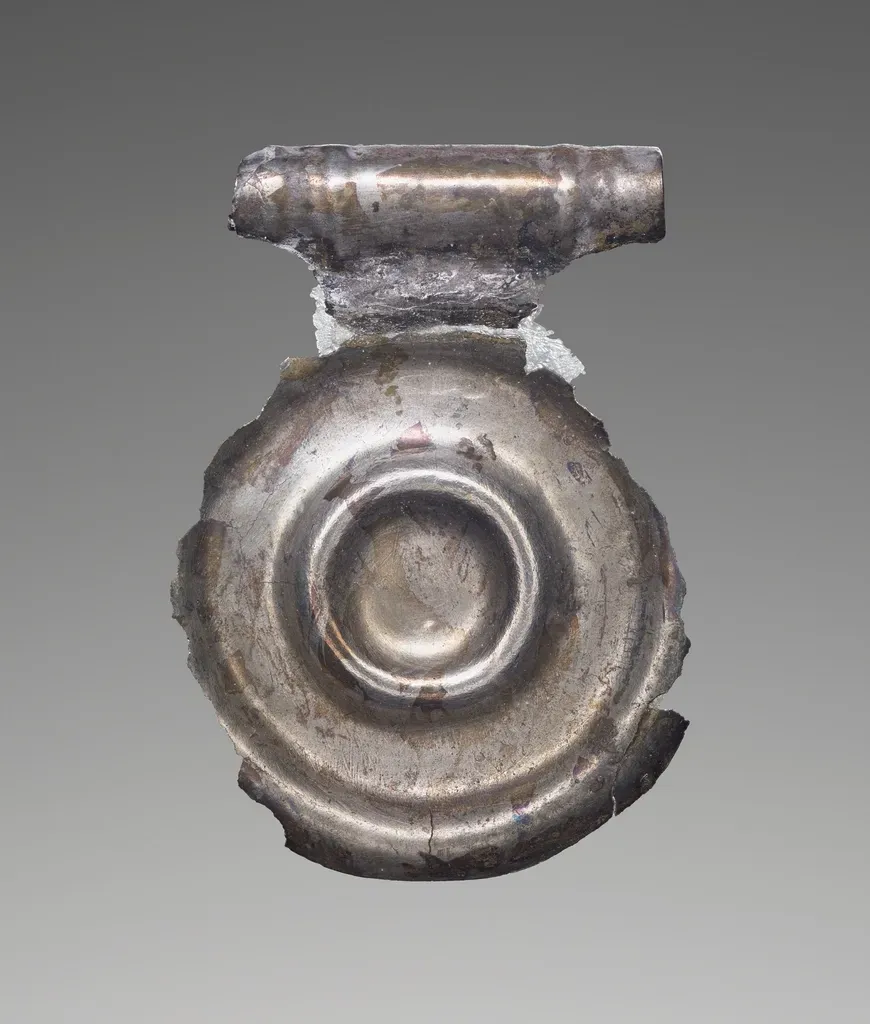
Every now and then you encounter claims about an aluminum object found with ancient bones or fossils, offered as proof that someone in deep antiquity mastered metallurgy far beyond anything in the textbooks. The Aiud wedge from Romania is one of the most famous examples: a corroded metal fragment said to be over ten thousand years old and made from an alloy you supposedly should not find in that era. It is tailor‑made to make you suspect deliberate suppression.
Yet when metallurgists and archaeologists get a chance to test such pieces properly, the drama tends to evaporate. The alloy composition is consistent with early modern industrial debris, and the supposed “ancient” context turns out to rely on second‑hand stories rather than field reports or stratigraphic records. No excavation log, no photos in situ, no chain of custody – just a loose find passed around for decades. In that light, you can understand why journals are not lining up to publish grand reinterpretations of history based on one unlabeled scrap of metal.
Gosford Glyphs And The Problem With Outdoor “Discoveries”
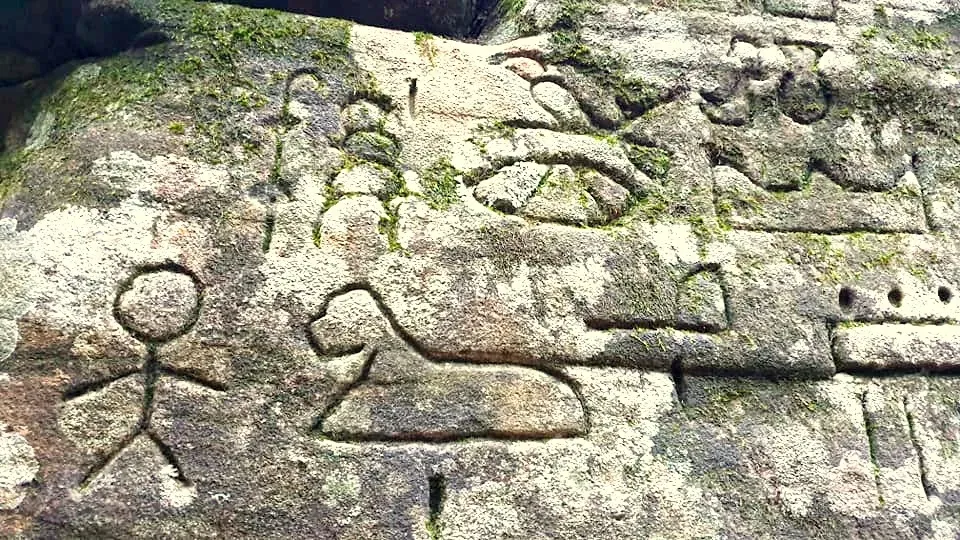
Carved symbols on a cliff face in Australia that look like Egyptian hieroglyphs are the kind of thing you cannot unsee once you have seen them. You are told that mainstream archaeologists walk past them with their eyes closed because they clash with accepted views of ancient contact. From your perspective, those marks in the rock feel like undeniable, physical evidence in the world, not just a theory in someone’s head.
But open, easily accessible rock surfaces are a paradise for hoaxers and hobbyists. When authorities and researchers examined the Gosford glyphs, many noted shallow cuts, inconsistent styles, and signs of recent weathering. Local histories suggest that at least some of the carvings date to the twentieth century, likely made by enthusiasts inspired by Egyptomania rather than by Bronze Age sailors. Professionals see graffiti with a story attached, not a secret that needs suppressing – and so they pour their limited time into better documented sites instead.
The Lapedo Child And The Fear Of Over‑Claiming
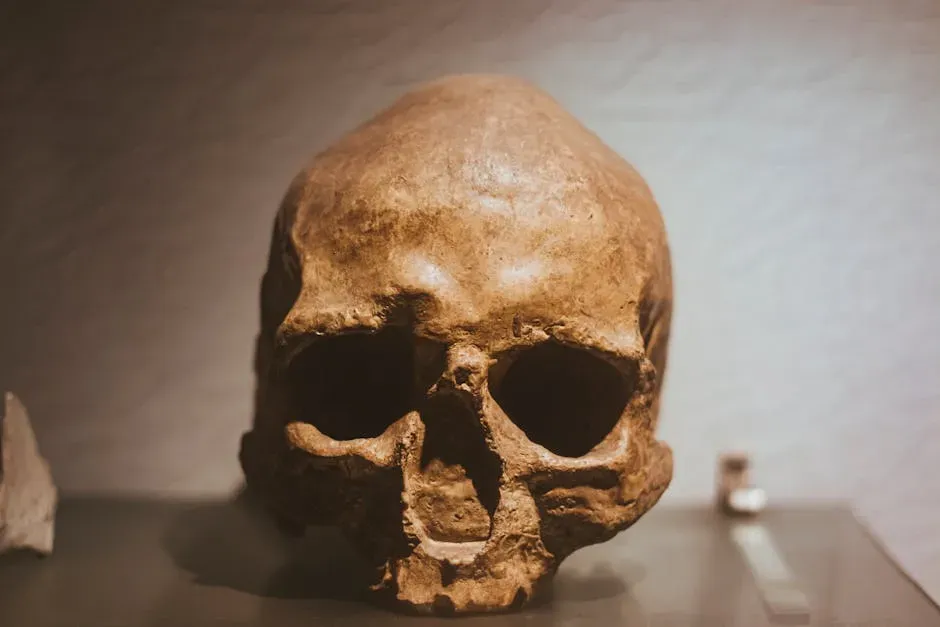
Every so often you encounter a real discovery – like unusual ancient human remains – that sparks whispers about why you are not hearing more. Take cases where skeletal features seem to blend traits from different human lineages. You are told that this sort of find is too disruptive to the standard story of human evolution, so experts drag their feet rather than publishing a conclusion that might upset careers or textbooks.
What you rarely see is the behind‑the‑scenes argument about how cautious you must be when dealing with a single skeleton. Did taphonomic processes distort the bones? Are you looking at normal variation, pathology, or interbreeding? Paleoanthropology has a long, embarrassing history of over‑interpreting fragmentary remains, and many researchers would now rather delay publication or underplay the drama than repeat those mistakes. The “refusal to publish” you imagine can just be extreme care after a century’s worth of cautionary tales.
Deeply Ancient Human Sites And The Burden Of Proof
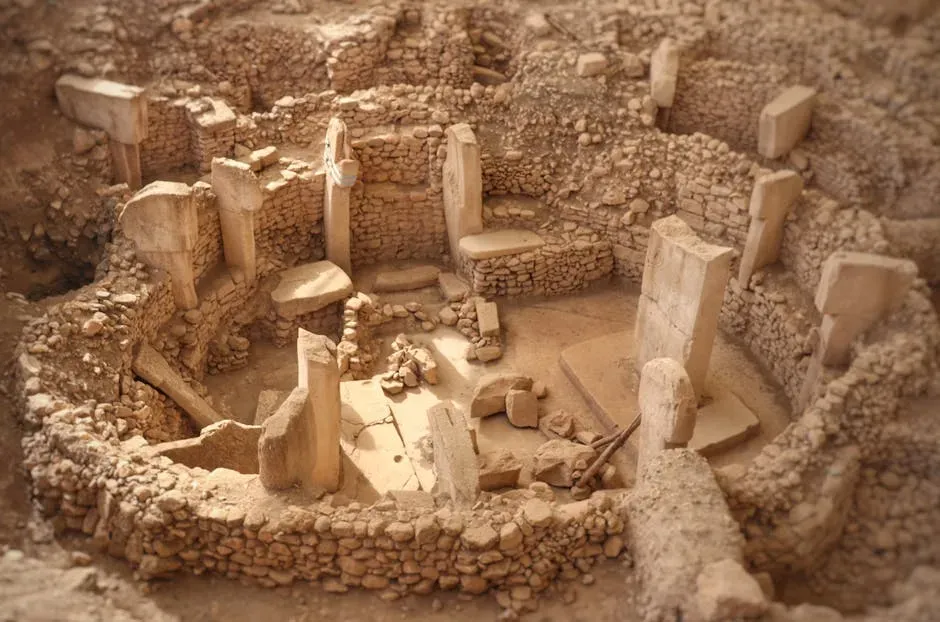
Perhaps the most emotionally charged claims you see online involve tools or habitation layers in the Americas dated tens of thousands of years earlier than the currently accepted timeline. When you first read about stone flakes or charcoal that old, you may feel a rush: if this is true, the entire peopling of the Americas story has to be rewritten. When those claims do not instantly appear in textbooks, it is tempting to assume suppression rather than skepticism.
In reality, archaeology of the earliest humans already pushes timelines back as new evidence accumulates, especially with Pre‑Clovis debates and sites like White Sands showing older human presence. But any site that demands a truly radical shift faces brutal scrutiny: independent labs repeat dating, other teams re‑excavate, and every alternative explanation – natural fracture, contamination, animal disturbance – gets explored. Until those hurdles are cleared, many journals and researchers treat the claims as provisional, not as gospel. From your side of the newsfeed, that can look like a blackout; from theirs, it is how science protects itself from chasing every mirage.
Buried Cities Under Modern Metropolises
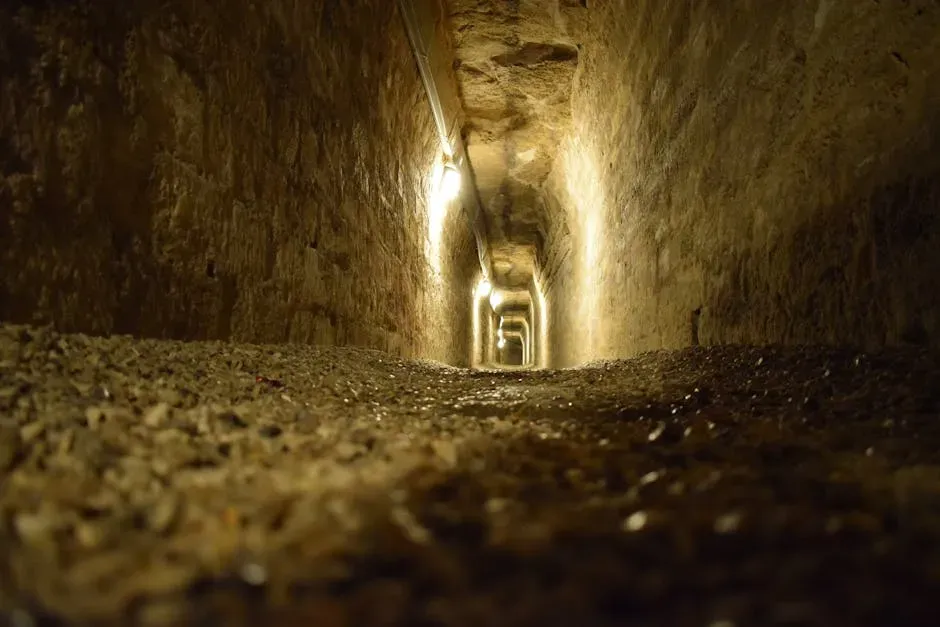
You sometimes hear rumors of entire forgotten cities discovered deep beneath modern ones – subway workers breaking into immense caverns with inscriptions, or tunnelers hitting polished walls nobody can date. The story usually ends with a vague suggestion that authorities sealed everything up to avoid causing panic or rewriting national history. The idea that such a thing could exist right under your feet is intoxicating.
The everyday reality of urban archaeology is both stranger and more ordinary. Excavations under cities like Rome, Istanbul, or Mexico City constantly expose older layers, but these are well within known historical periods and documented in rescue‑dig reports, museum collections, and specialist journals. Construction companies are legally required in many countries to report finds, not hide them, because they face fines and delays otherwise. What you interpret as a refusal to publish often boils down to the fact that most buried structures fit the messy, overlapping timelines historians already know, not a secret civilization no one can place.
Outlandish Cave Paintings That Never Quite Check Out
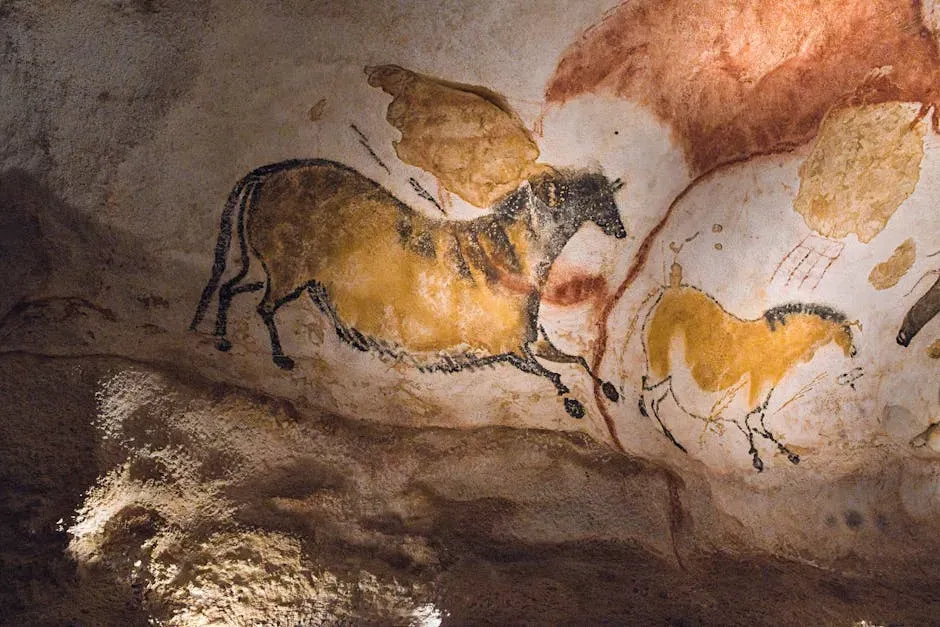
A favorite topic in fringe circles is cave art that seems to show spacecraft, modern tools, or beings in helmets. You are told that photographs exist but that museums and universities refuse to acknowledge them publicly, fearing that ordinary people would draw the “wrong” conclusions. It feeds a sense that you are seeing what experts are too arrogant – or too scared – to admit.
People who actually study rock art know another pattern: misidentification, pareidolia, and digital manipulation. Natural weathering can change shapes over time, modern graffiti often creeps into old sites, and camera angles or contrast tweaks can turn ordinary figures into something uncanny. Real rock art research gets published all the time, focusing on verified motifs, pigment analysis, and cultural context. The truly wild images that never appear in those papers usually fail basic tests of authenticity or documentation, so you only ever encounter them in low‑resolution photos online, not in excavation reports.
“Impossible” Megaliths And Human Ingenuity
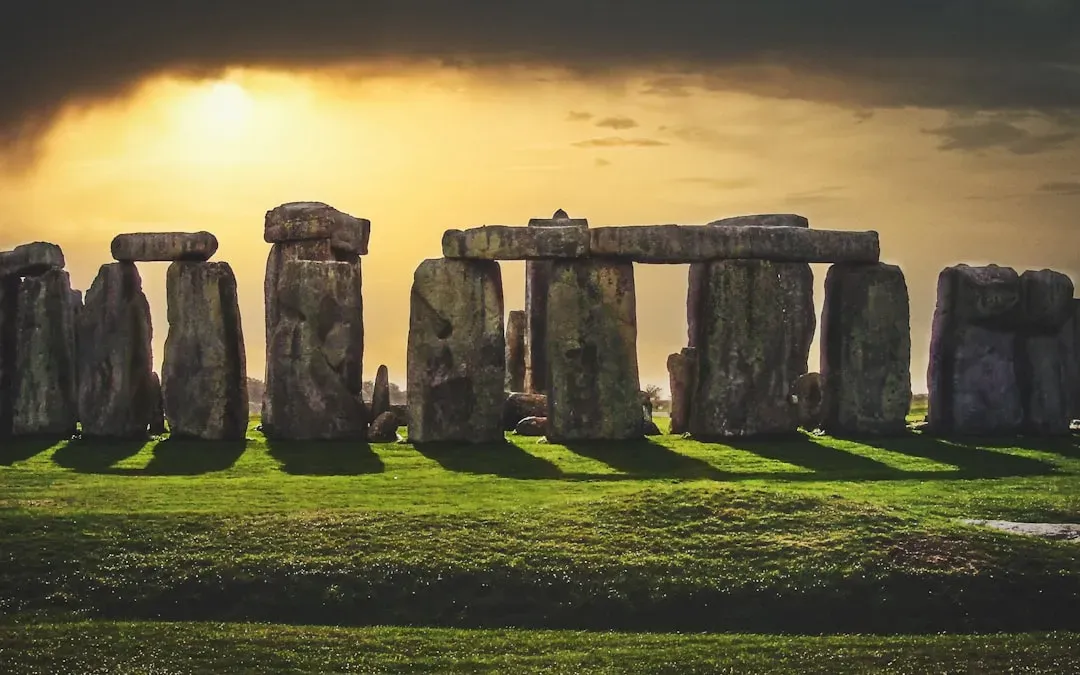
Whenever you stand in front of cyclopean walls, massive stone platforms, or precisely cut blocks, you might feel that there is no way humans with simple tools could achieve this. Claims then follow that archaeologists refuse to explore alternative explanations – advanced lost technologies, forgotten physics, or outside intervention. You can start to suspect that any expert who insists “people did this with patience and leverage” is either blind or protective of a fragile narrative.
Yet study after study of ancient construction techniques shows that humans are shockingly good at solving practical problems over centuries. Experiments with replica tools, ramps, sledges, water, and counterweights demonstrate plausible methods, and in many regions you can see intermediate stages of experimentation preserved in quarries and half‑finished works. Scholars absolutely publish on these questions; entire journals and conferences revolve around ancient engineering and logistics. What they do not usually publish are theories that leap to exotic technologies without first exhausting the down‑to‑earth options that tens of thousands of laborers and multiple generations can achieve.
Relics That “Prove” Religious Stories – And Why Journals Balk
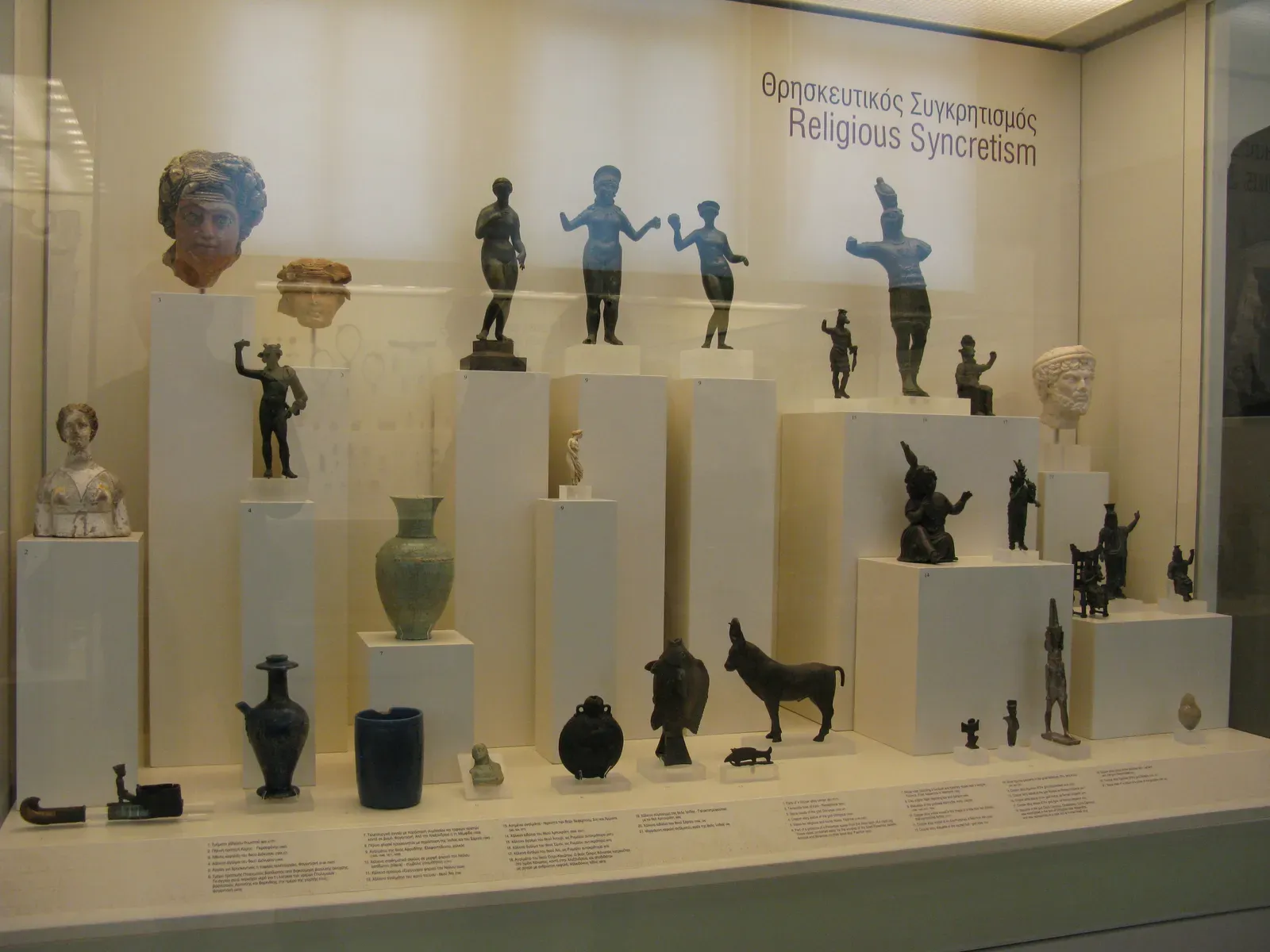
You regularly see announcements of artifacts that allegedly confirm famous religious events or figures: inscriptions that name biblical kings, objects tied to miracles, or structures linked to sacred narratives. When you notice that these items rarely move the needle in mainstream scholarship, you may conclude that secular archaeologists simply refuse to take faith‑affirming finds seriously.
What you might not see is how often such claims are entangled with forgeries, wishful readings, or politically charged agendas. Provenance is murky, the pieces circulate through private collections, and the epigraphy is just ambiguous enough to allow multiple interpretations. Journals and serious researchers tend to demand cleaner data and a degree of caution that sensational announcements cannot meet. That withholding of formal endorsement is not necessarily hostility to belief; it is a defense against turning archaeology into a vending machine for confirmation of any story people most want to be true.
Antikythera‑Style Mechanisms Without Context
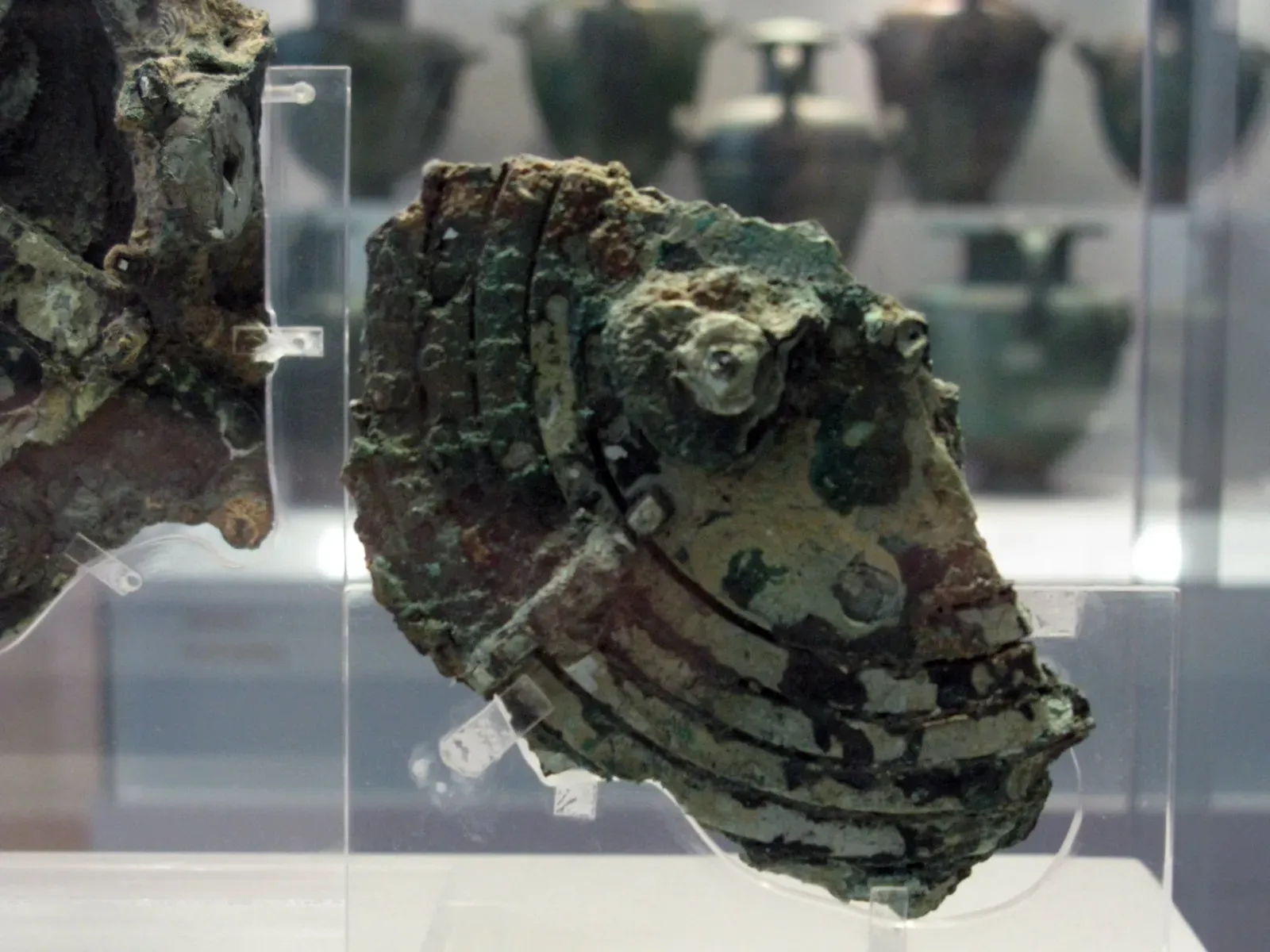
After you learn about the Antikythera mechanism – a genuine ancient Greek geared device for tracking celestial cycles – you might be primed to believe that similar advanced mechanisms are constantly being dug up and then ignored. The narrative goes that once one such artifact squeaked into the journals, the rest were quietly sidelined because they did not fit the “primitive ancients” model that old historians loved.
In practice, genuine complex machines from antiquity are treated like treasure by historians of technology. The Antikythera device has generated a flood of peer‑reviewed work, reconstructions, and debates about Hellenistic science. Claims about other, comparable finds that never get detailed coverage usually fall apart on close inspection: no clear excavation context, no surviving original, or descriptions that trace back to a single sensationalist source rather than field reports. If you ever see a sketch or anecdote with no museum inventory number, no lab data, and no follow‑up, it is a strong sign that professionals did not “refuse to publish” so much as refuse to build castles on mist.
Ancient Maps Showing Impossible Coastlines
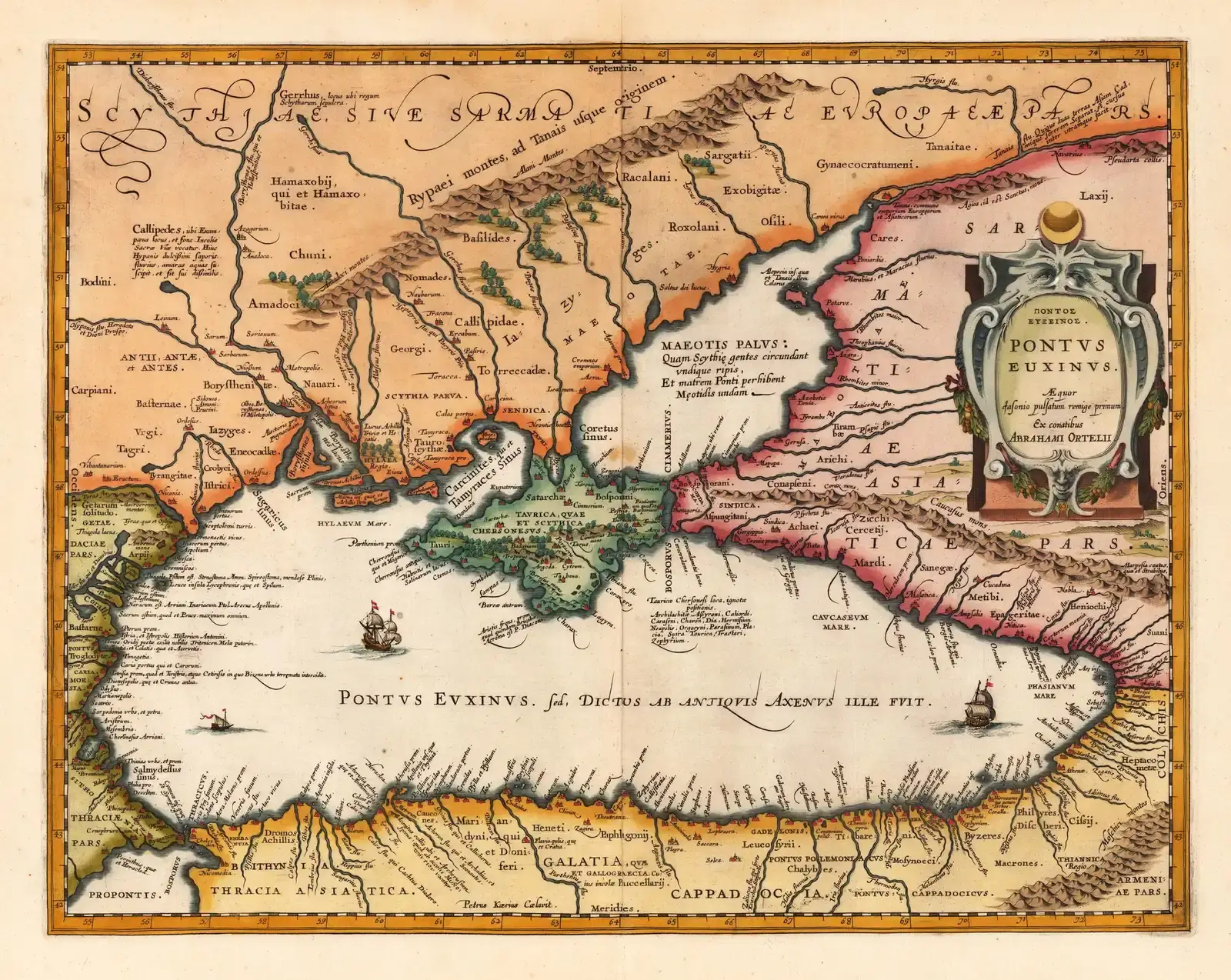
Old maps that appear to show Antarctica ice‑free or coastlines before modern surveying often circulate as proof of a forgotten global civilization. You will hear that cartographers and archaeologists know about these anomalies but keep quiet because they do not want to admit anyone mapped the world long before the recognized age of exploration. The idea that someone had satellite‑level knowledge in the distant past can be intoxicating if you love puzzles.
If you sit down with a historical cartographer, their view is far more grounded. Many maps are composites of older sources, guesswork, and creative filling in of blanks; what you see as a perfect outline might actually be coincidence aided by your brain’s pattern recognition. When coastlines are compared rigorously using modern tools, the “accuracy” tends to vanish. Academic work on these maps does get published, but it frames them as products of their intellectual and political context, not as outliers demanding a lost civilization. The supposed refusal to publish is mostly a refusal to accept cherry‑picked fits as world‑shattering evidence.
Human And Dinosaur Footprints Together?
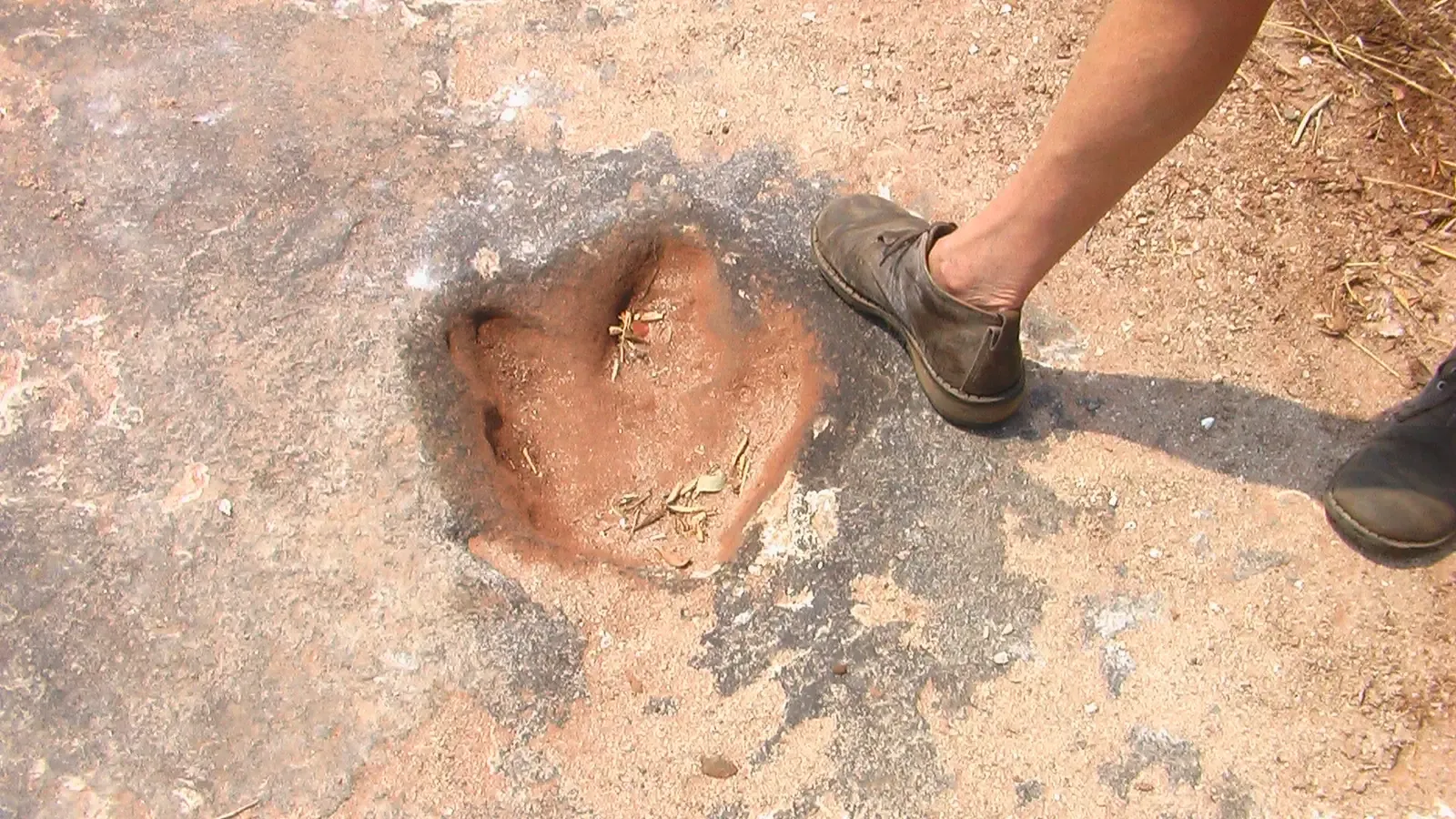
Few claims fire the imagination like the idea of human footprints side by side with dinosaur tracks, implying a total rewrite of geological and evolutionary timelines. You will hear stories of riverbeds where such prints appeared, only to be covered back up, dismissed by experts, or whisked away before proper study. If you already suspect science of guarding a fixed narrative, this can feel like confirmation.
When geologists and paleontologists have investigated these sites, they usually find three things: genuine dinosaur tracks, eroded marks that only look human from certain angles, and in some cases deliberate carving by modern hands. Once a site is shown to contain a mix of authentic and faked prints, its value as scientific evidence plummets. That is why you will not find mainstream papers arguing that humans and non‑avian dinosaurs shared the same beaches; you will find technical notes on trackway formation, erosion, and the social history of hoaxes instead. The quiet that follows is a sign the scientific question is settled, not proof that the data was too dangerous to discuss.
Metal Objects In Ancient Coal And Stone
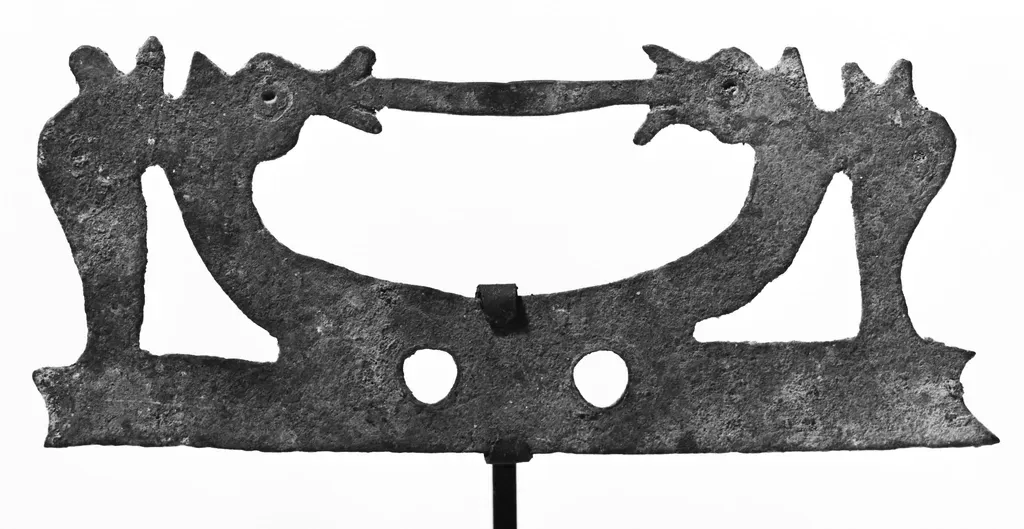
Stories about metal spheres, chains, or tools found embedded in coal seams or deep rock layers are perennial favorites in alternative history circles. You are told miners broke open a lump of coal from hundreds of millions of years ago and discovered a manufactured object inside, which experts then refused to discuss publicly. It feels like ironclad evidence that somebody sophisticated lived far earlier than anyone admits.
From a geological standpoint, though, coal mining, blasting, and handling are messy processes. Modern debris can fall into cracks, get compressed, and then later emerge glued to or partially encased in mineral deposits that look ancient to an untrained eye. Without careful, documented recovery in situ and independent verification, there is no way to treat one dramatic story as data that overturns entire dating frameworks. Journals stay away from such cases because they rely almost entirely on anecdotes rather than reproducible field observations.
Skeletons That “Do Not Belong” In Their Layers
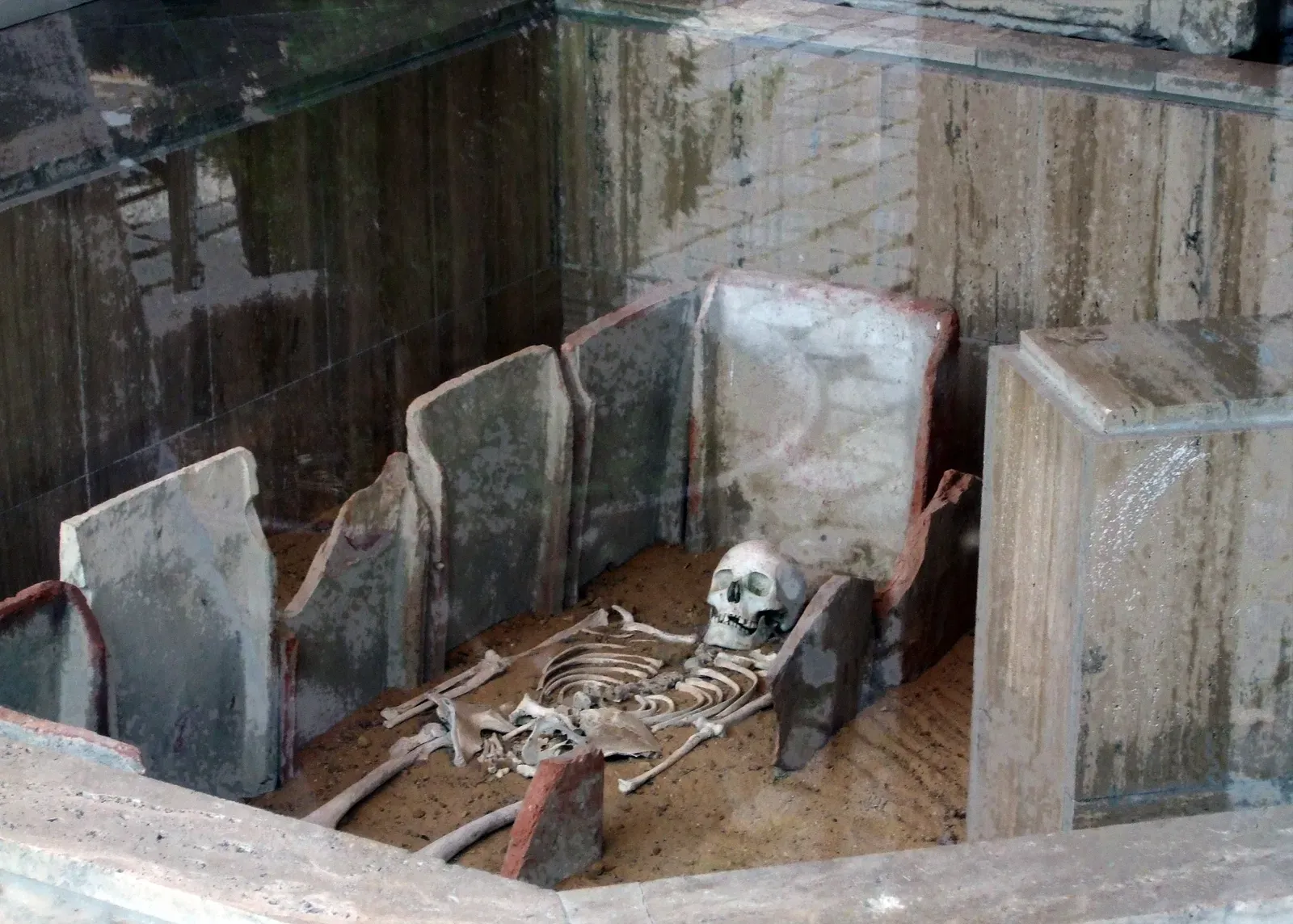
You occasionally come across references to human or humanoid skeletons found in rock strata or cave deposits that supposedly predate our species by unimaginable spans of time. The claim is that once such a skeleton shows up, it is quietly removed or explained away, because publishing on it would wreck the standard timeline of hominin evolution. For someone suspicious of academic rigidity, that can sound all too plausible.
What osteologists and stratigraphers actually worry about, though, is disturbance. Burials can cut down into older layers, cave systems are notoriously reworked by water and animals, and amateur digs often fail to record crucial information about exact positioning. Famous controversial skeletons from the early twentieth century taught the field hard lessons about contamination and misinterpretation. Today, if the contextual data is weak or the morphology can be explained more easily by known species and pathologies, specialists simply will not stake their reputations on a wild claim – and journals will not, either.
Ancient DNA Results That Never Make Headlines

You might suspect that genetic studies sometimes uncover lineages or interbreeding events that do not fit the neat models you have heard, and that such findings are quietly shelved. After all, if a genome told a truly wild story – say, evidence of a completely unknown branch of humanity in a controversial region – would not some experts be tempted to keep it off the radar until they had a way to explain it without rocking the boat too hard?
The reality is almost the opposite: ancient DNA labs are in fierce competition, and surprising results are gold for funding and prestige. What holds some datasets back from publication is not fear of controversy but ordinary technical headaches: contamination, low coverage, ambiguous signals that cannot be distinguished from statistical noise. When a result is robust – like the interbreeding between modern humans, Neanderthals, and Denisovans – it quickly floods the literature and filters into public awareness. The ideas you do not hear about are usually the ones that fell apart under that same pressure.
“Secret” Hoards And The Economics Of Black Markets
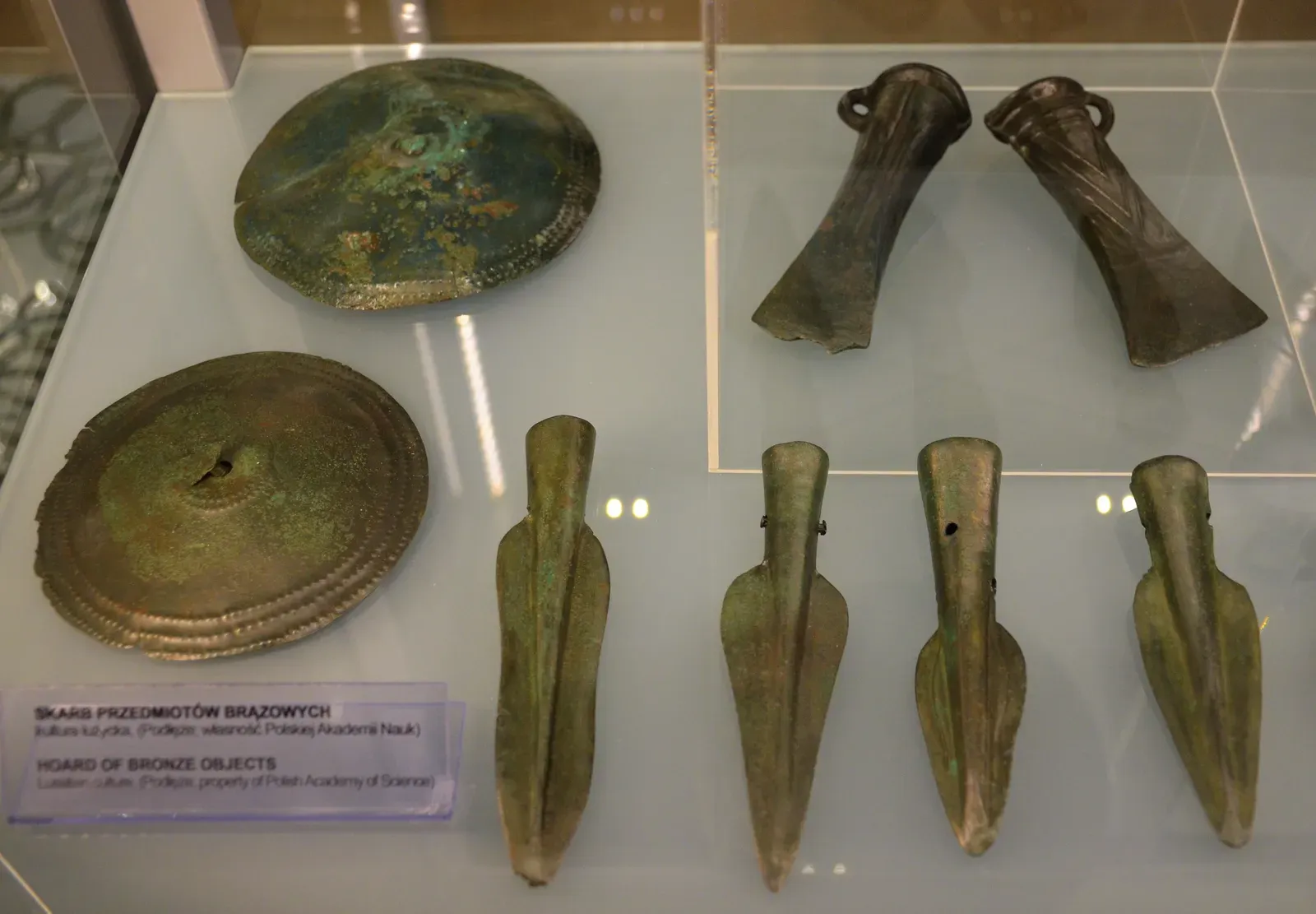
Every so often you hear rumors of enormous hoards of artifacts or coins discovered by looters, sold quietly into private collections, and never studied properly. It is easy to interpret this as museums and universities turning a blind eye because they do not want to legitimize uncomfortable finds or admit how much knowledge has vanished into the shadows. To you, those whispered stories feel like proof that the official record is only a thin slice of what is really out there.
Professional archaeologists are painfully aware of how looting and illicit trade destroy context and knowledge. They are often legally and ethically barred from publishing on objects of unknown or illegal origin, not because the artifacts contradict history but because acknowledging them can fuel more looting. The result is an ugly reality: some genuinely important pieces probably do sit in private vaults unstudied, but for reasons tied to crime, profit, and ethics, not to a coordinated effort to hide radical truths. What you perceive as refusal to publish is sometimes a refusal to reward destructive behavior.
Why The “Refusal To Publish” Story Persists
After walking through these examples, you can see a pattern: many of the most famous “forbidden” finds are weakly documented, obviously hoaxed, or easily explained once you apply boring but essential questions about context and method. Archaeologists often do look at them, write about them, and move on. What lingers in popular imagination is not their actual conclusions, but the early sensational claims and the lingering feeling that someone, somewhere, must be hiding something from you.
You also live in a media environment that rewards dramatic narratives over nuanced ones. Saying that a stone carving is probably modern graffiti will never travel as far online as hinting that it proves Bronze Age sailors in the Pacific. So the story you are fed is that experts refuse to publish because the truth is too explosive, when in reality they often decline to publish because the evidence is too flimsy. The real conspiracy, if there is one, lies more in algorithms and attention economies than in dusty storerooms and secret vaults.
Conclusion: How You Can Think Like A Careful Archaeologist
If you are honest with yourself, part of you wants at least one of these forbidden stories to be true. It is comforting to imagine that the world is full of hidden chambers and suppressed revelations waiting just beyond the edge of mainstream knowledge. But when you step back and look at how archaeology actually works, you realize that the strangest and most beautiful thing about the past is not a buried secret – it is the way humans, over thousands of years, used very ordinary tools and stubborn curiosity to build extraordinary lives.
You do not have to choose between wonder and skepticism. You can keep your sense of awe while also asking hard questions whenever you hear about a discovery “too shocking to publish.” Who documented it, in what context, with what dating, and where is the data? When you start thinking like that, you stop being at the mercy of whichever story shouts the loudest and start becoming your own best guide through the ruins. So next time someone swears that experts refused to publish on a mysterious find, what will you look for before you decide what to believe?