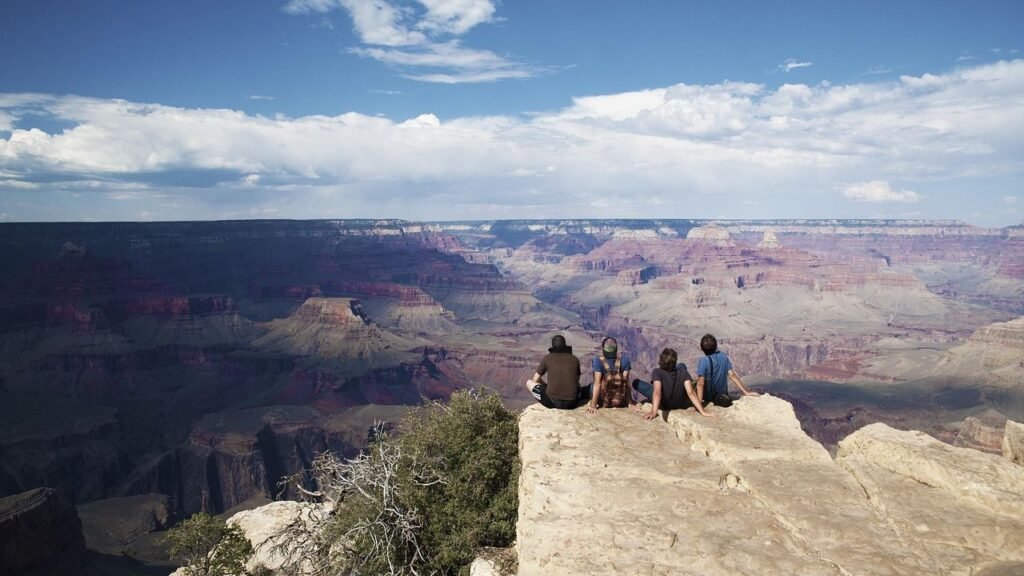

You’ve probably stood at some lookout point in your life, stared at a landscape, and thought, “Wow, this must have taken a long time.” At the Grand Canyon, that feeling hits you like a punch to the chest. You are looking at almost two billion years of Earth’s history sliced open in front of you, and the more you learn about how it formed, the more you realize just how turbulent, messy, and downright violent our planet’s past really was.
What makes the Grand Canyon so captivating is not just its beauty, but the story it quietly tells about colliding continents, vanished oceans, rising mountains, and a river that refused to quit. When you trace that story layer by layer, you’re not just learning about one canyon; you’re peeking into the wild adolescence of Earth itself. In a way, the canyon is like a crime scene photograph of deep time, and you get to play detective.
The Canyon as a Time Machine You Can Walk Into
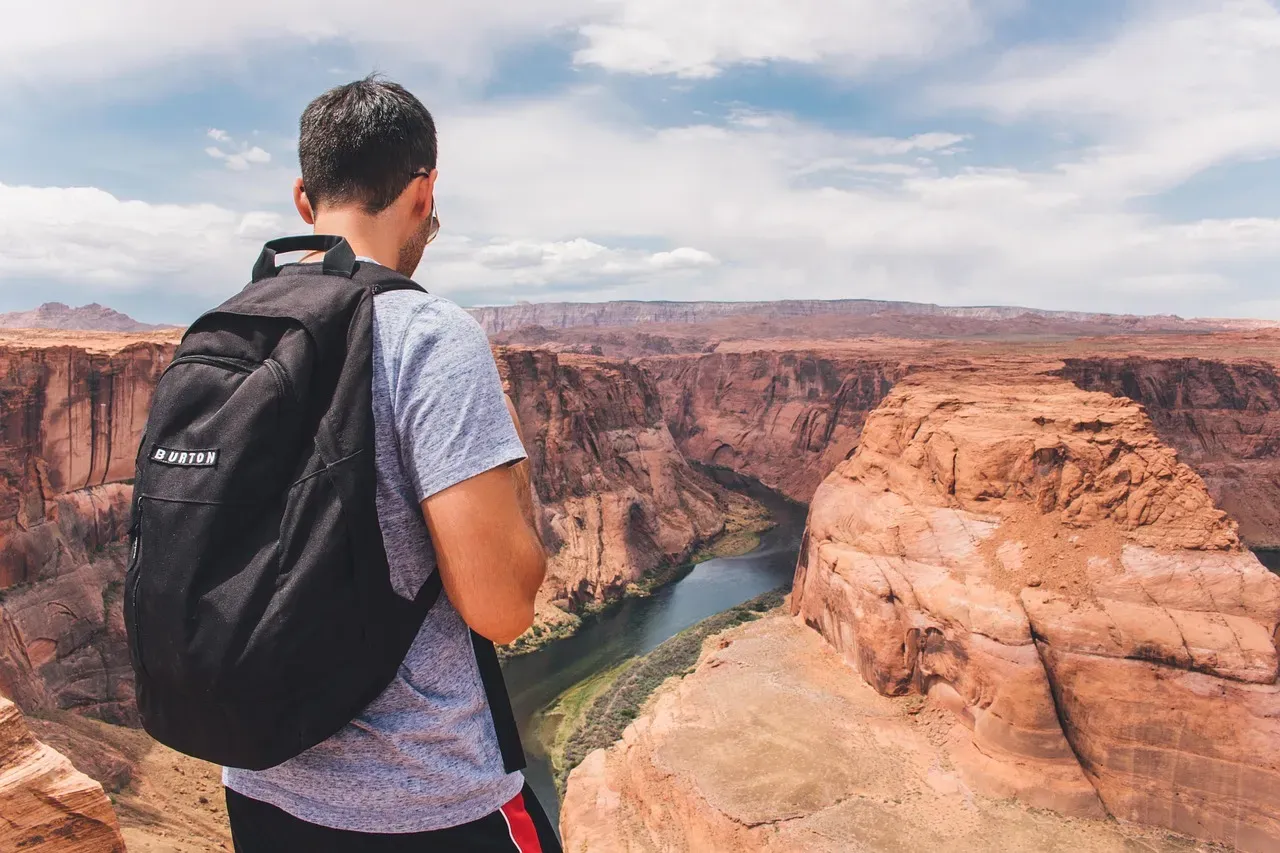
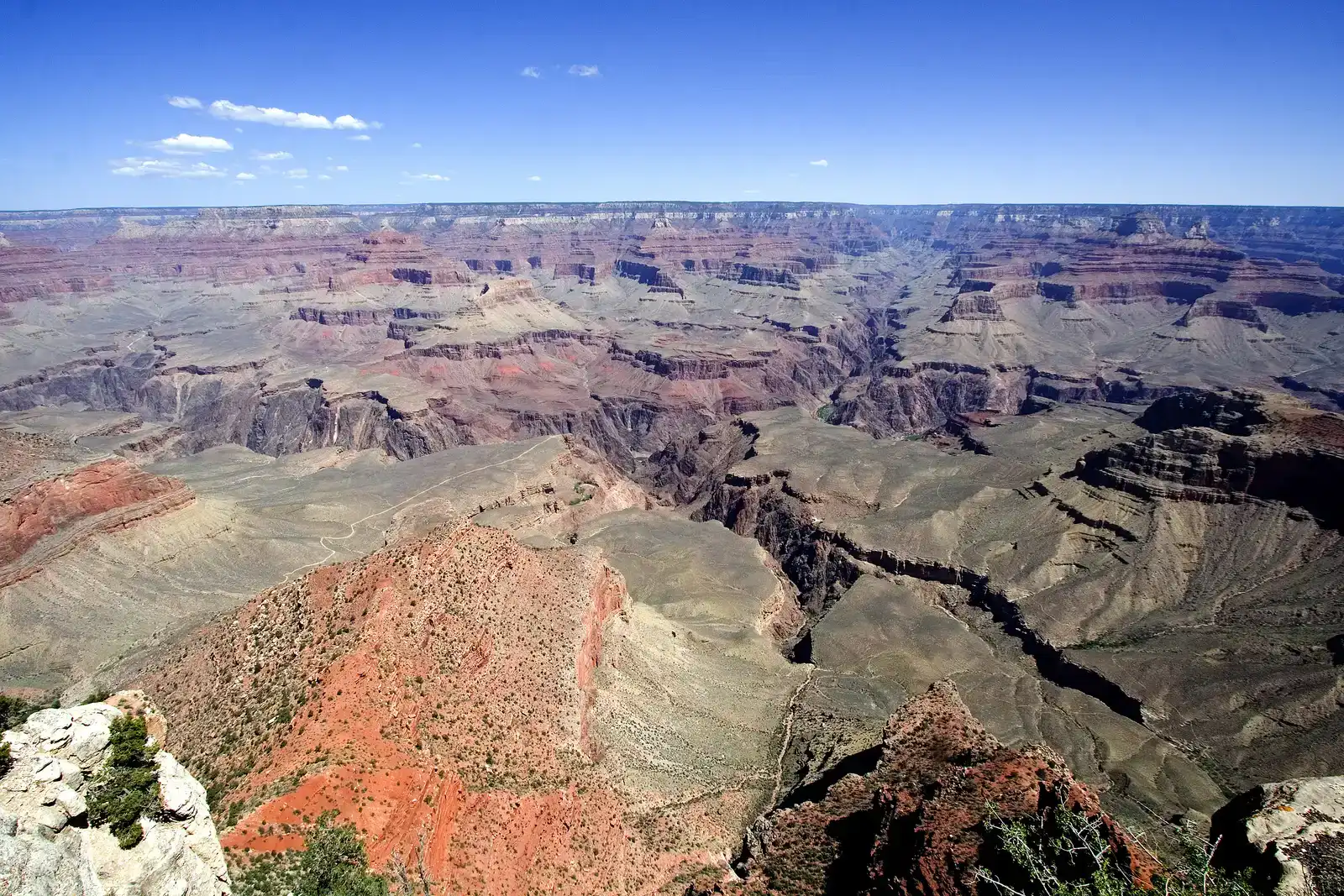
The moment you step up to the rim of the Grand Canyon, you’re not just looking at a view; you’re looking down a time tunnel that stretches back nearly two billion years. Each distinct band of rock is like a chapter in a book you can read with your eyes, stacked one on top of another, older as you go down. You see youngish rocks from the relatively recent past sitting on top of ancient layers that formed when early life on Earth was barely getting started.
What makes this so powerful for you as a visitor is that nothing here is theoretical or abstract; it is literally exposed in the cliffs. You can trace the boundary between eras with your finger, watching where one environment ended and another began. When geologists call the canyon a “natural laboratory,” what they really mean is that you can stand on the rim and see a story that is usually buried miles underground. You are staring directly into the archive of Earth’s violent, restless evolution.
Ancient Seas, Vanished Shores, and the Calm Before the Chaos
Long before the Colorado River ever cut into this landscape, the region you now know as the Grand Canyon was underwater for long stretches of time. You can see the evidence for yourself in the rock: thick, pale limestone layers packed with the remains of ancient marine life, and sandstone that formed from beach and shoreline sediments. That tells you this high, dry desert was once the floor of shallow tropical seas, complete with reefs and wave-washed coasts.
It is oddly humbling to realize that the solid cliffs towering above you began as loose mud, sand, and calcium-rich shells settling gently to the bottom of long-gone oceans. Those quiet environments slowly built up massive stacks of sediment over hundreds of millions of years. The “calm” you see in those even, flat-lying layers, though, is deceptive. They are like still photos taken between storms, laid down in the brief pauses between tectonic upheavals that would later tilt, fracture, and uplift them into the dramatic scenery you see today.
Colliding Crust and Rising Mountains: Uplift That Set the Stage
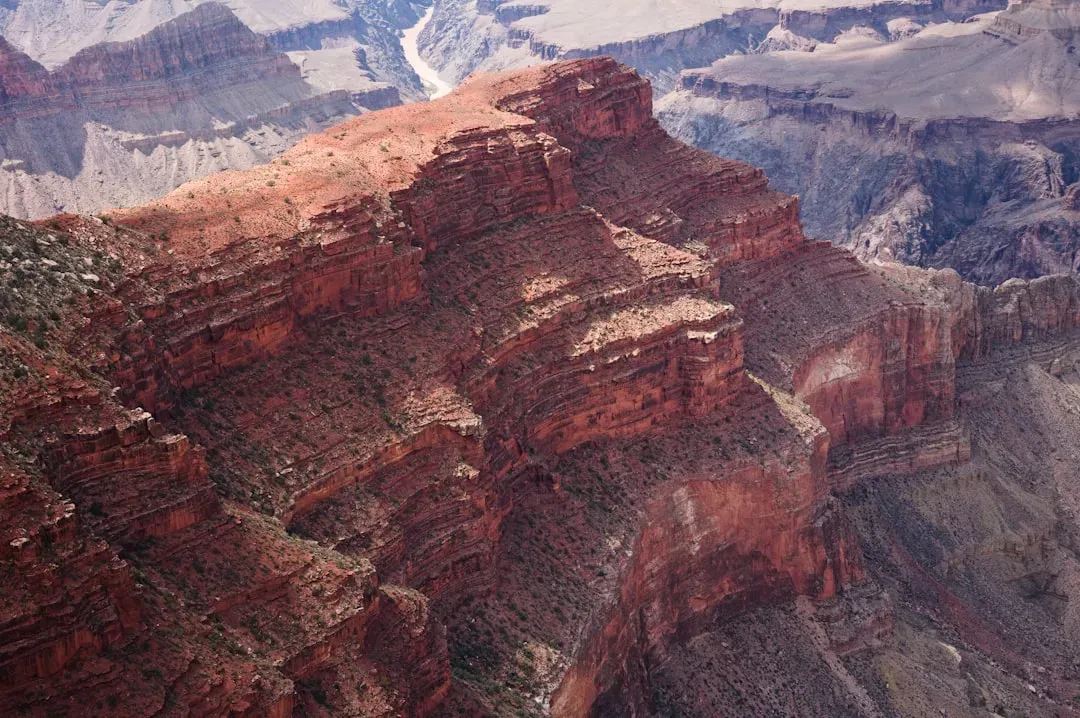
The Grand Canyon could never have formed if this region had remained at sea level. At some point, the whole area had to be hoisted upward, and that part of the story comes from the slow but relentless movement of tectonic plates. Over long spans of time, the western part of North America experienced collisions, subductions, and crustal squeezing that helped raise a large highland known as the Colorado Plateau. You feel the result of that uplift every time you gasp for air on a steep trail; you are already more than a mile above sea level when you stand at the rim.
This uplift did two crucial things that matter for you as someone trying to understand the canyon’s formation. First, it gave the Colorado River a steep downhill path to follow, so gravity could work more aggressively on the landscape. Second, it elevated ancient rock layers high enough that a river could cut deeply into them rather than just meandering across a flat plain. In other words, these slow tectonic motions quietly loaded the spring; without them, there would be no yawning gorge, just a modest valley carved into low terrain.
The Colorado River: A Relentless Sculptor With a Violent Edge
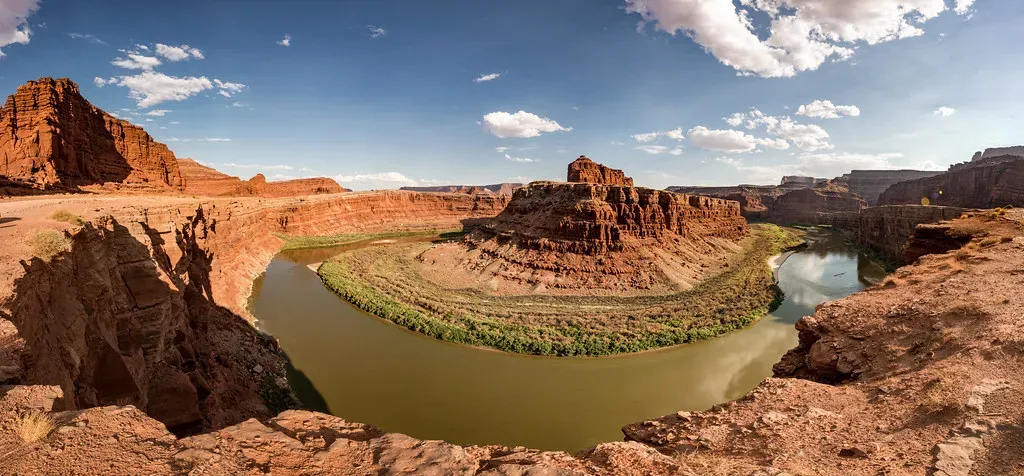
Once uplift gave the river enough slope, the Colorado River became the main sculptor of the Grand Canyon, but not in a gentle, postcard-friendly way. Armed with sand, gravel, and boulders grinding along its bed, the river acted like a moving sawblade, scraping, pounding, and plucking at the rock layer by layer. Every flood, every seasonal surge, every rockfall that tumbled into its path added more abrasive power to this natural cutting tool.
What can be tricky for you to wrap your head around is that this violence is both slow and sudden at the same time. Over millions of years, the average rate of downcutting might only be millimeters per year, but during a single big flood, the river can rip out huge chunks of bedrock, undercut walls, and trigger massive collapses. When you look at sheer vertical cliffs, you’re seeing the scars of countless such events, stacked in time. The canyon is not the result of a peaceful stream quietly etching its way downward; it is the cumulative product of an unending series of erosional assaults.
Rockfalls, Landslides, and the Canyon’s Ongoing Collapse
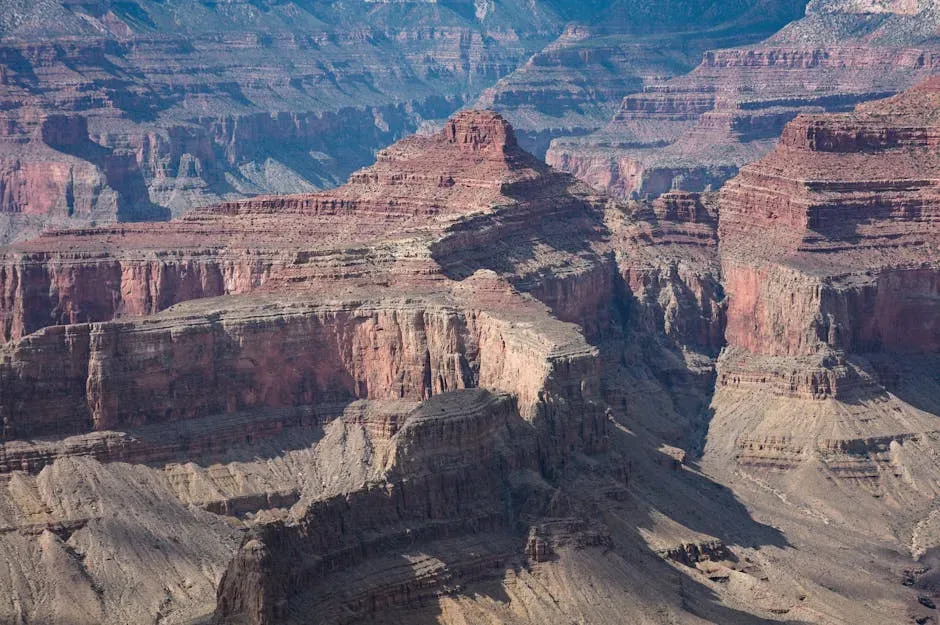
It is easy to think of the Grand Canyon’s walls as frozen in place, but if you pay attention, you can see that they are constantly on the move, just in geologically slow motion. Gravity is always pulling at those steep cliffs, and whenever rock is weakened by fractures, temperature changes, or the freezing and thawing of water, pieces break loose. Boulders pile up in talus slopes, side canyons widen, and terraces form where huge chunks have slumped toward the river.
This process means the canyon is not only deepening; it is also widening as the walls retreat over time. From your point of view as a visitor, you mostly see the aftermath: fresh rockfall scars, debris fans at the base of cliffs, and sometimes closures of trails after a collapse. But if you mentally speed up the clock, you would watch entire ledges peel away, towers topple, and slopes slump like slow-motion avalanches. The Grand Canyon is not a finished product; it is an open wound that is still actively being reshaped by gravity and erosion.
Catastrophic Events vs. Slow Carving: What Really Makes a Canyon?
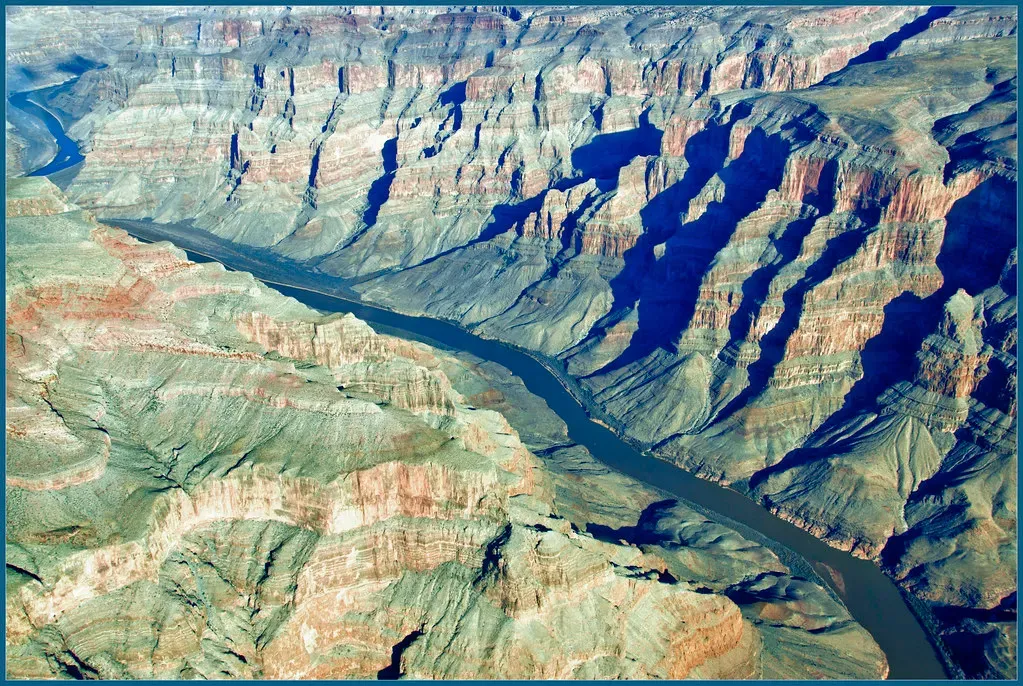
When you first encounter the Grand Canyon, it is tempting to assume it must have been carved in some single, cataclysmic event – a massive flood or sudden release of water that ripped the landscape open. Modern research does point to dramatic threshold moments, such as ancient lake spillovers and changes in drainage patterns, that may have rapidly increased erosion in certain areas. Those events certainly added a jolt of violence to the system and helped the river punch through barriers more quickly than usual.
However, when you look closely at the rock record and the landscape, the overall picture you get is not one of a single disaster, but of persistent, patient destruction over millions of years. Short bursts of intense erosion are layered into a much longer story of gradual downcutting. For you as a learner, that means you do not have to choose between “slow and steady” and “sudden and violent.” The canyon is both: slow carving, punctuated by episodes of dramatic change, all powered by tectonics, climate, and the brute force of moving water.
Reading the Rocks: How You Decode Earth’s Violent Episodes
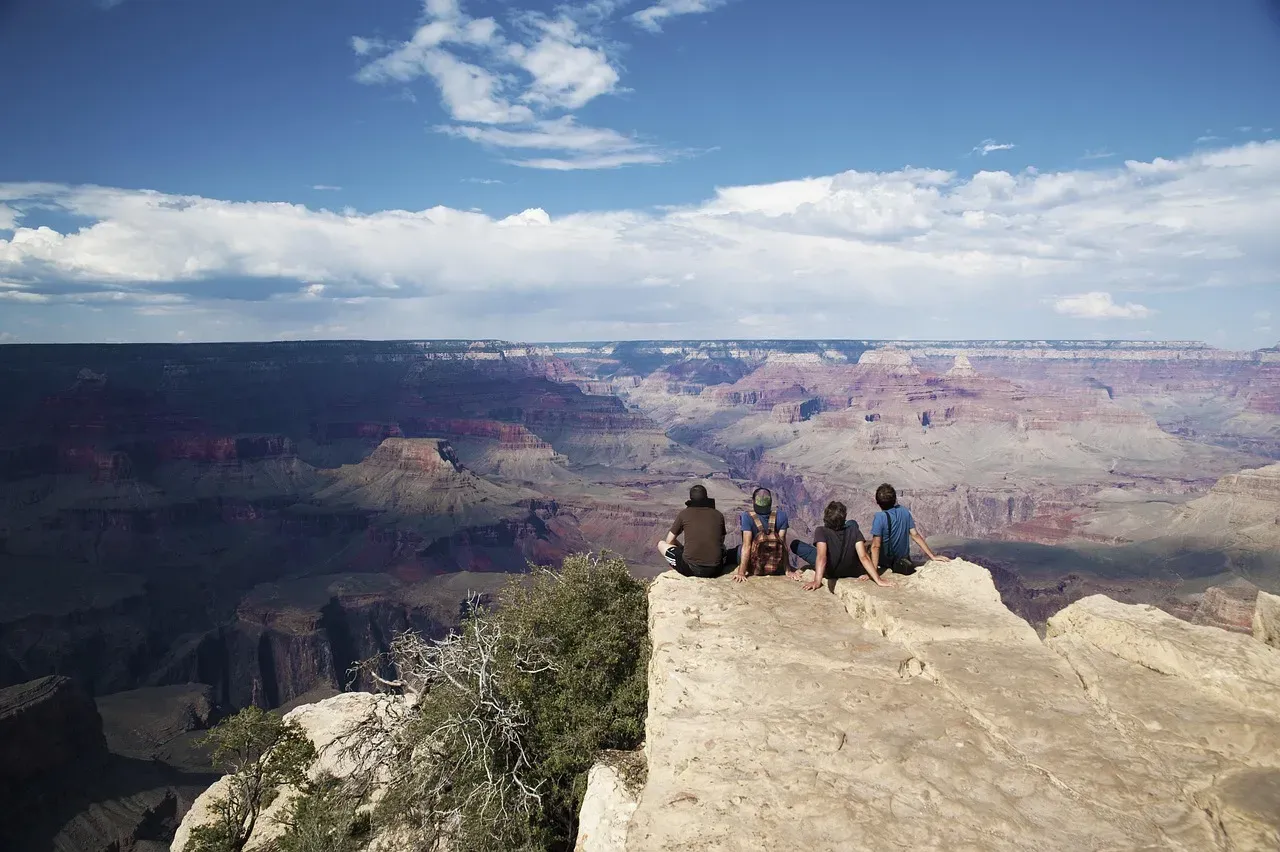
One of the most surprising skills you can pick up by studying the Grand Canyon is the ability to “read” rocks for signs of past chaos. Tilted layers tell you that once-flat sediments were shoved, bent, or rotated by tectonic forces. Angular unconformities – places where older, tilted rocks are sliced off and overlain by flat younger layers – shout that entire mountain ranges were once raised and then eroded away before new sediments buried them again. Each such boundary is the echo of an ancient upheaval.
Within the canyon’s walls, you can also spot evidence of violent local events: debris-flow deposits that mark sudden floods pouring down side canyons, breccias made of shattered rock fragments cemented together after collapse, and coarse layers left behind by powerful currents. When you learn to recognize these features, you stop seeing the canyon as a static painting and start seeing it as a record of repeated shocks. You are effectively reading a seismograph of Earth’s restless interior, written not in ink but in stone.
Climate Swings, Ice Ages, and the River’s Changing Power
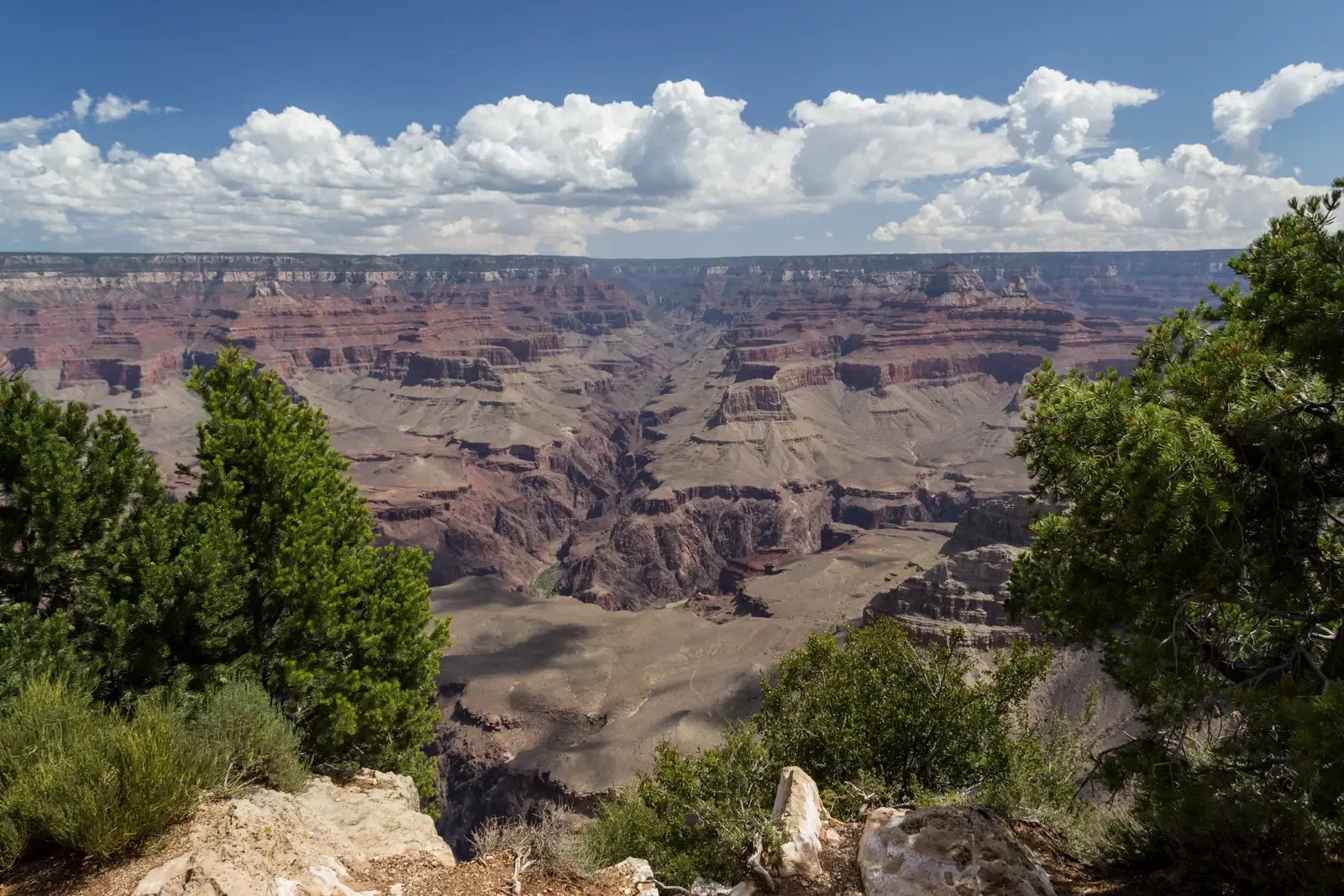
Earth’s climate has never been as steady as it feels over a human lifetime, and the Grand Canyon quietly records that instability too. During colder periods, such as past ice ages, regional climates shifted, even this far south. Cooler temperatures, different vegetation, and changes in precipitation patterns would have altered how much water and sediment the Colorado River carried, and how often it flooded. That, in turn, changed how aggressively it could cut into the plateau.
For you, this means that the canyon’s depth and shape are partly a fingerprint of changing climate. Periods of stronger river flow could accelerate erosion, while drier intervals might slow it down or shift the balance toward wind-driven processes on the rim. Even today, as you hear about shifting climate patterns and changing river flows, you can look into the canyon and understand that such fluctuations have always been part of the story. The difference now is that humans are rapidly nudging the system, adding a new twist to an already complex history.
What the Grand Canyon Teaches You About Earth as a Whole
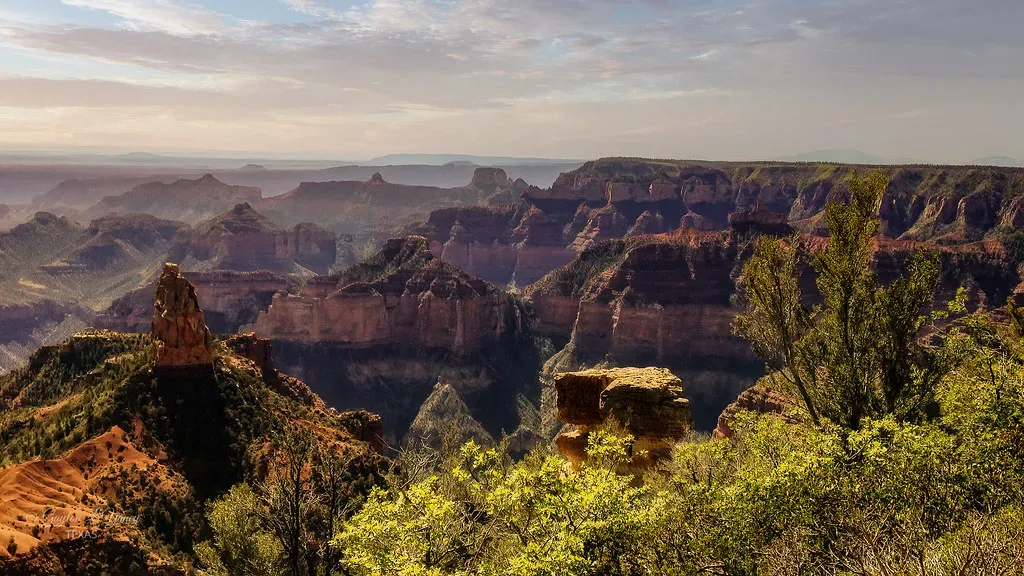
When you pull back from the details and look at the Grand Canyon as one enormous piece of evidence, it changes how you think about the planet under your feet. You begin to see Earth not as a static ball with a thin, quiet crust, but as a restless machine with moving plates, rising and sinking blocks of rock, and water that is constantly trying to drag everything down to sea level. The canyon is one dramatic cross section through that relentless struggle between uplift and erosion, construction and destruction.
That perspective spills over into other landscapes you visit. Once you have trained your eye here, you start noticing cliffs, valleys, and river gorges elsewhere as small-scale siblings of the same process. You realize that mountains are temporary, coastlines migrate, and even continents shift position over time. The Grand Canyon becomes your personal reminder that apparent stability is an illusion and that the ground beneath you carries scars of events so violent, you and everyone you know would not have survived witnessing them.
Conclusion: Standing on the Rim of Earth’s Wild Story
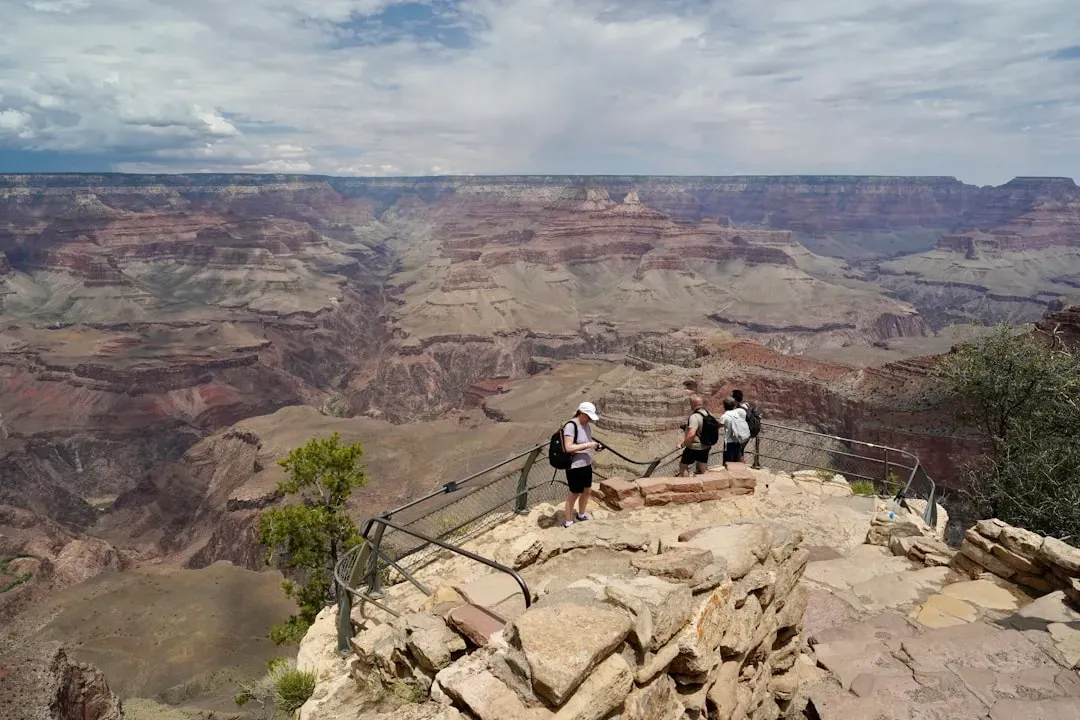
If you ever find yourself standing at the edge of the Grand Canyon, take a moment to imagine what had to happen for you to be there. Oceans had to come and go, mountains had to rise and be shaved off, plates had to shift, and a determined river had to spend millions of years sawing its way through stubborn rock. Every layer in those walls is a page in a story of upheaval, collision, and collapse, and yet you experience it as stillness and silence. That contrast alone can change how you feel about the world you live in.
In the end, the canyon is not just a tourist destination; it is a lesson in humility. It shows you that Earth’s history is longer, harsher, and more dramatic than your instincts allow you to imagine, and that our planet’s violent past is written in places you can hike, touch, and photograph. The next time you see images of the Grand Canyon, try to read them as a geologic confession rather than a pretty landscape. Knowing what you know now, does that view look a little different to you?