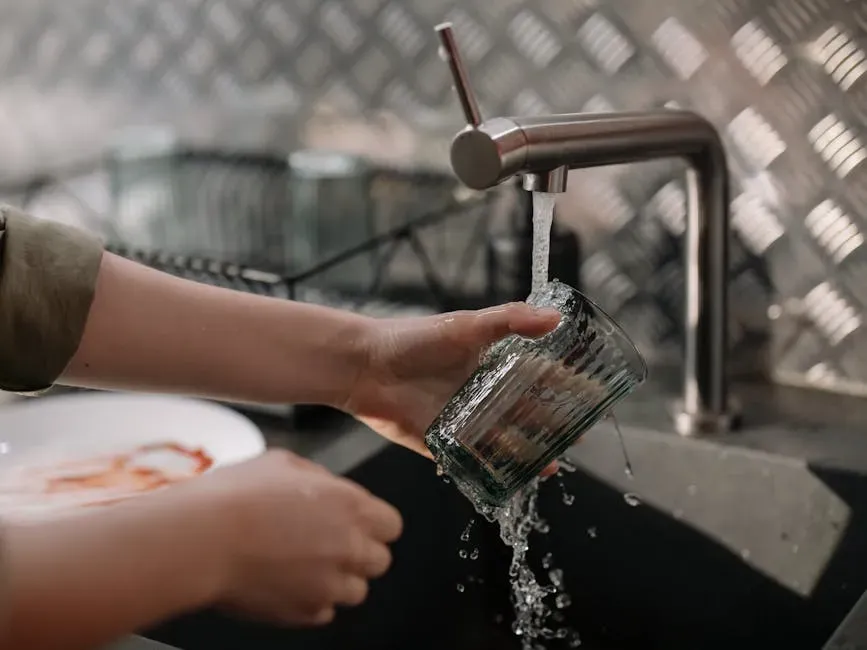
Turn on your tap and you’re seeing something almost impossible to wrap your head around: the same water that once flowed through dinosaur rivers, thundered over ancient waterfalls, and drifted as ice in long-gone ice ages. Every sip, every shower, every raindrop is part of an endless, looping journey that has been running for billions of years without a break. It feels so ordinary that we barely notice it, yet it’s one of the most astonishing stories happening quietly in the background of our lives.
I still remember the first time a teacher told me the glass of water on my desk almost certainly contained molecules that had passed through clouds above the Himalayas and waves in the Pacific. It sounded wild, almost mystical, but it’s just basic science: Earth is a closed water system. In this article, we’ll follow a single, imaginary droplet from your tap to rivers, oceans, clouds, and back again – and along the way, you’ll see why this journey matters far more than most of us realize.
The Hidden Origins of Your Tap Water
Before water ever reaches your kitchen sink, it has already traveled a long way underground and across landscapes you may never see. In many cities, tap water starts as rainfall that has seeped into the soil, filtered slowly through layers of rock and sand, and gathered in underground aquifers that can be hundreds of meters deep. In other places, it’s captured in large surface reservoirs, lakes, or rivers that are fed by melting snow, seasonal rains, or distant mountain streams.
These sources are not all created equal. Groundwater tends to be naturally filtered but can collect minerals like calcium and magnesium, which can make water taste “hard.” Surface water is more exposed to pollution, runoff, and changing weather, so it needs more intense treatment. Either way, the water you see is usually a blend from different sources, carefully balanced to keep supply stable even through droughts, heatwaves, and population growth. In the background, planners and engineers are constantly adjusting which sources to tap, like a DJ remixing tracks to keep the flow going.
How Water Is Cleaned, Tested, and Sent to Your Home
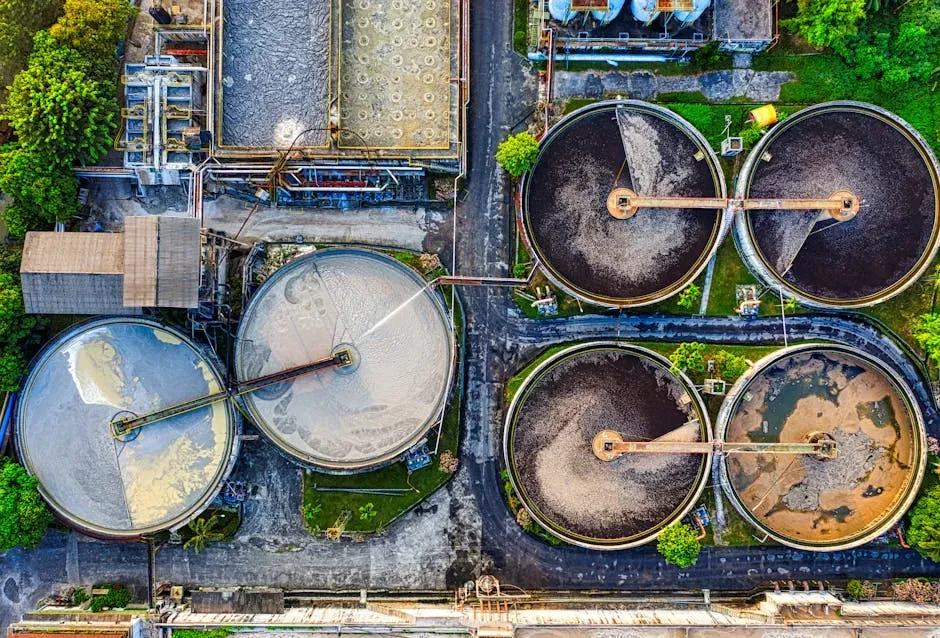
Once collected, raw water is nowhere near ready to drink, even if it looks clear. It often carries tiny bits of soil, plant matter, bacteria, and dissolved metals that you definitely don’t want in your glass. At treatment plants, operators first remove larger particles through settling and filtration, using gravity and carefully chosen chemicals that help small particles clump together and drop out of the water. Then, fine filters – often made of sand, activated carbon, or special membranes – catch what’s left.
Disinfection is the final crucial step, usually done with chlorine, ozone, or ultraviolet light to kill harmful microorganisms. The water is then tested again and again: for microbes, chemical contaminants, and taste and odor issues. Only after passing these checks is it pumped through a maze of pipes, valves, and storage towers toward your tap. When you fill a glass, you’re seeing the end of a long, carefully monitored highway that quietly runs beneath streets and fields, day and night, with very little room for error.
From Sink and Shower to the Sewer Network
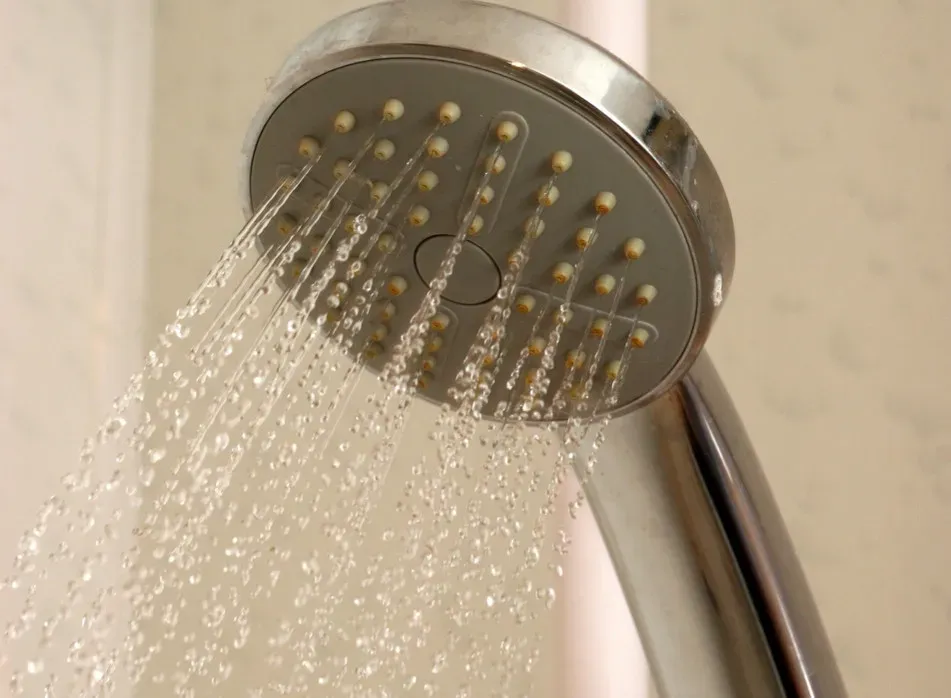
The moment water swirls down the drain, most of us mentally delete it from our lives – but its journey is just taking a sharp turn. Used water from sinks, toilets, showers, dishwashers, and washing machines all join together in a sewer network that snakes under neighborhoods and cities. In many older places, the same pipes may carry both wastewater and stormwater, which can cause big problems during heavy rains when systems overflow.
By the time this mixed flow reaches a wastewater plant, it is nothing like the clean water that left your tap. It’s full of organic material, food scraps, soap, toilet waste, and a surprising amount of things that never should have been flushed: wipes, cotton buds, grease, even small plastic objects. This is where the second major act of the water journey begins: turning dirty, used water back into something safe enough to rejoin rivers and lakes without wrecking the ecosystems downstream.
Wastewater Treatment: Giving Dirty Water a Second Life
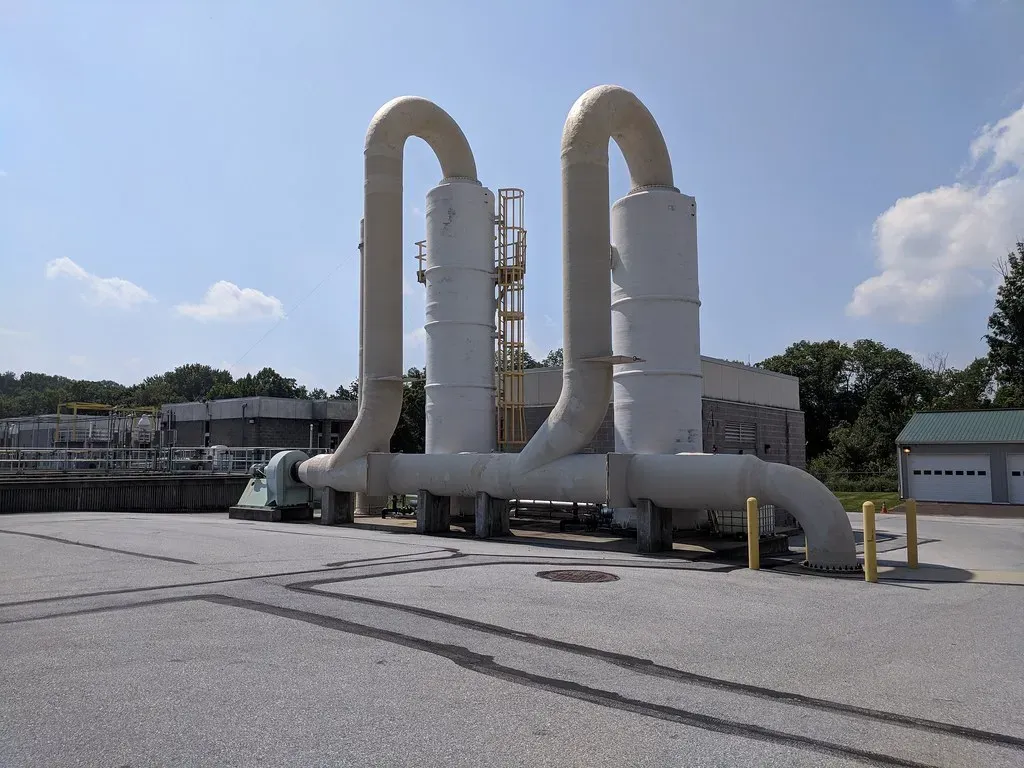
At a wastewater plant, the first steps are mechanical and surprisingly low-tech: screens catch large objects, sand and grit are allowed to settle, and fats and oils are skimmed off the top. After this “first cleanup,” the water still looks pretty grim, but it’s ready for the real magic – biology. Huge tanks full of carefully managed bacteria and other microorganisms are used to break down organic matter, a bit like a supercharged compost heap underwater.
These microbes eat the nutrients and waste in the water, turning them into harmless byproducts and new cells. After that, the mixture is allowed to settle so the solids sink to the bottom, leaving clearer water on top. In many places, there’s one more disinfection step – again using chlorine, ozone, or UV light – to reduce harmful germs before the water is released into a river, lake, or the sea. It’s not usually turned straight back into drinking water, but it has been made safe enough to join natural waters without causing a health disaster or suffocating fish and plants.
The Journey Through Rivers, Wetlands, and Lakes
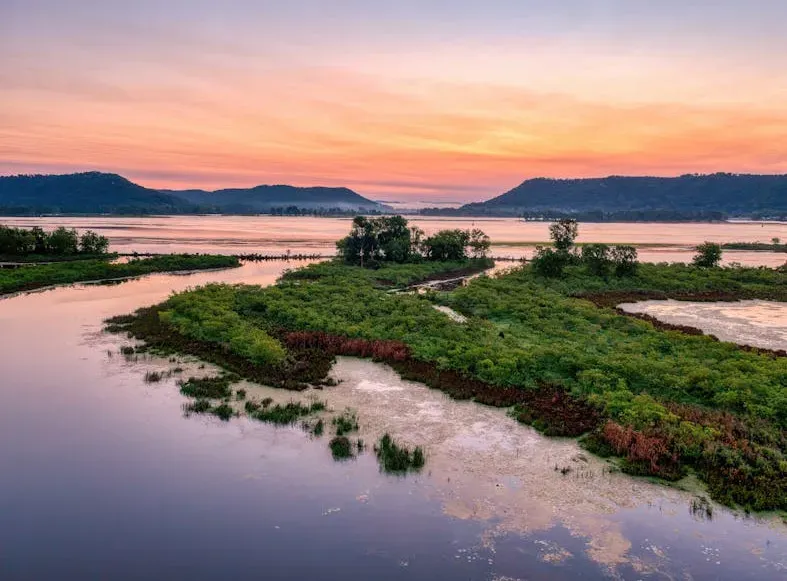
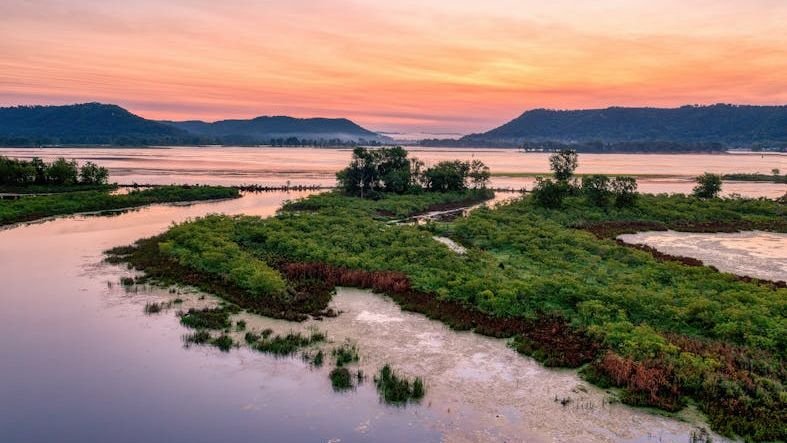
Once released, treated water doesn’t vanish – it becomes part of the flowing bloodstream of a landscape. Rivers carry it downstream, mixing it with rainfall, groundwater, and runoff from fields and cities as they go. Along the way, wetlands, floodplains, and riverbanks act like natural kidneys, filtering out some sediments and pollutants as water slows down and spreads out. This natural cleaning is powerful, but it isn’t limitless; when rivers are overloaded with nutrients or chemicals, ecosystems can tip into algae blooms and dead zones.
Lakes work differently, acting more like storage reservoirs than moving conveyor belts. Water here can linger for months or even years, slowly warming, cooling, freezing, or evaporating depending on the season. This pause in the journey shapes entire local climates and communities – think of how many towns and cities are built around lakes. The important thing to realize is that every bit of cleaner or dirtier water we add upstream eventually shows up somewhere else downstream, in someone else’s river, lake, or tap.
Downstream at Last: Into the Coastal Zone and the Open Ocean
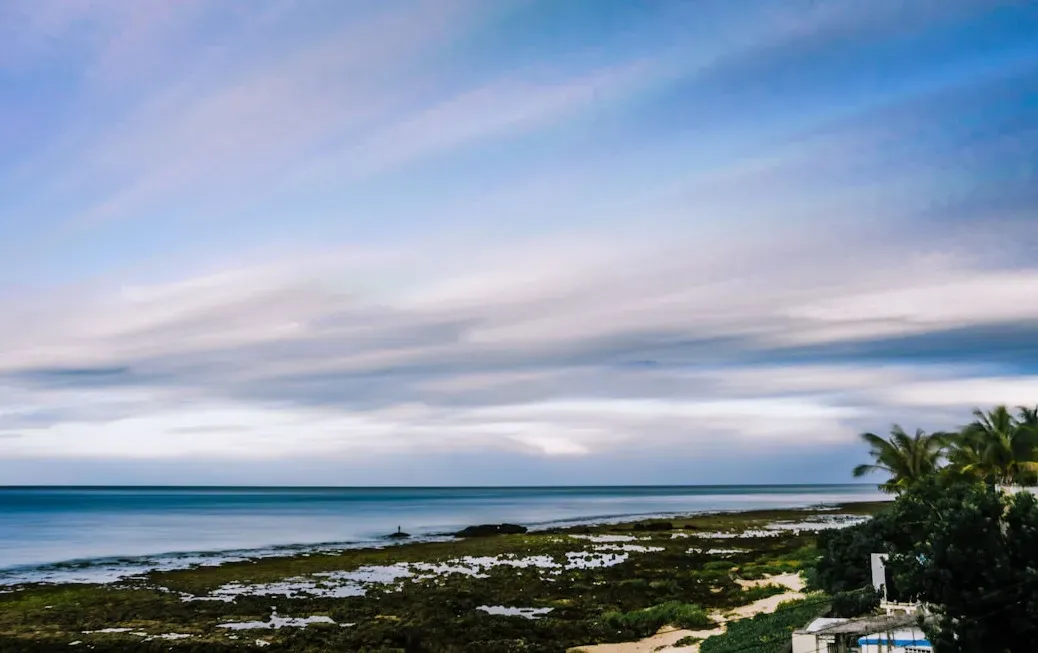
All rivers ultimately lead to the sea, and our imaginary droplet is no different. As freshwater meets saltwater in estuaries and coastal zones, a delicate mixing dance begins. These brackish areas are some of the most productive on Earth, feeding fisheries, birds, and marine mammals, but they’re also where pollution from far inland tends to concentrate. Excess nutrients from sewage and agriculture can trigger massive algae blooms, which then decay and rob the water of oxygen, making life hard or impossible for fish and shellfish.
Once beyond the coast, water becomes part of the vast global ocean, driven by currents that can carry it across entire basins. Some of it dives deep as cold, salty water sinks; some stays near the surface, warmed by sunlight and stirred by winds. Here, the droplet may brush past microscopic plankton, plastic fragments, and dissolved carbon dioxide from the atmosphere. It can stay in the ocean for years or centuries, depending on where it is, before it rises again and returns to the air in the next stage of the journey.
Evaporation and Clouds: Water Rises Into the Sky
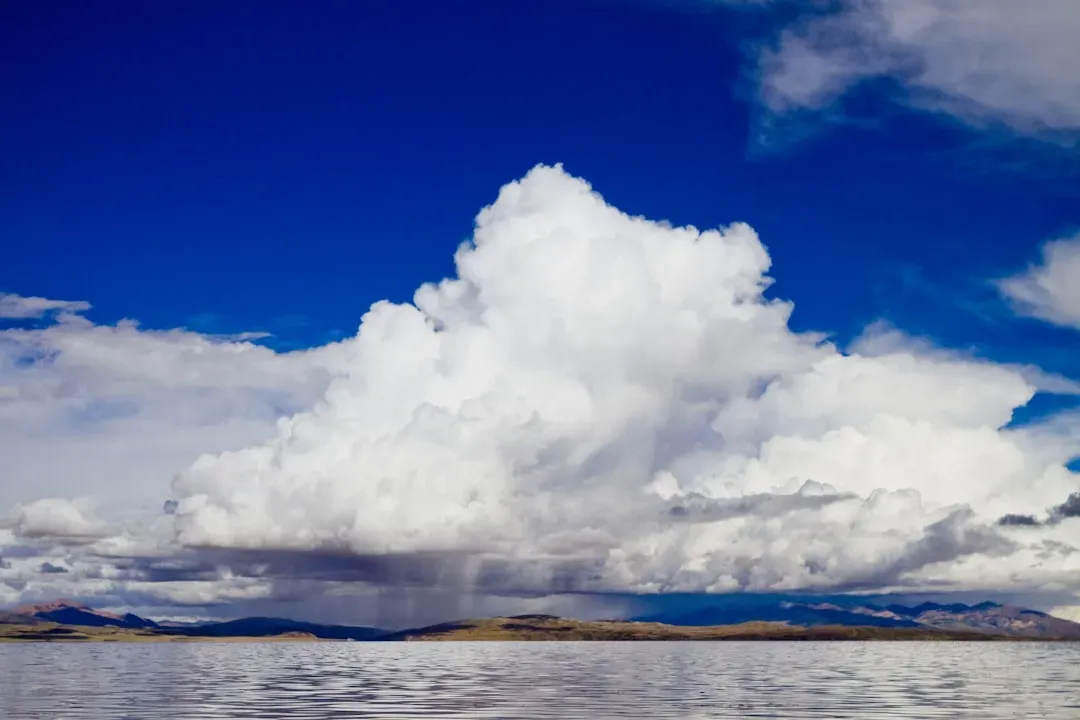
Evaporation is where the story starts to feel a bit like magic, even though it’s pure physics. When the sun heats the surface of oceans, lakes, and moist soils, water molecules gain enough energy to break free and drift upward as invisible vapor. Plants help too, releasing water from their leaves in a process called transpiration, which is why large forests can change local rainfall patterns. Altogether, this lifting of water from land and sea into the air is what fuels the entire water cycle.
As moist air rises and cools, water vapor condenses into tiny droplets or ice crystals, forming clouds. Those fluffy shapes we see from the ground are actually floating communities of countless micro-droplets, all suspended by air currents. Some of these droplets will combine, grow heavier, and eventually fall as rain, snow, or hail. The surprising twist is that much of the water that evaporates from the ocean actually falls back into the ocean, while only a portion travels inland to fall over land – and that fraction is what almost all of us depend on.
Rain, Snow, and Ice: Landing Back on Earth
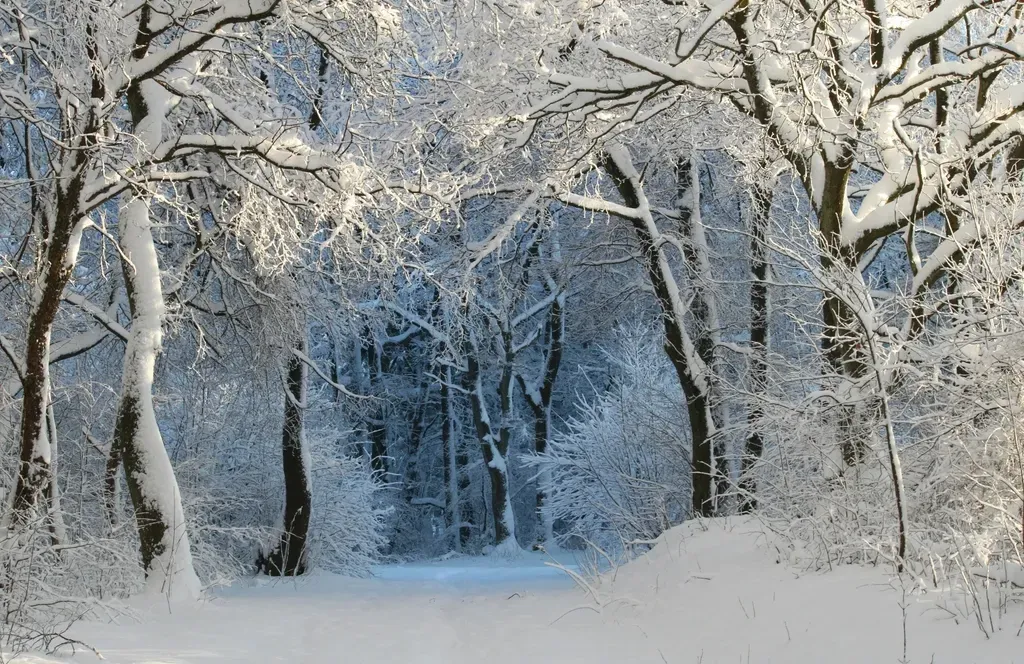
When water finally falls from the sky, where it lands makes a huge difference in what happens next. Rain that hits warm, bare ground can soak in, run off into streams, or evaporate again quickly, sometimes within hours. On the other hand, snow that settles on cold mountain slopes may stay locked away for months, slowly feeding rivers as it melts in spring and summer. In polar regions and glaciers, water can be frozen for years or even centuries, effectively pausing its journey in a long, icy timeout.
Not all precipitation is gentle. Violent storms can drop huge amounts of water in a short time, overwhelming rivers, drains, and soils and triggering floods. In other cases, light, steady rain may barely be enough to keep soils moist and plants alive, especially in already dry regions. I’ve hiked in places where you can see, in a single valley, the contrast between lush vegetation along a stream and dusty, cracked soil only a few steps away. That contrast is a reminder that water’s landing place – and timing – is everything.
Soaking In, Flowing Underground, and Emerging Again
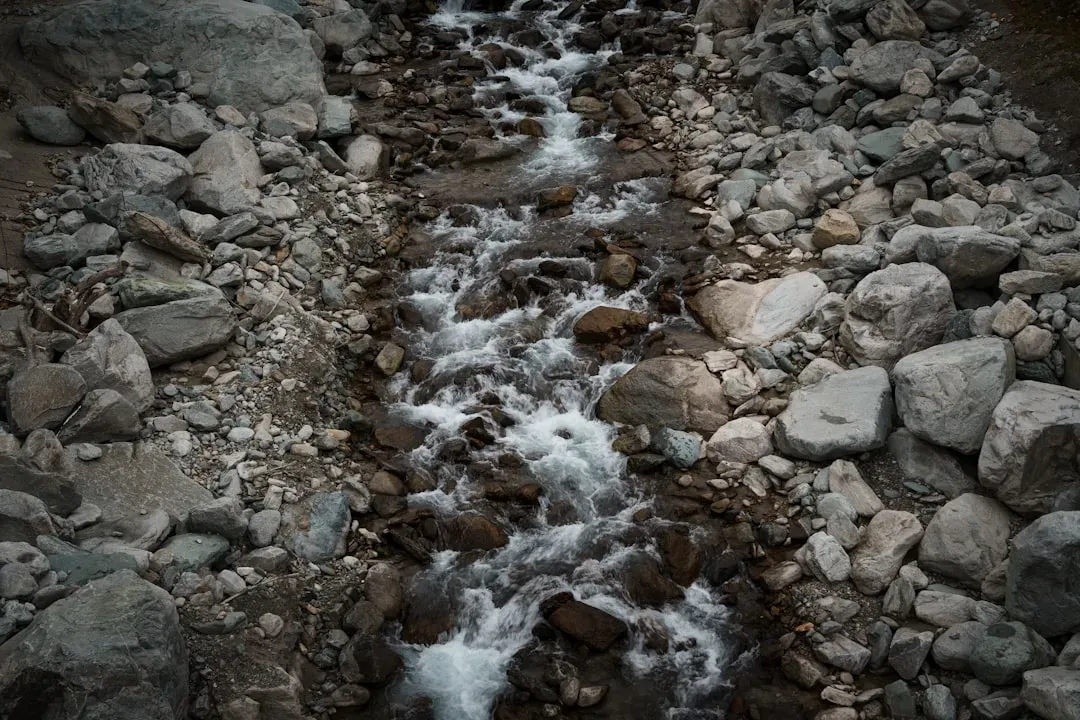
Some of the rain and melted snow soaks into the ground, moving down through pores and cracks in soil and rock. A portion of it is held in the upper layers and taken back up by plant roots, then released again through leaves. But some sinks deeper, beyond the reach of roots, to join underground aquifers. In these hidden reservoirs, water can linger for years or even much longer, shielded from sunlight and surface pollution but still slowly moving, drop by drop.
Eventually, groundwater finds its way back to the surface. It may seep out quietly as springs, trickle into streams, or feed wetlands from below even during dry seasons. This slow, steady contribution is why some rivers keep flowing long after the last rainstorm. In many regions, though, people are pumping groundwater out faster than it’s naturally replaced, lowering water tables and making wells run dry. It’s like withdrawing money from a savings account that you forgot to keep topping up – sooner or later, the balance drops uncomfortably low.
The Human Loop: Reuse, Recycling, and Responsibility
At this point, our droplet can find its way back into reservoirs, rivers, or aquifers that are once again tapped for drinking water. In some cities, treated wastewater is directly reused for irrigation, industrial processes, or even cleaned further to become drinking water again. It may sound unsettling at first, but in reality, all water is “reused” water – nature has been recycling the same finite supply since long before humans existed. Modern treatment technologies are just our way of joining that ancient cycle more deliberately and safely.
Our influence on this journey is massive, for better and for worse. We contaminate water with chemicals, plastics, and heat, but we also protect it with treatment plants, regulations, and smarter farming and industrial practices. Personally, I’ve gone from thinking of water as an endless resource to seeing it as a kind of borrowed guest I have to send back in good condition. Every choice – what we flush, how much we waste, what we put on our lawns and fields – nudges this global cycle a little in one direction or another.
Conclusion: One Droplet, One Planet, One Shared Journey
When you follow a single droplet to the clouds, the world starts to feel smaller and more connected. The water in your coffee or shower today might be part of tomorrow’s storm in another country, or next year’s river feeding a distant farm. That sense of connection can be both unsettling and deeply grounding: we’re all drinking, sharing, and returning the same endlessly cycling resource, whether we realize it or not.
In the end, the incredible journey of water is also a mirror held up to how we live on this planet. Treat water as disposable, and the systems that keep us alive slowly unravel; treat it as shared and precious, and the cycle can keep turning for generations. The next time you watch water swirl down a drain or fall as rain on a window, it might be worth pausing for a second to imagine where it has been – and where it will go next. Knowing what you know now, how differently do you see that next glass from your tap?