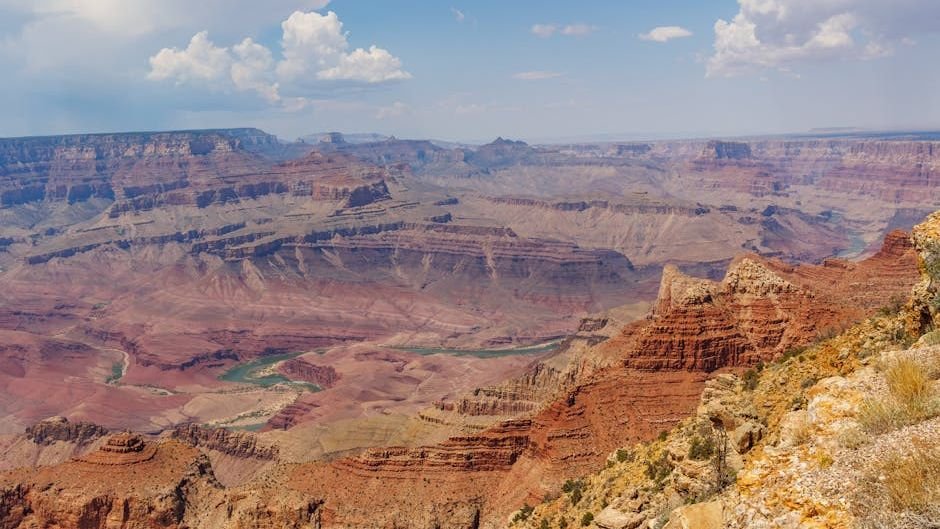
You stand at the edge of the Grand Canyon and feel like you can see everything. Layer after layer of rock, a river glinting far below, air so big it almost swallows you. But the strangest part is this: most of what makes this place truly mysterious is not out in the open at all. It is hidden inside the rock, in dark passageways you will probably never see.
For over a century, people have whispered about secret tunnels, forbidden caves, lost cities, and cover‑ups under this famous rim. Some of those stories are pure legend. Others grew out of very real caves and underground systems that scientists are only now beginning to map with modern tools. When you look past the wilder rumors and into the actual geology and research, what lies beneath the surface turns out to be far more interesting than any single treasure tale.
The Canyon Beneath the Canyon: How Hidden Caves Really Form
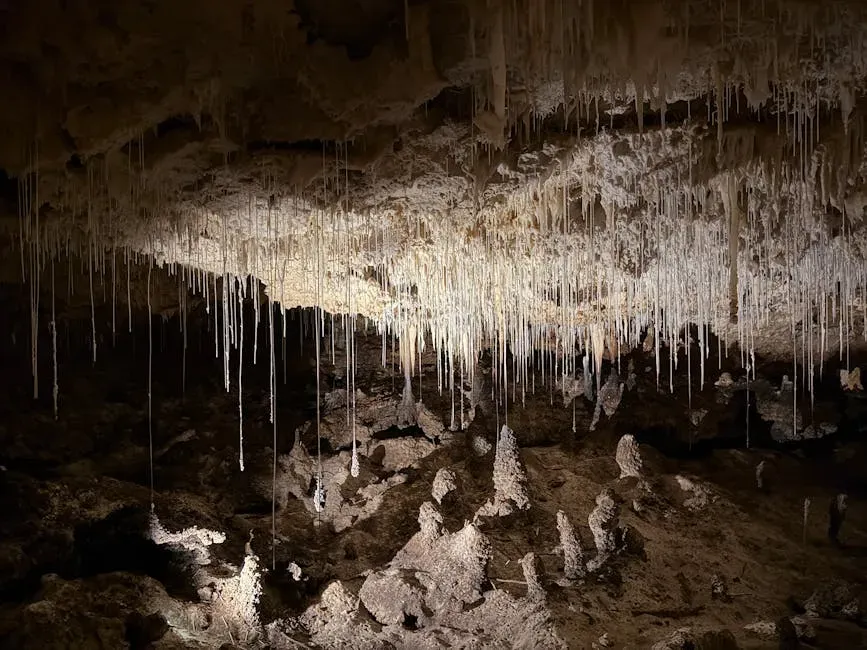
If you imagine the Grand Canyon as just a gigantic open trench carved by the Colorado River, you are only seeing half the picture. Long before the river cut down to reveal that dramatic gorge, water was already working its way quietly through the rock, dissolving some layers and carving underground voids you could walk through today without realizing they are older than the canyon itself. You are dealing with a two‑story world here: an open canyon you can see, and a fossil canyon of caves and tunnels locked inside the walls.
Most of these secret passages form in specific rock layers, especially limestone and other carbonate rocks that dissolve in slightly acidic water. As groundwater moves along cracks and joints, it widens them into conduits, chambers, and winding tubes. Over millions of years, some passages drain and dry out, leaving dusty galleries; others still carry water, feeding springs that suddenly burst out of sheer cliffs. When you hike past a side canyon with a mysterious spring gushing from the wall, you are really seeing the outlet of a hidden plumbing system that may stretch for many kilometers under your feet.
Myths of Lost Cities and Egyptian Tombs: Separating Legend from Evidence
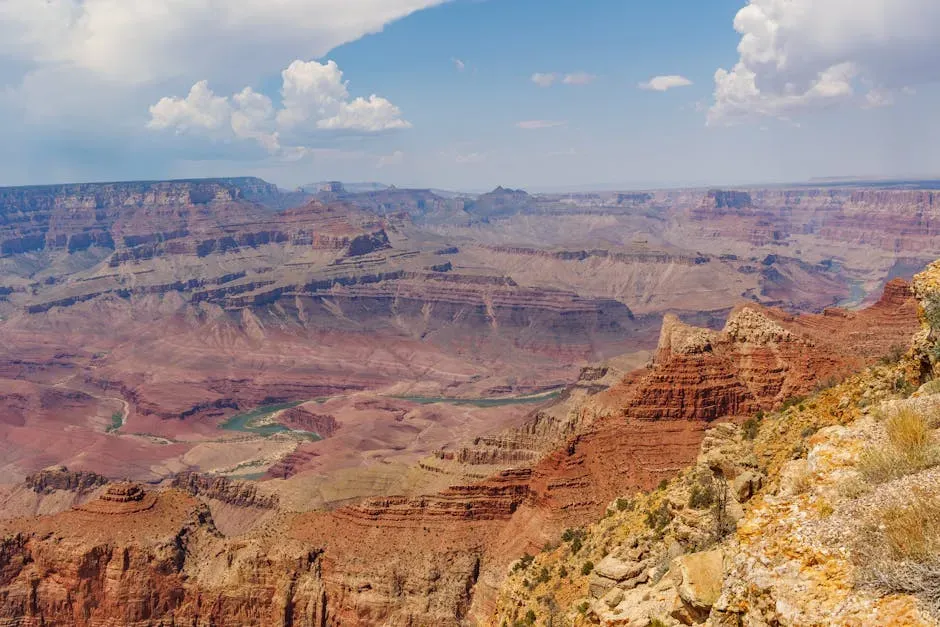
You have probably stumbled across the story: an early‑1900s explorer claimed to have found a vast underground complex high on a Grand Canyon wall, filled with mummies, hieroglyphs, and artifacts that looked Egyptian or Asian. The tale has everything – dangerous climbs, secret chambers, a supposed Smithsonian expedition – and it has fueled more than a century of speculation. But when you check what historians, archaeologists, and the Smithsonian itself have actually found in the records, the story falls apart. There is no confirmed evidence that such a tomb or underground city ever existed.
Newspaper hoaxes were not rare in that era, and the 1909 Arizona story fits that pattern almost perfectly: no verifiable location, no surviving artifacts, and no trace of the key figures in institutional archives. When you look at confirmed archaeology in the canyon, you find Native American sites, storage caves, and rock shelters connected to tribes who still have living traditions here, not Egyptian burial chambers. The real history is rich and deep on its own, but it is grounded in the cultures that actually called this place home, not imported civilizations from across an ocean.
Real Caves, Real Science: What Modern Mapping Is Revealing
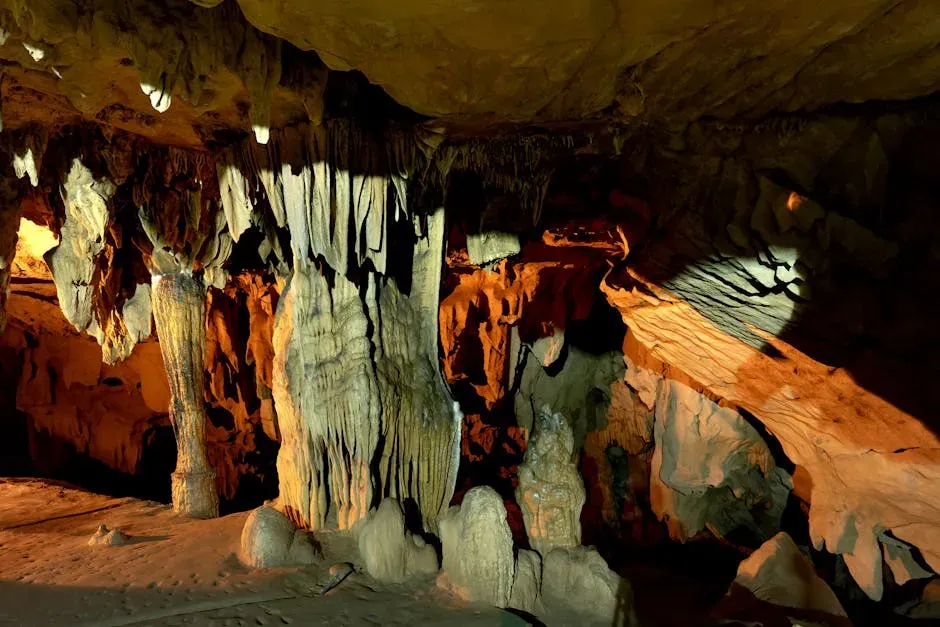
If you set the legends to the side for a moment and ask scientists what really hides inside the canyon walls, the answer is surprising in a different way. Cave researchers and hydrologists have been quietly exploring and mapping systems that run for many kilometers in the subsurface, sometimes using laser scanning and 3D modeling to build incredibly detailed maps. In some areas, they are finding fast‑moving underground water networks that feed the canyon’s major springs, helping you understand why certain seeps and flows appear where they do.
From the surface, an entrance may look like nothing more than a shadowed crack in a cliff or a dusty alcove in a side canyon. Step inside, though, and you might find yourself in a labyrinth of twisting galleries, vertical pits, and narrow crawls that snake through multiple rock layers. Some of these caves hold stalactites, mineral formations, and even delicate microbial life adapted to darkness; others mainly act as conduits where water rushes through during certain conditions. What you do not find, despite all the modern tools, is any evidence of secret man‑made tunnel networks or vast engineered cities – it is the raw, wild architecture of water and rock doing their work over unfathomable spans of time.
Indigenous Stories and Underground Worlds: Listening with Respect
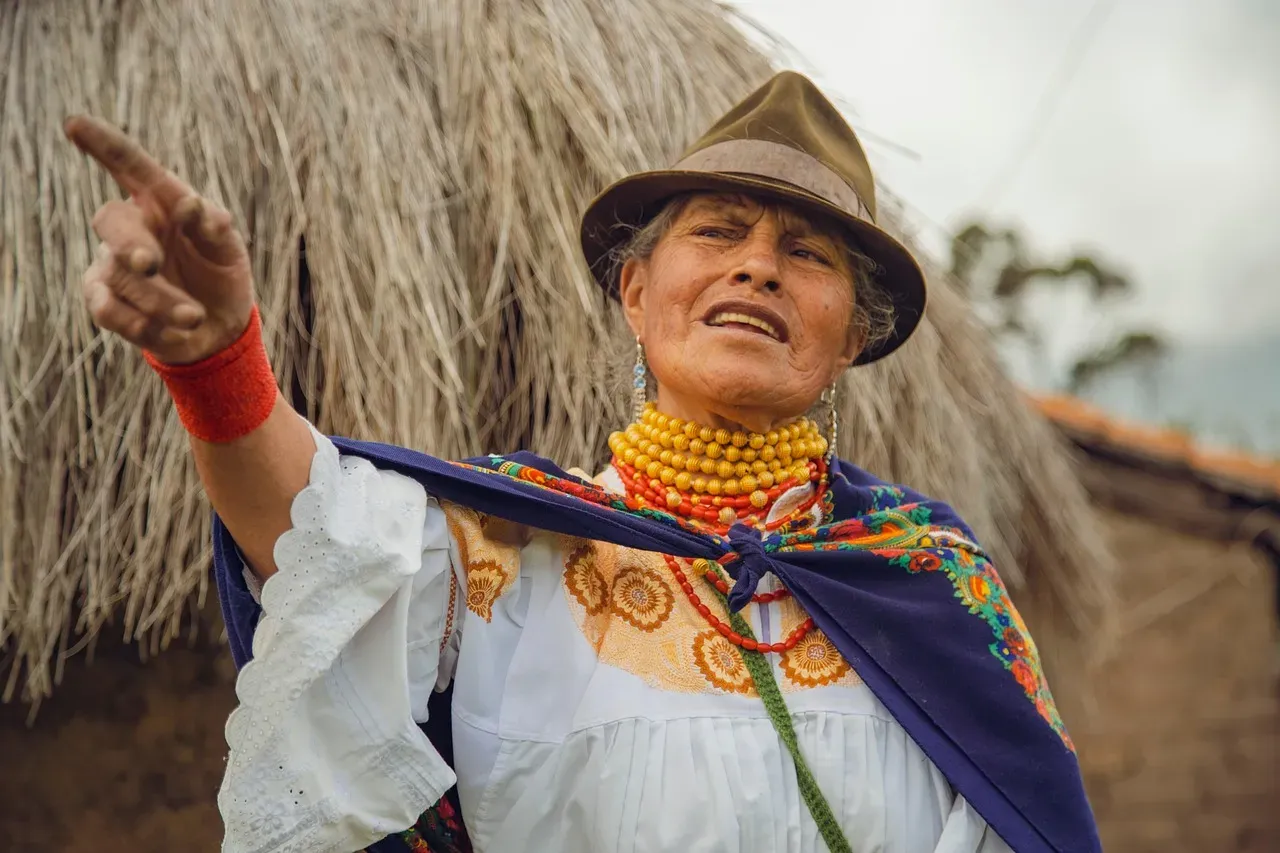
Long before tourists, scientists, or newspaper editors showed up, Native peoples were already telling stories about this canyon and its inner spaces. If you talk with tribal members today, you will hear that the canyon is not just a pretty backdrop; it is a living place, woven into origin stories, migration routes, and ceremonies. Some traditions speak of emergence from underground realms or describe spiritual beings linked with caves and springs. When you hear those stories, you begin to realize that the idea of a secret world beneath the surface is ancient here, but it means something different than a treasure map.
Out of respect, many of these places are not advertised to the public, and some are considered too sacred to disturb. You are not meant to crawl into every hole in the rock just because it shows up on a GPS or a rumor site. Instead, you are invited – if you are willing – to treat the underground not as a playground or puzzle to be solved, but as part of a cultural landscape that deserves care. In that sense, the “secrets” of the canyon’s tunnels are not only geological; they are also about relationships, responsibilities, and stories that you are not always entitled to see up close.
Why So Many “Forbidden Zones” and Closed Caves Exist
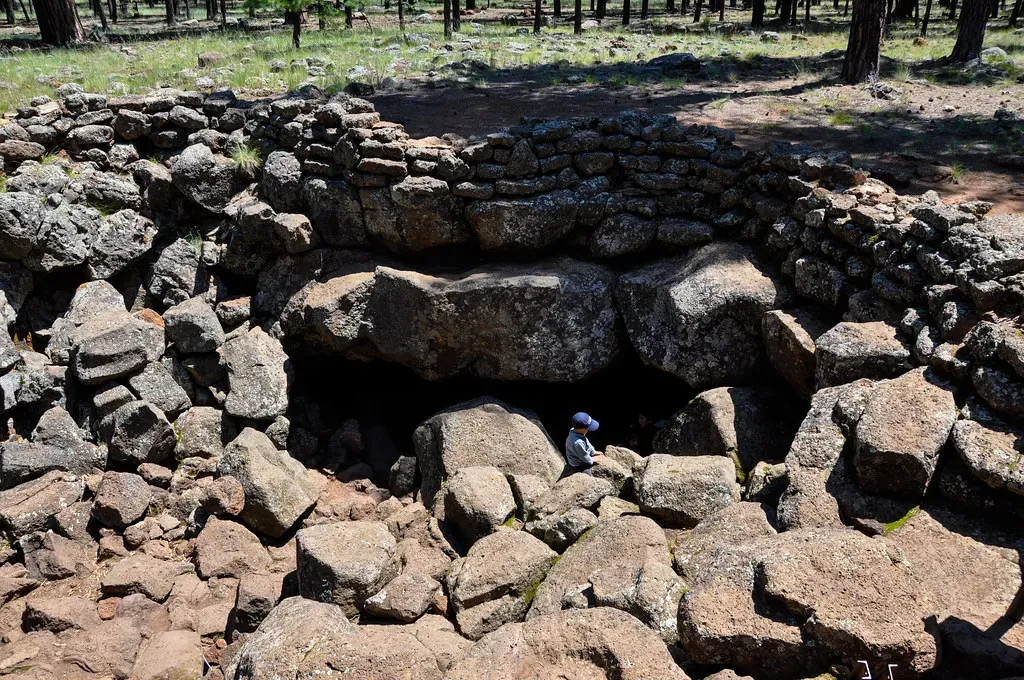
When you hear that certain parts of the Grand Canyon are closed or that specific caves are off limits, it is easy to jump straight to the idea of a cover‑up. But if you look at how cave management works across national parks, a much more practical story emerges. Many closures are about safety: vertical drops, unstable ceilings, sudden floods, and difficult rescues can turn a small mistake into a disaster. You are often walking on cracked stone with loose boulders above you, not in a reinforced tunnel that was built for people to use every day.
There is also the problem of damage. A handful of careless footsteps can crush rare formations that took hundreds of thousands of years to grow, spread invasive organisms, or disturb bat colonies that depend on darkness and quiet. Managers are constantly balancing exploration, research, and public access against the risk of losing something irreplaceable. When you see “Area Closed” signs around cliffs or cave mouths, you are usually seeing a protective fence, not a conspiracy curtain – and in a way, you are being asked to help keep the canyon’s hidden spaces wild by not going where your presence would do more harm than good.
How You Can Safely Experience the Canyon’s Underground Side
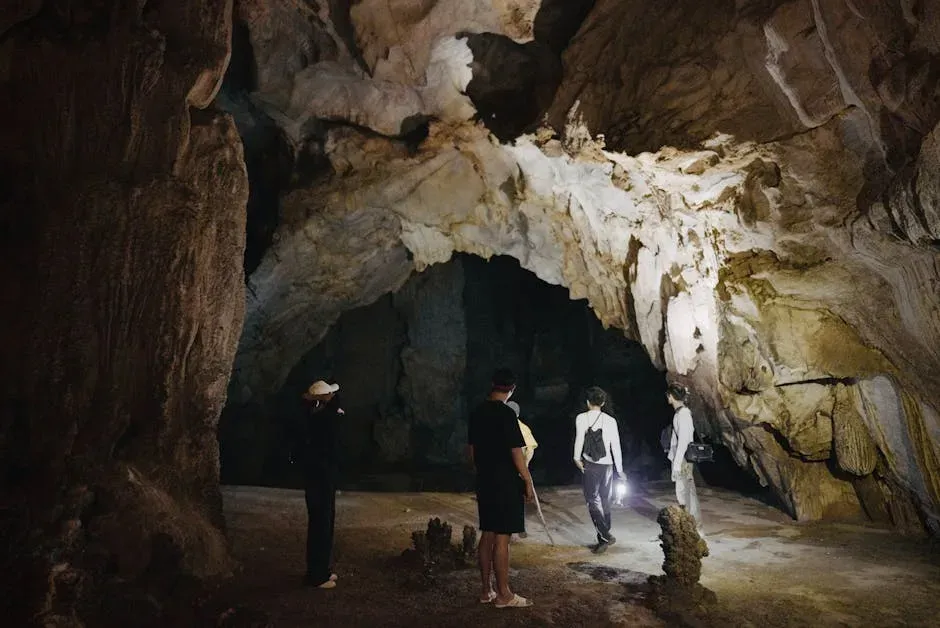
Even though much of the Grand Canyon’s subsurface world is off limits to casual visitors, you still have ways to get a taste of it without breaking rules or risking your neck. Some commercial cavern systems on the surrounding plateau, for example, offer guided tours where you can walk among stalactites and deep chambers while learning how similar processes operate under the national park. It is not the same as sneaking into a forbidden tunnel, but it lets you stand in the cool dark and feel what a carved‑out world of stone is really like.
Inside the park, you can focus on surface clues that point to hidden networks below. Springs that burst from cliffs, hanging gardens growing in impossible places, side canyons with polished narrows – all of these hint at pathways water has taken inside the rock. If you join ranger programs, read detailed geologic guides, or connect with legitimate cave research organizations as a volunteer, you can turn that curiosity into learning and maybe even contribute to mapping and conservation. Instead of trying to crack a secret, you shift into being part of the team that protects and understands what lies beneath.
Making Sense of Mystery Without Losing the Magic
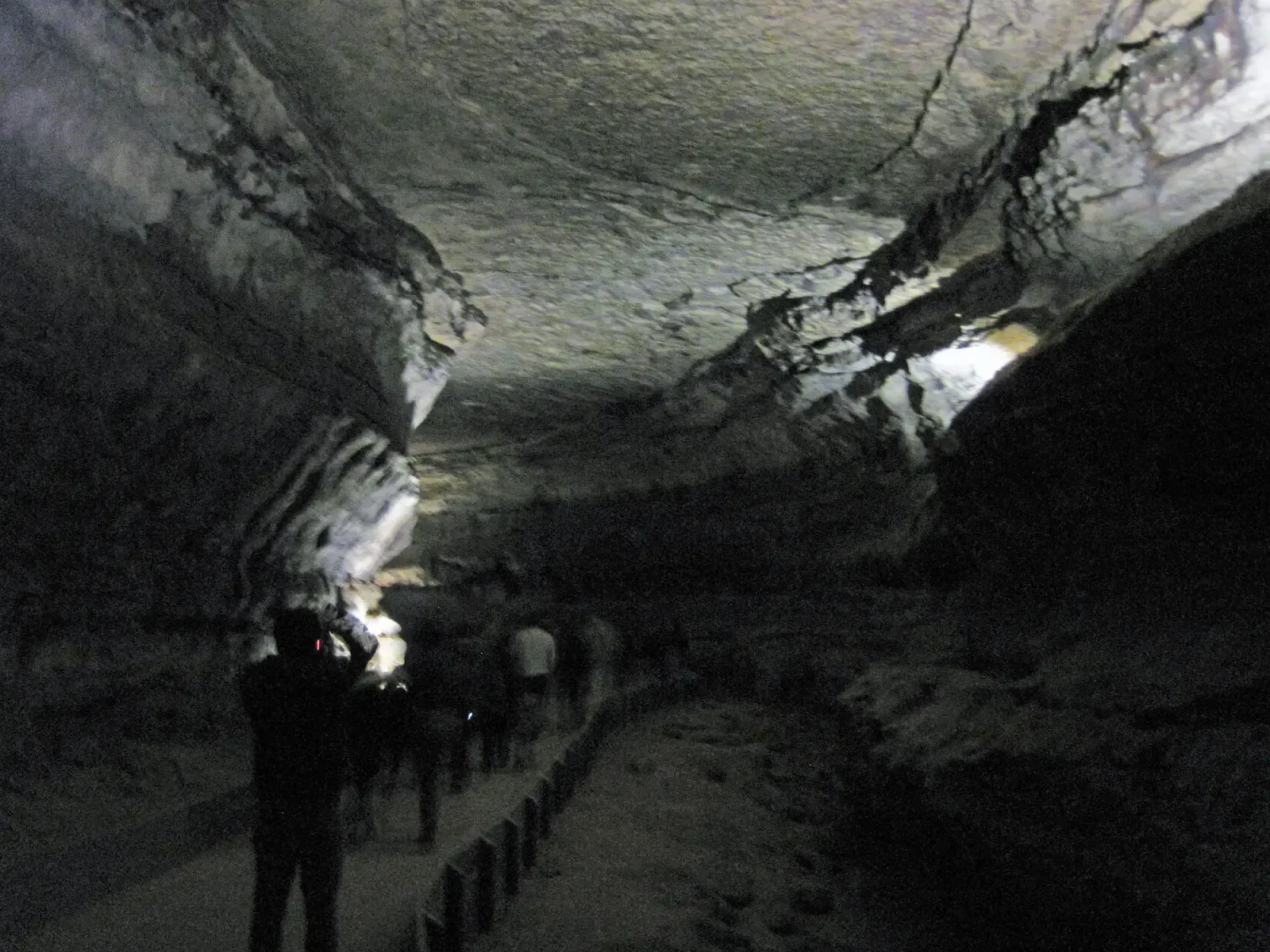
If you are drawn to the Grand Canyon because of its whispers of hidden tunnels and buried civilizations, you are not alone. There is something deeply human about wanting there to be more than meets the eye, about hoping that behind every shadowed crack is a door to a forgotten world. But when you seriously weigh legend against evidence here, the fantastical claims of Egyptian tombs and elaborate stone cities just do not hold up. You are left with hoaxes, misread stories, and a lot of speculation that grows in the gaps of what people do not know.
That does not mean you have to give up the sense of wonder. In fact, the real situation might be even more awe‑inspiring: an ancient, naturally carved underworld of caves and conduits, a living hydrologic network, sacred sites you will never see, and scientific questions that are still unsolved even in 2026. When you stand on the rim and remember that under your boots there may be voids, grottoes, and dark rivers of air and water, the canyon suddenly becomes bigger than its famous view. Maybe the most important secret tunnels here are the ones that connect your imagination to deep time and to the people who have walked this place far longer than modern tourism has existed – what do you think you would feel if you could step into that darkness for just a moment?