
You close your eyes, the world fades, and suddenly you are running through an airport with no shoes on, or talking to someone who passed away years ago, or flying across a landscape that feels more real than your living room. Then you wake up and wonder: what on earth was that about? Dreams can feel so vivid, emotional, and meaningful that it is hard to believe they are “just in your head,” yet science keeps showing you they are tightly linked to how your brain works when you are awake.
Even though researchers have studied sleep and dreaming for decades, there is still no single, agreed‑upon answer for why you dream. Instead, you have a handful of powerful, overlapping theories that all seem to explain different pieces of the puzzle: memory, emotion, creativity, problem‑solving, and even survival. When you look at them together, dreams stop feeling random and start to look like an essential part of how your mind keeps you balanced, learning, and ready for the next day.
The Strange World of REM Sleep
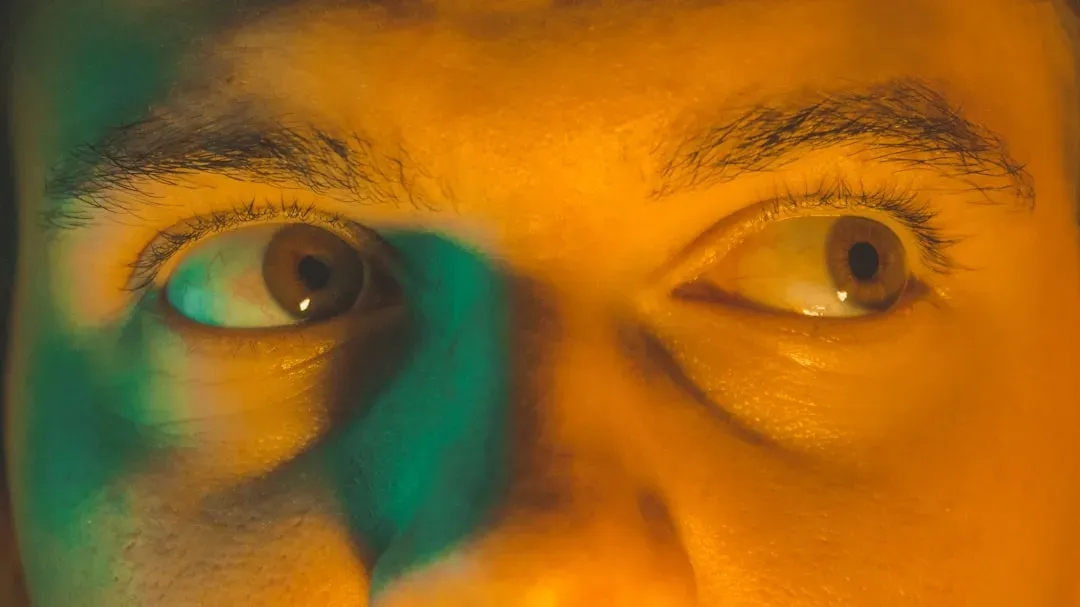
One of the most surprising facts about dreaming is how tied it is to a special stage of sleep called REM sleep, short for rapid eye movement. During REM, your eyes dart around under your eyelids, your breathing becomes more irregular, and your brain waves start to look oddly similar to when you are awake. At the same time, most of your muscles are effectively paralyzed, which is a good thing, because it stops you from acting out everything you are experiencing in your dreams.
You tend to drift in and out of REM sleep several times a night, with each REM phase getting longer towards the morning. This is why you often remember dreams best if you wake up naturally, without an alarm, in the last hours of sleep. If you have ever felt like your wildest, most cinematic dreams happen just before you wake up, you are noticing how your brain saves those long, dense REM episodes for later in the night, like the finale of a show.
How Your Brain Replays and Organizes Memories

One of the most supported ideas in sleep science is that your brain uses the night to sort through the flood of experiences, facts, and feelings you picked up during the day. While you sleep, brain regions involved in memory, such as the hippocampus, replay patterns of activity that look very similar to what happens when you first learn something. When you dream, you often feel like your brain is mixing old scenes with new ones, and that is exactly what appears to be happening at a neurological level.
You might notice this after an intense day of studying, practicing a sport, or learning a new skill. That night, your dreams may be crowded with related fragments: pages of text, snippets of a video game, or flashes of the tennis court. By replaying these bits in a loose, creative way, your brain seems to be tagging some memories for long‑term storage, discarding others, and weaving them into your ongoing life story so they make more sense to you when you wake up.
Dreams as Emotional Therapy Sessions

If you think about your most powerful dreams, they are usually not calm and neutral. They are packed with fear, longing, guilt, joy, or grief. Neuroscience studies show that areas of your brain that process emotion, like the amygdala, are especially active during REM sleep, while some of the regions that help you think calmly and logically are dialed down. That combination creates a perfect environment for your mind to re‑experience big feelings without the full stress response you would have while awake.
You can think of dreams as a kind of overnight emotional therapy session where your brain replays upsetting or confusing situations in a lower‑stakes, symbolic way. For example, if you are anxious about a tough conversation at work, you might dream about missing a train or being unprepared for an exam. The storyline may be bizarre, but the feeling is familiar. Over time, repeatedly dreaming through those emotions may help take the edge off, so you wake up feeling a little less overwhelmed, even if you cannot quite explain why.
Problem‑Solving and Creativity While You Sleep

You have probably had the experience of going to bed stuck on a problem and waking up with a fresh idea, or at least feeling like your thoughts are less tangled. During dreaming, your brain is freed from a lot of the rules and filters that shape your thinking during the day. It can connect distant ideas, jump between memories, and combine images in ways that would feel too strange or distracting when you are trying to work or study.
This loosened, playful state can be surprisingly useful. You might not literally solve a math equation in a dream, but you can wake up with a new angle on a relationship issue, a creative twist for a project, or a clearer sense of what you really want to do. When you dream, you are basically letting your mind wander through the attic of your memories with the lights flickering and the usual guardrails taken down, and sometimes that is exactly what you need to see a hidden connection you missed before.
Why So Many Dreams Feel Like Threats or Nightmares

It is striking how many of your dreams involve being chased, failing a test, losing control of a car, or facing some other kind of danger. One evolutionary theory suggests that dreams may act as a built‑in threat simulator, letting you rehearse how you might respond to risky or scary situations. Long before modern life, your ancestors had to deal with predators, conflicts, and environmental hazards, so a brain that could practice survival scenarios during sleep would have had a real advantage.
Today, the predators in your dreams are more likely to be a furious boss or a public speaking disaster, but the basic pattern looks similar. You might wake up with your heart pounding after a nightmare, yet on some level, you have just run through a mental fire drill. If this idea is right, your dreams are not trying to torture you; they are training you, sometimes using exaggerated or symbolic scenes to give you a safe, virtual reality arena for handling fear.
What Lucid Dreaming Reveals About Consciousness

Every now and then, you may realize you are dreaming while you are still inside the dream. This is called lucid dreaming, and it opens up a weird space where you are both the audience and the director of your own inner movie. Brain scans suggest that during lucid dreams, some of the frontal areas involved in self‑reflection and decision‑making become more active again, almost like your waking consciousness is stepping back into the driver’s seat.
When you are lucid, you might choose to fly, change the setting, or calmly confront something that usually terrifies you. That feeling of agency can be thrilling, but it also teaches you something deep: your sense of “self” is not an all‑or‑nothing switch. Even in sleep, your awareness can fade, return, and blend with the dream world in complicated ways. Paying attention to lucid dreams can give you a rare firsthand glimpse into how flexible and constructed your everyday experience of reality really is.
Why You Forget So Many Dreams

You dream multiple times every night, yet most mornings you wake up with nothing but a vague impression or a single chaotic scene. That forgetfulness is not a flaw; it seems to be part of how your brain protects you from overload. The chemical environment of your brain during REM sleep is different from when you are awake, and that appears to make it harder for you to form stable, long‑lasting memories of what just happened.
Still, you can train yourself to remember more. If you wake up naturally and lie still for a moment before checking your phone or moving around, you are more likely to catch a fading dream. Writing down even a few details in a notebook can strengthen the habit. Over time, you may notice recurring themes, emotions, or settings, which can tell you a lot about what your mind is working on beneath the surface, even if you never remember every dream in full.
What Your Dreams Can and Cannot Tell You

It is tempting to treat dreams like secret messages that need decoding, but science paints a more modest, grounded picture. There is no solid evidence that a single dream symbol has one fixed meaning for everyone, and dream dictionaries that claim this are guessing more than they are reporting. However, there is strong support for the idea that your dreams reflect your waking concerns, habits, fears, and desires in a loose, symbolic way that is unique to you.
When you pay attention to dreams, you are not unlocking a mystical language so much as eavesdropping on your own inner processing. If you keep dreaming about being unprepared, that might echo your current stress about work or school. If you often dream about searching for something, it might mirror a feeling of restlessness in your daily life. Dreams can offer you insight and self‑knowledge, but they are best understood as snapshots of your ongoing mental life, not prophecies of what will literally happen.
How to Work With Your Dreams in Everyday Life

You do not need to become a dream expert to get something useful out of what happens in your sleep. A simple habit like keeping a notebook by your bed and jotting down a few lines when you first wake up can help you notice patterns you would otherwise miss. Over weeks or months, certain themes, people, or emotions may keep popping up, gently pointing you toward areas of your life that could use attention or care.
You can also use dreams as a creative or reflective tool. Before going to bed, you might briefly think about a question you are wrestling with or a project you are stuck on, nudging your sleeping mind to chew on it. In the morning, you can look at any dreams you remember through a curious, non‑literal lens: what feelings stood out, what choices did you make, what surprised you? Instead of asking what a dream “means,” you can ask how it mirrors your current reality and what small change it might be hinting you are ready to make.
Conclusion: Your Nightly Journeys Are Anything But Random

When you step back and look at all these pieces together, your dreams start to look far less mysterious and far more essential. They help your brain organize memories, soften sharp emotions, test‑run threats, spark creative connections, and reflect what matters to you right now. Even the dreams that seem absurd on the surface are often stitched together from the raw material of your real experiences, quietly doing work you may only feel later as calm, clarity, or a sudden insight.
You may never pin down a single, perfect answer to why you dream, and that is part of the magic. Instead of trying to force every image into a fixed meaning, you can treat your dreams like nightly postcards from your own mind, sometimes confusing, sometimes beautiful, always personal. Next time you wake up from a strange or powerful dream, you might pause for a moment and ask yourself: what is my brain trying to work through here, and what is it quietly telling me that I am ready to hear?