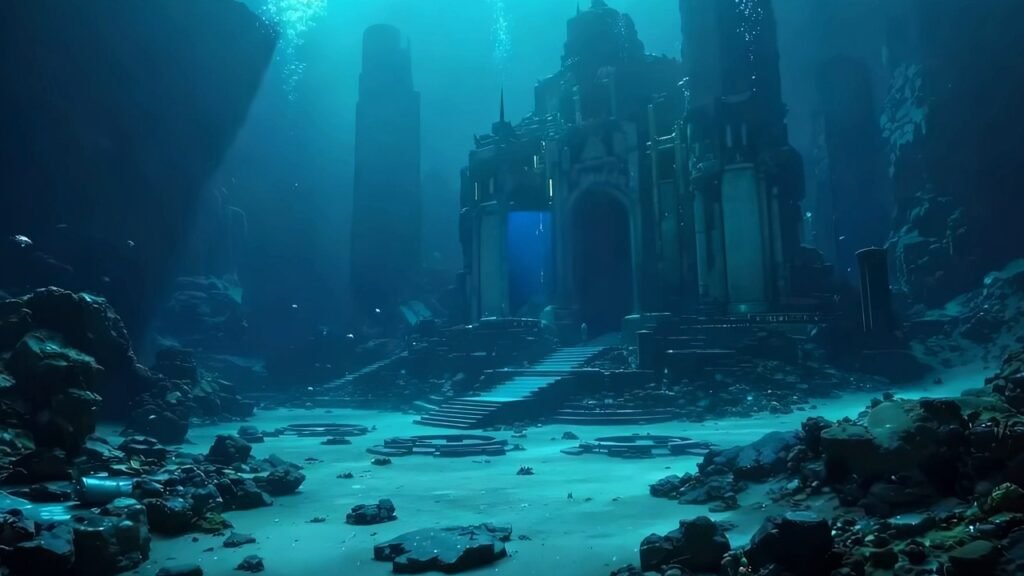

You keep hearing about Atlantis as if it sits somewhere between fairy tale and forgotten history, and that tension is exactly what makes it so compelling. On one side, you have ancient texts hinting at a powerful island civilization swallowed by the sea; on the other, you have careful scientists telling you to be skeptical, to separate myth from geology. Somewhere in the middle, on the dark ocean floor, are the real clues that might reshape how you think about this legendary place.
Over the last few decades, you’ve gained something ancient storytellers never had: deep-sea robots, satellite mapping, and high-resolution sonar that can peel back the waves and reveal entire hidden landscapes. When you look at the latest findings through that lens, Atlantis becomes less about a single lost city and more about a pattern of real coastal cultures wiped out by sudden floods and dramatic sea-level changes. You are not just chasing ghosts; you are learning how vulnerable your own world is to the same forces.
How a Two-Thousand-Year-Old Story Still Shapes What You Imagine
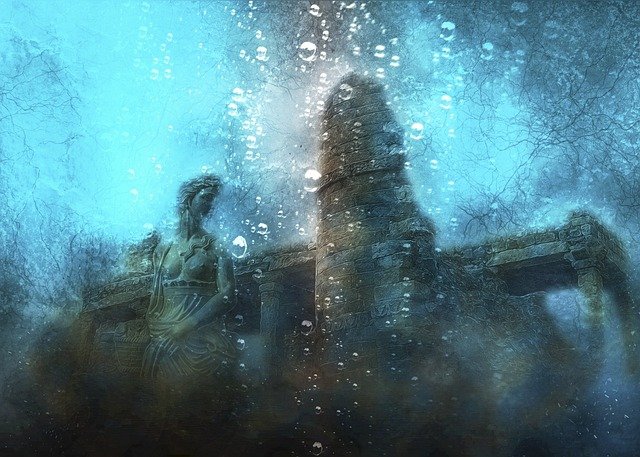
When you picture Atlantis, you’re unconsciously following a script that started with a single ancient writer describing a powerful island empire, advanced for its time and ultimately destroyed by earthquakes and floods. You might imagine gleaming temples, a circular harbor, and a society that flew too close to the sun, punished for its arrogance. Whether you realize it or not, you’re seeing the ocean as a judge that can erase even the most impressive human achievements in a single catastrophic moment.
If you strip away the fantasy, you’re left with a core idea that still resonates: coastal civilizations are fragile. You live in a world where many of your biggest cities sit right on the water’s edge, exposed to storms, tsunamis, and rising seas. That old tale becomes less about magical technology and more about a blunt warning that geography gives you everything and can take it all back without notice. In that sense, every time you think about Atlantis, you’re really thinking about your own cities and how quickly they could be swallowed, too.
What Sonar, Satellites, and Submersibles Are Actually Finding
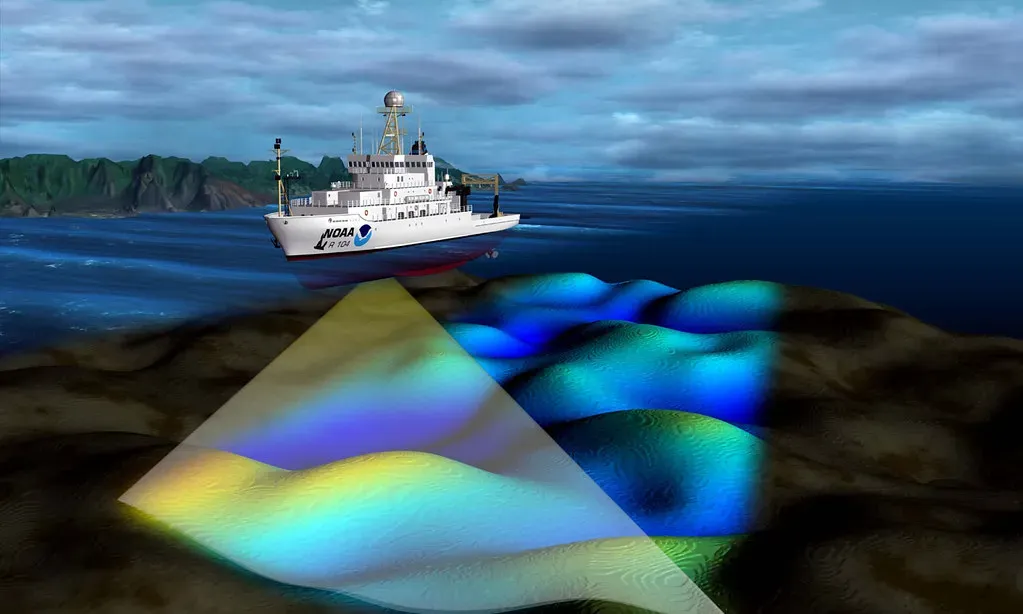
When you look at modern ocean maps, you’re not just seeing blue emptiness anymore; you can see mountain ranges, canyons, and old river valleys carved into what is now the seafloor. High-resolution sonar lets researchers slowly “paint” the bottom of the ocean, revealing straight lines, terraces, and strange geometric shapes that can easily tempt you into yelling that you’ve found a lost city. You can even stumble across photos online of grid-like patterns on the seafloor that seem too perfect to be natural until you learn they’re often caused by the way survey ships moved while mapping.
That doesn’t mean there is nothing out there; it means you need to be picky about what counts as real evidence. When exploration vehicles dive down with cameras, what they usually find are cliffs, old shorelines, volcanic formations, and, in some areas, submerged ruins that really did belong to ancient coastal settlements. You’re seeing harbors, roads, and foundations that once sat above sea level before waves and tectonic shifts pulled them under. The ocean floor is not a museum of one lost super-city; it’s more like an archive of many drowned neighborhoods and forgotten ports.
Real Submerged Cities That Make Atlantis Feel Less Impossible
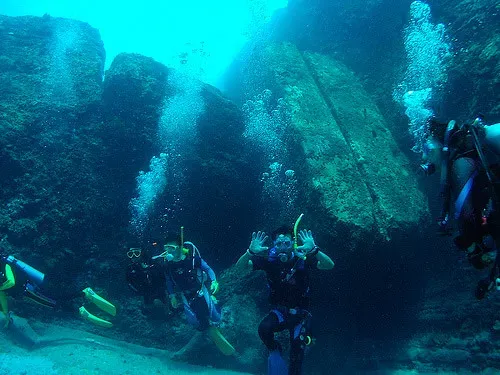
If you want to ground the Atlantis legend in reality, you can start by looking at the very real cities and temples now sitting underwater. In several parts of the world, divers and underwater archaeologists have documented stone structures, streets, and harbor works that were once busy coastal hubs. You can trace the outlines of buildings, see cut blocks where hands once worked, and imagine markets and rituals that took place where fish now swim.
These places did not vanish in a single dramatic night the way storytellers describe, but they were erased from view by rising seas, sinking land, and powerful storms. Sometimes, whole bays shifted, rivers changed course, or tectonic plates subtly dragged coastlines down. When you see how many cultures have ruins just offshore, you start to accept that “lost cities” are not exotic miracles; they’re what happens when people build too close to a moving edge. Atlantis may be a composite story, but its underlying pattern is something you can literally see under modern waves.
Geology, Mega-Floods, and Why the Ocean Swallows Civilizations
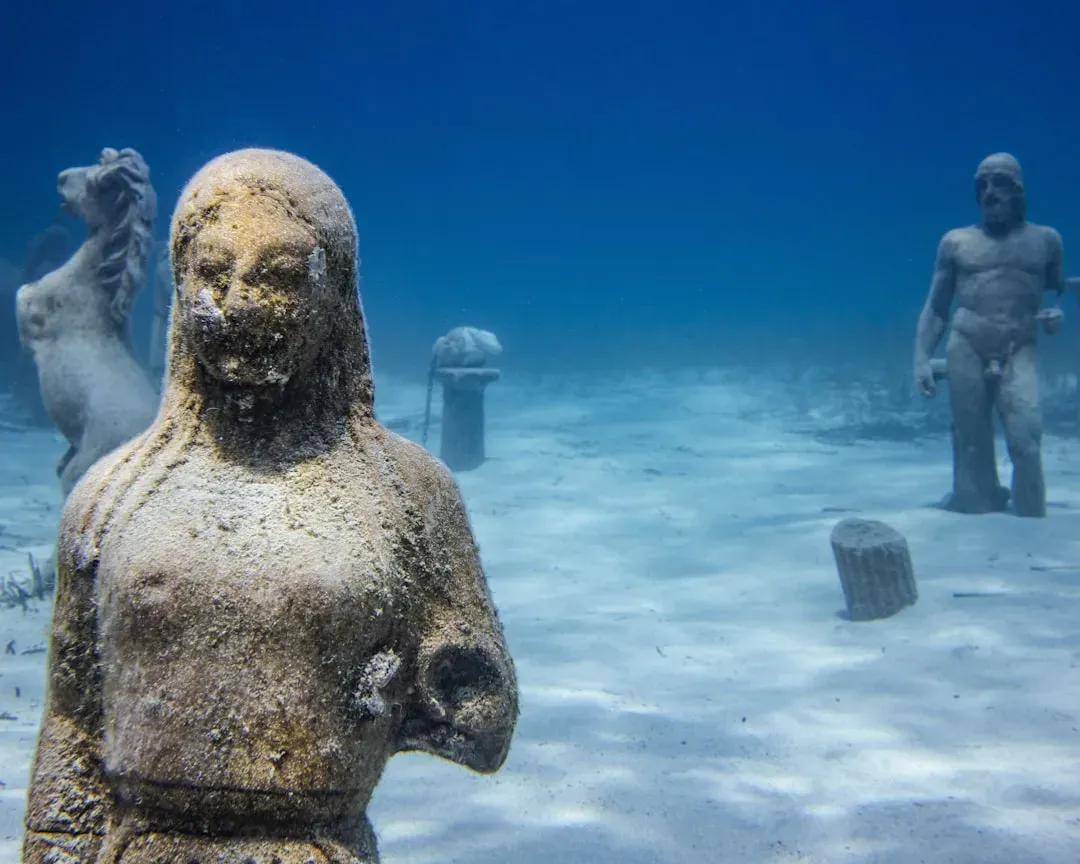
To understand how a place like Atlantis could vanish, you need to look beyond legends and into the raw physics of the planet you live on. Over the last tens of thousands of years, sea levels have risen and fallen by dozens of meters, exposing huge coastal plains and then drowning them again as ice sheets melted. If you imagine your current shorelines pushed out for many kilometers, full of villages and trading posts, and then visualize all of that going underwater within a few generations, you start to see how memories of such floods could harden into myth.
On top of steady sea-level rise, you have sudden disasters: earthquakes that drop chunks of coastline, volcanoes that collapse into the sea, and tsunamis that tear inland and drag entire communities back out again. You may think of these as rare freak events, but geologically speaking, they’re regular features of a restless planet. If a proud port city was hit by a combination of quake, wave, and long-term rising seas, the survivors would likely tell stories that sound an awful lot like Atlantis. The ocean, in this sense, is not hiding a single mystery; it’s constantly rewriting the edges of your world.
How Scuba Divers and Robots Turn Murky Legends into Data
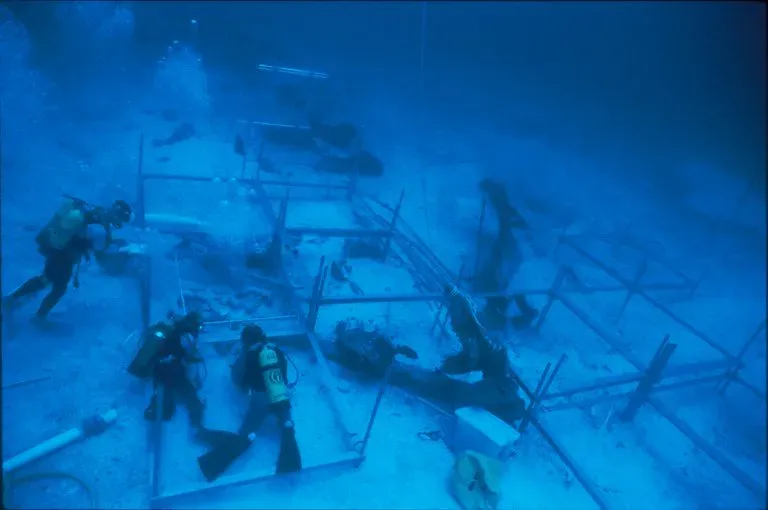
You might picture underwater archaeologists as treasure hunters, but their work is a lot more methodical and a lot less glamorous than adventure movies suggest. Divers carefully document walls, foundations, and artifacts, mapping everything in place instead of hauling it all to the surface. Robotic submersibles, equipped with cameras and sampling tools, go deeper than any human diver can, sending back detailed footage of structures and seafloor features that raise or settle questions about human involvement.
When you hear a claim that Atlantis has been “found,” you can now ask sharper questions: Were artifacts found in their original context, or just scattered? Do the stones show clear signs of carving, or could they be natural formations? Is there pottery, metalwork, or other evidence that people once lived there? The more you learn about underwater archaeology, the easier it becomes for you to tell the difference between clickbait and credible research. Instead of passively consuming headlines, you can look at sonar images and excavation diagrams and decide for yourself what feels solid.
Separating Science from Sensation Without Killing the Magic
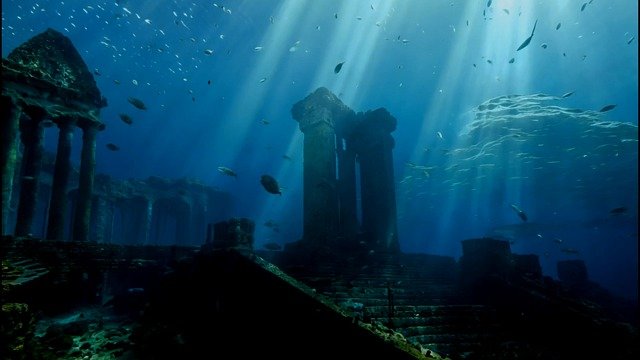
Because stories about Atlantis sell books and documentaries, you’re constantly bombarded with dramatic promises that the mystery is finally solved. It’s tempting to latch onto every new claim, especially when someone shows you impressive visuals and confident explanations. But when you slow down and compare those claims with what geologists and archaeologists actually report, you quickly realize how often natural patterns, like hexagonal rock columns or symmetrical sand ridges, get misrepresented as roads and temples.
That doesn’t mean you need to become cynical or suck all the wonder out of the topic. In fact, when you approach Atlantis-related claims with a critical mindset, the genuine discoveries become even more satisfying. You can still let your imagination run, but now it has real landscapes and data to play with. The balance you are looking for is this: stay open to the idea that old myths may encode real memories of disaster, but demand evidence before you declare that a particular pile of rocks is the legendary city itself. You keep the magic, but you anchor it.
Why Atlantis Still Matters for Your Future on a Warming Planet
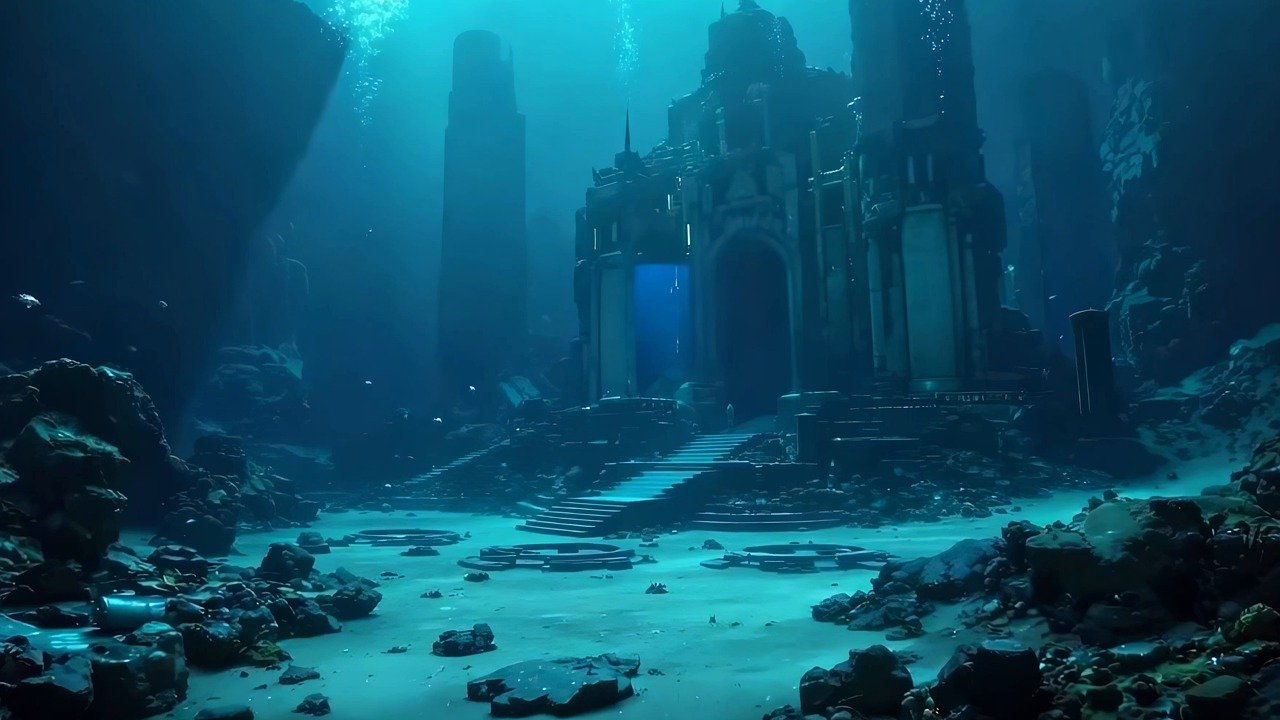
Even if no one ever proves that a single, specific Atlantis existed, the story is becoming more relevant to your life, not less. You are living through an era of rising seas, supercharged storms, and rapid coastal erosion that could push millions of people away from shorelines. Many of your most important ports, financial centers, and cultural capitals sit just a few meters above the current high tide. When you look at artists’ impressions of Atlantis slipping beneath the waves, you are really seeing an exaggerated preview of what unchecked climate change might do to your own coastal skylines.
Studying the ocean floor, documenting drowned settlements, and reconstructing past floods gives you a mirror to hold up to the present. You can see how previous societies misjudged the risks of living too close to an unpredictable sea, and you get a chance to make different choices. Atlantis, in this light, turns from a puzzle about where a city was into a challenge about how you want to live now. Do you keep building and rebuilding right on the edge, or do you start respecting the power of water in a more serious way?
In the end, the lost city of Atlantis lives in two places at once: in the sedimentary layers beneath the waves and in the part of your mind that loves a good mystery. Ocean-floor mapping, deep-diving robots, and underwater excavation are steadily shrinking the space where pure fantasy can hide, but they are also giving you something better in return. You’re getting a nuanced picture of real drowned worlds, real disasters, and real human resilience that makes the old legend feel sharper, not smaller.
As you follow each new discovery from the seafloor, you’re not just hunting for a mythical city; you’re learning how stories, science, and survival all intersect along the shifting boundary between land and sea. Maybe Atlantis will never be neatly pinned to a map, and maybe that’s the point. The real question you are left with is not just where Atlantis was, but how you’ll keep your own cities from becoming the next legend swallowed by the ocean – what do you think your descendants will say about the choices you made?