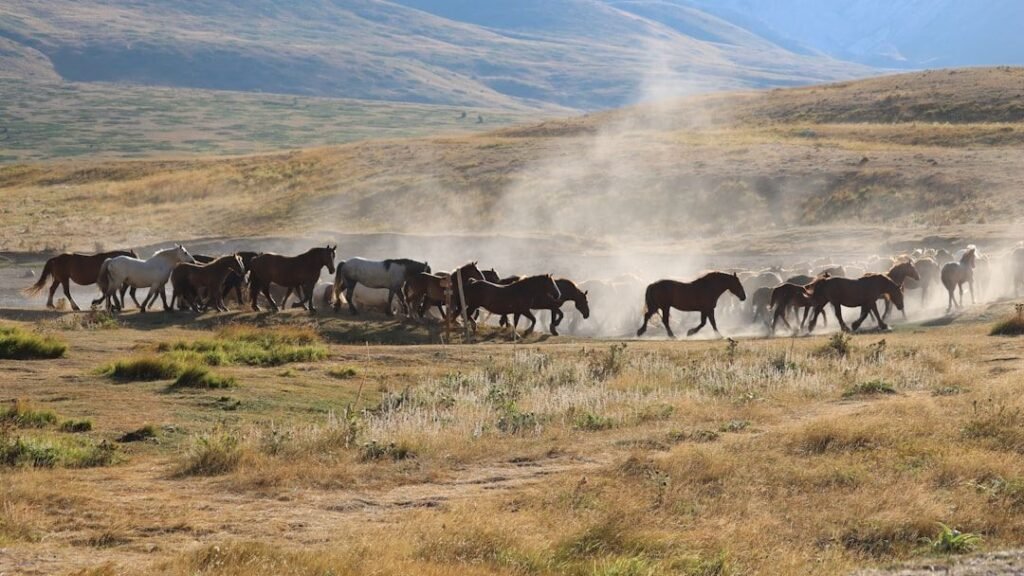
If you have ever driven across a high desert plain in Nevada or Colorado and caught a glimpse of a band of mustangs on a ridgeline, you know the feeling: your heart jumps before your brain even catches up. In that instant, those horses seem to hold all of America’s frontier myth in their silhouettes. Yet behind that romantic image is a messy, emotional, and increasingly urgent battle over what “wild” really means, who gets to define it, and whether these animals will still be there for you to admire a decade from now.
Right now, you are living in a time when the future of wild horses is genuinely up for grabs. Federal agencies say the herds are overpopulated and damaging fragile rangelands. Advocates argue that policies favor livestock and industry over a living symbol of the American West. Science is racing to catch up with politics, and you are left trying to sort out what is truth, what is spin, and what you can actually do about it. This fight is not abstract; it is happening in real places, with real horses, on a ticking clock.
The Legend and the Reality of America’s Wild Horses
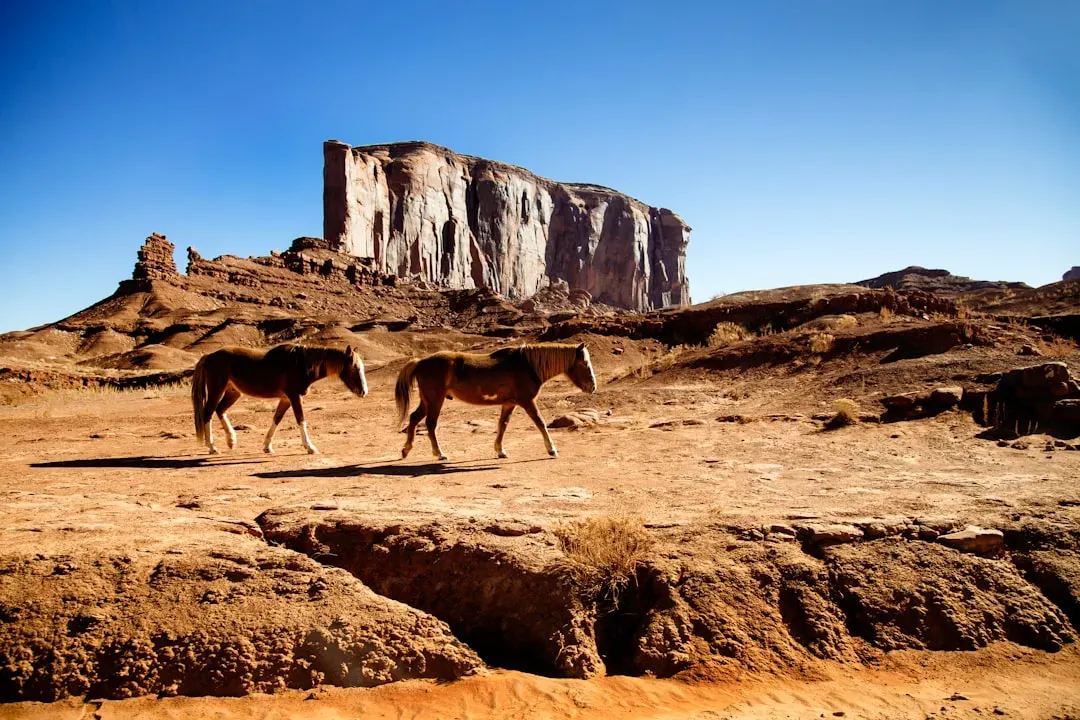
When you picture wild horses, you probably see untamed freedom, flying manes, and pounding hooves against a sunset sky. You are tapping into a deep cultural story where mustangs stand for defiance, resilience, and a kind of rough-edged American independence you are afraid might be disappearing. These animals show up in movies, art, and children’s stories as if they were the last pure piece of the Old West that you can still touch. That symbolism is powerful, and it is one reason the debate around them gets so heated so quickly.
The reality on the ground is more complicated and honestly a little uncomfortable. Nearly every wild horse you see on public land today descends from domestic horses brought by Europeans and later Americans, then turned loose, traded, or escaped. Biologists point out that horses went extinct in North America thousands of years ago, so what you are looking at now is technically a feral species, not a prehistoric remnant. At the same time, those feral horses have been shaping western landscapes and cultures for centuries, long enough that many Indigenous communities, ranchers, and local residents see them as part of the land’s living history. You are caught between science, law, and story – and all three matter.
How Many Wild Horses Are Left, Really?
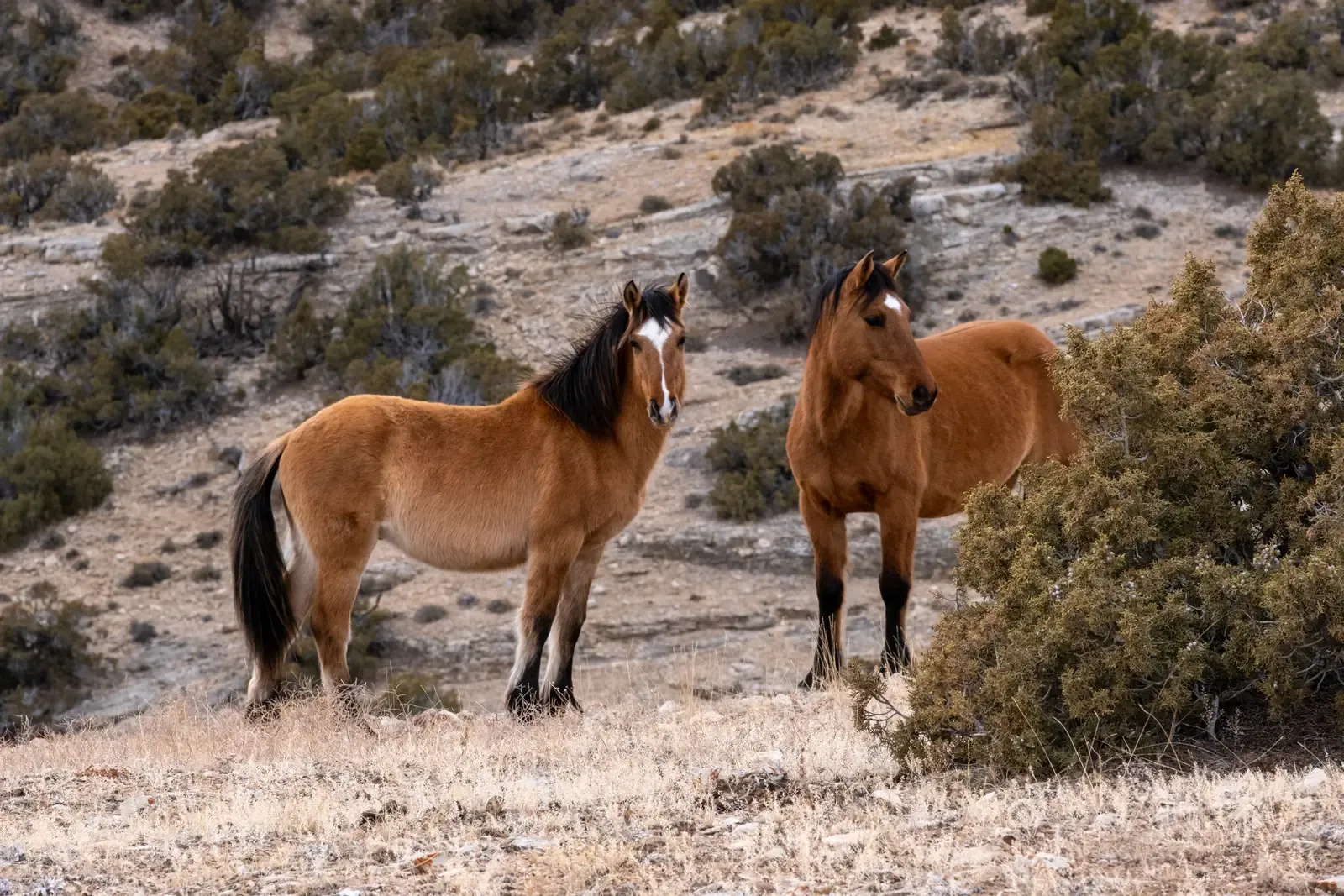
If you try to understand this issue, one of the first things you run into is a confusing wall of numbers. The Bureau of Land Management (BLM), the main federal agency in charge of wild horses and burros on public lands, estimates that a bit more than seventy thousand of these animals roam BLM-managed ranges as of the mid‑2020s. According to the agency’s own targets, that is roughly about two and a half to three times more animals than the land can support over the long term without suffering serious damage. On paper, that sounds straightforward: too many horses, not enough grass and water.
But once you dig deeper, you realize those numbers are fiercely contested, and you are asked to decide who you trust. Population estimates are based on periodic aerial surveys and modeling, and scientists themselves admit that counting fast-moving animals across millions of acres is tough. The BLM sets something called “Appropriate Management Levels” (AMLs) for each herd – essentially a target population – yet critics argue those AMLs are often low, not transparently justified, and tilted toward maximizing space for livestock grazing and other uses. You end up in a strange position where the same statistics can be used either to justify emergency roundups or to argue that wild horses are being squeezed off the range for someone else’s benefit.
Roundups, Holding Pens, and the Cost of Management
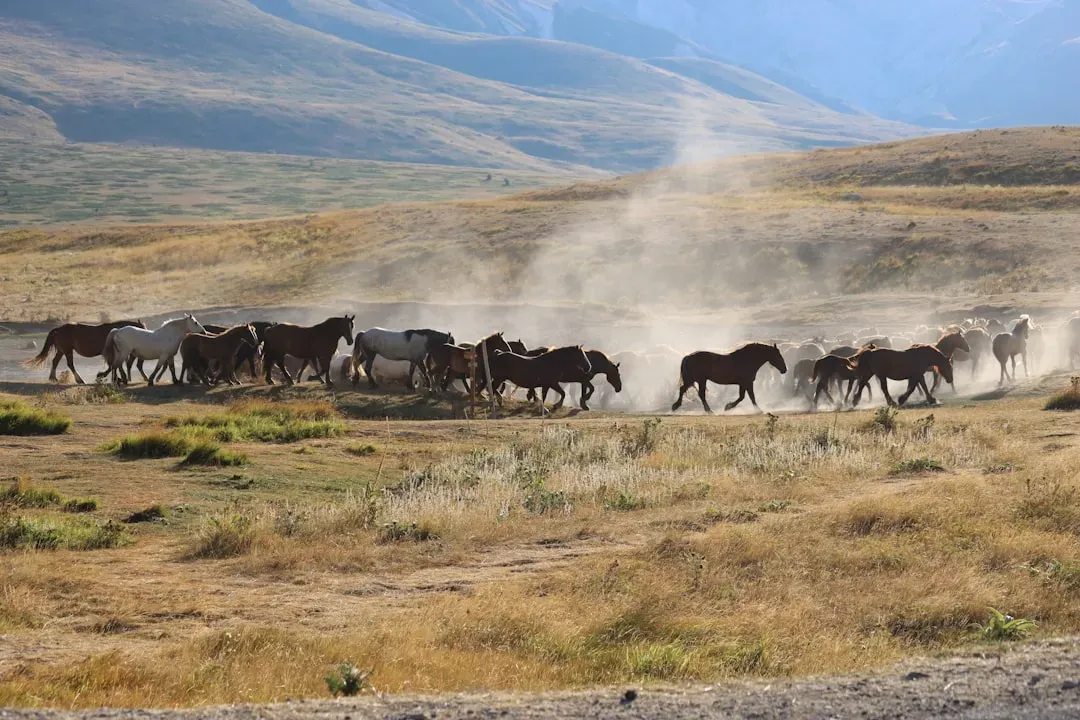
If you have ever watched a roundup video, you know how gut-wrenching it can be. Helicopters sweep across the landscape, pushing horses at a trot or gallop into temporary trap pens, where they are sorted, separated, and hauled away in trailers. The BLM argues that these gathers prevent starvation, protect water sources, and keep herds from exploding in size, especially since wild horse populations can double in roughly four to five years without some form of control. From that perspective, you are told that roundups are necessary triage on stressed, drought-prone rangelands already facing climate pressure.
What you might not see in those short clips is what happens after the trailers roll away. Most captured wild horses are shipped to short-term corrals and, if not adopted, to long-term pastures in the Midwest that you will likely never visit. Tens of thousands of animals now live in these government-funded facilities, eating hay year after year. You are paying for that through your taxes, and the bill is not small. Critics say the system is a treadmill: remove horses, fill holding pens, run out of space and money, then remove more horses to “fix” the same problem. You are left wondering whether constantly chasing numbers with helicopters is really the best your society can do.
Fertility Control: Humane Solution or Half Measure?
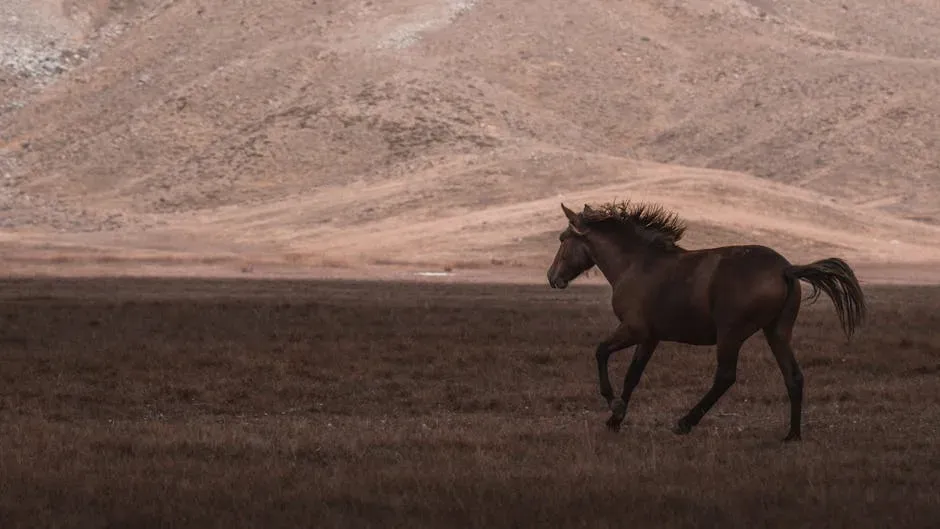
When you look for alternatives to roundups, fertility control quickly comes up as one of the most promising tools on the table. The basic idea is simple: instead of removing more and more horses, you slow the birth rate by treating mares with a contraceptive vaccine, often delivered via dart gun from the ground. Federal scientists and independent researchers have shown that certain vaccines can safely prevent pregnancy for a few years at a time, without altering a mare’s hormones in a way you would notice from a distance. On paper, this sounds like exactly what you want: fewer foals, smaller future herds, and less need for traumatic captures.
In practice, fertility control demands something that is hard to come by on vast western ranges: patience, organization, and sustained funding. To make a real dent in growth rates, you need to identify individual mares, keep track of who was treated when, and maintain a high level of coverage year after year. That means volunteers hiking and riding out regularly, agencies committing to multi-year plans, and Congress actually putting money behind the idea instead of treating it as a side experiment. You are seeing some progress, especially in places like Nevada and Colorado where state funds and nonprofits support large darting programs, but scaling that up across dozens of herds is still a work in progress. If you want a more humane future, fertility control is not a magic wand – but it may be your best quiet, long game.
Horses, Cattle, and the Politics of Public Land
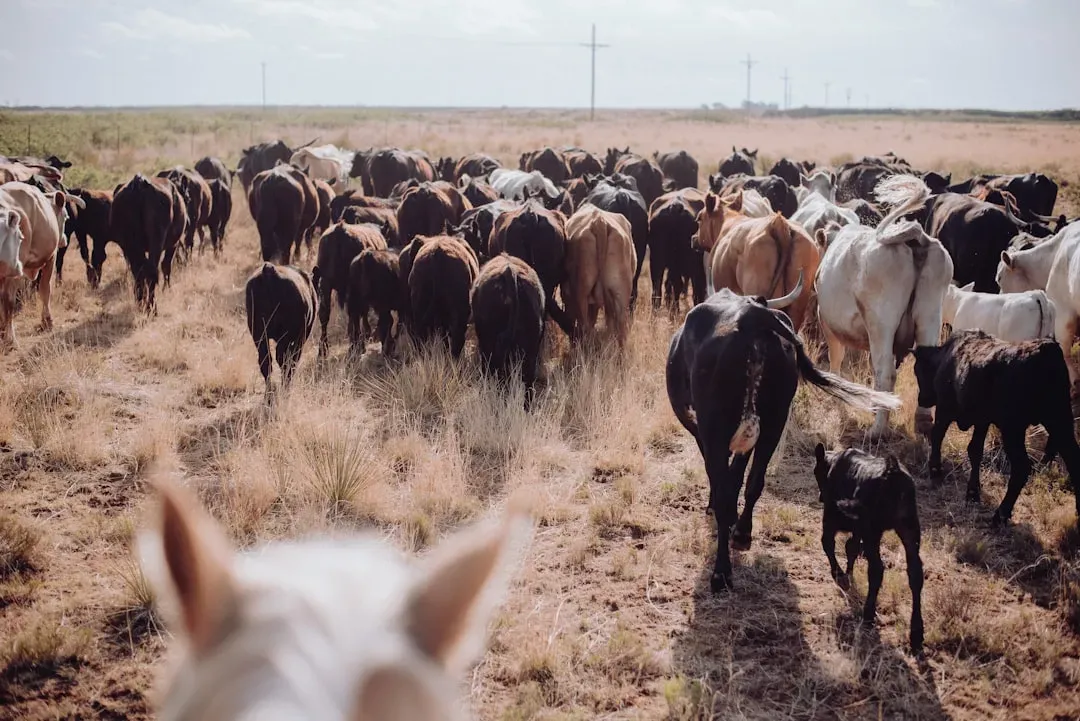
You cannot talk honestly about wild horses without bumping into the politics of who gets to use public land and for what. On many BLM herd areas, domestic cattle and sheep also graze under permits, and their numbers can dwarf the horse population. Ranching groups argue that their operations support rural economies and follow strict grazing plans, while wild horses, left unchecked, can strip vegetation and trample scarce springs. From that angle, you are encouraged to see horses as just one more pressure on an already fragile system, not as the central character in some romantic Western saga.
Advocates push you to flip that frame upside down. They point out that livestock grazing allocations are often set far higher than wild horse AMLs, and that when land health fails standards, horses are frequently blamed first even where cattle use is heavy. Some conservationists go further and say the real conflict is not horses versus cows, but short-term economic interests versus the long-term health of entire ecosystems. You are left to ask hard questions: are wild horses being scapegoated for broader land management failures? Is it fair to label horses an “invasive problem” while treating other uses as non-negotiable? There are no simple answers, but the way you choose to see that balance shapes how you feel about every roundup, every lawsuit, and every proposed reform.
What You Can Actually Do to Help Wild Horses
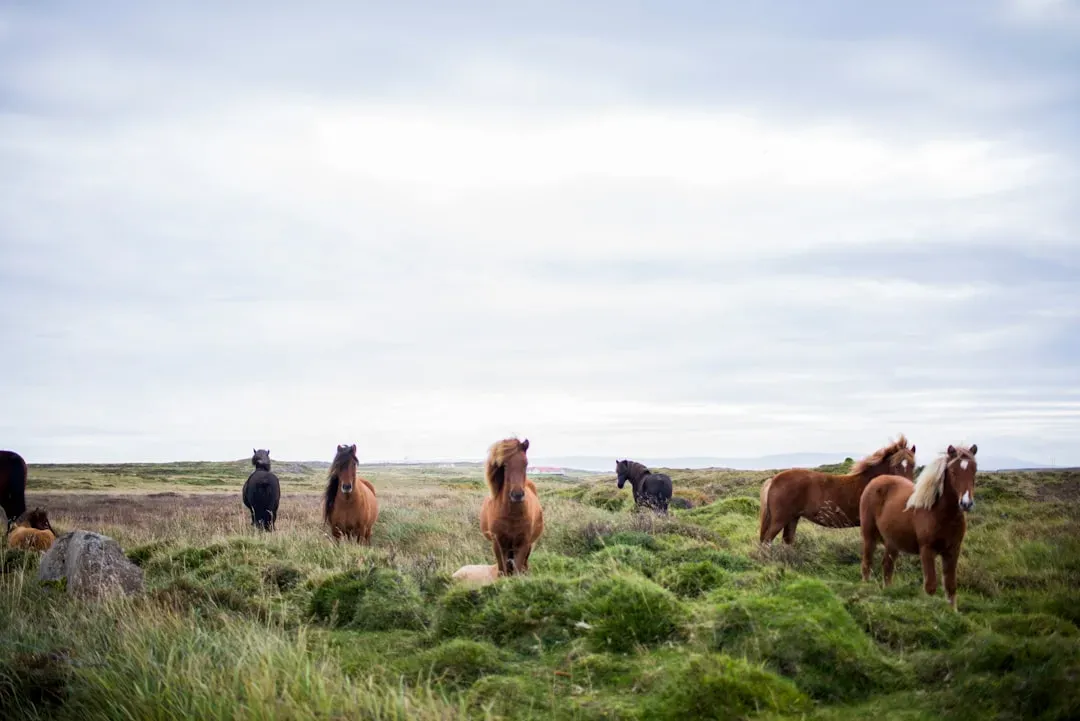
It is easy to feel overwhelmed when you first dive into this issue. There are acronyms, legal battles, and technical reports, and you might start to think that only lawyers or policy experts can make a difference. But you have more leverage than you realize. You can start small and close to home: learn which herds live in your state, follow local gather schedules, and pay attention when agencies open public comment periods on proposed roundups or long-term plans. Submitting a thoughtful comment – one that asks for more fertility control, better data, or specific welfare standards – puts your voice on the record in a process that otherwise tends to run quietly in the background.
If you want to go further, you have several tangible options. You can support organizations that monitor roundups, run fertility control programs, or lobby for stronger protections and science-based management. You can participate in field projects, whether that is photographing and identifying herd members or helping with humane darting efforts under trained supervision. If you have the means, you can even adopt or foster a wild horse or burro, freeing up space in holding facilities and giving one animal a life outside a government corral. None of these actions will solve everything by themselves, but together they move the system away from crisis and toward something more thoughtful – and they give you a stake in the outcome instead of just a front-row seat to the conflict.
Choosing a Future for an Iconic Species
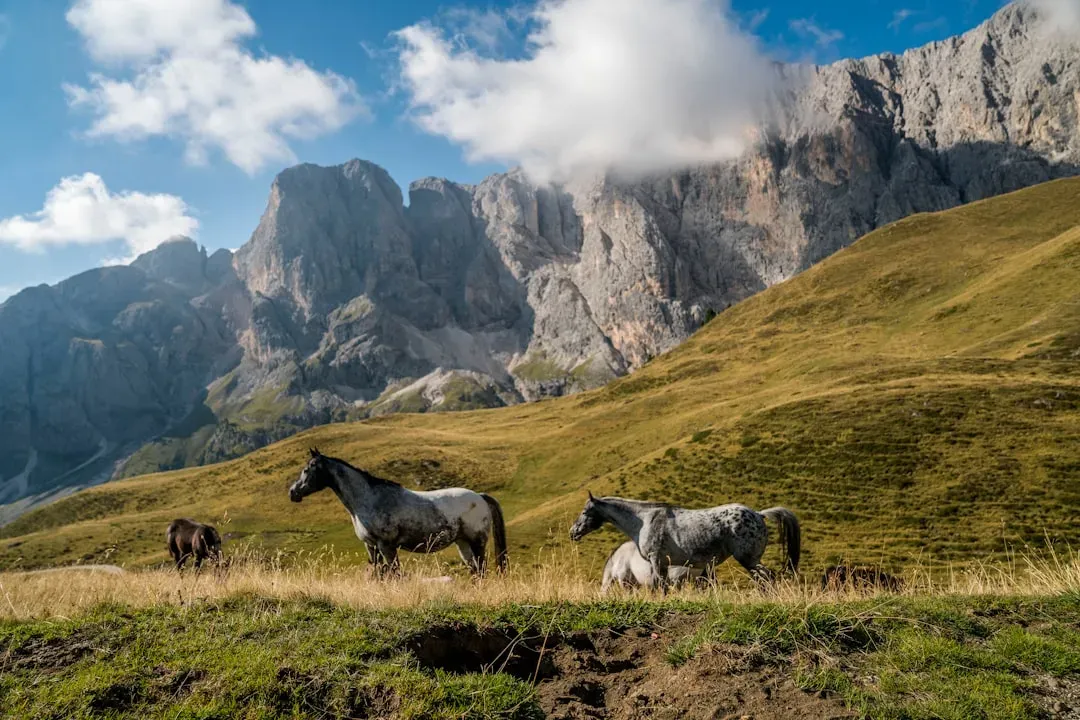
In the end, saving America’s wild horses is not just about counting animals or arguing over legal definitions; it is about deciding what kind of relationship you want with the wild parts of your country. These horses stand in for big questions you might otherwise avoid: how much room will you leave for nonhuman lives that do not neatly fit your plans, and what are you willing to sacrifice to keep that space open? Every roundup, every darted mare, every foal born or never conceived is a small expression of your collective answer. Whether you see wild horses as cherished symbols, ecological disruptors, or something in between, you cannot escape the fact that their fate is tied directly to human choices.
Right now, you still have time to shape that fate toward something better than endless conflict and emergency measures. You can insist on more transparent science, push for wider use of humane fertility control, demand higher welfare standards, and rethink how public lands are carved up among competing interests. Most of all, you can refuse to shrug and walk away just because the problem is messy. The next time you see a photo or video of mustangs running across a desert ridge, ask yourself: what kind of future do you want for them – and what small step are you willing to take to help make that future real?