Picture this: you’re holding a piece of ancient tree resin in your hands, and within its golden depths lies the perfectly preserved tail of a feathered dinosaur that lived 99 million years ago. This isn’t science fiction – it’s one of the most remarkable paleontological discoveries of our time. The specimen, smaller than your thumb, has revolutionized our understanding of dinosaur evolution and the origins of flight.
The Discovery That Changed Everything
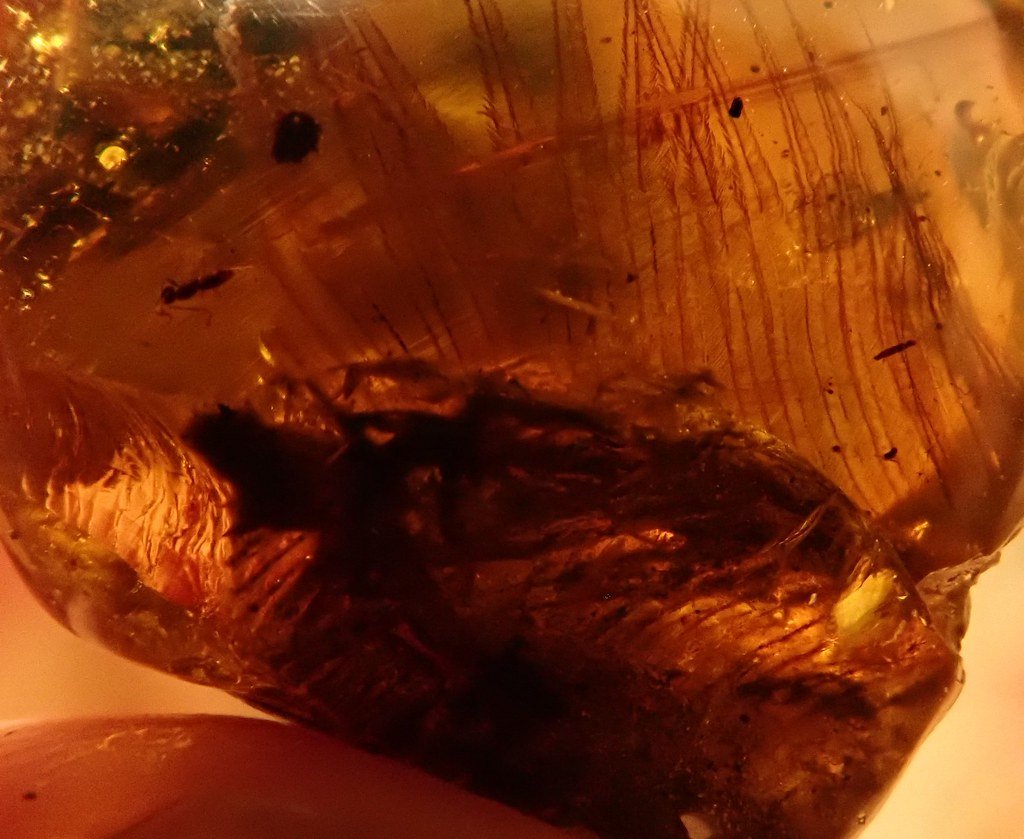
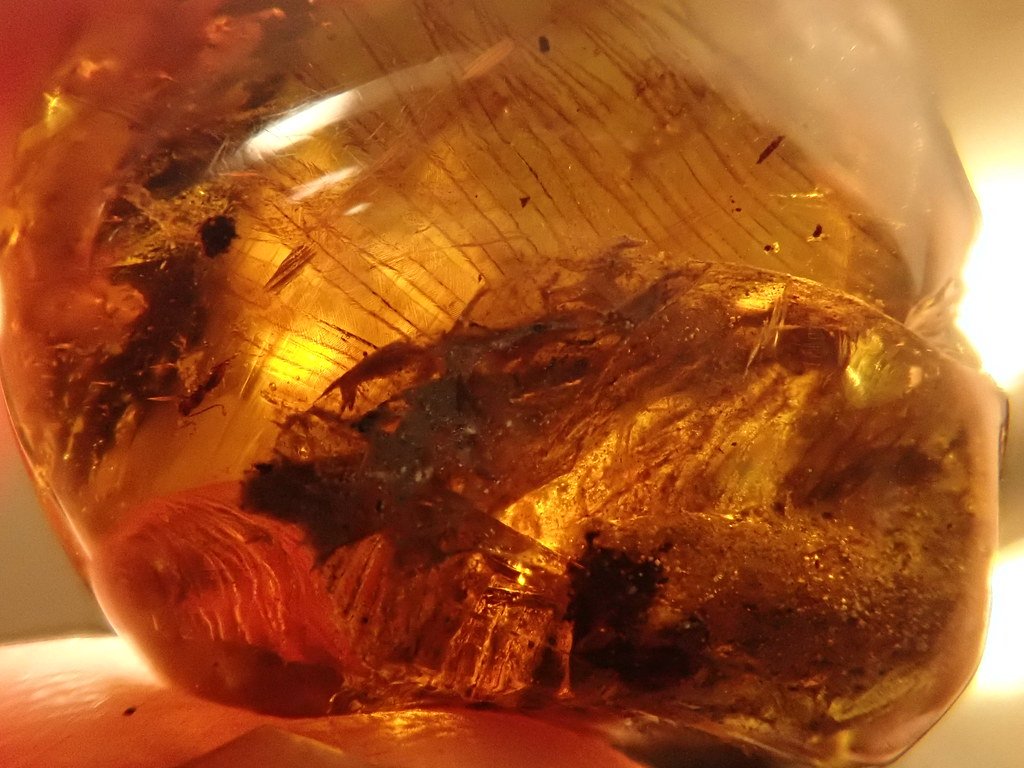
In 2016, paleontologist Lida Xing made headlines when he discovered what appeared to be an ordinary piece of amber at a market in Myanmar. But this wasn’t just any amber – trapped inside was the tail of a juvenile dinosaur, complete with feathers, bones, and soft tissue. The specimen, nicknamed “Eva,” represents the first time scientists have found dinosaur remains preserved in amber rather than rock.
The discovery sent shockwaves through the scientific community. Unlike traditional fossil preservation, amber acts like nature’s own time capsule, maintaining incredible detail that would be lost in stone. Eva’s tail measured just 36 millimeters long, but it contained enough information to rewrite textbooks about dinosaur feathers and their evolution.
A Window Into the Cretaceous World
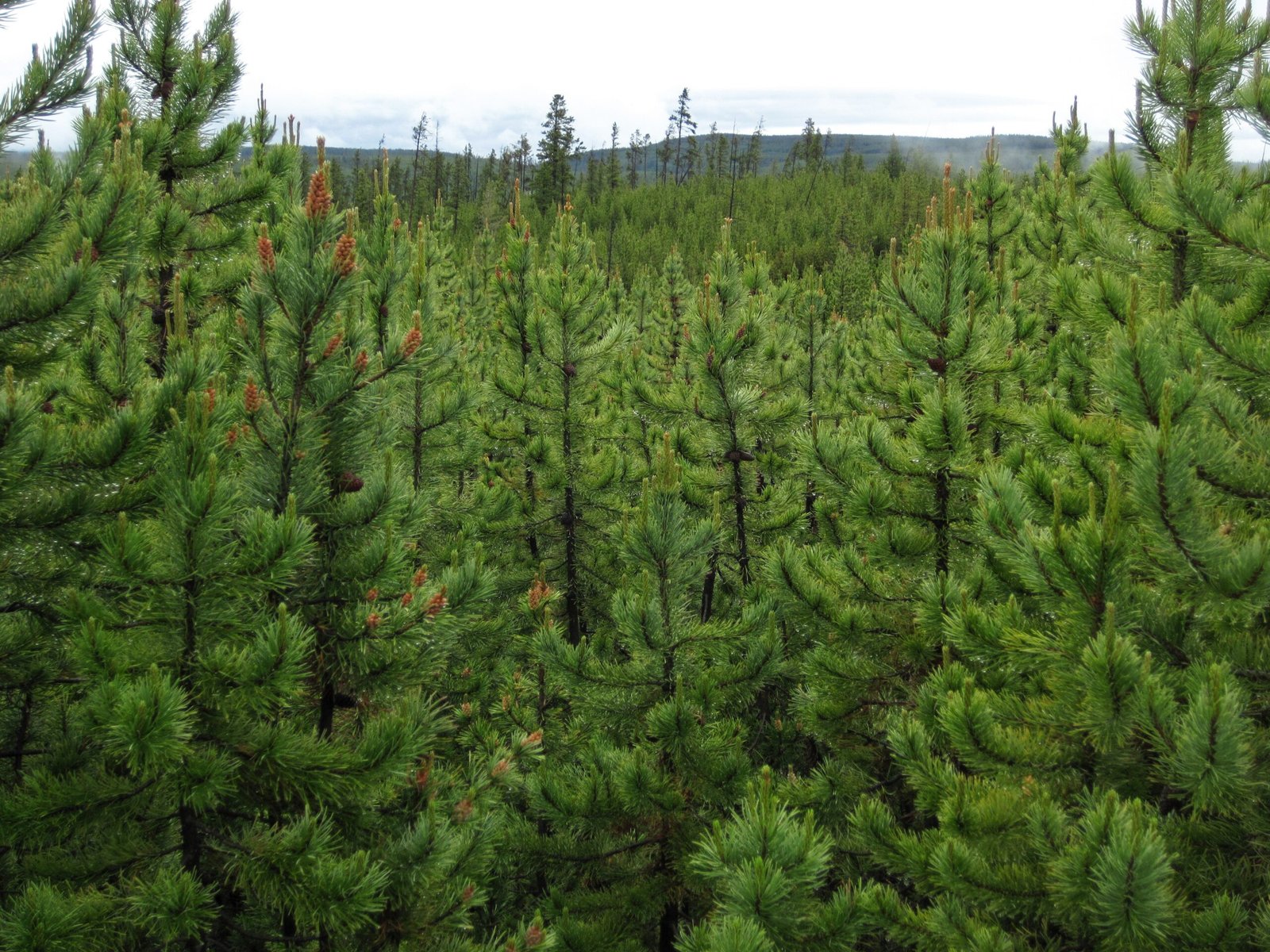
The amber containing Eva’s tail originated from northern Myanmar, a region that was part of a tropical forest ecosystem during the mid-Cretaceous period. This ancient world was dramatically different from today – atmospheric oxygen levels were higher, temperatures were warmer, and flowering plants were just beginning to diversify. The amber formed when coniferous trees secreted resin to protect themselves from insects and injury.
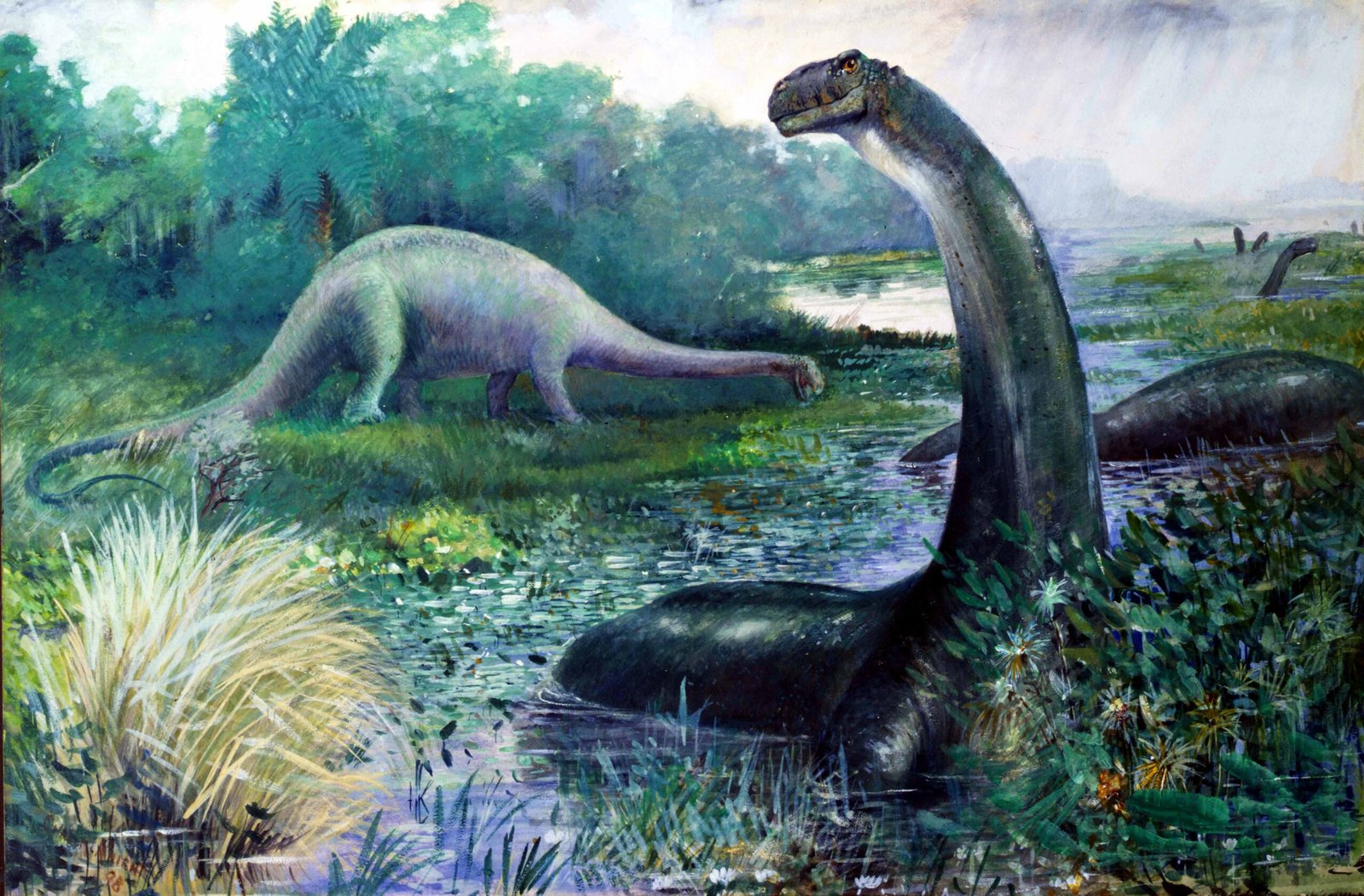
Within this prehistoric forest, small feathered dinosaurs scurried through the undergrowth. Eva likely lived in a world where massive sauropods stomped overhead while early birds took their first tentative flights. The amber preserves not just the dinosaur tail, but also tiny insects, plant fragments, and even microscopic organisms that shared this ancient ecosystem.
The Feathered Tail That Defied Expectations

Eva’s tail feathers were unlike anything scientists had seen before. Instead of the rigid, flight-capable feathers found on modern birds, these structures were soft and fluffy, more like down than flight feathers. The feathers showed a chestnut brown color on top with a pale white underside – the first time scientists could determine the actual color of dinosaur feathers.
The tail contained 14 vertebrae, each perfectly preserved with surrounding muscle tissue and skin. Most remarkably, the feathers weren’t just superficial coverings – they were deeply integrated into the skin, suggesting they played important roles in temperature regulation and possibly display. This discovery proved that feathers evolved for purposes other than flight, supporting theories about their original function as insulation.
Microscopic Marvels Frozen in Time

Advanced imaging techniques revealed incredible details within Eva’s amber tomb. Scientists could see individual blood vessels, nerve tissue, and even collagen fibers that had been preserved for nearly 100 million years. The cellular structure of the feathers remained intact, allowing researchers to study how dinosaur feathers differed from modern bird feathers at the molecular level.
The preservation was so complete that scientists could identify melanosomes – the cellular structures responsible for producing pigment. These microscopic organelles confirmed the chestnut and white coloration and provided insights into how dinosaurs might have used color for camouflage or communication. It’s like having a high-definition photograph of a creature that lived when the continents were still shifting into their current positions.
The Identity of the Mysterious Dinosaur
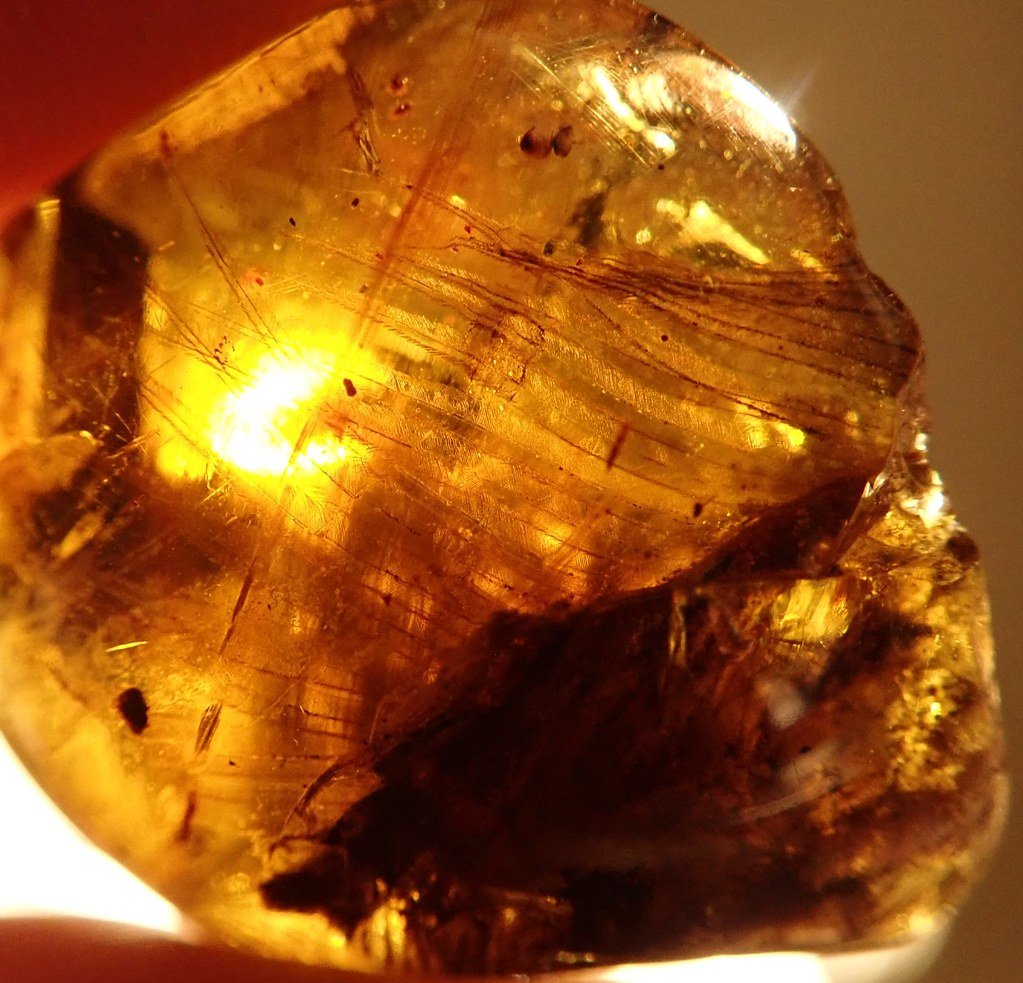
Based on the tail’s characteristics, scientists determined that Eva belonged to a group of small theropod dinosaurs called coelurosaurians. These were the ancestors of modern birds, and Eva’s specimen represents a juvenile that would have been about the size of a sparrow when fully grown. The creature likely lived a ground-dwelling lifestyle, using its feathered tail for balance and temperature regulation.
The dinosaur’s exact species remains a mystery, but researchers believe it was closely related to other feathered dinosaurs found in China and Mongolia. What makes Eva special isn’t just her preservation – it’s that she represents a transitional form between non-avian dinosaurs and early birds. Her feathers show characteristics of both primitive dinosaur coverings and more advanced bird-like structures.
Revolutionary Preservation in Ancient Resin
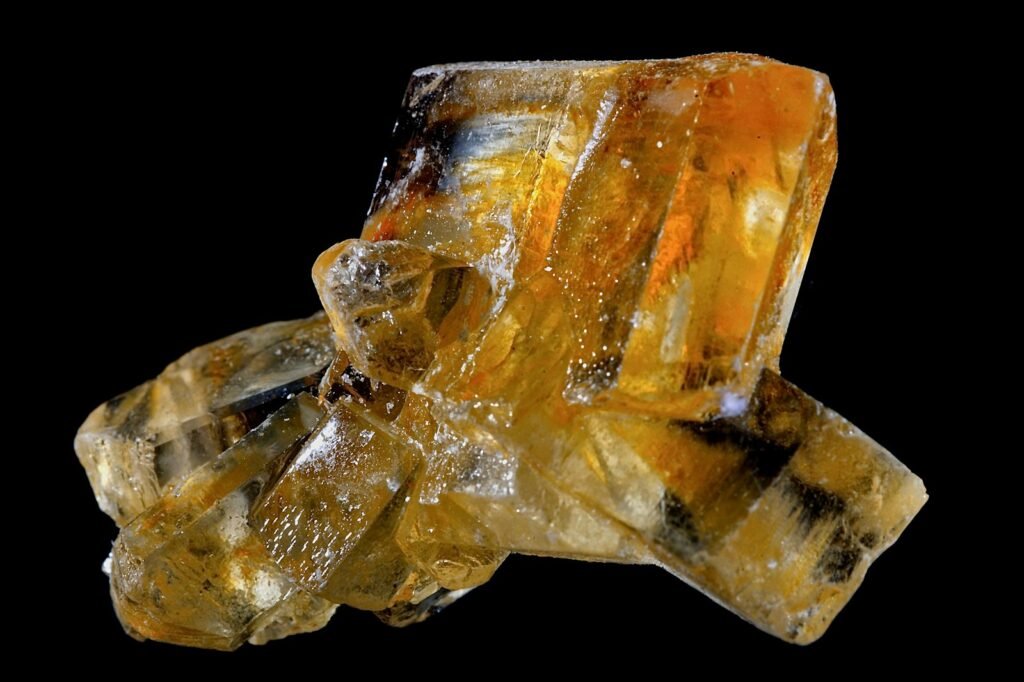
Amber preservation differs fundamentally from traditional fossilization. While most fossils form when minerals replace organic material over millions of years, amber traps organisms in a protective resin cocoon that prevents decay. This process can preserve soft tissues, colors, and even DNA fragments that would be destroyed during normal fossilization.
The Myanmar amber that contains Eva formed in a tropical forest environment where resin-producing trees were abundant. When the juvenile dinosaur became trapped in the sticky resin, it was quickly encased and protected from bacteria and other decay processes. Over millions of years, the resin hardened into amber, creating a perfect time capsule that maintained even the most delicate structures.
Scientific Techniques That Unlocked Ancient Secrets
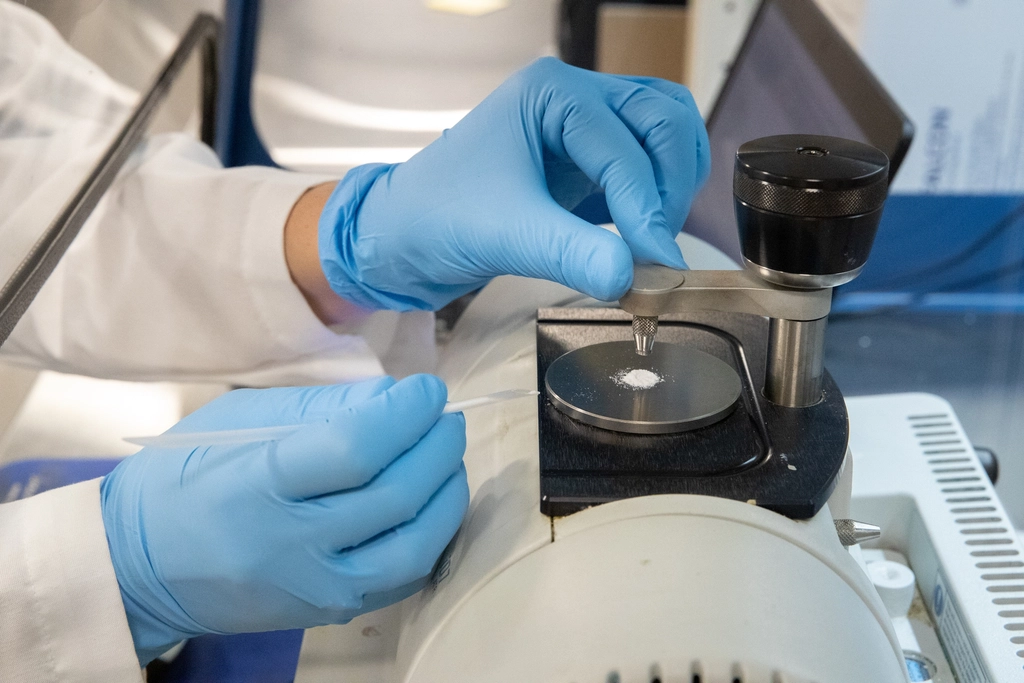
Studying Eva required cutting-edge technology that would have been impossible just decades ago. Scientists used high-resolution CT scanning to create detailed 3D models of the tail without damaging the amber. Scanning electron microscopy revealed cellular structures, while chemical analysis identified original organic compounds that had survived the fossilization process.
Perhaps most importantly, researchers used synchrotron radiation – an incredibly powerful X-ray source – to map the distribution of different elements within the specimen. This technique revealed the presence of iron in the feathers, indicating that blood vessels had been preserved intact. The combination of these technologies allowed scientists to study Eva with unprecedented detail and accuracy.
Colors That Time Forgot
One of the most exciting aspects of Eva’s discovery was the preservation of original color. For the first time, scientists could see the actual pigmentation of a dinosaur rather than making educated guesses based on fossilized melanosomes. The chestnut brown and white pattern suggests that even small dinosaurs used color for camouflage or species recognition.
The color preservation also provided insights into dinosaur behavior and ecology. The darker coloration on the tail’s upper surface and lighter underside is a common pattern in modern animals called countershading, which helps break up the animal’s silhouette and provides camouflage from predators. This suggests that Eva’s species faced predation pressure and had evolved sophisticated survival strategies.
The Evolutionary Significance of Primitive Feathers

Eva’s feathers represent a crucial stage in the evolution of these complex structures. Unlike modern bird feathers, which have a central shaft (rachis) with branching barbs, Eva’s feathers were simpler structures that resembled modern down feathers. This discovery supports the theory that feathers evolved gradually, starting as simple filaments before developing into the complex flight structures we see today.
The feathers also showed evidence of being molted and replaced, just like modern birds. This suggests that even primitive feathered dinosaurs had sophisticated physiological processes for maintaining their plumage. The discovery challenges previous assumptions about when and how feathers evolved, pushing back the timeline for these important evolutionary innovations.
Life in the Cretaceous Forest

The amber containing Eva provides a snapshot of an entire ecosystem frozen in time. Along with the dinosaur tail, the amber contains ants, beetles, spiders, and plant fragments that lived alongside Eva in the Cretaceous forest. This ecological context helps scientists understand how feathered dinosaurs fit into their ancient environment.
The forest was dominated by conifers and ferns, with early flowering plants just beginning to diversify. Small dinosaurs like Eva likely fed on insects, small vertebrates, and possibly plant material. The dense forest canopy would have provided numerous hiding spots for these diminutive creatures, while the abundance of resin-producing trees created the perfect conditions for exceptional preservation.
Implications for Understanding Early Birds
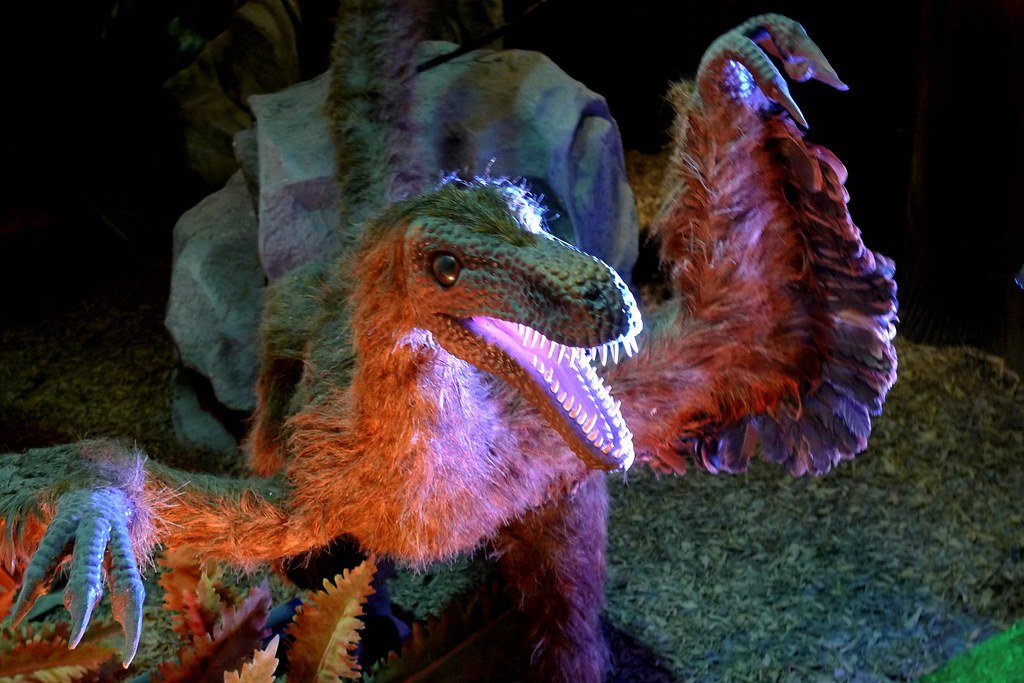
Eva’s discovery has profound implications for understanding the dinosaur-bird transition. Her feathers show characteristics that bridge the gap between simple dinosaur coverings and the complex flight feathers of birds. This evidence supports the theory that flight evolved gradually, with feathers first serving other functions before being co-opted for aerial locomotion.
The preservation of soft tissues also provides new insights into dinosaur physiology. The presence of blood vessels and nerve tissue suggests that feathered dinosaurs had complex sensory systems and sophisticated temperature regulation. These findings support the idea that at least some dinosaurs were warm-blooded, contradicting earlier theories about dinosaur metabolism.
The Myanmar Amber Deposits
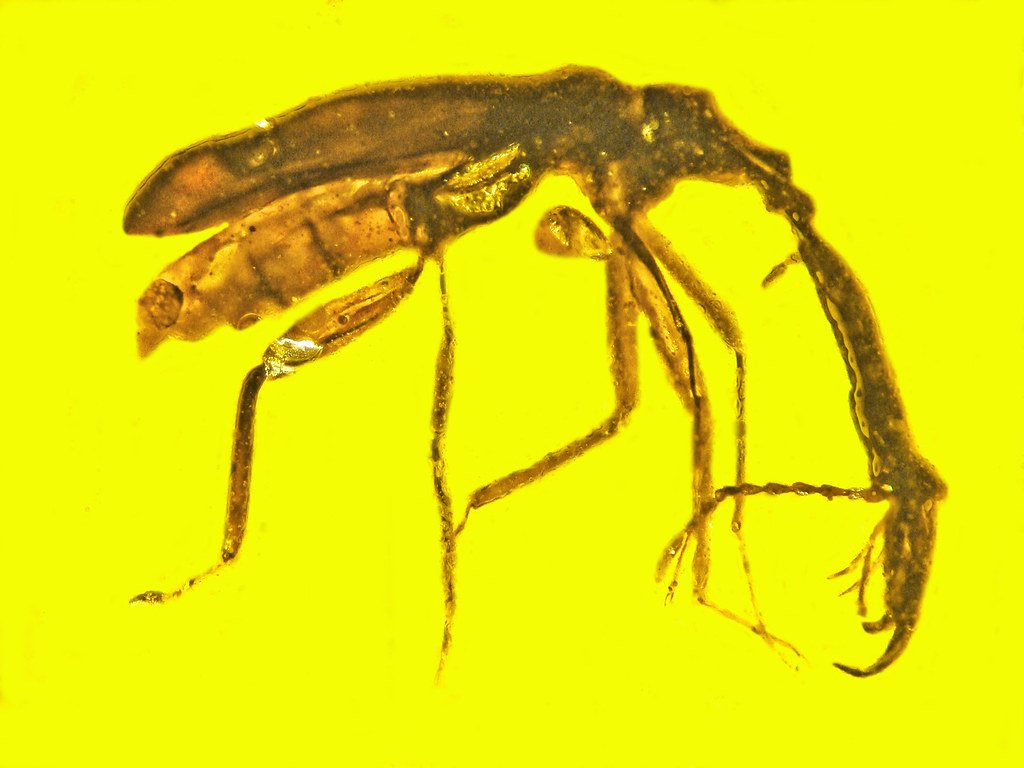
The amber deposits of Myanmar have become one of the most important sources of Cretaceous fossils in the world. These deposits, known as burmite, formed approximately 99 million years ago during a period of intense volcanic activity and climate change. The amber provides a unique window into a critical period in Earth’s history when many modern animal groups were evolving.
Mining operations in Myanmar have yielded thousands of amber specimens containing everything from insects and spiders to small vertebrates. However, the political situation in the region has made scientific access challenging, highlighting the importance of international cooperation in paleontological research. Eva’s discovery has spurred increased interest in these deposits and their potential for future discoveries.
Technological Advances in Amber Paleontology
The study of amber fossils has been revolutionized by advances in imaging and analytical techniques. Modern CT scanners can resolve details smaller than a human hair, while electron microscopy reveals cellular structures that were invisible to earlier researchers. These technological advances have made it possible to study amber fossils non-destructively, preserving specimens for future research.
Artificial intelligence and machine learning are also being applied to amber paleontology. Computer algorithms can now identify and classify amber inclusions automatically, speeding up the discovery process. These technologies are particularly valuable for studying large collections of amber specimens, where manual examination would be time-consuming and potentially subjective.
Global Impact on Dinosaur Research
Eva’s discovery has influenced dinosaur research worldwide, inspiring new approaches to studying feathered dinosaurs and their evolution. Museums and research institutions have begun investing more heavily in amber paleontology, recognizing its potential for exceptional preservation and scientific discovery. The find has also sparked public interest in dinosaur research, demonstrating the power of exceptional fossils to capture imaginations.
International collaborations have increased as researchers recognize the importance of sharing expertise and resources. The study of Eva involved scientists from multiple countries, combining different specialties and technological capabilities. This collaborative approach has become a model for studying other exceptional amber specimens and has accelerated the pace of discovery in the field.
Conservation Concerns and Ethical Considerations

The discovery of Eva has raised important questions about the conservation of amber deposits and the ethics of fossil collection. Many scientifically valuable amber specimens come from regions with complex political situations, making it difficult to ensure that discoveries are properly studied and preserved. The Myanmar amber deposits, in particular, have been affected by ongoing conflicts that limit scientific access.
There are also concerns about the commercial trade in amber fossils, which can lead to important scientific specimens being lost to private collectors. The scientific community has called for better regulation of amber mining and trade to ensure that significant discoveries like Eva are available for research. These discussions highlight the need for international cooperation in protecting paleontological resources.
Future Discoveries and Research Directions

Eva’s discovery has opened new avenues for research into feathered dinosaurs and their evolution. Scientists are now actively searching for more amber specimens containing dinosaur remains, hoping to find additional examples of soft tissue preservation. Advanced techniques for extracting and analyzing ancient DNA may eventually allow researchers to study the genetic makeup of these ancient creatures.
The success of Eva’s study has also inspired researchers to look for similar preservation in other amber deposits around the world. Amber from different geological periods and geographic regions may contain fossils that provide insights into other aspects of dinosaur evolution. The combination of exceptional preservation and advanced analytical techniques promises to revolutionize our understanding of these ancient creatures.
The Broader Implications for Life on Earth
Beyond its specific contributions to dinosaur paleontology, Eva’s discovery has broader implications for understanding life on Earth. The exceptional preservation demonstrates that soft tissues and complex organic molecules can survive for much longer than previously thought. This finding has implications for astrobiology and the search for life on other planets, suggesting that biosignatures might persist in unexpected ways.
The discovery also highlights the importance of exceptional preservation in understanding evolutionary processes. While traditional fossils provide valuable information about hard tissues and basic anatomy, specimens like Eva reveal the complex soft tissue structures that drove evolutionary change. This level of detail is essential for understanding how major evolutionary innovations, like feathers and flight, actually evolved.
A Legacy Written in Amber
Eva’s tiny tail has left an enormous impact on our understanding of dinosaur evolution and the origins of birds. The specimen demonstrates that even the smallest fossils can contain revolutionary information about life’s history. From her chestnut-colored feathers to her perfectly preserved blood vessels, Eva has shown us that the boundary between dinosaurs and birds was far more complex than previously imagined.
The discovery reminds us that paleontology is still a field of active discovery, where new findings can fundamentally change our understanding of the past. Eva’s amber tomb has preserved not just a single dinosaur tail, but an entire moment in Earth’s history – a snapshot of life in an ancient forest where feathered dinosaurs were taking their first steps toward becoming the birds that surround us today.
As we continue to study Eva and search for similar specimens, we’re reminded that the past is never truly gone – sometimes it’s just waiting to be discovered in a piece of golden amber. What other secrets might be hidden in these ancient time capsules, and what will they teach us about the incredible diversity of life that has existed on our planet?