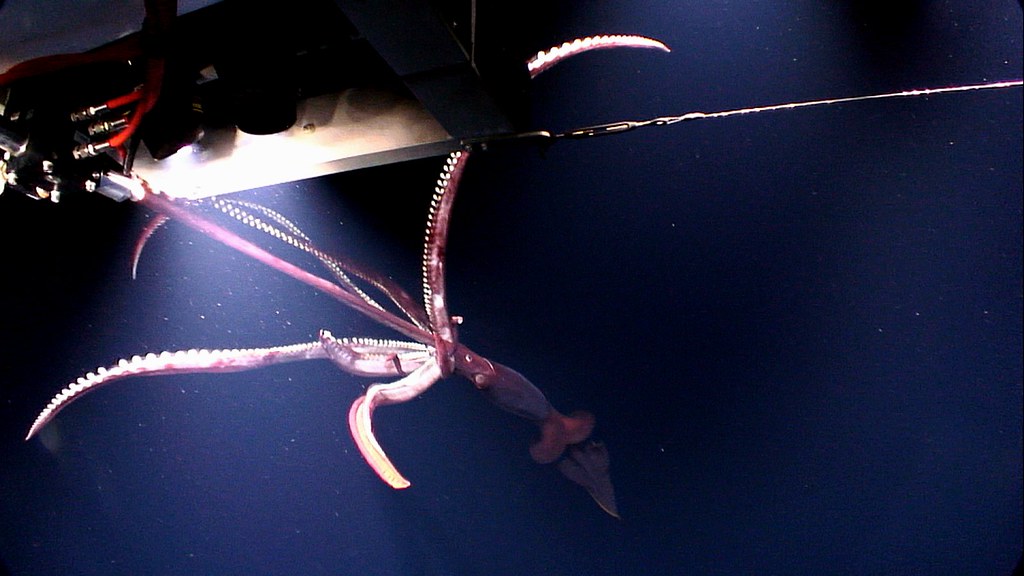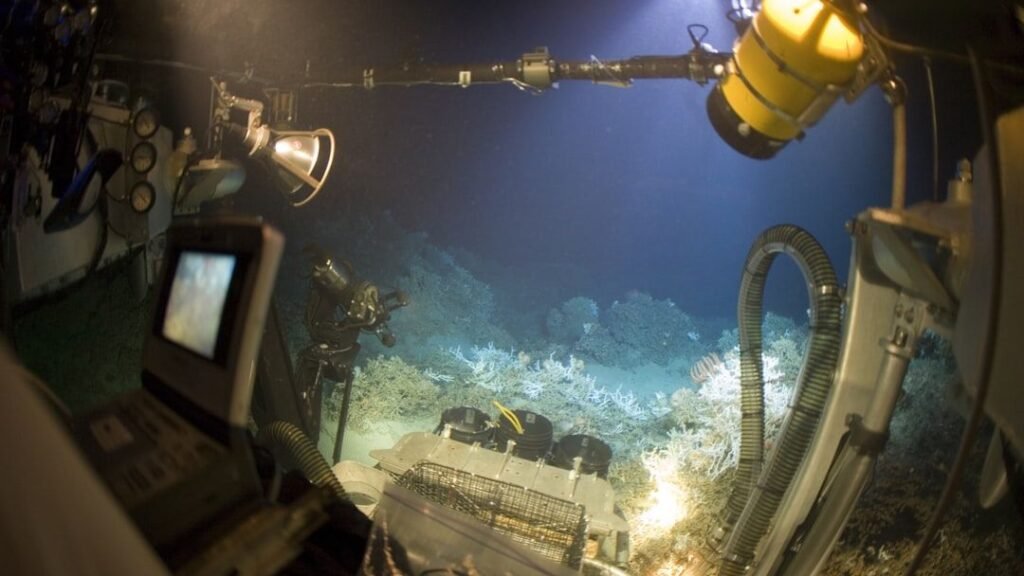
You live your whole life on the skin of the planet, but almost everything below a few hundred meters is still a mystery. The deep ocean is not just a dark, empty space; it is more like a locked archive stacked with chapters of Earth’s story you have not read yet. Every time a submersible dives into those black waters, you are essentially turning a new page in a book that keeps surprising you.
When you think about history, you probably picture dusty libraries, ruins in the desert, or ancient temples in jungles. Yet much of human and planetary history likely rests under thousands of meters of water, beyond the reach of sunlight. As new tools let you see into those depths, long-held assumptions about where humans traveled, how civilizations traded, and how Earth itself evolved start to wobble. The ocean is not just part of the story; it may be where some of the most important missing pieces are hiding.
The Deep Sea Is Earth’s Largest, Least Known Archive
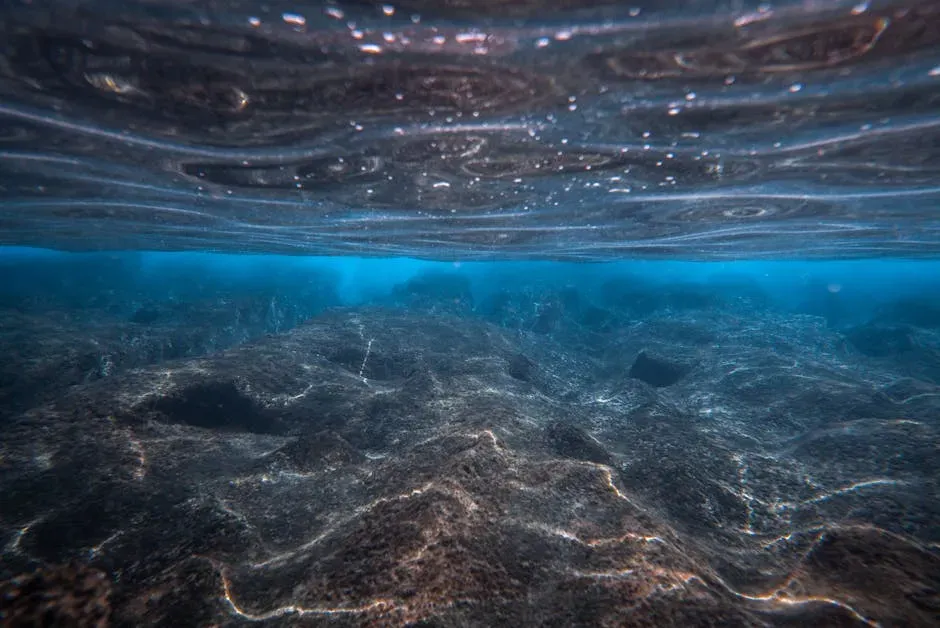
You might be surprised to realize that most of your planet is deep ocean, not land. Once you pass about two hundred meters, sunlight fades, and beyond one thousand meters you enter a realm of permanent night that covers most of Earth’s surface. Down there, sediment drifts slowly from above, layering the seafloor like pages in a time-lapse diary, preserving traces of past climates, ancient organisms, and even microscopic pollution from different eras.
When you drill into those deep-sea sediments, you are effectively traveling back in time. Tiny shells from microorganisms, grains of dust blown from distant continents, even the chemical fingerprints locked in mud can reveal whether the planet was warmer or colder, stormier or calmer. In some cores, you can read a near-continuous record stretching back millions of years. That means the deep ocean already holds a huge part of Earth’s climate and ecological history; you just have to learn how to interpret it.
Sunken Cities And Lost Coastlines Challenge Your Idea Of Civilization
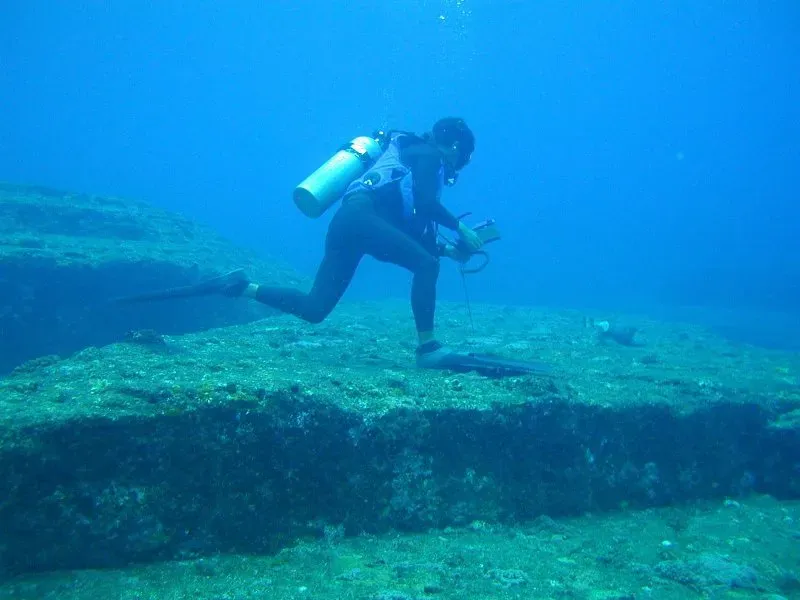
You tend to picture ancient cities on dry land, but many of the earliest human settlements clung to shorelines that no longer exist. During the last ice age, enormous volumes of water were trapped in ice sheets, and sea levels were much lower. As the ice melted, the ocean rose and swallowed entire coastal landscapes. Today, those drowned plains, river valleys, and possible settlements lie hidden under tens of meters of water just off modern coasts.
When you map the seafloor with sonar near shorelines, you often see the ghosts of those older worlds: submerged river channels, ancient dunes, and sometimes structures that suggest human activity. You can easily imagine how many stories about early migrations, trade routes, and cultural exchanges are still buried under coastal seas. As better underwater archaeology tools develop, you may find that the timeline and map of human civilization shift in ways that feel almost unsettling, forcing you to accept that your current view is only a partial snapshot.
Shipwrecks On The Abyssal Plains Rewrite Trade And Conflict Narratives
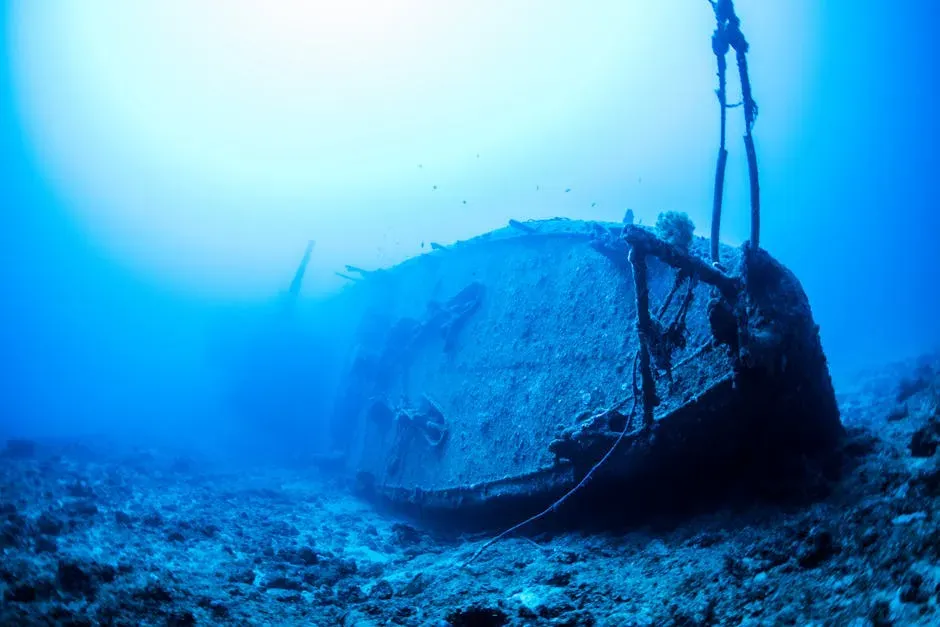
Every ship that sank in deep water became a time capsule, sealed by cold, darkness, and high pressure. When you explore shipwrecks on the abyssal plains or along steep continental slopes, you often find cargo, tools, coins, and even personal items that tell you what people were moving, valuing, and fighting over. Deep wrecks are usually far better preserved than those in shallow water, because wood-eating organisms and storms are less active in the deep.
As deep-diving robots get better, you are starting to find wrecks that push back your understanding of ancient trade networks. A single ship carrying unexpected cargo in an odd location can force you to rethink where people sailed, who they traded with, and how globalized certain eras truly were. These discoveries do more than fill in small gaps; they can overturn the idea that distant civilizations were isolated. The deep ocean, in this way, acts like a hidden archive of human ambition, risk, and conflict.
Fossil Graveyards In The Depths Reveal Lost Worlds
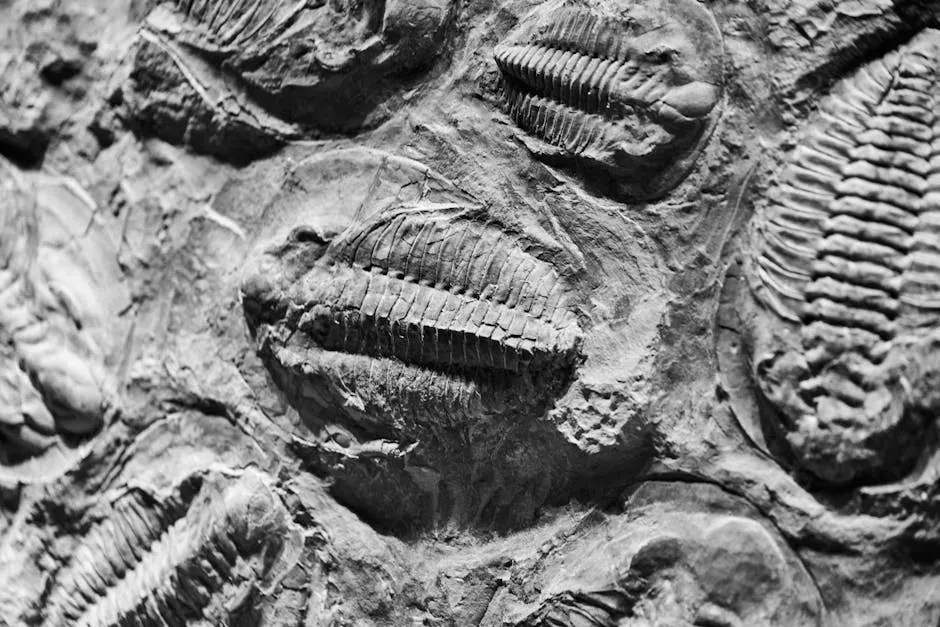
You might think of fossils as something you dig from desert rocks, but the deep ocean is full of its own graveyards. On certain seamounts and slopes, skeletons of ancient whales, corals, and other creatures accumulate, sometimes preserved for astonishingly long periods. These remains help you reconstruct ecosystems that no longer exist, showing you species combinations and food webs that would otherwise be completely forgotten.
In some regions, coral mounds and sediment layers document shifts in ocean temperature, acidity, and currents over tens of thousands of years. As you study them, you start to see that the ocean has swung between very different states, some of which were much warmer or more acidic than today. This kind of evidence can subtly rewrite your assumptions about what is “normal” for Earth and how fast life can adapt or collapse. It reminds you that the current moment is just one chapter in a much longer story that the deep ocean has quietly recorded.
Ancient DNA And Microbial Life Offer A Genetic Time Machine
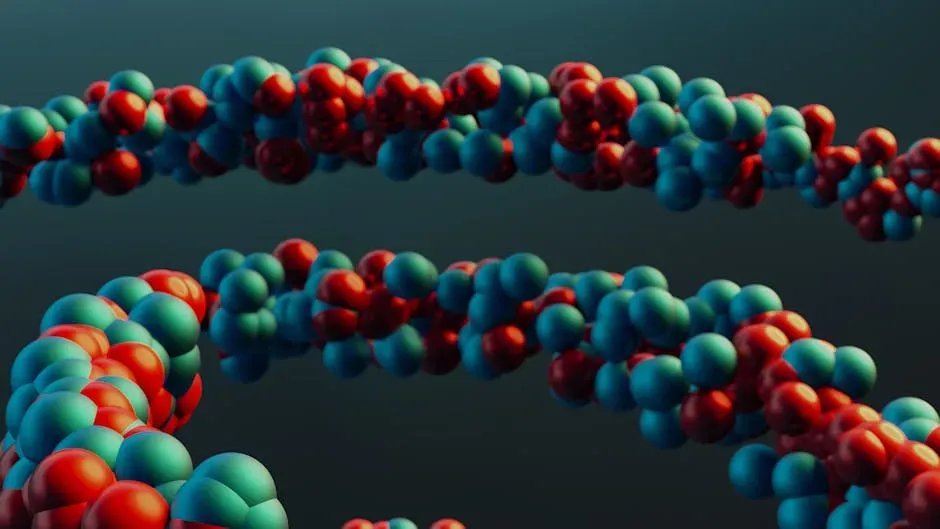
In the deep ocean, you are not just finding bones and mud; you are finding genetic clues. Tiny fragments of DNA from long-dead organisms can persist in cold, low-oxygen sediments. When scientists recover and analyze this material, it allows you to glimpse what kinds of plants, animals, and microbes once lived in waters that now look completely different. It is like discovering the faded notes of past ecosystems written in a microscopic script.
You also encounter living microbes that have adapted to crushing pressure and permanent darkness in ways you would never see on land. Some of these organisms feed on chemicals rather than sunlight, using energy sources that seem almost alien. Studying their genes could force you to broaden your definition of what life can be and where it can thrive. That shift does not just affect biology textbooks; it shapes how you think about life elsewhere in the universe and about the resilience of life during extreme events in Earth’s past.
Submarine Canyons And Deep Currents Redraw The Map Of Ancient Climate
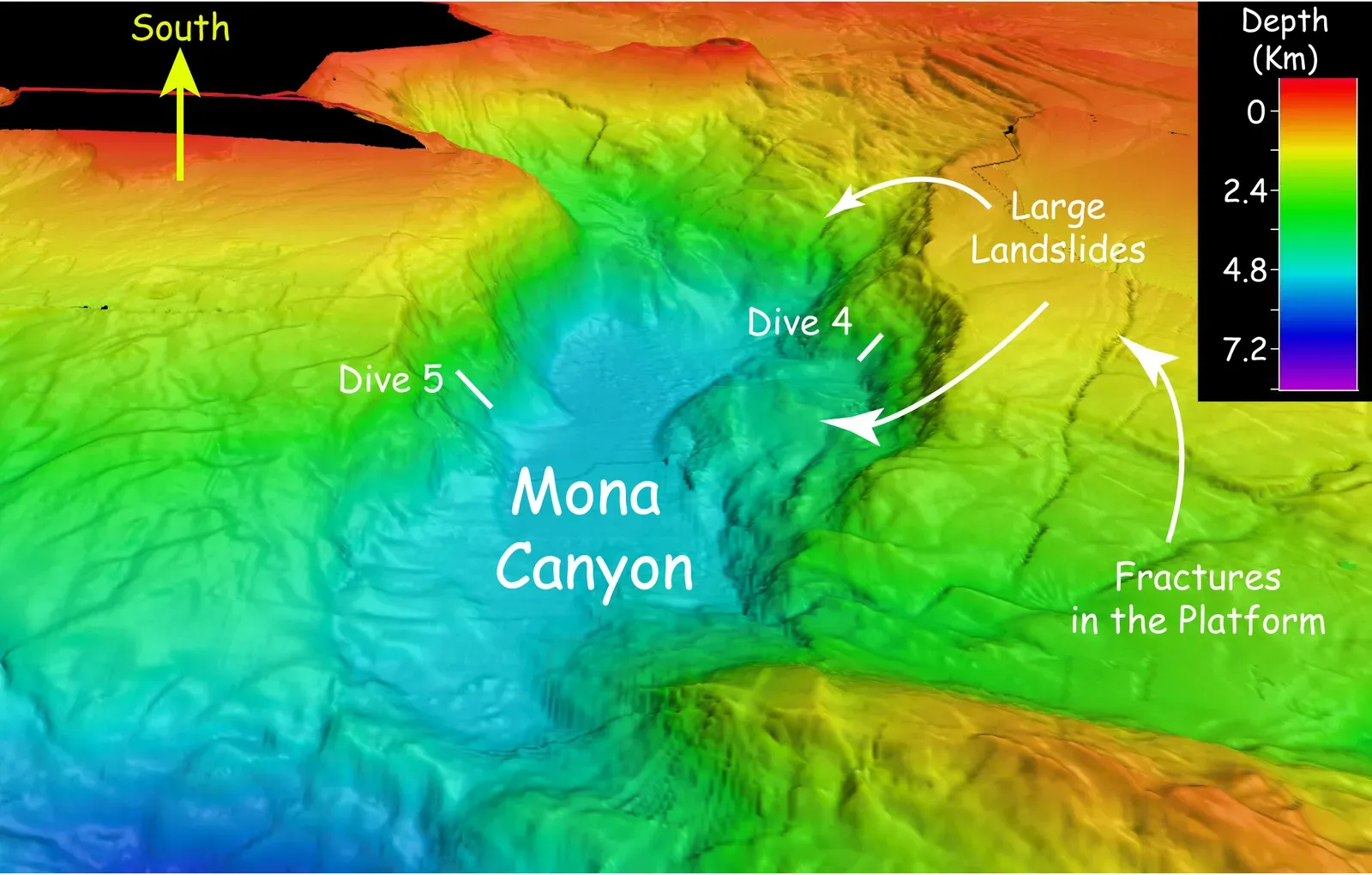
When you picture the seafloor, you might imagine a flat plain, but in reality it is carved by enormous canyons, ridges, and basins. Submarine canyons funnel sediment from the continents into the deep ocean, carrying with them pollen, plant debris, and chemical traces of what was happening on land. When you sample these deposits, you can reconstruct ancient rainfall, vegetation, and even wildfire patterns far from where the material originally fell.
Deep ocean currents also act like a hidden conveyor belt that redistributes heat around the planet. By examining chemical clues in deep-sea sediments and fossil shells, you can trace how these currents shifted over time. Those shifts are linked to dramatic climate events, such as abrupt warming or cooling episodes that affected human societies and ecosystems. When you connect these deep-ocean records with what you know from ice cores and land sediments, your picture of past climate becomes more three-dimensional, sometimes revealing rapid changes you did not realize were possible.
Hydrothermal Vents Challenge Your Story Of How Life Began
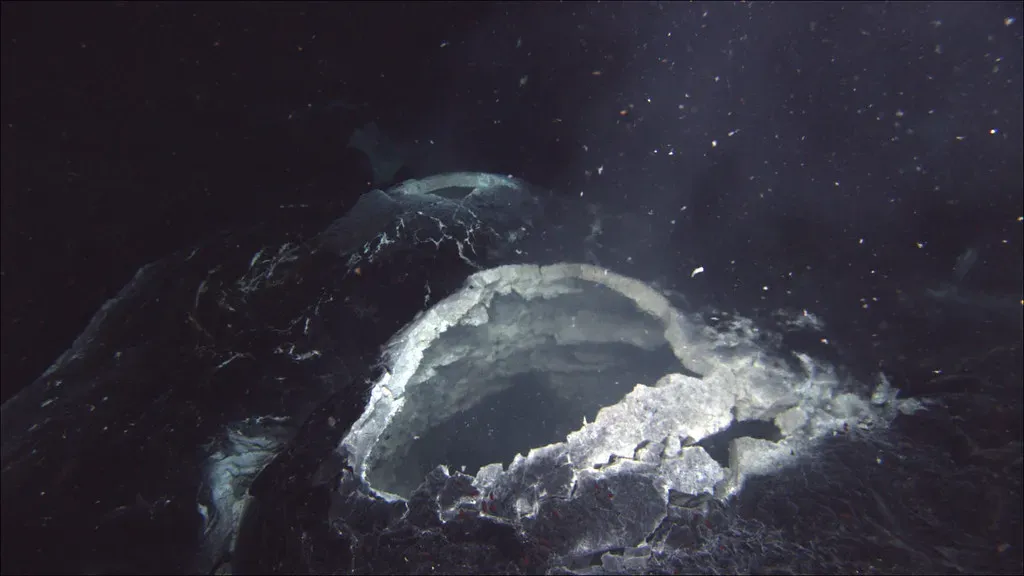
Deep on the mid-ocean ridges and in certain back-arc basins, you find hydrothermal vents spewing hot, mineral-rich fluids into icy seawater. Around these vents, entire ecosystems flourish in total darkness, powered by chemical energy instead of sunlight. When you see giant tube worms, strange crabs, and dense microbial mats thriving in such extreme conditions, it forces you to question your long-held belief that sunlight is the foundation of all complex life on Earth.
These vent systems are more than just oddities; some researchers see them as plausible environments for the origin of life. The combination of heat, minerals, and physical structures in vents could have provided the right conditions for simple molecules to organize into more complex, self-replicating systems. As you study modern vent communities and the chemistry that sustains them, you may find that your narrative about life beginning in shallow, sunlit pools gives way to a deeper, darker origin story on the seafloor. That possibility does not just tweak history; it rewrites the very first chapter.
What Deep-Sea Mining And Exploration Mean For Your Future History
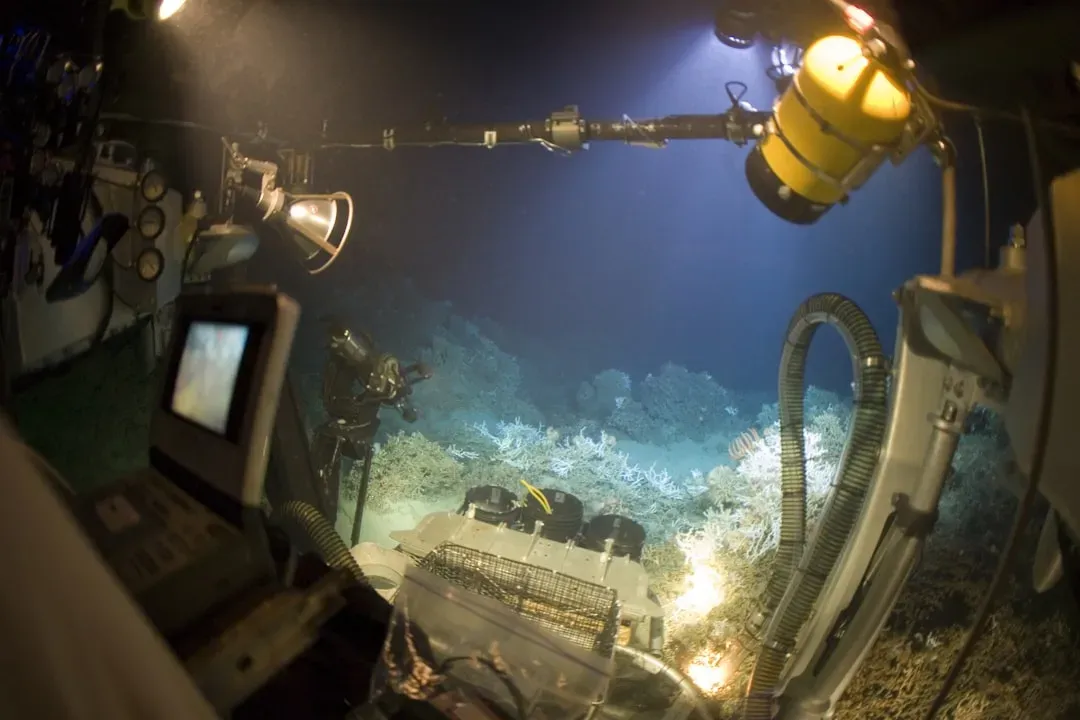
As your technology improves, you are suddenly capable of doing more than just exploring the deep ocean; you are poised to exploit it. Vast fields of metal-rich nodules and crusts on the seafloor tempt you with resources that could power future electronics and energy systems. At the same time, you know that disturbing those sediments and ecosystems could erase records and habitats that took millions of years to form. You are standing at a crossroads where your curiosity and your hunger for resources collide.
The decisions you make now about deep-sea mining and exploration will shape how much of this hidden history survives for future generations to study. If you rush in blindly, you risk destroying archives of climate data, fossil remains, and unique life forms before you even know they exist. If you move more carefully, treating the deep ocean as a shared heritage rather than just a resource, you create room for discoveries that might change how your descendants see their place on this planet. In a real sense, the choices you make about the deep sea today are already becoming part of tomorrow’s history.
In the end, the deep ocean is not just a remote, alien world you occasionally see in documentaries; it is a vast, active library that still holds many of the answers you have been pretending to know. Hidden cities, forgotten coastlines, strange life forms, and subtle climate clues are all waiting in that black water, ready to challenge the stories you tell yourself about where you came from and where you are going. The more you look beneath the waves, the more you realize that the history you learned is only a draft, and the final version has not been written yet. Knowing that, how can you not wonder what other secrets are still resting in the dark, just beyond your reach?