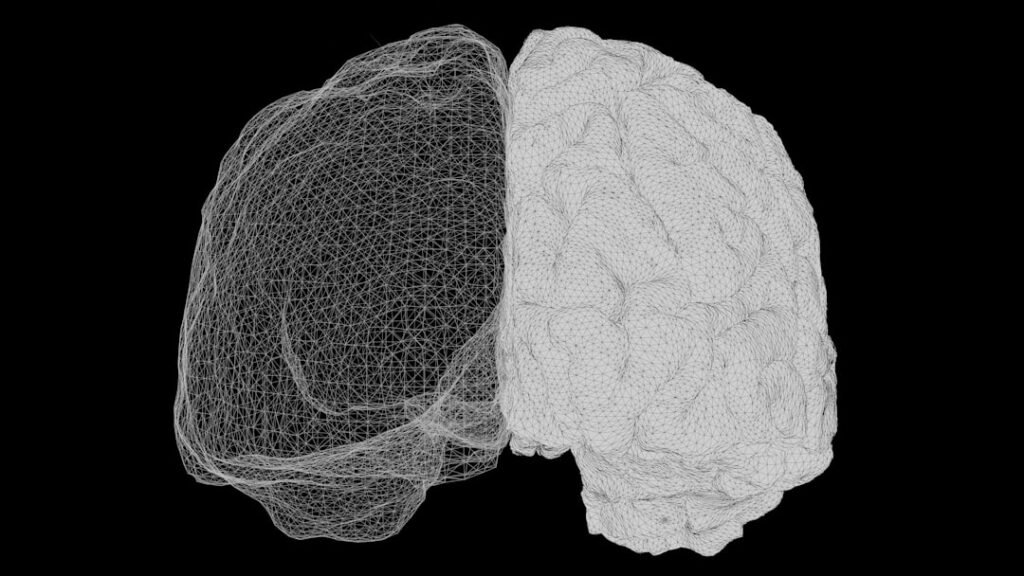

Most of us quietly suspect there’s a limit to how much we can learn, change, or start over, especially as we get older. We say things like “I’m just not a math person” or “My brain doesn’t work that way,” as if our minds came with a fixed operating system that can’t be upgraded. But modern neuroscience has been steadily dismantling that idea, showing that the brain is far more flexible, resilient, and trainable than we were ever taught in school.
What’s emerging is both exciting and a little unsettling: our daily habits, thoughts, and environments are constantly reshaping the structure and function of our brains. It’s not magic and it’s not instant, but it’s real, physical change. The catch is that this power cuts both ways. Just as we can wire in new skills and strengths, we can also wire in stress, distraction, and fear. Understanding how this works isn’t just interesting science trivia; it’s a kind of manual for living a more intentional, expansive life.
The Myth of a “Fixed” Brain
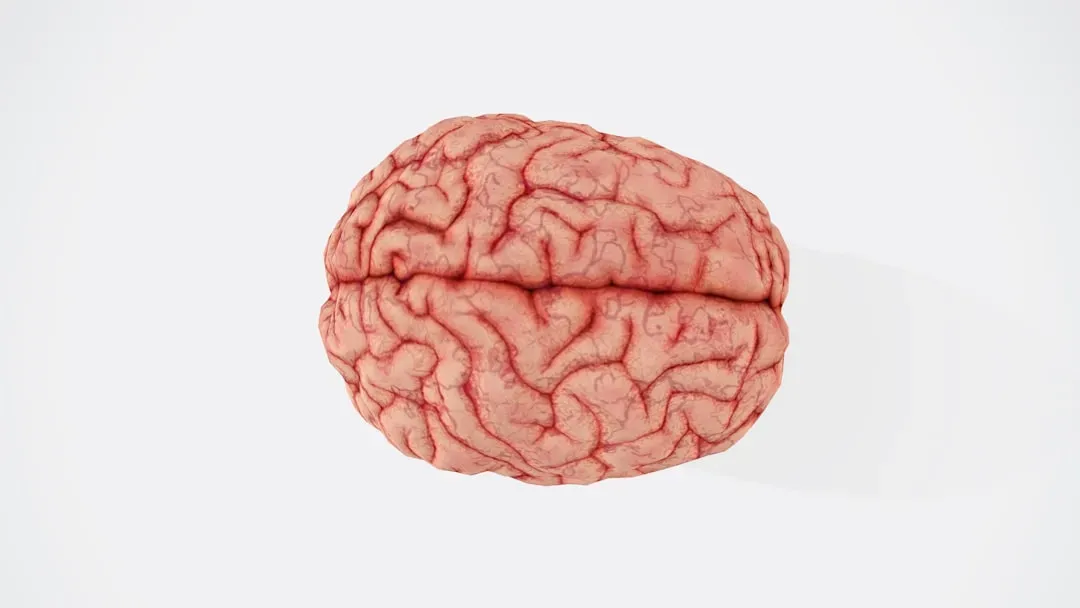
For a long time, people were told that the brain basically finished developing in early adulthood and then slowly declined. That belief still quietly shapes how many of us talk about ourselves: we label our abilities as if they’re permanent traits and assume real change is rare or impossible. It’s a bit like being handed the keys to a powerful sports car and insisting it can only drive in first gear because that’s how you learned it.
Neuroscience in the last few decades has turned that old story on its head. Researchers have shown that the brain continually rewires itself in response to what we do, pay attention to, and care about. Learning a new language, practicing an instrument, or even regularly taking on challenging conversations leaves a physical trace in the brain’s wiring. The bigger shock is that this capacity doesn’t suddenly disappear at some birthday; it just needs different kinds of support as we age.
Neuroplasticity: How the Brain Rewires Itself
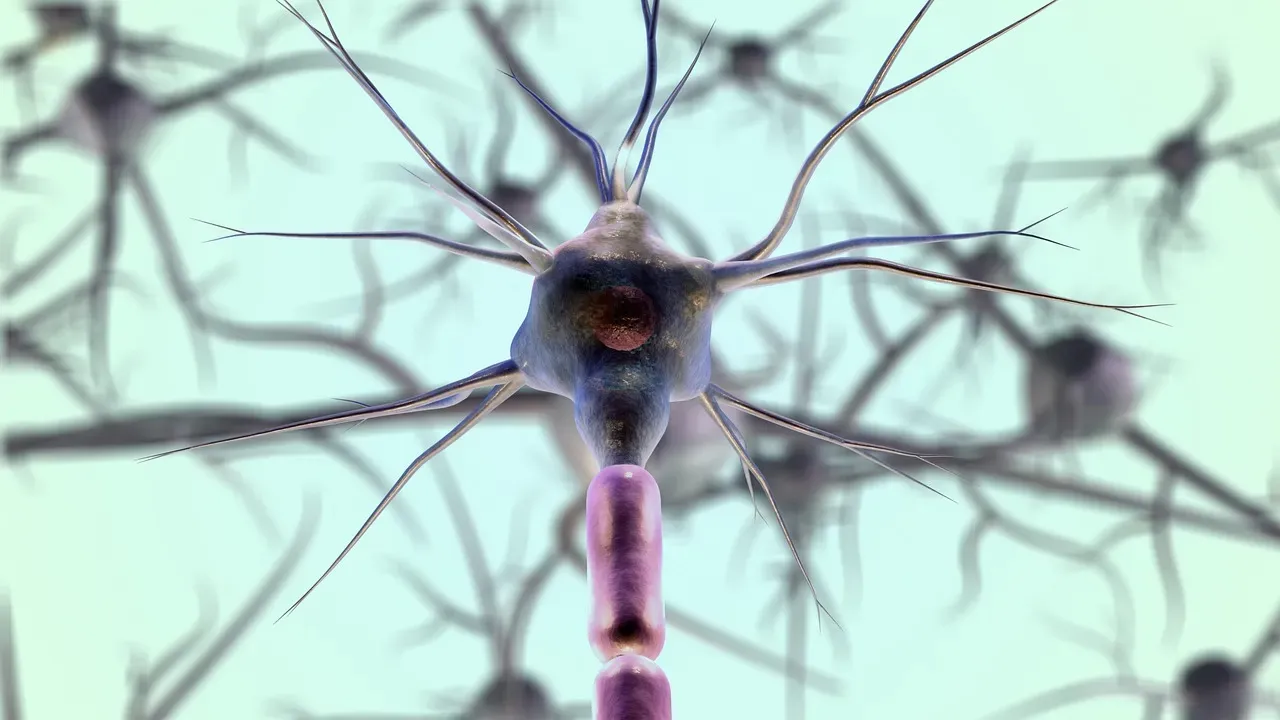
Neuroplasticity is the slightly clunky term for the brain’s ability to change its own structure and function. Neurons form new connections, strengthen old ones, and even prune away pathways that aren’t being used, almost like a city constantly rebuilding and rerouting roads to handle new patterns of traffic. When you repeat a skill or idea, you’re basically telling your brain, “Build a highway here, I’m coming through a lot.”
What’s surprising is how specific and targeted this can be. People who practice complex skills – like playing the violin or learning to juggle – show measurable changes in the brain areas involved in movement, coordination, and sensing. The message is simple but profound: what you practice, you become, not just mentally but physically in your brain. That also means that avoiding challenge is a kind of practice too; your brain learns to be really good at staying in its comfort zone.
Learning at Any Age: Why It’s Never Really “Too Late”

There’s a quiet cruelty in the idea that learning is for the young and that after a certain age you should just stick to what you already know. Many older adults have absorbed that message so deeply that they don’t even try new things, assuming they’re “past it.” Yet research with adults well into their sixties, seventies, and beyond keeps showing that the brain remains plastic, especially when learning is effortful, meaningful, and repeated.
It’s true that kids’ brains can soak things up faster, like sponges, but adults actually have a different advantage: life experience and better strategies. An older adult learning a new language, instrument, or digital skill might be slower at first, but they can lean on better discipline, clearer goals, and stronger reasons for learning. In my own life, I’ve watched relatives pick up entirely new careers in their fifties and sixties, fumbling at first, then hitting a stride that made a joke of the idea that they were “too old” to change.
Stress, Emotion, and the Science of “Sticking” Knowledge
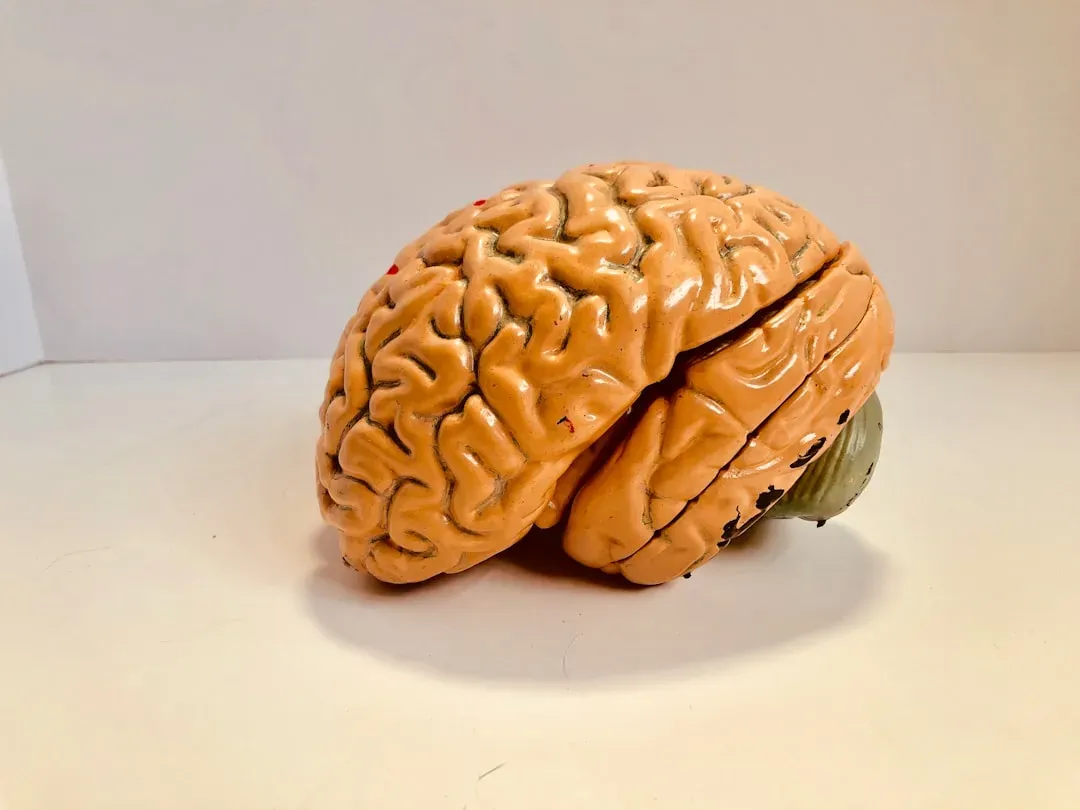
Not all learning is created equal in the brain’s eyes. The things that stick most strongly are often wrapped in emotion: surprise, joy, fear, embarrassment, wonder. Think about how vividly you remember a painful mistake at work compared to a dozen boring meetings. Your brain tags high-emotion events as important, as if marking them with a bright neon sign that says, “Don’t forget this.”
The tricky part is that chronic stress tells the brain a different story. Short bursts of challenge can sharpen attention and boost learning, but constant stress and anxiety tend to shrink your mental bandwidth. It’s like trying to study with a fire alarm blaring in the background. Environments that balance challenge with safety – where mistakes are allowed, curiosity is encouraged, and effort is noticed – give the brain the best shot at laying down strong, lasting memories and skills.
Habits, Repetition, and the Invisible Power of Daily Practice
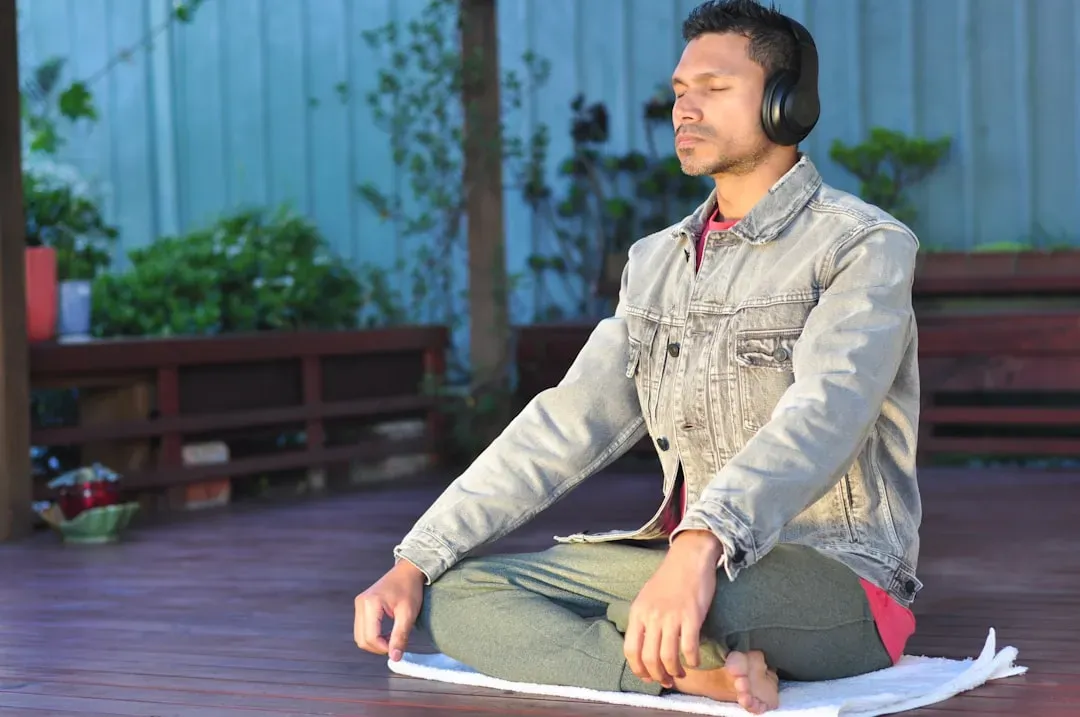
When we think about learning, we often picture dramatic breakthroughs: a lightbulb moment, a big revelation. In reality, the brain changes most through small, consistent repetitions that barely feel like progress day to day. Every time you practice a piano scale, try a new phrase in another language, or push through a tough workout, you’re nudging certain neural pathways to become just a little easier to use.
Over time, those repeated nudges turn into what feels like “natural talent.” The truth is almost painfully simple: what feels natural is usually just what’s been practiced the most. Habits are basically your brain’s way of saving energy, automating things you do often so you can focus on other stuff. That can work for you – like automatically reaching for water instead of soda – or against you – like doom-scrolling at night without even meaning to. The brain doesn’t care whether a habit is good or bad; it just follows the instructions you repeat.
Technology, Training, and Pushing the Brain’s Limits

In the last few years, tools for training and measuring the brain have jumped forward in ways that would’ve sounded like science fiction a generation ago. Brain imaging, virtual reality, and carefully designed digital exercises are being used to help stroke survivors recover abilities, to sharpen attention in people with learning difficulties, and to slow down certain forms of cognitive decline. These are not magic cures, but they show just how responsive the brain can be when given targeted training.
At the same time, regular life is now saturated with technology that competes for our attention, often fragmenting it into tiny slices. That has consequences for learning too, because deep, focused work is what the brain needs to build strong connections. So we live with this tension: we have more tools than ever to train and support the brain, but we also have more distractions than ever pulling it apart. How we choose to use or ignore these tools may turn out to matter as much as the tools themselves.
Identity, Mindset, and Who You Believe You Can Become

One of the strangest discoveries about learning is that what you believe about your own abilities can change how your brain actually behaves. If you’re convinced your intelligence or talents are fixed, you’re more likely to give up when things feel hard, treating struggle as a verdict instead of a normal part of growth. That means your brain misses chances to form new connections right at the moment they were about to happen.
Seeing abilities as something that can be developed – through effort, good strategies, and support – doesn’t magically make learning easy, but it keeps you in the game longer. It turns mistakes into feedback instead of proof that you’re not good enough. In a way, your brain is listening closely to the story you tell about yourself and adjusting its efforts accordingly. Changing that story is uncomfortable, because it means admitting you’ve been underestimating yourself. But if the science is right, most of us have much more room to grow than we’ve dared to imagine.