If you think communication is all about spoken words, you’re missing most of the conversation happening on this planet. All around you, animals are sending messages through color, sound, scent, touch, and even electricity, often across huge distances and sometimes between completely different species. You just rarely get to see the full story.
Once you start paying attention, the natural world feels less like quiet scenery and more like a crowded group chat you’ve only just been added to. From whales calling across ocean basins to birds warning squirrels about danger, you’re surrounded by signals you were never taught to read. Let’s pull back that curtain and look at six of the most astonishing ways animals “talk” to each other – and how you can start noticing it yourself.
1. Whale Songs That Travel Across Oceans
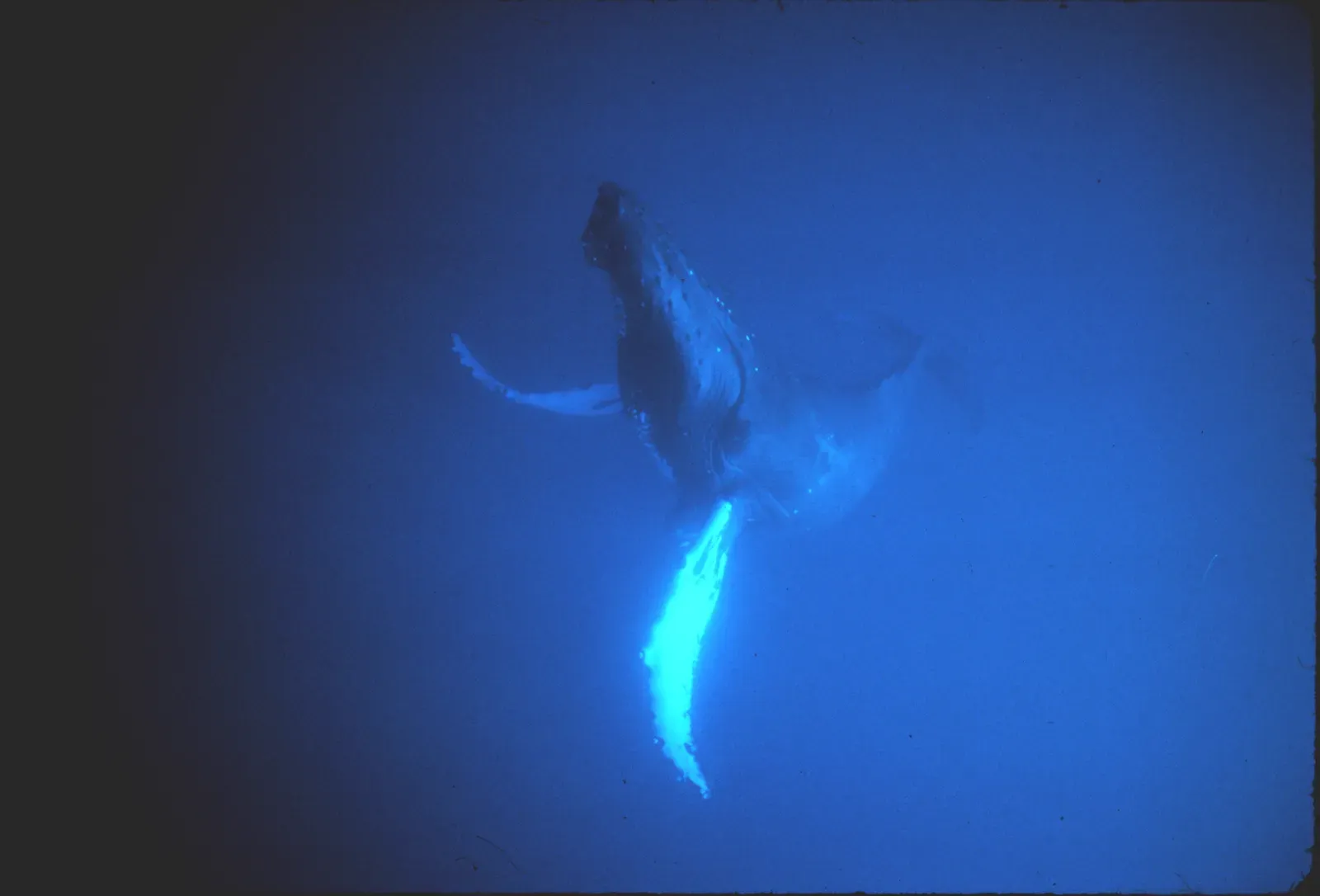
Imagine being able to send your voice across hundreds of miles of open ocean with no phone, no wires, and no satellite – just your lungs and the water around you. That’s exactly what large whales do. Baleen whales, like blue whales and fin whales, produce low-frequency sounds that can travel astonishingly long distances through seawater, sometimes across entire ocean basins when noise levels are low. You may never hear them with your naked ears, but underwater microphones pick up these deep, haunting calls like a long-distance radio network.
What makes this incredible is that you’re listening to a kind of global acoustic web. Individual whales and populations use patterns of notes and rhythms that function loosely like regional “dialects.” These calls help them coordinate migration, find potential mates, and possibly keep in touch with distant groups. To you they might sound like eerie moans, but to another whale, that sound could be the difference between being alone in a vast, dark ocean and knowing your own kind is out there, answering from far away.
2. Bird Alarm Calls That Other Species Understand
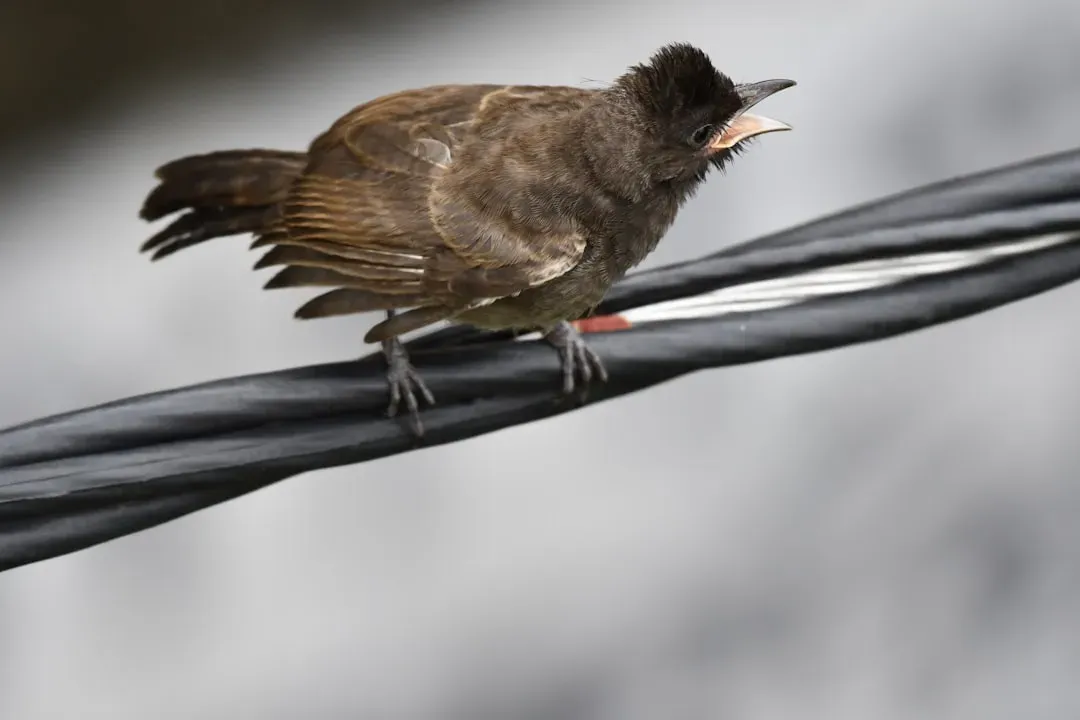
You might assume that each animal speaks its own private language, sealed off from everyone else. But in forests and backyards, birds constantly blow that idea apart. Many small birds give specific alarm calls when they spot a predator, and other species – sometimes even mammals like squirrels or monkeys – learn to interpret those calls. When a bird screams out its version of “hawk overhead,” you’re not the only one who hears it; a whole community of animals may hit the emergency button simultaneously.
In some regions, you can think of certain bird species as neighborhood sentries that everyone quietly depends on. You’ve probably seen it without realizing: suddenly the yard falls silent, birds dart into bushes, and even chipmunks vanish in a blink. That silence is a message too. Over time, animals that share the same predators tend to tune in to each other’s warning systems, creating a shared “public safety channel” that crosses species borders. Once you realize this, every chirp and sudden hush feels less random and more like a coordinated news alert.
3. Chemical Messages: Scents, Trails, and Invisible Warnings
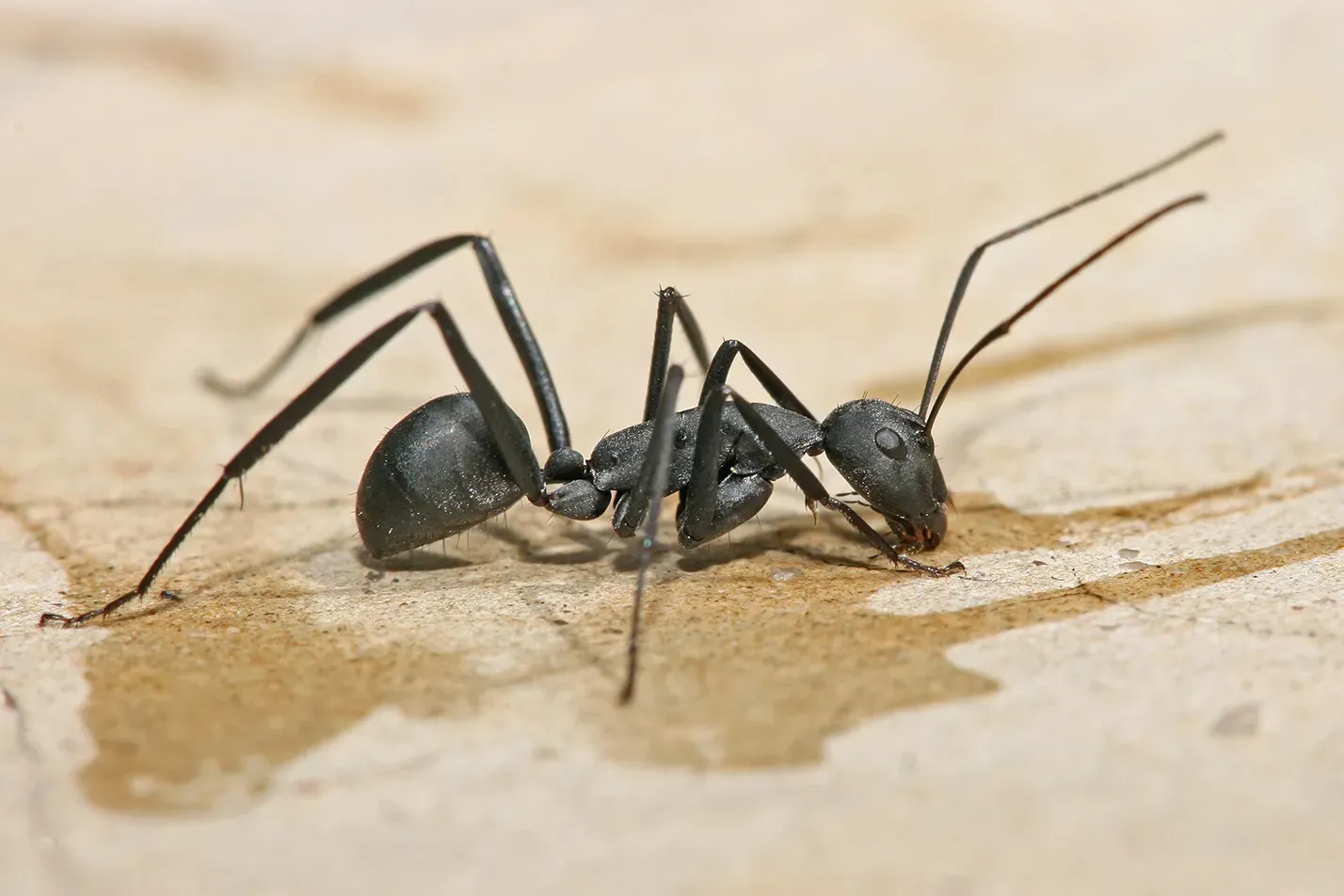
If you could suddenly see all the scent signals floating around you, the world would probably feel overwhelming. Many animals rely on chemicals – called pheromones and other scent cues – to send messages that you’ll never smell. Ants are a classic example: when one ant finds food, it lays a chemical trail on the ground that tells others where to go. You might just see a neat little line of ants, but what you’re really looking at is a living highway map written entirely in smell.
These chemical messages often cross species boundaries too. Some predators learn to follow the scent trails of their prey, essentially eavesdropping on their chemical conversations. Plants even join in this chemical chatter: when certain plants are attacked by insects, they release airborne chemicals that warn neighboring plants, which then boost their own defenses. You walk through a field thinking it’s peaceful, but at a microscopic level, everyone is shouting: “Danger here, get ready!”
4. Light and Color Signals That Flash Across the Night
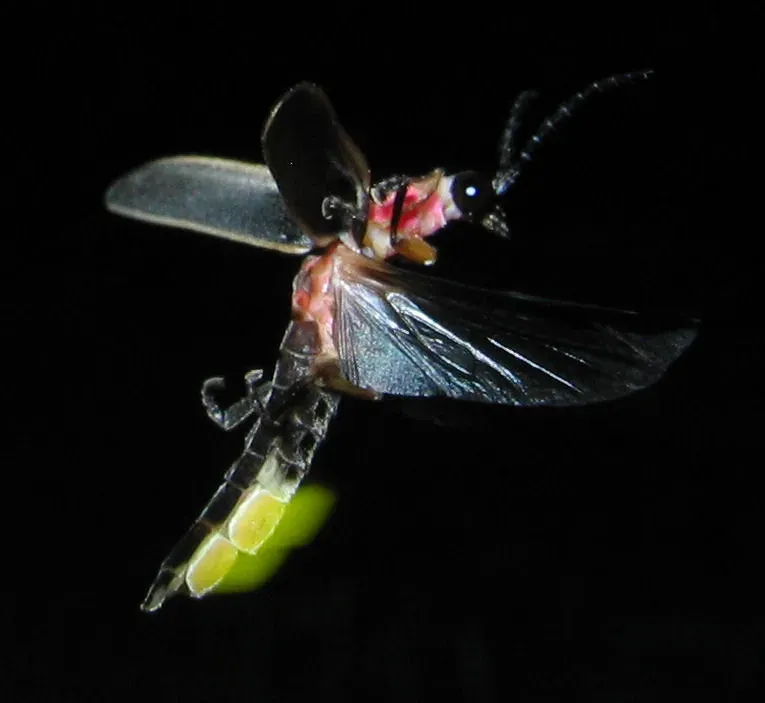
At night, you might think communication tapers off, but for many animals, darkness is when the real show begins. Fireflies are one of the most magical examples you can actually watch with your own eyes. Each species has its own flash pattern, like a visual signature in the dark, helping males and females of the same kind find each other. If you sit quietly on a summer evening, you’re basically watching a glowing Morse code conversation drift over the grass.
But the story gets even wilder when you look across continents and species. In the ocean, bioluminescent organisms – from tiny plankton to fish – use light to lure prey, signal mates, or confuse predators. On land, bright colors can be just as loud as neon signs. Poison dart frogs, monarch butterflies, and many brightly colored insects use vivid patterns as a universal “do not touch” warning that predators quickly learn to respect. You may see beauty; a hungry bird sees a bright, clear message that says, “Eat me and you’ll regret it.”
5. Body Language and Posture That Cross Species Lines
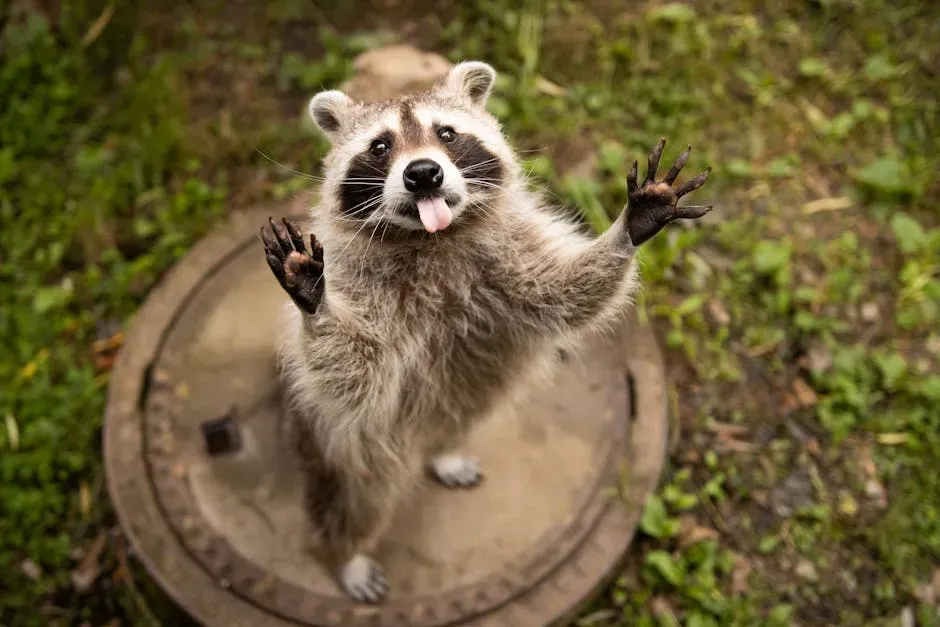
You already know body language matters in human conversations, but animals lean even harder on physical signals to get their point across. A dog that crouches with its tail wagging is basically telling you, “I’m friendly, let’s play,” while a stiff, upright posture with raised fur sends a very different message. What’s striking is how often these signals are understood across species. Cats, dogs, and even humans often pick up the same basic cues about fear, playfulness, or aggression from posture alone.
Once you start paying attention, you notice that similar patterns show up all over the animal kingdom. Many animals try to look bigger when they feel threatened – think about a cat arching its back or a lizard puffing out its frill. Others use submissive postures, like exposing the belly or lowering the head, to say, “I’m not a threat.” You may not be fluent in every species’ body language, but your brain is surprisingly good at reading these universal signals, because so many of them are built on the same emotional foundations you share as another social animal.
6. Electrical and Vibrational Signals You Never Notice
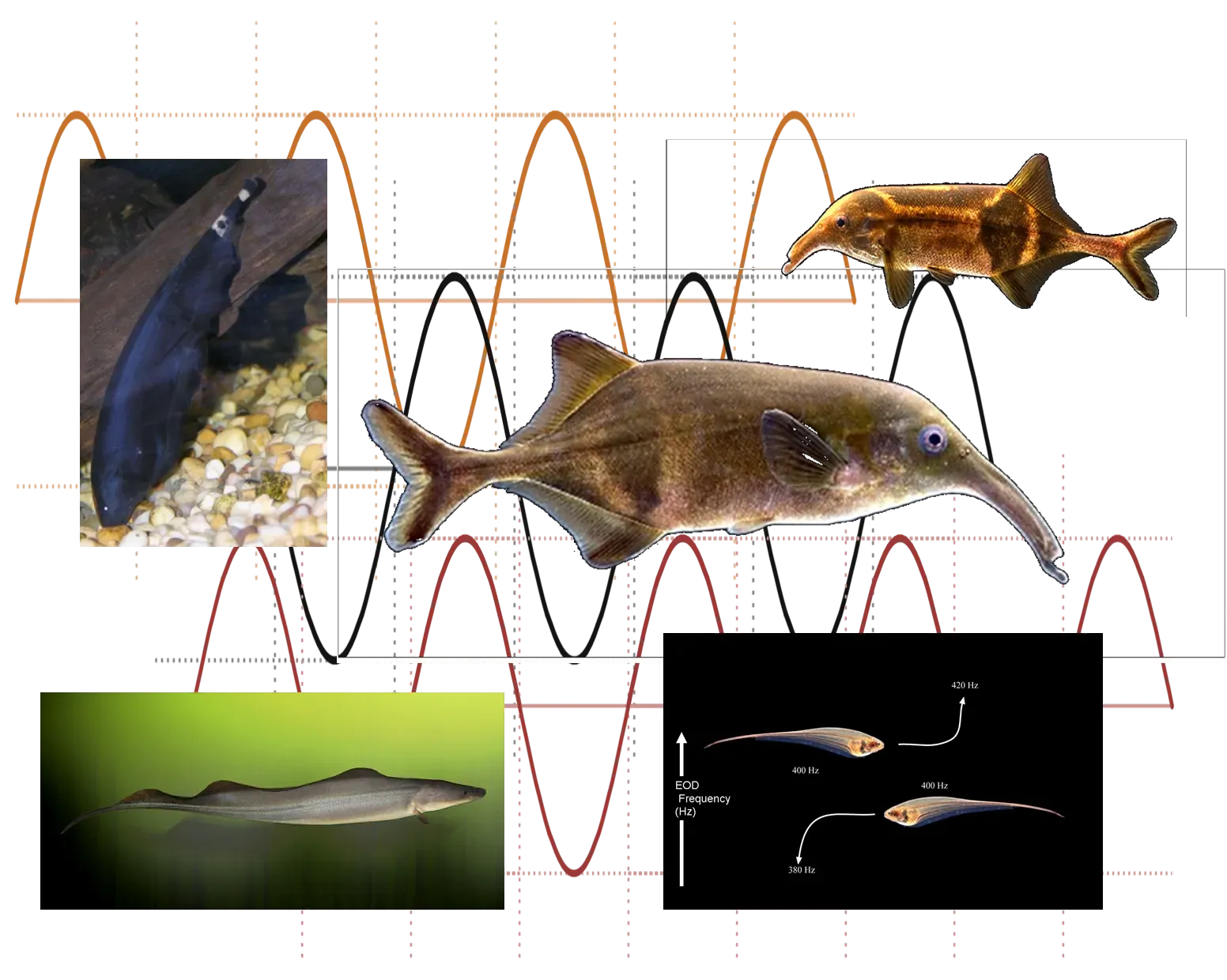
Some of the most incredible animal conversations happen on channels you can’t sense at all. Certain fish, especially in murky rivers in Africa and South America, produce weak electric fields around their bodies. They use tiny changes in these fields to navigate, find prey, and even recognize individuals of their own species. To them, electricity works like a combination of flashlight and conversation, lighting up their surroundings and sending out identity tags at the same time, all totally invisible to you.
On land, many creatures use vibrations instead of electricity. Spiders feel the tremors of insects caught in their webs, and some even use specific vibration patterns to signal courtship instead of attack. Insects such as leafhoppers and some katydids “talk” through plant stems by sending tiny vibrations that travel along branches like secret phone lines. If you could shrink down and tune in, a simple tree would feel less like a silent object and more like a buzzing tower full of invisible calls and replies.
When you step back and look at all of this together, you realize you’re living on a planet that never really shuts up. Sound, scent, light, posture, electricity, and vibrations are all carrying messages at every moment, across continents and between species that may never meet face to face. You might feel separate from that world, but you’re part of it too – your own body language, voice, perfume, and movements are signals that other animals read, whether you intend them to or not.
If you start walking through your day as if the world around you is full of overlapping conversations, you notice different things: the sudden silence of birds, the warning posture of a squirrel, the blur of ants following an invisible trail. The more you learn to read those signals, the less the natural world feels like background noise and the more it feels like a rich, ongoing story that you just learned how to hear. Next time you step outside, which kind of animal “conversation” will you try to spot first?