Articles for tag: Brain Science, cognitive development, Language Learning, mental agility, neuroscience insights

What Happens to Our Brains When We Learn a New Language?

What Happens to Our Brains When We Learn a New Language?

Jan Otte

Ever wondered why learning a new language feels both exhilarating and exhausting at the same time? Your brain is essentially rewiring itself while you’re struggling with verb conjugations and pronunciation. It’s not just about memorizing vocabulary lists or mastering grammar rules. Something far more profound is happening beneath the surface. Your brain is physically changing, ...

Mysteries of the Brain: How Our Minds Create Reality and Consciousness

Mysteries of the Brain: How Our Minds Create Reality and Consciousness

Gargi Chakravorty

Imagine waking up each morning to a world that your brain constructed while you slept. Every sight, sound, and sensation you experience is filtered through a three-pound organ that somehow transforms electrical signals into the rich tapestry we call consciousness. Scientists today stand on the brink of revolutionary discoveries about how your brain creates the ...

a circle of different colors on a table

What Does Color Mean to Your Brain?

Suhail Ahmed

  Open your eyes and a storm of invisible decisions erupts: your brain sorts wavelengths, guesses at shadows, corrects for weird lighting, and then quietly hands you a world that feels stable and true. Color isn’t merely a coat of paint on reality; it is an ongoing negotiation between light and the mind. That’s why ...

smiling woman in green jacket

Why Is Laughter So Contagious and What Is Its Purpose?

Suhail Ahmed

  We treat laughter like an afterthought – background noise to jokes, sitcoms, and awkward meetings – yet it behaves more like a social reflex than a private emotion. Scientists now see it as a biological broadcast that moves through groups with astonishing speed, reshaping chemistry in our brains and choreography in our bodies. The ...

human brain toy

[Could We One Day Erase Unwanted Memories?]

Suhail Ahmed

Some memories feel like splinters you can’t pull out, tiny shards that snag on everyday life. For people living with trauma, that pain isn’t poetic – it’s practical, exhausting, and relentless. Scientists have long wondered whether we could lighten the sting or even switch off the worst memories altogether without losing ourselves in the process. ...
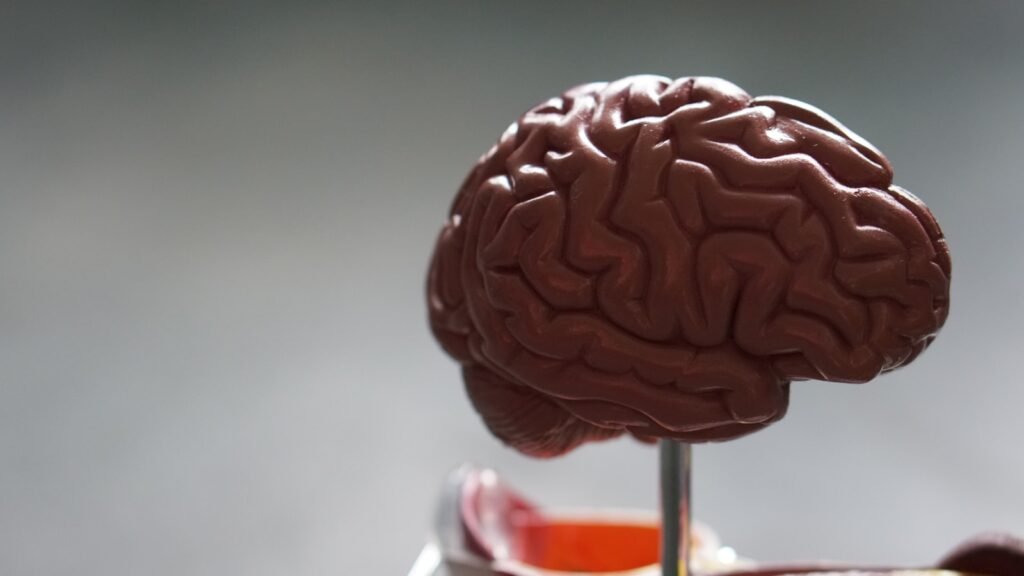
brown brain

Our Brains Create Reality: The Science Behind Your Perceptions

Suhail Ahmed

You are walking down a familiar street when you suddenly swear you heard your name, felt your phone buzz, or glimpsed a stranger’s face that looked uncannily like someone you know. Moments later, you realize none of it actually happened. That tiny moment of doubt captures a huge scientific truth: your brain is not a ...

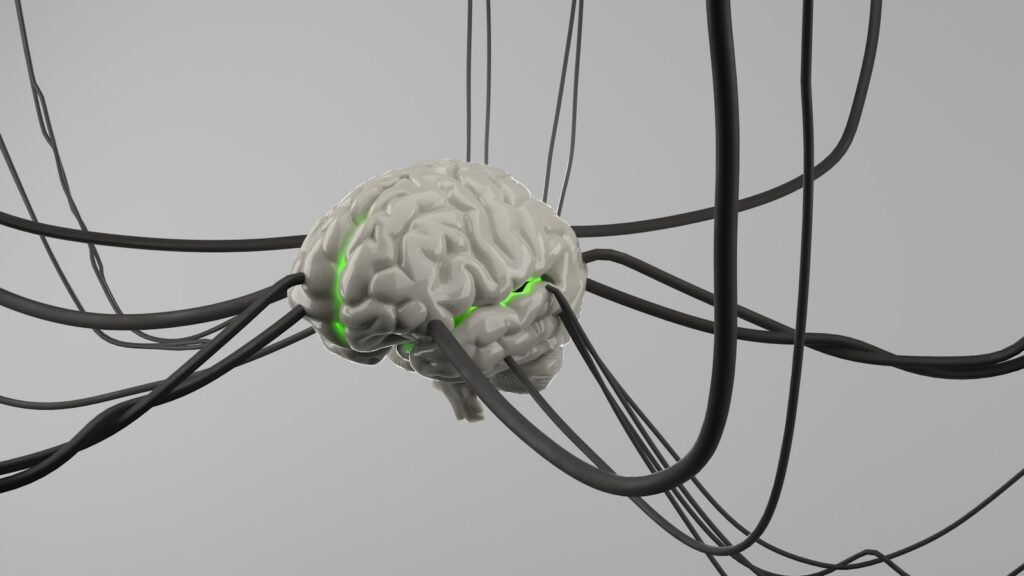
A computer generated image of a brain surrounded by wires

The Uncomfortable Question Neuroscience Still Can’t Answer About Awareness

Suhail Ahmed

  Walk into any neuroscience lab in 2025 and you’ll find brain scanners humming, algorithms sorting through neural spikes, and researchers promising they’re on the brink of decoding consciousness. Yet beneath the confident conference talks and glossy brain images lurks a stubborn, almost embarrassing problem: we still don’t know how bare awareness itself arises. We ...

silhouette of man illustration

The Science of Deja Vu: Why We Feel Like We’ve Been Here Before

Suhail Ahmed

  You are standing in a doorway mid-conversation when a chill of recognition runs through you: you know you have lived this moment before, down to the angle of the light and the half-finished sentence on your tongue. For a heartbeat, reality feels like a glitching film reel, flickering between now and something almost remembered. ...

a drawing of a person with headphones on

Our Brains on Music: How Sound Transforms Our Mood and Memories

Suhail Ahmed

  Walk into any gym, wedding, or late-night diner and you can feel it before you think it: music quietly taking the wheel of your brain. A song you have not heard in years can yank you back to a teenage bedroom, a hospital waiting room, or a first kiss with unnerving precision. For decades, ...

selective focus phot of artificial human skull

The Human Brain Can Create New Neurons, Even in Old Age

Suhail Ahmed

  For most of the twentieth century, medical textbooks treated the aging brain like a one-way street: born with a fixed number of neurons, slowly losing them as the years tick by. That story was simple, a little fatalistic, and, as it turns out, deeply incomplete. Over the past few decades, scientists have been quietly ...