If you think progress only moves in a straight line from “primitive” to “modern,” ancient history is about to ruin that illusion. Scattered across the planet are ruins, artifacts, and half-deciphered texts from cultures that clearly understood math, astronomy, engineering, and even psychology in ways that still leave experts scratching their heads. They built structures our machines would struggle to copy, mapped skies without telescopes, and aligned stone and city with a level of precision that feels almost unsettling.
What makes this so fascinating is not just the mystery, but the mismatch: we can decode their building materials, but not always their intentions; we can measure the accuracy of their calculations, but not fully grasp the worldview that drove them. As someone who’s spent way too many late nights diving down archaeology rabbit holes, I’ve come to believe we are probably underestimating how sophisticated the distant past really was. Let’s walk through seventeen civilizations whose knowledge still pushes back against what we think we know about human history.
#1 Ancient Sumer: The Mathematicians of Time and the Sky
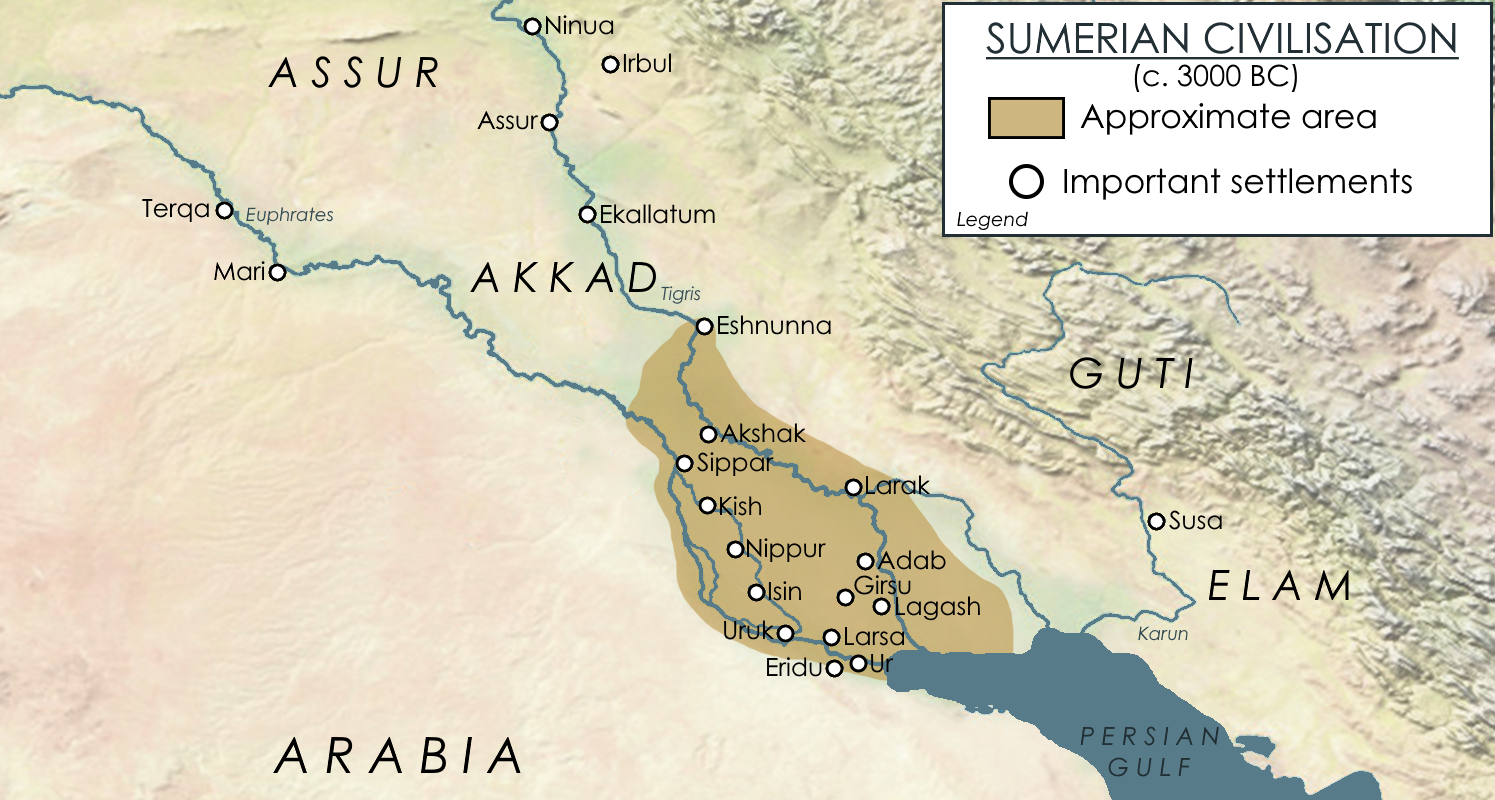
Ancient Sumer, in what is now southern Iraq, is often called the cradle of civilization, and for good reason. These people not only developed one of the earliest writing systems, they also used a base-sixty (sexagesimal) number system so deep and practical that parts of it still define our lives today. Our sixty-second minute, sixty-minute hour, and three-hundred-and-sixty-degree circle are echoes of Sumerian thinking, not modern inventions. Historians can explain the mechanics of that math, but it is still debated why exactly this base was chosen and how such an abstract idea spread so fast and so widely.
On top of that, Sumerian scribes recorded surprisingly sophisticated astronomical observations, tracking celestial bodies and cycles with careful precision. They were not simply stargazing for fun; the sky was a clock, a calendar, and a spiritual text all at once. The line between science, ritual, and administration in Sumer is still blurry to us, and that’s part of what makes it so fascinating. They clearly knew how to measure time and space in a way that has survived for millennia, yet we’re still piecing together the mindset that allowed that leap in the first place.
#2 Old Kingdom Egypt: Engineers of Stone and the Afterlife
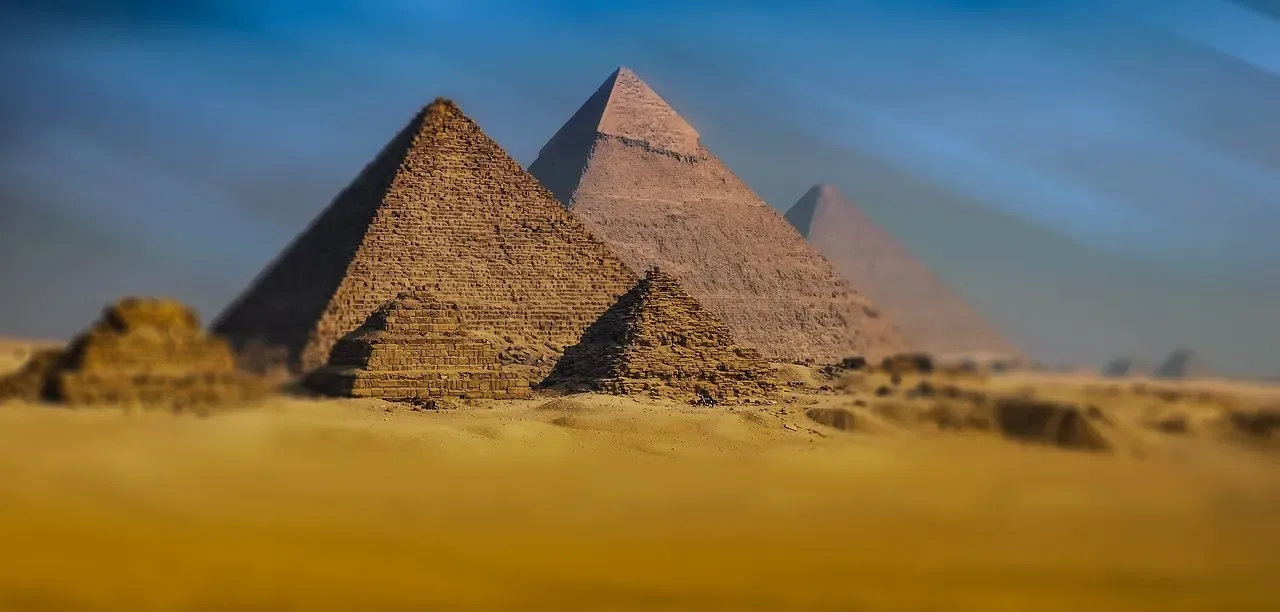
The pyramids of Giza have become such a cliché postcard image that it’s easy to forget how outrageous they really are. Constructed more than four thousand years ago, the Great Pyramid is aligned with true north with astonishing accuracy, and its internal chambers and passageways follow ratios and proportions that line up with complex mathematical ideas. Egyptologists can describe quarrying methods, ramps, and workforce logistics, but even with modern tools, replicating such a monument with the same precision would be an immense challenge. That gap between what is theoretically possible and what was actually done fuels constant debate.
Then there’s the Egyptian obsession with the afterlife, encoded in texts, tombs, and symbolic designs layered into the architecture. Some alignments of temples and pyramids seem to mirror specific stars or constellations, probably tracking cycles that played a role in religious beliefs and royal ideology. We understand pieces of that system, but not all the rules they were playing by. To me, the most striking thing is how tightly their spiritual world, their political order, and their engineering genius were braided together, in a way that makes our modern “science versus religion” debates look oddly simplistic.
#3 The Indus Valley Civilization: Urban Planners Without a Deciphered Voice
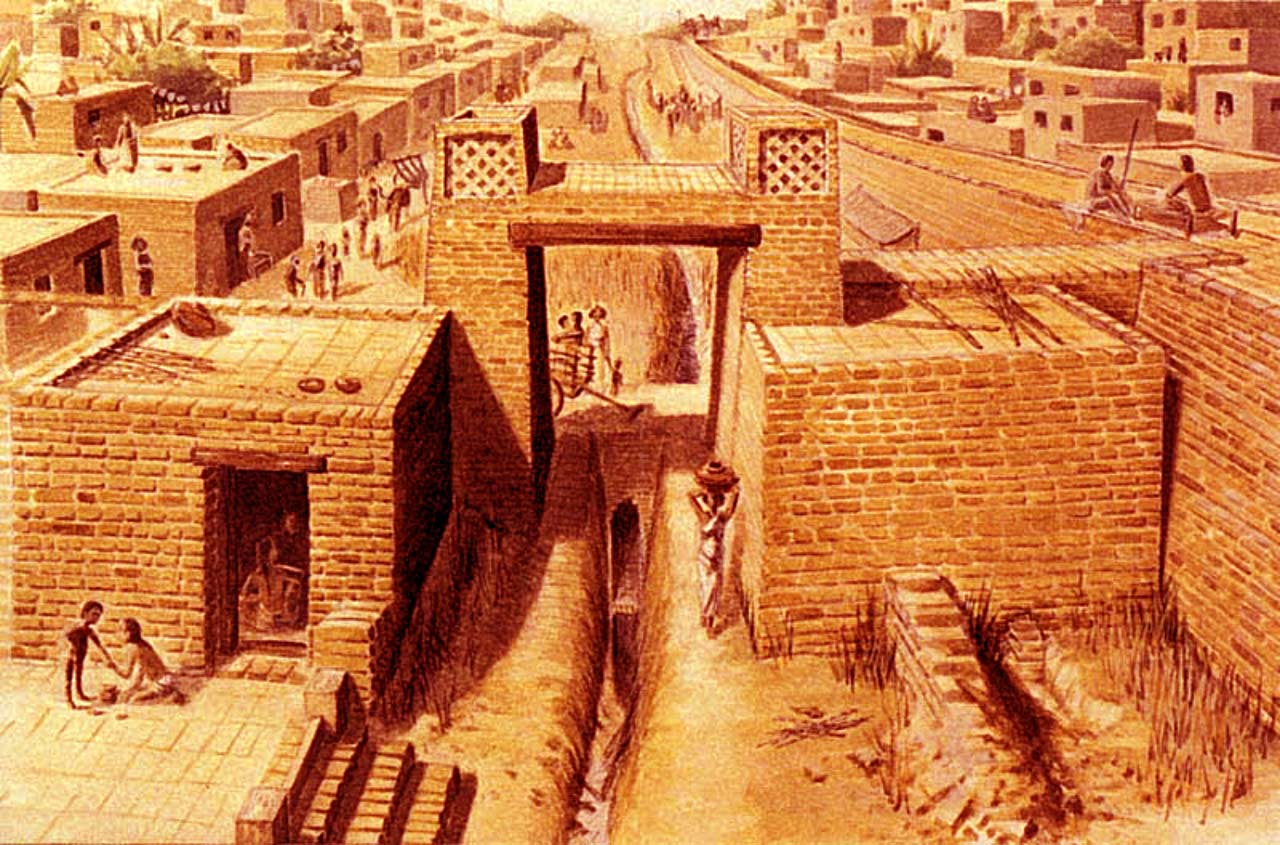
In the cities of Harappa, Mohenjo-daro, and others across the Indus Valley, archaeologists found something quietly mind-blowing: large, well-planned urban centers dating back more than four thousand years, with standardized brick sizes, grid-like streets, and sophisticated drainage and sewage systems. These people understood large-scale urban planning at a level many later societies did not match for centuries. Their water management, in particular, looks remarkably advanced for the time, suggesting a deep, practical understanding of engineering and public health.
Yet the biggest mystery is that we still cannot read their script with confidence. Hundreds of seals and short inscriptions survive, but they are too brief and too different from well-known writing systems to fully decode. Without their own words, we are guessing about their social structure, religion, and scientific thinking based almost entirely on ruins and artifacts. It’s like staring at a perfectly designed city map while being completely locked out of the language of the people who lived there. You can sense the intelligence, but not the internal story, and that gap drives a lot of the intrigue.
#4 The Olmecs: Colossal Heads and Unanswered Questions
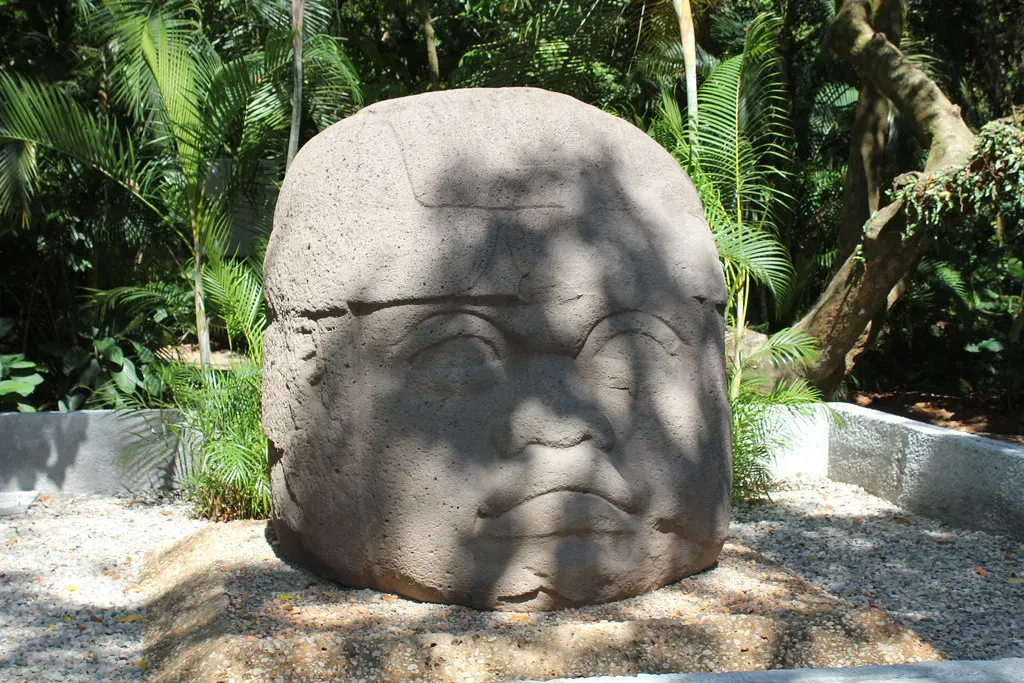
Long before the Maya and Aztecs rose to prominence, the Olmecs thrived along the Gulf Coast of what is now Mexico. They are famous for their colossal stone heads, some weighing many tons and carved with detailed, individualized features. Moving and carving these massive stones required serious organizational skill, engineering know-how, and probably tools and methods we still do not fully understand. That sort of effort suggests a complex, hierarchical society with specialized labor and strong leadership.
At the same time, we lack clear written records that would explain their worldview, political system, or technological reach in their own terms. Some of their art hints at sophisticated religious symbolism and possible early forms of writing or notation, but the evidence is thin and often contested. What’s striking is that later Mesoamerican cultures clearly drew on Olmec traditions, yet the Olmecs themselves remain partly in shadow. It feels like walking into a theater during the second act of a play; you can tell a lot already happened, but the critical early scenes are missing.
#5 The Maya: Masters of Cycles, Time, and Deep Calendars
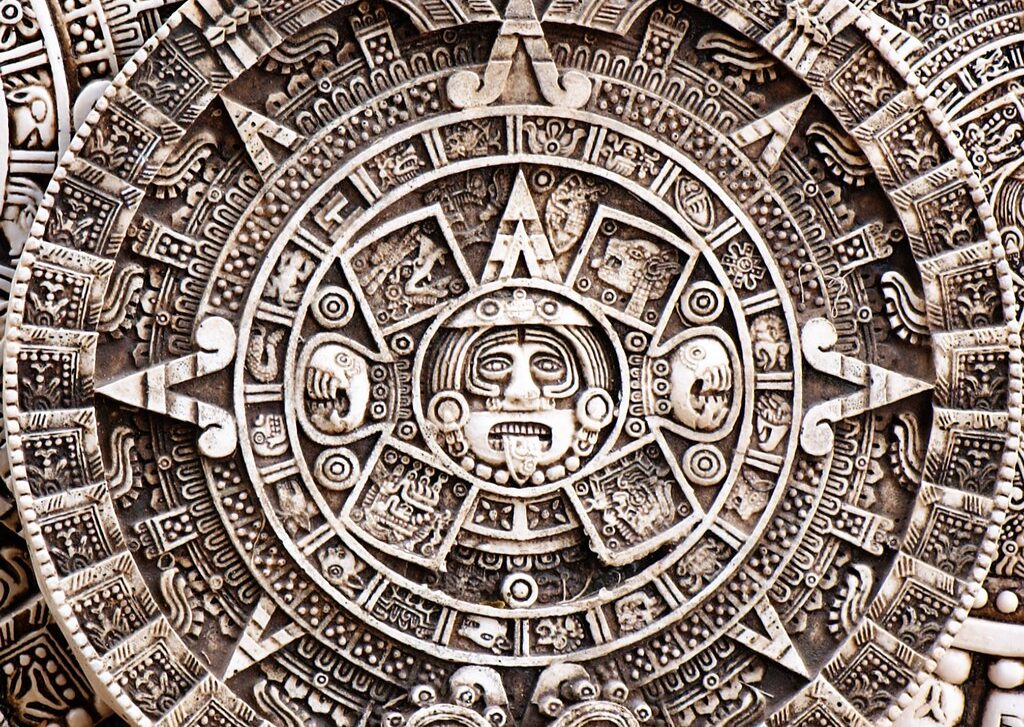
The ancient Maya, spread across parts of modern Mexico, Guatemala, Belize, Honduras, and El Salvador, developed some of the most intricate calendars ever conceived. They tracked multiple time cycles simultaneously, including a sacred ritual count and a longer historical count spanning many thousands of years. Their understanding of astronomical patterns, such as the movements of Venus and solar eclipses, was exceptionally refined, all without telescopes or modern instruments. For a culture often misrepresented in popular media, their mathematical and observational skill is still somewhat underappreciated.
We have deciphered much of their writing, yet big questions remain. Why did they embed such long time cycles in their worldview? How did they gather and standardize observational data across such large regions? And why did such a scientifically capable civilization see major urban centers decline centuries before European contact? Scholars can point to resource strain, warfare, and climate shifts, but there is still something enigmatic about a culture that could predict celestial events with precision while seemingly failing to stabilize parts of its own social and ecological systems. That tension between brilliance and fragility is part of what makes the Maya so compelling.
#6 Ancient China’s Shang and Zhou Eras: Early Science in Bronze and Bone
In ancient China, especially during the Shang and early Zhou periods, we see an intriguing mix of technology, divination, and political power. Bronze casting reached a level of artistry and technical complexity that required deep knowledge of metallurgy and temperature control. Huge ritual vessels and intricate weapons were cast with molds that demanded precise planning and highly coordinated workshop activity. You can almost picture teams working like a well-trained orchestra, each person playing a specific part in the process.
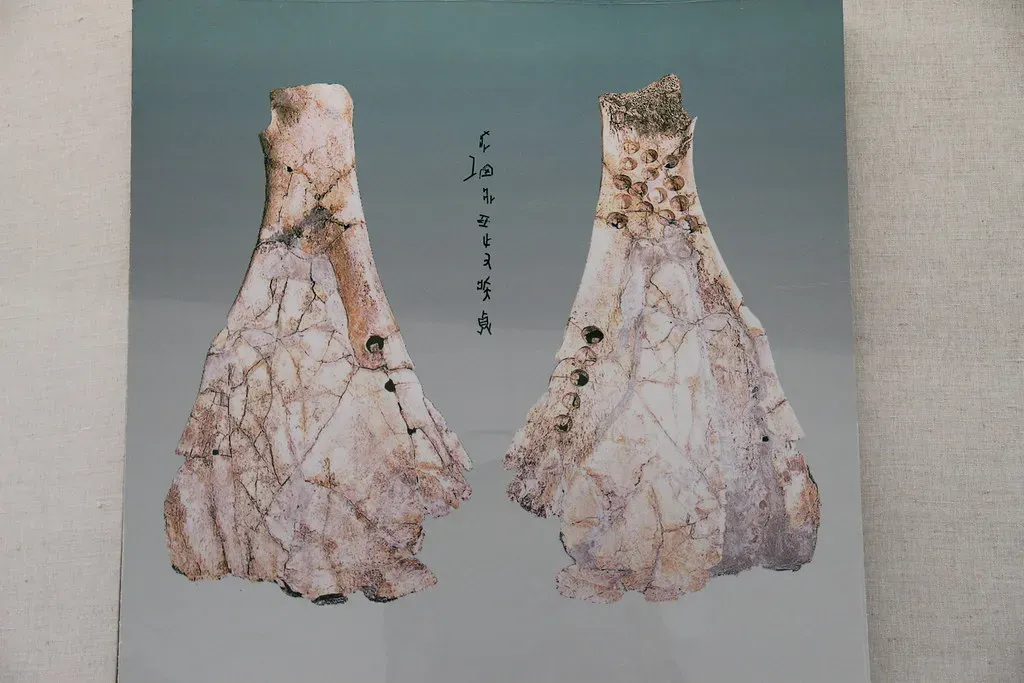
Then there are the oracle bones: animal bones and turtle shells used in divination, inscribed with some of the earliest known Chinese writing. These inscriptions record questions about weather, harvests, warfare, and royal affairs, and they reveal an embedded system of calendar keeping and pattern interpretation. We understand the basics of how these rituals worked, but it is still not entirely clear how the Shang thinkers conceptualized cause and effect, or how they reconciled empirical observation with spiritual belief. Their world felt logical to them, but from our vantage point it blends early science with a style of reasoning that does not map neatly onto our categories.
#7 The Hittites: Iron, Diplomacy, and Vanishing Acts
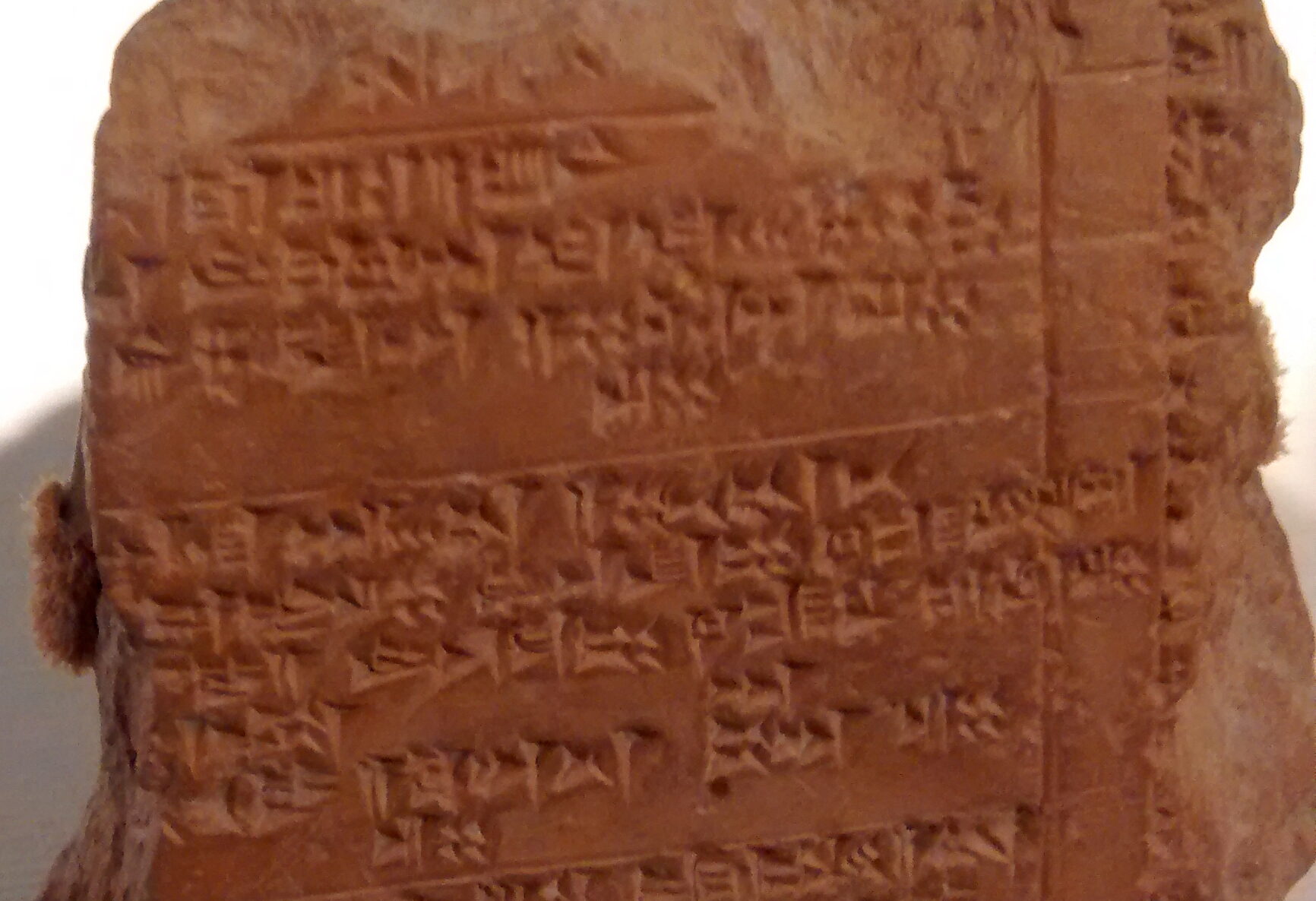
The Hittites, who ruled a powerful empire in Anatolia and beyond, are often credited with pioneering large-scale use of iron, at least in the Near Eastern context. While they did not invent ironworking from scratch, they clearly learned how to manage and deploy it at a critical time, shifting the balance of military power. Their treaties and diplomatic texts, written in cuneiform on clay tablets, also show a remarkably legalistic and structured approach to international relations. They treated agreements not just as casual promises, but as carefully codified rules binding kings and gods alike.
Despite this, their civilization essentially disappeared from historical memory for many centuries until archaeologists rediscovered them in modern times. How does a culture powerful enough to fight Egypt to a stalemate and negotiate one of the earliest known international peace treaties simply vanish from later narratives? Part of the answer lies in political collapse and changing populations, but another part is that later chroniclers simply did not preserve their story. To me, that’s a sobering reminder: even a technologically and politically advanced culture can be forgotten, which makes you wonder how many others are still missing from our history books.
#8 The Minoans: Sea Kings with a Script We Barely Grasp
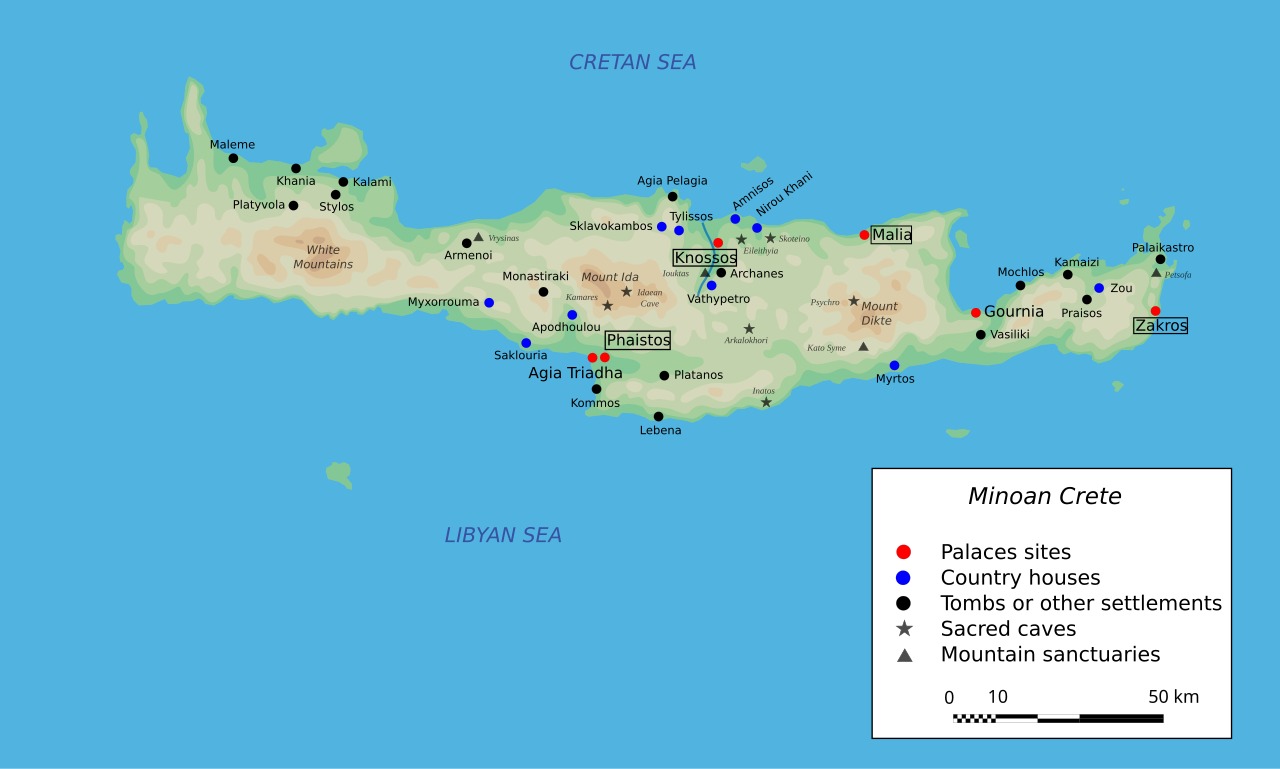
On the island of Crete, the Minoan civilization built palatial complexes such as Knossos with elaborate floor plans, advanced drainage, and vibrant art. They appear to have been masters of maritime trade, connecting the Aegean and the eastern Mediterranean in a web of economic and cultural exchange. Their pottery, frescoes, and luxury goods suggest both wealth and a refined aesthetic sense, the kind of visual culture you expect from a people deeply at ease with their environment and technology. They seemed to understand the sea almost like a modern highway system.
The puzzle lies in their writing systems, known as Cretan hieroglyphs and Linear A, which remain undeciphered. Unlike Linear B, which records an early form of Greek and has been cracked, Linear A stubbornly resists full understanding. That means we lack direct insight into how the Minoans thought about their gods, their political hierarchy, or even their own history. When a great seafaring power leaves behind beautiful buildings and undeciphered texts, it feels like walking through a silent film with no subtitles: visually stunning, but mentally just out of reach.
#9 The Nabataeans: Water Magicians of the Desert
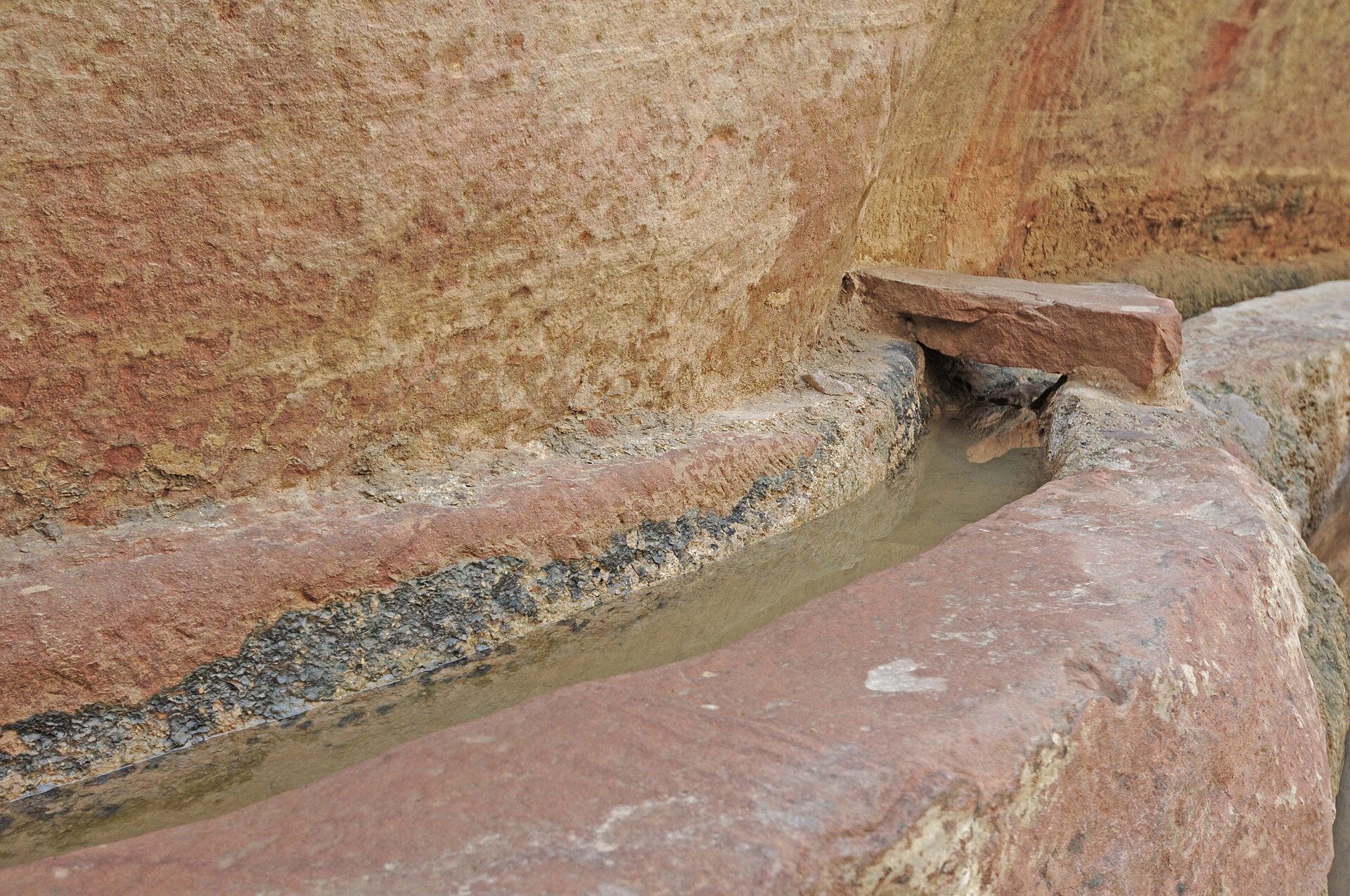
The Nabataeans, best known for their rock-cut city of Petra in modern Jordan, pulled off something that still amazes engineers: they built a thriving urban center in an arid, harsh environment by mastering water management. They carved channels, cisterns, and storage systems directly into the rock, capturing rare rainfall and guiding runoff from surrounding hills. This was not random improvisation; it was a carefully orchestrated hydrological strategy that let them turn trade routes and desert landscapes into sources of power.
We can map many of their canals and reservoirs, but we still do not fully understand how they monitored supply, predicted demand, or coordinated maintenance over decades or centuries. Their mix of practical engineering and long-term planning feels surprisingly modern, almost like an ancient version of sustainable design in a water-scarce world. Yet the details of their administration and decision-making remain murky. When you stand in Petra’s narrow canyon and see the subtle carved channels along the walls, it hits you: this was a civilization that took water, the most basic resource, and treated it like a science and an art form at the same time.
#10 The Paracas and Nazca Cultures: Lines, Skulls, and Aerial Mysteries
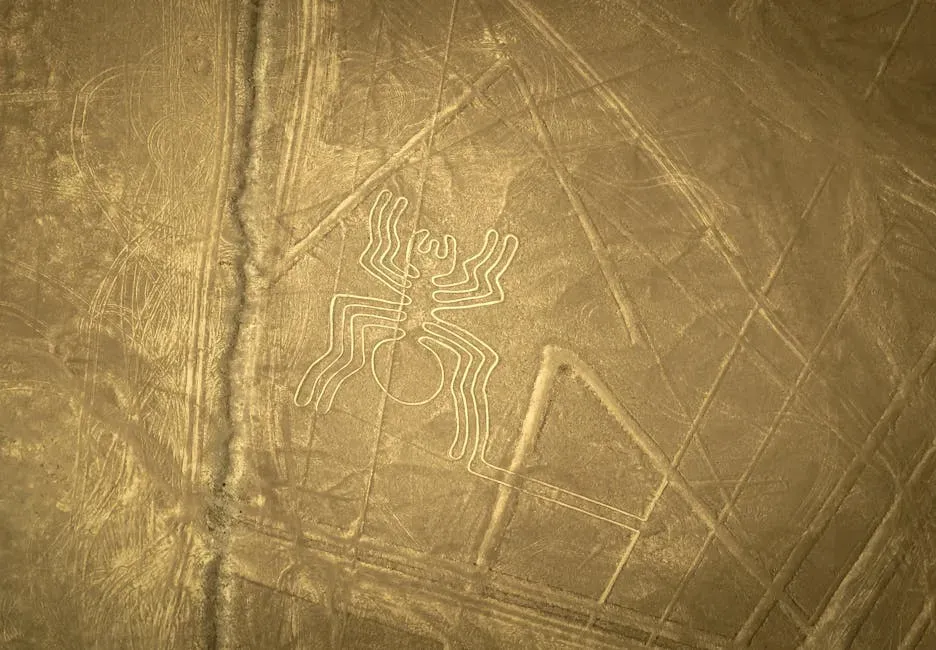
On the south coast of Peru, the Paracas and Nazca cultures left behind two of the most puzzling legacies in pre-Columbian South America: elongated skull burials and the vast Nazca Lines geoglyphs. The intentional cranial deformation practiced by elites in Paracas society still raises questions about identity, status, and possibly even ideas of beauty or spirituality. It shows a level of cultural coordination around bodily modification that modern people often find unsettling, yet clearly meant something profound to them.
The Nazca Lines, enormous designs and straight lines etched into the desert floor, can be fully appreciated only from the air or surrounding hills. We have workable theories about their function – from ritual pathways to astronomical markers – but there is no consensus, and no written testimony from the Nazca themselves. What they knew about geometry, surveying, and visual perception allowed them to create figures that stay recognizable at massive scales, like an artist drawing with a pen the size of a bus. The fact that we are still arguing about why they did it shows how much of their mental universe we simply do not share.
#11 Ancient Mesopotamia’s Babylon: Astronomers of Ominous Precision
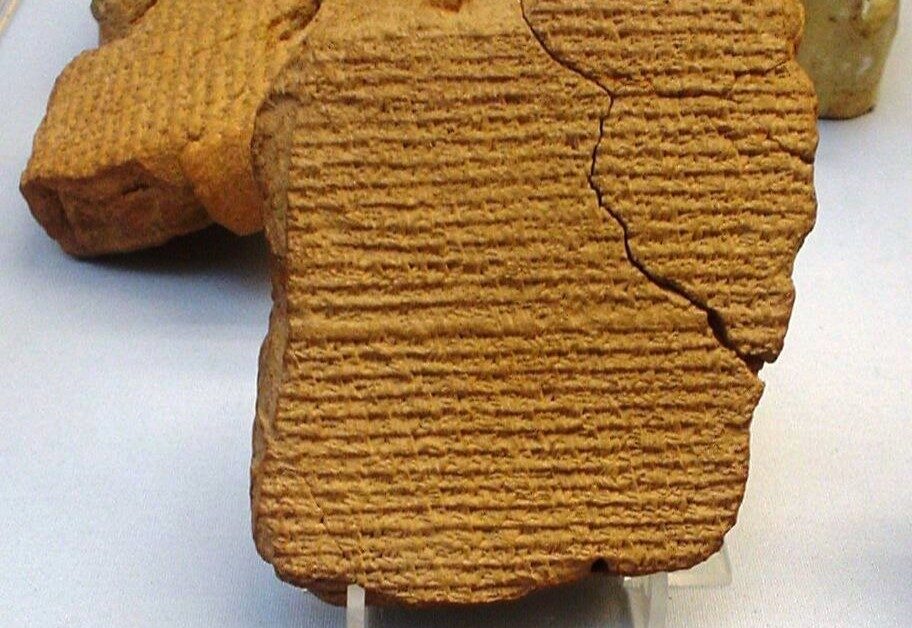
Babylonian scholars recorded planetary movements, lunar phases, and eclipses with a cold, careful regularity that feels strikingly familiar to modern scientists. Clay tablets document mathematical techniques that allowed them to predict celestial events with surprising accuracy, using stepwise procedures that some historians of science compare to early forms of algorithmic thinking. They were not just looking at the sky; they were quantifying it in a systematic way that would influence later Greek and Islamic astronomy.
Yet for all this predictive power, Babylonians interpreted astronomical phenomena as omens deeply entangled with politics and fate. A lunar eclipse could mean disaster for a king, triggering elaborate rituals of substitution and appeasement. How exactly did they mentally reconcile their empirical skill with such an omen-based worldview? Historians have models, but there is still an interpretive gap between our categories – science versus superstition – and their seamlessly blended approach. In a way, they remind us that knowledge is never just about data; it is also about the meaning a culture chooses to hang on that data.
#12 The Aksumite Kingdom: Architects of Obelisks and Hidden Networks
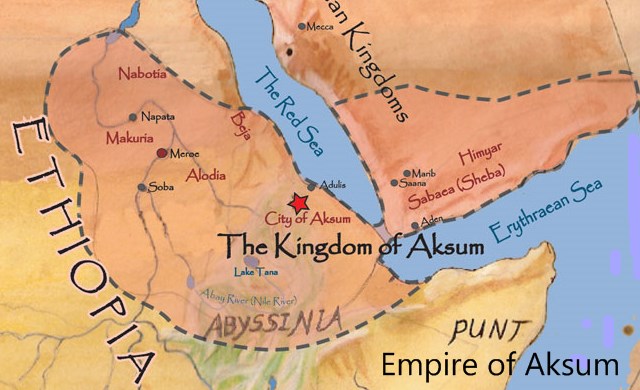
The Kingdom of Aksum, centered in what is now Ethiopia and Eritrea, was a major power in late antiquity, controlling key trade routes between Africa, Arabia, and beyond. Archaeologists have found monumental stone stelae, some carved as multi-story “false buildings,” that required advanced knowledge of quarrying, transport, and erection techniques. These towering obelisks functioned as grave markers and political statements, projecting authority in a way that still feels imposing today. It is one thing to stack stones; it is another to raise a single gigantic monolith with limited equipment.
Aksum also minted its own coins and participated in far-flung trade, yet the written records that survive from the kingdom itself are relatively sparse. We know they adopted Christianity early and engaged diplomatically with major empires, but we are still piecing together how their internal institutions and technical skills developed over time. Much of their story is inferred from architecture, imported goods, and later chronicles. For a civilization that clearly understood logistics, currency, and monumentality, it is frustratingly under-documented, leaving modern historians to guess at the full scope of their knowledge networks.
#13 The Göbekli Tepe Builders: Monumental Culture Before Cities
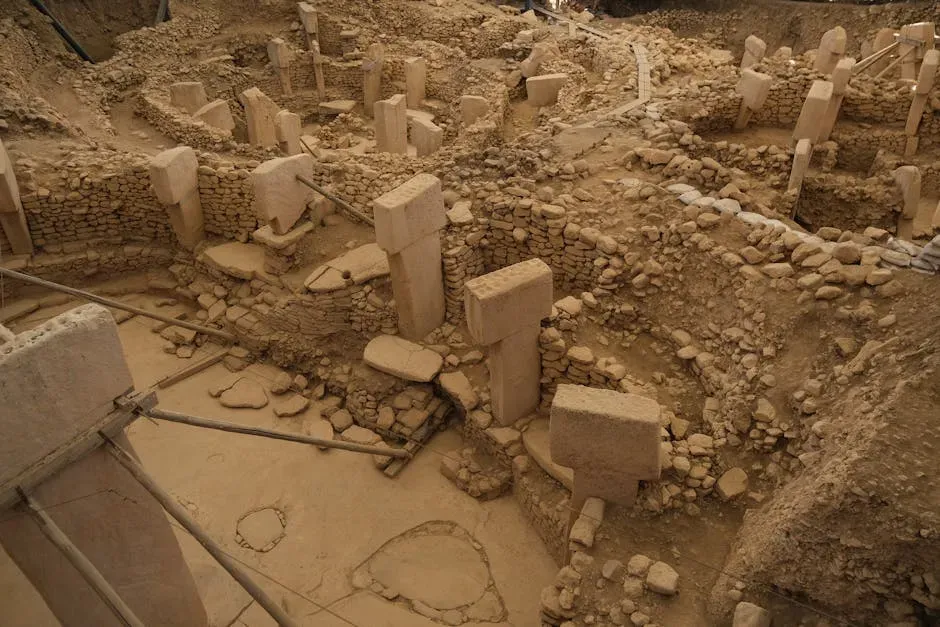
Göbekli Tepe, in southeastern Turkey, has upended old assumptions about what had to come first: agriculture, cities, or monumental religious architecture. Dating back to the tenth millennium BCE, its massive stone pillars arranged in circular enclosures were carved by hunter-gatherer groups, long before classic “civilization” in the textbook sense. This suggests that complex ritual organization and symbolic thought reached a high level of sophistication even without permanent urban life. In other words, people were building temples before they built cities, which flips the old story on its head.
How these groups coordinated labor, food supply, and tool production for such a massive project remains hotly debated. Some researchers argue that seasonal gatherings tied to shared beliefs made this possible, while others suggest emerging forms of social hierarchy and leadership. What is clear is that these builders knew a lot about stone, spatial planning, and symbolic imagery, even though they left no writing and very little everyday material culture by comparison. It is like finding the ruins of a cathedral built by people who, according to our old models, were not supposed to have cathedrals at all.
#14 The Rapa Nui (Easter Island): Moving Giants Across a Tiny World
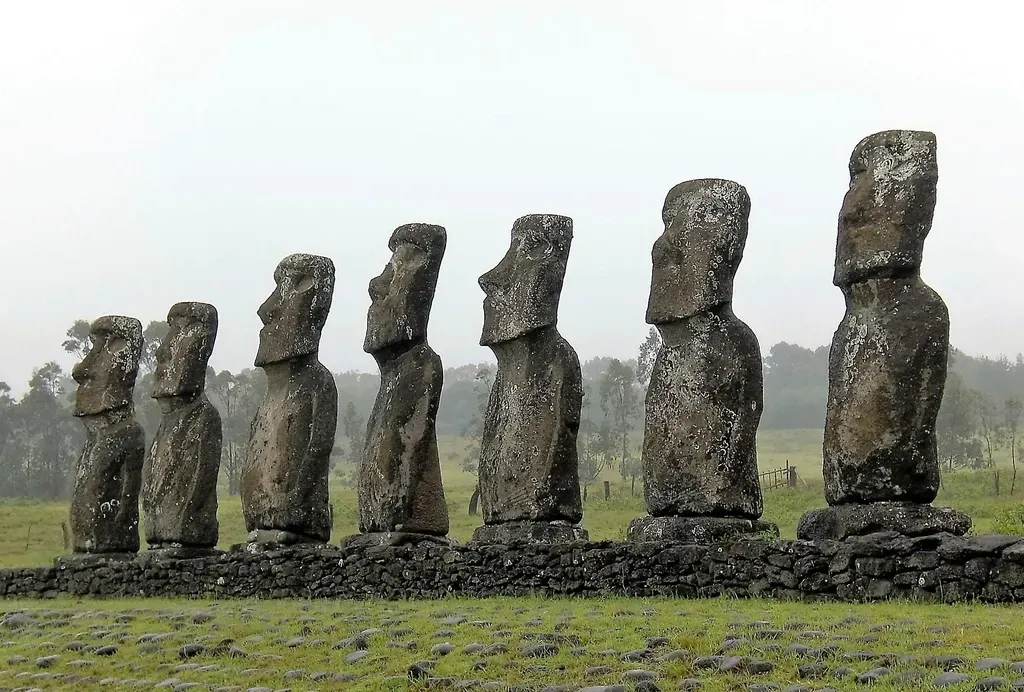
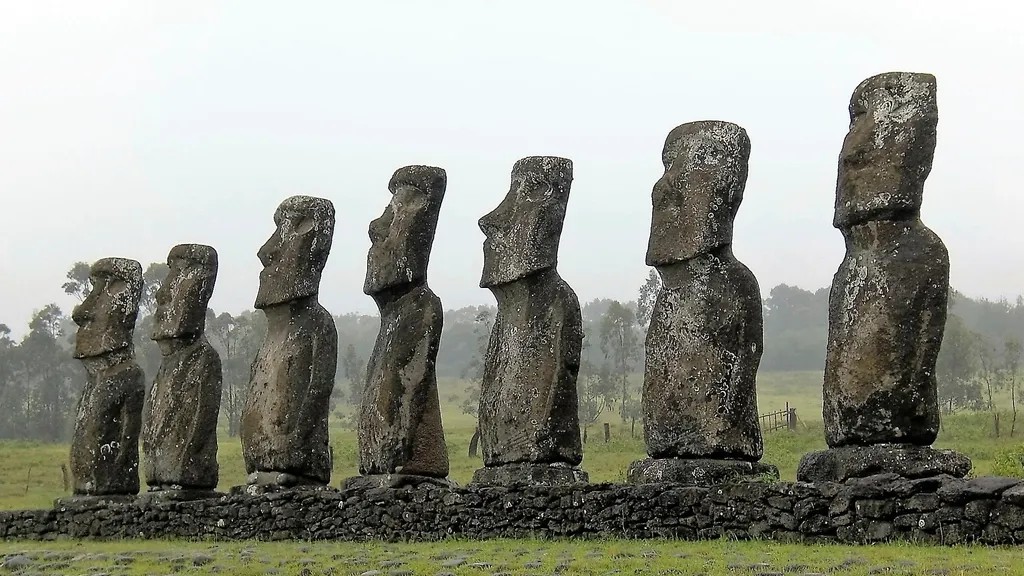
On a small, remote island in the Pacific, the Rapa Nui carved and transported hundreds of massive stone statues known as moai. Some of these weigh many tons and stand several meters high, and they were moved from a central quarry to locations all around the island. Experimental archaeologists have shown a few possible methods – rocking the statues upright, dragging them on sleds – but the exact techniques, labor organization, and social incentives behind this effort are still not fully settled. It took more than raw strength; it took planning and a shared cultural obsession.
At the same time, the island’s ecological changes and population shifts have sparked intense debates about collapse, resilience, and outside contact. Were the Rapa Nui victims of overuse of resources, of external disruption, or some mix of both? What is not in doubt is that they had an impressive grasp of stone carving, leverage, and coordination for a community living in geographic isolation. To me, Easter Island is a kind of micro-laboratory showing how much a determined group can achieve with limited land and technology, and how fragile that achievement can be when conditions shift.
#15 The Inca: Road Builders and Quipu Keepers of the Andes
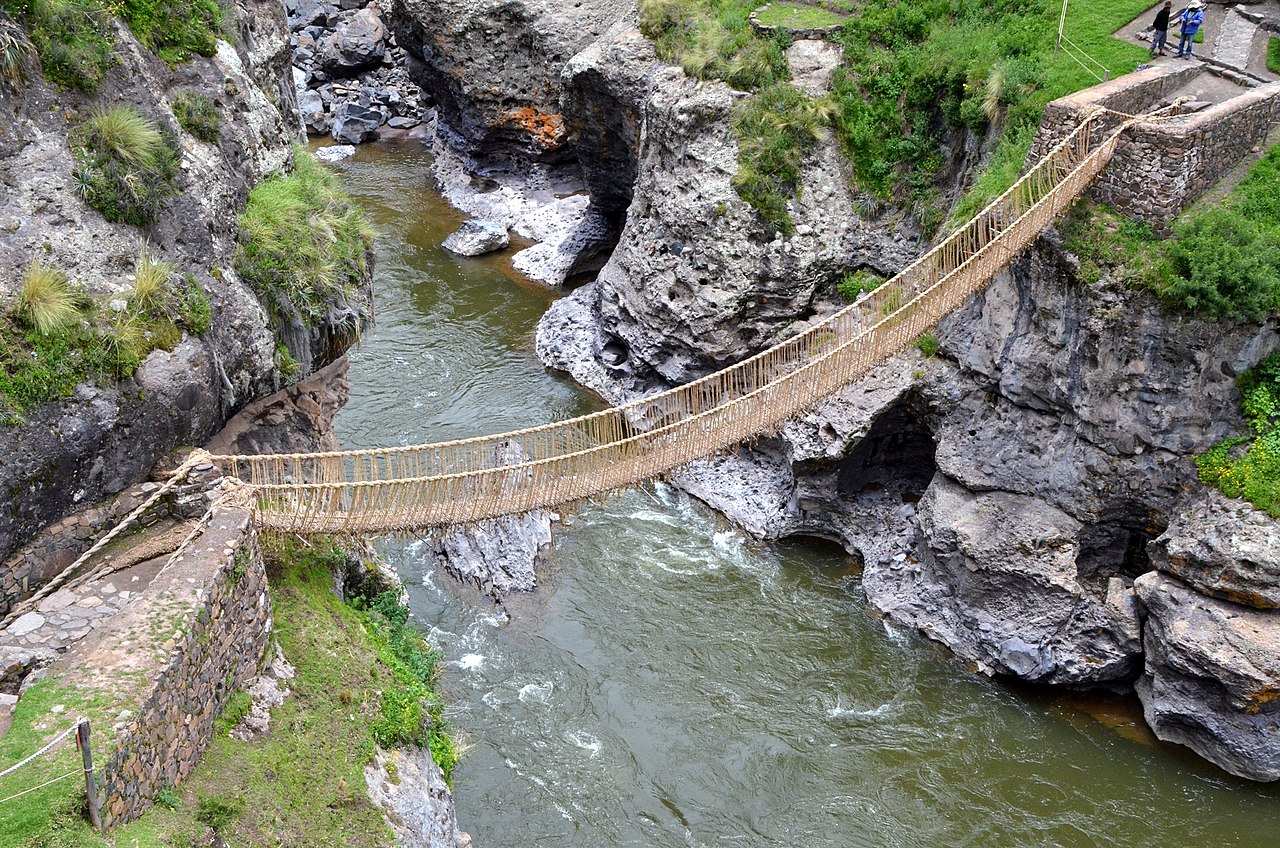
The Inca Empire stretched across rugged mountains and valleys, yet they knit this extreme terrain together with an immense network of roads and suspension bridges. These paths, including stone stairways and rope bridges over yawning ravines, reveal a stunning grasp of engineering adapted to high-altitude environments. They did all this without the wheel for transport or large draft animals beyond llamas. Movement, communication, and supply were treated almost like a science, allowing them to manage a vast, diverse empire from their highland centers.
Then there are the quipu: bundles of knotted cords used to record information. Scholars agree they encoded numerical data and probably administrative records, and some evidence hints at more complex, perhaps even narrative content. But we have not cracked their full “grammar,” which means a huge portion of Inca record-keeping is still locked away behind fiber and knots. Imagine trying to understand a modern government with its spreadsheets erased and only color-coded strings remaining. It is hard not to suspect that when we finally decode quipu completely – if we ever do – our picture of Inca knowledge will shift dramatically.
#16 The Israelites and Surrounding Levantine Cultures: Text, Law, and Memory
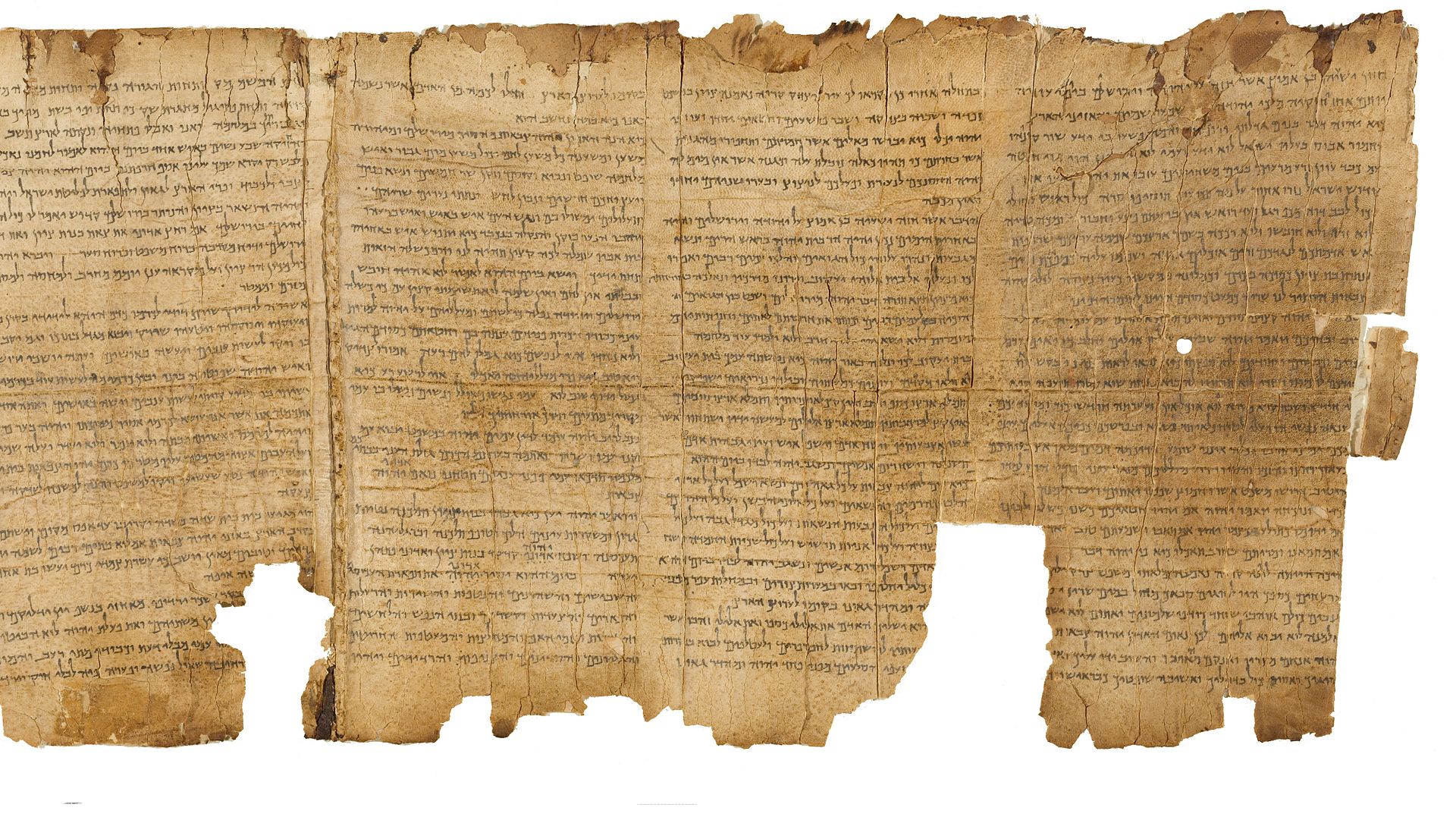
In the ancient Levant, including the Israelites and their neighbors, we see an unusual emphasis on written law, narrative history, and collective memory as tools for organizing a society. Inscriptions, scrolls, and later compiled texts preserve legal codes, origin stories, and prophetic critiques that shaped everything from daily life to politics. The very idea that a people could define themselves so strongly through a shared written and oral tradition was a kind of social technology, an invisible infrastructure as powerful as any road or aqueduct. It gave them a way to carry identity across time and exile.
The mystery is not whether these texts were influential – they clearly were – but how exactly literacy, schooling, and transmission worked on the ground. Who could read, who could write, and how were these skills taught across generations? Archaeology reveals some scribal training centers and inscribed artifacts, but the full social machinery behind such a text-centered culture is still debated. We see the final product in canonical writings and later commentary, yet the actual classroom, so to speak, remains mostly invisible. That gap between the texts we can study and the teaching we can barely reconstruct is one of the most intriguing puzzles in the region’s intellectual history.
#17 The Phoenicians: Navigators of Invisible Highways
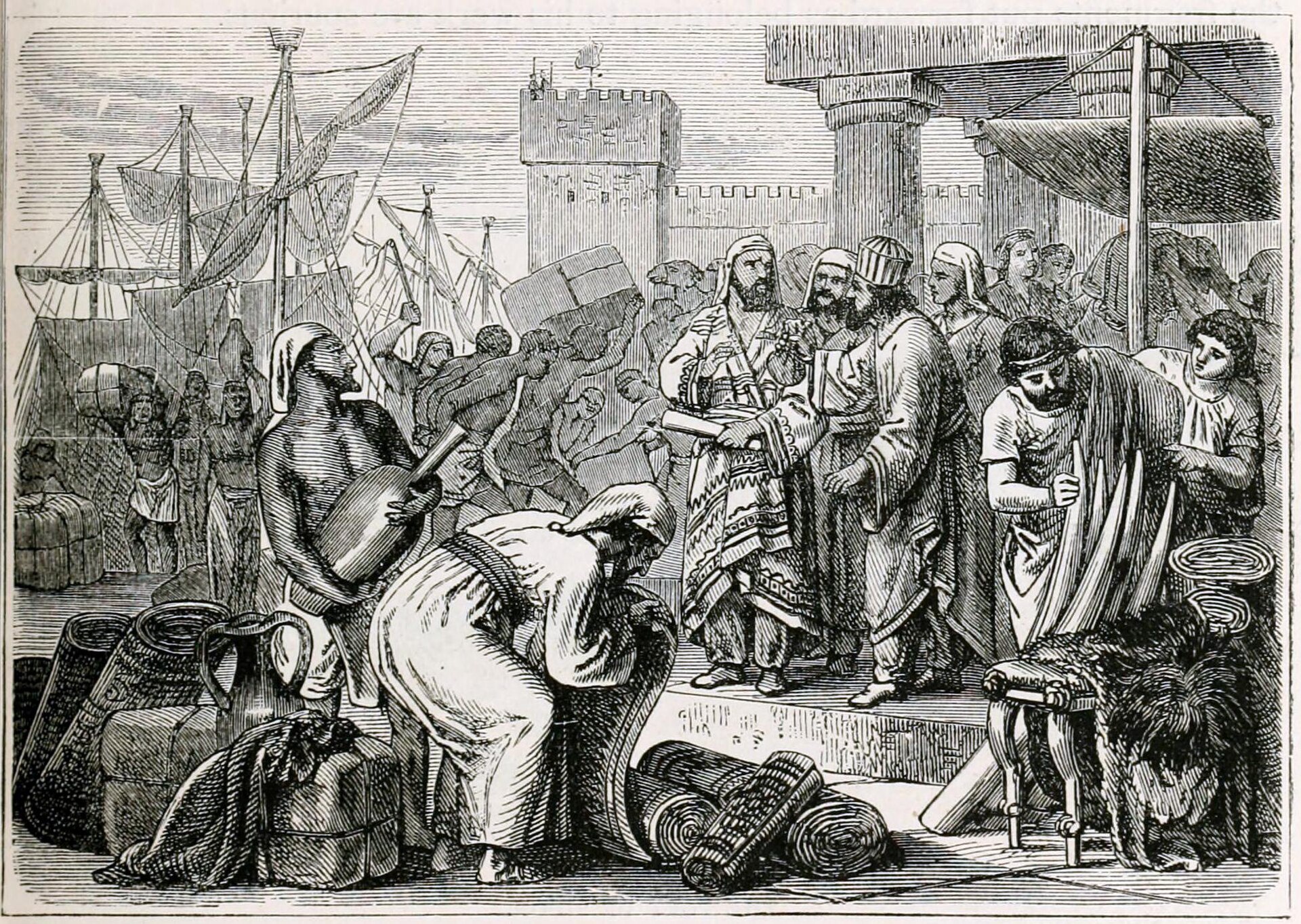
The Phoenicians, based in coastal cities like Tyre and Sidon, turned the Mediterranean Sea into their personal trade network long before global shipping lanes existed. They were renowned sailors and shipbuilders, apparently navigating by stars, seasonal winds, and intimate knowledge of currents and coastlines. In an age without compasses, detailed printed maps, or modern communication, they stitched together a trading system that moved metals, dyes, timber, and ideas between cultures that might otherwise have remained strangers. The sea was their highway, and they seemed to read it the way we read a transit app.
They are also strongly associated with spreading an early alphabetic script that would influence later writing systems, yet we have surprisingly few narrative texts from their own perspective. We know them largely through the eyes of their rivals and trading partners. How did they train navigators, track debts, or manage risk across such long distances? What navigational rules were memorized, and what was left to improvisation? For a people who clearly knew a lot about wind, water, and information flow, the silence of their own records feels almost ironic. It is as if the masters of connection allowed their own deeper story to be washed away by time.
Conclusion: Rethinking What It Means to Be “Advanced”
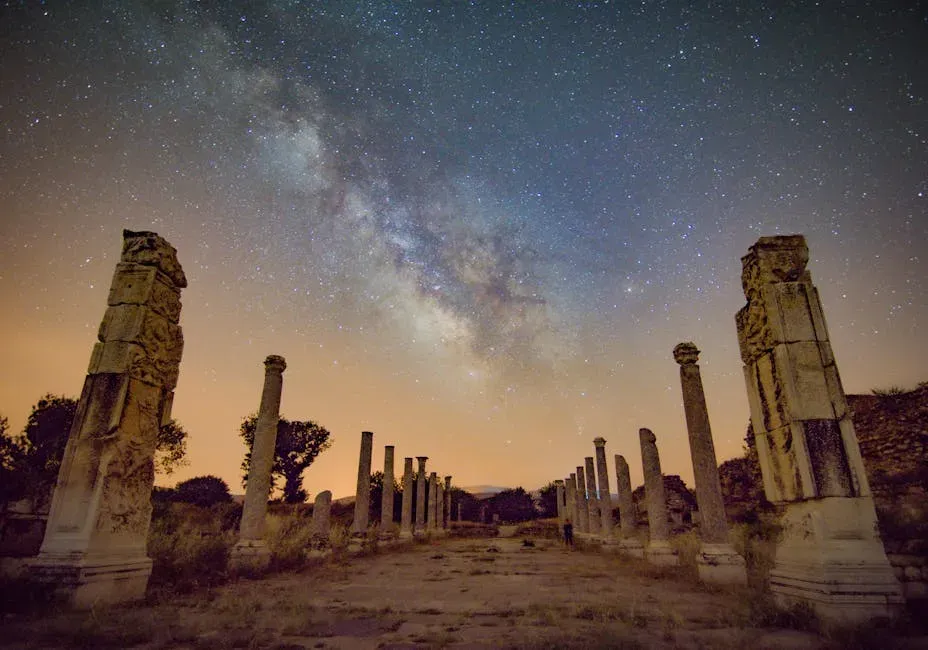
Looking across these seventeen civilizations, a pattern jumps out: human beings have been clever, imaginative, and technically daring for a very long time, often in ways that do not line up with our modern stereotypes of “primitive” and “advanced.” These cultures mastered math without calculators, moved mega-stones without cranes, and tracked skies without telescopes. At the same time, they lived in worlds steeped in myth, ritual, and symbolic thinking that many of us no longer share, which makes their achievements feel familiar and alien at once. For me, the real shock is how much of our own supposedly “modern” toolkit – timekeeping, urban planning, data recording, long-distance logistics – has roots far deeper than most school textbooks ever admit.
My honest opinion is that we are still underestimating them. Not because they had secret space-age technology or anything like that, but because we keep judging their intelligence by our priorities instead of theirs. They cared about alignment with stars as much as straight roads, about ritual harmony as much as efficient drainage, and they built their knowledge accordingly. Maybe the lesson is that “advanced” does not always mean more gadgets; it can also mean seeing patterns in nature, time, and human behavior that we are too distracted to notice. Which of these ancient mysteries makes you most curious about what else might still be buried, both in the ground and in our assumptions?