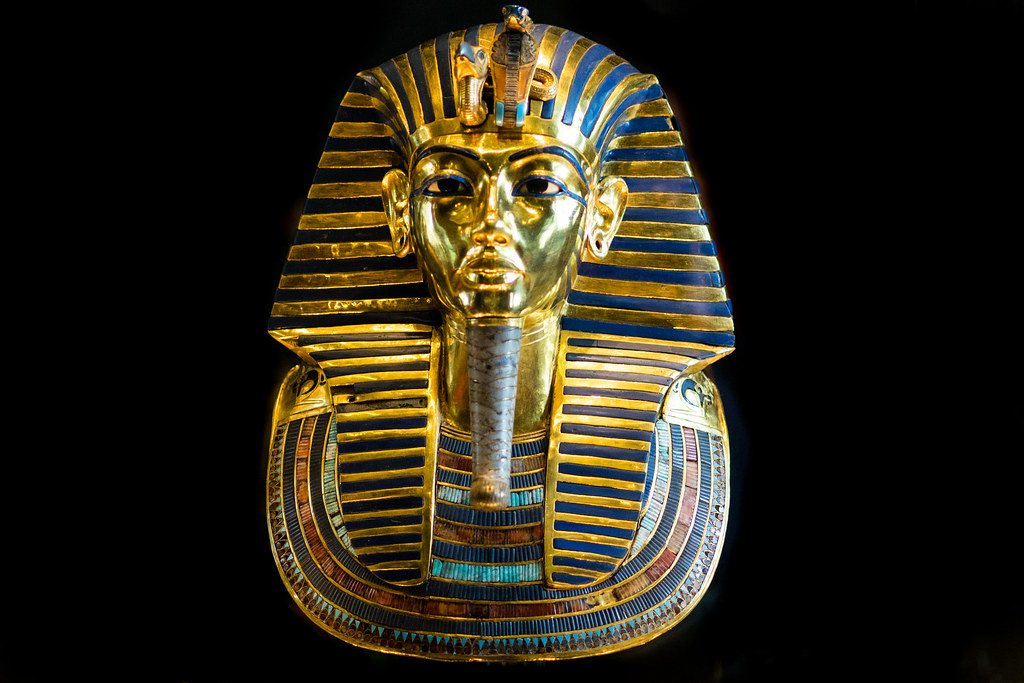
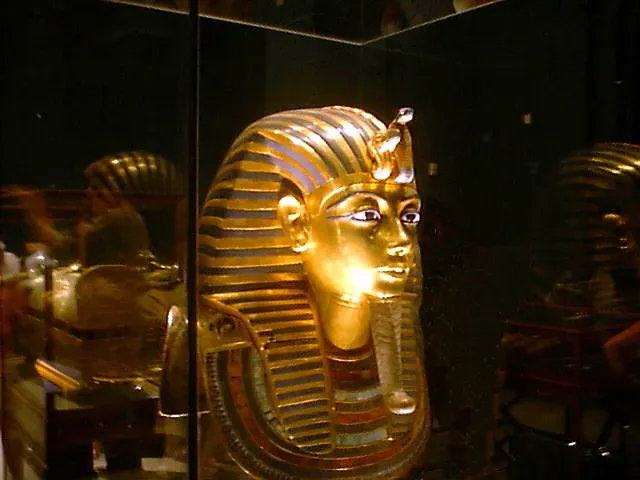
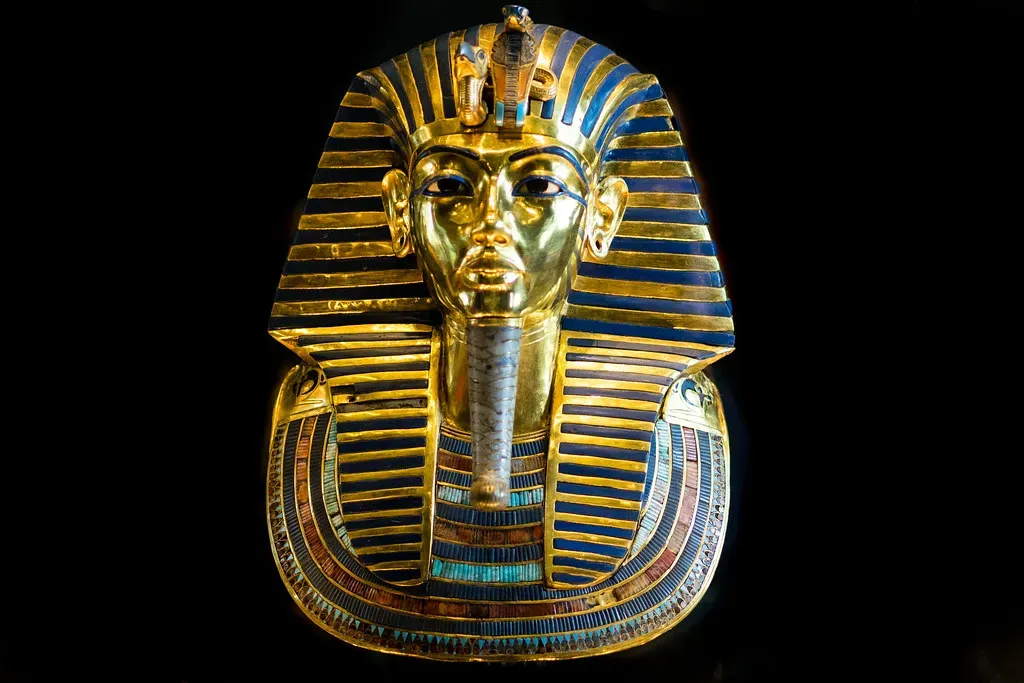
You probably grew up seeing photos of King Tut’s golden mask in textbooks or museum posters, but nothing really prepares you for how wild his story actually is. When you look a little closer, this is not just a tale of a “boy king” with a shiny coffin; it’s a messy family drama, a medical mystery, and an archaeological jackpot all rolled into one, sealed away under desert sand for more than three thousand years.
As you walk through the story of Tutankhamun and his tomb, you’re not just peeking into a museum case; you’re stepping into a room that once held the smell of ancient oils, the shimmer of gold by torchlight, and the unnerving feeling that you’ve just interrupted someone’s carefully prepared eternity. These five facts will change how you picture Tut completely – and by the end, you might find yourself as obsessed as the archaeologists who spent years cataloguing every last bead and chariot fragment.
1. You’re looking at the only nearly intact pharaoh’s tomb ever found
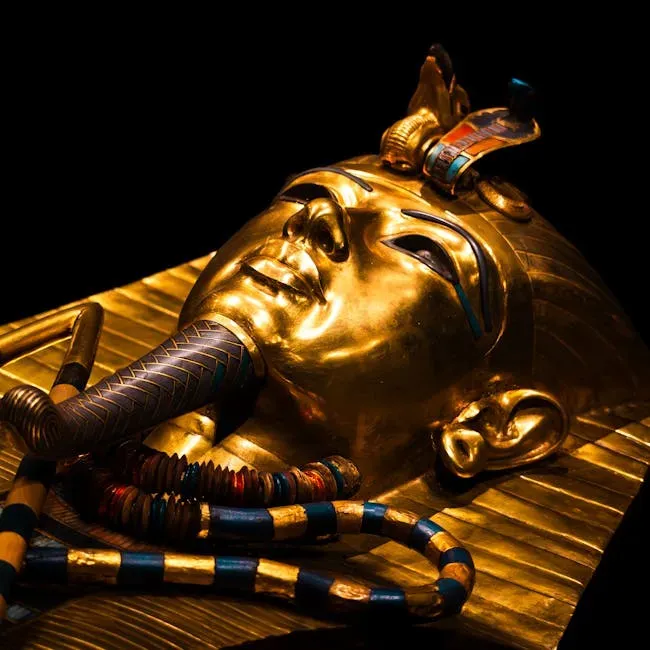
When you stand in front of Tutankhamun’s treasures, you’re seeing something almost no other pharaoh can offer you: an essentially untouched royal burial. Most royal tombs in the Valley of the Kings were robbed centuries ago, stripped of their gold and ritual objects long before modern archaeologists arrived. Tut’s tomb escaped that fate because it was small, partly hidden under debris from later tombs, and he simply wasn’t considered a major ruler worth hunting for afterward.
That accident of history handed you a time capsule. When Howard Carter and his team broke the seal in 1922, they stepped into rooms still stacked with couches, chests, chariots, food offerings, and shrines, just as the embalmers had left them more than thirty centuries earlier. Instead of guessing what a royal burial might have looked like from a few scraps, you can walk through Tut’s tomb today and see a real snapshot of how the elite of New Kingdom Egypt prepared for the afterlife, down to the smallest cosmetic jar and game board.
2. You discover a treasure room packed almost to the ceiling
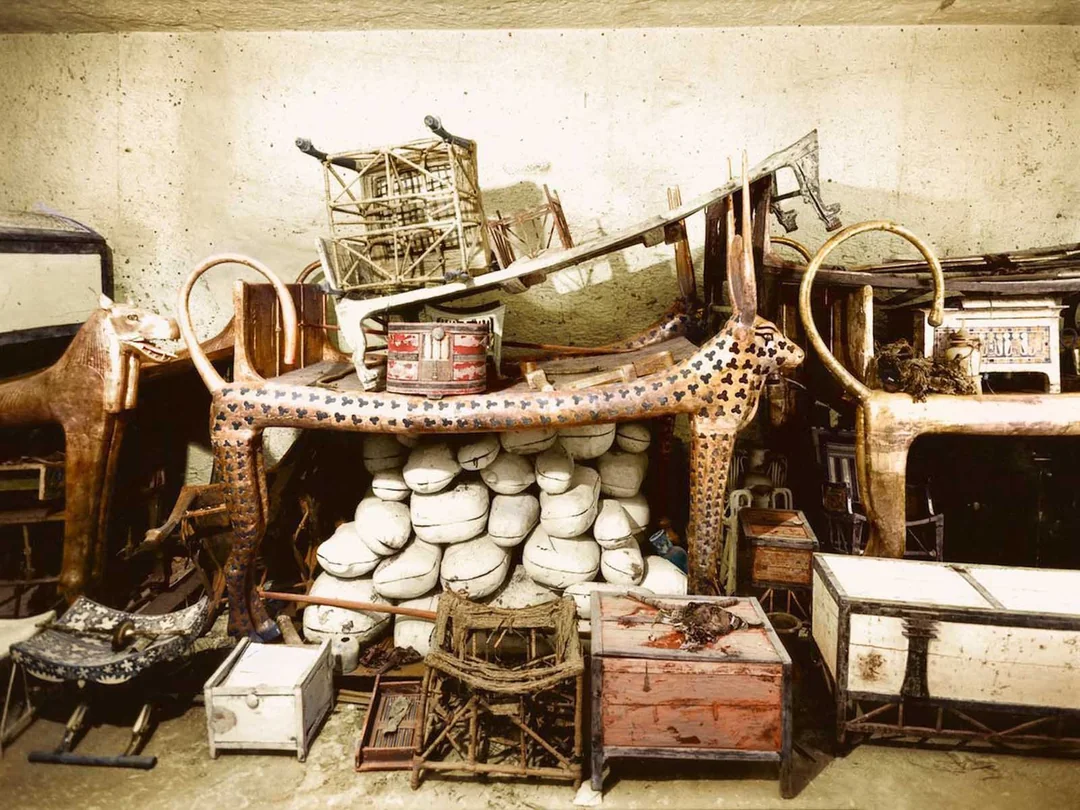
Imagine opening a door after days of careful excavation and seeing a jumble of gold, ivory, ebony, and inlaid furniture piled so high it feels like someone used a forklift instead of careful planning. That was the antechamber of Tutankhamun’s tomb: beds stacked like a chaotic attic, dismantled chariots leaning against the walls, magnificent statues guarding the space, and chests crammed into any leftover gap. You’re not looking at a neat showroom; you’re looking at a hurried royal move into eternity.
As you move deeper, the density of objects becomes almost ridiculous. Tut was sent into the afterlife with hundreds of shabti figurines meant to do his work for him, more than two hundred pieces of jewelry, at least six chariots, fine linens, jars of wine and oils, and three nested coffins, the innermost made of solid gold. The famous gold mask is just the tip of the iceberg; if you picture a pharaoh’s tomb as a single glittering coffin in an empty stone room, Tut’s tomb completely rewires that image into something closer to a storage unit stuffed by a very wealthy family on a serious deadline.
3. You meet a sickly teenage king, not a flawless golden god
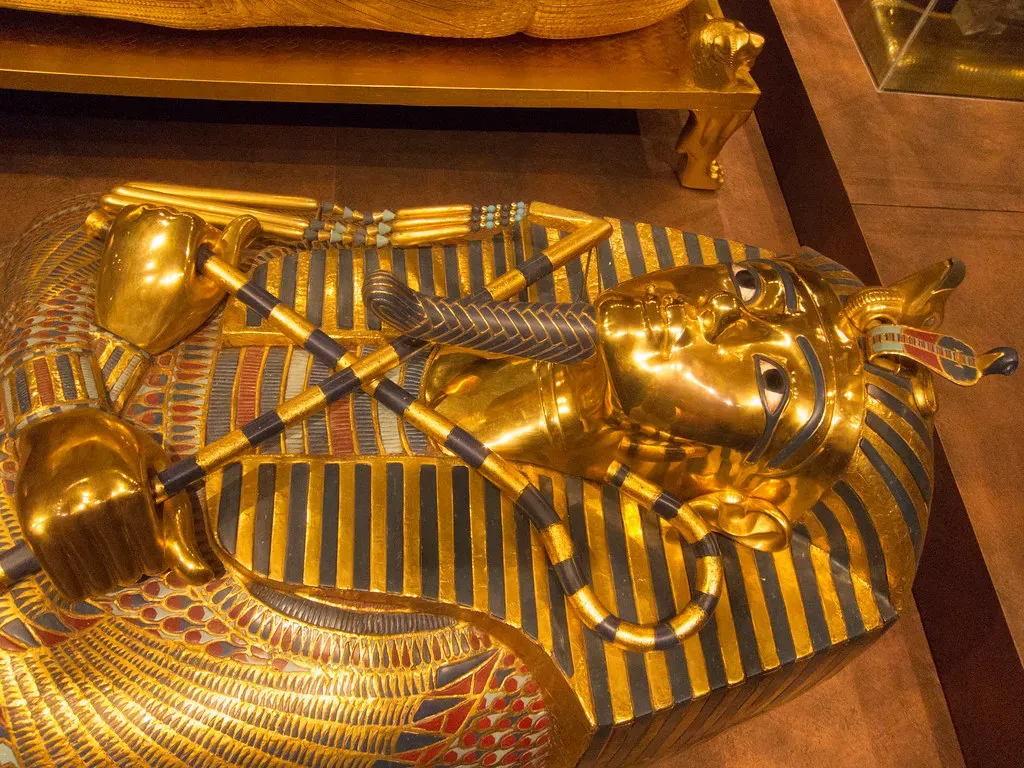
Looking at Tutankhamun’s mask, you might assume he was a robust, ideal warrior-king, but his mummy tells you a very different story. DNA analysis and CT scans suggest he came from a tightly inbred royal line, with his parents likely being full siblings. That kind of genetic bottleneck probably left him with health problems, including bone abnormalities and a clubbed or weakened foot, which would have made walking painful and running nearly impossible. It’s a far cry from the athletic hero image you often associate with pharaohs.
When you notice the sheer number of walking sticks and canes found in the tomb, the picture sharpens: the boy king seems to have relied on them in life and took dozens into death as insurance. Evidence of malaria parasites in his remains points to repeated infections, and the famously broken leg that you sometimes hear about may have worsened his condition or complicated his final illness. Instead of imagining a god on earth, you find yourself picturing a vulnerable teenager, limping through palace courtyards, propped up by ritual power and servants while his own body quietly failed him.
4. You step into the heart of the so‑called “curse of the pharaohs”
When Tut’s tomb was opened in the early 1920s, you would have been bombarded with newspaper headlines warning about an ancient curse. The sudden death of Lord Carnarvon, the wealthy patron of the excavation, just months after the tomb’s opening lit the fuse for a global obsession. Stories spread that ominous messages had been found, that mysterious lights flickered, that anyone who dared to disturb the boy king’s rest would die an early, grisly death. For people reading those papers, it felt like a real-life horror story unfolding in the desert.
If you look at the data instead of the drama, though, the curse evaporates pretty quickly. Studies that tracked the lifespans of people who entered the tomb compared them to those who did not and found no unusual pattern of early death. Most of the archaeologists and staff lived perfectly ordinary lifespans for their time, and a century later you still have visitors walking in and out of the tomb without dropping like flies. The curse turned out to be one part coincidence, one part sensational journalism, and one part your own human tendency to love a spooky story more than a boring statistical chart.
5. You uncover a rushed, improvised burial that rewrites royal expectations
When you first imagine a royal tomb, you probably picture a grand, perfectly planned monument carved over decades. Tutankhamun’s burial tells you something different: it looks surprisingly improvised. The tomb itself is small for a pharaoh, with a layout much simpler than you’d expect, leading many scholars to think it might have been repurposed quickly when he died around age nineteen. Wall paintings show signs of being completed in a hurry, and objects in the tomb include items that look like they were originally made for someone else and reinscribed for Tut at the last minute.
Even the treasures themselves carry this rushed, patched-together feeling. Some pieces of jewelry and equipment seem stylistically out of step with his short reign, hinting that artisans scavenged from existing royal stock to meet the tight burial deadline. You also see evidence that his memory was not cherished by later kings; his name and that of his controversial father largely vanished from public monuments soon after. Instead of a carefully curated eternal home, you’re looking at a scrambled, urgent effort by a shaken court to bury a young ruler quickly, honor tradition just enough, and then move on.
Walking away from King Tutankhamun’s story, you’re not just left with the image of a golden mask; you’re holding a whole bundle of contradictions. You’ve met a fragile teenager wrapped in the regalia of a god, a modest tomb overflowing with impossible riches, and a supposed ancient curse that crumbles under modern scrutiny. His resting place survived by accident, his burial was rushed, and yet his name is now more famous than that of almost any other pharaoh in history.
In the end, Tutankhamun’s greatest treasure for you isn’t the gold at all, but the raw, unfiltered glimpse into how a powerful culture grieved, improvised, and tried to cheat death. Next time you see that iconic mask, will you picture a distant legend, or a limping nineteen‑year‑old whose hurried funeral ended up changing what you know about ancient Egypt forever?