When you picture the “worst” hurricane in American history, your mind probably jumps to recent names you watched on live TV. But the deadliest hurricane ever to strike the United States hit long before satellite images, radar loops, or 24-hour news. It crashed into a growing coastal city, wiped it off the map in a single night, and left such a deep scar that you still feel its impact more than a century later.
You are living in a time when a hurricane’s every wobble is tracked in real time. Back then, people depended on scattered ship reports and gut feelings. That gap between what you know today and what they knew then is exactly why this storm was so devastating. To really understand , you have to step into a world with almost no warning, fragile infrastructure, and a dangerous belief that nature could be tamed with a little human confidence.
The Night Galveston Changed Forever
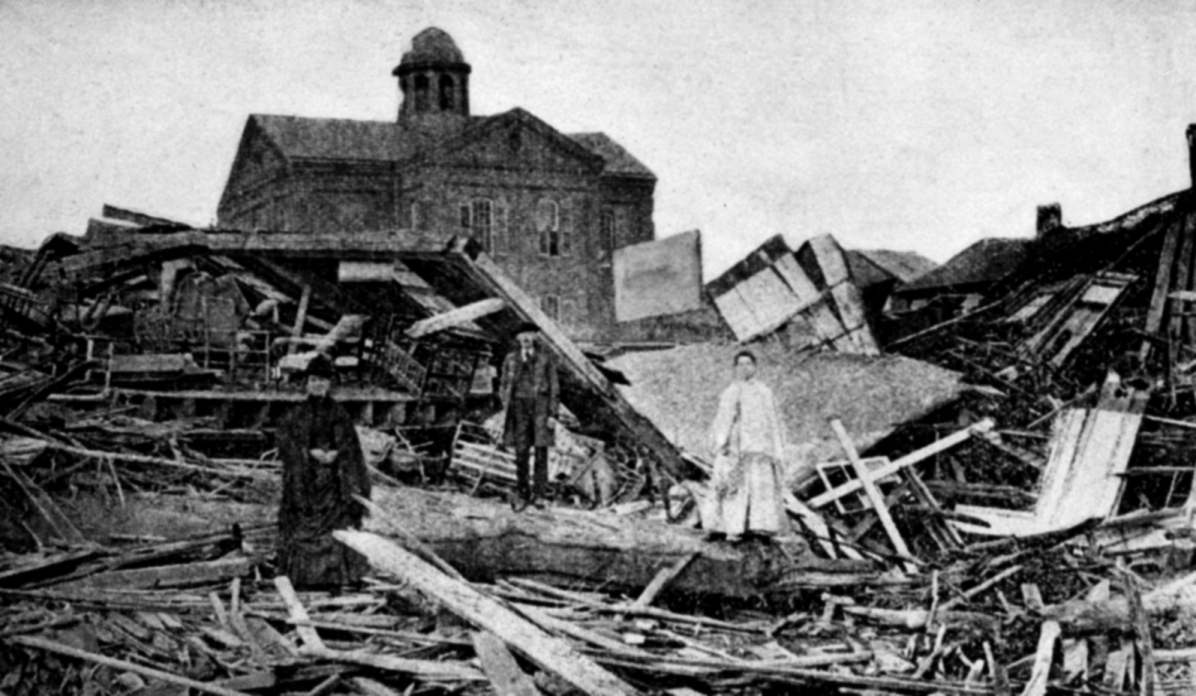
is the 1900 Galveston hurricane, a storm that turned a booming Texas island city into a mass of rubble and loss. You are used to talking about death tolls in the hundreds or low thousands for major disasters, but this storm killed an estimated six thousand to twelve thousand people in a single night, most of them in and around Galveston on September 8, 1900. If you imagine an entire small town being erased while people slept in wooden houses that shattered around them, you start to feel just how overwhelming that number really is.
At the time, Galveston was one of the most important ports on the Gulf Coast, a place people believed was on track to rival New Orleans. You would have seen elegant homes, busy docks, and a sense of confidence that the city’s slightly elevated, sandy barrier island was “good enough” against storms. That confidence collapsed when a powerful hurricane pushed a massive storm surge – water levels rising more than a story high in places – across the island. In a matter of hours, the city went from prosperous and hopeful to broken and barely recognizable, and you would have watched neighbors, friends, and entire families simply vanish.
Why So Many People Died
If you live on the coast today, you expect warnings: tropical storm watches, hurricane cones, evacuation orders, color-coded risk maps. In 1900, you would have had none of that. Weather forecasts were primitive, communication was slow, and there were major limits and political tensions around hurricane warnings from overseas meteorologists. Many people in Galveston simply did not realize how bad the storm would be until water was already rising through their floors. You might have noticed stronger-than-usual winds and rougher seas during the day, but nothing that screamed “this will be the worst night of your life.”
On top of that, the city itself made you more vulnerable. Galveston sat low to the water, with most buildings made of wood, and no seawall at the time to hold back the Gulf. If you had stayed in a one- or two-story wood frame house, the storm surge and battering waves could have collapsed the walls around you in minutes. With debris flying through the darkness and water filling the streets, you would have had almost nowhere safe to go. The combination of minimal warning, weak structures, and geography turned what might have been a survivable storm into the deadliest hurricane disaster in United States history.
What The Storm Actually Did To The City
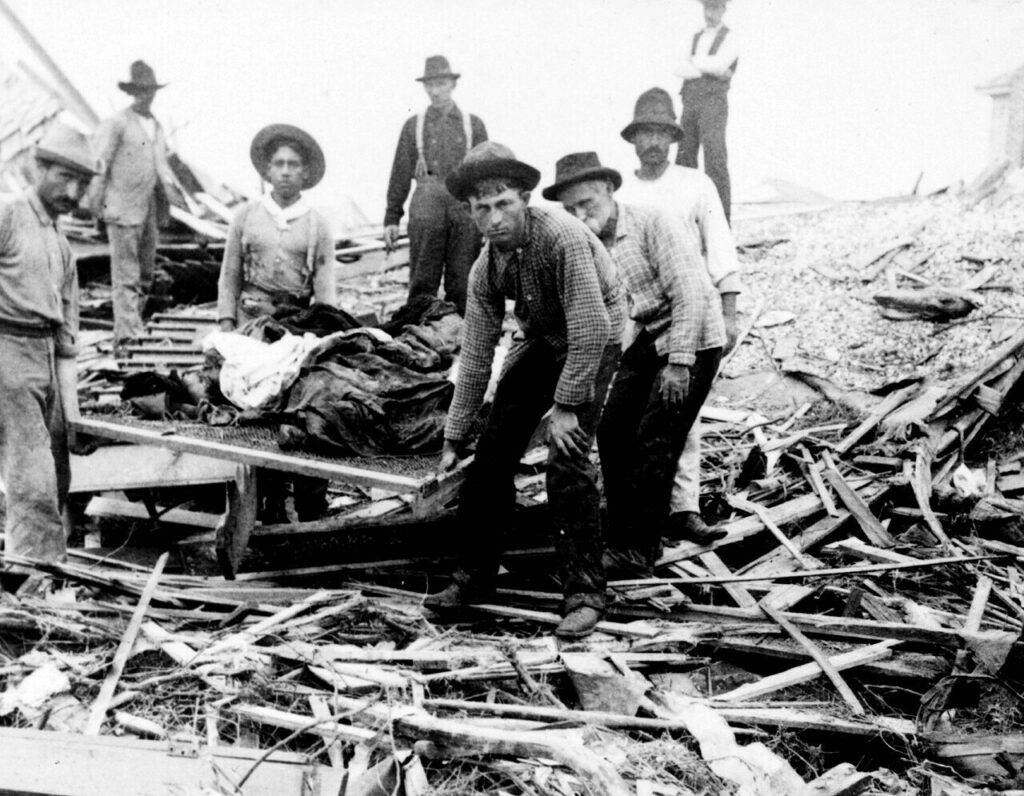
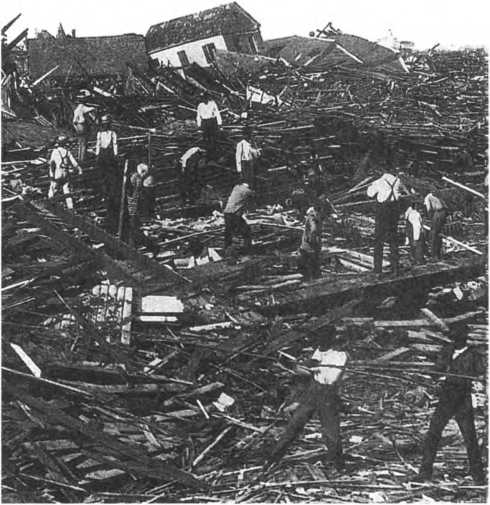
When you look at photos of Galveston after the hurricane, the destruction almost looks unreal, as if someone scraped the surface of the island with a giant metal blade. Entire neighborhoods were flattened, leaving piles of lumber, shattered furniture, and broken lives tangled together. If you had walked through the wreckage, you would have seen foundations with nothing left on them, churches torn open, and ships driven ashore like toys. The storm surge and waves had more power than any structure built there at the time could handle.
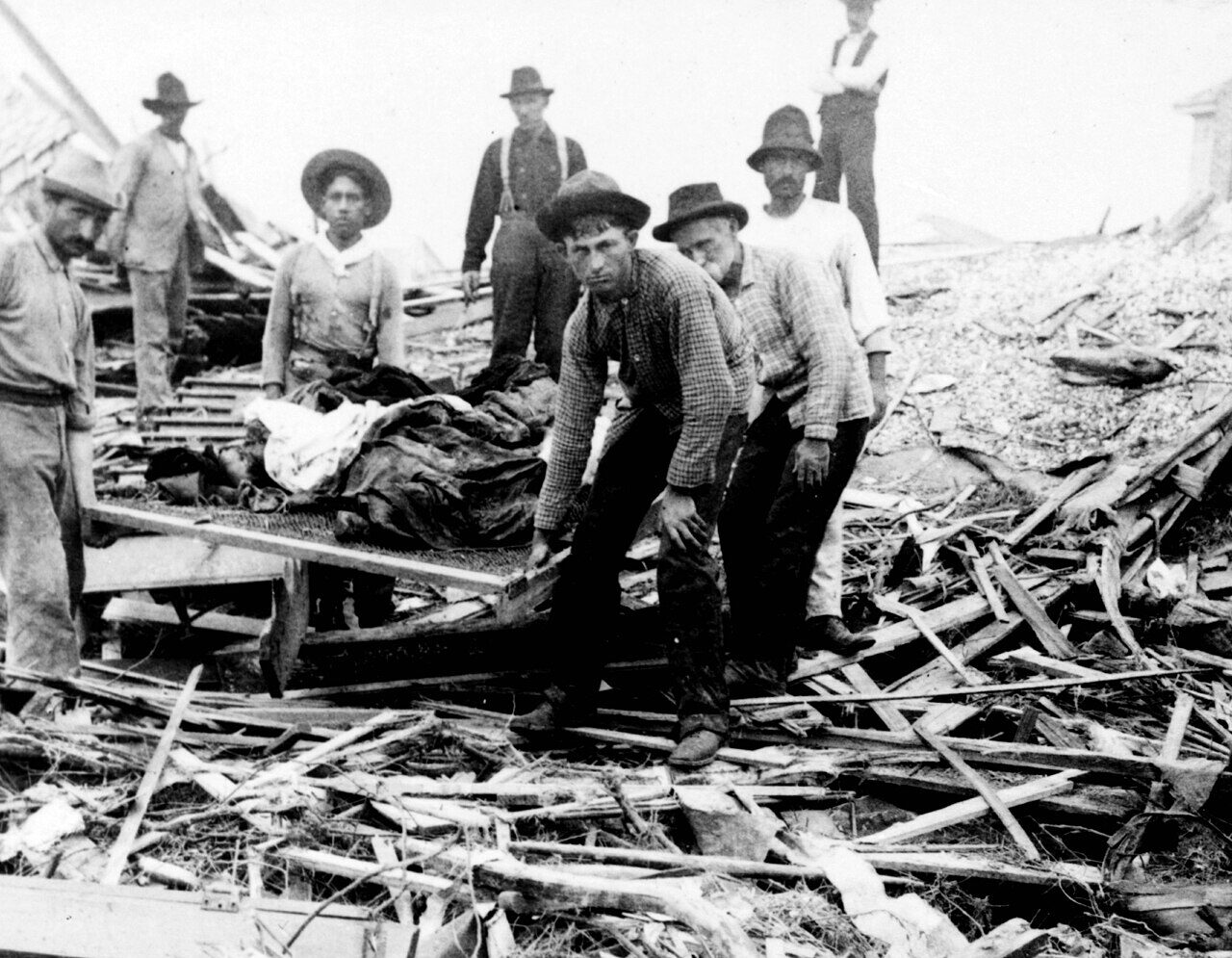
Inside the chaos, people tried desperate measures to survive. You might have climbed into an attic only to find yourself trapped as the water rose, or tried to move from house to house through howling wind and flying debris. Public buildings and larger structures became makeshift shelters, but even those were not always safe. The morning after, you would have found streets blocked by wreckage, limited clean water, severed communication lines, and people wandering in shock, trying to find family members who never answered their calls. The physical damage to Galveston was so vast that rebuilding took years and the city never fully regained the dominance it once expected to have.
The Human Toll You Rarely Hear In Numbers
It is easy to repeat that “many thousands” died and move on, but if you slow down and picture individual stories, the scale hits you differently. Imagine sending your children to stay with relatives on the island for what was supposed to be a normal late-summer visit, only to discover afterward that the house, street, and everyone inside are gone. If you had walked through Galveston in the days after the storm, the air would have been heavy with grief, disbelief, and the impossible task of identifying and burying the dead as the heat and decay set in.
Survivors faced a brutal reality: homes swept away, jobs gone, and loved ones missing or confirmed dead. You would have seen families huddling together in the ruins of buildings, wondering where they would sleep next or how they would ever rebuild. Children became orphans overnight, and entire social networks were broken. Even if you had physically survived, the emotional trauma of that night likely would have stayed with you for life, leaving you flinching at every heavy rain or strong wind for decades. The human toll went far beyond the immediate casualties and shaped the lives and stories of an entire region.
How The Disaster Changed Hurricane Forecasting
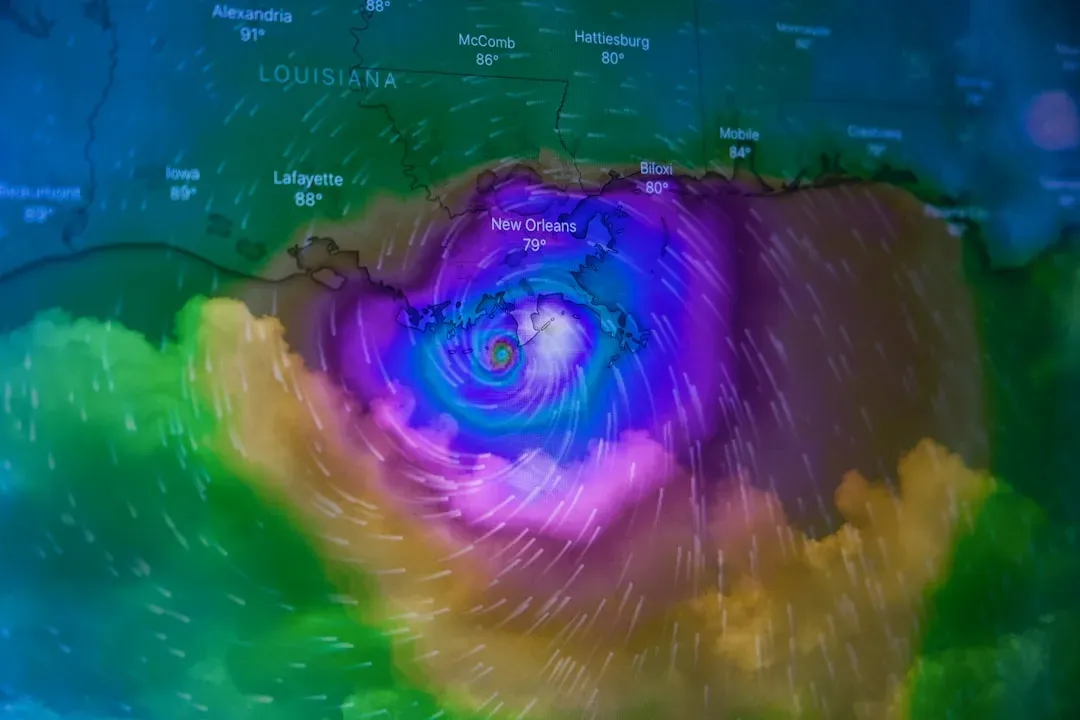
If you have ever rolled your eyes at a hurricane “cone” that shifted at the last minute, you might not realize how much better off you are because of what happened in 1900. The Galveston hurricane exposed just how blind people were to approaching storms and how deadly that ignorance could be. In the years that followed, you would have seen the United States invest more in weather observation, communication networks, and centralized forecasting. Over time, better instruments, more observation stations, and eventually radar and satellites transformed hurricane prediction from guesswork into a science that can save your life.
The tragedy also pushed authorities to take hurricane warnings more seriously. If you live on the coast today, you are part of a world where emergency managers can issue evacuation orders days in advance, where planes fly into storms to gather real-time data, and where forecasts update around the clock. You might still face uncertainty and last-minute changes, but you are no longer as blind as people in Galveston were. The price of that progress was paid by thousands who had no idea what was coming, and every hurricane season you benefit from the lessons carved out of their suffering.
The Seawall, The Raised City, And The New Galveston
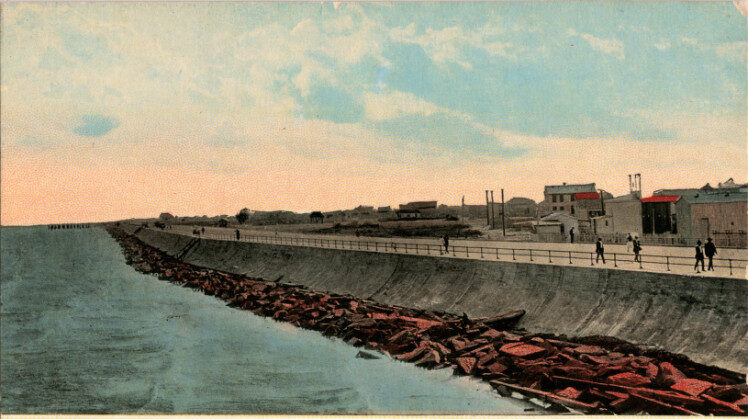
In the aftermath of the storm, Galveston did something you might find almost unbelievable: it literally raised parts of the city. Engineers and workers lifted buildings and streets by several feet, filling in underneath with sand to make the island higher and less vulnerable to flooding. Along the Gulf side, a massive concrete seawall was built to block future storm surges. If you were standing on that seawall decades later, looking out at the waves, you would know you were standing on a direct response to the horror of 1900, a kind of man-made shield against nature.
These changes did not erase the risk, but they made the city far more resilient. Later storms still damaged Galveston, yet the seawall and elevation work reduced the loss of life and property compared to what you saw in 1900. You might feel a mixture of awe and unease when you think about it: humans pushing back against the ocean with concrete and sand, hoping it will be enough. The rebuilt Galveston never fully reclaimed its pre-storm status as the dominant Gulf port, but it did become a symbol of stubborn resilience, a place where people chose to stay and adapt rather than abandon the island entirely.
What This Storm Still Teaches You Today
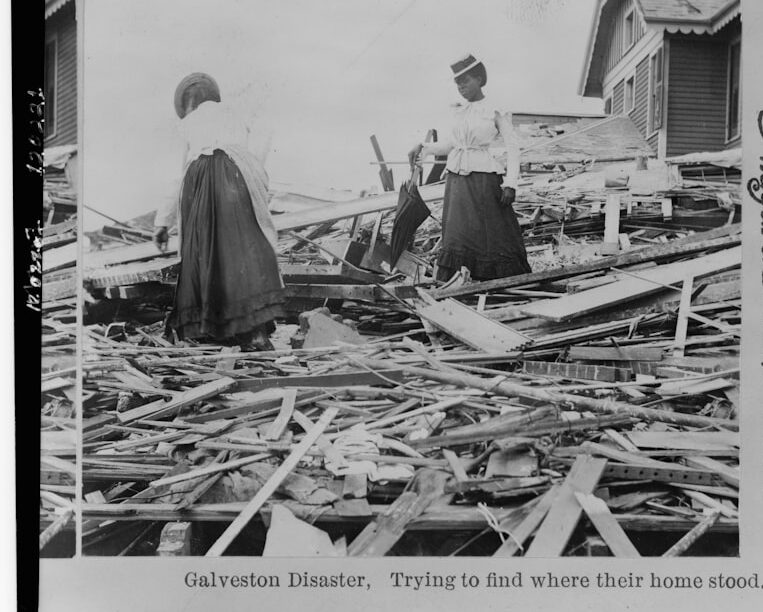
When you watch modern hurricane coverage, it is tempting to think that bigger buildings and better apps mean you are safe, but the Galveston hurricane reminds you that nature can still outrun your expectations. High death tolls today are less common in the United States, yet powerful storms still cause severe damage and take lives, especially when people do not evacuate or when vulnerable communities are overlooked. If you live in a coastal area, this disaster is a blunt reminder that elevation, building strength, and escape routes matter long before the clouds even appear on the horizon.
You can also see how social and economic inequalities shape who gets hurt the most. In any major storm, those with fewer resources, weaker housing, and limited transportation face the greatest risk. If you think about your own situation, you might ask yourself hard questions: Do you know your evacuation zone? Where would you go? Who would you help? The deadliest hurricane in United States history may have happened in 1900, but the core lessons about preparation, respect for warnings, and care for vulnerable neighbors are uncomfortably current for you right now.
Remembering The Deadliest Hurricane And Your Role In The Next One
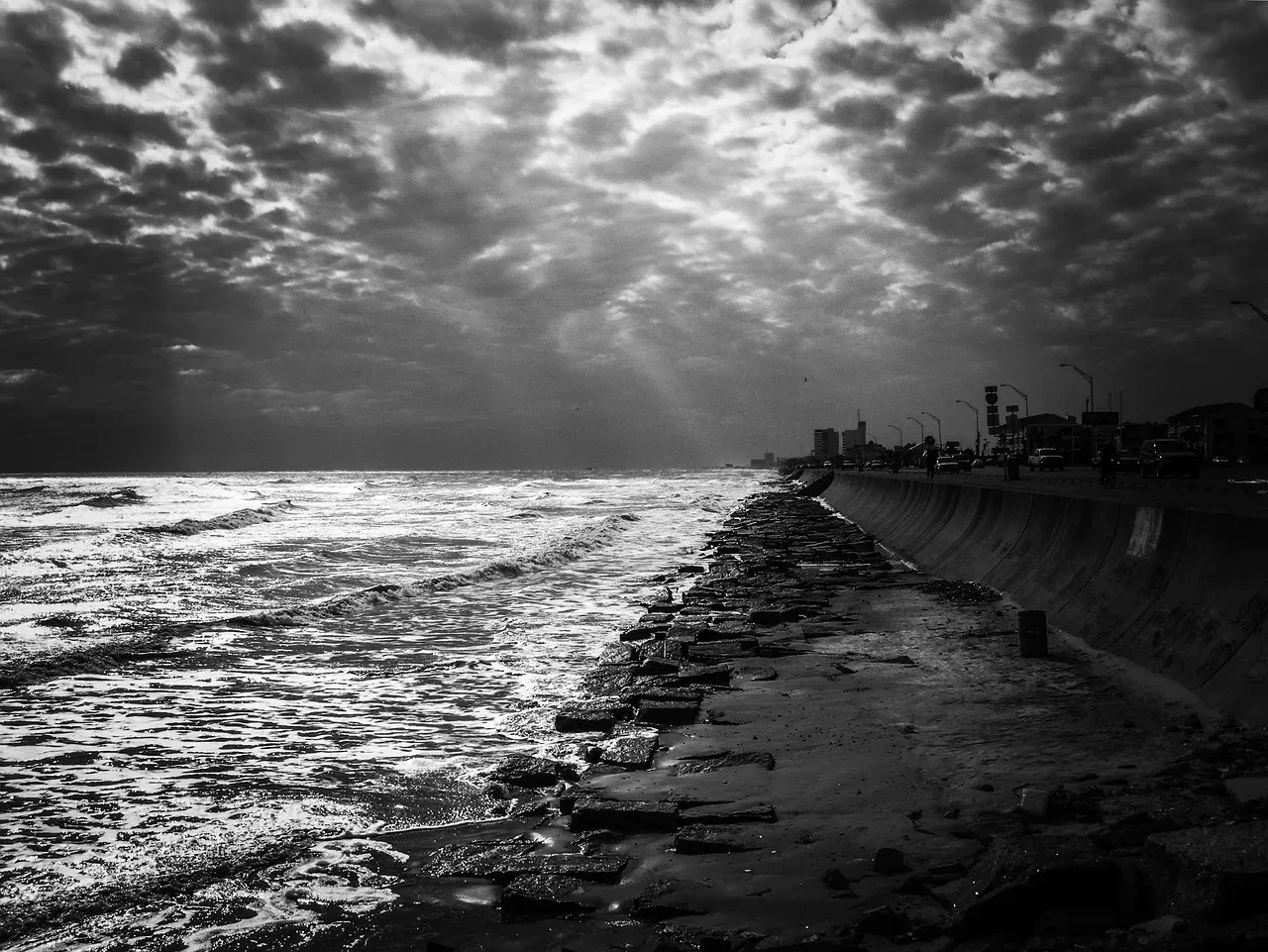
It is tempting to file the 1900 Galveston hurricane away as an old tragedy from a different era, but when you look closely, you see your own world reflected in it. You see people who trusted that everything would be fine because it always had been, people who built in risky places because the view and the business were worth it, and people who underestimated the quiet power of rising water. If you live along a coast or know someone who does, their story is a warning letter written directly to you across time.
Remembering is not just about honoring those who died; it is about deciding how you will act when the next storm appears on your screen. Will you take forecasts seriously, check on those who cannot easily leave, and prepare your home and plans ahead of time? Or will you wait and hope, the way so many in Galveston did on that warm September day in 1900? You cannot change what happened to them, but you can let their experience shape your choices. When the wind picks up and the water starts to rise, how prepared do you really want to be?