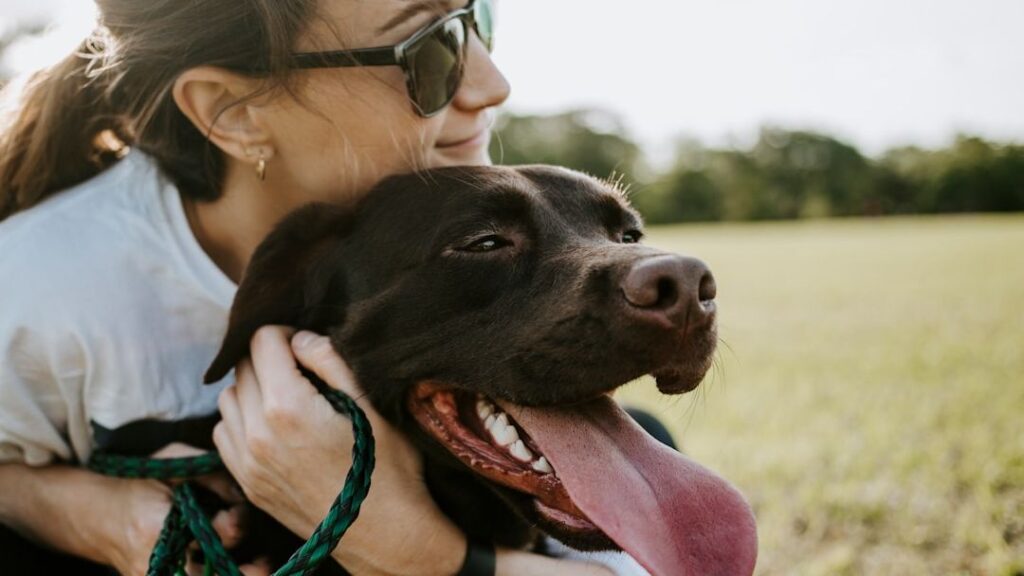
Every dog parent knows that mysterious moment when it becomes obvious: the dog has picked a favorite. Maybe your pup follows one person from room to room, lights up when they walk through the door, and barely glances at everyone else. It can feel flattering, a little heartbreaking, and very confusing all at once. Why does one human get the full-body wiggles, while the others get… polite indifference at best?
This is not just about who fills the food bowl. Underneath that choice is a complex mix of early experiences, body language, brain chemistry, and everyday habits that quietly shape a dog’s loyalties. When you understand what is really going on, you can stop taking it so personally – and start doing more of the things that make dogs feel safe, understood, and deeply bonded. Let’s unpack what is really happening when your dog “imprints” on one human and seems to ignore the rest.
#1 The Power of Early Socialization and First Impressions
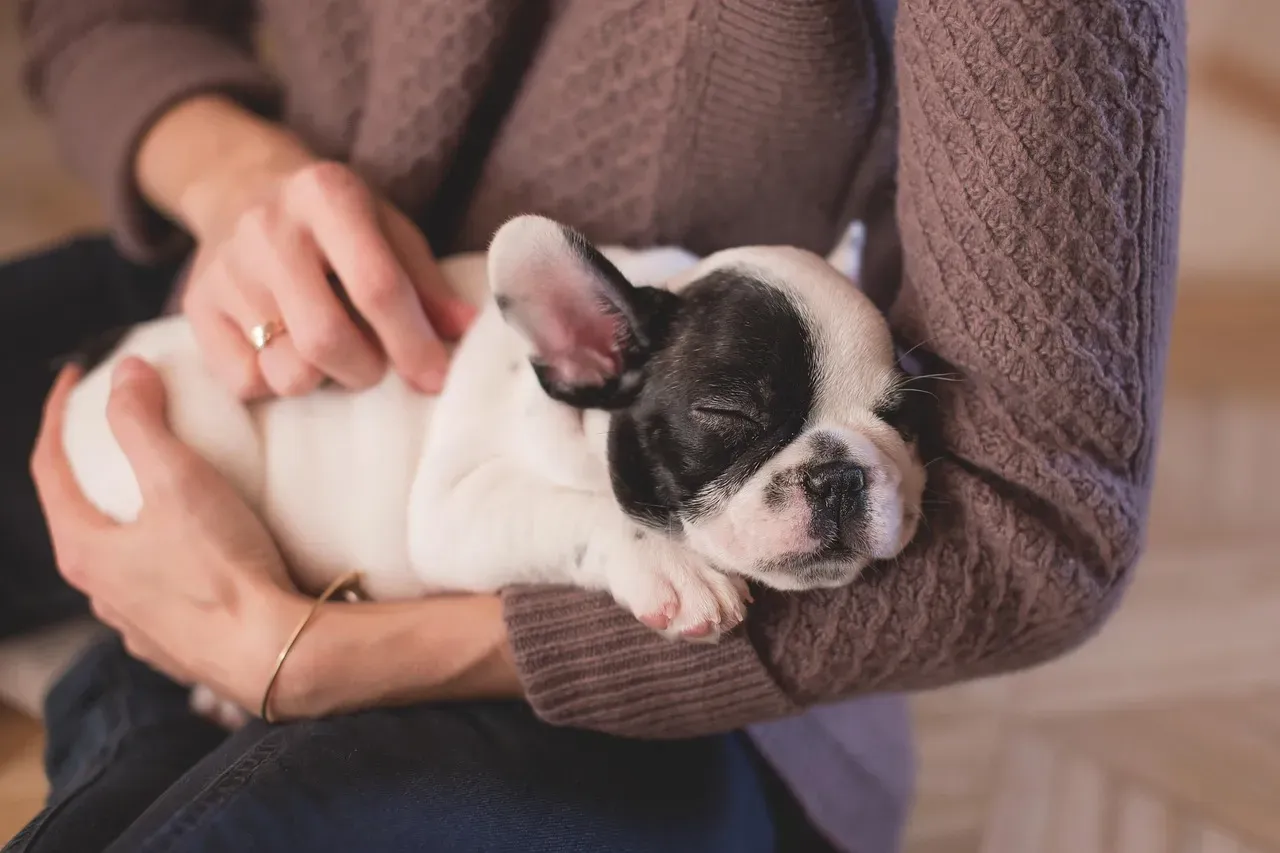
One of the strongest predictors of a dog’s favorite human is what happened in the first few months of life. During puppyhood, roughly between seven and sixteen weeks of age, the brain is especially open to forming strong emotional associations. The people, smells, voices, and handling they experience in this window often become their baseline for what feels safe and comforting later on. A human who spends a lot of calm, positive time with a puppy in this phase can end up stamped into that dog’s emotional memory like wet cement.
That does not mean adult dogs cannot form new bonds, but it helps explain why some dogs cling fiercely to the person who was “there from the start.” If a dog was raised mostly around one gender, age group, or energy type, they may naturally gravitate to that familiar profile and feel awkward or distant around everyone else. It is similar to how humans often feel more at ease with accents, foods, or family styles they grew up with. First impressions for dogs are not just moments; they are building blocks for trust that can echo through their entire life.
#2 Attachment Styles: Dogs Have Them Too
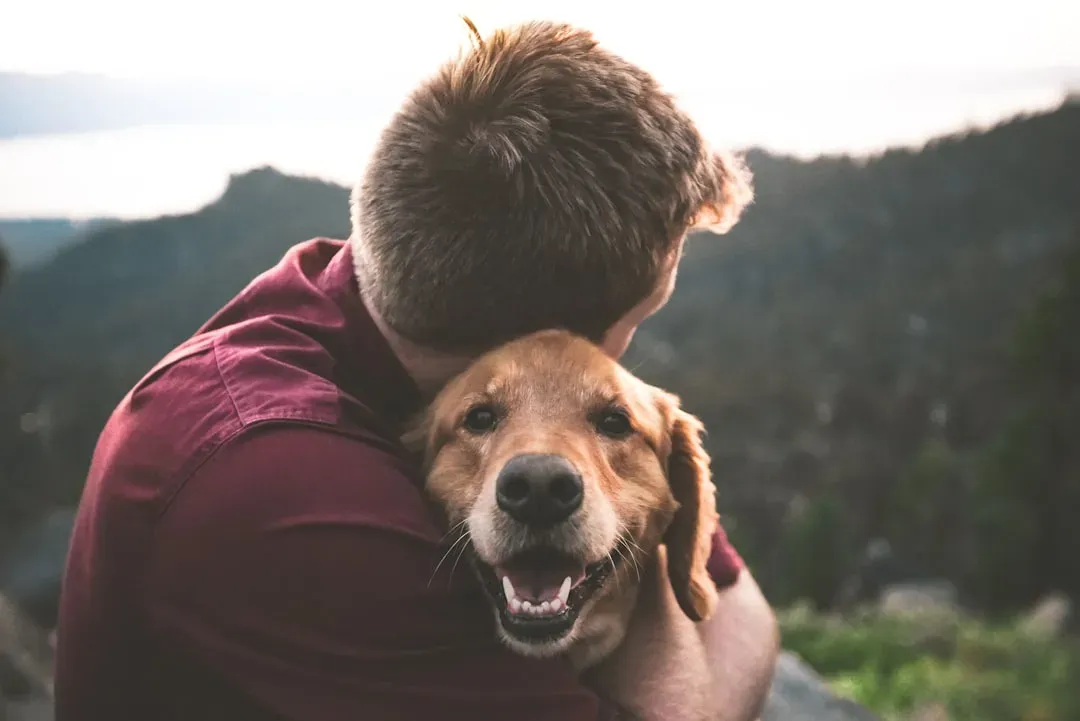
We tend to talk about attachment styles with human babies, but dogs show similar patterns in how they connect to their primary caregiver. Some dogs develop what looks like a secure attachment: they feel safe exploring the world but regularly check back in with “their person” for reassurance. Others become clingy, anxious, or overly dependent on one human, shadowing them obsessively and stressing when separated. To an outsider, this can just look like intense devotion, but emotionally it can be less about love and more about fear of losing their anchor.
When a dog’s attachment to one human is very strong, everyone else can fade into the background. They might tolerate petting from others but still keep their body angled toward their chosen person, or follow that person with their eyes even while lying down seemingly relaxed. In multi-person homes, the favored human is usually the one who consistently meets emotional needs: offering calm support when the dog is nervous, responding quickly to signals, and creating predictable routines. The dog learns that this is the one person who always “has their back,” and their attachment system locks on accordingly.
#3 Body Language: Why Some Humans Just “Speak Dog” Better
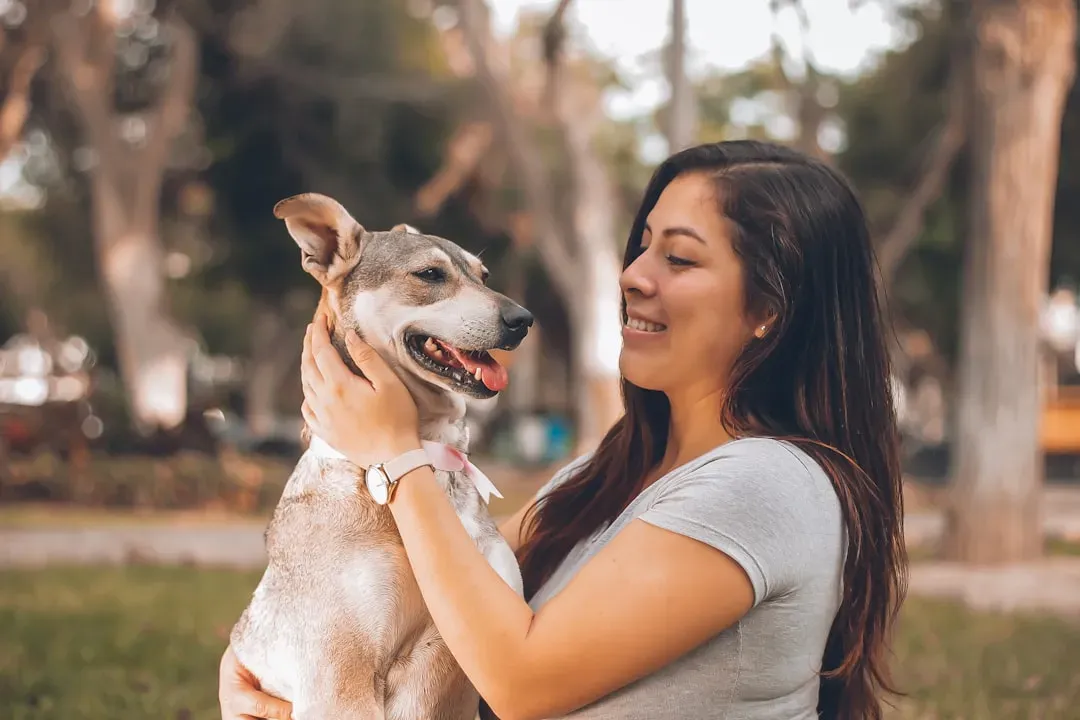
Many people do not realize how loud their body is to a dog. Direct eye contact, fast movements, leaning over, and loud voices can all be mildly threatening or overwhelming in dog-speak, even if the intention is friendly. Some humans naturally move in a softer, more predictable way, without looming or grabbing. They crouch sideways instead of bending straight over the dog’s head, they blink and glance away, and they let the dog close the distance instead of charging in. To a dog, this person feels like someone who “gets” them.
On the flip side, the relatives or friends who get ignored are often the ones who push a little too much: calling the dog insistently, reaching out to touch when the dog is unsure, or talking in a way that is high-energy and intense. Even if the dog is not obviously afraid, they may quietly choose to disengage, because that person is harder to predict. Over time, the dog tends to move closer – emotionally and physically – to the human who respects their space and reads their subtle signals. It looks like favoritism, but often it is simply the result of one person accidentally speaking fluent dog while the others are stuck in loud, clumsy human.
#4 Consistency, Routines, and Who Actually Shows Up
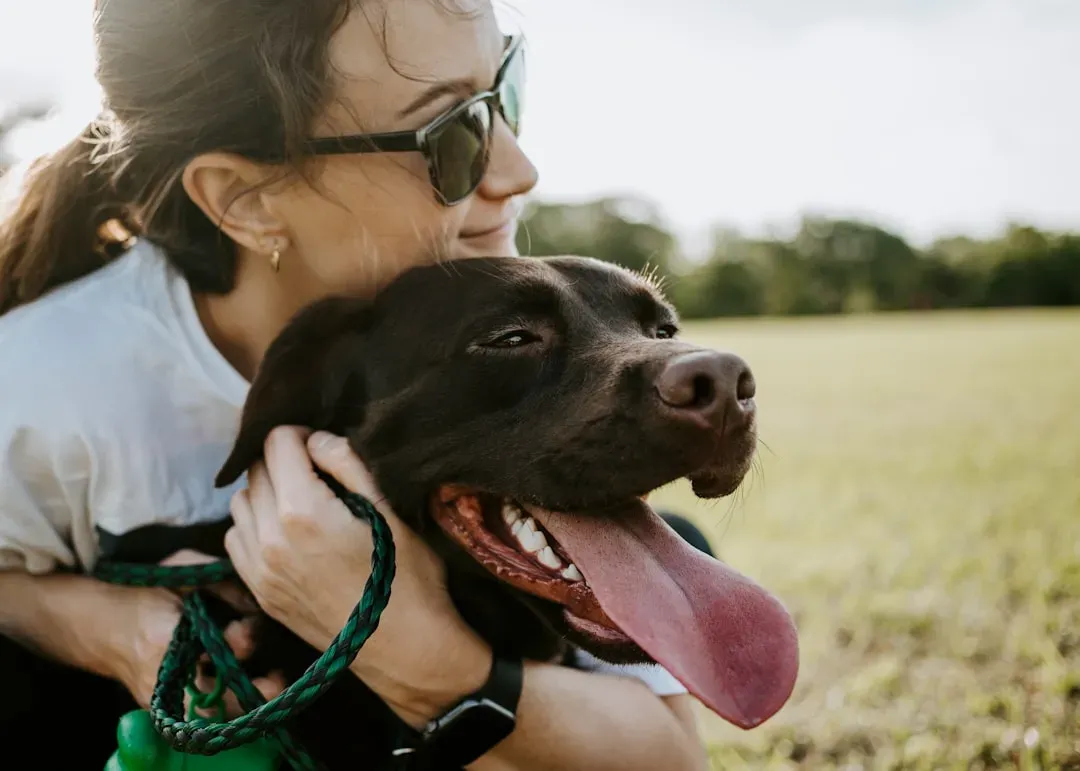
Dogs thrive on predictability. Meals at the same time, walks at similar hours, a familiar bedtime pattern – all these routines help lower stress and make the world feel safe. The human who reliably walks, feeds, trains, and plays with the dog tends to become the center of that stability. Even if someone else occasionally spoils the dog with treats or toys, that sporadic attention usually cannot outweigh the steady presence of the person who shows up day after day.
From the dog’s point of view, that reliable human is the one who makes sense of their entire day. They are the one who knows when the dog is likely to need a potty break, when they get restless, and what calms them down. This builds a kind of quiet loyalty that can be much stronger than the excitement triggered by occasional fun visitors. Just like children often trust the adult who tucks them in every night more than the relative who pops in a few times a year with gifts, dogs align themselves with the rhythm-setter of their life.
#5 Rewards, Reinforcement, and Accidental Favoritism
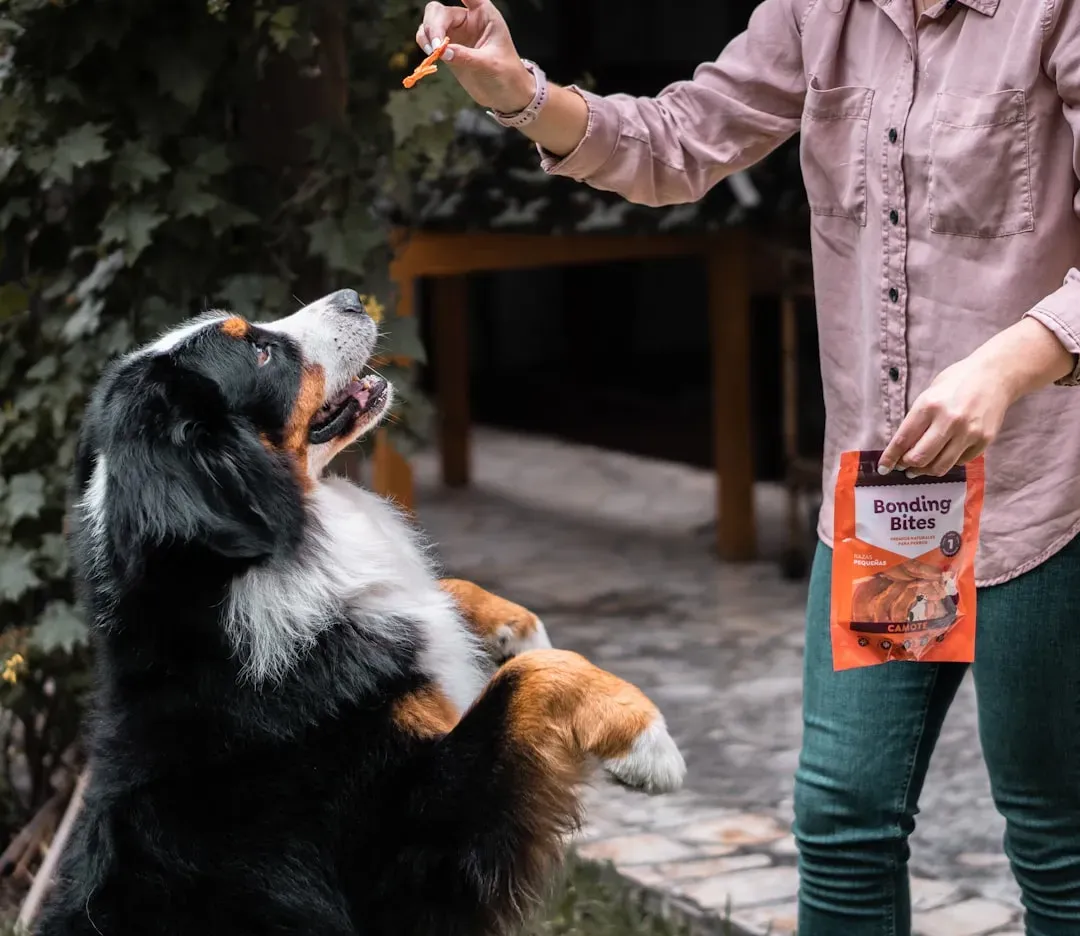
Behavior that gets rewarded gets repeated, and humans constantly reward dogs without realizing it. The human who smiles, pets, or talks sweetly every time the dog looks at them is reinforcing that attention. The one who slips food from the table, throws the ball on request, or opens the door as soon as the dog whines is strengthening the bond even more. Over time, all those little reinforcements can turn into a powerful emotional magnet: the dog learns that following this person, watching this person, and staying near this person reliably leads to good things.
Meanwhile, another family member may unintentionally be more neutral or even mildly punishing. Maybe they shoo the dog away, ignore them more often, or only interact when the dog is doing something wrong. Even if they like the dog in theory, their actions tell a different story. The result is a kind of accidental favoritism shaped by patterns of reward. Dogs are not calculating or manipulative about this; they simply lean toward the human whose presence is most predictably associated with safety, fun, or relief.
#6 Personality Match: High-Energy vs. Low-Key Humans
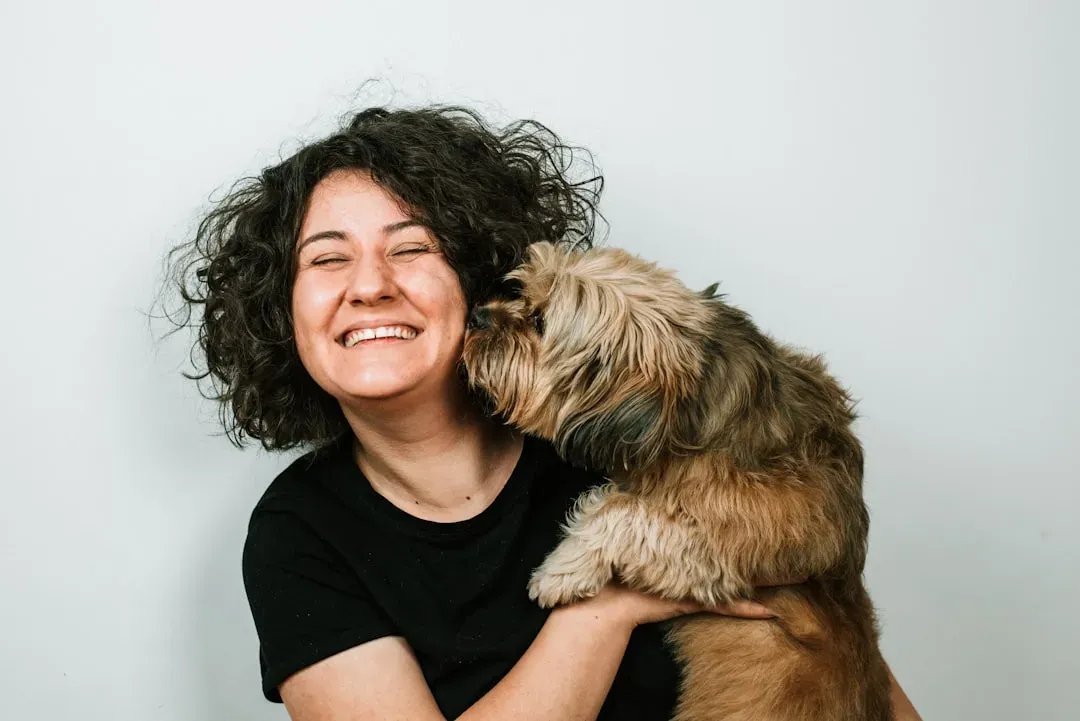
Just like people, dogs have different temperaments. Some are bouncy extroverts who want action and social buzz; others are more cautious, reserved, or sensitive to noise and chaos. Dogs often bond most intensely with the human whose personality best matches their need for stimulation or calm. A playful, energetic dog may idolize the runner in the family who takes them on adventures, while a nervous rescue might cling to the quiet person who spends evenings reading on the couch and offers soft, steady contact instead of constant hype.
There is also a subtle emotional tuning that happens over time. Certain humans regulate their own feelings better, staying calm during storms, arguments, or stressful events, and dogs quickly notice this contrast. The dog will naturally gravitate to the person whose emotional weather feels most stable. That can make it seem like they are “ignoring” the more chaotic or inconsistent family members, when in reality they are simply choosing the emotional climate that makes them feel safest inside their own skin.
#7 Past Trauma, Fear, and Unconscious Biases Toward Certain People
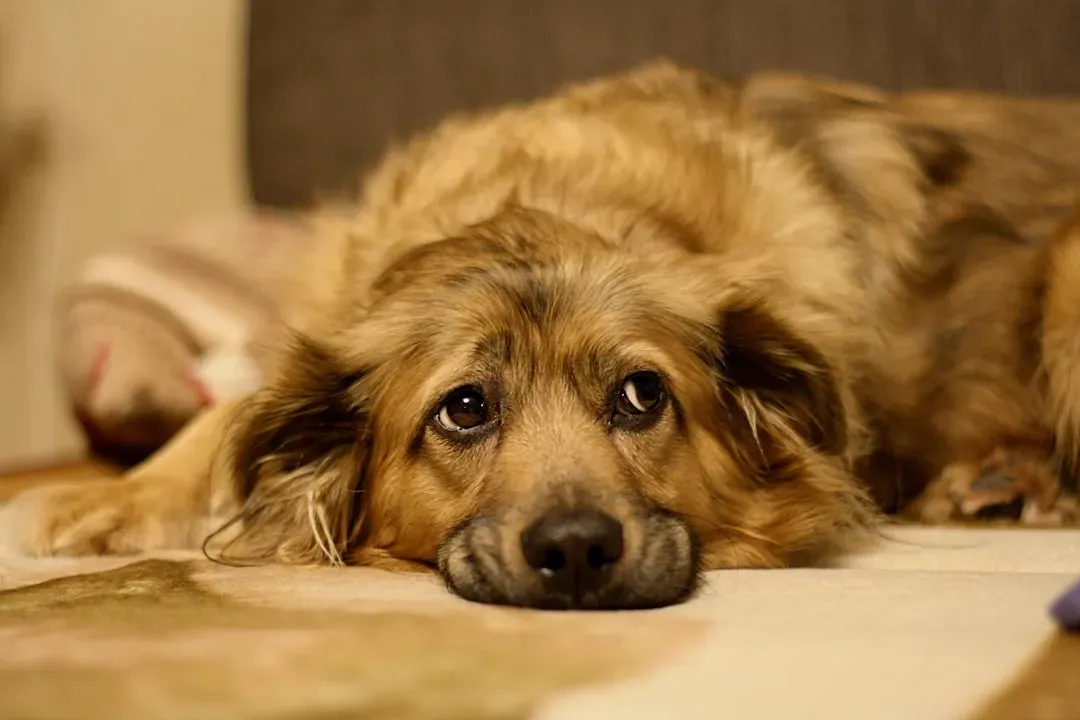
For dogs with rough or unclear histories, picking one human can be heavily colored by past trauma. A dog who has been mistreated or poorly handled by a particular type of person – maybe men with deep voices, or children who move unpredictably – might show deep distrust toward anyone who fits that category, even if they are kind. At the same time, the dog may latch onto a single human who does not set off those internal alarm bells, clinging to them as their safe harbor in a scary world.
To people who are not chosen, this can feel like rejection, but it is really self-protection. The dog is not making a rational judgment about individuals; they are reacting to patterns their nervous system has learned. I once fostered a dog who adored calm women and practically hid behind them when men entered the room, even though none of those men ever did anything wrong. Over months of gentle, pressure-free exposure, that dog eventually broadened their circle of trust, but the primary bond they formed with their original female foster caregiver remained the deepest.
#8 Scent, Hormones, and the Invisible Chemistry of Bonding
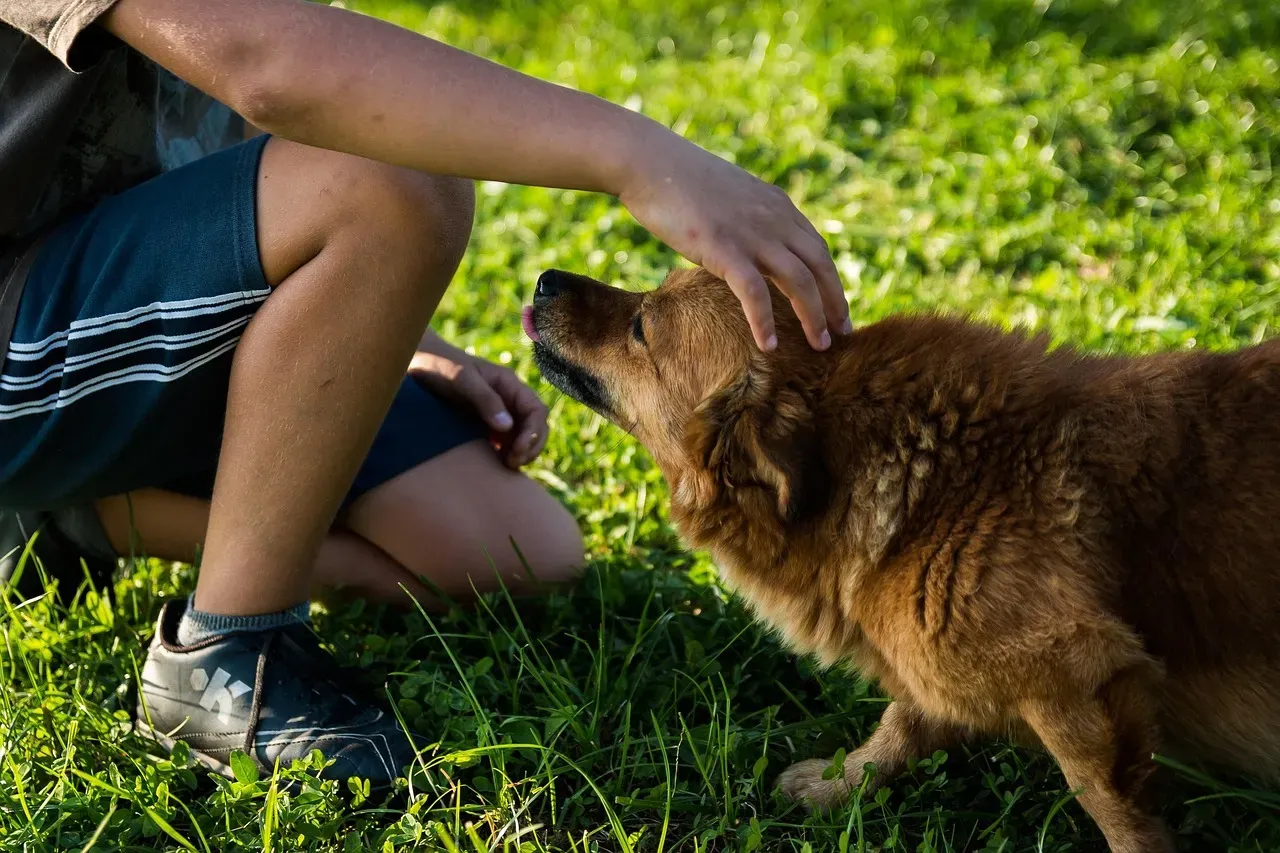
To a dog, humans are not just visual or auditory beings; we are moving clouds of scent and chemistry. Our natural body odor, the products we use, and even subtle hormonal changes create a signature smell that dogs can recognize instantly. Some people’s scent profile may simply feel more familiar or soothing to a particular dog, especially if it matches someone they associated with safety in the past. Dogs can detect emotional states like stress or calm through smell, so a human who consistently smells like relaxed, steady breathing may unconsciously feel better to be around.
There is also a hormonal side to bonding on both ends. When dogs and humans interact positively – through petting, play, and eye contact – both species experience shifts in bonding-related chemicals that reinforce attachment. The more of these quiet, positive micro-interactions a dog has with one person, the more deeply that hormonal feedback loop solidifies. This is not mystical; it is biology doing what it has evolved to do: encouraging mammals to stick close to the partners who feel emotionally and physically safe.
#9 How Other Humans Accidentally Push Dogs Away
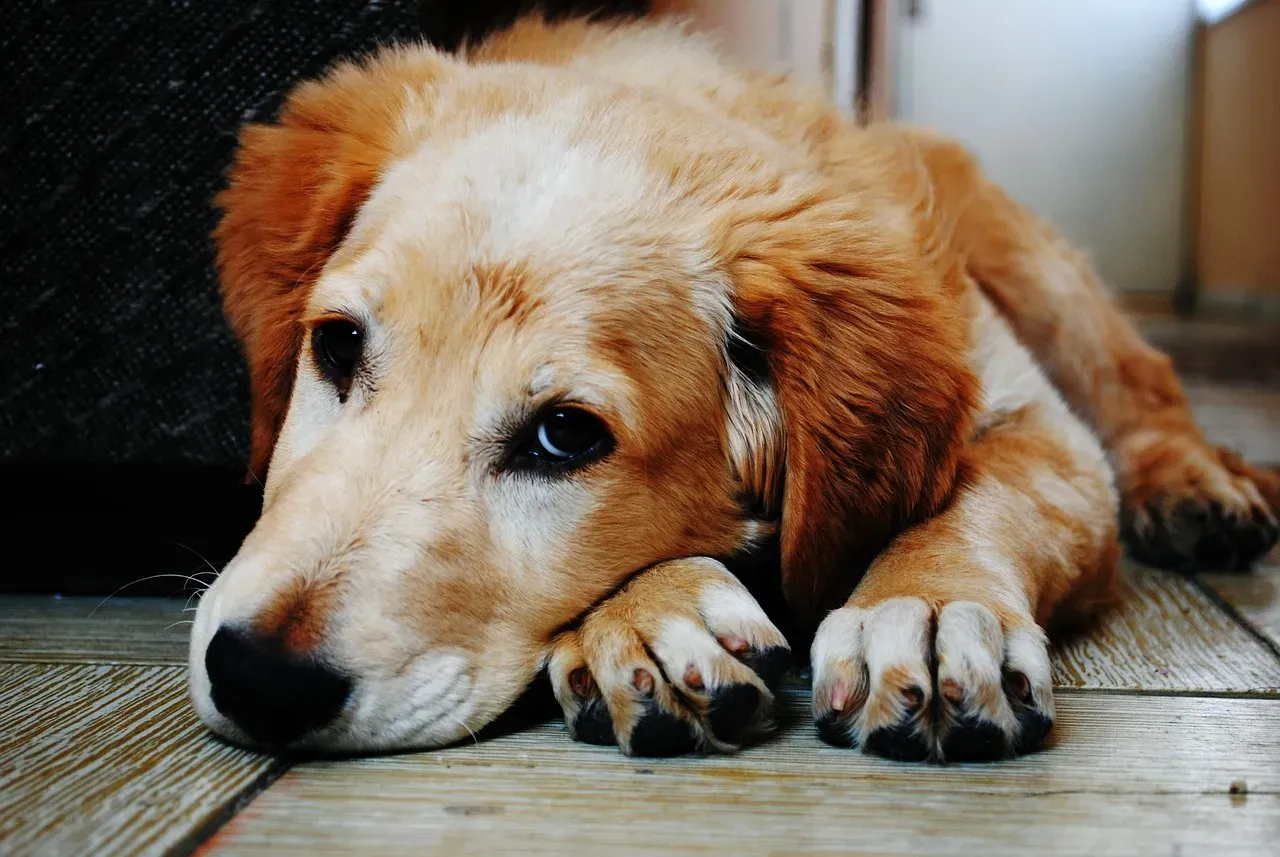
Sometimes the reason a dog chooses one human is not just because that person is wonderful, but because everyone else is unintentionally a bit overwhelming. Kids who squeal, chase, hug tightly, or grab at ears and tails can turn a dog off very quickly, even if the dog never snaps or growls. Adults who try to “win the dog over” by insisting on touching, calling repeatedly, or ignoring clear signals of discomfort can have the same effect. The dog may quietly make a decision: this person is too much, so I will stay over here with the one who leaves me in peace.
Even subtle habits can add up. Standing squarely in front of the dog, staring too long, talking loudly in their face, or hovering while they eat or rest can chip away at trust. It is not that these people are bad; they just are not reading the dog well. Over time, the gap between how the favored human behaves and how everyone else behaves gets bigger and bigger. From the outside it looks like stubborn favoritism, but on the inside it is a simple survival rule: go toward what feels good, and avoid what feels confusing or unsafe.
#10 Can You Become the Chosen One? What To Do (and What Not To Do)
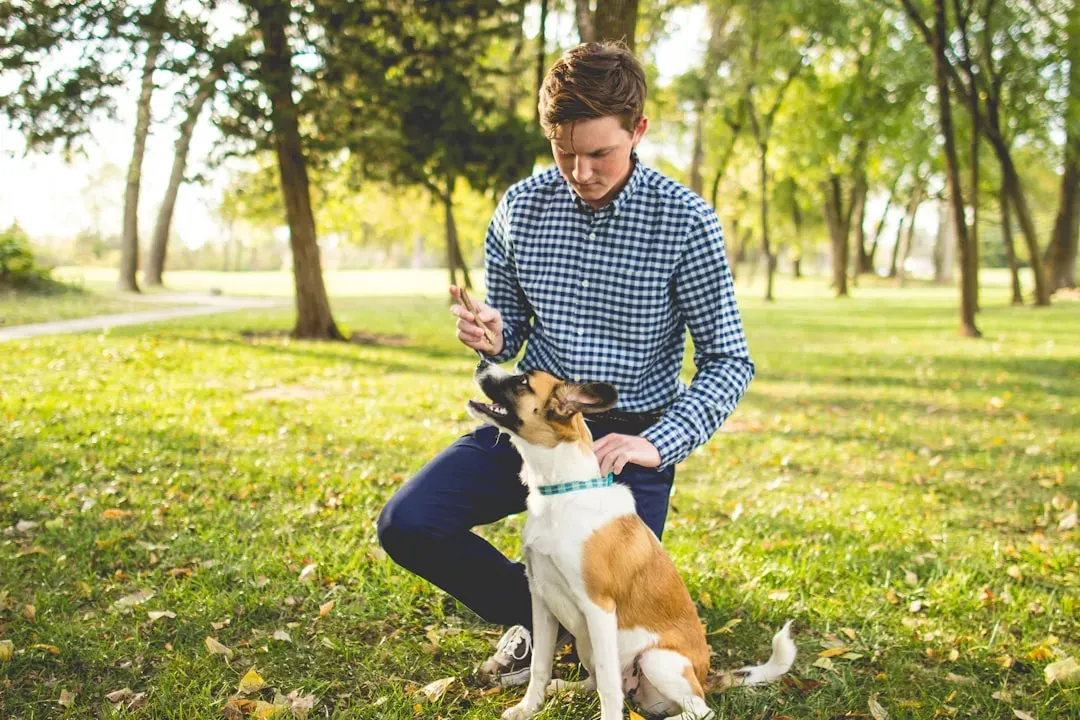
If you are not currently your dog’s favorite, that does not mean the bond is fixed forever. You can absolutely deepen your relationship by becoming more predictable, respectful, and rewarding to be around. That starts with giving the dog choices: invite instead of force, let them approach instead of dragging them closer, and pay attention to when they lean in versus when they lean away. Spend regular one-on-one time doing low-pressure activities your dog enjoys, like slow sniffy walks or quiet cuddle sessions on their terms, rather than trying to impress them with constant noise and excitement.
At the same time, dial back the behaviors that might be pushing them away. Avoid crowding their space, staring directly into their eyes for long periods, or touching sensitive areas unless they are clearly relaxed. Reward any small sign that they are choosing to be near you – soft glances, loose body language, even brief check-ins – so that your presence starts to predict comfort and good things. You may never replace the current favorite human, and that is okay. Dogs, like people, can love multiple individuals in different ways. The goal is not to compete, but to build a relationship that feels genuinely good for both of you.
Conclusion: A Dog’s Favorite Human Is Earned, Not Assigned
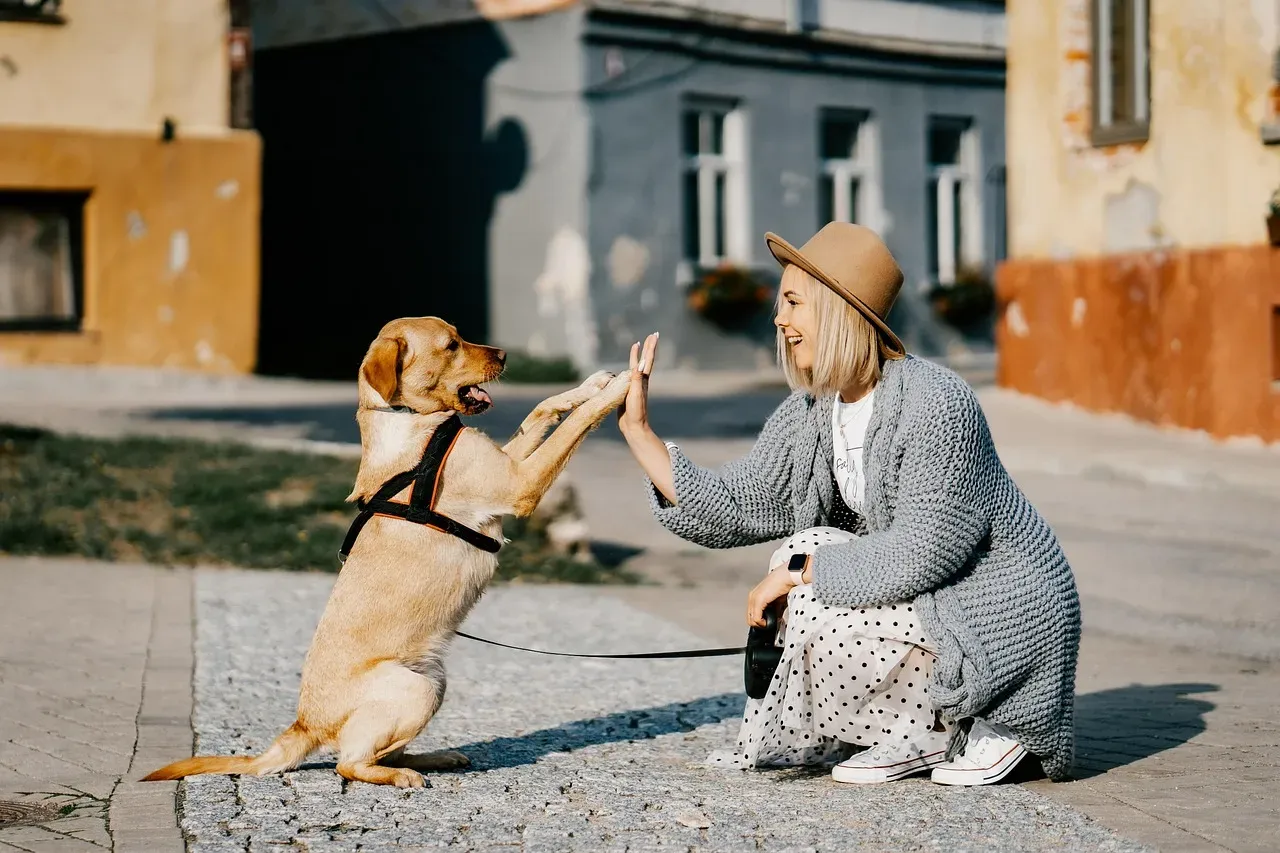
When a dog chooses one human and seems to ignore the rest, it is rarely some mysterious act of destiny. It is the sum of a thousand tiny experiences: how they were treated as a puppy, who reads their body language, who shows up consistently, and who makes their nervous system exhale instead of brace. In my view, that is not something to be jealous of; it is a mirror held up to how we move, speak, and behave around an animal that does not use words but understands everything we do with our bodies.
The honest, slightly uncomfortable truth is that dogs vote with their paws. They choose the person who feels safest, clearest, and most rewarding, and they keep choosing them every day. That can sting if you are not the chosen one, but it is also an invitation. If you are willing to slow down, listen better, and respect who your dog really is, you can shift that balance over time. In the end, a dog’s favorite human is not a random lottery win – it is a relationship that is patiently built; which side of that equation do you want to be on?