A new peer-reviewed study published in Science has confirmed what environmental advocates have long suspected: banning or taxing plastic bags significantly reduces their presence in beach litter. Drawing on nearly four decades of data from Ocean Conservancy’s International Coastal Cleanup, the research shows that jurisdictions with plastic bag policies saw a 25 to 47 percent drop in plastic bags collected during shoreline cleanups compared to areas without such regulations.
A Landmark Dataset from the Ocean’s Frontlines
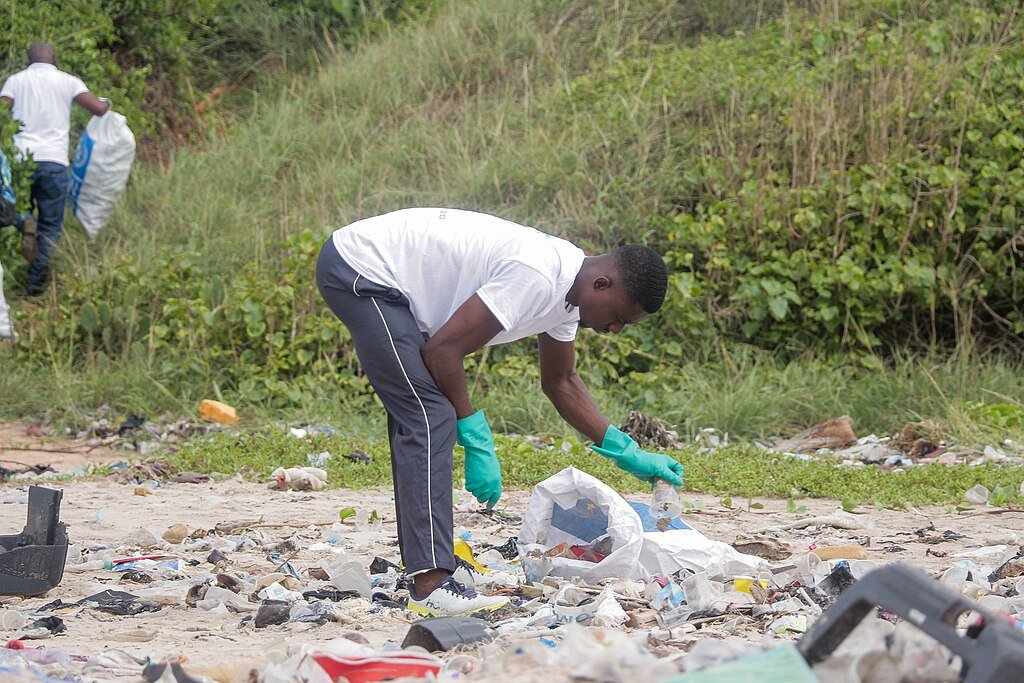
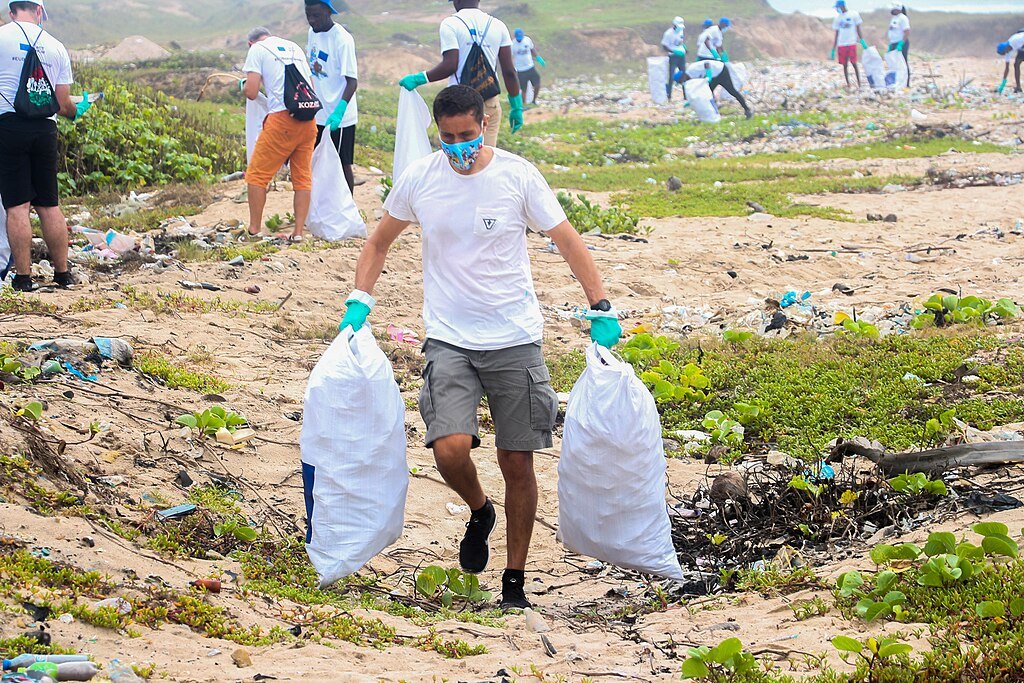
The study analyzed tens of thousands of volunteer-led cleanups across the United States, using standardized data logged through the Clean Swell app. This crowdsourced dataset, part of Ocean Conservancy’s TIDES database, allowed researchers to track changes in plastic bag pollution before and after policies were enacted. The result: a clear, measurable decline in plastic bag litter where bans and fees were implemented.
Why Plastic Bags Are a Persistent Threat
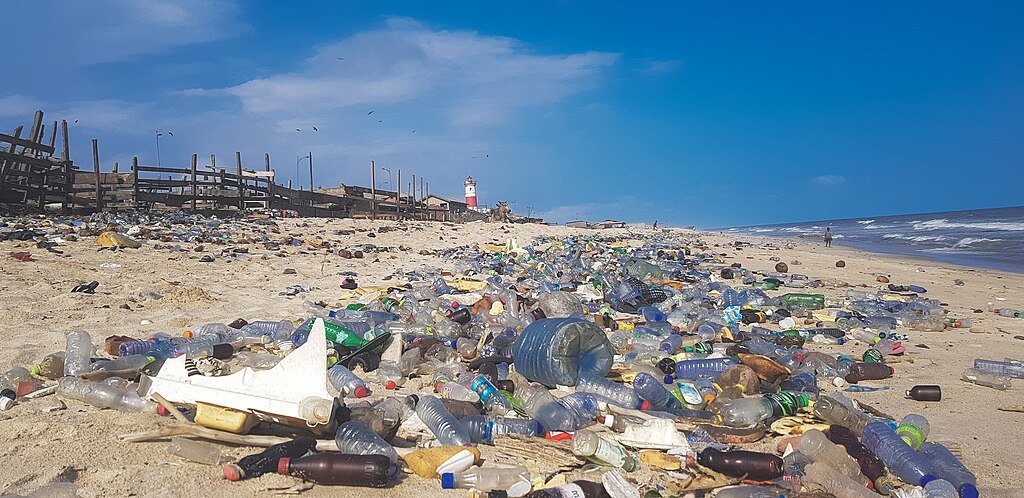
Plastic bags are among the most common and dangerous pollutants found on beaches and in waterways. Lightweight and difficult to recycle, they often escape waste systems and end up entangling marine wildlife and breaking down into harmful microplastics. These microplastics have been linked to serious health issues in humans, including metabolic disorders and cardiovascular disease.
Policy Impact and Global Implications
At least a dozen U.S. states—including New Jersey, Vermont, and Delaware—have enacted plastic bag bans, while others have introduced fees. The study’s findings bolster the case for expanding such policies, especially as nations prepare for the next round of negotiations on the United Nations’s global measures against single-use plastics.
Conclusion

This study offers compelling proof that plastic bag bans are not just symbolic—they deliver real environmental benefits. By reducing one of the most pervasive forms of plastic pollution, these policies help protect marine ecosystems and public health. As Ocean Conservancy’s Allison Schutes put it, “The data volunteers collect are used to make real change, and these findings are a great example of that.”
Source: