
You spend your life surrounded by forests, oceans, fields, and cities, but the real power brokers shaping all of it are mostly too small for you to see. When you breathe, eat, or even walk through soil, you’re brushing up against an invisible workforce that quietly keeps the entire planet running. If those tiny organisms went on strike, the world you know would unravel faster than you’d ever imagine.
Once you start to see how deeply microbes and other small life forms influence climate, food, water, and even your own body, it becomes hard to look at a forest or a coastline the same way again. You realize that every grand landscape is built on a layer of microscopic activity, almost like the hidden wiring behind your walls. In this article, you’ll meet some of the key “unseen architects” and discover how much control they actually have over Earth’s giant ecosystems – and over your future.
Microbes: The Planet’s Hidden Power Grid
![Microbes: The Planet’s Hidden Power Grid ([1] doi:10.3390/microorganisms9051036, CC BY-SA 4.0)](https://nvmwebsites-budwg5g9avh3epea.z03.azurefd.net/dws/7e7b15389c9efb906fc3d13e8bf830f9.webp)
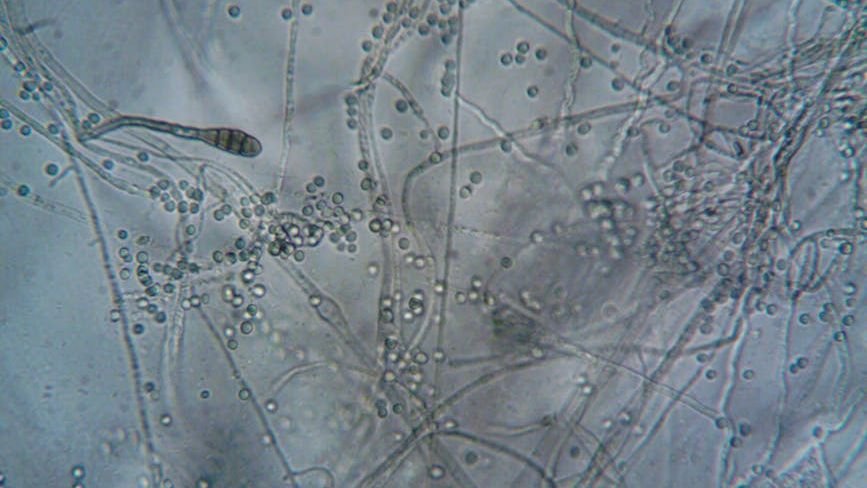
When you think about what powers life on Earth, you might picture sunlight, rivers, and forests, but you’re skipping the tiny middlemen that make all of that energy usable. Microbes – bacteria, archaea, and microscopic fungi – act like the planet’s power grid, constantly breaking down dead material, recycling nutrients, and releasing them back into forms that plants and animals can actually use. Without their quiet, relentless work, nutrients would just pile up in useless forms and ecosystems would slowly grind to a halt.
You can think of these microbes as tiny electricians and plumbers working under the floorboards of every ecosystem you know. In soil, on leaves, in oceans, and even floating high in the atmosphere, they are constantly shuttling carbon, nitrogen, phosphorus, and other elements from one place to another. Each breath you take, each bite of food you eat, and each crop harvested from a field is possible because some microscopic community you’ll never see kept the planetary wiring in working order.
Phytoplankton: Invisible Forests of the Sea
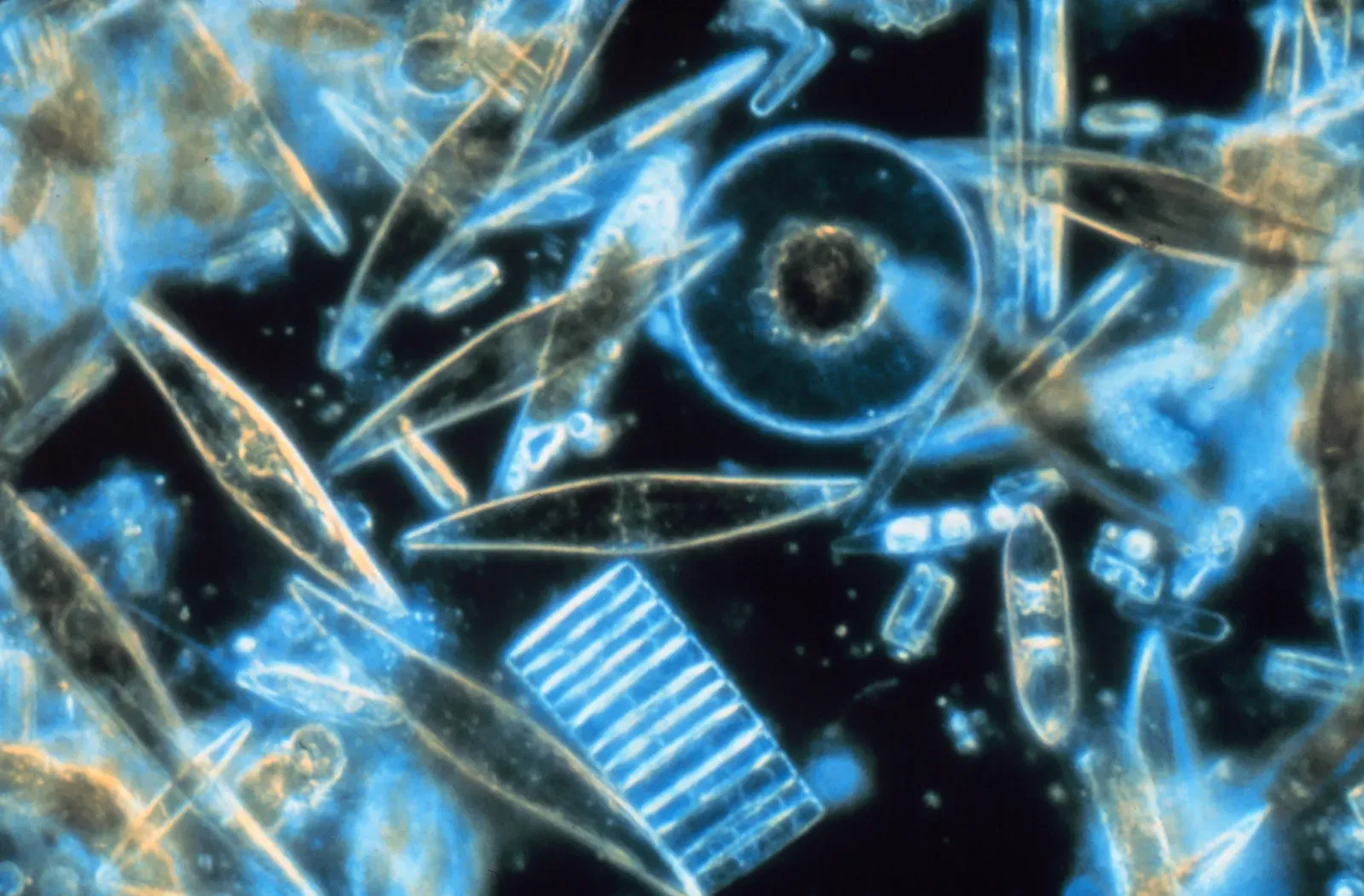
When you stand on a cliff and look out over the ocean, it probably feels like one endless, empty blue surface. But if you shrank yourself down and slipped into a drop of seawater, you’d find something closer to a jungle: countless tiny phytoplankton drifting in the light. These microscopic, plant-like organisms perform photosynthesis just like trees do, and they generate a huge share of the oxygen you breathe, while pulling carbon dioxide out of the atmosphere and locking some of it away in the deep ocean.
If you’ve ever wondered who is really helping keep the climate somewhat in check, phytoplankton deserve a big part of that credit. When they die, some of their carbon-rich remains sink to the seafloor, effectively storing carbon for long periods and cooling the planet over time. Their populations can boom and crash depending on nutrient levels, temperature, and currents, which means that when you change the ocean through warming or pollution, you’re tinkering with one of Earth’s most important carbon levers. You might never see a single phytoplankton with your naked eye, but you rely on their invisible forests every time you inhale.
Soil Microbes: The Quiet Engineers Beneath Your Feet
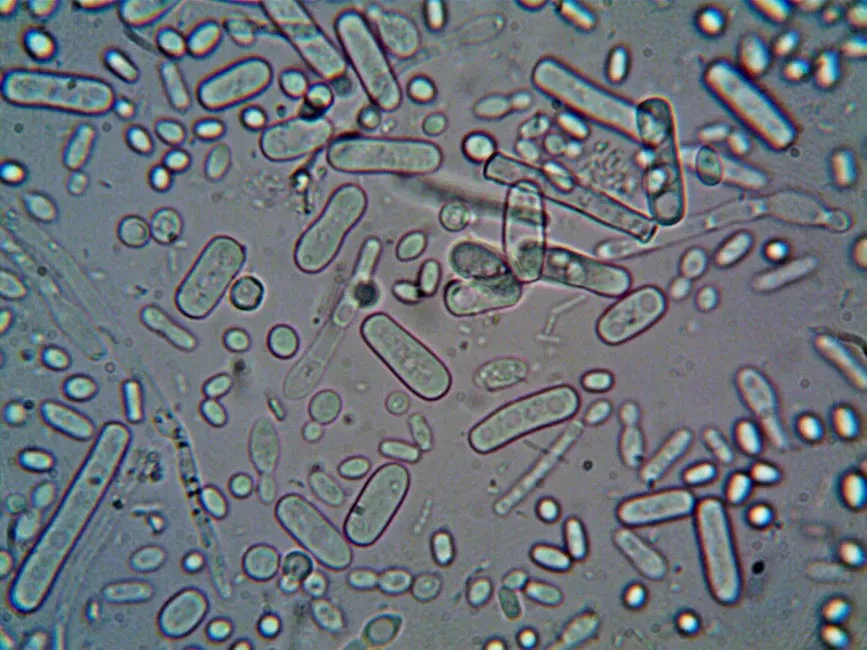
Every time you step onto a patch of grass, a hiking trail, or a farm field, you’re walking on top of one of the most complex ecosystems on the planet. A single handful of healthy soil can hold more microbial cells than there are humans on Earth, each one part of a tangled web of cooperation and competition. These soil microbes break down fallen leaves, dead roots, and organic waste, turning them into dark, rich material that can hold water, store carbon, and feed plant roots.
If you care about food security, climate change, or even flood control, you’re already depending on these underground engineers. When soil microbial communities are diverse and active, they help crops grow better without as many chemical inputs, and they lock more carbon into the ground instead of letting it leak back into the air. When they’re damaged by overuse, erosion, or pollution, soil loses structure, washes away more easily, and stores less water and carbon. In other words, the way you treat those unseen life forms in the dirt ends up shaping the resilience of entire landscapes.
Gut Microbes: Ecosystems Living Inside You
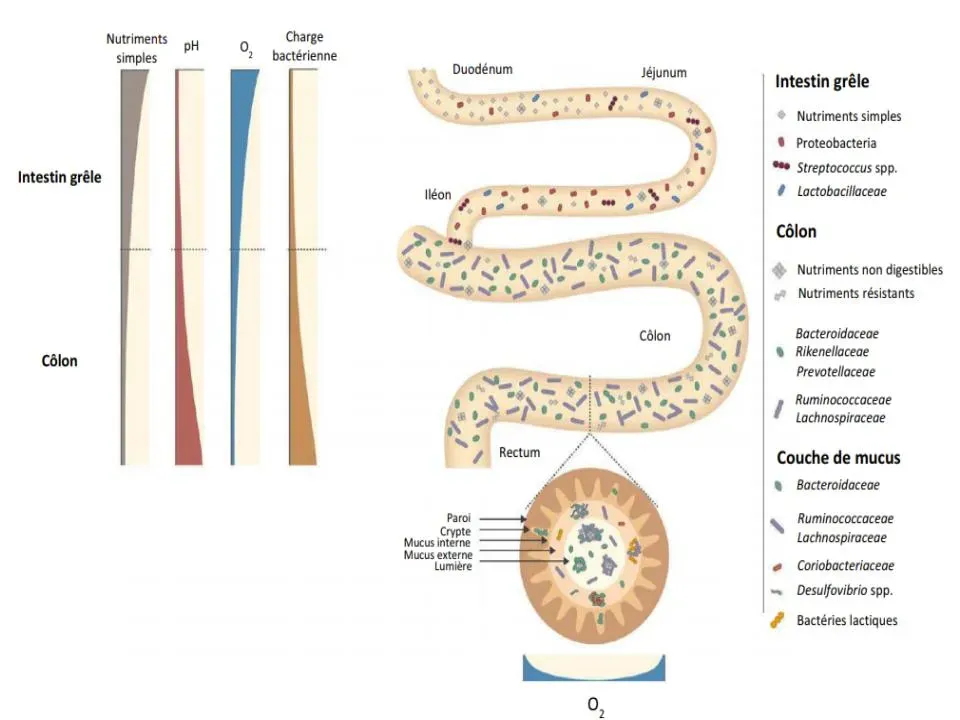
You might think of ecosystems as something “out there” in nature, but you actually carry a bustling one inside your own body. Your gut is home to a massive community of bacteria, fungi, and other microorganisms that help you digest food, train your immune system, and even influence your mood and energy levels. When these gut microbes are in balance, you’re more likely to feel healthy and resilient; when they’re out of balance, everything from digestion to mental well-being can suffer.
What makes this inner ecosystem so fascinating is that you are both its host and its caretaker. The food you eat, the medications you take, your stress levels, and even how much you sleep all shape which microbes thrive in your intestines. In a way, you become a land manager for an invisible forest inside you, choosing whether to feed helpful species with fibrous, varied foods or starve them with ultra-processed diets. When you start to see yourself as an ecosystem, it changes how you think about health, not as a simple on-off switch, but as a constant negotiation between you and trillions of tiny partners.
Symbiotic Partnerships: Tiny Allies With outsized Impacts
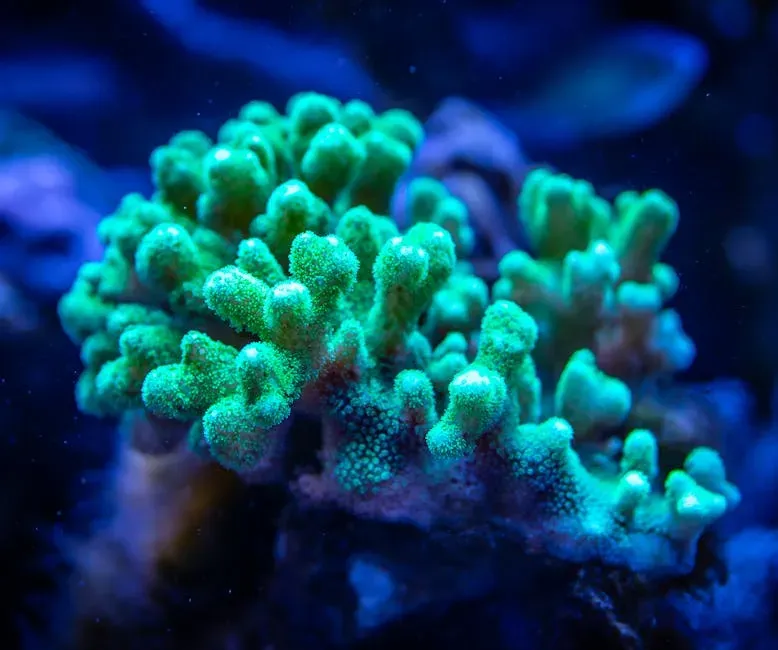
All around you, big and small organisms are forming alliances that make survival easier, and some of the most powerful ones involve microscopic partners. For example, many plants rely on special fungi that wrap around their roots and help them suck up water and nutrients, in exchange for a share of the sugary food the plant produces. In the oceans, corals build massive reefs by partnering with tiny algae living in their tissues, which supply them with energy from sunlight and give them much of their color.
When these relationships are healthy, entire ecosystems benefit; forests grow more vigorously, grasslands withstand drought better, and coral reefs become bustling underwater cities. But when stressors like warming, pollution, or acidification push those tiny partners past their limits, everything can collapse in a surprisingly short time. If you’ve seen images of coral bleaching, you’ve seen what happens when corals lose their microscopic algae allies and are left exposed and starving. Understanding and protecting these intimate collaborations means you’re not just saving individual species – you’re backing the living scaffolding that supports whole regions of life.
Viruses: The Dark Matter of Ecosystems
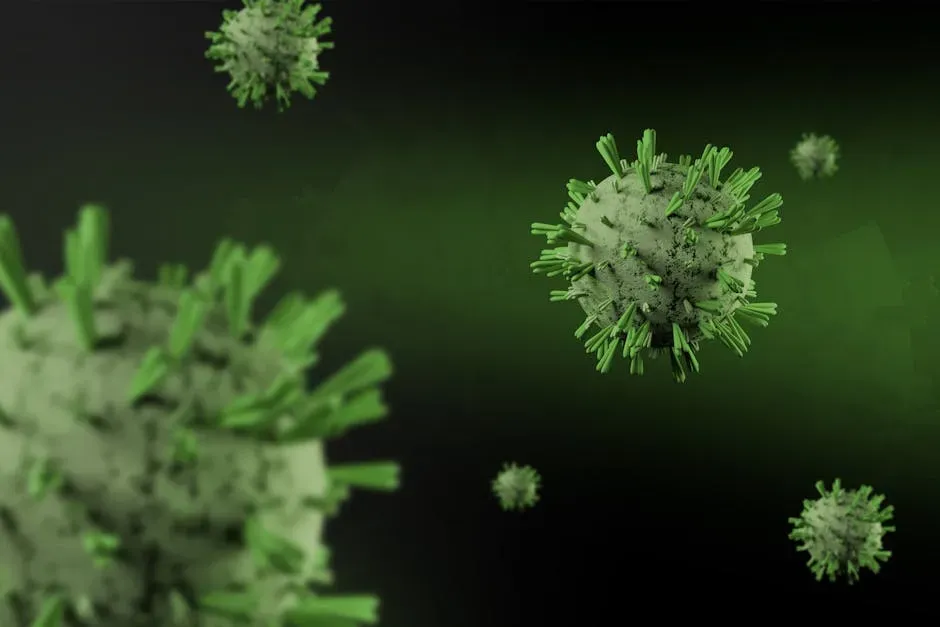
When you hear the word “virus,” your mind probably jumps straight to disease, but in natural ecosystems, viruses play a much broader and more complicated role. In oceans, soils, and even your own body, viruses are constantly infecting bacteria and other microbes, bursting them open and releasing nutrients back into the environment. This constant microscopic drama, sometimes called the viral shunt in the ocean, helps shape who thrives, who dies, and how energy and elements move through ecosystems.
You can think of viruses as one of nature’s most ruthless population managers and shapers of diversity. By keeping dominant microbial groups in check, they create space for other species to persist, which can make ecosystems more flexible and resilient in the face of change. At the same time, viruses can shuffle genetic material between organisms, spreading useful traits in ways that traditional evolution alone might not manage so quickly. You do have to treat them with respect, because some clearly cause harm, but if you ignore their larger ecological roles, you’re missing a huge piece of the planetary puzzle.
Extremophiles: Life at the Edge That Shapes the Center
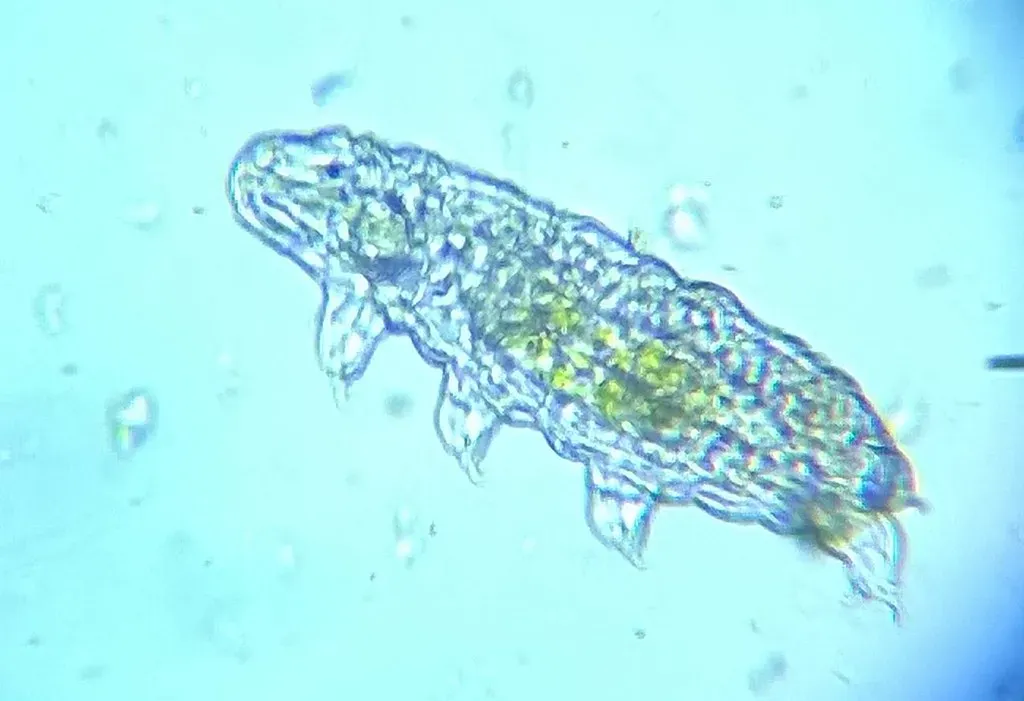
It’s easy to assume that most life prefers the same comfy conditions you do, but some microorganisms thrive in places you’d consider utterly hostile. In scalding hot springs, deep-sea vents, acidic mines, and frozen Antarctic lakes, extremophiles – microbes adapted to extreme environments – are calmly going about their business. Many of these organisms drive powerful chemical cycles, feeding on minerals, gases, or light in ways that rewrite your idea of what life needs to survive.
Even though these fringe habitats might seem distant and exotic, they can influence the rest of the planet in very real ways. Some extremophiles help control greenhouse gases by metabolizing methane or other potent compounds, while others may have inspired industrial processes and biotechnologies that you already benefit from. When you explore their world, you also get clues about how life might exist on other planets and moons, turning your own Earth into a kind of training ground for understanding the universe. By paying attention to life at the extremes, you learn more about what keeps the middle – your everyday world – stable and alive.
Why Your Choices Matter to the Unseen Architects
It’s tempting to think that microscopic life is beyond your influence, humming along regardless of what you do, but your daily choices ripple down to these tiny architects more than you might realize. The food you buy, the way you manage waste, the energy you use, and even how you vote all help shape pollution levels, land use, and climate, which in turn affect microscopic communities everywhere. When soils are overworked, rivers are choked with runoff, or oceans warm and acidify, it’s often the small organisms that feel the hit first – and their stress later shows up as bigger problems you can’t ignore.
The good news is that when you support practices that nurture microbial health, you get big, visible payoffs. Regenerative farming, protected wetlands, cleaner air, and smarter wastewater treatment all create better conditions for microbes to do their quiet work of recycling, buffering, and stabilizing. Even something as simple as choosing more diverse, fiber-rich foods helps your own inner microbes thrive, which can improve your well-being day to day. Once you see that your decisions either empower or undermine these unseen systems, you start treating them less like background noise and more like the life-support network they really are.
In the end, the world you walk through is built on the backs of organisms you almost never notice, from ocean-dwelling phytoplankton to soil microbes and gut bacteria. They regulate climate, grow your food, guard your health, and maintain the balance that lets larger plants and animals – even you – exist at all. If you start honoring these unseen architects in your choices and conversations, you’re not just being poetic; you’re recognizing how power actually flows on this planet. Next time you take a breath or bite into a meal, will you pause for a moment to wonder which tiny allies made it possible?