You live in a universe that has shocked humanity over and over again. Just when people thought they had it mostly figured out, the sky delivered something so strange, so unexpected, that the entire picture had to be redrawn. These events did not just tweak a theory here and there; they ripped up textbooks and forced scientists to ask completely new questions about space, time, and your place in it.
As you move through these seven game‑changing discoveries and observations, you will see a pattern: the cosmos is far wilder, more dynamic, and more mysterious than anyone guessed a century ago. From galaxies racing away faster than you can comfortably imagine to invisible matter that outweighs everything you can see, each event pushes you to let go of an older, smaller universe and step into a much bigger, stranger one. And once you see that bigger picture, you can’t unsee it.
The Discovery That the Universe Is Expanding
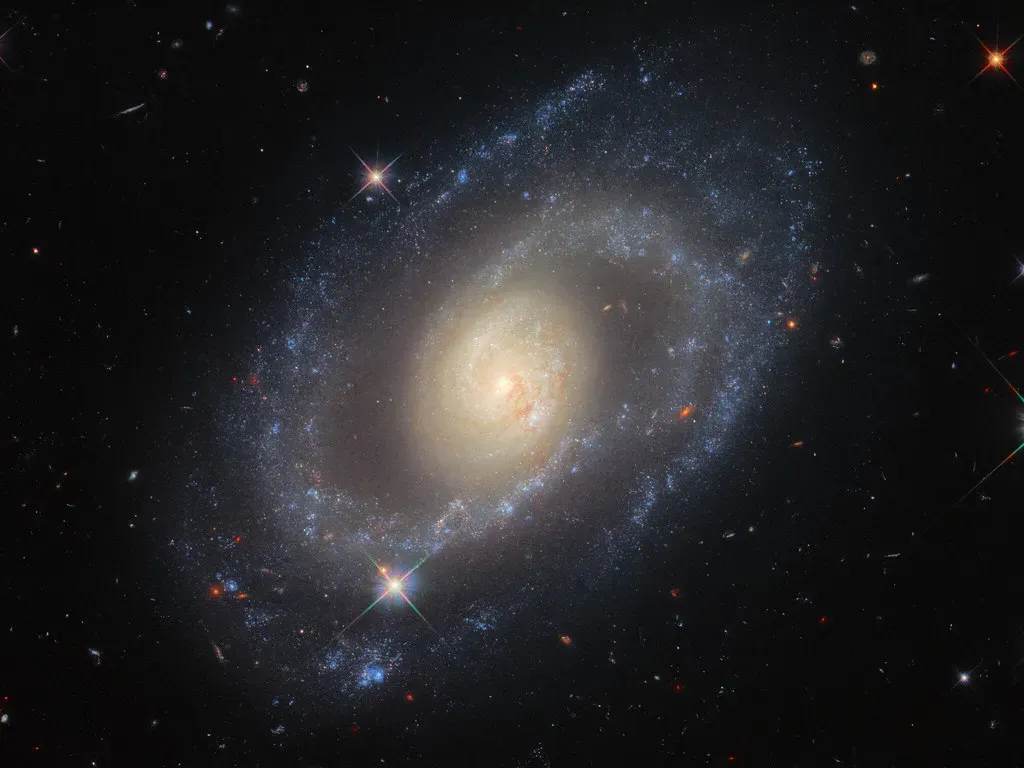
If you had looked up at the sky a little over a hundred years ago, most astronomers would’ve told you that the universe was basically static and eternal, just sitting there in a kind of grand, unchanging balance. Then measurements of distant galaxies’ light showed something you cannot ignore: nearly all of those galaxies are moving away from you, and the farther they are, the faster they seem to recede. When you look at that pattern, you are not just seeing motion; you are seeing evidence that space itself is stretching, like dough rising in an oven with raisins spreading apart.
This realization means you live in a universe with a history and, very likely, a future that is not infinite in both directions. If everything is expanding now, you’re pushed to rewind the cosmic movie and imagine a time when matter and energy were packed much closer together. That mental rewind is what ultimately led to the idea of the Big Bang and the concept that time, space, and the familiar laws of physics once existed under extreme conditions far beyond anything you can reproduce on Earth. Once you accept expansion, you also accept that your universe evolves, grows older, and has a story that can be told.
The Cosmic Microwave Background: The Afterglow of the Big Bang
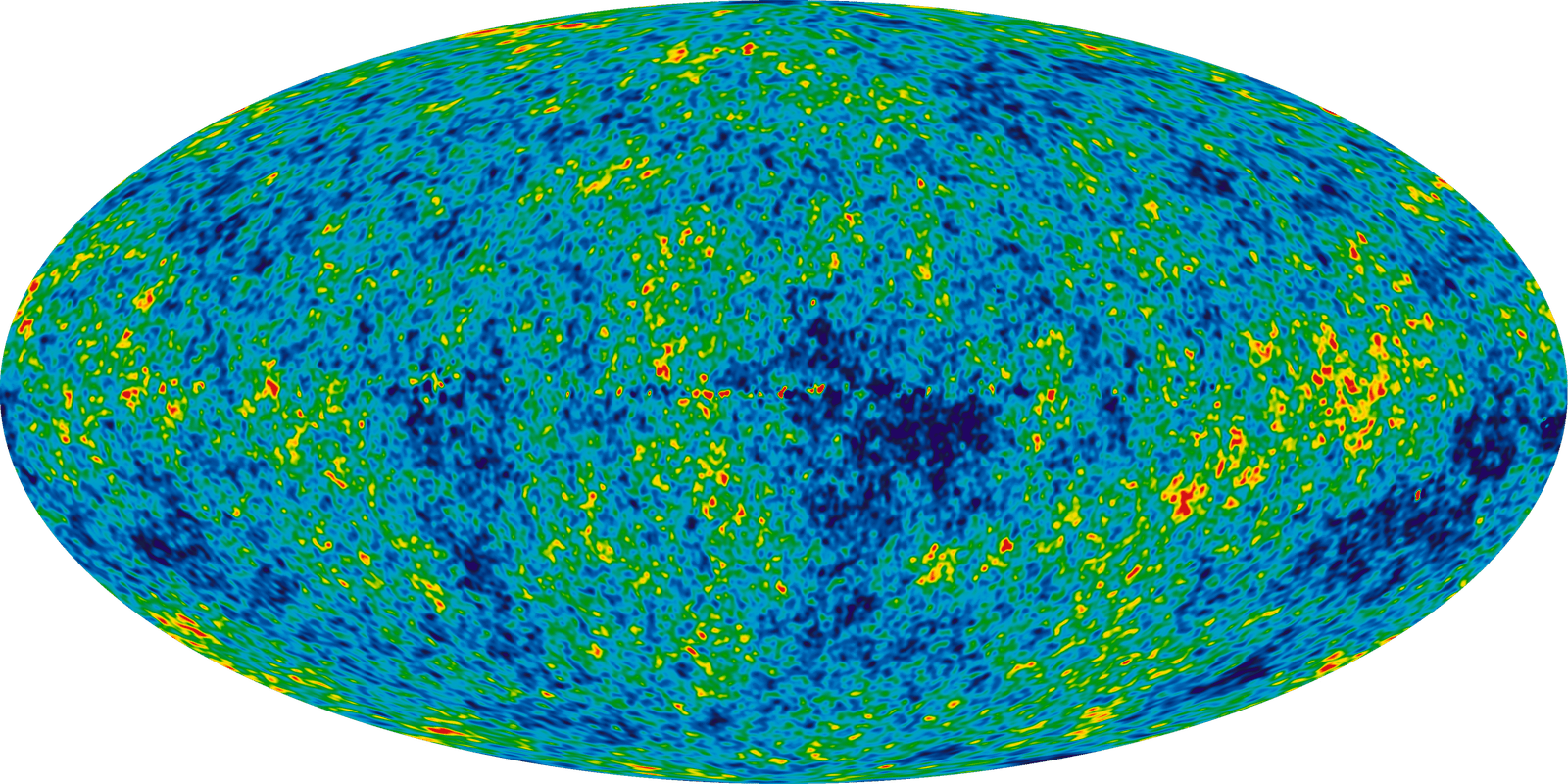
Imagine turning on an old analog television and seeing static when no channel is tuned in. Hidden in that static, spread across the entire sky, is a faint glow of microwaves that comes from every direction you look. When you detect this radiation with proper instruments, you are literally bathing in the cooled, stretched‑out afterglow of the hot, dense early universe. It is like finding baby pictures of the cosmos itself, taken when it was only a few hundred thousand years old.
What makes this event so transformative for you is that it turned the Big Bang from a bold idea into a theory with powerful, direct evidence. The cosmic microwave background has a temperature that matches what you’d expect if the universe started out extremely hot and has been expanding and cooling ever since. Tiny variations in that glow map out the seeds of galaxies and clusters that would form billions of years later. When you look at this faint radiation, you are not just seeing light; you are seeing a snapshot that ties together the past, present, and future of cosmic structure in a single, elegant picture.
The Realization That “Spiral Nebulae” Are Separate Galaxies
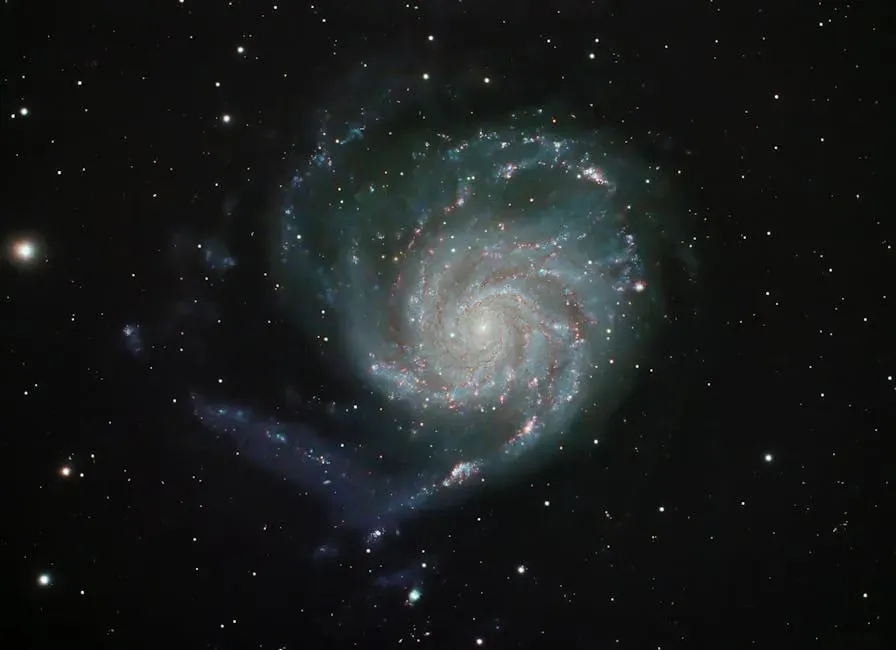
For a long time, when you saw a fuzzy spiral in a telescope image, astronomers called it a nebula and many thought it was part of your own Milky Way. It took careful measurements of special variable stars in these objects to show that they are vastly farther away than the size of your galaxy could allow. Once you grasp that, you are forced to accept that those spirals are entire galaxies of their own, each containing hundreds of billions of stars, scattered across a universe much larger than anyone had imagined.
This shift is like discovering that what you thought was your entire city is really just one tiny neighborhood in an enormous continent. Suddenly your Milky Way becomes one galaxy among many, rather than the center of everything. You move from a universe that is relatively small and local to a cosmos full of island universes stretching far beyond the reach of your naked eye. With that realization, your sense of scale changes forever, and any human concerns feel both humblingly small and strangely precious.
The First Detection of Dark Matter’s Gravitational Grip
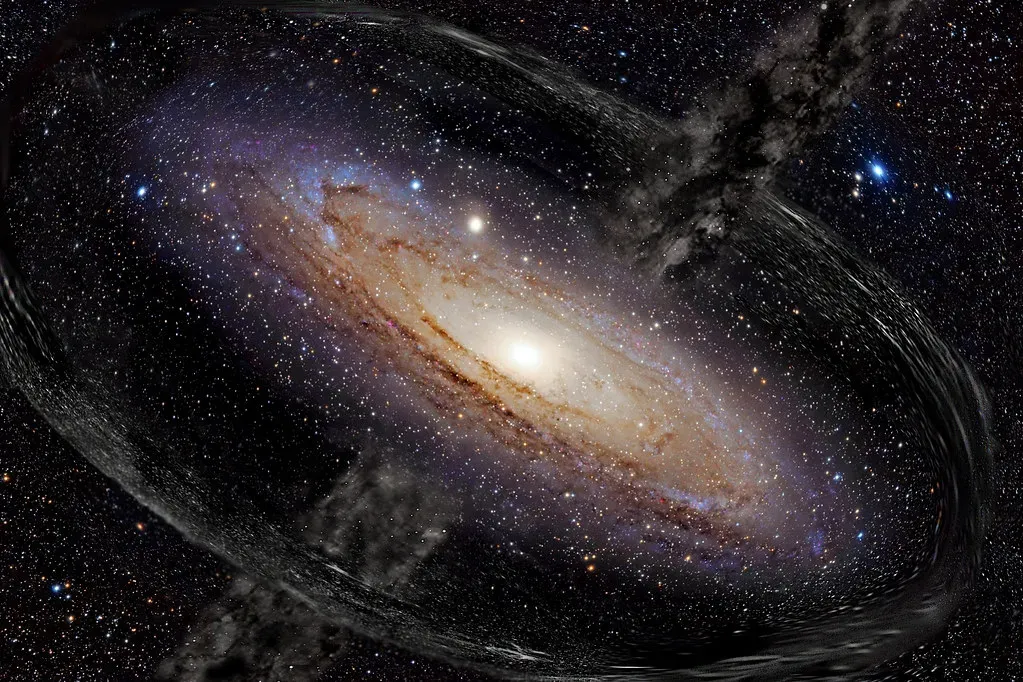
If you only trusted what your eyes could see, you would assume that stars, gas, and dust are all that really matter in a galaxy. But when astronomers started measuring how fast galaxies rotate and how clusters of galaxies hold together, the numbers did not add up. The visible material simply did not provide enough gravity to keep everything bound. To make the motions you observe make sense, you have to accept that there is a huge amount of invisible matter creating extra gravitational pull, outweighing the visible stuff by several times.
This dark matter does not glow, does not reflect light, and does not behave like the ordinary atoms that make up you, your planet, and your star. Yet, without it, galaxies would fly apart and large‑scale cosmic structures would not form the way they do. When you appreciate dark matter’s role, you realize that most of the mass in the universe is made of something you have never touched, seen, or directly detected in a laboratory. That is a staggering idea: you are familiar with only a small minority of what actually exists, and the rest is a shadowy framework holding the cosmic web together.
The Discovery of Dark Energy and the Accelerating Universe
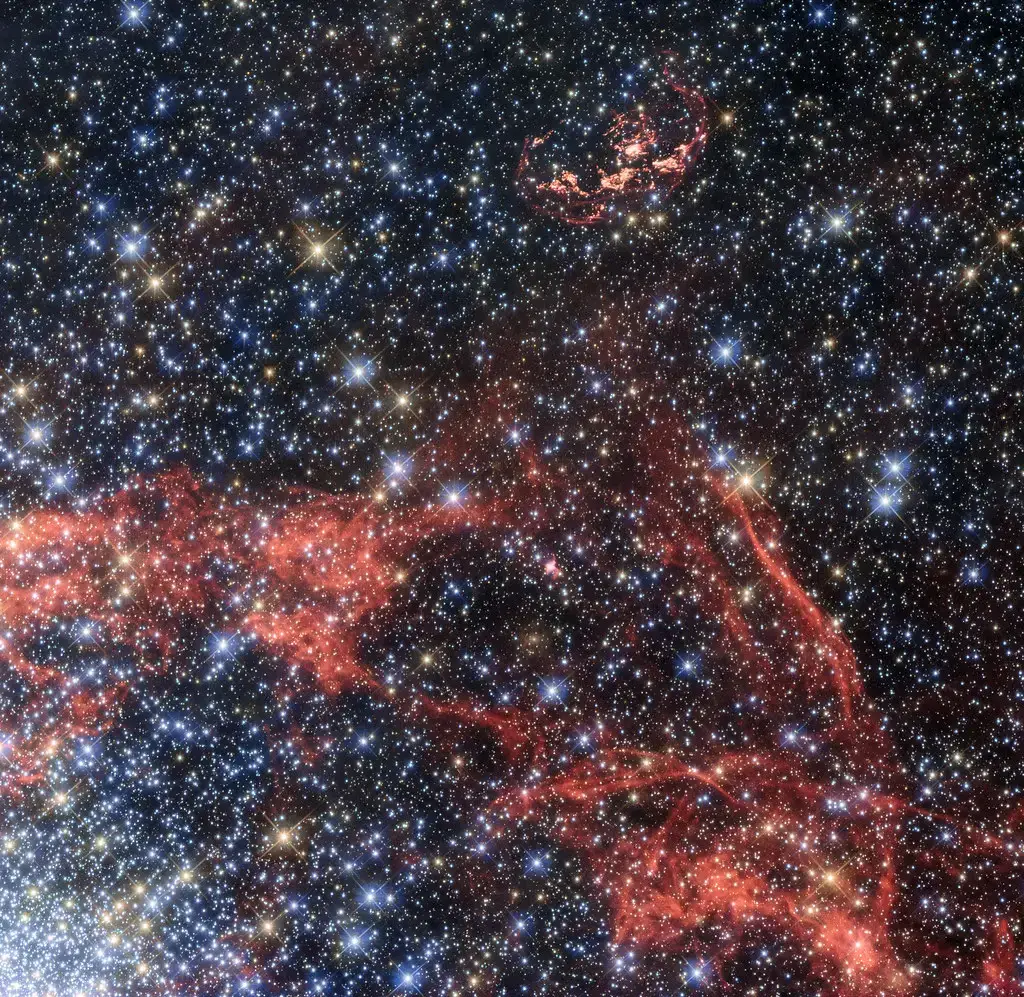
Just when you might have started to get used to an expanding universe filled with dark matter, distant exploding stars delivered a new surprise. By using specific kinds of stellar explosions as cosmic distance markers, astronomers expected to see the expansion slowing down over time due to gravity. Instead, the data showed that the expansion is speeding up, as if some mysterious ingredient in the cosmos is pushing everything apart more and more strongly. This unseen influence has come to be called dark energy.
Dark energy reshapes how you think about the fate of the universe. Rather than gradually coasting or collapsing in a dramatic crunch, the cosmos appears to be racing toward a future where galaxies drift farther and farther apart, making the universe colder and more isolated on enormous timescales. What is especially unsettling for you is that dark energy seems to account for the vast majority of the energy content of the universe, yet you do not know its true nature. It is as if you just learned that nearly everything that drives cosmic evolution is hidden behind a locked door you do not yet know how to open.
The First Direct Detection of Gravitational Waves
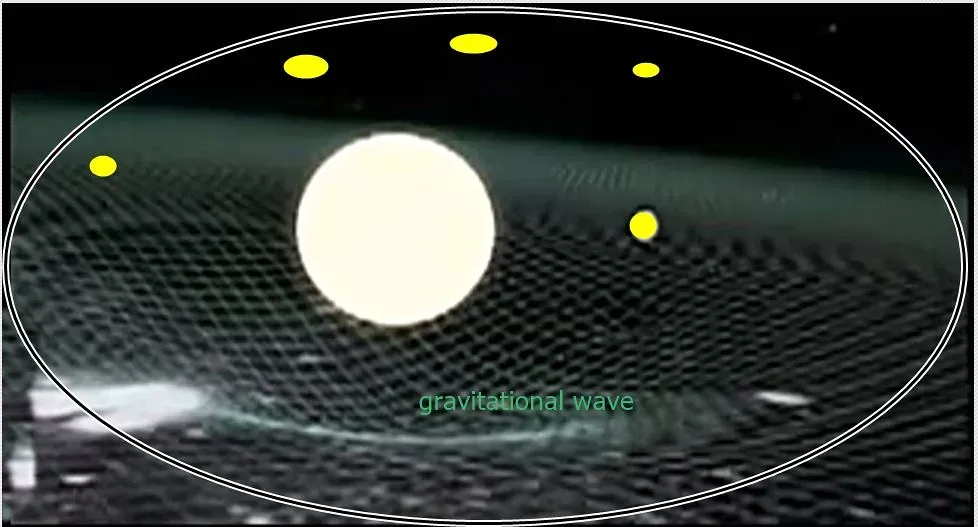
For a long time, gravitational waves lived mainly in equations and thought experiments, predicted by the theory of general relativity. You could describe them as ripples in the fabric of space‑time, but they were expected to be incredibly faint and difficult to measure. That changed when exquisitely sensitive detectors picked up tiny, rhythmic distortions in their arms, matching the expected signal from two black holes spiraling into each other and colliding more than a billion light‑years away. In that moment, you were no longer just seeing the universe; you were feeling it vibrate.
This detection opened an entirely new way for you to listen to the cosmos. With gravitational‑wave astronomy, you are not limited to light; you can probe events that might be dark or hidden in electromagnetic radiation but loud in their space‑time tremors. Merging neutron stars, colliding black holes, and other extreme systems become sources you can study in a completely fresh way. It is like going from watching a silent movie to suddenly hearing the soundtrack, revealing drama and structure you never knew were there.
The First Image of a Black Hole’s Shadow
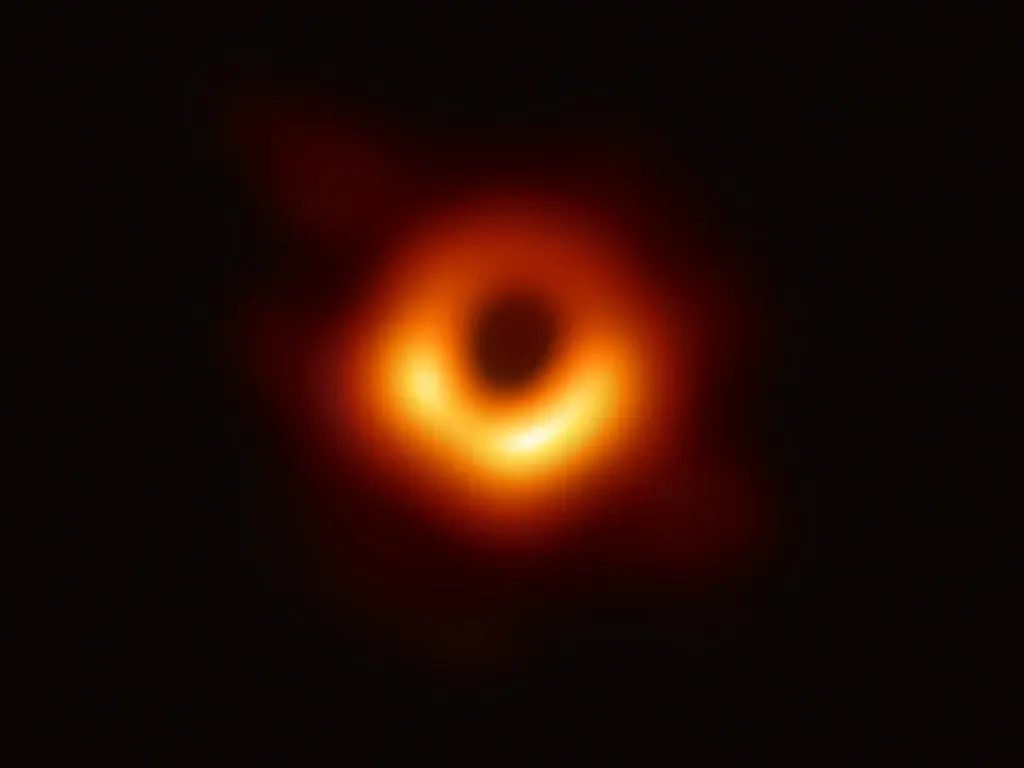
Black holes used to be almost mythical in the way you imagined them: regions of space where gravity is so strong that not even light can escape. You could infer their presence from the motion of nearby stars or from energetic outbursts of gas falling in, but you had never seen one directly. When a network of radio telescopes across Earth combined their observations to create a planet‑sized virtual dish, you finally got an image of the shadow of a supermassive black hole surrounded by glowing material at the heart of a distant galaxy. That blurry, ring‑like structure is your first real visual evidence of an event horizon’s imprint on light.
Seeing that image hits you differently than reading any equation or simulation. It turns something deeply theoretical into something you can almost point at and say, there it is. The size and shape of the shadow match what general relativity predicts for a black hole of that mass, giving you a powerful confirmation of a theory tested now in some of the most extreme conditions known. At the same time, it invites more questions about how matter behaves near an event horizon and how these monsters grew to be so massive in the first place. You are witnessing gravity at its most intense, and it looks astonishingly close to what your best ideas had suggested.
The Explosion of Exoplanet Discoveries
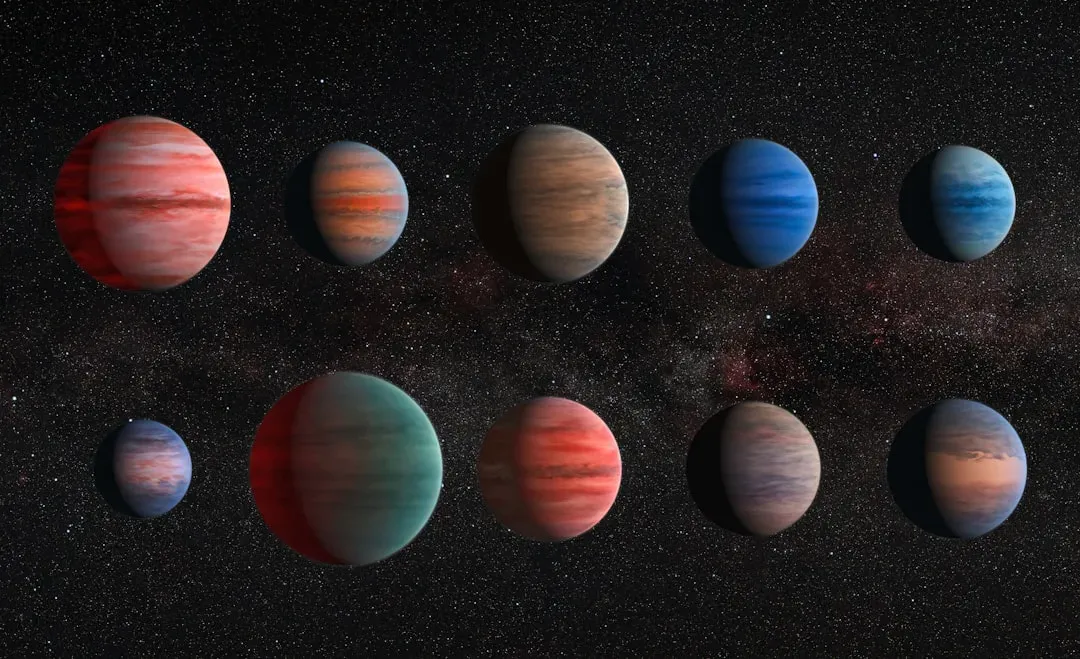
Not long ago, if you wondered about planets around other stars, you were firmly in the realm of imagination. You could guess they were common, but you had no solid proof. Then sensitive instruments started noticing tiny dips in starlight as planets passed in front of their stars, along with subtle wobbles in those stars’ motions caused by orbiting worlds. Within a few decades, you went from zero confirmed exoplanets to thousands, revealing systems with hot Jupiters skimming close to their suns, tightly packed chains of small rocky planets, and worlds with conditions very different from anything in your solar system.
This flood of discoveries changes how you think about your place in the galaxy. Instead of treating your planetary system as a special, perhaps rare setup, you now see planets as a natural, common by‑product of star formation. You get to study how different planetary arrangements form, migrate, and evolve, which in turn shapes how you search for potentially habitable worlds. When you learn that many stars host planets and some of those planets sit in regions where liquid water might exist, the question of life elsewhere stops being a distant speculation and becomes a concrete, testable possibility.
Conclusion: A Universe That Refuses to Stay Small
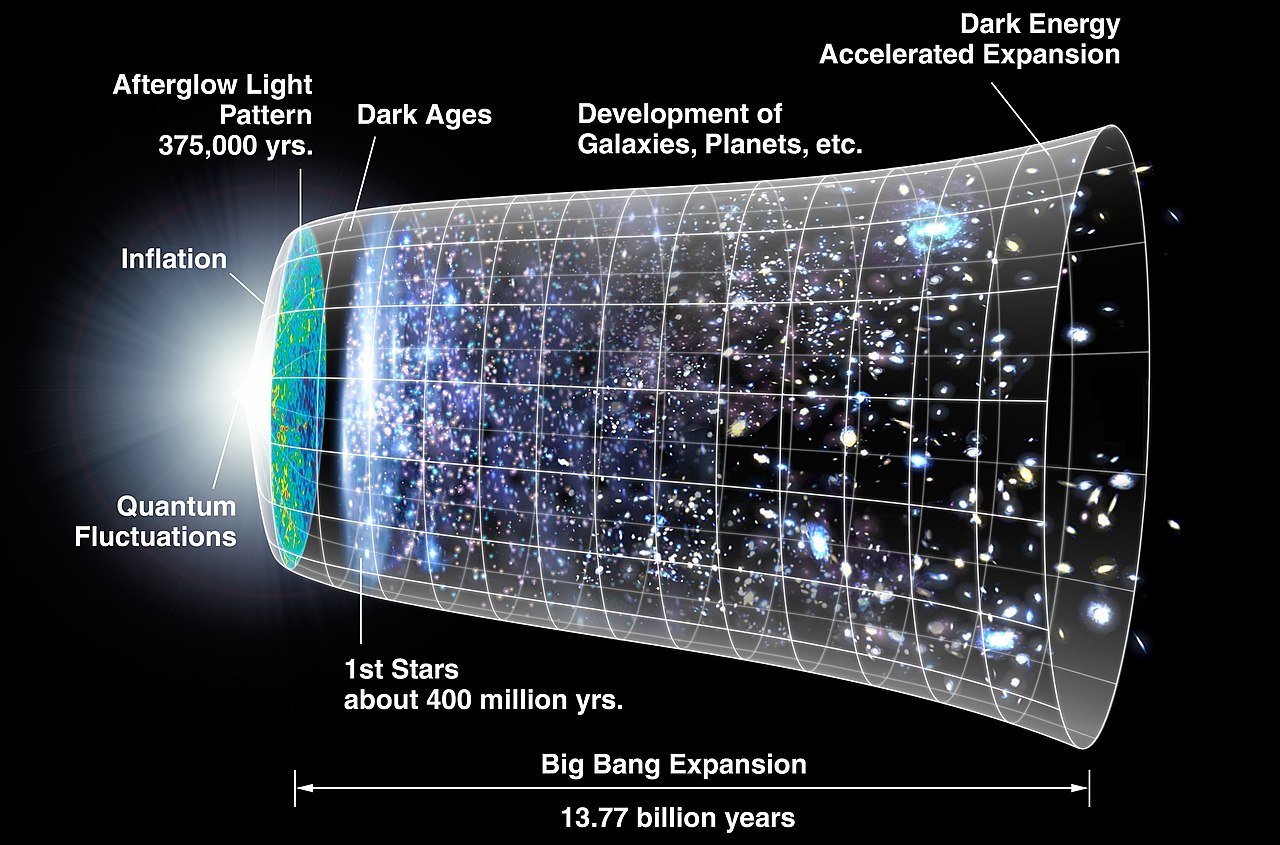
When you step back and look at these seven events together, you see a clear trend: every major leap in astronomy has pulled you away from a comforting, simple universe and pushed you into a grander, stranger reality. You learned that the universe expands, that it has a fiery beginning, that your Milky Way is just one galaxy among many, and that most of what shapes cosmic evolution – dark matter and dark energy – cannot yet be seen directly. You gained new senses through gravitational waves, saw the silhouette of a black hole, and uncovered an astonishing diversity of planets circling other suns.
Each of these milestones reminds you that your current picture of the cosmos is powerful but still incomplete. The next revolution might come from a sharper telescope, a more patient sky survey, or a clever new way to analyze data you already have. As you look up tonight, you are not just seeing stars; you are staring into a vast, ongoing experiment that is still revealing its rules. Which of these cosmic surprises did you find the most mind‑bending – and what do you think the next big shock will be?