

If the Sun vanished right now, Earth would keep drifting along in the dark for a few minutes before we’d even notice anything was wrong. Then, eight minutes later, the last sunlight would fade, temperatures would crash, and the sky would turn into a silent, frozen graveyard. It’s a chilling thought, but it drives home one simple truth: the Sun isn’t just another star in the sky, it’s the one thing that makes life here possible at all.
We’re so used to seeing it rise every morning that it almost feels boring, like background noise. Yet this ordinary-looking yellow disk is a raging nuclear furnace, a gravitational anchor, a timekeeper, and even a kind of storyteller recording the history of our neighborhood in space. The more scientists learn about the Sun, the more it feels less like a distant object and more like the beating heart of a fragile, complicated system we’re only just beginning to understand.
The Sun: A Relatively Average Star With an Extraordinary Role
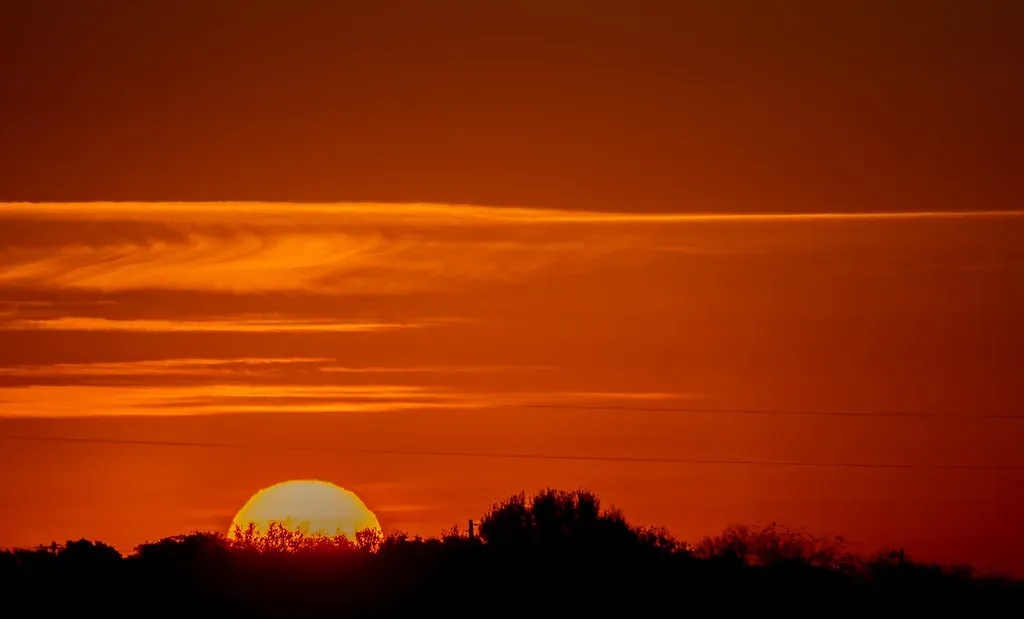
On paper, the Sun is pretty unremarkable. Astronomers classify it as a G-type main-sequence star, not especially big or small, not especially hot or cold, just somewhere in the comfortable middle. In our galaxy, there are countless stars like it, scattered through the spiral arms like grains of sand on a beach. If you looked at the Sun from light-years away, it wouldn’t stand out from the crowd at all.
But from where we sit, that “average” star becomes absolutely everything. The Sun provides nearly all the energy that drives Earth’s weather, oceans, and climate, and it sets the basic conditions under which chemistry can turn into biology. Its size, brightness, and distance from Earth line up in a way that gives us liquid water and reasonably stable temperatures over billions of years. In cosmic terms, it’s like living next to a campfire that is neither too close to burn you nor too far to leave you freezing, and that balance has shaped every living thing you’ve ever known.
A Nuclear Furnace Powering Every Breeze and Blade of Grass
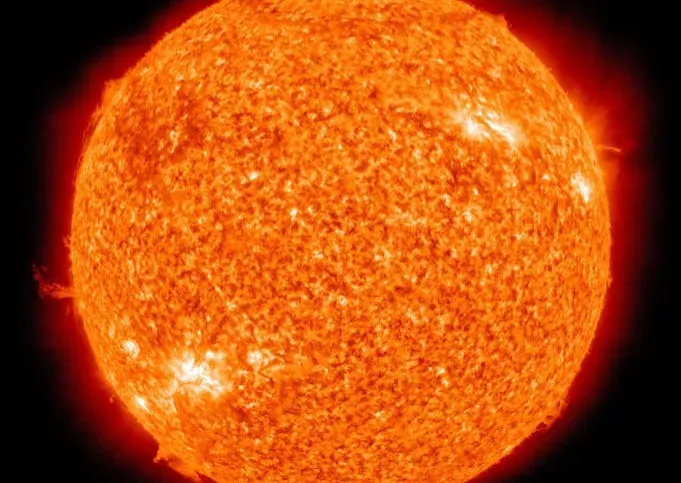
Deep in the Sun’s core, hydrogen atoms are constantly being crushed together under enormous pressure and temperature, fusing into helium and releasing energy in the process. This nuclear fusion is unimaginably intense; every second, the Sun converts millions of tons of mass into pure energy, according to the same equation that explains nuclear power on Earth. Yet the light produced in the core doesn’t rush out instantly. It can bounce around inside the Sun for hundreds of thousands of years before finally escaping into space.
By the time that energy reaches us, it’s just gentle sunlight, warm enough to heat the ground, stir the air, and feed plants through photosynthesis. Every gust of wind, every raindrop, every crashing wave at the beach ultimately traces back to this stream of photons leaving the Sun. Even the food on your plate is basically stored sunlight, trapped by a plant and passed along the food chain. When you look at it that way, almost everything we do is powered by a star we mostly ignore on our commute.
The Gravitational Anchor Holding Our Cosmic Family Together
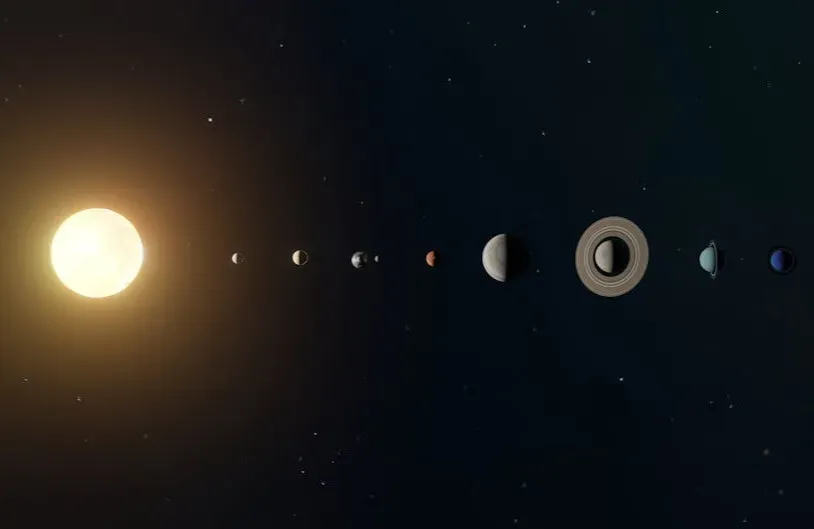
It’s easy to picture the planets just “floating” around in space, but their graceful orbits are really a constant balancing act against the Sun’s gravity. The Sun contains almost the entire mass of the solar system, with everything else – planets, moons, asteroids, comets – making up only a tiny fraction. That huge mass gives it a strong gravitational pull, creating an invisible web that keeps Earth and the other planets locked into stable paths for millions of years at a time.
If the Sun were suddenly lighter or heavier, or if gravity somehow changed, those paths would warp or break, and the whole system could quickly fall apart. The relatively stable orbits we enjoy are what allow complex ecosystems and civilizations to develop on a world that doesn’t suddenly swing into deadly heat or deep freeze. When we talk about the “solar” system, we’re really just describing a family of wandering worlds that never truly escape the Sun’s steady grip.
The Goldilocks Zone and Why Earth Got Lucky
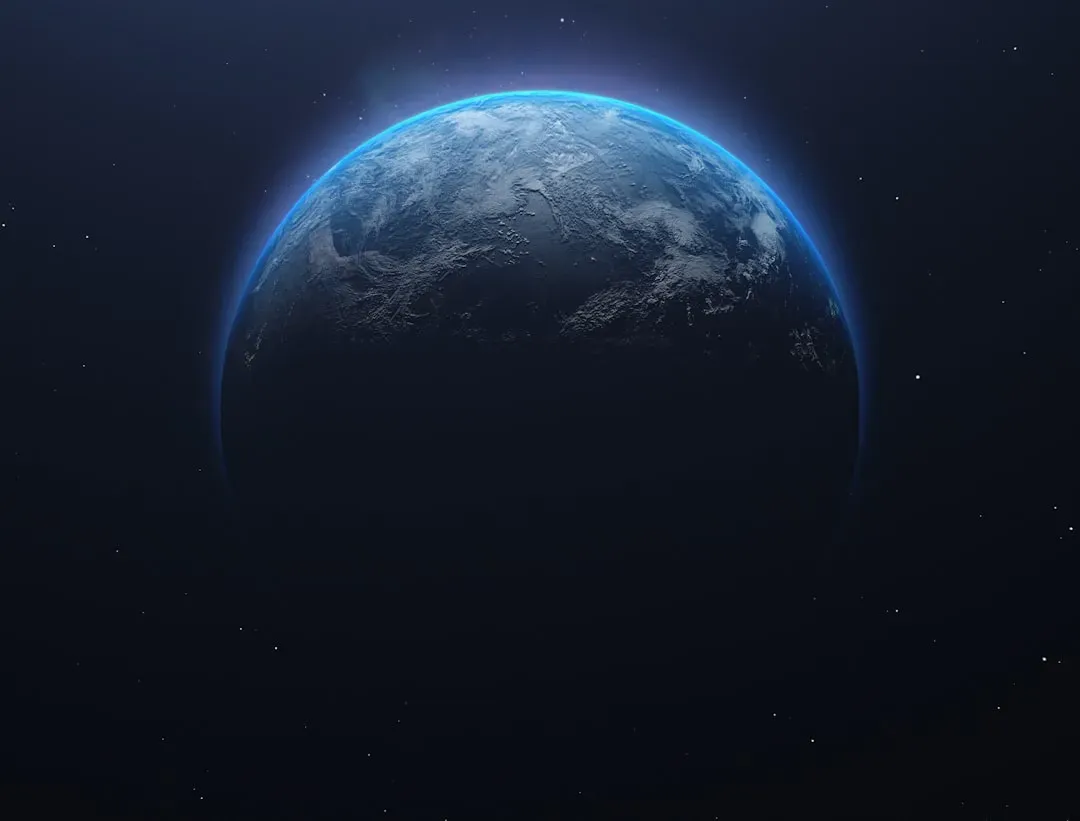
Around every star, there’s a region where conditions can be just right for liquid water to exist on a planet’s surface. Astronomers call this the habitable zone or, more playfully, the Goldilocks zone – not too hot, not too cold. For our Sun, Earth sits comfortably inside this band, far enough out to avoid boiling off its oceans, but close enough to keep them from freezing solid on average. Mars hovers near the outer edge of that zone, while Venus lurks on the inner, overheated side.
But distance alone isn’t the whole story. The Sun’s steady energy output over billions of years has given Earth a long window of relative stability, something not every star provides. Some stars flare violently or change brightness a lot over time, which would make any nearby world’s climate far more chaotic. Our Sun has its moods, but compared to the alternatives, it behaves like a mostly calm, middle-aged parent, giving Earth just enough warmth and time to evolve from simple microbes to creatures that can build telescopes and ask how it all started.
The Solar Cycle: Our Star’s Pulsing Space Weather
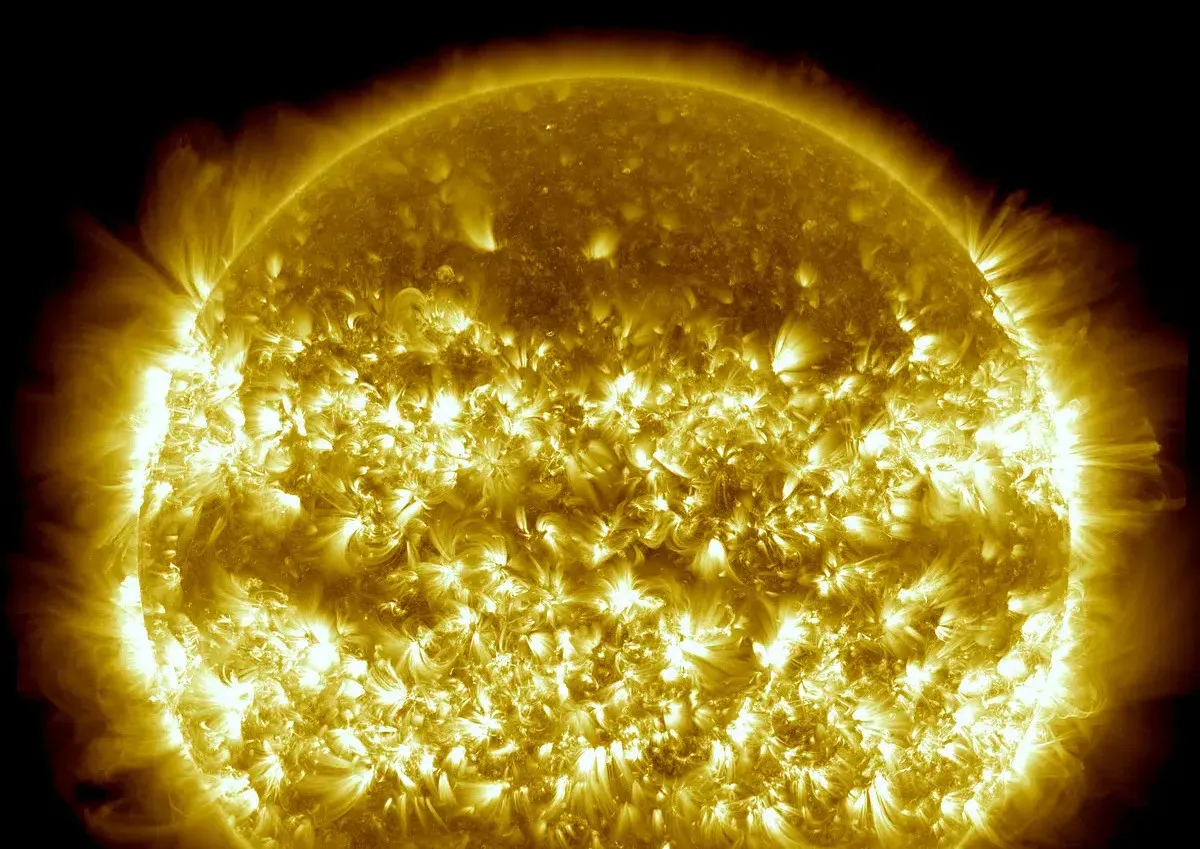
The Sun may look constant to the naked eye, but it actually goes through a roughly eleven-year cycle of activity. During its more active years, sunspots – dark, cooler regions tied to magnetic activity – pepper its surface, and dramatic solar flares and eruptions become more common. In quieter years, the Sun’s face looks smoother, and these outbursts are fewer and weaker. This cycle shapes what scientists call space weather, which can affect not just astronauts but you and me in subtle ways.
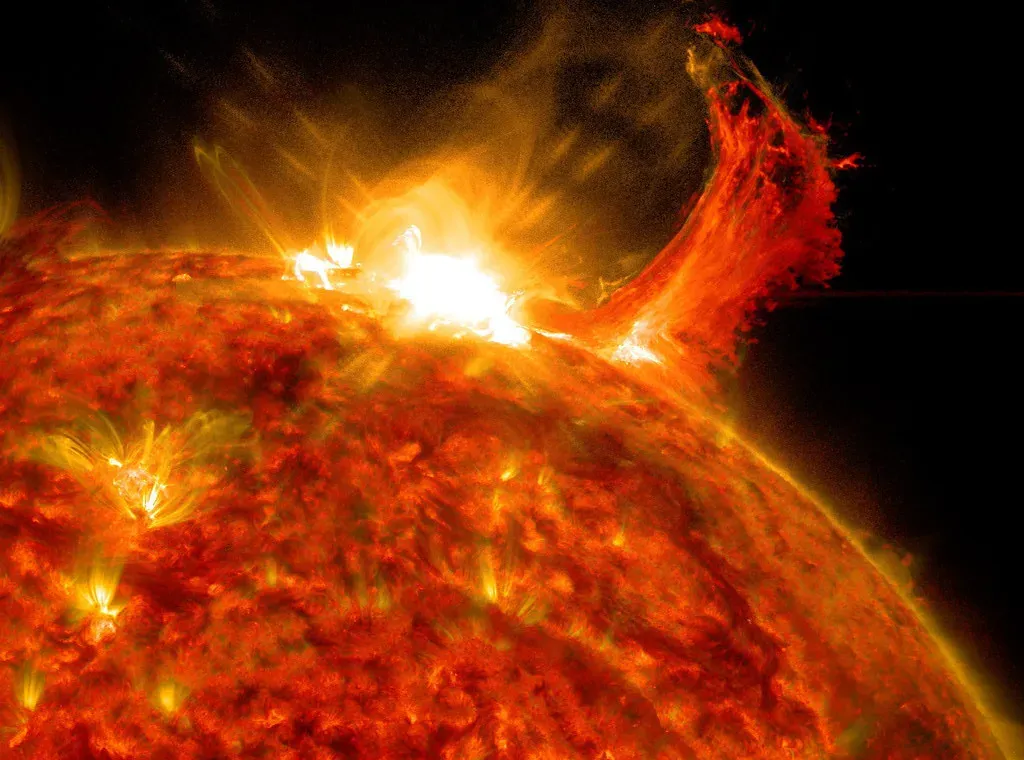
When the Sun hurls clouds of charged particles out into space, they can slam into Earth’s magnetic field, triggering beautiful auroras near the poles but also disturbing satellites, radio communications, and power grids. In the age of GPS, internet cables, and orbiting telescopes, we’re more vulnerable to the Sun’s tantrums than ever before. Space agencies now track solar activity closely, treating the Sun a bit like a very distant, very powerful storm system that can cause trouble if we’re not paying attention.
The Sun as Timekeeper and Calendar Maker
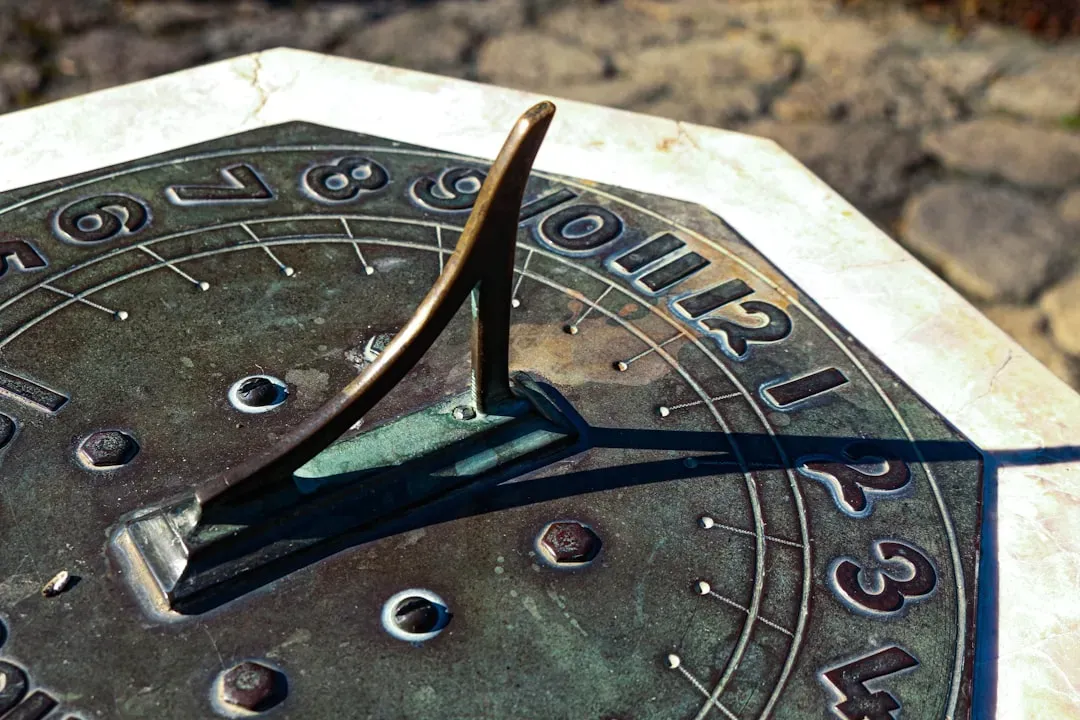
Long before people knew what fusion was or how gravity worked, they knew the Sun rose and set in a comforting rhythm. Ancient civilizations watched its path across the sky, noticing how it shifted with the seasons and how the length of the day slowly changed throughout the year. This simple observation became the foundation for calendars, agriculture, religious festivals, and even architecture aligned with solstices and equinoxes. The Sun became the original clock in the sky.
Even today, when your phone can tell time to the fraction of a second, our daily lives are still secretly choreographed by the Sun. Our internal body clocks, our moods, our sleep, and even the timing of many biological processes respond to light and darkness. If you’ve ever felt jet lag or the winter blues, you’ve felt the tug of that ancient connection. In a very real way, the Sun still decides when we work, when we rest, and how we feel during the journey in between.
The Sun’s Fingerprints on Our Climate

The Sun is the main source of energy for Earth’s climate, so it’s natural to wonder how much its ups and downs influence weather and long-term temperature trends. Over short timescales, changes in solar activity can nudge regional climate patterns, and historical records suggest that especially quiet or active periods may have lined up with some smaller natural climate shifts. The Sun can also modulate the flow of high-energy particles reaching Earth, which might have subtle effects on the upper atmosphere.
However, the overall energy output of the Sun has remained surprisingly stable in modern times, changing only slightly from one cycle to the next. Meanwhile, global temperatures on Earth have been rising rapidly in the last century, far faster than can be explained by these small solar variations alone. The Sun sets the baseline conditions, but human activities – burning fossil fuels, altering land use, and changing the composition of the atmosphere – are now strongly shaping the details on top of that baseline. Understanding the Sun helps scientists separate natural influences from what we’re doing ourselves.
The Sun’s Winds and the Invisible Bubble Around Us
The Sun doesn’t just shine; it blows. A constant stream of charged particles called the solar wind flows outward in all directions, filling space and forming a vast bubble around the solar system known as the heliosphere. This bubble acts like a loose shield, helping to deflect some of the high-energy cosmic rays that zip through the galaxy. Spacecraft sent far from Earth, like the Voyager probes, have actually crossed the edge of this region, giving us a rare glimpse of the boundary between our Sun’s influence and interstellar space.
Closer in, the solar wind interacts with planetary magnetic fields and atmospheres, carving out long tails behind comets and shaping the delicate boundary layers around planets like Earth. Without our own magnetic field working alongside the heliosphere, more of those energetic particles would slam directly into our atmosphere and surface. Mars, with its weaker magnetic field and thinner atmosphere, offers a sobering example of how much harsher a world can become under the constant blast of solar and cosmic radiation.
A Star With a Future – and an Expiration Date
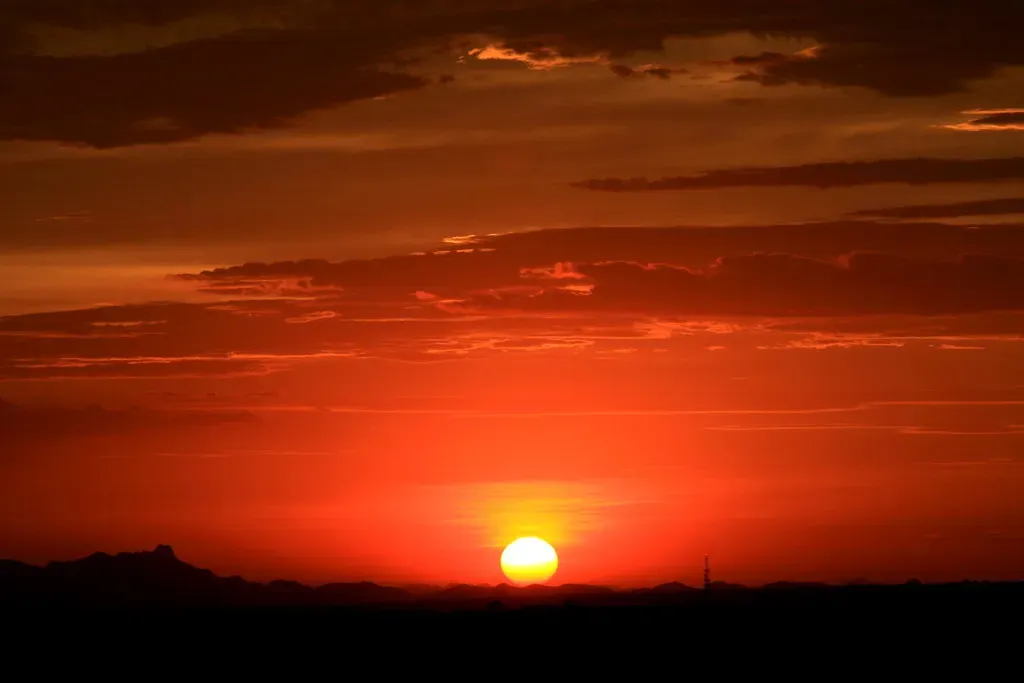
The Sun feels eternal, but it’s really just in a long, middle chapter of its life story. Astronomers estimate that it’s about halfway through its stable phase of fusing hydrogen into helium, with several billion years left to go. Eventually, though, the fuel in its core will run low, and the Sun will start to change dramatically. It will swell into a red giant, likely engulfing or scorching the inner planets and radically reshaping the entire solar system in the process.
That future is so distant that it sits far beyond any realistic human planning, but it does give our existence a kind of quiet deadline. Earth won’t be habitable forever, at least not in the way we know it now. Some scientists and thinkers see that as one more reason for humanity to explore space and learn how to live beyond our home world. It’s a strange feeling to know that the same star that made us possible will one day make this planet unlivable, like a parent who eventually becomes too heavy for the fragile house they built.
Why Understanding the Sun Matters More Than Ever
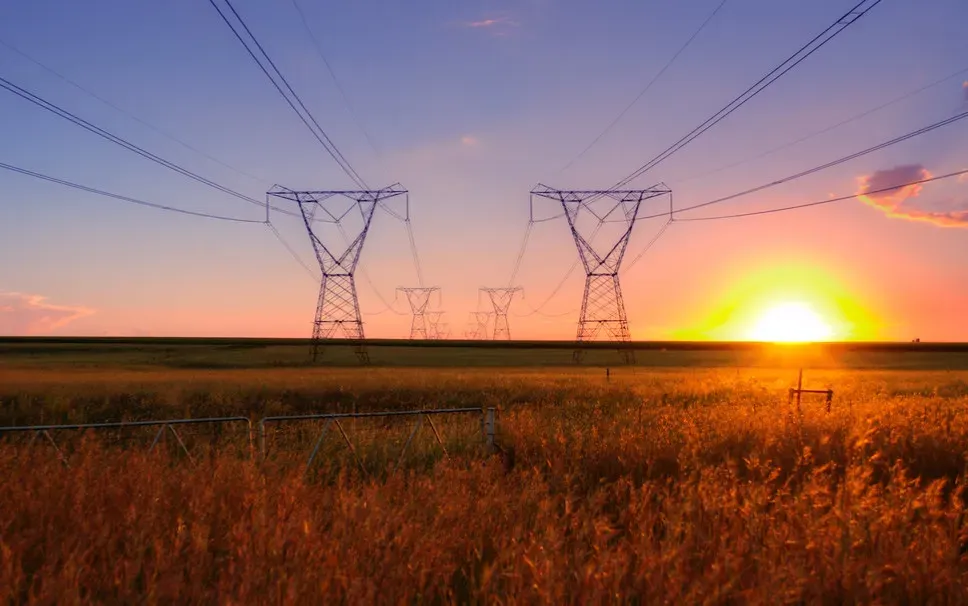
Studying the Sun might sound like a niche pursuit for astronomers, but it’s woven into almost every part of modern life. Satellites, communication networks, climate science, renewable energy systems, and even future crewed missions to the Moon and Mars depend on accurate knowledge of how our star behaves. Space missions launched in recent years have been flying closer to the Sun than ever before, sampling its outer atmosphere and measuring its winds to answer questions that have puzzled scientists for decades.
On a more personal level, learning about the Sun can shift the way you see your own place in the universe. That round, almost too-bright disk you squint at in the sky is not just scenery; it’s the central engine running the show. The Sun is the heart of our system not only in a physical sense, but also in a psychological one, reminding us that our entire world hangs on the output of a single, ordinary star. Next time you feel its warmth on your face, it might be worth asking yourself: how different would everything be if our star were just a little less kind?
Conclusion: Living in the Light of a Quiet Giant
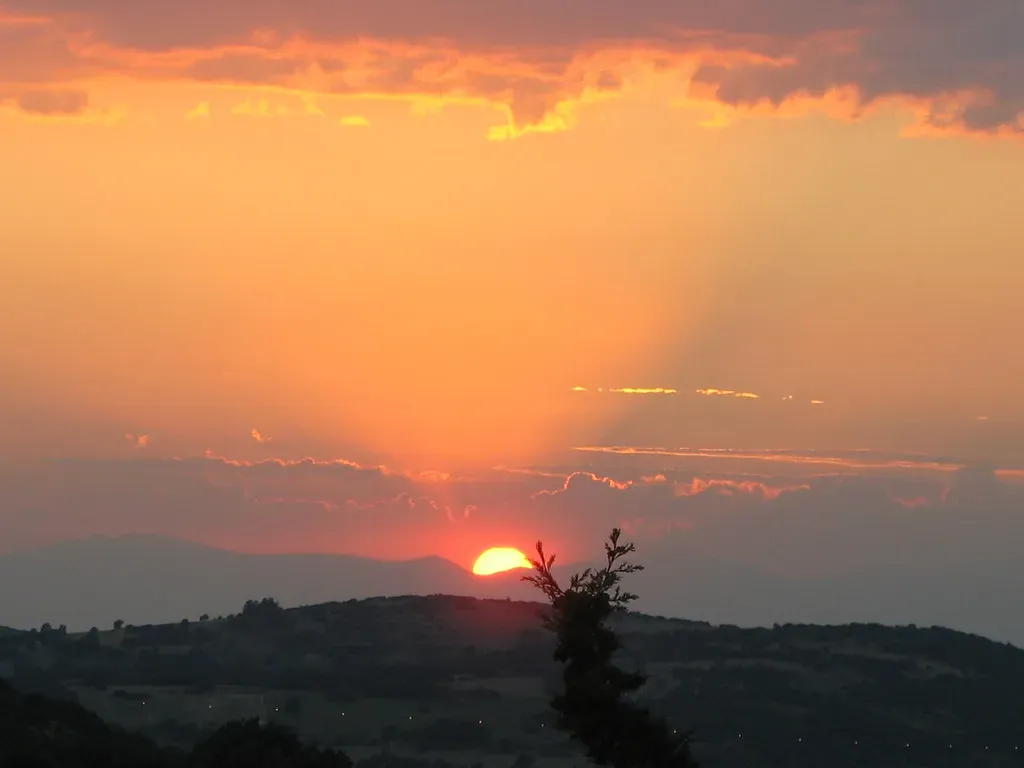
The Sun sits at the center of our story, quietly fusing hydrogen while we go about our daily lives, mostly unaware of how dependent we are on its moods and generosity. It anchors the planets, powers our weather, sets our clocks, shapes our climate, and even defines the bubble of space we call home. For something so fundamentally important, it’s surprising how rarely we stop to consider just how carefully balanced our relationship with it really is. In a universe full of wild, unruly stars, ours has given us a rare pocket of calm in which life could take hold and wonder about its own origins.
When you zoom out, you start to see the solar system as a living, breathing structure with the Sun as its heart – beating in cycles, sending out winds, and holding everything together with invisible arms of gravity. It’s not just a light in the sky, but the central character in the only cosmic drama we’ve ever known firsthand. As we keep pointing new instruments toward it, we’re not just studying a ball of plasma; we’re trying to understand the forces that made us possible and that will one day decide our fate. Knowing all that, can you really look at a sunrise the same way again?