You probably underestimate your own brain every single day. You forget where you left your keys, you blank on a name, you open the fridge and then wonder what you came for, and you quietly conclude that your brain just isn’t that great. But under those ordinary, slightly chaotic moments is a physical and mental engine so complex, so adaptable, and so powerful that scientists are still struggling to fully map what it can do.
When you start to understand how your brain actually works, you stop seeing yourself as someone who is “good” or “bad” at thinking and start seeing a living system that can be trained, upgraded, and reshaped. You realize memory is not a fixed gift, focus is not a permanent trait, and creativity is not reserved for a chosen few. Step by step, you learn that your brain is far more capable than it feels on a tired Tuesday afternoon – and that you have more control over it than you were ever told.
Your Brain Is a Living Network, Not a Fixed Machine
Most of your life, you’ve probably thought of your brain like hardware: once installed, it just runs until it wears out. In reality, it behaves much more like a busy, constantly changing city – roads are being built, rerouted, or torn down based on how often you “travel” them with your thoughts and habits. Every time you learn a new skill, remember a phone number, or practice an instrument, you’re literally reshaping the connections between your brain cells.
This ability to rewire itself is called neuroplasticity, and it’s one of the main reasons your brain is so powerful. You can pick up a new language in midlife, relearn how to move after an injury, or change deeply ingrained thinking patterns that have been with you for years. When you repeat something often enough – whether it’s playing piano, meditating, or scrolling mindlessly – you’re telling your brain: “Build more roads here.” The astonishing part is that those roads can always be rerouted if you decide to use your mind differently.
You Process More Information Than You Ever Notice
Right now, while you read this, your brain is silently monitoring your breathing, balancing your posture, tuning out background noises, and filtering the light around you so the words on this page stay clear. You consciously notice a tiny slice of what reaches your senses, but your brain is taking in and sorting through far more than you can ever be aware of. It’s like running a massive operating system in the background while you only see a small set of open windows.
This hidden processing power explains why you sometimes get “gut feelings” or sudden flashes of insight. Your brain has been crunching patterns below the surface, comparing past experiences, emotional reactions, and subtle cues that never quite reached conscious awareness. You feel that as intuition, but underneath it is a fast, parallel system that keeps you alive, alerts you to danger, and helps you make decisions when you don’t have all the facts neatly laid out.
Your Memory System Is Wiser (and Trickier) Than You Think
You might beat yourself up for having a “bad memory,” but your brain was never designed to be a perfect recorder. Instead, it’s more like a smart editor that constantly decides what is worth keeping and what can safely be thrown away. It tends to store emotional moments, repeated experiences, and information that seems meaningful or useful, while quietly letting the rest fade into the background.
That means you can dramatically improve what you remember by working with how your brain already operates. When you connect new information to something you care about, use vivid mental images, or teach someone else what you just learned, you’re giving your brain a loud signal: this matters. Over time, you discover that memory is not about having a special talent – it’s about using strategies that match how your brain naturally encodes and retrieves information.
Your Brain Can Rebuild After Injury and Hardship
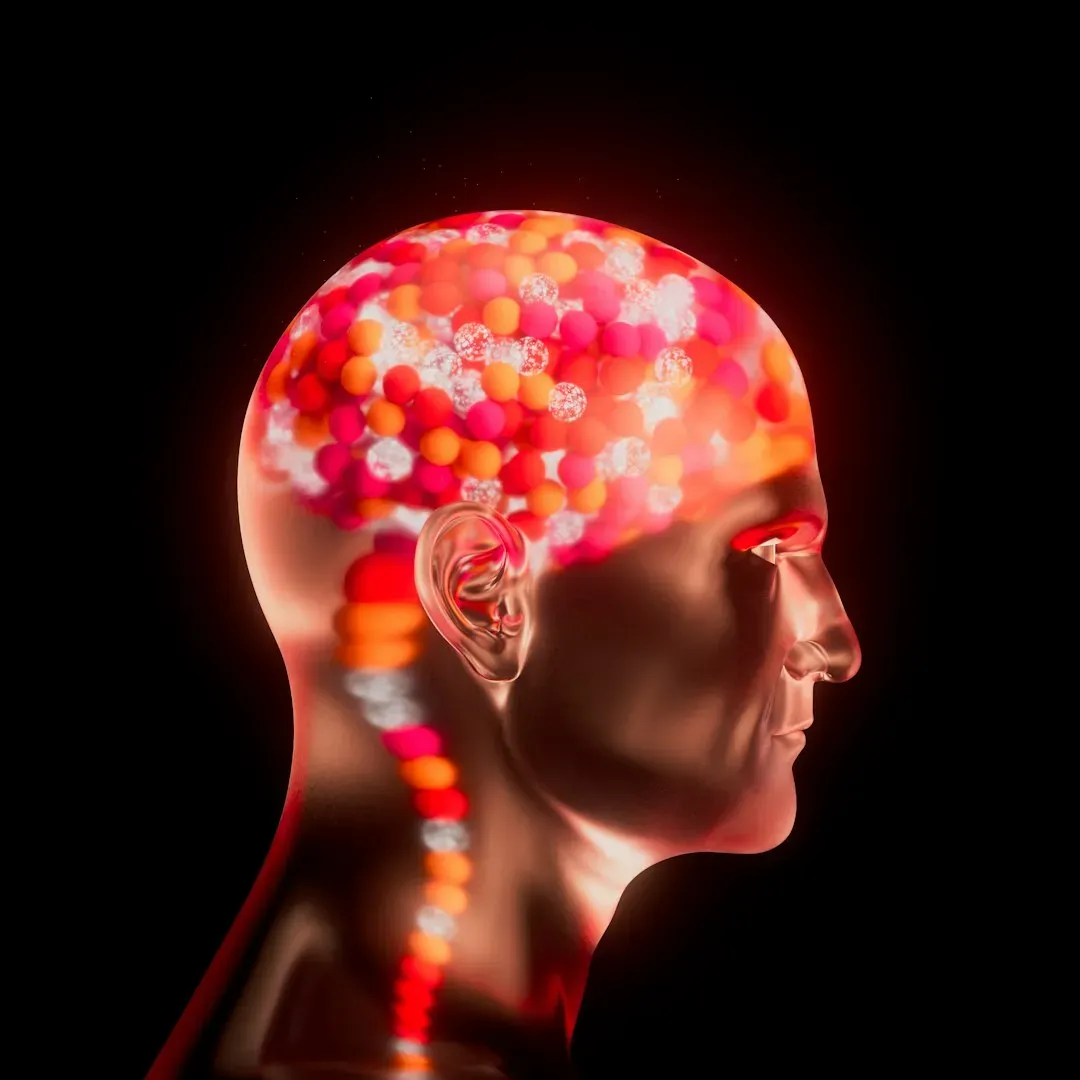
One of the most surprising things you learn when you look closely at the science is that your brain is far more resilient than the old myths suggested. Strokes, injuries, and even traumatic experiences can cause real damage, but people often recover abilities that once seemed permanently lost. Other regions of the brain can sometimes take over functions, form new pathways, and compensate for parts that are no longer working well.
On a smaller but very real scale, you see this same resilience in your everyday life. When you go through a breakup, lose a job, or face a serious setback, it can feel like your mind will never feel normal again. Yet, over time, your brain tends to find new routines, new sources of meaning, and new emotional patterns. You might not notice it happening day by day, but your mental landscape is quietly rebuilding itself, proving that you’re not as fragile as you once believed.
Your Thoughts Can Physically Change Your Brain
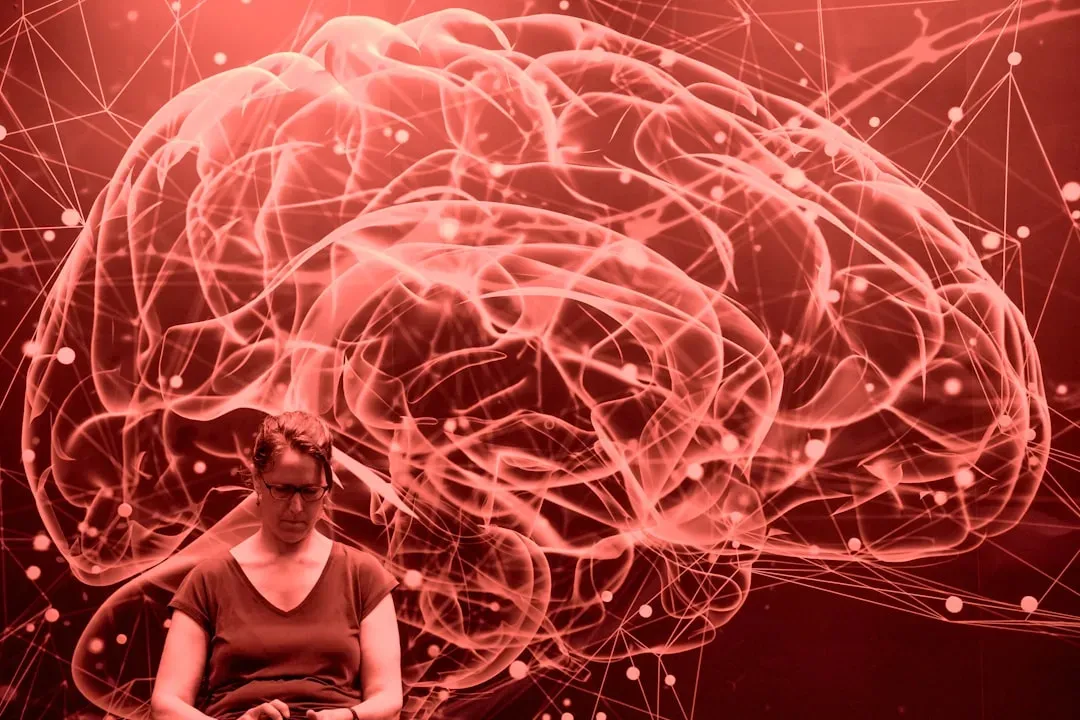
It sounds almost unbelievable, but the way you think and where you focus your attention can leave physical traces in your brain. When you dwell on worries, rehearse worst-case scenarios, or constantly criticize yourself, you’re training certain neural circuits to fire more easily. Your brain becomes more efficient at producing anxiety and self-doubt, not because you’re broken, but because you’ve unknowingly been practicing those patterns.
The encouraging flip side is that you can train the opposite. Practices like mindfulness, gratitude, and cognitive reframing are not fluffy ideas; they’re ways of repeatedly steering your brain toward calmer, more constructive patterns. Over time, the circuits supporting focus, emotional balance, and optimism become easier to access. You start noticing pauses between stimulus and reaction, and in that tiny space you gain something precious: the power to choose how you respond rather than just react on autopilot.
Your Brain Thrives on Challenge, Not Comfort

You might think your brain prefers to relax, avoid effort, and stay in familiar territory, but that comfort zone quietly weakens its potential. Just like muscles, your brain strengthens when you give it challenges that are just hard enough to stretch you without completely overwhelming you. When you tackle a new hobby, learn a skill that scares you a little, or solve problems that make your head hurt, you’re building cognitive stamina.
Surprisingly, boredom and routine can dull your mental sharpness more than age alone. When you live the same day over and over – same tasks, same conversations, same screens – your brain stops needing to adapt. By deliberately adding novelty, like reading in a different field, taking a new route, or talking to people outside your usual circle, you wake your brain up. You remind it that the world is bigger than your current habits, and it responds by growing new connections and flexibility.
Your Brain Is Built for Connection and Story
You might think of intelligence as something that happens inside your skull, but your brain evolved in a social world. It is wired to track faces, interpret tone of voice, and sense the emotional states of others. When you feel seen, safe, and understood, your nervous system calms down, your thinking becomes clearer, and your creativity opens up. In many ways, your brain performs best when it is not alone.
Story is another secret superpower of your mind. You remember complex information much more easily when it’s wrapped in a narrative instead of raw facts. You interpret your own life as a story too – about who you are, what you deserve, and what is possible for you. When you update that internal story, perhaps choosing to see yourself as capable of change instead of stuck, your brain starts noticing different opportunities and paths. That shift in narrative can be as powerful as any external change.
Your Brain’s Limits Are Often Psychological, Not Biological
One of the harshest ceilings on your brain’s power is the quiet belief that you are “not that smart,” “too old to learn,” or “just not a math or creative person.” These beliefs shape what you attempt, how quickly you give up, and how you explain setbacks to yourself. If you assume you’re fixed, every struggle feels like proof that you’ve hit your limit. If you assume you can grow, the same struggle feels like part of the process.
When you look at people who achieve extraordinary things – learning several languages, mastering new careers later in life, recovering from serious challenges – you’re not really seeing magic. You’re seeing years of effort, smart practice, and a refusal to interpret difficulty as a stop sign. Your brain may have certain constraints, but most of the time, you never even reach them. You turn back long before biology forces you to, simply because you believe the path is closed.
Your Daily Habits Quietly Supercharge (or Sabotage) Your Brain
It’s tempting to look for special tricks or hacks to unlock more brain power, but the most powerful levers are shockingly ordinary. How well you sleep, how much you move your body, what you eat, how often you break from screens, and whether you ever let your mind rest all add up. Each choice nudges your brain toward either clarity and energy, or fog and fatigue. Over weeks and months, those tiny nudges become your new normal.
When you prioritize consistent sleep, nourish yourself with real food most of the time, exercise regularly, and build small islands of quiet into your day, your thinking changes. You find it easier to focus, bounce back from stress, and access creative ideas that once felt out of reach. You realize that peak mental performance is not about willpower alone; it’s about designing a life that supports your brain instead of constantly draining it.
Conclusion: You’re Sitting on Far More Potential Than You Feel
When you put all of this together, a different picture of your mind emerges. You are not stuck with the brain you had in school, or the one that shows up on your worst days. You’re carrying around a living, changing system that rewires with practice, recovers from hardship, adapts to new challenges, and responds to the story you tell about yourself. The gap between what you feel capable of and what your brain could learn to do is almost certainly wider than you think.
You do not need to become a neuroscientist to benefit from this; you just need to treat your brain less like a fixed identity and more like a living project. If you start giving it better inputs, braver challenges, kinder self-talk, and a bit more rest, it will quietly surprise you. The real question is not whether your brain is powerful enough – it is whether you will give it the chance to show you how powerful it can become. What might change for you if you stopped assuming you’ve already reached your limit?