

You probably woke up, checked your phone, maybe made some coffee, and started your day without once thinking, “Wow, physics and biology are doing backflips just so I can exist right now.” Yet behind every sip, breath, and heartbeat, there’s a quiet storm of science that’s honestly mind‑bending once you stop and look at it. The wild part is: you don’t need a lab coat or a PhD to be blown away. You just need to notice what’s already happening in front of you.
From the way your body rebuilds itself like a construction site that never sleeps, to the bizarre fact that you are mostly empty space, ordinary life is anything but ordinary. Some of these facts might feel almost unsettling at first; others are strangely comforting, like realizing chaos still follows rules. Let’s walk through ten hiding in plain sight – and once you know them, you’ll never see your daily routine the same way again.
Your Body Rebuilds Itself Almost Completely
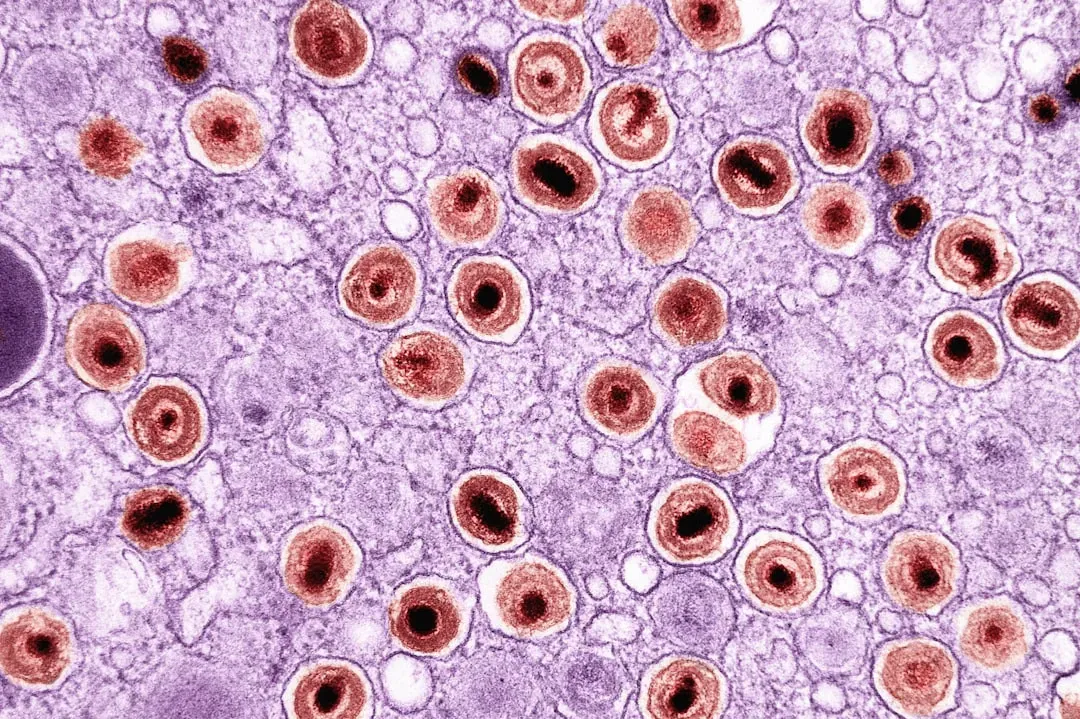
Every time you look in the mirror, you’re seeing a body that’s in the middle of a massive renovation project. Your stomach lining is replaced in a matter of days, your skin cells turn over in weeks, and many of your blood cells are recycled within a few months. Even your skeleton, which seems like the most permanent part of you, is constantly being broken down and rebuilt, with much of it refreshed over the course of several years.
It’s like living in a house where the walls, pipes, and furniture are quietly swapped out while you sleep, yet you still call it the same home. Not all cells are replaced at the same rate – some in your brain, for example, may last decades – but the overall picture is still astonishing: the “you” from a few years ago is physically not exactly the same “you” today. I remember learning this as a teenager and staring at my own hands, feeling weirdly disconnected, like I was borrowing a body that refuses to stay still.
You Are Mostly Empty Space
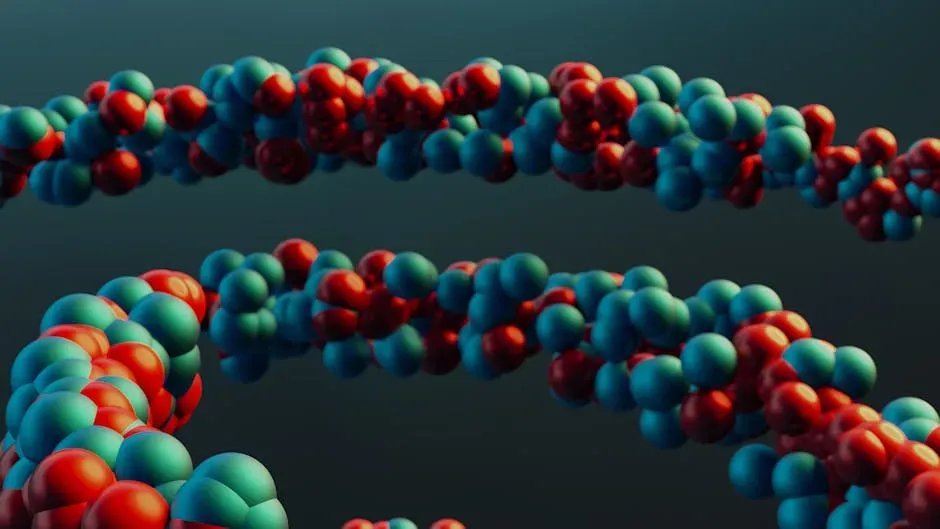
At first glance, this sounds impossible: you feel solid, your chair feels solid, and the floor definitely feels solid when you stub your toe. But zoom in far enough and each atom in your body is mostly empty space, with a tiny nucleus surrounded by a cloud of electrons occupying a region that’s almost all “nothing.” If the nucleus were the size of a pea in the middle of a stadium, the electrons would be like gnats flitting around the outer seats, and everything in between would be emptiness.
What keeps you from falling through your chair is not solid stuff smashing into more solid stuff – it’s forces and quantum rules stopping particles from occupying the same space. The sense of solidity is really an illusion created by electromagnetic interactions, a bit like two magnets that never actually touch but still push against each other. Once you realize this, the everyday world starts to feel strangely magical: what you call “solid” is really a carefully choreographed force field dance happening trillions of times a second.
Your Brain Runs On About the Power of a Dim Light Bulb
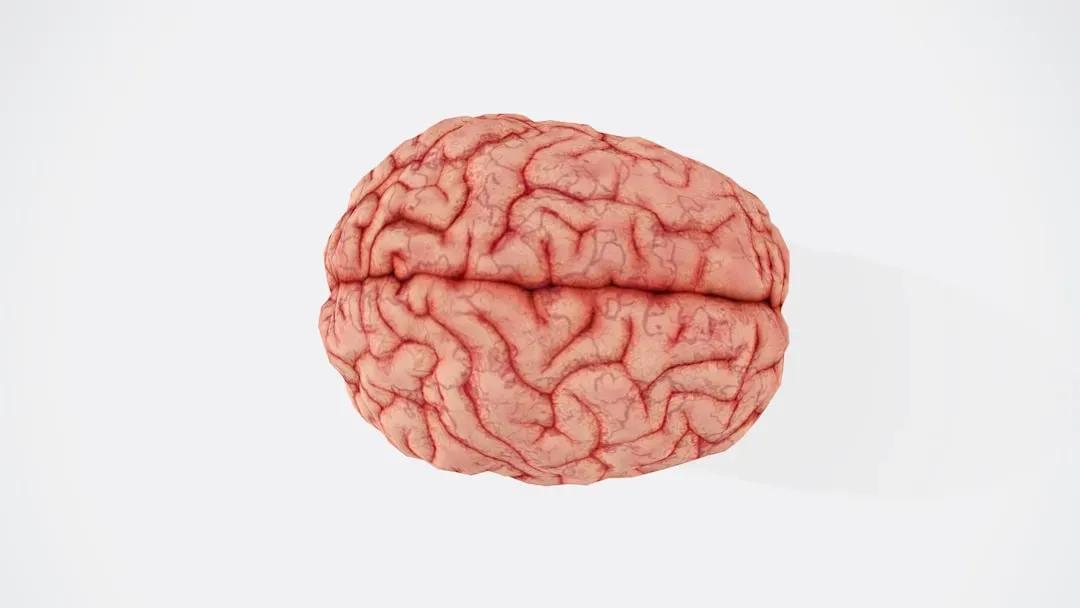
Right now, as you read this, your brain is processing language, filtering distractions, updating memories, and quietly running your body – all on the power budget of a small light bulb. The human brain uses roughly the same energy as a low‑wattage lamp, yet it outperforms the most advanced supercomputers when it comes to things like recognizing faces, understanding context, and making split‑second decisions. It’s not just fast; it’s incredibly efficient.
Think about how hot a laptop can get when you run a heavy program, and then realize your brain does vastly more and mostly just makes your forehead feel a little warm. Billions of neurons send tiny electrical signals and release chemicals at high speed, forming patterns that become thoughts, feelings, and memories. Every time you have an idea in the shower or suddenly remember where you left your keys, that’s this low‑power, high‑complexity device firing in ways we still don’t fully understand. I often think of it as the ultimate smartphone that nobody knows how to fully repair or even fully explain.
Your Phone’s GPS Relies On Einstein’s Relativity
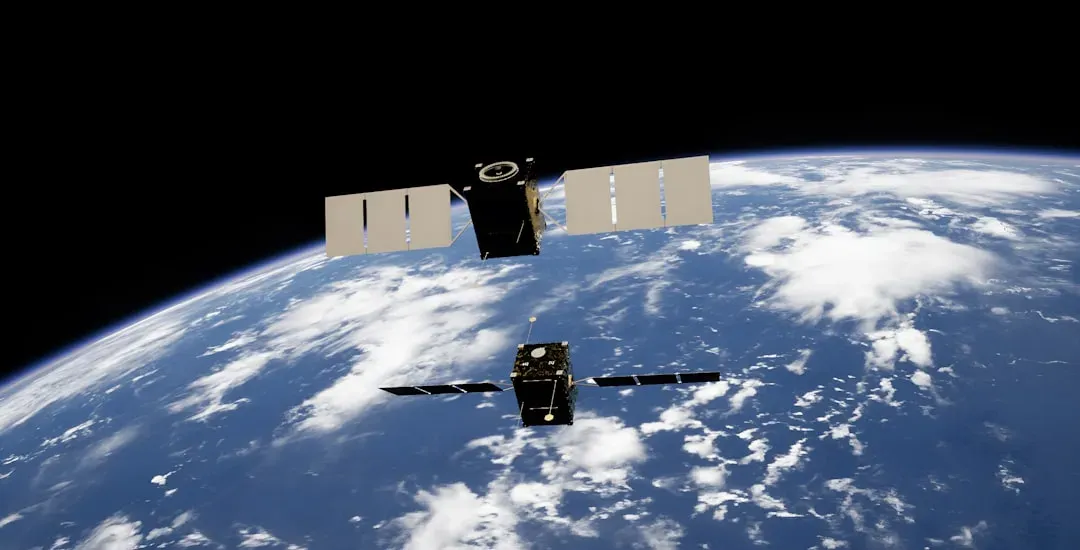
When your map app tells you where to turn, it’s quietly correcting for the weirdness of time and space predicted by Einstein. The satellites orbiting Earth experience time differently from clocks on the ground because they’re moving fast and higher up in a weaker part of Earth’s gravity. Without adjustments for these relativistic effects, your GPS would quickly drift off and your phone would get your location wrong by hundreds or even thousands of meters.
This means that every casual search for the nearest coffee shop is a tiny victory lap for twentieth‑century physics. You don’t see equations or complex math on your screen, but underneath, the system is constantly tweaking timing signals so the whole network stays accurate. Relativity might sound abstract and distant, like something buried in a dusty textbook, yet it’s quietly guiding delivery drivers, hikers, ships, airplanes, and emergency services every minute of every day.
You’re Breathing Atoms That Have Been Through Other People (And Stars)
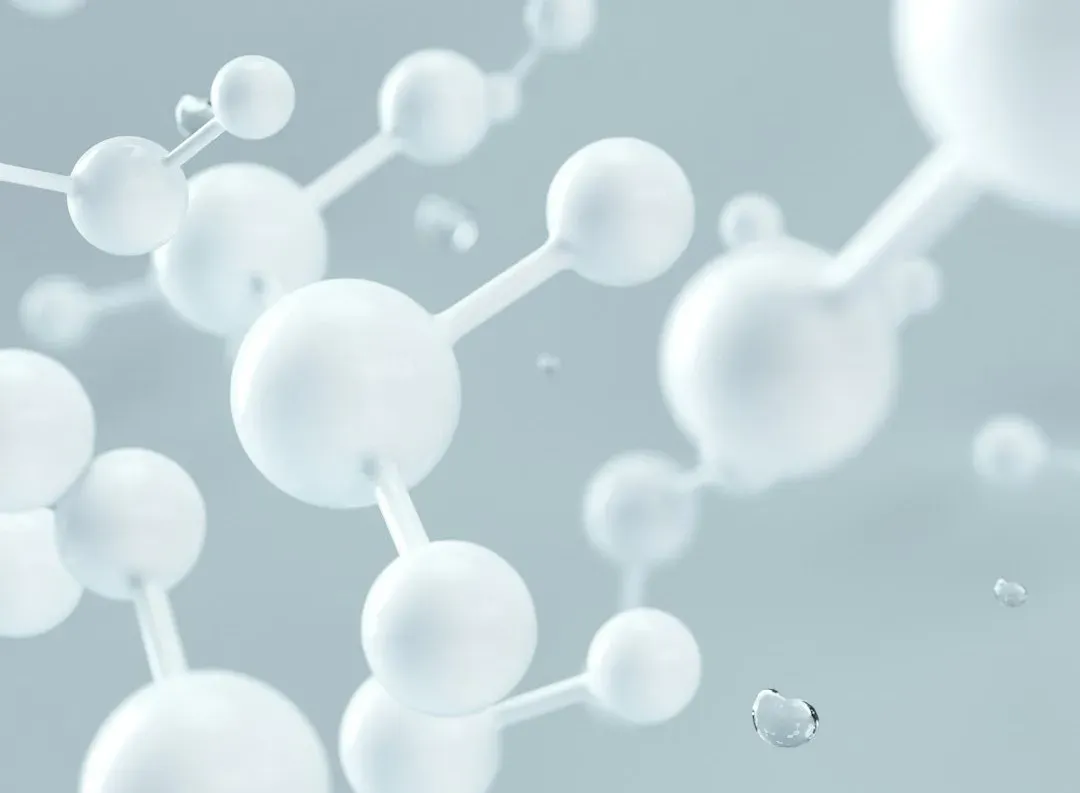
Take a slow breath in. Some of the oxygen and nitrogen molecules entering your lungs have almost certainly passed through countless other lungs before yours – animals, plants, and other humans across history. Because the atmosphere is constantly mixing and circulating around the planet, the air you inhale is part of a global recycling system that’s been running for billions of years. Over time, the same atoms get shuffled, reused, and redistributed in an endless loop.
Even more mind‑bending, many of the heavier atoms in your body, like carbon, calcium, and iron, were forged in ancient stars that exploded long before Earth existed. The phrase “we are stardust” is not poetic fluff; it’s basic astrophysics. Your bones hold elements made in the violent deaths of stars, now calmly helping you stand upright at the kitchen counter. Next time someone tells you you’re nothing special, you can gently remember that you’re literally built from atoms cooked in cosmic furnaces and recycled through endless chains of life.
Your Sense of Color Is a Brain-Made Illusion
When you look at a red apple, it feels like the redness is a property of the apple itself, sitting on its surface like paint. In reality, color is not “out there” in the same way; it’s your brain’s interpretation of different wavelengths of light hitting your eyes. The apple is reflecting some wavelengths and absorbing others, and your visual system translates that pattern into a subjective experience called red. If your brain were wired differently – or if you were a different animal – you’d see it completely differently.
Most humans can detect a wide range of colors using three types of cone cells in the retina, but some people have four types and may see extra subtle shades others can’t even imagine. On the flip side, many mammals see a much more limited color palette. This means your colorful world is partly a custom hallucination generated by your brain, tuned by evolution to help you survive. It’s accurate enough to keep you from eating rotten food or walking into traffic, but it’s not an objective picture of reality – it’s a useful story your nervous system tells.
Your Gut Bacteria Outnumber Your Own Cells By A Huge Margin

On paper, you’re a single human being. On a cellular level, you’re more like a walking ecosystem. Trillions of bacteria, viruses, and other microbes live on and inside you, especially in your gut, forming what scientists call your microbiome. The number of microbial cells in your body is enormous – comparable to, and by some estimates greater than, your own human cells – making you less “individual” and more like a crowded city of species sharing a common skin.
These microbes help you digest food, produce vitamins, and even influence your immune system and mood. There are studies linking the mix of bacteria in your gut to things like anxiety, weight, and how your body responds to certain medications. When I first learned this, yogurt suddenly felt more like a diplomatic mission than a snack. Every time you eat, sleep, or take antibiotics, you’re not just affecting you – you’re reshaping the community that lives with you and partly helps decide how you feel.
Every Metal Object Around You Is Ancient Stardust
The metal frame of your car, the copper in your phone charger, the iron in your frying pan – all of it traces back to stars that lived and died long before our solar system formed. The early universe mostly held hydrogen and helium, the simplest elements. Heavier elements like iron, nickel, copper, and gold were built inside stars through nuclear reactions and then scattered through space when those stars exploded as supernovas or were torn apart in violent mergers.
Over time, this stellar debris mixed into gas clouds that eventually collapsed to form new stars, planets, and everything on them, including our everyday metal items. So when you hold a key, you are literally holding material with a history stretching back billions of years, across events so energetic we can barely imagine them. It’s like using a spoon at breakfast without realizing it’s forged from the ashes of ancient suns. That old phrase about having the universe in your hands is not poetic exaggeration; it’s just chemistry and physics doing their thing.
Your Everyday Movements Quietly Obey Quantum Rules
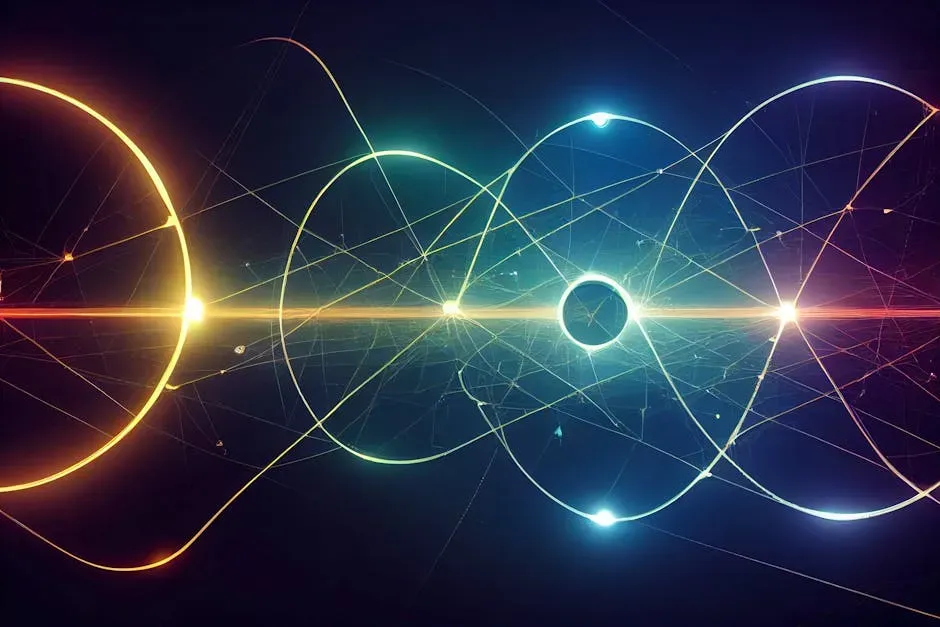
Quantum mechanics sounds like it belongs in a sci‑fi movie, but the strange rules it describes underpin the behavior of the ordinary matter around you. The solidity of objects, the way electrons form stable bonds in molecules, and even the way light from your screen works are rooted in quantum effects. You’re not seeing single electrons doing weird tricks, but their collective behavior gives rise to the stable, predictable world you move through every day.
Modern technologies you rely on, such as LEDs, lasers in barcode scanners, and the chips in your phone and computer, are all built with quantum principles in mind. The reason your computer can store information, or your camera sensor can detect light efficiently, is because engineers learned how to harness rules that once seemed purely theoretical. So while you might never solve a quantum equation yourself, you carry quantum physics in your pocket, wear it on your wrist, and stare at it on your desk for hours at a time.
The Air Around You Has Weight And Crushes You Gently

Air seems weightless and invisible, but it has mass and presses down on you with a surprisingly large force. At sea level, the atmosphere is pushing on every square inch of your body with a pressure equivalent to the weight of a small car spread out over your skin. You don’t feel crushed because the fluids inside your body push back with equal pressure, balancing things out in a delicate truce.
You get a hint of this pressure when your ears pop in an airplane or while driving up a mountain, as the outside pressure changes and your body tries to equalize. Weather, too, is driven by shifting patterns of air pressure, moving winds, and temperature differences. Next time a storm rolls in and the sky feels heavy, that’s not just a mood – it’s physics, with vast columns of air shifting and swirling above you, shaping everything from your afternoon walk to global climate patterns.
Conclusion: The Ordinary World Is Anything But Ordinary

Once you see how much science is secretly packed into everyday life, it’s hard to unsee it. Your body is constantly rebuilding itself, powered by a low‑energy brain, filled with microbes, made of stardust, and held together by forces acting across mostly empty space. The phone in your pocket leans on relativity and quantum physics, while every breath plugs you into a planetary recycling system that has been running since long before humans appeared.
What I love most is that none of this requires faith in something mystical; it just asks you to look a little closer at what’s already happening. The world doesn’t become less magical when you understand it – it becomes richer, deeper, and oddly more personal. Tomorrow, when you go through your “same old” routine, maybe you’ll catch one tiny detail and remember how astonishing it really is. Which of these everyday facts will pop into your head first the next time you glance at your own hands and wonder what they’re really made of?